Japanese Weddings | Experiencing Tradition and Culture - GTN MAGAZINE
日本語
日本語
English

Japanese Weddings | Experiencing Tradition and Culture

Japanese weddings are a unique cultural experience where centuries of tradition and ritual blend seamlessly with modern elements. From ancient Shinto ceremonies to contemporary party styles, there are many aspects of Japanese weddings that fascinate international visitors. This article provides a detailed guide to the traditions, styles, and ways to experience Japanese weddings.

目次

The History and Tradition of Japanese Weddings

Traditional Views on Marriage

In ancient Japan, marriage was not merely a bond between two individuals, but rather a union between two families.

Marriage was a crucial means of maintaining the social institution of the "ie" (family/household), and was deeply involved in the continuation of the family line and the establishment of social status.

Until the Edo period, the wedding ceremony itself was relatively simple and often took place at the groom's house.

The custom of yomeiri, where the bride moved to the groom's house with her trousseau, was central. Weddings during this era were small-scale ceremonies involving only family and close relatives.

Transformations in the Meiji Era

The origins of the modern Japanese wedding style can actually be traced back to the Meiji era.

In 1900, the wedding of the Crown Prince (later Emperor Taisho) was held in front of a Shinto shrine, which led to the spread of Shinto-style weddings among the general public. This marked the beginning of today's Shinzenshiki (神前式, Shinto-style wedding).

Before this, Japan did not have a specific formal wedding ceremony like those in the West, and simple rituals mainly conducted within the home were the norm.

As the Meiji government adopted Western culture, it felt the need to "modernize" wedding ceremonies and encouraged the Shinto-style ceremony.

Post-War Changes

After World War II, the influence of Western culture grew stronger, and Christian-style weddings (Kyōkaishiki, 教会式) gained popularity.

Western styles such as the white wedding dress, church, hymns, and wedding cake became established in Japan.

Today, weddings that blend traditional and modern elements are mainstream. It is common to combine a Shinto ceremony with a reception (Hiroen, 披露宴), or to incorporate both Japanese and Western attire.

In this way, Japanese weddings have evolved with the times while still valuing traditional concepts.


Types of Japanese Weddings

There are mainly four styles of wedding ceremonies in Japan.

Each has its own unique characteristics and is chosen according to the couple's values and wishes.

Shinzenshiki (神前式) | Embodying Japanese Tradition

The Shinzenshiki is a wedding style based on Japan's ancient Shinto religion. It is held at a shrine or a dedicated shrine hall within a wedding venue, where a Shinto priest (Kannushi, 神主) chants a prayer (Norito, 祝詞) and the couple exchanges vows before the gods.

Key features of the Shinzenshiki

•Traditional Japanese attire (Shiromuku or Iro-uchikake) is standard.

•A solemn and formal atmosphere.

•Includes traditional rituals such as San-san-kudo and Tamagushi Hōten.

•Duration is approximately 20 to 30 minutes.

•Relatively few attendees (mainly family and relatives).

The Shinzenshiki, which began in the Meiji era, is still cherished by couples who value Japanese identity. In recent years, it has also become popular among foreign couples as a unique experience of Japanese culture.

Kyōkaishiki (教会式) | A Style Incorporating Western Tradition

The Kyōkaishiki is a wedding ceremony based on Christian rites, which rapidly spread in Japan from the 1980s.

Many couples who choose this style are not actually Christian.

Main Features of Kyōkaishiki

•The white wedding dress and tailcoat are standard.

•Ceremony held in a church or chapel.

•Includes Bible readings, hymns, and the exchange of wedding vows.

•The entrance scene down the aisle (virgin road) is impressive.

•Duration is approximately 30 to 40 minutes.

While some ceremonies take place in authentic churches, many are held in "chapels" located within wedding venues.

For many Japanese people, the splendor of the Kyōkaishiki symbolizes the "wedding-like" atmosphere.

Jinzenshiki (人前式) | A Highly Flexible Modern Style

The Jinzenshiki is the most flexible wedding style, unbound by religious constraints. It is a style where the couple vows their marriage not before a god or Buddha, but before the assembled guests. It gained popularity after the 1990s.

Features of Jinzenshiki

•No religious restrictions; attire can be Japanese or Western.

•Easy to express the couple's originality.

•Allows for performances involving friends and family.

•Events like cake cutting and candle service are popular.

•Duration is approximately 20 to 30 minutes (varies depending on the couple's wishes).

In a Jinzenshiki, the couple can write their own vows, which is appealing for its ability to express their feelings more directly.

Due to its high degree of freedom, couples can incorporate elements from Western weddings or enjoy original and creative performances.

Butsuzenshiki (仏前式) | A Solemn Ceremony Based on Buddhist Teachings

The Butsuzenshiki is a wedding ceremony based on Buddhist teachings, held at a temple or a Buddhist room.

Although it is a relatively minor style today, it is still valued in Buddhist families.

Features of Butsuzenshiki

•Chanting of sutras and sermons by a head priest.

•Traditional Japanese attire (Shiromuku, etc.) is standard.

•A solemn and quiet atmosphere.

•Incense offering and vow ceremony before the Buddha.

•Attendees are mainly close relatives.

The Butsuzenshiki is often performed with a sense of gratitude to the deceased, making it a ceremony that strongly emphasizes family bonds.

Ceremony StyleLocationAttireCharacteristicsEstimated Cost
Shinzenshiki (神前式)Shrine/Shrine HallJapanese (Shiromuku/Iro-uchikake)Traditional, Formal300,000 - 500,000 JPY
Kyōkaishiki (教会式)Church/ChapelWedding Dress/TailcoatSplendid, Romantic200,000 - 400,000 JPY
Jinzenshiki (人前式)Venue/Hotel/Restaurant, etc.Free (Japanese or Western)Highly Flexible, Original150,000 - 350,000 JPY
Butsuzenshiki (仏前式)Temple/Buddhist RoomJapanese (Shiromuku, etc.)Solemn, Quiet250,000 - 450,000 JPY


Traditional Rituals and Their Meanings

Traditional Japanese weddings, especially the Shinzenshiki, include various rituals.

These rituals have deep symbolic meanings and represent the richness of Japanese culture.

San-san-kudo (三三九度)

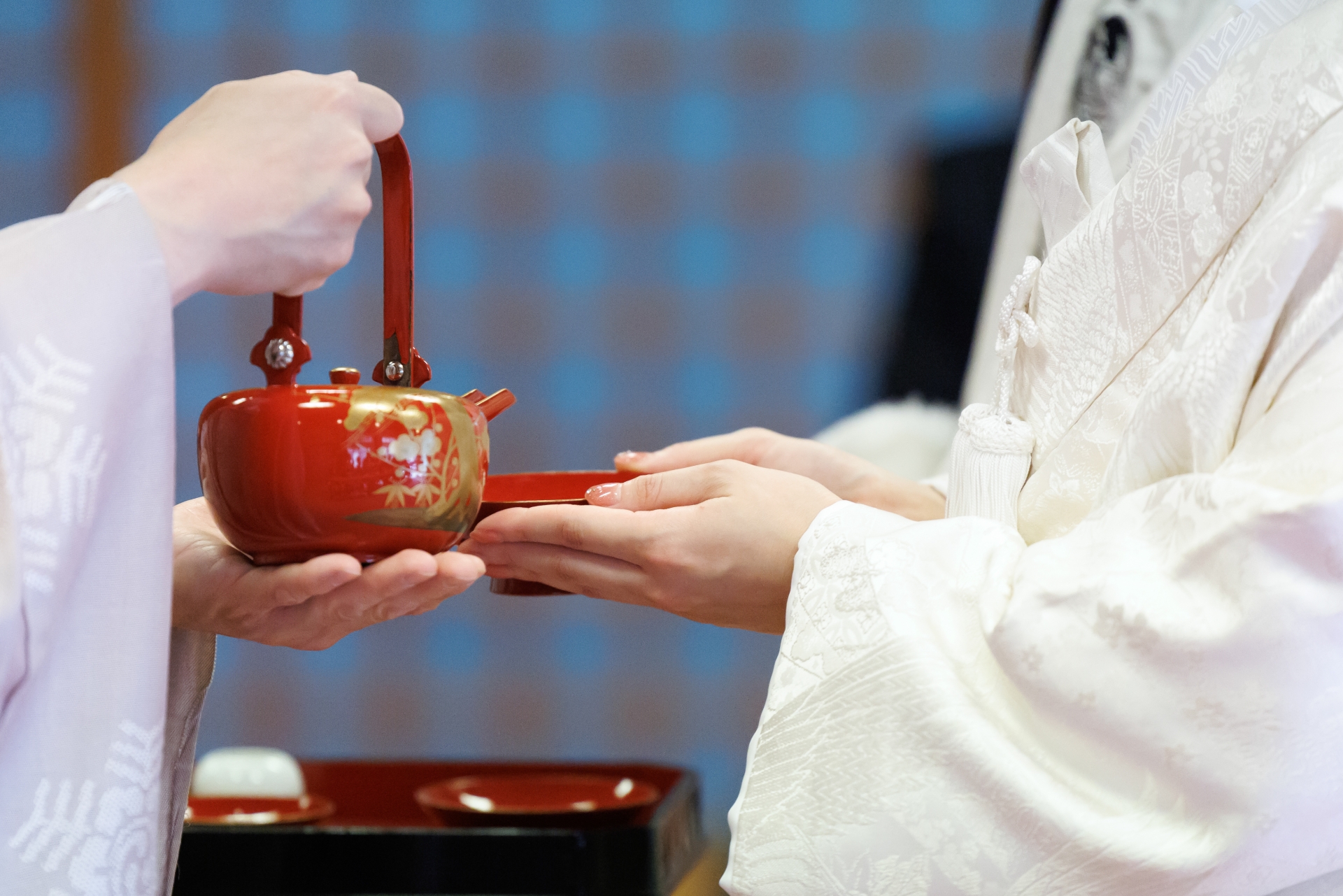
San-san-kudo is one of the most representative rituals of a Japanese wedding.

It is called "San-san-kudo" because the bride and groom exchange sake three times from three different-sized cups.

The specific flow of this ritual is as follows:

•Three cups (small, medium, and large) are prepared.

•The groom first receives the small cup and drinks the sake in three sips.

•Next, the bride drinks from the same cup in the same manner.

•This is repeated with the medium and large cups, resulting in a total of nine sips of sake.

The Deep Meaning of San-san-kudo

•The number "three" is indivisible, symbolizing the unbreakable bond of the couple.

•Drinking sake from the same cup represents a vow to share both joy and sorrow.

•Progressing from the small cup to the large cup expresses the gradual deepening of the marital bond.

This ritual is the highlight of the Shinzenshiki and is a symbol of marriage for many Japanese people.

During the ceremony, attendees watch in silence, blessing the couple's new beginning.

Tamagushi Hōten (玉串奉奠)

Tamagushi Hōten is a ritual of offering a small branch of the sacred sakaki (榊) tree to the altar.

The sakaki is considered a sacred tree and serves to show respect to the gods.

Procedure of the Ritual

•The Shinto priest hands a sakaki branch (tamagushi) to the bride and groom.

•The couple holds the tamagushi and proceeds to the altar.

•After bowing once, they place the tamagushi on the altar stand.

•They pray to the gods with the nihai-nihakushu-ippai (二拝二拍手一拝, two bows, two claps, one bow) manner.

The Meaning of this Ritual

•It expresses gratitude and respect to the gods.

•It signifies reporting the marriage and wishing for blessings.

•It strengthens the bond with the gods through the sacred sakaki tree.

Tamagushi Hōten is a solemn ritual that embodies the sacredness of Japanese Shinto.

Kekkon Seishi Sōjō (結婚誓詞奏上)

Kekkon Seishi Sōjō is the ritual where the bride and groom state their marriage vows before the gods. The groom usually reads the vows on behalf of the couple.

Content of the Ritual

•The marriage vows are handed to the groom by the Shinto priest.

•The groom reads the vows aloud.

•The vows typically include phrases such as, "We vow to respect and love each other, and to manage our household harmoniously."

The Significance of this Ritual

•It formally declares the couple's resolve as husband and wife to the gods.

•Making a public vow demonstrates the responsibility and commitment to the marriage.

•Making the promise in front of family and relatives secures their support and recognition.

Yuihimo no Gi (結い紐の儀)

The Yuihimo no Gi is a traditional ritual originating from Kawagoe Hikawa Shrine.

It has been adopted by many wedding venues in recent years and embodies the legend of the "red thread of fate."

This legend states that the little fingers of two people destined to be together are tied by an invisible red thread.

Flow of the Ritual

•A red string or mizuhiki (水引, decorative cord) is prepared.

•The string is tied to the little fingers or wrists of the bride and groom.

•This visually demonstrates the couple's bond.

The Symbolism of this Ritual

•It expresses that the couple is bound by fate.

•It confirms the marital bond by making the invisible thread visible.

•It symbolizes an unbreakable bond and eternal love.

The Yuihimo no Gi is often incorporated as an option in traditional Shinzenshiki or as a unique performance in Jinzenshiki, and is popular for its romantic element.


Japanese Wedding Attire

Japanese wedding attire is imbued with historical significance and symbolism.

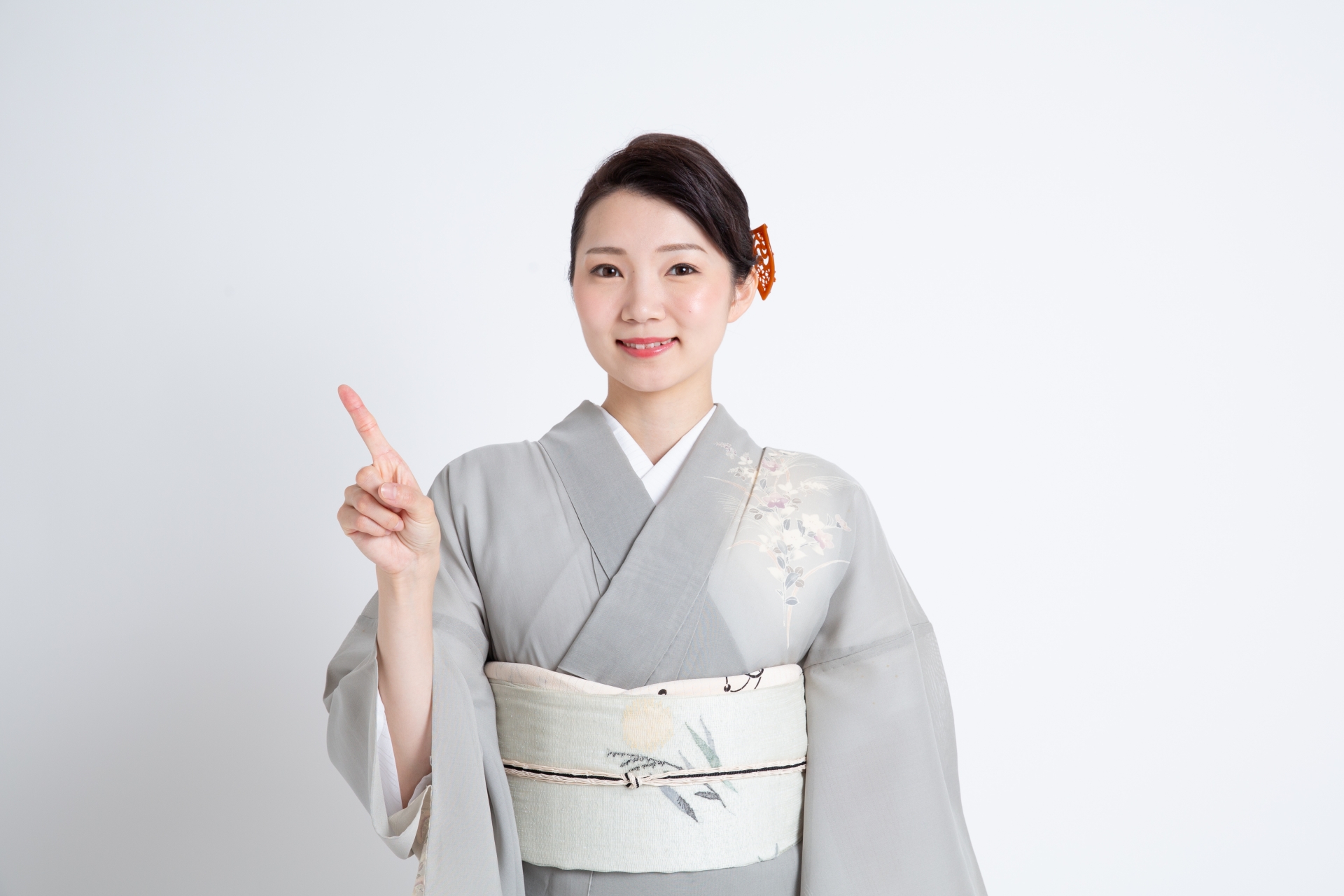
Traditional Japanese clothing (Wafuku, 和服) in particular attracts attention from around the world for its beauty and exquisite craftsmanship.

Shiromuku (白無垢)

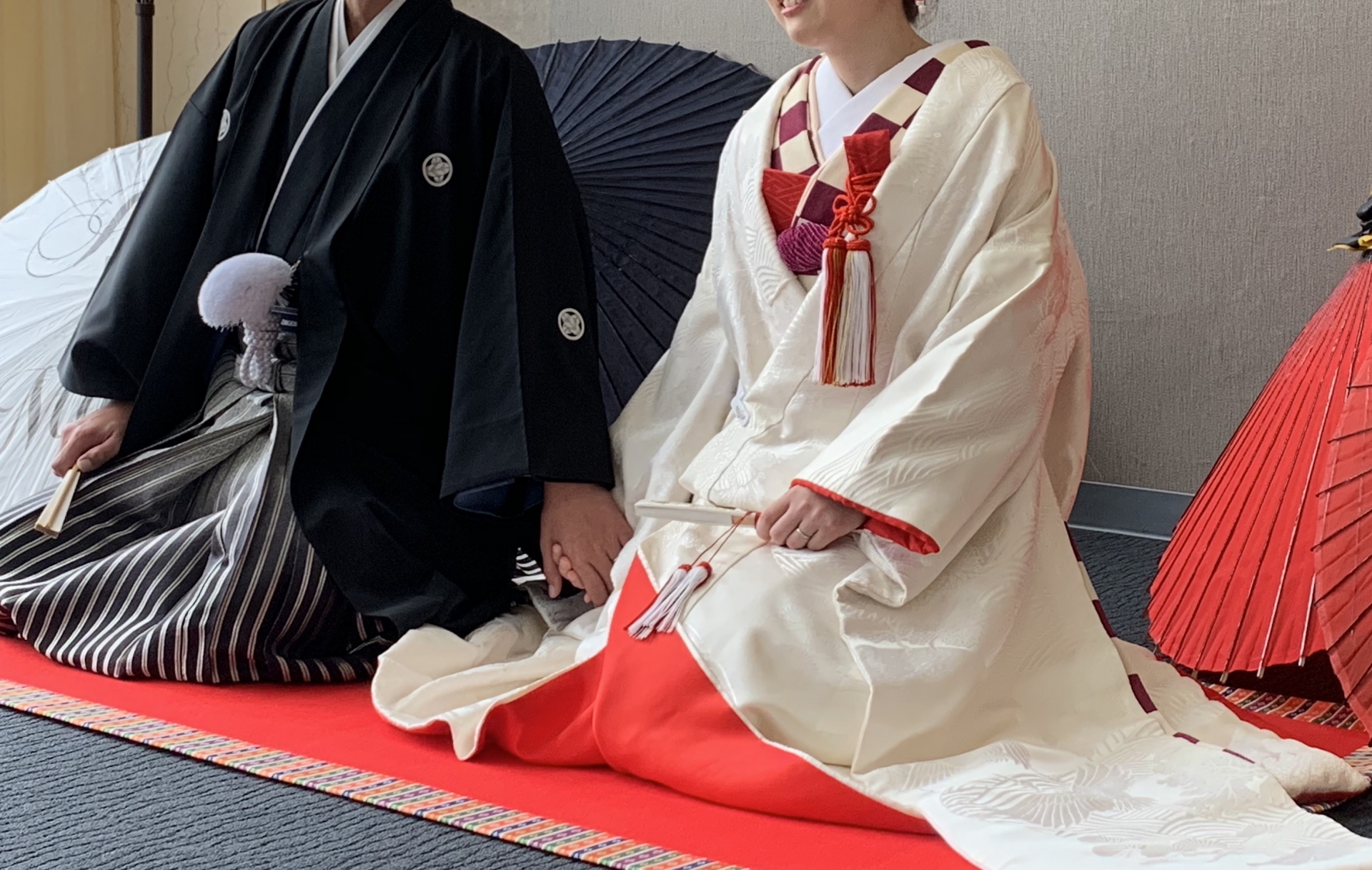
Shiromuku is the most traditional bridal gown for a Shinzenshiki.

It is a kimono made of pure white silk, combined with a white hood called tsunokakushi (角隠し) or a white cotton hat called watabōshi (綿帽子).

Features and Meaning of Shiromuku

•The pure white attire represents the bride's purity.

•It symbolizes the bride's resolve to be "dyed in the color of the new family," starting from a "white, undyed state."

•The tsunokakushi is said to hide the "horns" of jealousy.

•The entire outfit is very heavy and cannot be put on alone, thus also representing family bonds through the need for support.

Today, many brides choose Shiromuku for pre-wedding photos, and it is cherished as the most formal attire expressing traditional Japanese beauty.

Iro-uchikake (色打掛)

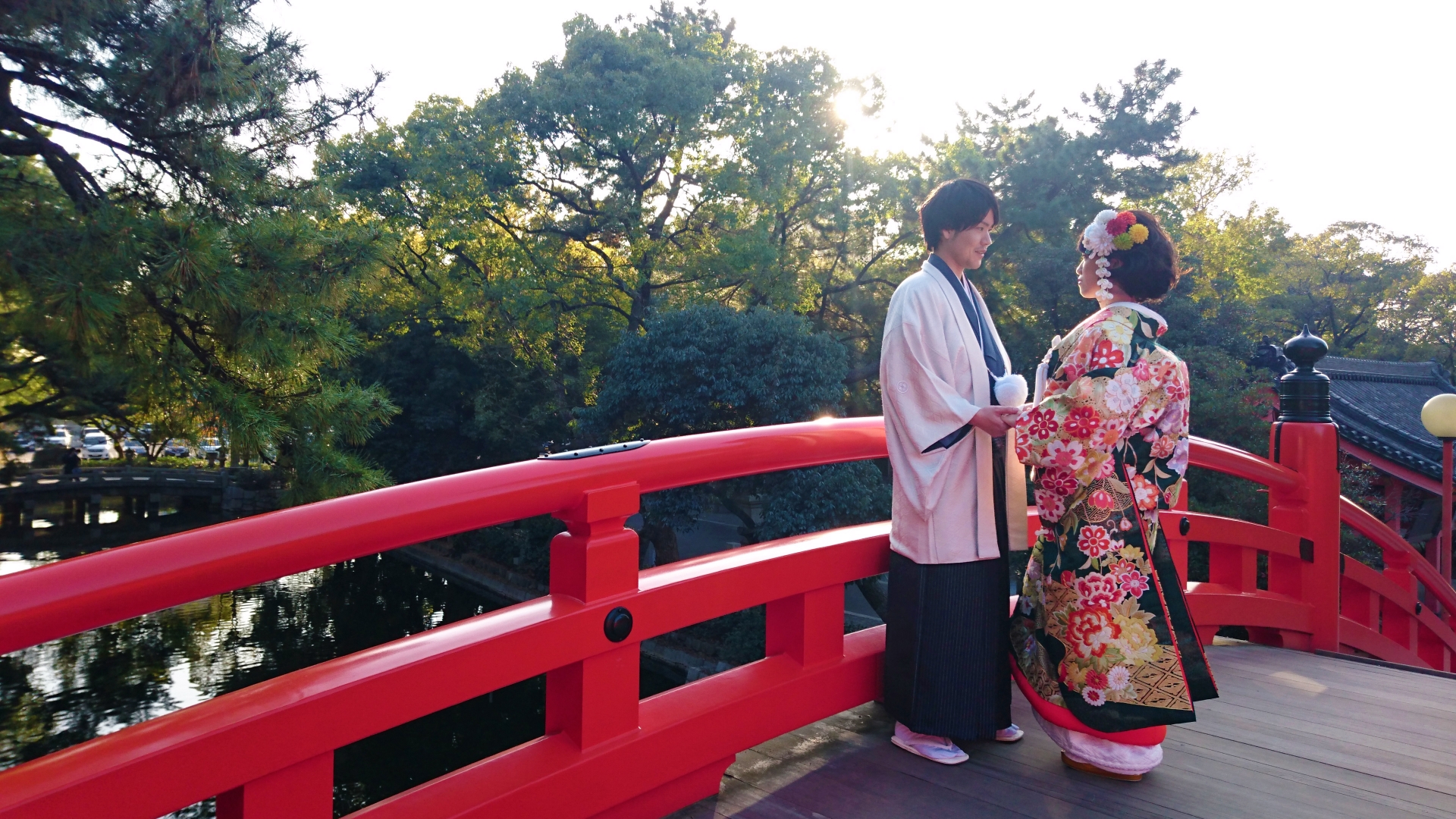
Iro-uchikake is a formal kimono characterized by vibrant colors and gorgeous embroidery or gold leaf decoration. It is often worn at the reception after the Shinzenshiki or during the change of attire (Oironaoshi).

The Appeal of Iro-uchikake

•It comes in various colors such as red, blue, and purple, each with its own meaning (red for warding off evil, purple for nobility, etc.).

•It is decorated with auspicious patterns such as cranes and pine trees.

•It creates a splendid atmosphere for the bride and the celebration.

•It often features the family crest, expressing family pride.

The Iro-uchikake is one of the most luxurious kimonos, representing the culmination of the artisan's skill in each piece.

In recent years, Iro-uchikake with modern arrangements, in addition to traditional designs, have also become popular.

Hikifurisode (引き振袖)

The Hikifurisode is a long-sleeved kimono worn under the Uchikake, characterized by its length, which trails on the floor.

It is a special furisode worn at weddings and wedding ceremonies.

Features of Hikifurisode

•The sleeves are very long, giving an elegant impression.

•It is often worn in combination with the Iro-uchikake.

•Its vibrant colors and patterns adorn the celebratory occasion.

Montsuki Hakama (紋付袴)

Montsuki Hakama is the formal attire worn by the groom in a Shinzenshiki.

The appearance of a black or navy kimono with a family crest and hakama (a wide-legged trouser-like garment) symbolizes dignity.

Components of Montsuki Hakama

•The upper body consists of a montsuki (kimono with a family crest) and a haori (jacket).

•The lower body is the hakama (wide-legged Japanese trousers).

•Footwear includes white tabi (socks) and zōri (sandals).

In a Shinzenshiki, the groom's choice of Japanese attire complements the bride's Shiromuku, creating a sense of unity and enhancing the atmosphere of a traditional Japanese wedding.

Blending Japanese and Western Attire

In modern Japanese weddings, it is common to combine Japanese and Western styles, such as wearing Japanese attire for the Shinzenshiki and Western attire for the reception. Many couples consider various combinations of attire to balance tradition and modernity.

Popular Combination Examples

•Shiromuku for the Shinzenshiki, a wedding dress for the reception entrance, and Iro-uchikake for the change of attire.

•Dress and tailcoat for the Kyōkaishiki, changing to Japanese attire for the change of attire.

•Japanese attire for photo shoots, and Western attire for the actual ceremony and reception.

These choices reflect a sense of balance that respects Japanese tradition while incorporating personal preferences. An increasing number of foreign couples are also drawn to the special charm of traditional Japanese Wafuku, choosing Shiromuku or Iro-uchikake for photo weddings or actual ceremonies.


Flow and Progression of the Ceremony

Japanese weddings generally consist of two parts: the ceremony and the reception.

Let's look closely at the flow and main events of each.

Flow of the Ceremony

In the case of Shinzenshiki

Sanshin no Gi (参進の儀, Procession)

•After the attendees are seated, the bride and groom enter.

•At a shrine, they proceed solemnly to the music of Kagura (神楽, Shinto music and dance).

Shubatsu no Gi (修祓の儀, Purification)

•The Shinto priest performs a purification ritual.

•This prepares the mind and body to stand before the gods in a state of purity.

Norito Sōjō (祝詞奏上, Chanting of Prayers)

•The Shinto priest chants a Norito to report the marriage and pray for blessings from the gods.

•The marriage is celebrated with beautiful words written in ancient Japanese.

San-san-kudo no Gi (三三九度の儀)

•As mentioned earlier, this is the ritual of exchanging sake with three cups.

•It is a symbolic ritual that serves as the highlight of the wedding.

Ring Exchange

•A ritual added under Western influence.

•It signifies making a tangible symbol of the couple's vow.

Tamagushi Hōten (玉串奉奠)

•The ritual of offering a sakaki branch to the altar.

•It expresses gratitude to the gods.

Exit

•The bride and groom exit, followed by the attendees.

The ceremony takes about 20 to 30 minutes and proceeds in a solemn atmosphere.

In the case of Kyōkaishiki

Groom's Entrance and Waiting

•The groom and best man enter and wait in front of the altar.

Bride's Entrance

•The bride, escorted by her father, enters to the tune of a wedding march such as "Here Comes the Bride."

•The moment she walks down the aisle (virgin road) in her veiled attire is moving.

Bible Reading

•The pastor or priest reads passages from the Bible about love.

Exchange of Vows

•The couple exchanges words vowing their love to each other.

•The traditional vows, such as "In sickness and in health..." are often used.

Ring Exchange

•The couple exchanges rings as a symbol of eternal love.

Kiss Ceremony

•The pastor declares, "You may kiss the bride," and the couple kisses.

Exit

•The bride and groom exit to cheerful music.

The Kyōkaishiki takes about 30 to 40 minutes and is characterized by a solemn yet moving atmosphere.

Flow of the Reception (Hiroen)

The reception is a party held after the ceremony to celebrate the marriage with the invited guests. The general flow of a Japanese reception is as follows:

Opening and Entrance of the Bride and Groom

•The bride and groom enter, introduced by the master of ceremonies.

•Music and lighting effects create a splendid atmosphere.

Guest of Honor's Speech and Toast

•The groom's guest of honor (often a boss or respected teacher) gives a congratulatory speech.

•The banquet begins with a toast.

Meal

•As the course meal is served, the bride and groom visit each table to greet guests (table round).

•Video presentations or slideshows may also be shown during this time.

Performances and Entertainment

•Speeches and performances are given by friends and family.

•Various events, such as an introduction to how the couple met or surprise plans, are held.

Change of Attire (Oironaoshi) and Re-entry

•The bride (and sometimes the groom) changes attire and re-enters.

•Changes often involve switching from Japanese to Western attire, or vice versa.

Cake Cutting

•The couple cuts the wedding cake together.

•This performance symbolizes a sweet future.

Candle Service

•The bride and groom walk around the tables and light candles.

•The spreading light represents the "chain of happiness."

Flower Presentation

•The bride and groom present bouquets of flowers to their parents as a token of gratitude.

•A letter of gratitude may also be read.

Tejime (手締め, Traditional Hand-Clapping)

•A traditional Japanese closing ritual, where three claps are performed with the shout of "Iyo, iyo, iyo."

•The rhythm and number of claps vary by region (e.g., "Osaka-jime" or "Hakata Ippon-jime").

Exit and Seeing Off Guests

•The bride and groom exit and see off the attendees at the door.

•The bride's letter to her parents and the distribution of small gifts (Petit Gift) may take place.

The reception generally lasts about two hours, but this varies depending on the region and venue. In recent years, more casual receptions and after-parties have become popular.

Cost and Budget Estimates

The cost of a Japanese wedding varies greatly depending on the scale and content.

Here, we explain the general breakdown of costs and budget estimates.

Average Cost of a Wedding

The average total cost of a Japanese wedding is said to be approximately 3.205 million JPY. This amount is the comprehensive cost, including both the ceremony and the reception.

Breakdown of Costs (Approximate)

•Ceremony Fee: 200,000 - 500,000 JPY (varies by style)

•Reception Fee: 2,000,000 - 3,000,000 JPY (varies by number of guests)

•Attire: 400,000 - 700,000 JPY (includes rental and dressing)

•Photography/Videography: 300,000 - 500,000 JPY

•Gifts for Guests (Hikidemono): 5,000 - 10,000 JPY per person

•Invitations/Paper Items: 50,000 - 100,000 JPY

Actual Burden and Goshūgi (ご祝儀)

While the total cost is high, the actual financial burden on the couple is often significantly lower due to the tradition of Goshūgi (ご祝儀, monetary gift).

Goshūgi is a congratulatory monetary gift given by guests to the couple.

Goshūgi Tradition

•Amount: The standard amount is 30,000 JPY per person (for friends/colleagues), 50,000 - 100,000 JPY for relatives.

•Purpose: It is intended to cover the cost of the meal and gifts for the guest, and to provide a financial contribution to the couple's new life.

The average amount received in Goshūgi is said to be around 2.2 million JPY. Therefore, the actual financial burden on the couple is often around 1 million JPY (Total Cost - Goshūgi).

Tips for Reducing Costs

Couples often employ various strategies to manage the high cost of weddings:

•Choosing a less popular season or day: Weekdays, winter, or the summer off-season can offer discounts.

•Limiting the number of guests: Reducing the guest list directly lowers the cost of meals and gifts.

•DIY (Do It Yourself): Creating invitations, welcome boards, or small gifts themselves.

•Choosing a public or municipal venue: These are often less expensive than private wedding halls or hotels.

•Using a wedding planner: A professional can help negotiate prices and find cost-effective options.

Japanese Weddings for Foreigners to Experience

Japanese weddings are not just for Japanese couples; there are various ways for foreigners to experience this unique culture.

Inbound Wedding

An "Inbound Wedding" refers to a wedding ceremony held in Japan for a couple from overseas.

Features of Inbound Weddings

•Focus on Japanese Culture: Many couples choose a traditional Shinzenshiki at a historic shrine or temple.

•Photo Opportunities: The beautiful Japanese scenery (cherry blossoms, autumn leaves, traditional gardens) serves as a stunning backdrop.

•Attire: The couple often chooses to wear traditional Japanese attire (Shiromuku, Iro-uchikake, Montsuki Hakama).

•Language Support: Many venues and planners offer multilingual support (English, Chinese, etc.).

Photo Wedding Experience

A "Photo Wedding" is a popular option for couples who want to capture beautiful memories in Japanese attire and scenery without holding a full ceremony.

Appeal of Photo Weddings

•Flexibility: Can be done at any time and location, regardless of the season.

•Cost-Effective: Significantly cheaper than a full wedding.

•Focus on Attire: A chance to wear luxurious Shiromuku or Iro-uchikake.

•Popular Locations: Kyoto's temples, Tokyo's modern cityscapes, and Okinawa's beaches are popular.

Wedding Viewing and Experience Programs

Some shrines and venues offer programs for tourists to observe or experience a Japanese wedding.

Examples of Experience Programs

•Ceremony Viewing: Observing a Shinzenshiki from a designated area (often at large, popular shrines).

•Attire Trial: Trying on Shiromuku or Iro-uchikake for a photo session.

•Ritual Workshop: Learning about and experiencing small parts of the traditional rituals.

Unique Cultural Experience Plans

There are also unique plans that combine a wedding with other cultural experiences.

•Samurai Wedding: A wedding ceremony with a samurai theme, sometimes including sword performances.

•Tea Ceremony Wedding: Incorporating a traditional tea ceremony into the wedding or reception.

•Onsen (Hot Spring) Wedding: A small, intimate ceremony followed by a relaxing stay at a traditional onsen resort.

Unique Experiences in Regional Cities

Regional cities in Japan offer unique wedding experiences that reflect local culture and nature.

•Hokkaido: Winter weddings in ice chapels or photo shoots in lavender fields.

•Okinawa: Beach weddings and ceremonies in traditional Ryukyu-style attire.

•Kanazawa: Weddings in historic machiya (traditional townhouses) or gardens.

Basic Etiquette for Attending a Japanese Wedding

For foreigners attending a Japanese wedding, understanding the basic etiquette is important to show respect for the culture.

Dress Code Etiquette

The dress code for a Japanese wedding is generally formal.

•Men: A dark suit (black, navy, or gray) with a white shirt and a tie (avoiding black ties, which are associated with funerals).

•Women: A formal dress or kimono. Avoid white (reserved for the bride) and overly revealing attire. Shoulders should be covered.

•Avoid: Animal prints, leather, and overly casual clothing (jeans, sneakers).

Goshūgi (Monetary Gift) Etiquette

The tradition of giving a monetary gift (Goshūgi) is unique to Japan.

•Amount: As mentioned, 30,000 JPY is the standard for friends/colleagues. The amount should be an odd number (e.g., 30,000, 50,000) to symbolize that the bond cannot be "divided." Avoid the number 4 (shi, which sounds like death) and 9 (ku, which sounds like suffering).

•Envelope: The money must be placed in a special decorative envelope called Shūgi-bukuro (祝儀袋).

•New Bills: Use crisp, new bills to show that the gift was prepared with care and anticipation.

Etiquette During the Ceremony and Reception

•Punctuality: Arrive on time. Japanese events are known for their strict adherence to schedule.

•Photography: Ask permission before taking photos, especially during the solemn ceremony.

•Speeches: When a speech is being given, listen attentively and avoid talking.

•Toasting: Raise your glass and say "Kanpai" (乾杯) when the toast is made.

Consideration for Overseas Attendees

Wedding planners and couples often make special arrangements for guests from overseas.

•Multilingual Support: Providing English-speaking staff or multilingual programs.

•Dietary Needs: Offering Western-style meals or accommodating specific dietary restrictions.

•Gift Alternatives: Sometimes, couples will accept a gift from a registry or a smaller monetary gift instead of the standard Goshūgi.

Differences Between Japanese and Overseas Weddings

Japanese weddings have several distinct features when compared to those in other countries.

Duration and Scale of the Ceremony

•Japan: The ceremony itself is relatively short (20-40 minutes), and the reception is typically 2-3 hours. The entire event is often completed within a single day.

•Overseas: Ceremonies can be longer, and receptions/parties can last for many hours or even multiple days.

Guests and Participation Style

•Japan: Guests are often divided into two groups: those invited only to the ceremony (mainly family/relatives) and those invited to the reception (friends/colleagues).

•Overseas: It is common for all invited guests to attend both the ceremony and the reception.

Rituals and Traditions

•Japan: Features unique rituals like San-san-kudo and Tamagushi Hōten.

•Overseas: Typically involves the exchange of vows, rings, and a kiss ceremony.

In Japan, there is a tendency to emphasize emotion and solemnity, while in the West, the focus is often more on celebration and a party atmosphere.

Cost Burden and Gift Culture

•Japan: The couple (or both families) primarily bears the cost, with Goshūgi covering a portion.

•Overseas: Traditionally, the bride's family bore much of the cost in some countries, but increasingly, couples share the expenses. The gift culture is centered around a gift registry (wish list) or sometimes cash.

Attire Differences

•Japan: Multiple changes of attire (Oironaoshi) are common. The bride often enjoys both traditional Japanese attire (Shiromuku, Iro-uchikake) and a Western wedding dress. The groom may also wear both Montsuki Hakama and Western formal wear.

•Overseas: The bride typically wears one wedding dress. The groom wears a tuxedo or morning coat.

The multiple changes of attire in Japanese weddings are often seen as a particularly impressive feature by foreign observers.

Wedding Venues and Popular Spots

There are various types of wedding venues across Japan, offering unique ceremonies that reflect the local culture and climate. Here, we introduce popular wedding venues and experience spots, especially for foreigners.

Shrines and Temples in Kyoto

Kyoto, a city that embodies the essence of Japanese culture, attracts many couples from both Japan and abroad for weddings.

Ceremonies at shrines and temples are particularly popular as solemn rituals held in a historic atmosphere.

Popular Shrines and Temples (Kyoto City)

•Shimogamo Shrine: An ancient shrine registered as a World Heritage Site, highly popular among foreigners.

•Yasaka Shrine: Located in the heart of Gion, a shrine where vibrant Iro-uchikake look particularly stunning.

•Heian Jingu Shrine: Features vast grounds, especially beautiful during the weeping cherry blossom season.

•Kitano Tenmangu Shrine: Known as the god of scholarship and famous for its plum blossoms.

Famous Spots Near Kyoto

•Ishiyama-dera Temple: A temple associated with The Tale of Genji, with a beautiful view overlooking Lake Biwa.

While not in central Kyoto, Ishiyama-dera Temple in Otsu City, Shiga Prefecture, is also recommended.

Known as a temple associated with The Tale of Genji, couples can hold their ceremony amidst a beautiful landscape overlooking Lake Biwa.

The appeal of a Kyoto wedding is the ability to experience a solemn atmosphere and the seasonal beauty of Japan. It is so popular that reservations, especially during the autumn leaves and cherry blossom seasons, can be difficult to secure.

Modern Venues in Tokyo

Tokyo offers a diverse range of wedding venues that blend tradition and modernity. Facilities that balance Japanese tradition with modern amenities are particularly popular with foreigners.

Popular Spots in Tokyo

•Meiji Jingu Shrine: A tranquil shrine surrounded by a rich forest, despite being in the city center.

•Meguro Gajoen: A luxurious venue that embodies the best of Japanese architecture, featuring the "Hyakudan Kaidan" (Hundred-Step Staircase).

•Hotel Gajoen Tokyo: A facility that houses the "Hyakudan Kaidan," a registered tangible cultural property.

•Hotels overlooking Tokyo Tower or Skytree: Photos with the Tokyo skyline as a backdrop are popular.

•Modern venues in Daikanyama and Omotesando: Spots where one can experience modern Japanese aesthetics.

In Tokyo, hybrid weddings that freely combine traditional and modern elements are possible. Furthermore, international hotels offer extensive multilingual support, creating an environment where foreigners can hold their ceremony with peace of mind.

Resort Weddings in Okinawa

Okinawa is a region with its own unique culture in Japan and is a mecca for resort weddings. The appeal lies in the open-air ceremonies set against the backdrop of the blue sea and sky.

Characteristic Okinawa Weddings

•Beach Ceremony: Popular for open-air ceremonies against the white sand and blue sea.

•Chapel Wedding: Many white chapels offer panoramic views of the ocean.

•Photo Wedding in Ryukyu Dynasty Attire: Photo shoots wearing the traditional attire of the Ryukyu Kingdom era.

•Traditional Okinawa Wedding in an Old House: Traditional ceremonies held in old houses with red-tiled roofs.

•Sunset Beach Party: Parties set against the backdrop of the sunset are popular.

Okinawa weddings have a distinct atmosphere different from other parts of Japan, and are chosen by couples who desire a relaxed, resort-like ceremony. They are particularly popular for international marriages with many overseas attendees, serving as a destination wedding combined with sightseeing.

Against the Backdrop of Hokkaido's Great Nature

Weddings set against the magnificent nature of Hokkaido are also popular, especially among tourists from Europe and North America. The beautiful scenery of the four seasons further enhances the memories of the special day.

Appealing Hokkaido Weddings

•Snow Chapel: Winter-only ceremonies in fantastical chapels made of snow and ice in Tomamu or Niseko.

•Photo Wedding in Lavender Fields: Photo shoots against the backdrop of the summer lavender fields in Furano.

•Garden Wedding in Great Nature: Outdoor ceremonies that allow one to feel the vast nature of Hokkaido.

•Hakodate Church Group: Ceremonies in historic churches and photo shoots against the night view.

•Lakeside Wedding: Ceremonies set against the beautiful lakes such as Lake Toya and Lake Shikotsu.

The charm of a Hokkaido wedding lies in the vivid expressions of each of the four seasons. Hokkaido, which shows completely different faces depending on the season—snowscapes, spring cherry blossoms, summer greenery, and autumn leaves—is an ideal wedding destination for foreigners who want to experience the seasonal beauty of Japan.

Historic Buildings in Ancient Capitals Nara and Nikko

Weddings held in the historic buildings of Nara and Nikko, which are registered as World Heritage Sites, are also popular, especially among foreigners interested in history and traditional culture.

Historic Spots in Nara and Nikko

•Nara Kasuga Taisha Shrine: Known since ancient times as a god of matchmaking.

•Nara Hotel: A classic hotel with a history dating back to the Meiji era.

•Nikko Toshogu Shrine: A World Heritage Site characterized by its gorgeous and elaborate decorations.

•Wedding venues overlooking Kegon Falls: A unique atmosphere where nature and history merge.

Weddings in these locations become a valuable experience where one can feel the long history and traditional culture of Japan firsthand. For foreigners, it will be remembered as a cultural experience that goes beyond just a wedding ceremony.

Conclusion

Japanese weddings are a unique cultural experience that fuses tradition and modernity.

From the solemn rituals of the Shinzenshiki to the splendid performances of the reception, their diversity makes them a fascinating experience for foreign visitors.

Furthermore, the unique wedding venues across Japan and the beauty of the Japanese attire will create exceptional memories.

For those visiting Japan, observing or experiencing a wedding leads to a deeper cultural understanding that goes beyond mere sightseeing.

By experiencing this important milestone in life through the lens of Japanese tradition and aesthetics, it will become a richer memory of their trip to Japan.

The Japanese wedding culture, which respects tradition while continuously evolving with the times, will continue to attract many foreign tourists.

We hope this article has helped you understand the profound culture and potential for experience in Japanese weddings.

If you wish to actually experience a Japanese wedding, we recommend consulting with local tourism associations or specialized wedding companies.

A special, lifelong memory surely awaits you.

関連記事