Hiking Mount Hiei | A Journey Through History and Nature - GTN MAGAZINE
日本語
日本語
English

Hiking Mount Hiei | A Journey Through History and Nature

Mt. Hiei, located on the border between Kyoto and Shiga prefectures, is a place where Japanese history and culture come alive.

Standing at 848 meters, this mountain is the sacred site of Enryakuji Temple, a UNESCO World Heritage site with over 1,200 years of history. It is also a popular destination for both domestic and international travelers as a scenic hiking spot.

In this article, we will provide international visitors with a detailed guide to the charms of hiking Mt. Hiei, how to enjoy it, access methods, recommended courses, and seasonal highlights.

A hiking experience on Mt. Hiei, where a mystical atmosphere, grand nature, and historical value intertwine, is sure to become an unforgettable memory.

目次

The Charm and History of Mt. Hiei

Mt. Hiei as the "Mother Mountain" of Japanese Buddhism

Mt. Hiei is not just a beautiful mountain; it is an extremely important sacred site in the history of Japanese Buddhism.

Founded in 788 AD by Saicho (Dengyo Daishi), Enryakuji Temple has boasted over 1,200 years of history as the head temple of the Tendai sect in Japan.

It is called the "Mother Mountain of Japanese Buddhism" because it was the place where great monks who later founded various sects of Japanese Buddhism—such as Honen, Shinran, Dogen, and Nichiren—underwent their training.

Located at the "Demon Gate" (northeast) of Kyoto, Mt. Hiei has been revered since ancient times as a spiritual mountain protecting Heian-kyo (modern-day Kyoto). Its religious and cultural value was recognized in 1994 when it was registered as a UNESCO World Cultural Heritage site as part of the "Historic Monuments of Ancient Kyoto."

The Mountain of the Thousand-Day Circumambulation (Sennichi Kaihogyo)

The "Sennichi Kaihogyo" performed at Mt. Hiei Enryakuji is known as one of the most rigorous ascetic practices in the world.

It is a practice of visiting sacred sites scattered throughout Mt. Hiei, and it is said that practitioners walk a distance of approximately 40,000 km over more than 1,000 days. This distance is equivalent to circling the Earth.

Some of the hiking courses allow you to walk part of this Sennichi Kaihogyo route, enabling you to follow in the footsteps of the ascetic monks. Touching upon a part of this severe training will surely deepen your understanding of Japanese spiritual culture.

Scenery in Harmony with Nature

The charm of Mt. Hiei is not limited to its history. Its beautiful nature, changing with the four seasons, is also a major highlight.

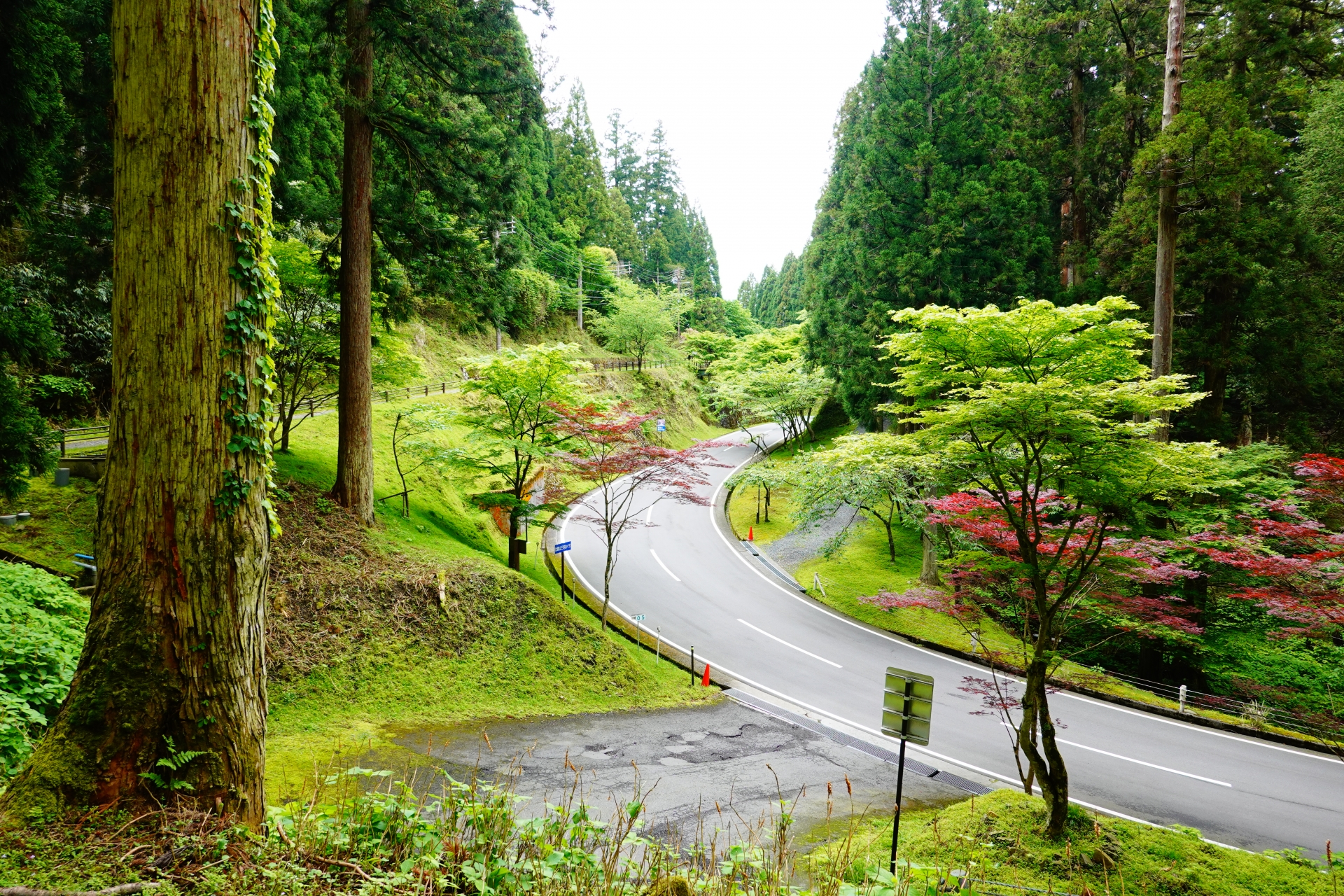
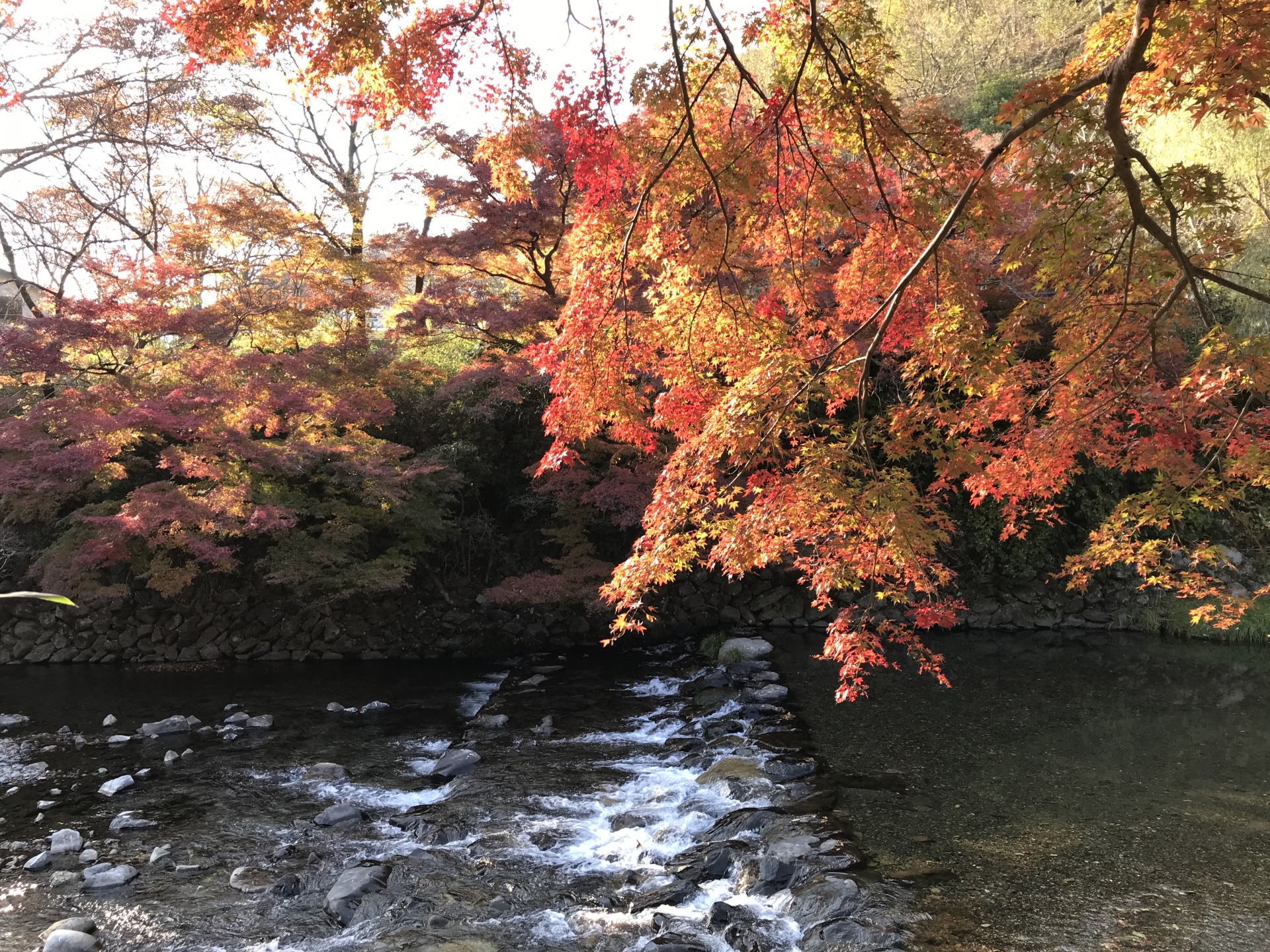
In spring, you can see cherry blossoms and fresh greenery; in summer, cool shade; in autumn, vibrant fall colors; and in winter, a solemn snowy landscape. The mountain shows a different face throughout the year.

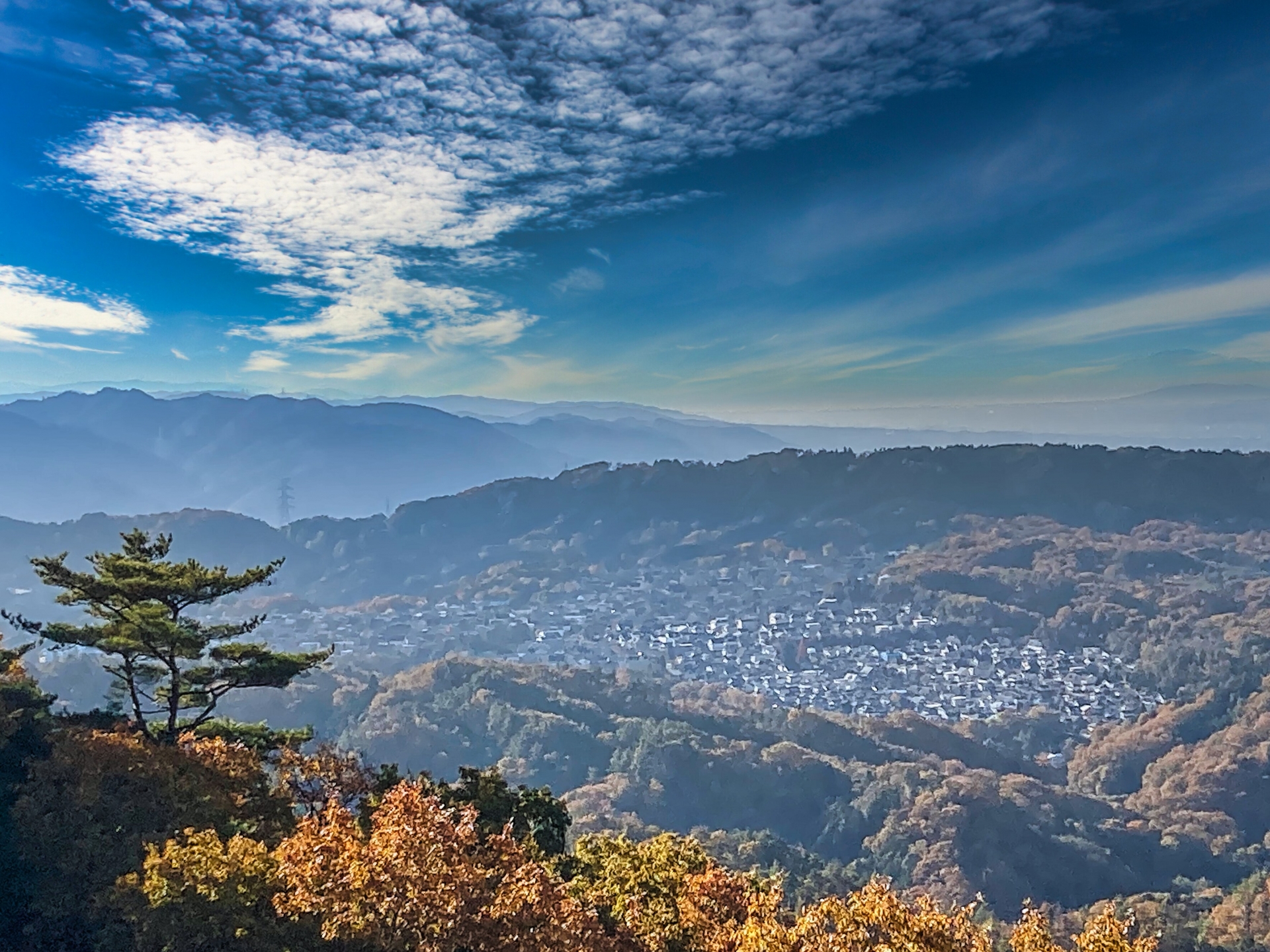
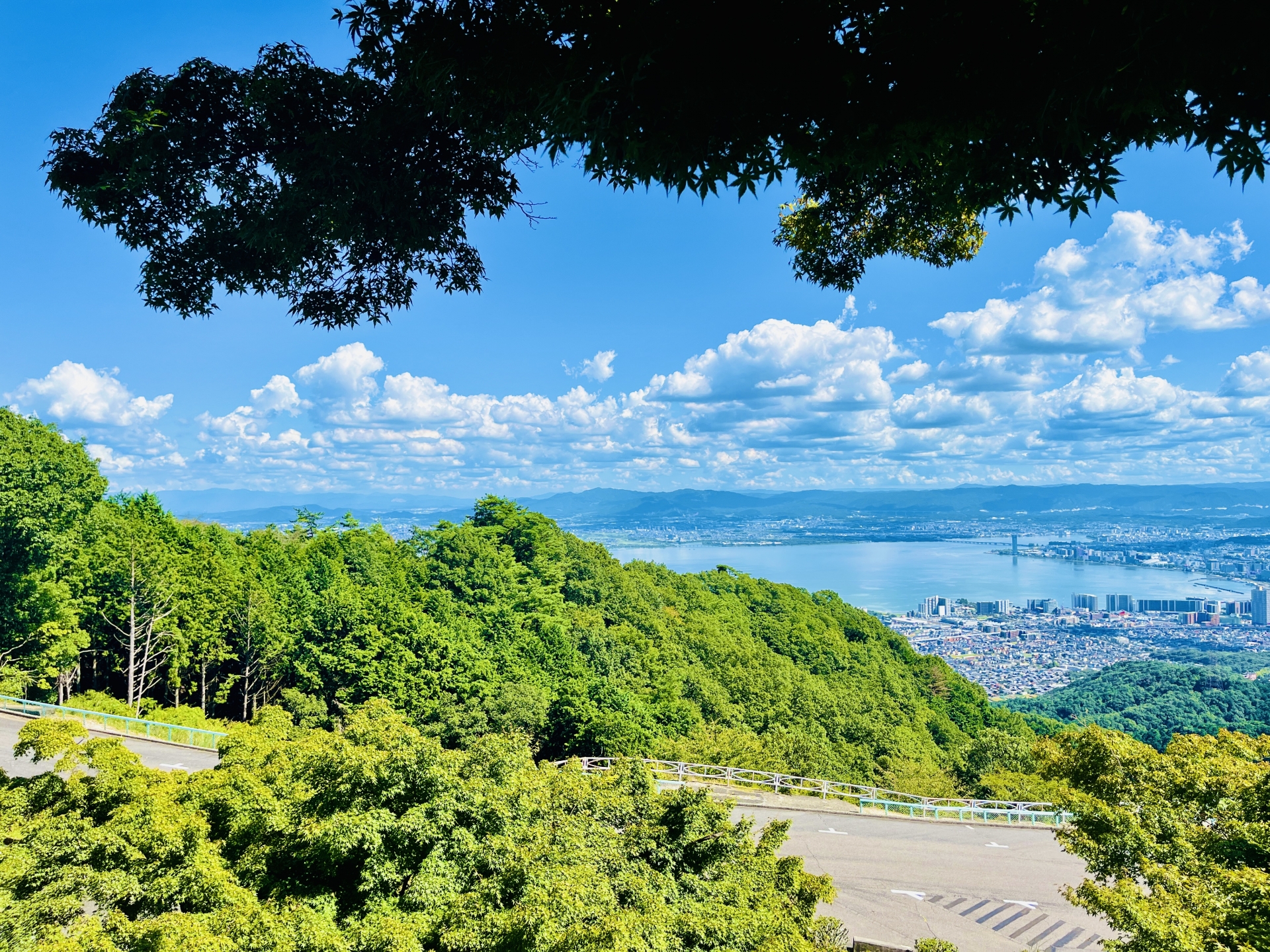
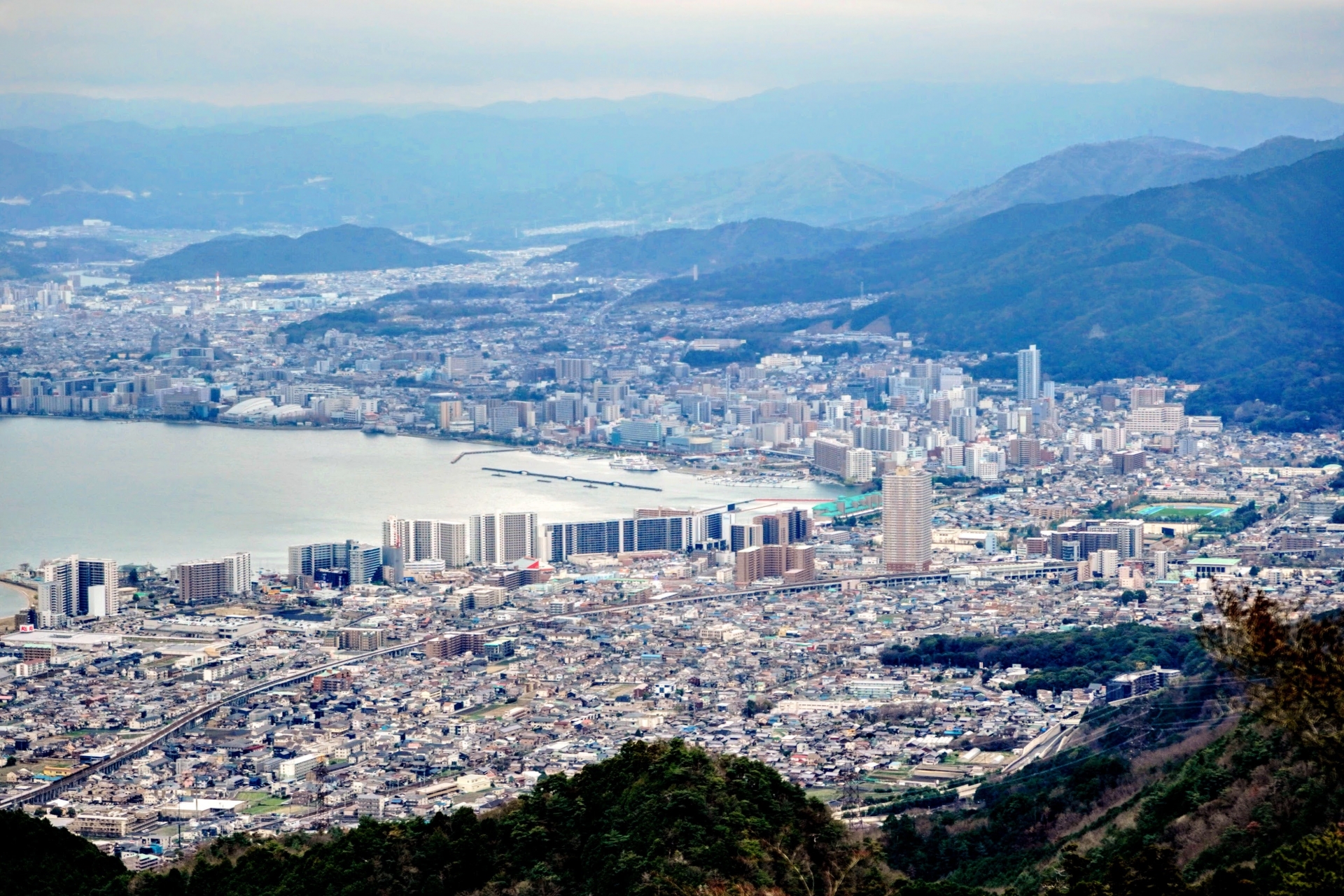
From the summit, a magnificent panorama unfolds, including the city of Kyoto, the Hira mountain range, and Lake Biwa. Especially on clear days, the contrast between the blue of Lake Biwa and the green of the surrounding mountains is stunning, making it a popular spot for photography.


Basic Information for Hiking Mt. Hiei

Overview of Hiking Courses

Mt. Hiei offers multiple hiking courses accessible from both the Kyoto and Shiga sides. A variety of courses are maintained for everyone from beginners to experienced hikers, allowing you to choose based on your physical strength and purpose.

The difficulty of the main courses ranges from beginner to intermediate, and they can be fully enjoyed by anyone with average physical fitness. The elevation gain is about 500 to 800 meters. While some courses have steep slopes, they are manageable if you take appropriate breaks.

Required Time and Distance

The time required for hiking Mt. Hiei varies by course, but generally, it is as follows. Including a tour of Enryakuji Temple, it often becomes a half-day to full-day itinerary.

Course NameDistanceTime (One Way)Difficulty
Honzaka Route (Shiga Side)Approx. 6 kmApprox. 2.5–3.5 hoursBeginner to Intermediate
Kirarazaka Route (Kyoto Side)Approx. 6 kmApprox. 3 hoursIntermediate
Mudoji-michi CourseApprox. 6 kmApprox. 3 hoursIntermediate
Mt. Hiei Summit to EnryakujiApprox. 1.8 kmApprox. 1 hourBeginner


Enryakuji is divided into three areas: Todo (East Pagoda), Saito (West Pagoda), and Yokawa. It takes about 3 to 6 hours to visit all of them.

Best Season to Visit

While Mt. Hiei can be visited year-round, the best times for hiking are spring (mid-April to June) and autumn (late September to mid-November).

The fresh greenery of spring and the autumn foliage seasons are particularly recommended, as the entire mountain is beautifully colored. Summer is relatively cool but can be humid and muggy on some days. In winter, snow can accumulate, and caution is needed regarding snow and ice, especially from December to February.


Recommended Hiking Courses

1. Honzaka Route (Sakamoto to Enryakuji)

Features: A representative course recommended for beginners. It starts from Sakamoto in Otsu City, Shiga Prefecture, and heads toward the Enryakuji Todo (East Pagoda) area.

Access: The starting point is in front of Hiyoshi Taisha Shrine, a 5-minute walk from Keihan Railway's "Sakamoto-hieizanguchi" Station.

Highlights: This is one of the most historic routes as a climbing path for Mt. Hiei. You will walk through quiet cedar groves while encountering cultural heritage sites such as Hiyoshi Taisha, stone statues, and torii gates. The atmosphere of the stone-paved approach and moss-covered stone steps is charming.

Time: Approx. 1.5–2 hours (one way)

Difficulty: Beginner to Intermediate (The slope is somewhat steep, but there are many rest spots, so you can climb without overexerting yourself.)

2. Kirarazaka Route (Shugakuin to Enryakuji)

Features: A popular route accessed from the Kyoto City side. You can enjoy a quiet mountain path rich in nature.

Access: Start from the Kirarazaka trailhead, about a 20–25 minute walk from Eizan Railway's "Shugakuin" Station, or about 5 minutes by taxi.

Highlights: There are spectacular viewpoints overlooking Kyoto City, and along the way, you can enjoy historic paths called "Gyojamichi" and views from the Tomiiwa rock. The trail is well-maintained but relatively quiet, making it ideal for those who want to fully enjoy nature.

Time: Approx. 2 hours (one way)

Difficulty: Intermediate (Slightly more ups and downs than the Honzaka Route.)

3. Mudoji-michi Course

Features: An attractive course where you can enjoy both history and nature. It is a relatively quiet, hidden gem of a route with fewer tourists.

Access: The starting point is the Mudojidani trailhead, about a 10-minute walk from Keihan Railway's "Sakamoto-hieizanguchi" Station.

Highlights: You will pass through a forest rich in nature while visiting historical buildings such as Myo-odo and Tenpohrin-do. The view of Lake Biwa from Tomiiwa is particularly breathtaking. There are many historical stone statues and Jizo, allowing you to experience the atmosphere of Japanese mountain worship.

Time: Approx. 2.5 hours (one way)

Difficulty: Intermediate (Includes some steep slopes.)

4. Mt. Hiei Summit to Enryakuji Course

Features: The easiest route to enjoy hiking on Mt. Hiei. You take the Mt. Hiei Driveway or cable car to the summit and then walk down to Enryakuji.

Access: Access the summit of Mt. Hiei by bus, cable car, or ropeway, and start hiking from there.

Highlights: You can enjoy views of Kyoto City and Lake Biwa from the summit, as well as a quiet downhill path through deep cedar groves. Recommended for those who are not confident in their physical strength or have limited time.

Time: Approx. 1 hour (one way)

Difficulty: Beginner (Mostly downhill, so the burden is low.)


Seasonal Highlights

Spring (Late March to June)

Spring on Mt. Hiei is characterized by the beautiful scenery of cherry blossoms and fresh greenery. The mountain cherry blossoms, which bloom about a week later than those in Kyoto City, are at their best from mid to late April. The cherry blossoms around "Yumemigaoka" and the "Chobodai" observation deck are particularly stunning. From late April to May, the fresh "Aomomiji" (green maple leaves) herald the season of new growth. The sight of sunlight filtering through the leaves is refreshing and soul-cleansing. Wildflowers also begin to bloom along the mountain paths, letting you feel the arrival of spring.

Summer (July to Early September)

In summer, Mt. Hiei is about 5–6°C cooler than the foot of the mountain, making it a refreshing summer resort. The deep forest is quiet, and the shade of the trees is cool and comfortable for hiking. During the hot summer months, early morning hiking is recommended. The mystical appearance of the mountain shrouded in morning mist and the sight of Mt. Hiei illuminated by the morning sun are exceptional. Additionally, resting while feeling the cool breeze near the summit is a pleasure unique to summer.

Autumn (Late September to Mid-November)

Mt. Hiei is a popular spot for autumn foliage. The leaves begin to change color about a month earlier than at the foot of the mountain, with the peak being from late October to mid-November. The autumn colors in the "Momiji-no-Sando" (Maple Approach) and the "Yokawa" area are breathtakingly beautiful. Hiking through trees dyed red and yellow under a clear autumn sky is special. The foliage illuminated by the morning and evening light is even more beautiful and perfect for photography. Furthermore, because the air is clear in autumn, the views from the observation spots are particularly good during this time.

Winter (Late November to Mid-March)

In winter, Mt. Hiei is wrapped in silence and a solemn atmosphere. When it snows, the entire mountain turns into a world of silver. The sight of Enryakuji covered in snow is particularly majestic, offering a different charm from summer or autumn. However, during the winter season, there is snow and ice, and even normal hiking courses can become slippery. Therefore, winter mountain equipment such as chain spikes or crampons may be necessary. Beginners are advised to avoid winter climbing or go with an experienced person.


Access Methods

From Kyoto

MethodRoute Details
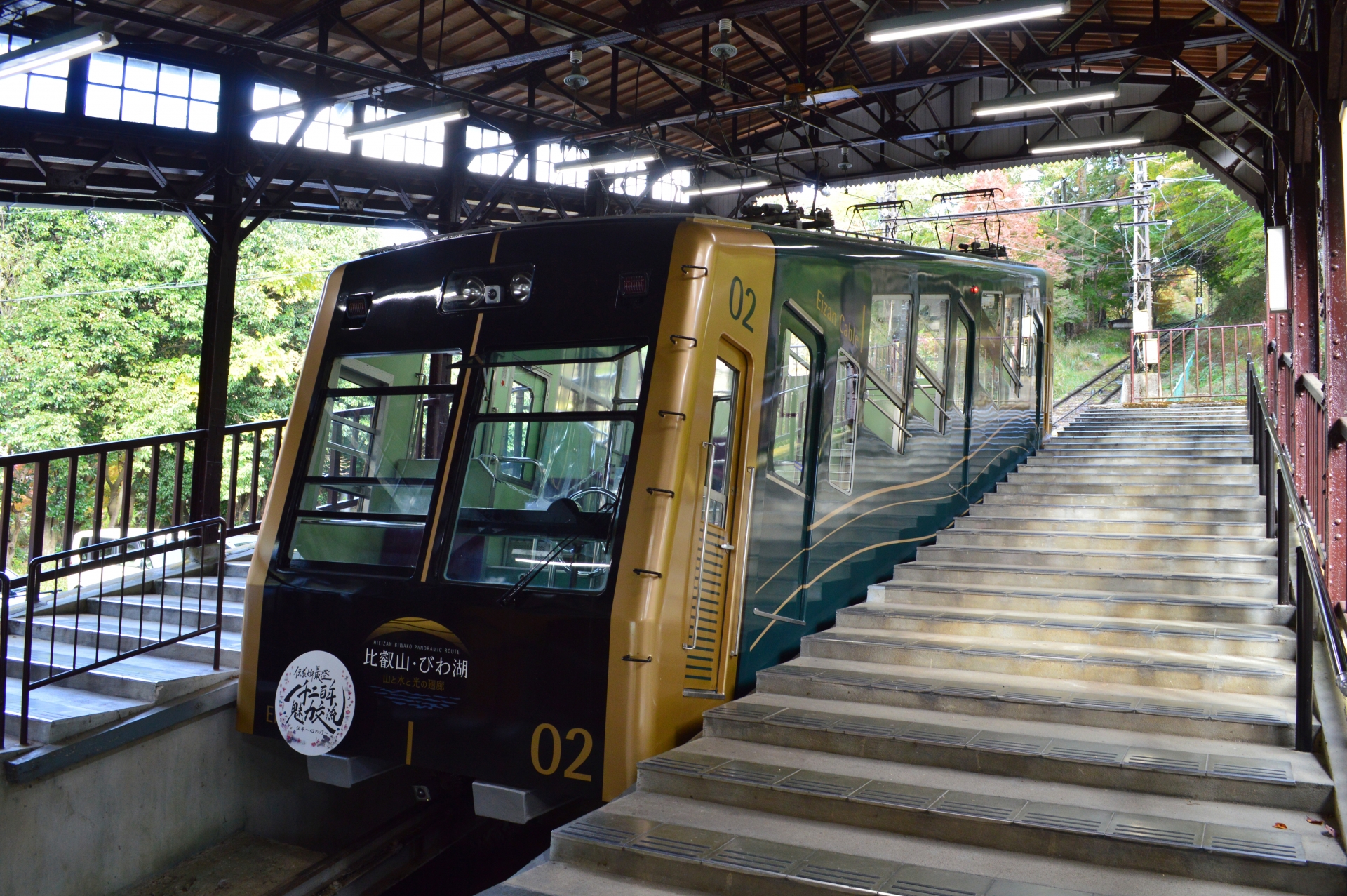
Train & Cable Car/RopewayTake the Eizan Railway to "Yase-hieizanguchi" Station. From Kyoto Station, take City Bus Route 5 to "Demachiyanagi" Station (approx. 30 min), then transfer to Eizan Railway to the final stop (approx. 30 min). Walk 5 min to Eizan Cable "Yase" Station, take the cable car to "Cable Hiei" Station (9 min), then the ropeway to "Hieizansho" Station (3 min). Note: Eizan Cable/Ropeway is closed in winter.
BusDirect bus from Kyoto Station (Hieizan Drive Bus). From Kyoto Station Karasuma Exit (Central Exit), take the bus to "Enryakuji Bus Center" (approx. 70 min). Operates from late March to early December.
HikingKirarazaka Course: Start from the Kirarazaka trailhead, about 5 minutes by taxi from Eizan Railway "Shugakuin" Station (approx. 2 hours).


From Shiga

MethodRoute Details
Train & Cable CarUse the Sakamoto Cable. Go to JR Kosei Line "Hieizan-sakamoto" Station or Keihan "Sakamoto-hieizanguchi" Station. Walk 10 min to Sakamoto Cable "Sakamoto" Station, take the cable car to "Cable Enryakuji" Station (11 min), then walk 8 min to Enryakuji (Todo area).
BusBus from Katata or Ogoto-onsen Station. Take the Hieizan Drive Bus to "Enryakuji Bus Center" (approx. 40 min). Operates from late March to early December.
HikingHonzaka Course: Start from in front of Hiyoshi Taisha, a 5-minute walk from Keihan "Sakamoto-hieizanguchi" Station (approx. 1.5–2 hours). Mudoji-michi Course: Start from the Mudojidani trailhead, a 10-minute walk from Keihan "Sakamoto-hieizanguchi" Station (approx. 2.5 hours).


Transportation within the Mountain (Shuttle Bus)

Mt. Hiei Enryakuji is divided into three areas: Todo, Saito, and Yokawa, and there are distances between each area. While it is possible to move between them on foot, it is recommended to use the following shuttle bus if you want to conserve your energy.

Mt. Hiei Shuttle Bus

•Operating Period: Late March to early December

•Fare: 250 yen to 800 yen per ride (varies by section)

•Interval: Approx. every 30 minutes to 1 hour (varies by season)


What to Bring and Preparation

Basic Packing List

To enjoy hiking Mt. Hiei safely, the basic items to bring are as follows:

•Backpack: A type that can be worn on your back to keep both hands free is recommended.

•Water: About 500ml to 1L (adjust based on the season).

•Trail Snacks: Easily edible items like chocolate, candy, or rice balls.

•Hat: For sun protection.

•Towel: To wipe off sweat.

•Map: Mt. Hiei Hiking Map (available at tourist information centers, etc.).

•Rain Gear: A folding umbrella or a poncho-style raincoat.

•Copy of Health Insurance Card: In case of an emergency.

•Smartphone: For emergency contact (ensure the battery is fully charged).

•Cash: For Enryakuji admission fees, meals, and return transportation (some places may not accept credit cards).

Clothing Tips

Key points for clothing suitable for hiking are:

•Top: A long-sleeved shirt that is easy to move in (layering is recommended for easy adjustment based on temperature).

•Pants: Long pants (durable and quick-drying; avoid cotton).

•Shoes: Trekking shoes or sturdy athletic shoes (avoid sandals).

•Socks: Thick socks (avoid cotton; choose quick-drying materials).

•Seasonal Adjustments: Warm clothing and knit hats for winter; cooling goods for heatstroke prevention in summer.

Safety Precautions

Here are some precautions to enjoy hiking Mt. Hiei safely:

•Pre-trip Health Management: Make a reasonable plan and postpone if you are not feeling well.

•Weather Check: Always check the weather forecast before departure and consider canceling if bad weather is expected.

•Submit a Hiking Registration: Especially if going alone, it is recommended to submit a hiking registration (online submission is possible via the Mt. Hiei hiking website).

•Allow Plenty of Time: Act with enough time to descend before sunset.

•Regular Breaks and Hydration: Especially in summer, be careful of heatstroke and aim for a break and hydration about every 30 minutes.

•Prevent Getting Lost: Check signs and maps frequently, and do not proceed if you are unsure.

•Winter Precautions: From December to March, there may be ice and snow. Prepare winter mountain equipment such as chain spikes.


Key Points for Visiting Mt. Hiei Enryakuji Temple

One of the highlights of hiking Mt. Hiei is visiting Enryakuji Temple, a World Heritage site. Enryakuji is divided into three areas: Todo, Saito, and Yokawa, each with its own attractions.

Todo Area (Around Konpon Chudo)

The Todo area is the center of Enryakuji and has the largest concentration of buildings.

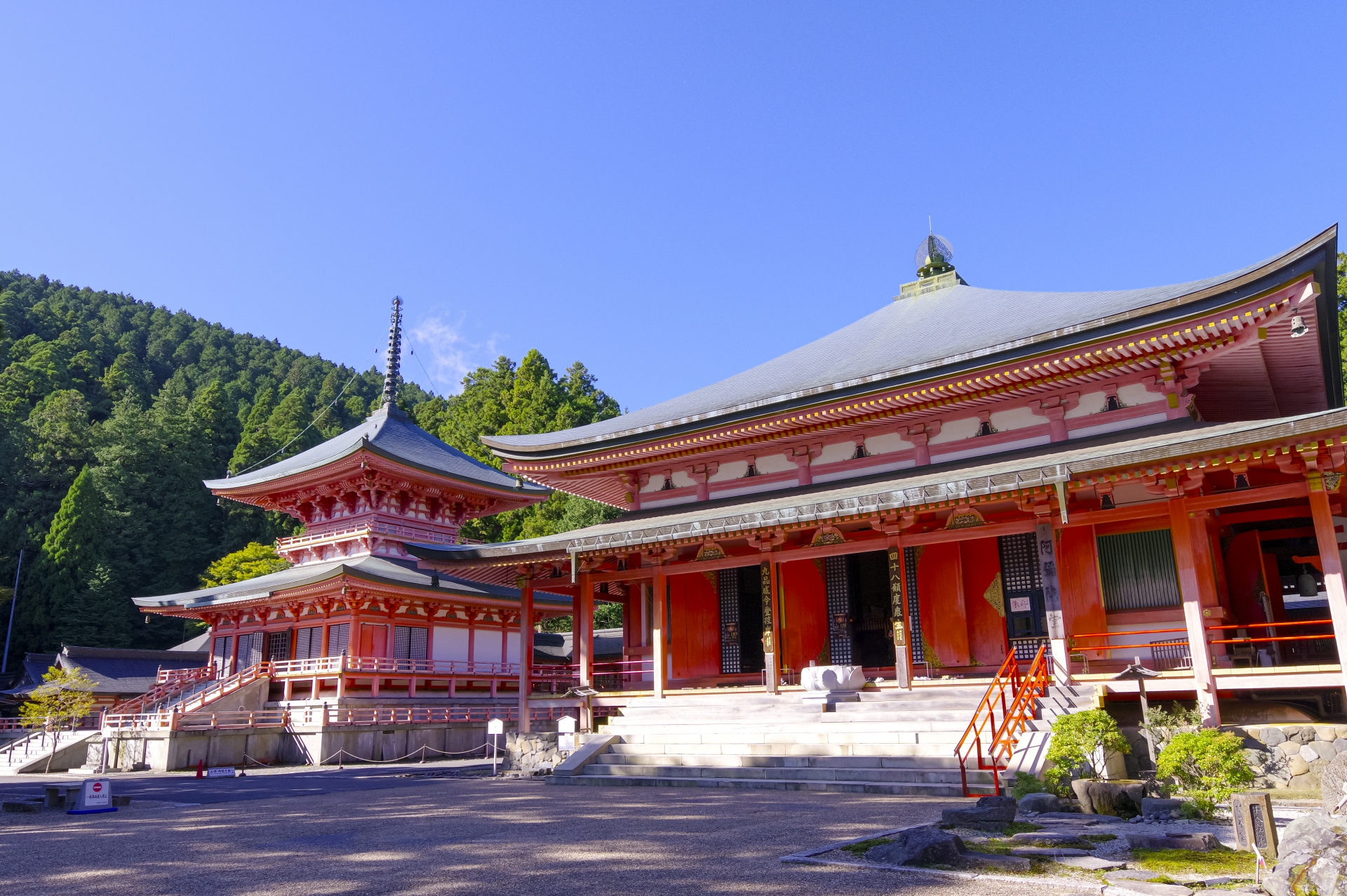
•Konpon Chudo: The main hall of the Tendai sect and the oldest building in Enryakuji, founded by Saicho. The current building was rebuilt in 1642 and is designated as a National Treasure. It is famous for the "Inextinguishable Dharma Lamp," which has been kept burning for over a thousand years.

•Daikodo (Great Lecture Hall): After being destroyed by fire in 1956, it was rebuilt in 1964 by relocating the "Sanbutsu-do" from the Toshogu Shrine at the foot of the mountain. The building itself is a National Important Cultural Property built in 1634. It enshrines the main deity, Dainichi Nyorai, along with statues of the founders of various sects who trained at Mt. Hiei.

•Monjuro: A historic building rebuilt in 1668 that serves as the main gate of Enryakuji. You can climb the steep stairs to the second floor and pray to Monju Bosatsu, the deity of wisdom.

•Kokuhoden (Treasure House): A museum displaying precious treasures and Buddhist statues of Enryakuji. It is the best place to learn about the history of Enryakuji, with National Treasure bells and materials related to Saicho.

Saito Area

Located about a 20-minute walk or a few minutes by shuttle bus from Todo, the Saito area includes:

•Shaka-do (Tenpohrin-do): The central building of Saito, housing many Buddhist statues that are Important Cultural Properties.

•Jodo-in: A training hall for Pure Land Buddhism opened by Saicho's disciple Ennin (Jikaku Daishi). It is known for a unique training experience called "O-sunafumi."

•Hiumuro-dani: A training hall in a quiet valley, also known as a place where practitioners of the Sennichi Kaihogyo undergo their training.

Yokawa Area

Located even deeper into the mountains from Saito—about a 40-minute walk or a 15-minute shuttle bus ride—the Yokawa Area is the most tranquil spot within Hieizan Enryakuji.

Yokawa Chu-do (Main Hall)

A hall known as the setting for the tragic romance between Minamoto no Yoshitsune and Shizuka Gozen. It features a beautiful "Chisen Kaiyu-shiki" (strolling pond) garden.

Nyoirin-do

A hall enshrining Nyoirin Kannon, who is believed to grant success in romance and relationships. It is characterized by its unique hexagonal shape.

Ganzan Daishi-do

A hall enshrining Jie Daishi Ryogen, a Head Priest of the Tendai Sect. Worship of him as "Ganzan Daishi" is believed to be effective for recovering from illness.


Enryakuji Temple Halls Visiting Hours

Area / Facility NamePeriodOpening TimeClosing TimeRemarks
Toto Area / Shigain / ShogenjiYear-round (Jan–Dec)9:0016:00Reception closes at 15:45. Subject to change due to weather or events.
Saito / Yokawa AreasJan – Feb9:3016:00
Mar – Nov9:0016:00
Dec9:3016:00


Enryakuji Temple Halls Admission Fees

CategoryAdultMiddle/High SchoolElementaryRemarks
Toto/Saito/Yokawa Common Ticket (Individual)1,000 JPY600 JPY300 JPY 
Toto/Saito/Yokawa Common Ticket (Group)800 JPY500 JPYApplicable for 20 or more people
Kokuhoden (Treasure Hall) (Individual)500 JPY300 JPY100 JPY 
Kokuhoden (Treasure Hall) (Group)400 JPY200 JPYApplicable for 20 or more people

Please pay admission fees at each reception desk. If you have discount coupons, please present them at the time of payment.

Admission tickets are also available for purchase online.

Please check the official website for details.

Source: Tendai Sect Head Temple Hieizan Enryakuji "Visiting Hours & Fees"


Experience Programs at Hieizan Enryakuji

Enryakuji offers various experience programs that international travelers can also participate in.

Shakyo Experience (Sutra Copying)

Enryakuji Kaikan offers a Sutra Copying experience lasting about 1 hour. By copying Buddhist scriptures with a brush pen while calming your mind, you can achieve mental concentration and inner peace.

Fee: Around 1,600 JPY

Duration: 90 minutes

Reservation: Same-day reception available (Reservation recommended during busy times)

Zazen Experience (Meditation)

Enryakuji Kaikan also conducts Zazen experiences for beginners. You can learn simple meditation methods under the guidance of a monk.

Fee: Around 1,000 JPY

Duration: Approx. 60 minutes

Reservation: Reservation required by the previous day

Shojin Ryori (Buddhist Vegetarian Cuisine)

At Enryakuji Kaikan and lodging facilities called "Sobo," you can savor traditional Shojin Ryori, which uses no meat or fish.

Fee: Around 3,000 JPY – 5,000 JPY

Reservation: Reservation required by the previous day


Nearby Sightseeing Spots

Here are some sightseeing spots in the surrounding area that you might want to visit in conjunction with hiking Mt. Hiei.

Sakamoto Area (Shiga Side)

Hiyoshi Taisha Shrine 

An ancient shrine located near the entrance of the Honzaka route, boasting a history of over 2,100 years. It is a shrine that has been revered alongside Mt. Hiei, and is known particularly for the beauty of its cherry blossoms in spring and autumn leaves in fall.

Admission Fee: Adults 300 JPY

Saikyoji Temple 

The head temple of the Tendai Shinsei sect located in Sakamoto, attractive for its beautiful gardens and quiet atmosphere.

Admission Fee: Adults 500 JPY

Sakamoto Castle Ruins 

The site of a castle built by Toyotomi Hidetsugu, now maintained as a park. It is a scenic spot overlooking Lake Biwa.

Kozoku no Sato Museum (Museum of the Lake Clan) 

A museum where you can learn about the history and culture of Sakamoto, providing insight into life at the foot of Mt. Hiei.

Admission Fee: Adults 300 JPY

Shugakuin Area (Kyoto Side)

Shugakuin Imperial Villa (Shugakuin Rikyu) 

A representative imperial villa of Kyoto located near the Kirarazaka route, ranking alongside the Katsura Imperial Villa. As it is a reservation-only facility, you must apply to the Imperial Household Agency in advance if you wish to visit.

Admission Fee: Free (Reservation Required)

Shisendo 

The site of a mountain villa belonging to Ishikawa Jozan, a man of letters in the early Edo period. Its beautiful garden and study (shoin) are the main attractions.

Admission Fee: Adults 500 JPY

Yase Area

Yase 

The area around "Yase-Hieizanguchi," the terminal station of the Eizan Electric Railway. With hot spring ryokans (inns) and tea houses along the clear stream, it is perfect for spending time in a relaxed manner.

Mt. Hiei Summit Area

Garden Museum Hiei 

A garden museum located at the summit of Mt. Hiei. The seasonal flowers and plants are beautiful, and the view from the observation deck is magnificent.

Admission Fee: Adults 1,000 JPY

Hieizan Yakushi-do 

A small hall located at the summit of Mt. Hiei, believed to grant recovery from eye diseases. It is perfect for taking a breather in a quiet atmosphere.


Useful Information for International Travelers

Multilingual Support Services

Multilingual Pamphlets 

At Enryakuji ticket counters and tourist information centers, pamphlets are available in languages such as English, Chinese (Simplified and Traditional), Korean, and French. They clearly describe major highlights, the history of Enryakuji, and course guides.

Audio Guides 

At the Information Center near the Enryakuji Bus Center, a rental service for multilingual audio guides is provided. Supported languages include English, Chinese, and Korean, allowing you to hear detailed commentary at each spot within Enryakuji.

Rental Fee: Around 500 JPY

Hours: 9:00 – 16:00

Signage 

On Mt. Hiei hiking courses and at major spots within Enryakuji, signs are installed with bilingual notation in Japanese and English. Recently, Chinese and Korean notations have also been increasing.

English Guidebooks 

English guidebooks explaining the history and culture of Mt. Hiei in detail, such as "Mount Hiei: The Sacred Kyoto Mountain of Buddhism," are available at bookstores and online.


Tours and Experiences for International Visitors

English Guide Tours 

Travel agencies in Kyoto City and tour companies offering English support conduct day tours to Hieizan Enryakuji. Since an English-speaking guide accompanies you and transportation and admission fees are included, even first-time visitors can visit with peace of mind.

Fee: Around 10,000 JPY – 15,000 JPY

Duration: Approx. 6–8 hours

Booking: Online booking recommended (at least 3 days in advance)

International Ascetic Practice Experience Program 

Enryakuji Kaikan offers short-term ascetic practice experience programs in which international visitors can participate. English-speaking monks provide instruction on Sutra Copying (Shakyo) and Meditation (Zazen).

Booking: Available via the official website or by phone.

Languages: English (Consultation required for other languages).

Shojin Ryori Experience for International Visitors 

The restaurant at Enryakuji Kaikan serves traditional Shojin Ryori (Buddhist vegetarian cuisine) using no meat or fish, complete with English menus. They can also accommodate vegetarians and vegans.

Fee: Lunch from 3,000 JPY, Dinner from 5,000 JPY

Booking: Recommended, especially on weekends and holidays.


Communication Environment and Wi-Fi

Public Wi-Fi 

Free Wi-Fi is available at major facilities such as the Enryakuji Bus Center, Enryakuji Kaikan, and the Kokuhoden (Treasure Hall). You can connect via networks such as "HIEIZANFREEWIFI," but please note that some areas deep in the mountains are outside the coverage area.

Mobile Communication 

There are places on the hiking courses of Mt. Hiei where mobile phone signals are difficult to receive. Please be careful, especially in valleys or deep in the mountains. It is reassuring to bring a paper map for emergency contact purposes.

Rental Wi-Fi 

If you rent a pocket Wi-Fi at Kansai International Airport or Kyoto Station, more stable communication will be possible even in the Mt. Hiei area.


Emergency Response

Emergency Contacts

  • Police (Emergency): 110
  • Ambulance / Fire: 119
  • Hieizan Enryakuji Information Office: 077-578-0001
  • Kyoto Tourist Information Center (English Available): 075-343-0548

Mountain Rescue 

In the event of injury or getting lost, please contact 119 (Ambulance). If you know your current location, please convey it as accurately as possible.

Medical Facilities 

Since there are no medical facilities on the summit of Mt. Hiei, in an emergency, you will need to descend the mountain and visit a medical institution in Kyoto City or Otsu City. Enrollment in travel insurance is recommended.


Frequently Asked Questions (FAQ)

Q1: When is the best season for hiking Mt. Hiei?

A: Spring (mid-April to June) and autumn (late October to mid-November) are the best seasons. You can enjoy fresh greenery and cherry blossoms in spring, and vibrant foliage in autumn.

Q2: Which course is recommended for beginners?

A: The "Honzaka Route" from the Shiga side or the "Mt. Hiei Summit to Enryakuji Course" (mostly downhill) is recommended for beginners.

Q3: How much is the admission fee for Enryakuji?

A: The combined admission fee for the three areas (Todo, Saito, Yokawa) is 1,000 yen for adults, 600 yen for junior and senior high school students, and 300 yen for elementary school students. (Note: Fees are subject to change.)

Q4: How many hours does it take to hike Mt. Hiei?

A: It varies by course, but generally takes 1.5 to 2.5 hours one way. Including a tour of Enryakuji, it often becomes a half-day to full-day trip. Visiting all three areas of Enryakuji takes about 3 to 6 hours.

Q5: What should I do for meals on Mt. Hiei?

A: There are restaurants in Enryakuji Kaikan and tea houses/eateries in each area. "Kikugetsu-tei" in Enryakuji Kaikan is recommended for Buddhist vegetarian cuisine (shojin ryori). Some facilities may be closed in winter.

Q6: Is it safe to hike Mt. Hiei alone?

A: The main courses are well-maintained and relatively safe for solo hikers on clear days. However, it is recommended to bring a map and submit a hiking registration. Avoid solo hiking in winter or bad weather.

Q7: Is photography allowed at Mt. Hiei Enryakuji?

A: Photography is generally allowed outdoors and for building exteriors. However, it is often prohibited inside buildings where National Treasures or Important Cultural Properties are enshrined. Please follow the signs.

Q8: Is hiking Mt. Hiei in winter dangerous?

A: Yes, the risk increases due to snow and ice from December to March. Winter equipment like chain spikes is necessary. Beginners should avoid winter climbing or go with an experienced person.

Q9: How far is it from the summit to Enryakuji?

A: It is about 1.8 km from the summit (Dai-hiei) to the Todo area (Konpon Chudo), taking about 1 hour on foot. A shuttle bus is also available.

Q10: What kind of shoes are suitable for hiking Mt. Hiei?

A: Trekking shoes are ideal, but sturdy athletic shoes with good grip are also fine. Avoid sandals or heels. Waterproof shoes are recommended for winter.


Summary

Hiking Mt. Hiei is a special experience that beautifully integrates Japanese history, culture, and nature. Visiting Enryakuji, with its 1,200-year history, while walking through beautiful nature provides a valuable opportunity to touch the heart of Japanese spiritual culture.

Located on the border of Kyoto and Shiga, Mt. Hiei is relatively easy to access and offers a variety of hiking courses for everyone from beginners to experts. Whether it's the cherry blossoms of spring, the cool forests of summer, the vibrant colors of autumn, or the solemn snow of winter, Mt. Hiei offers new discoveries every time you visit.

Along with hiking, the chance to experience Japanese culture through activities like sutra copying, Zen meditation, and Buddhist vegetarian cuisine at the World Heritage site Enryakuji is a major attraction. A journey to Mt. Hiei, where you can experience Japanese mountain worship, Buddhist culture, and beautiful nature all at once, will surely become an unforgettable memory for international visitors.

Prepare well, plan ahead, and fully enjoy the seasonal charms of Mt. Hiei. An experience at the origin of Japanese spiritual culture, passed down for over a thousand years, will bring deep emotion and new discoveries to your journey.


関連記事