Romantic Japanese Dramas | Love Stories International Audiences Can Enjoy - GTN MAGAZINE
日本語
日本語
English

Romantic Japanese Dramas | Love Stories International Audiences Can Enjoy

Japanese dramas captivate many international viewers with their unique worldviews and delicate emotional expressions.

In particular, romantic stories excel at portraying the beauty of "unrequited love" and "poignant romance" unique to Japan, continuing to fascinate fans worldwide.

This article introduces must-watch romantic Japanese dramas for those planning to visit Japan or international residents already living here.

We have carefully selected works that allow for a deeper understanding of Japanese perspectives on love, including cultural backgrounds and filming location information.

Characteristics of Japanese Romantic Dramas

Delicate Emotional Expression and the "Aesthetics of Silence"

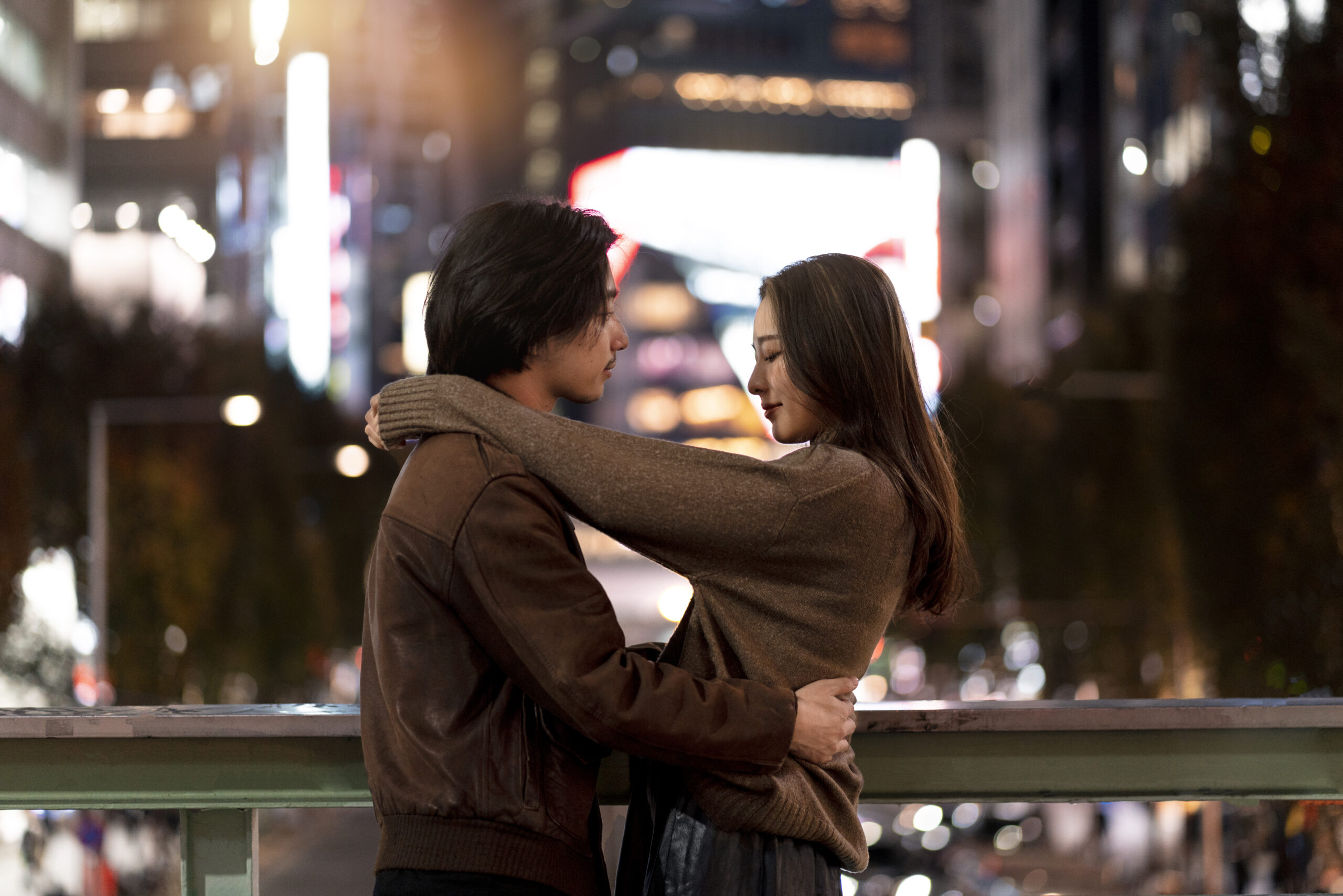
Compared to Western love stories, Japanese romantic dramas have a significant distinguishing feature: a unique form of emotional expression where "feelings are conveyed without being spoken." Rather than loudly declaring their feelings, protagonists often express affection through small gestures, glances, and casual everyday moments.

This "aesthetics of silence" is rooted in the Japanese cultural value of sassuru (sensing or empathizing with others' feelings). The idea that a relationship where both parties understand each other without words is beautiful is expressed through delicate direction in Japanese dramas.

Concepts of "Destiny" and "Fate"

In many Japanese love stories, concepts like "fated encounters" or the "red thread of fate" appear. The idea that two people were meant to meet and are connected in some way resonates with the Buddhist concept of en (karmic connection). Such predestined encounters are a major theme in many Japanese romantic dramas.

Everyday Beauty and Seasonal Direction

Japanese dramas often depict the progression of romance alongside the changing scenery of the four seasons. From encounters in the spring under falling cherry blossoms and heightened emotions at summer festivals to decisions made amidst autumn leaves and reunions in snowy landscapes, Japan's beautiful seasons contribute significantly to the atmosphere of romantic dramas.


Top 10 Popular Romantic Dramas for International Audiences

Based on international viewership data and popularity rankings, here are the Japanese romantic dramas particularly popular abroad.

1. Boys Over Flowers (Hana Yori Dango) (2005, 2007)

Cast: Mao Inoue, Jun Matsumoto (Arashi), Shun Oguri

Synopsis: A love story about Tsukushi Makino, a girl from a modest family who enters a school for the ultra-wealthy and meets Tsukasa Domyoji, the leader of the "F4" group that rules the school.

Boys Over Flowers became a social phenomenon not only in Japan but across Asia. The original manga is a massive hit with approximately 61 million copies in circulation (as of April 2018) and has been remade in many countries, including Taiwan, South Korea, China, and Thailand. The Korean version, in particular, recorded a peak viewership of 35.5%, sparking a major movement.

The reason for its popularity among international audiences lies in its universal appeal as a "Cinderella story" perfectly blended with Japanese values like sincerity and the importance of friendship. The lavish filming locations, including Hong Kong and Las Vegas, also add to its charm.

2. We Married as a Job (Nigeru wa Haji da ga Yaku ni Tatsu) (2016)

Cast: Yui Aragaki, Gen Hoshino

Synopsis: Mikuri Moriyama, who finds herself unemployed, starts working as a housekeeper for Hiramasa Tsuzaki, a single salaryman. The story depicts their developing romance starting from a business-like "contract marriage."

This drama became a social phenomenon, including the "Koi Dance" performed during the ending credits. It recorded a peak viewership of 20.8% and is affectionately known as "Nige-Haji." It is popular internationally for skillfully weaving social themes like modern Japanese employment issues and gender roles into a romantic drama.

The title is based on a Hungarian proverb meaning "Running away is shameful, but useful." It implies that while avoiding a problem might generally be seen as shameful, it can sometimes be the best solution—a theme deeply connected to the drama.

3. First Love (2022)

Cast: Hikari Mitsushima, Takeru Satoh

Synopsis: A story depicting the first love of two people who met in high school in the late 1990s and their fated reunion 20 years later. It was inspired by Hikaru Utada's hit songs "First Love" and "Hatsukoi."

Released on Netflix, this drama has received high praise from international audiences. Despite its complex structure jumping between timelines, the universal theme of "first love" that anyone can relate to has captured the hearts of viewers worldwide.

The seamless transition between the young actors playing the high school versions and the veteran actors playing them 20 years later is superb, earning international acclaim as a work where one can fully appreciate "delicate Japanese emotional expression."

4. Love Lasts Forever (Koi wa Tsuzuku yo Doko Made mo) (2020)

Cast: Mone Kamishiraishi, Takeru Satoh

Synopsis: A medical romance drama about Nanase Sakura, a rookie nurse who reunites with Dr. Kairi Tendo, whom she admires as an "angel," only to find his actual personality is quite the opposite.

The exquisite blend of a high-stakes medical setting with romantic elements has been well-received by international viewers. The sense of mission and the struggles of medical professionals are carefully depicted, giving the show a depth that goes beyond a simple romantic comedy.

5. Rich Man, Poor Woman (2012)

Cast: Shun Oguri, Satomi Ishihara

Synopsis: A love story depicting the romance between a young IT company CEO and a female university student struggling to find a job. It portrays two people from different backgrounds being drawn to each other while incorporating social elements.

Set against the backdrop of the Japanese business scene and startup culture, this drama helps international viewers understand modern Japanese society. The unique plot point involving memory impairment also adds depth to the story.

6. Tokyo Love Story (1991, 2020)

Cast: 1991 version: Honami Suzuki, Yuji Oda / 2020 version: Shizuka Ishibashi, Kentaro Ito

Synopsis: A youth drama depicting the romance, friendship, and work of young people in Tokyo. The free-spirited lifestyle of the female protagonist, Rika Akana, particularly shocked Japanese society at the time.

The 1991 version is a masterpiece in the history of Japanese drama, and a remake was produced in 2020. The reason it is valued overseas is that, along with universal romantic conflicts, it offers a glimpse into Japan's historical background from the Bubble era through the Heisei and Reiwa periods.

7. Last Cinderella (2013)

Cast: Ryoko Shinohara, Haruma Miura

Synopsis: A story about Sakura Toyama, a beautician in her late 30s, who falls in love with Hiroto Saeki, a younger man. It sincerely depicts a romance with an age gap.

Themed around age-gap romance, this work is rich in suggestions about the concept of "marriageable age" in Japanese society and women's lifestyles. For international viewers, it's a great opportunity to learn about the diversity of Japanese perspectives on love.

8. Operation Love (Propose Daisakusen) (2007)

Cast: Tomohisa Yamashita, Masami Nagasawa

Synopsis: A time-leap love story where the protagonist struggles to change his fate by returning to the past when he experienced heartbreak.

Utilizing the time-travel setting, it brilliantly visualizes the "what if" scenario that everyone has considered at least once. This drama excels at expressing "poignant" Japanese romance and has received high praise from fans abroad.

9. Orange Days (2004)

Cast: Satoshi Tsumabuki, Kou Shibasaki

Synopsis: A drama depicting the pure love between a university student and a heroine with a hearing impairment.

This work beautifully portrays the delicate theme of romance with someone who has a disability alongside the youth of university students. The way the characters face various "barriers" resonates across languages and cultures.

10. Yamato Nadeshiko (The Perfect Woman) (2000)

Cast: Nanako Matsushima, Shinichi Tsutsumi

Synopsis: A romantic comedy about a woman who dreams of success as a Paris Collection model and a pure, simple young man.

Called the "pinnacle of romantic comedies," this was a much-discussed work where Nanako Matsushima took on her first full-scale romantic comedy role. The balance between comical elements and sincere romance is exquisite, making it highly recommended for international viewers to experience the best of Japanese rom-coms.


Recommended Romantic Dramas by Era

Japanese romantic dramas have different characteristics depending on the era. Below are the trends and representative works by decade.

1990s: The Golden Age of Youth Dramas

The 1990s was an era when "Trendy Dramas"—urban and stylish romantic dramas—were in vogue. Dramas of this period were characterized by glamorous lifestyles set against the backdrop of the Bubble economy and free-spirited views on love.

TitleYearCastCharacteristics
Tokyo Love Story1991Yuji Oda, Honami SuzukiA masterpiece known for the famous line "Kanchi!"
101st Marriage Proposal1991Tetsuya Takeda, Atsuko AsanoA pure love story of an age-gap couple.
Long Vacation1996Takuya Kimura, Tomoko YamaguchiThe love story between Minami Hayama, who is jilted by her fiancé on her wedding day, and Hidetoshi Sena, a struggling pianist.
Under One Roof1993Yosuke Eguchi, Noriko SakaiA masterpiece blending family love and romance.


Dramas from this era are still talked about today as the "Golden Age of Japanese Drama." As works from a time when Japanese views on love changed significantly, they hold high cultural value.

2000s: The Heyday of Shojo Manga Adaptations

Entering the 2000s, school love stories based on shojo manga (girls' comics) gained popularity. During this period, the export of Japanese dramas to other Asian countries increased, and their international popularity soared.

TitleYearCastCharacteristics
Boys Over Flowers2005Mao Inoue, Jun MatsumotoA massive hit remade in various Asian countries.
Nodame Cantabile2006Juri Ueno, Hiroshi TamakiA romantic drama set against the backdrop of classical music.
Last Friends2008Masami Nagasawa, Juri UenoA social drama depicting various forms of love.
Operation Love2007Tomohisa Yamashita, Masami NagasawaA love story with time-leap elements.


Works from this period have strong elements for young people, with a focus on visuals such as costumes and locations. They are particularly recommended for international fans interested in Japanese pop culture.

2010s: Towards Realistic Depictions of Love

In the 2010s, dramas increasingly incorporated more realistic views on love and social issues. Many works were produced that connected romance with diverse themes such as career, gender, and family, rather than being simple love stories.

TitleYearCastCharacteristics
We Married as a Job2016Yui Aragaki, Gen HoshinoA modern love story starting from a contract marriage.
Love That Makes You Cry2016Kasumi Arimura, Kengo KoraA poignant love story set in Tokyo.
Rich Man, Poor Woman2012Shun Oguri, Satomi IshiharaA romantic drama set in the IT industry.
Great Love: With You Who Forgets Me2018Erika Toda, Tsuyoshi MuroA work depicting romance with a woman suffering from dementia.


Dramas from this era often depict romance in conjunction with social backgrounds and modern challenges, making them educational for international viewers to deepen their understanding of Japanese society.

2020s: Diversifying Views on Love

Entering the 2020s, works reflecting even more diverse views on love and family have increased. Notably, there are more works produced with a global audience in mind, influenced by international streaming services like Netflix.

TitleYearCastCharacteristics
Love Lasts Forever2020Mone Kamishiraishi, Takeru SatohA love story set in a medical environment.
First Love2022Hikari Mitsushima, Takeru SatohDepicts a fated love across time.
Love is Blind: Japan2022VariousA reality show exploring love without seeing each other.
silent2022Ren Meguro, Haruna KawaguchiDepicts communication without words.


Dramas from this era often focus on visual beauty and are made with international evaluation in mind. Another characteristic is the depiction of diverse relationships that are not bound by traditional views on love.


Enjoying Romantic Dramas by Situation

Japanese romantic dramas cover various situations, and the atmosphere and charm of the story change significantly depending on the setting. Below are recommended works by major situations.

School Love Stories

School stories depicting the bittersweet romance of youth are a staple of Japanese drama. Stories set in high schools or universities allow viewers to feel the beauty of pure love and friendship.

•Boys Over Flowers: A Cinderella story set in an elite school.

•Kimi ni Todoke (From Me to You): A pure love story starting from a misunderstanding.

•Beautiful Life: A masterpiece depicting romance that overcomes disabilities.

•Gokusen: A school drama with a touch of comedy that also includes romantic elements.

Workplace Romance Dramas

Many works combine Japanese "workplace dramas" with romantic elements, offering international viewers an interesting glimpse into Japanese workplace culture and attitudes toward work.

•Rich Man, Poor Woman: A romantic drama set in an IT company.

•Love Lasts Forever: A medical love story set in a hospital.

•We Married as a Job: Love starting from the "job" of a contract marriage.

•5 to 9 (From Five to Nine): An unusual romance between an English teacher and a monk.

Poignant and Pure Love Dramas

These works highlight "poignancy," a specialty of Japanese drama. They are characterized by heart-wrenching and moving stories such as tragic or unrequited love.

•White Spring: Depicts the pure love between a young man with a disability and a nurse.

•Love That Makes You Cry: A poignant love story set in the 90s.

•First Love: A story of first love that continues across time.

•Great Love: With You Who Forgets Me: The love of a couple facing early-onset Alzheimer's.

Romantic Comedies

Works that exquisitely blend comical elements with romance are one of the charms of Japanese drama. You can enjoy stories that are heartwarming while making you laugh.

•Yamato Nadeshiko: Romance between a woman aspiring to be a Paris Collection model and a good-natured young man.

•Hotaru no Hikari (It's Only a Little Light in My Life): A story of love and work involving a "himono-onna" (dried-fish woman) protagonist.

•Last Cinderella: Romance between a beautician in her late 30s and a younger handsome man.

•I Give My First Love to You: A poignant love story of a hero who has been given a limited time to live.


Learning Japanese Love Culture from Romantic Dramas

Through Japanese romantic dramas, you can deepen your understanding of Japan-specific love culture and values. Here are some characteristic elements.

The Culture of "Kokuhaku" (Confession)

Unlike Western dating culture, in Japan, a clear step called kokuhaku (confession) is often positioned at the beginning of a romance. The culture of starting a relationship with the words "Please go out with me" is depicted in many dramas. The tension and importance of this "confession" are unique highlights of Japanese dramas.

The Aesthetics of "Indirect Expression of Affection"

Related to the aforementioned "aesthetics of silence," Japanese romantic dramas often feature scenes where love is shown through small acts of kindness and support rather than direct declarations. There is a tendency to value affection shown through actions more than expressing "I love you" in words.

Seasonal Events and Their Connection to Romance

In Japanese dramas, seasonal events and activities are often closely linked to the development of romance.

•Christmas: Often depicted as a crucial event for couples.

•Valentine's Day: The custom of women giving chocolates to men.

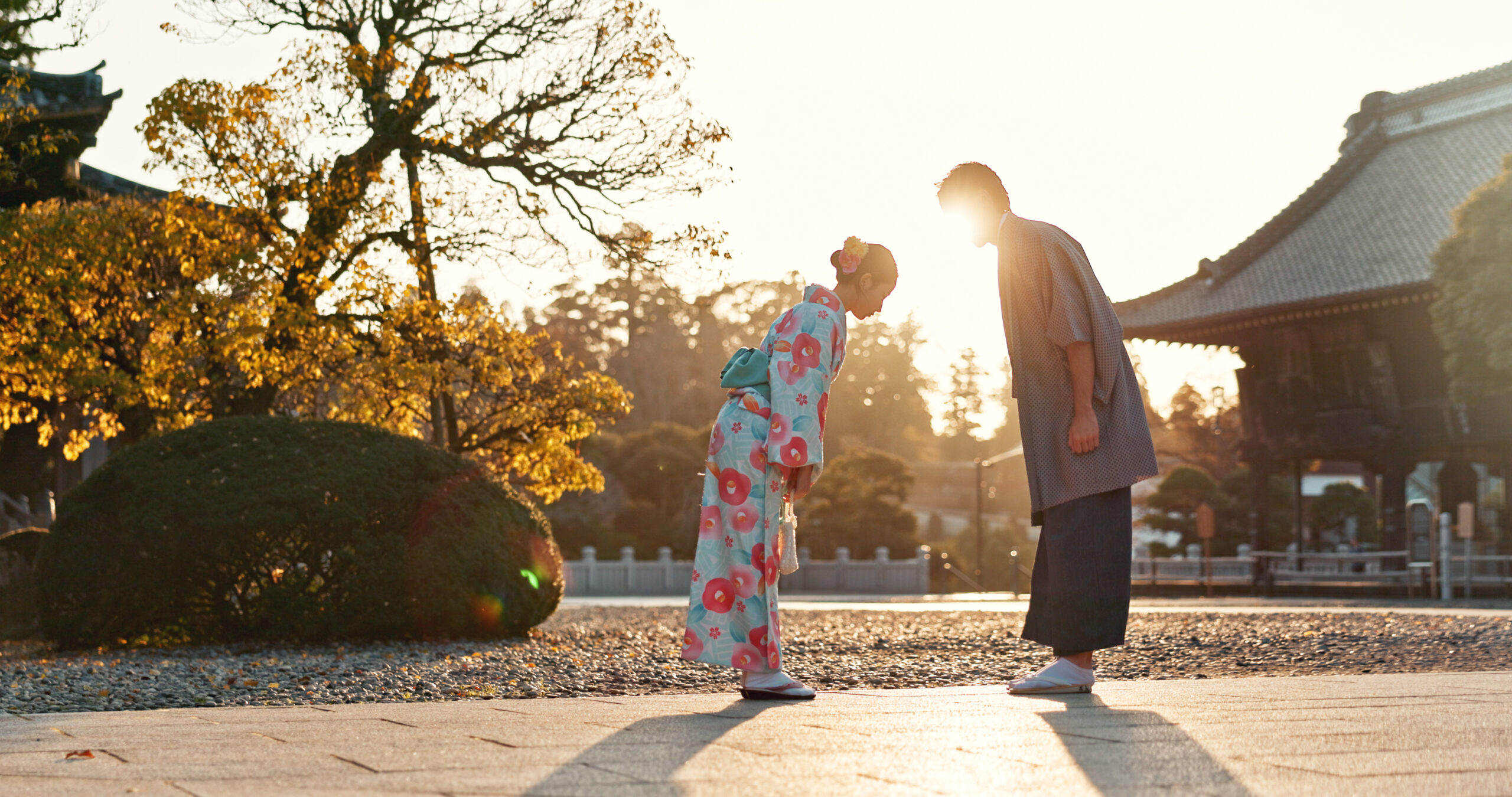
•Summer Festivals: Romantic scenes of watching fireworks together while wearing yukata.

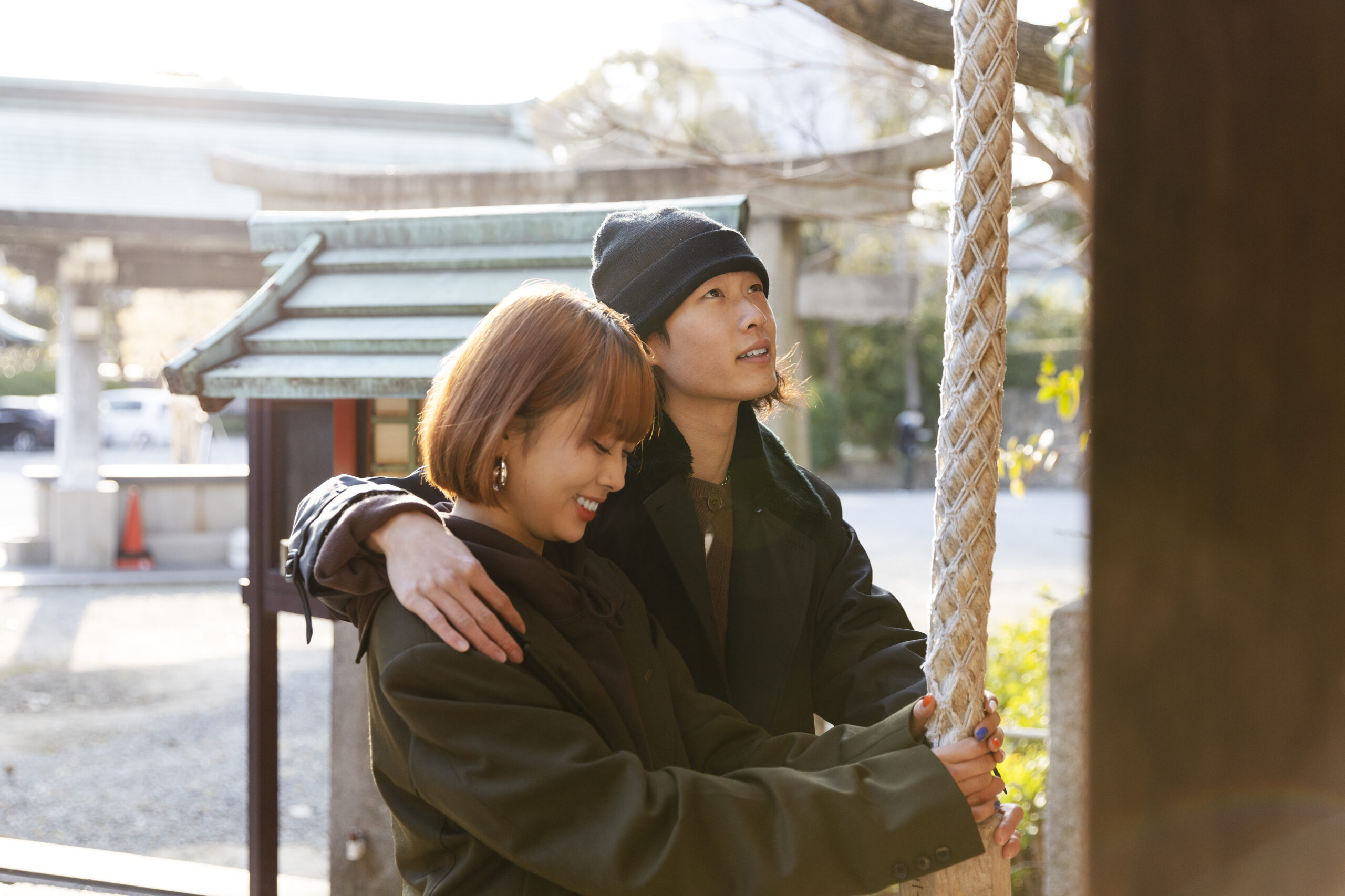
•Hatsumode: Making wishes at a shrine together on New Year's Day.

These seasonal events serve as important stage devices for expressing the progress of romance and heightened emotions in Japanese dramas.

The Idealization of "Unrequited Love"

Japanese dramas tend to depict "unrequited love" as something beautiful. It is also characteristic that many works portray the devotion of holding onto a tragic or one-sided love in a positive light.


Visit Them in Person! Touring Drama Filming Locations

Here are some filming locations of popular romantic dramas that you can actually visit when you come to Japan.

Boys Over Flowers Filming Locations

•British Hills (Tenei Village, Fukushima Prefecture): A language training facility with British-style streets, used as the filming location for "Eitoku Academy" in the drama. It is a facility that can actually be visited.

•Roppongi Hills (Minato-ku, Tokyo): A spot that appeared as the Domyoji family's luxury apartment.

We Married as a Job Filming Locations

•Tsuzaki Hiramasa and Mikuri's House: Filmed in a residential area in Setagaya-ku, Tokyo.

•The Coffee Shop where Mikuri worked part-time: "Rosina Sabo" (Mitaka City, Tokyo).

Tokyo Love Story Filming Locations

•Rika Akana's Workplace: High-rise buildings in Roppongi.

•Memorable places for Kanchi and Rika: Sophisticated Tokyo neighborhoods like Omotesando and Daikanyama.

First Love Filming Locations

•The city where the two spent their high school years: Sapporo City, Hokkaido.

•The snowy hill: Gentle hilly areas near Sapporo City.


How to Watch and Subtitle Availability

Here are the main ways to watch Japanese romantic dramas and the subtitle availability on each platform.

Netflix

Offers a wide range of Japanese dramas from recent hits to past masterpieces, with support for multi-language subtitles.Recommended Works:

•First Love

•Good Morning Call

•We Married as a Job

•Your Turn to Kill (A romantic work with mystery elements)

Amazon Prime Video

Streams many Japanese dramas with support for subtitles in multiple languages, including English, Chinese, and Korean.Recommended Works:

•Boys Over Flowers

•Tokyo Love Story (Remake version)

•Love Lasts Forever

Viki

A streaming service specializing in Asian dramas, with extensive multi-language subtitles translated by fans. Many Japanese romantic dramas are available.Recommended Works:

•Nodame Cantabile

•Rich Man, Poor Woman

•Last Cinderella

Crunchyroll

A platform primarily known for anime streaming, but it also streams some Japanese dramas.Recommended Works:

•Your Lie in April (Anime version)

•Kimi ni Todoke (Anime and live-action versions)


Conclusion

When visiting Japan, visiting the filming locations of these dramas or actually experiencing the Japanese customs and events depicted in them will lead to a deeper cultural understanding.

From the urban landscapes of Tokyo to the beautiful nature of the countryside, the places that served as settings for romantic dramas convey Japan's diverse charms.

Japanese romantic dramas, with their delicate emotional portrayals and beautiful visual expressions, have moved the hearts of viewers from various cultural backgrounds across language barriers.

In particular, "affection that is conveyed without words" and the "attitude of valuing small happiness" resonate as messages with universal value in today's busy modern society.

Japanese romantic dramas will likely continue to be loved worldwide as works that warm people's hearts while changing with the times.

Whether as preparation before visiting Japan or as evening entertainment during your stay, please immerse yourself in the world of Japanese romantic dramas.

That experience will surely be a wonderful window to a deeper understanding of the country of Japan and the hearts of the Japanese people.


関連記事