The Charm of Kyoto
Kyoto's immense popularity among international tourists stems from various factors. Here are some of the main attractions that draw foreign visitors:
Treasure Trove of World Heritage Sites
Kyoto is home to 17 UNESCO World Heritage Sites. From famous temples like Kinkaku-ji (Golden Pavilion) and Kiyomizu-dera to historic shrines such as Kamigamo Shrine and Shimogamo Shrine, you can experience the architectural beauty and history of Japan throughout the city. These cultural heritage sites are not merely tourist spots but precious repositories of Japanese spirituality and aesthetic sensibility.
Seasonal Natural Beauty
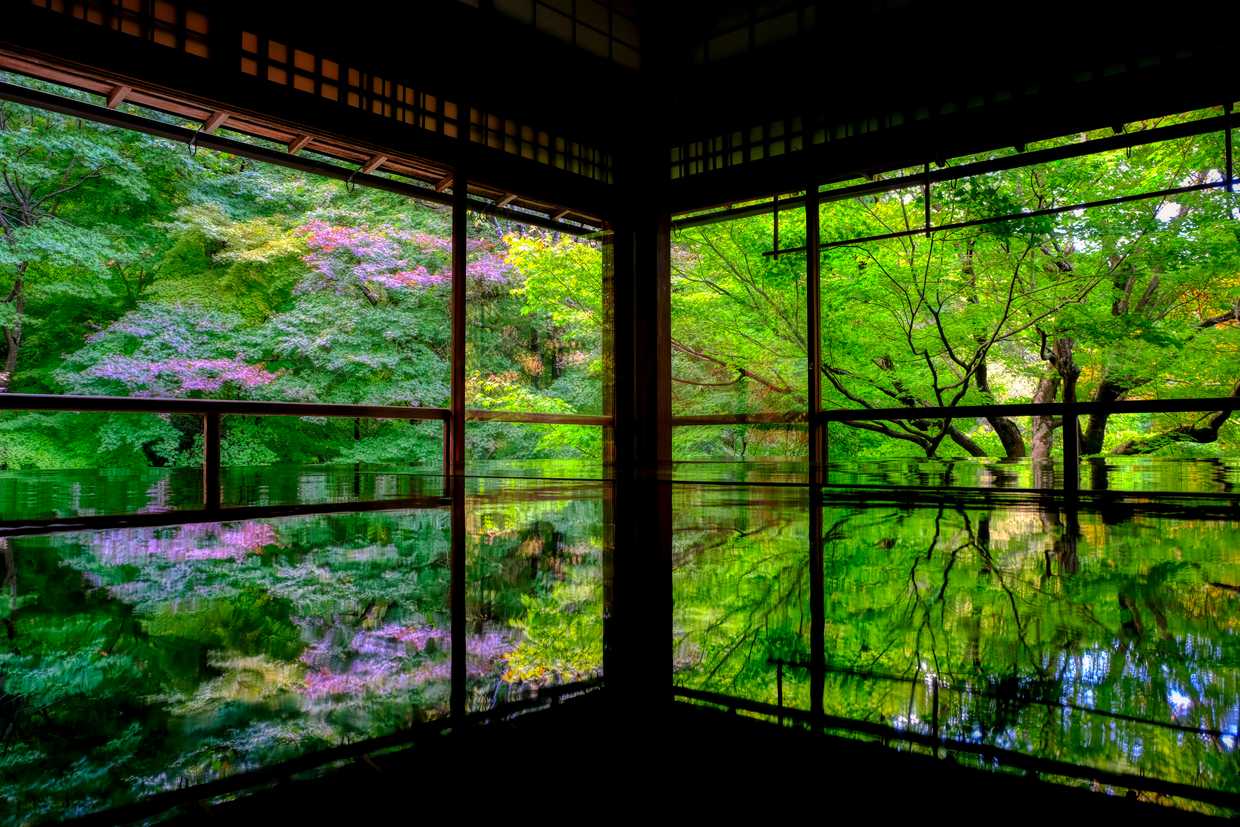
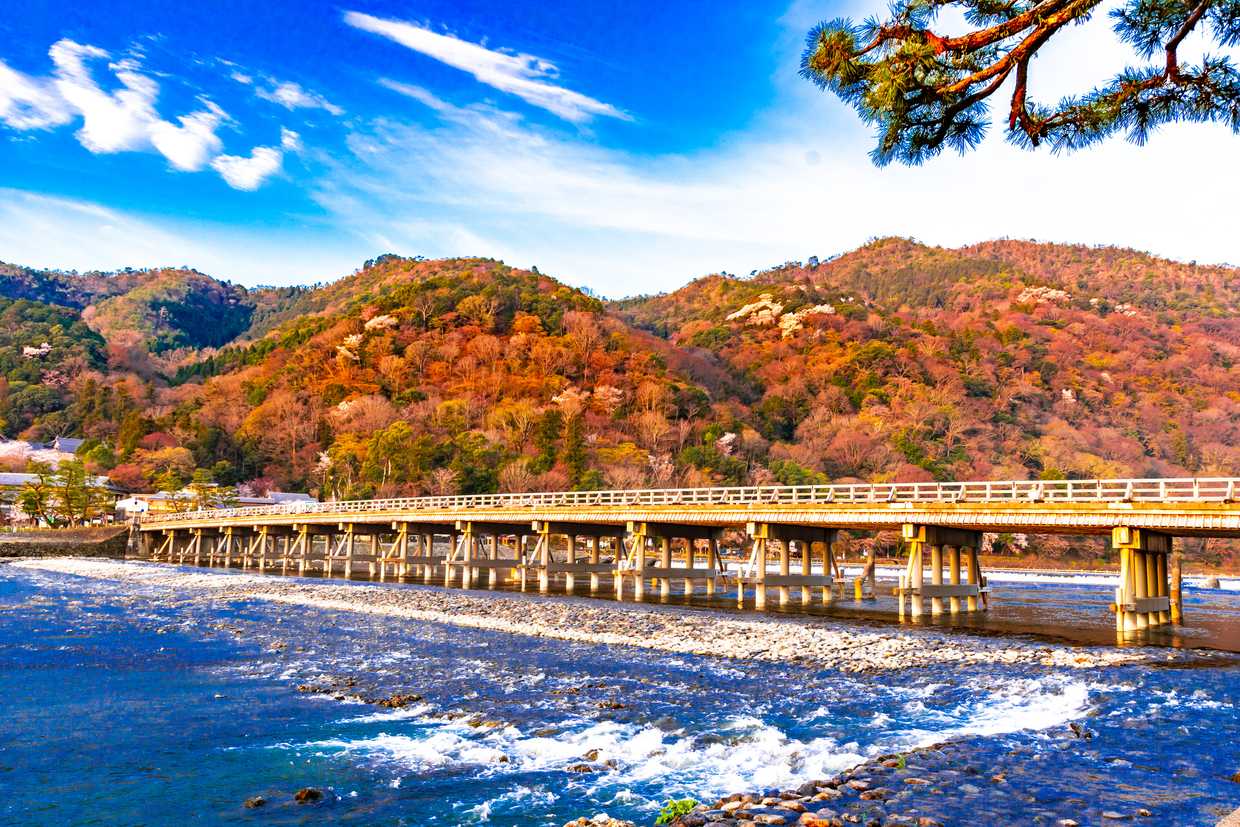
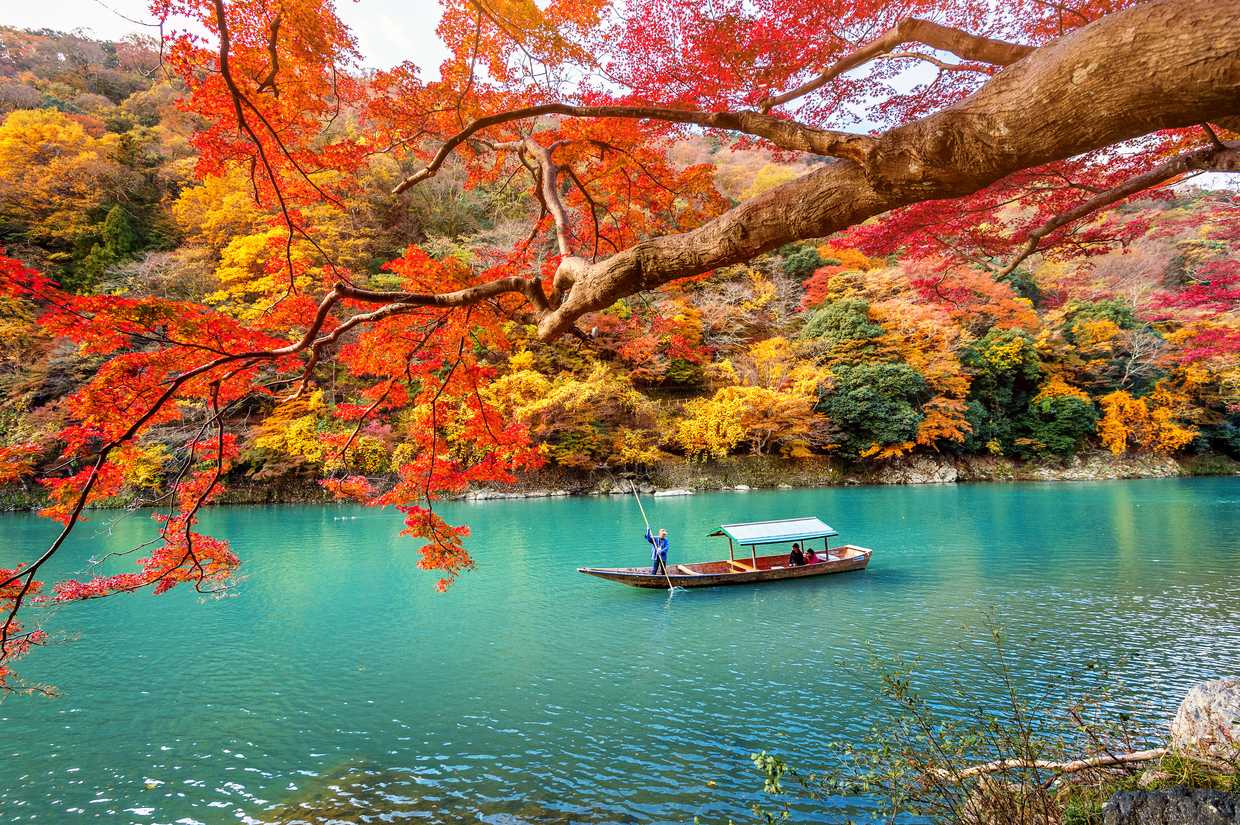
Kyoto's charm lies in its natural beauty that transforms with each season. You can enjoy different landscapes throughout the year: cherry blossoms in spring, fresh green maples in summer, autumn foliage, and snowy winter scenery. The bamboo groves of Sagano and autumn colors of Arashiyama in particular offer picture-perfect landscapes that captivate many foreign tourists.
Traditional Cultural Experiences
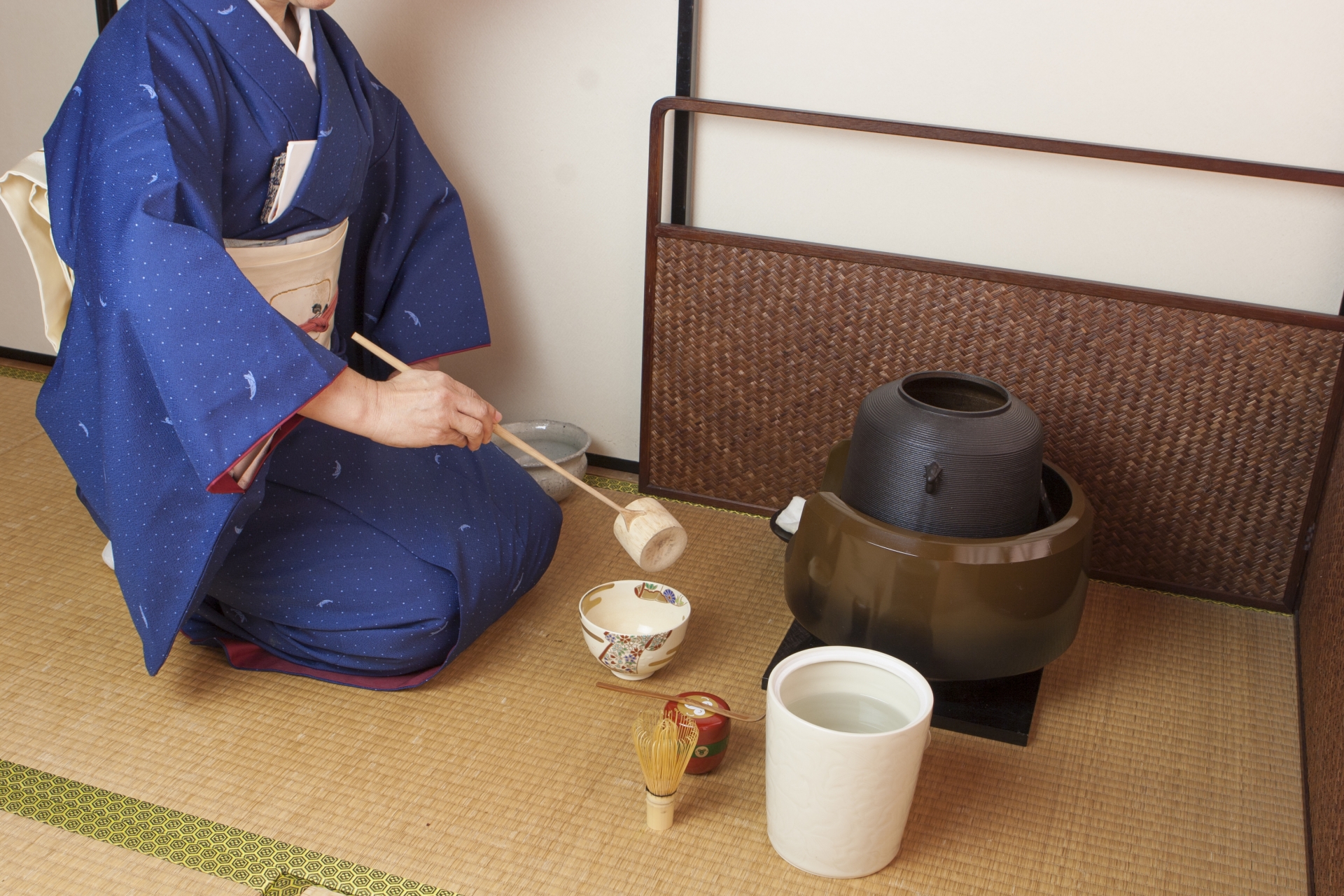
One of Kyoto's greatest attractions is the opportunity to actually experience traditional Japanese arts such as tea ceremony, flower arrangement (ikebana), and calligraphy (shodo). There are abundant opportunities to engage with uniquely Kyoto culture, such as watching maiko (apprentice geisha) performances or trying your hand at making traditional sweets (wagashi). These experiences deepen your understanding of Japanese culture while creating unforgettable memories.
Refined Culinary Culture
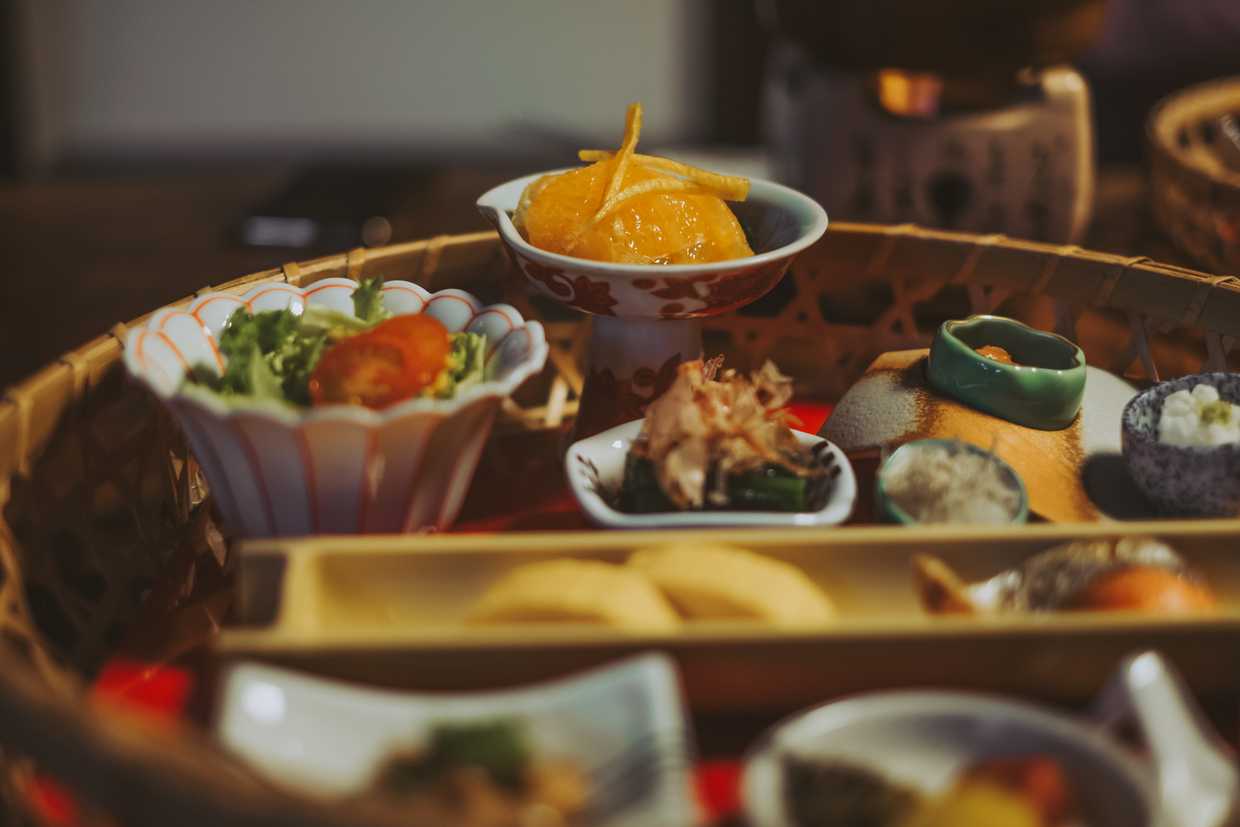
Kyoto is also the epicenter of refined culinary culture, including "Kyo-ryori" (Kyoto cuisine). Kyoto-specific ingredients and cooking methods, such as yuba (tofu skin) and Kyo-tsukemono (Kyoto pickles), captivate many with their delicate flavors. Additionally, matcha-based wagashi and sweets are particularly popular among foreign tourists.
Major Tourist Attractions in Kyoto
While Kyoto has countless tourist spots, here we highlight some locations especially popular with foreign tourists:
Fushimi Inari Taisha - Mystery of the Thousand Torii Gates
Located in southern Kyoto, Fushimi Inari Taisha is world-famous for its "Senbon Torii" (Thousand Torii Gates) - rows of vermillion torii gates. Known as the deity of business prosperity, the entire mountain is considered sacred ground. Walking through the thousand torii gates to reach the mountaintop reveals spectacular viewpoints overlooking Kyoto city. This consistently ranks among the top attractions for foreign tourists.
Kiyomizu-dera - A Representative Temple of Japan
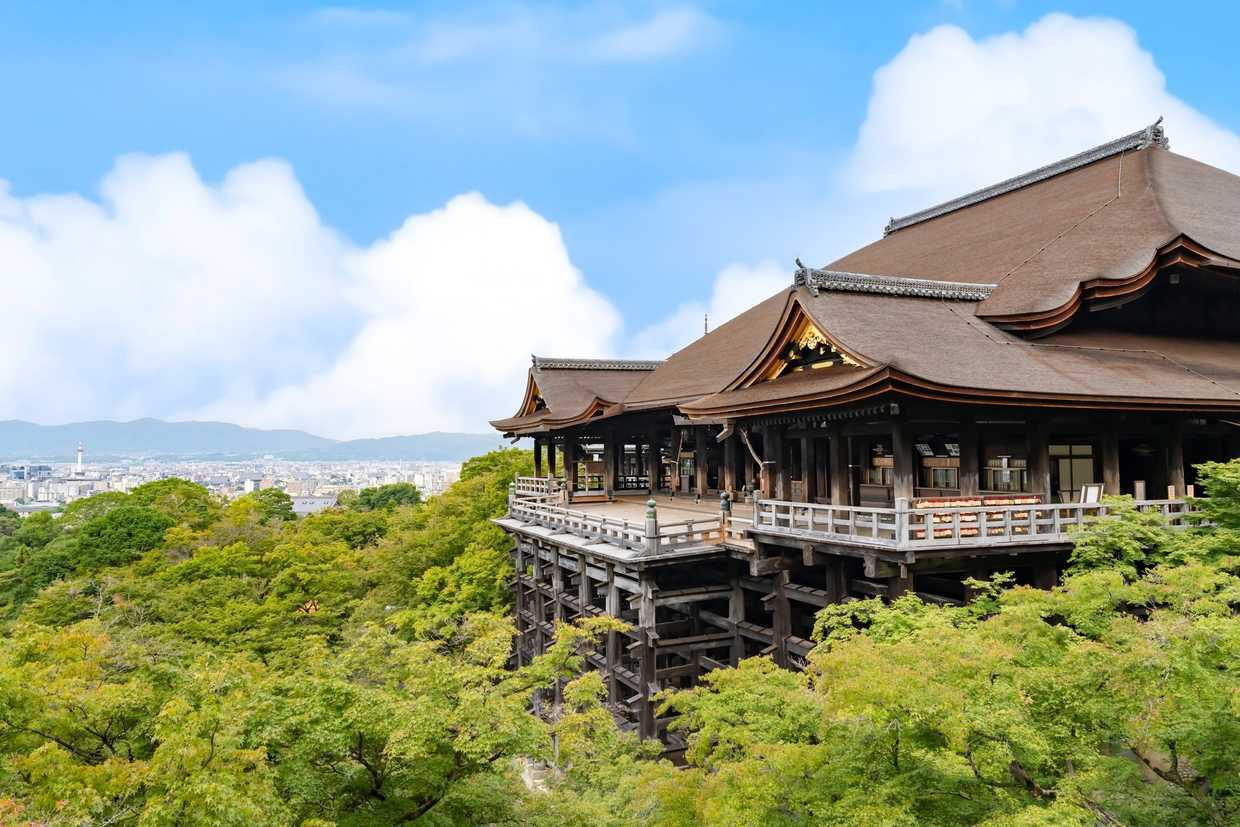
Built on Higashiyama (Eastern Mountains), Kiyomizu-dera is one of Kyoto's most iconic temples. It's known as the setting for the Japanese proverb "jumping off the stage at Kiyomizu." The 13-meter-high wooden stage offers panoramic views of Kyoto city, with particularly stunning vistas during cherry blossom and autumn foliage seasons. Many worshippers also come for the sacred water of Otowa Waterfall, making it popular as a spiritual power spot.
Kinkaku-ji (Rokuon-ji) - The Golden Temple
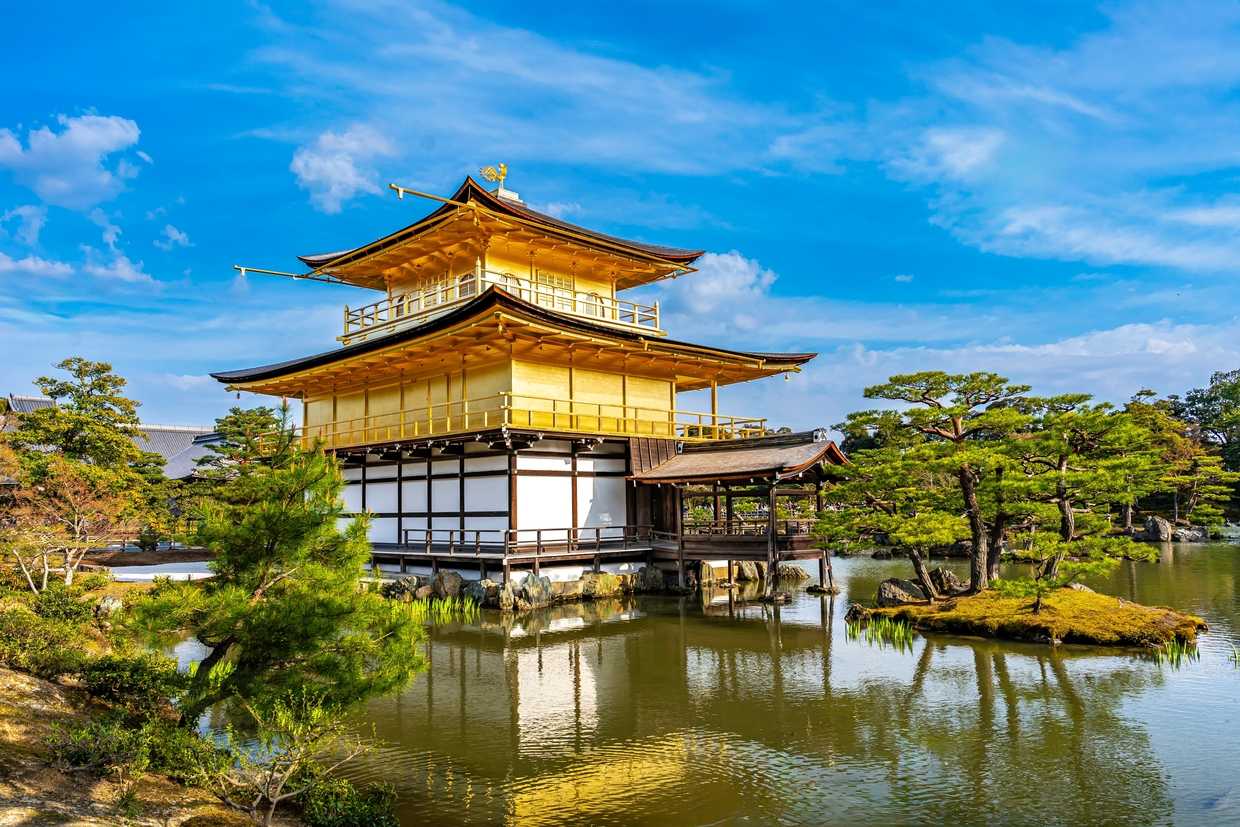
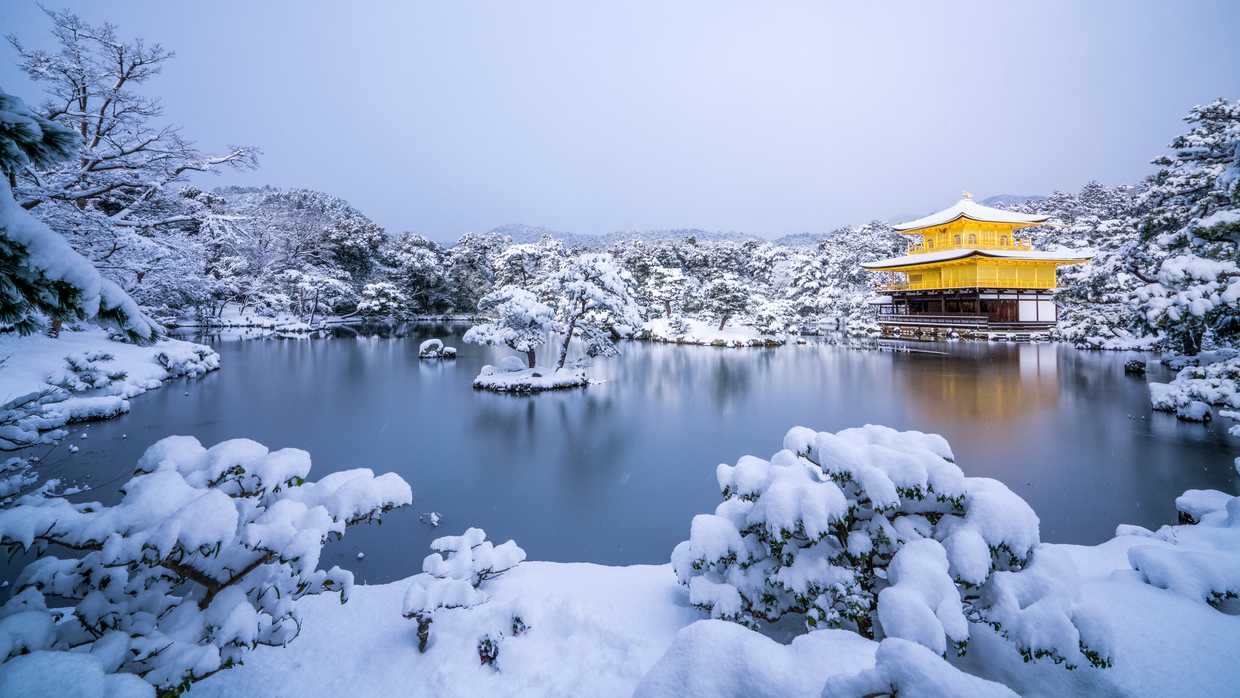
Kinkaku-ji, a Zen temple in northwestern Kyoto, is famous for its "Golden Pavilion" (Shariden) covered in gold leaf. The golden reflection in the surrounding pond creates painting-like beauty that enchants many visitors. The garden centered around Kyoko-chi (Mirror Pond) is also magnificent, allowing you to fully appreciate Japanese garden aesthetics.
Arashiyama - Fusion of Nature and Culture
Arashiyama is an area whose charm lies in the natural beauty created by the Katsura River and surrounding mountains. The view from Togetsukyo Bridge is particularly beautiful, showing different expressions through four seasons: spring cherry blossoms, summer greenery, autumn foliage, and winter snow scenes. The bamboo grove path is a popular spot with a quiet, mystical atmosphere. The Sagano Romantic Train is also popular with tourists.
Gion - Traditional Streets Where Maiko Walk
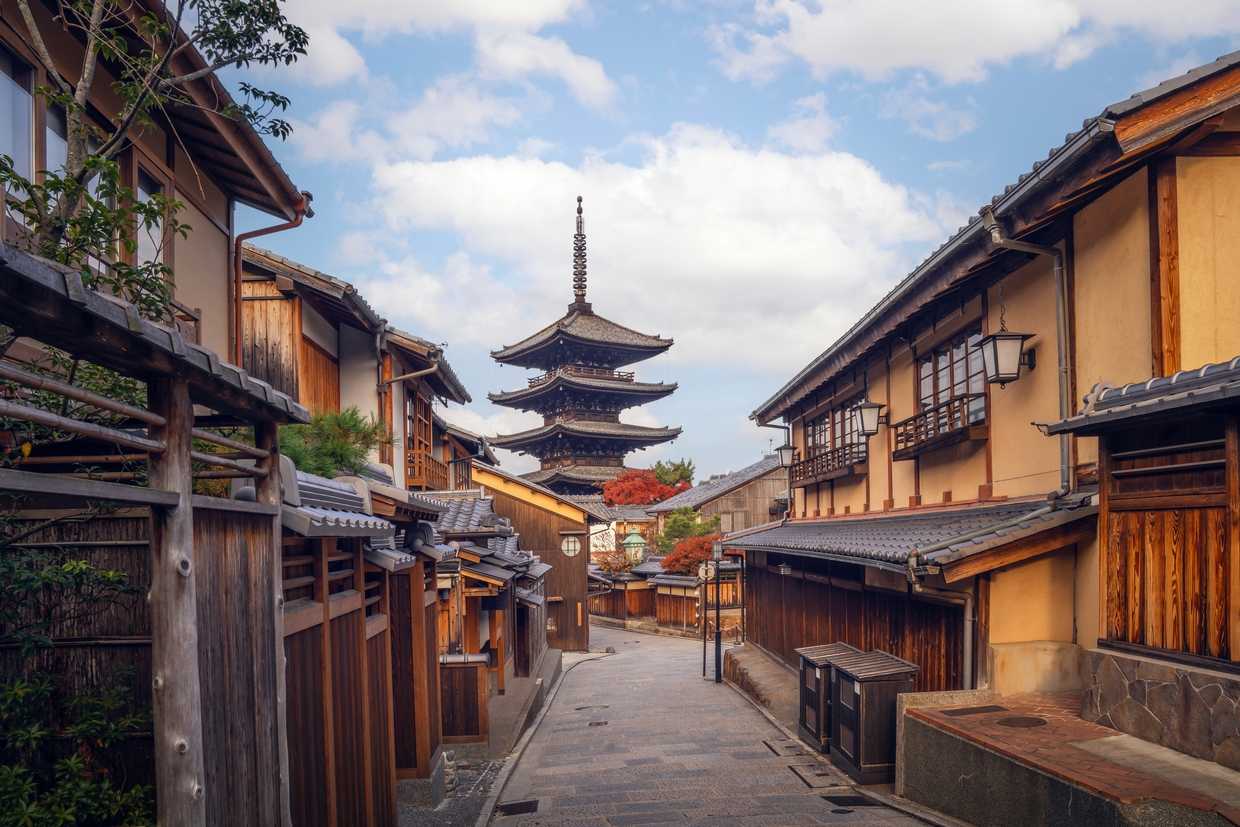
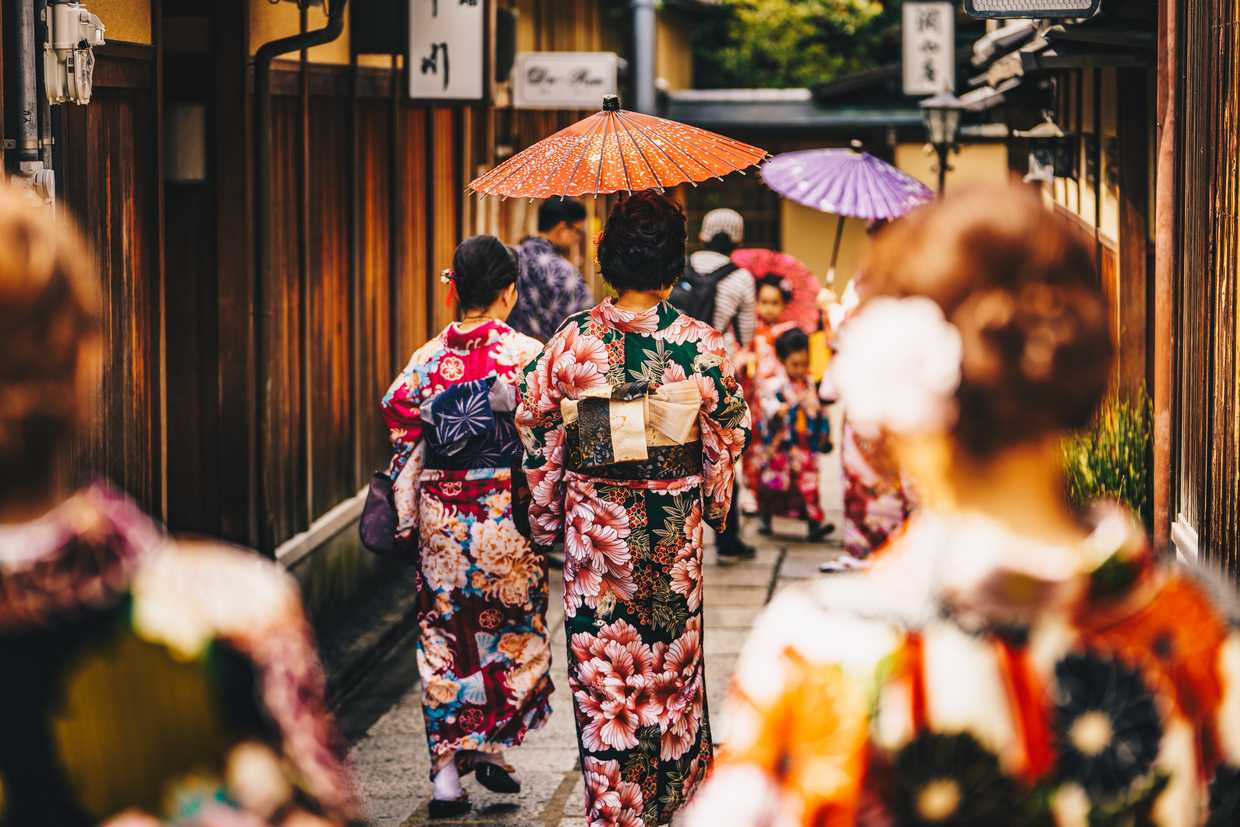
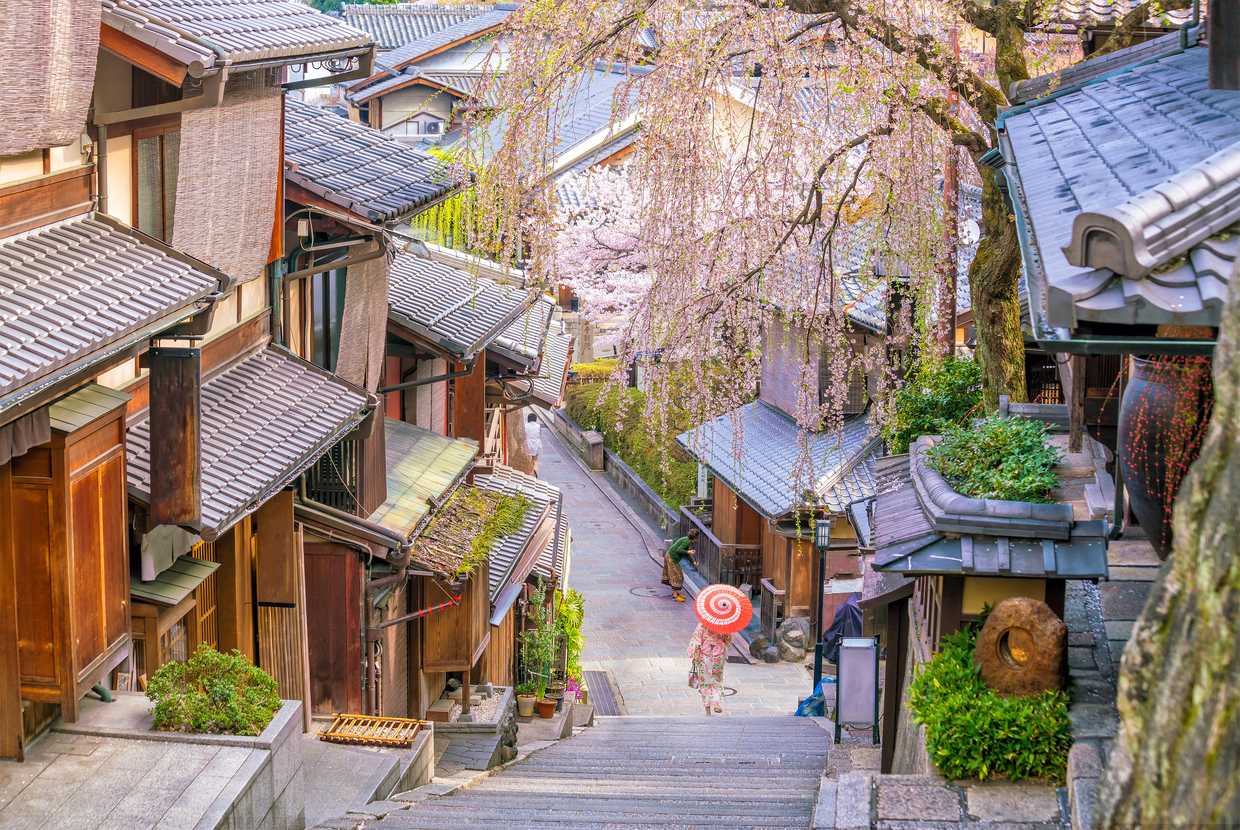
Known as Kyoto's traditional geisha district, Gion is an area where maiko and geiko (geisha) still actively work. Hanamikoji Street, lined with stone-paved lanes and wooden teahouses, is where you can feel Kyoto's traditional atmosphere. At dusk, you may catch glimpses of maiko walking about, attracting many tourists.
Nijo Castle - Conveying the Glory of the Tokugawa Shogunate
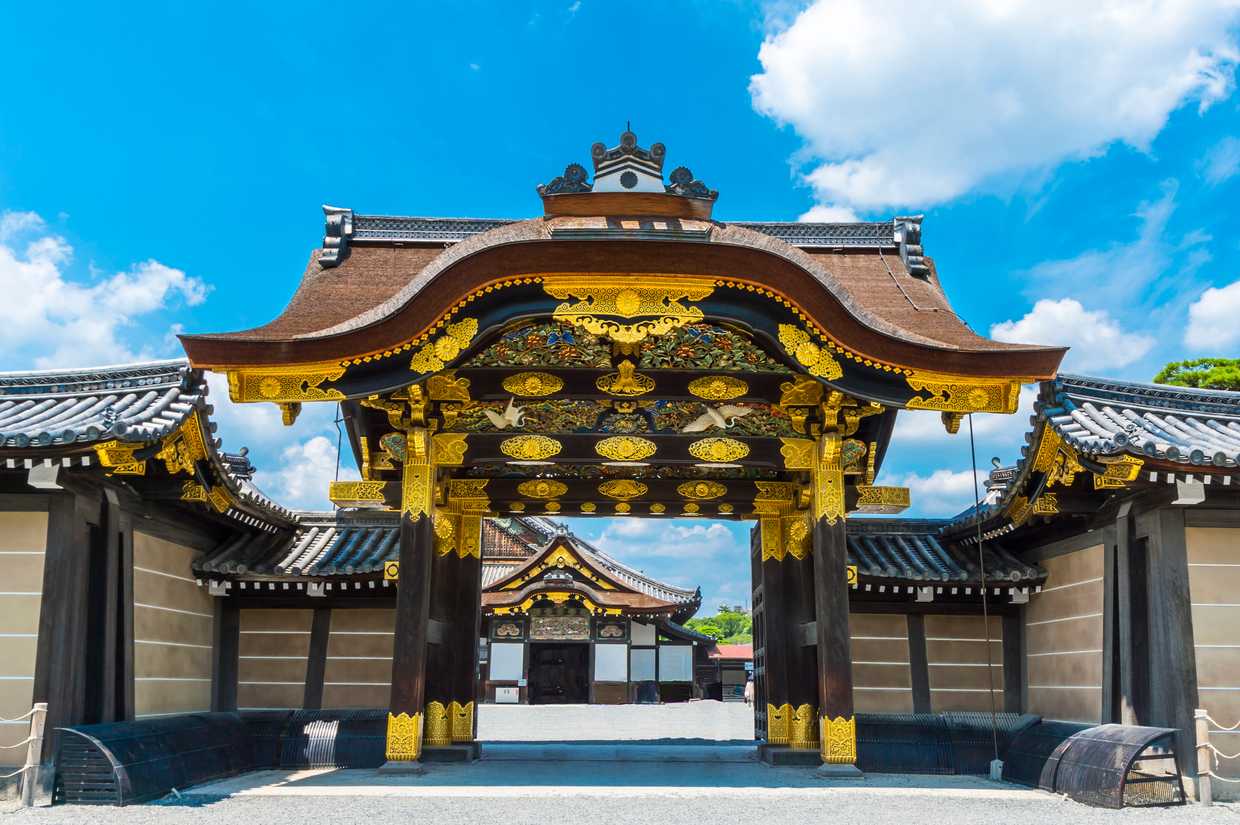
Built by Tokugawa Ieyasu, Nijo Castle is also known as the site of the "Taisei Hokan" (return of political power to the emperor). The Ninomaru Palace, designated as a National Treasure, features gorgeous barrier paintings and corridors with "nightingale floors" (uguisubari) - designed to squeak when walked upon. The expansive gardens are also beautiful and enjoyable throughout the four seasons.
GTN Prepaid SIM
GTN Prepaid SIM is a data-only or voice+data prepaid SIM available from a minimum of 7 days to a maximum of 90 days.
You can apply with just your passport, and it features 5G/LTE network and 8-language customer support. Note that speeds slow after data usage, with no extension possible - this service is designed for short to medium-term visitors.
Operating Company: Global Trust Networks Co., Ltd.
Pricing:
Data-Only SIM/eSIM:
- 10GB / 30 days: ¥3,000
- 30GB / 7 days: ¥3,000
- 50GB / 30 days: ¥5,000
- 135GB / 90 days: ¥10,000
Voice + Data SIM:
- 10GB: 30 days ¥8,250 / 60 days ¥14,850 / 90 days ¥21,450
- 30GB: 30 days ¥12,100 / 60 days ¥19,800 / 90 days ¥27,500
*Domestic call charges are ¥22/30 seconds (tax included), SMS is ¥3.3-33 (tax included)/message (domestic), etc., charged separately. *Information as of November 2025.
Official Website: https://www.gtn-mobile.com/
When is the Best Season to Visit Kyoto?
Kyoto offers beauty in all four seasons, with each period having its unique charm. The scenery and events you can enjoy differ depending on when you visit, so use this as reference for your planning.
Spring (March-May) - Cherry Blossom Season
Spring in Kyoto sees cherry blossoms coloring the entire city. The Philosopher's Path, Maruyama Park, and Arashiyama are particularly famous cherry blossom viewing spots. However, the peak viewing period from late March to early April is also the most crowded time. If visiting during cherry blossom season, early reservations and strategies to avoid crowds are necessary.
Spring Highlights:
| Location | Best Viewing Period | Features |
|---|
| Maruyama Park's Weeping Cherry | Late March - Early April | Night illumination available, beautiful night cherry blossoms |
| Philosopher's Path Cherry Tree-Lined Path | Early April | About 500 cherry trees bloom along a 2km path |
| Hirano Shrine | Late March - Mid-April | About 60 varieties, 400 cherry trees to enjoy |
| Arashiyama Cherry Blossoms | Late March - Early April | Cherry blossom views from Togetsukyo Bridge are spectacular |
Summer (June-August) - Seeking Cool Refreshment
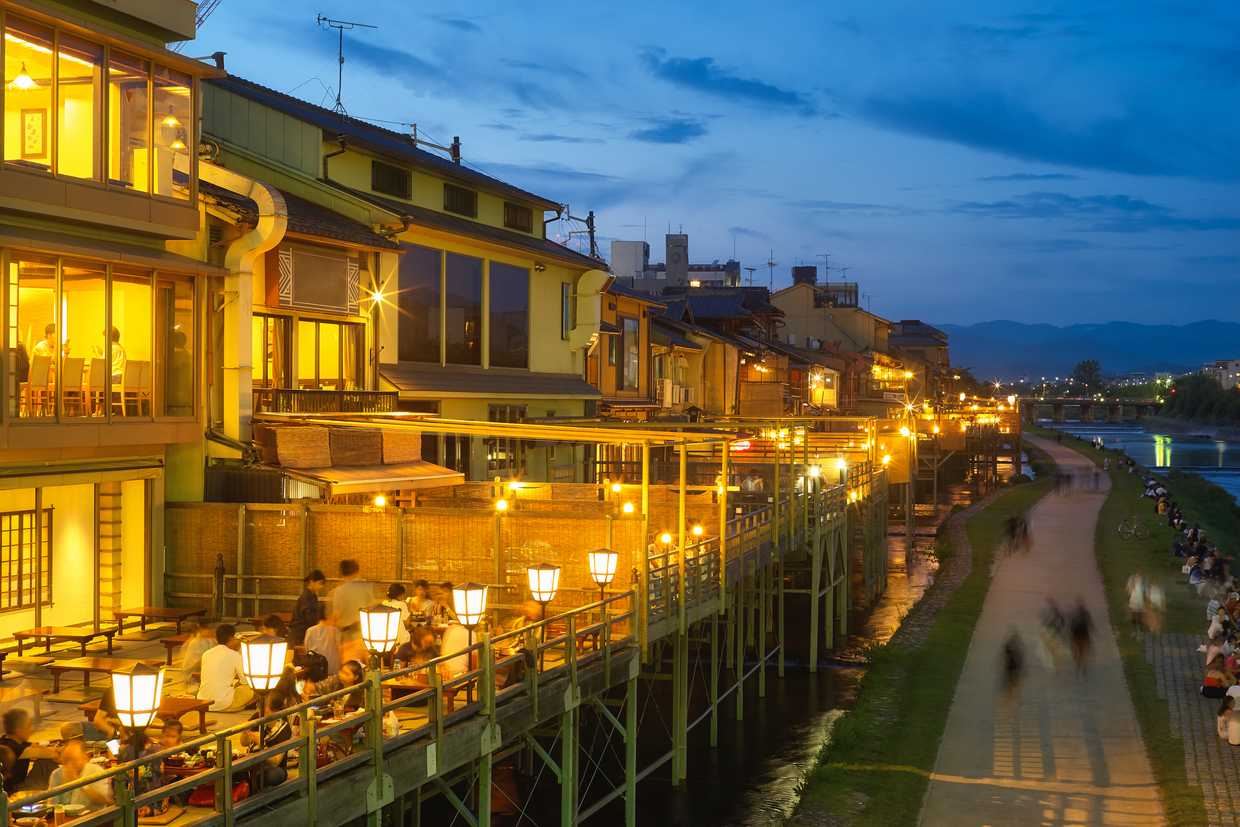
While Kyoto summers bring high temperatures, you'll find ingenuity everywhere for alleviating the heat, such as kawadoko (riverside dining platforms) and evening cooling spots. Kawadoko dining along the Kamo River, where you can enjoy meals while listening to the stream, is a quintessentially Kyoto summer tradition. Additionally, the Gion Matsuri (festival) in July is known as one of Japan's three major festivals and draws many tourists.
Summer Highlights:
| Event/Location | Period | Features |
|---|
| Gion Matsuri | July 1-31 (Yamahoko parade on the 17th) | One of Japan's three major festivals, gorgeous floats parade through the city |
| Kibune Kawadoko | May-September | Dining along the riverside stream |
| Byodo-in Lotus Flowers | Late June - Early August | Ancient lotus flowers continuing since the Heian period bloom |
| Sanzen-in Hydrangeas | Mid-June - Early July | Beautiful contrast of fresh green maples and hydrangeas |
Autumn (September-November) - Spectacular Fall Foliage
Autumn in Kyoto, when temples, shrines, and gardens are adorned with autumn colors, is considered one of the most beautiful seasons. Tofuku-ji Temple, Eikando Temple, and Arashiyama are particularly famous for autumn foliage, attracting many tourists. Mid to late November is the peak viewing period, though this season is as crowded as cherry blossom season.
Autumn Highlights:
| Location | Best Viewing Period | Features |
|---|
| Tofuku-ji Temple Autumn Foliage | Mid-November - Early December | View from Tsutenkyo Bridge is spectacular, night illumination available |
| Eikando (Zenrin-ji Temple) | Mid to Late November | Known as "Eikando of Maple Leaves," a famous foliage spot |
| Arashiyama Autumn Foliage | Mid to Late November | Viewing foliage from the Romantic Train is also popular |
| Kodai-ji Temple | Mid-November - Early December | Night-illuminated autumn foliage is mystical |
Winter (December-February) - Season of Tranquility
Winter Kyoto has relatively fewer tourists, allowing you to quietly tour temples and shrines. At times you can see snow-covered Kinkaku-ji or Kiyomizu-dera in a beauty different from usual. Additionally, you can experience traditional Japanese events such as New Year's shrine visits and Setsubun festivals during the year-end and New Year period.
Winter Highlights:
| Location/Event | Period | Features |
|---|
| Kinkaku-ji in Snow | January-February | Snow-covered Golden Pavilion has mystical beauty |
| Kitano Tenmangu Plum Blossoms | Mid-February - Early March | About 1,500 plum trees bloom |
| Yasaka Shrine Setsubun Festival | February 3 | Traditional event to ward off demons and disease |
| Kiyomizu-dera New Year's Visit | January 1-3 | New Year worship to pray for yearly happiness |
Traditional Cultural Experiences in Kyoto
Kyoto offers abundant opportunities not just for sightseeing, but to actually experience traditional Japanese culture. These experiences deepen your understanding of Japanese culture while creating unforgettable memories.
Tea Ceremony Experience - Spirit of Ichi-go Ichi-e
The tea ceremony is not merely etiquette for making tea, but Japanese spiritual culture that values "ichi-go ichi-e" (treasuring each encounter). Throughout Kyoto city, many tea rooms and cultural facilities offer tea ceremony experience programs for foreigners. Experiencing tea ceremony in traditional kimono in an authentic Japanese-style room allows you to feel the profundity of Japanese culture.
Maiko Experience and Traditional Performing Arts Viewing
There are several ways to engage with Kyoto's traditional performing arts and maiko culture. In Gion and Pontocho, facilities offer opportunities to watch performances by maiko and geiko. Experience facilities where you can take commemorative photos in maiko costume and makeup are also popular. Why not create Kyoto memories in authentic makeup and costume?
Traditional Craft Experiences
Kyoto is the birthplace of various traditional crafts including Nishijin textiles, Kyo-Yuzen dyeing, and Kyo-yaki/Kiyomizu-yaki ceramics. Throughout the city are numerous workshops and studios where you can experience pottery, dyeing, wagashi making, and more. Creating your own original work makes for wonderful Kyoto travel memories. Particularly, facilities offering English support for foreigners are increasing.
Major Traditional Cultural Experiences:
| Experience | Duration | Budget | Reservation Needed |
|---|
| Tea Ceremony | 45-90 min | ¥3,000-5,000 | Required (1 week advance) |
| Maiko Experience | 2-3 hours | ¥10,000-30,000 | Required (1 week advance) |
| Wagashi Making | 60-90 min | ¥3,500-4,500 | Required (3 days advance) |
| Pottery Experience | 60-120 min | ¥3,000-6,000 | Required (some same-day available) |
| Kimono Rental | Full day (specified return time) | ¥3,500-10,000 | Recommended during peak season |
Savoring Kyoto Gourmet
Kyoto is the epicenter of culinary culture, considered the birthplace of Japanese cuisine. Here we introduce specialty dishes you should taste when visiting Kyoto.
Kaiseki - Seasonal Artistry
Kyo-kaiseki is cuisine born from the tea ceremony spirit, characterized by delicate flavors using seasonal ingredients and beautiful presentation. Based on "ichiju-sansai" (one soup, three dishes), seasonal ingredients are served in small portions course by course. While authentic kaiseki at high-end traditional restaurants is available, many establishments throughout the city also offer relatively reasonable course meals.
Yuba and Tofu - Representative Kyoto Ingredients
In Kyoto, blessed with pure water, tofu-making has long flourished. Yuba (the film formed when heating soy milk) is particularly representative of Kyoto ingredients. You can enjoy various preparations of yuba at yuba sashimi or yuba specialty restaurants. Yudofu (hot pot tofu) is also a popular winter menu item.
Kyoto Pickles and Traditional Vegetables
Kyo-tsukemono (Kyoto pickles) with over 1,000 years of history are also unique to Kyoto's food culture. With abundant varieties including senmaizuke, shibazuke, and sugukizuke, they're also popular as souvenirs. Additionally, dishes using Kyoto-specific traditional vegetables such as Kamo eggplant, Shogoin radish, and Manganji peppers shouldn't be missed.
Matcha Sweets - From Established Shops to Creative Wagashi
Kyoto is also a treasure trove of matcha sweets. From long-established wagashi shops to new cafes offering creative Japanese sweets, you can enjoy various matcha confections. Parfaits, soft-serve ice cream, and nama-yatsuhashi using Uji matcha are particularly popular with foreign tourists.
Representative Kyoto Gourmet:
| Cuisine | Recommended Locations | Budget |
|---|
| Kyo-kaiseki | Gion, Pontocho, Kiyamachi restaurants | Lunch ¥5,000+, Dinner ¥15,000+ |
| Yuba Cuisine | Around Nanzen-ji, Kiyomizu-dera | Lunch ¥2,000-5,000 |
| Obanzai (Kyoto Home Cooking) | Small eateries around Nishiki Market | ¥1,500-3,000 |
| Matcha Sweets | Uji, Gion, Shijo-Kawaramachi | ¥600-1,500 |
| Nishin Soba | Around Kyoto Station, Higashiyama | ¥1,000-1,500 |
Efficient Ways to Tour Kyoto
Since tourist spots are scattered throughout Kyoto city, knowing efficient touring methods allows you to visit many places even with limited time.
Area-Based Tourism Plans
Kyoto's tourist spots are mainly divided into the following areas. Depending on your length of stay, efficiently touring by area is recommended:
- Higashiyama Area: Kiyomizu-dera, Gion, Yasaka Shrine, Chion-in, etc.
- Northern Area: Kinkaku-ji, Ginkaku-ji, Philosopher's Path, Kamigamo Shrine, etc.
- Western/Arashiyama Area: Arashiyama, Togetsukyo Bridge, Bamboo Grove Path, Tenryu-ji, etc.
- Around Kyoto Station: Higashi Hongan-ji, Nishi Hongan-ji, To-ji, etc.
- Central Area: Nijo Castle, Kyoto Imperial Palace, Nishiki Market, etc.
Smart Use of Public Transportation
City buses and subways are convenient for getting around Kyoto. The "Kyoto Sightseeing One-Day Pass" is especially recommended for tourists, offering unlimited rides on city buses and subways for one day. Additionally, the Sagano Scenic Railway (Romantic Train) from Kyoto Station toward Arashiyama can be enjoyed as part of sightseeing.
Transportation Options:
| Mode | Features | Fare |
|---|
| City Bus | Covers tourist areas widely, time-consuming during congestion | ¥230 per ride |
| Subway | North-South (Karasuma) and East-West lines, excellent punctuality | ¥220+ |
| Kyoto Sightseeing One-Day Pass | Unlimited city bus/subway for one day | ¥1,100 |
| Bicycle Rental | Not affected by traffic, free movement | ¥1,000+ per day |
| Taxi | Drivers sometimes provide tour commentary | Starting at ¥680 |
Tips for Avoiding Crowds by Time of Day
Kyoto's major tourist sites are most crowded between 10 AM and 3 PM. Weekends, holidays, and cherry blossom/autumn foliage seasons are particularly crowded. Use these tips for more comfortable sightseeing:
- Visit popular spots first thing in the morning (right after opening) or evening
- Avoid lunch time (12-1 PM) for meals
- Tour on weekdays
- Combine major spots with lesser-known locations
- Visit temples and shrines offering night illumination in the evening
Accommodation in Kyoto
Kyoto offers various types of accommodation. You can choose according to your travel style and budget.
Points for Choosing Accommodation Areas
Around Kyoto Station: Excellent transportation access, recommended for first-time Kyoto visitors. Many hotel options, with relatively affordable accommodations easily found.
Gion/Higashiyama Area: Enjoy Kyoto-like atmosphere, with many tourist spots accessible on foot. Many traditional ryokan, though prices tend to be higher.
Shijo-Kawaramachi/Karasuma Area: Located in the downtown area, convenient for shopping and gourmet dining. Various types from business hotels to luxury hotels.
Arashiyama Area: Quiet environment surrounded by nature, with atmospheric riverside ryokan. However, somewhat distant from the city center.
Accommodation Types and Characteristics
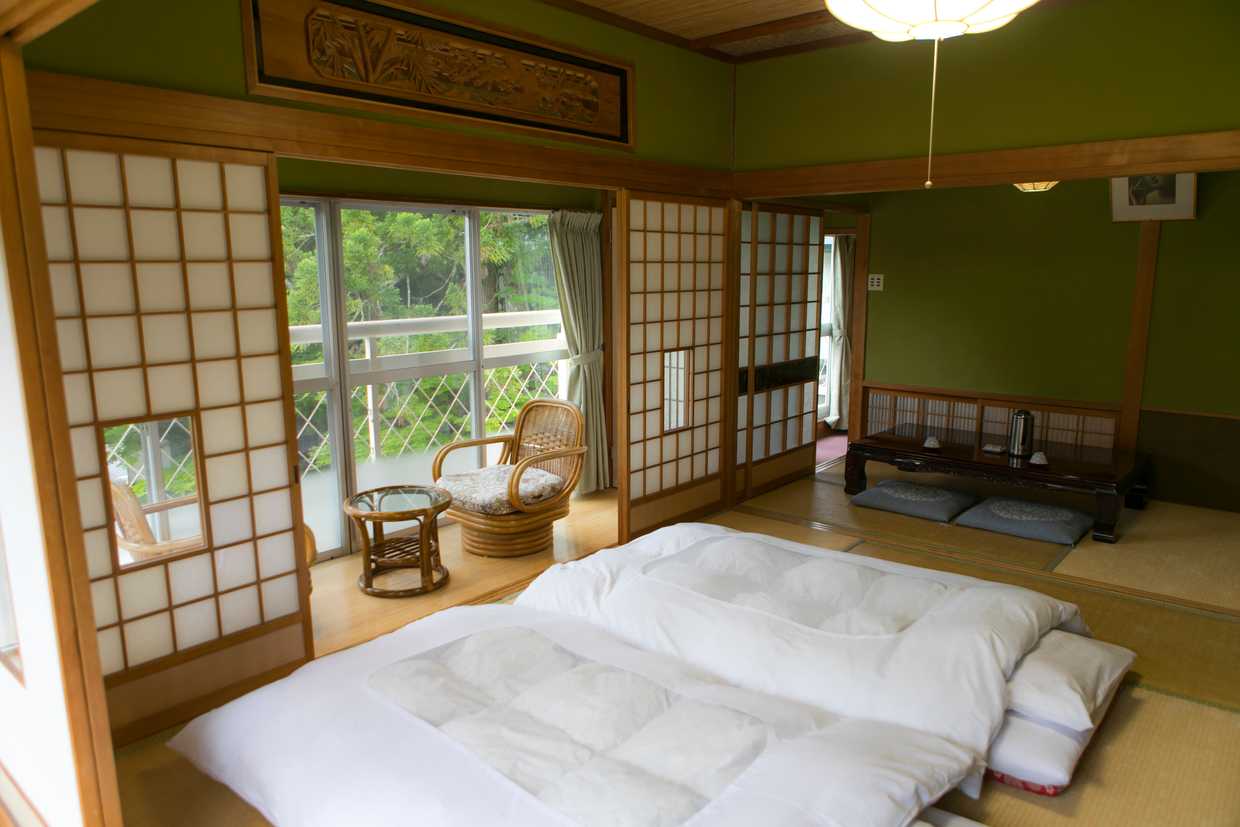
Ryokan: Traditional Japanese inns where you can experience Japanese culture through tatami rooms, futon bedding, and yukata robes. Most include Japanese-style breakfast and dinner.
Hotels: Equipped with Western-style beds and facilities, offering familiar comfort for foreign tourists. Various classes from business hotels to luxury hotels.
Machiya Stay: Accommodation in renovated traditional Kyoto townhouses, where you can rent an entire house. Often equipped with self-catering facilities, suitable for long-term stays.
Guesthouses: Relatively affordable accommodation where you can also enjoy interaction with other travelers. Popular with backpackers and young travelers.
Accommodation Types:
| Type | Price Range (per night) | Features |
|---|
| Luxury Ryokan | ¥30,000+ | Experience Japanese culture, omotenashi hospitality |
| Mid-Range Ryokan | ¥15,000-30,000 | Japanese rooms and cuisine, warm service |
| Luxury Hotel | ¥25,000+ | Sophisticated facilities and service, multilingual support |
| Business Hotel | ¥8,000-15,000 | Functional and clean, basic facilities provided |
| Machiya Stay | ¥15,000-40,000 | Entire house rental, self-catering available, experience Kyoto lifestyle |
| Guesthouse | ¥3,000-8,000 | Shared facilities, international exchange, information sharing |
Booking Precautions
Kyoto accommodations become extremely crowded during high tourism seasons (cherry blossom and autumn foliage periods). Particularly late March to early April and mid to late November require reservations months in advance. Golden Week (late April to early May), Obon holidays (mid-August), and year-end/New Year periods are also crowded, so early booking is recommended.
Manners and Precautions for Kyoto Tourism
Kyoto is a city that values history and tradition. For comfortable and memorable travel, knowing some manners and precautions is important.
Basic Manners
- Keep Quiet: Especially inside temples and shrines, maintain a peaceful atmosphere. Refrain from loud conversations or phone calls.
- Photography: Always respect no-photography areas. Particularly in Gion, unauthorized photography of maiko and geiko is prohibited.
- Walking: Don't spread out across paths, and avoid blocking others' passage. Extra care is needed during crowded times.
- Trash Disposal: With few public trash bins, basically take your trash with you.
Behavior at Shrines and Temples
- Worship Etiquette: At shrines, bow before passing through torii gates, and avoid walking in the center of the approach path.
- Temizuya (Purification Fountain): Purify hands and mouth with proper procedure (right hand → left hand → mouth → cleanse handle).
- Worship at Main Hall: When offering coins, do so quietly without making noise. Also avoid touching Buddhist statues or structures.
- Removing Shoes: Always remove shoes in tatami-matted areas, and turn and arrange your shoes neatly after removing them.
- No Eating While Walking: Particularly in areas like Kiyomizu-dera and Gion, eating while walking is considered bad manners. Eat in designated rest areas or dining spaces.
Consideration for Maiko and Geiko
In Kyoto's hanamachi (geisha districts) like Gion and Pontocho, maiko and geiko actually live and work. They are not models but bearers of traditional culture. Please note the following:
- Unauthorized photography is strictly prohibited
- Don't chase or block the path of walking maiko
- Calling out to or touching them is also harassment
- If you want to watch performances, use official opportunities at ochaya (teahouses) or theaters
Consideration for Overtourism
In recent years, Kyoto has experienced problems called "overtourism" due to increasing tourist numbers. Be considerate of local residents' lives when touring:
- Stay quiet in residential areas, minimize photography
- Don't enter private property (especially machiya entrances) without permission
- Cooperate with tourist dispersal by avoiding crowded times and places
- Follow local rules and posted notices