Tokyo Travel Guide 2026: Best Things to Do & Top Attractions - GTN MAGAZINE
日本語
日本語
English

Tokyo Travel Guide 2026: Best Things to Do & Top Attractions

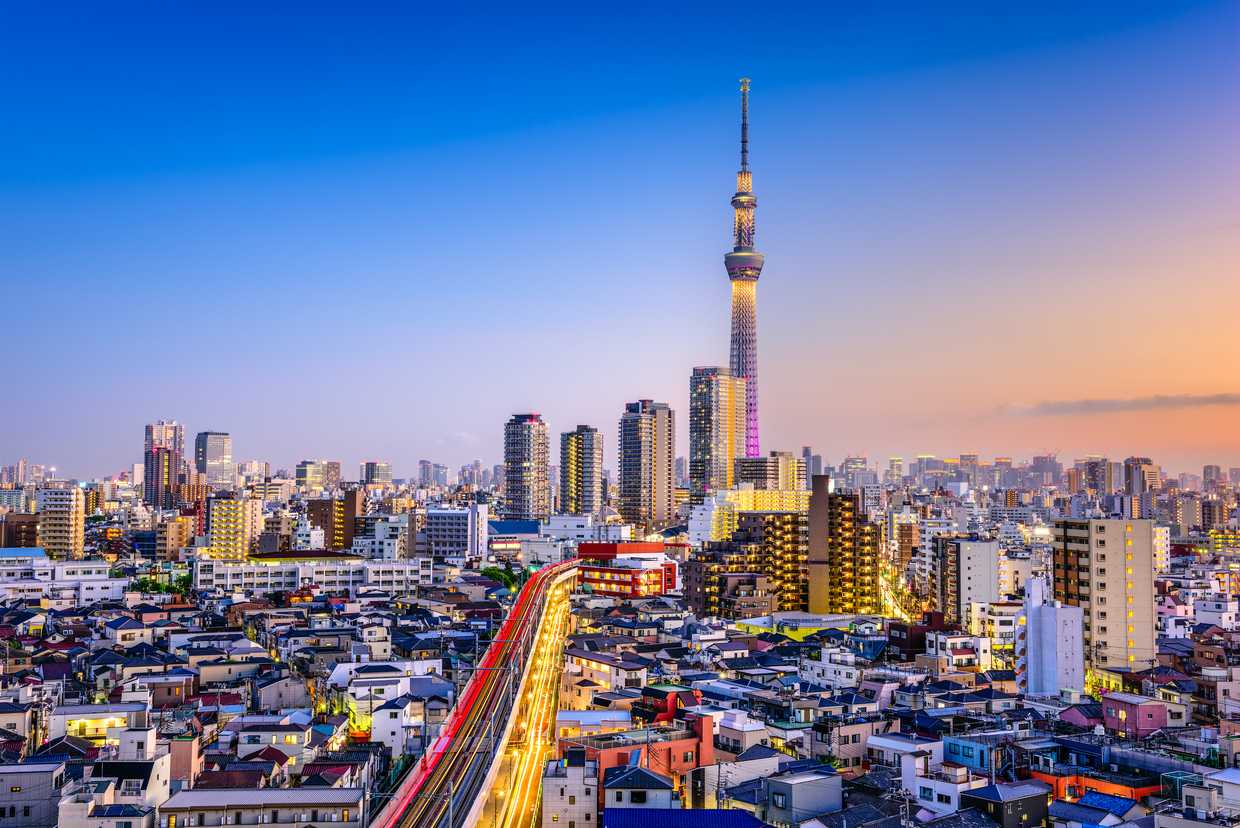
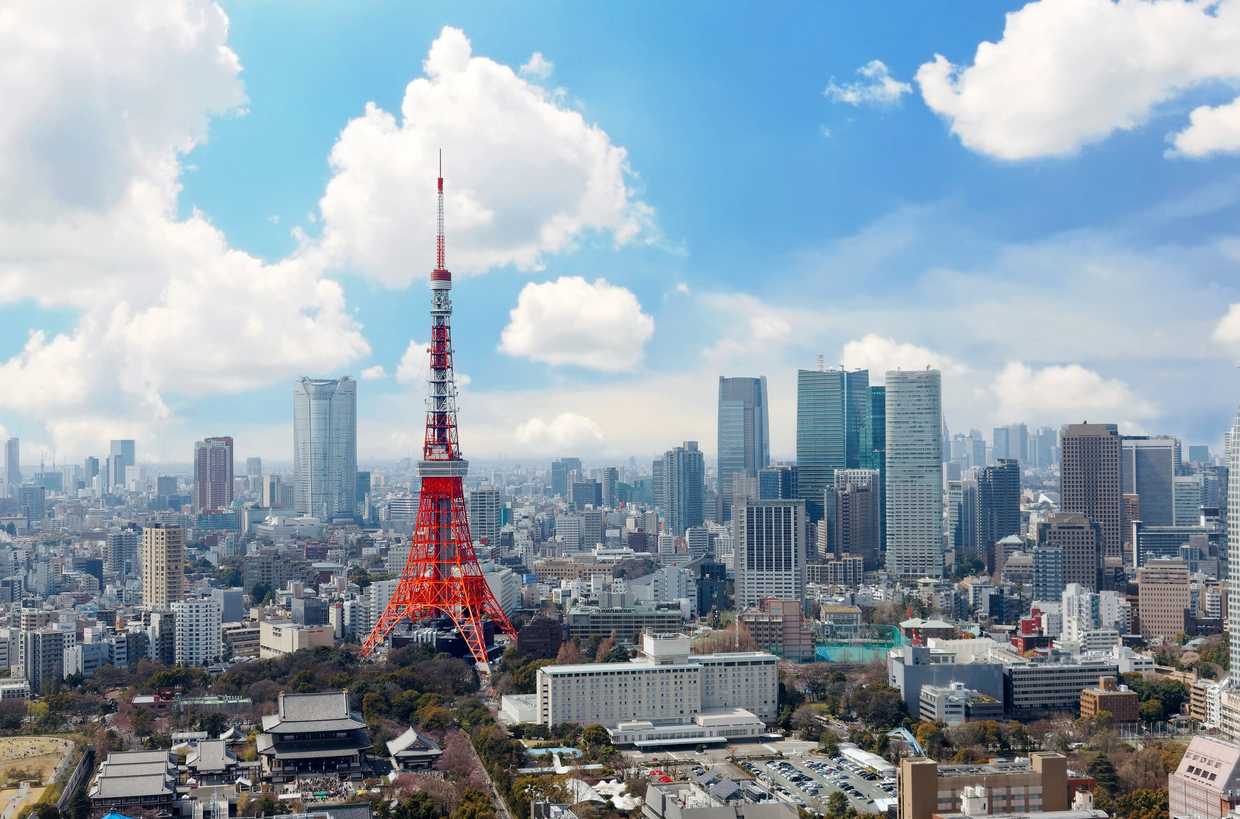
Tokyo is a city where long-standing traditions and cutting-edge technology come together in remarkable harmony. Historic landmarks dating back to the Edo period stand alongside towering skyscrapers, while tranquil shrines and temples coexist with vibrant entertainment districts. This unique blend of old and new is part of what makes Tokyo such a fascinating destination. Attracting millions of visitors from around the world each year, Tokyo continues to offer new discoveries and unforgettable experiences to both first-time visitors and returning travelers alike.

In this guide, we'll introduce everything you need to make the most of your time in Tokyo, whether you're planning your first trip to Japan or are already exploring the country. From famous attractions to lesser-known local spots, we've carefully selected information to help make your stay in Tokyo a memorable one.

Overview of Tokyo

Tokyo is more than just a city—it is the center of the world’s largest metropolitan area and is home to more than 13 million people. Tokyo Metropolis consists of 23 special wards, 26 cities, 5 towns, and 8 villages, each with its own distinct culture and character.

Tokyo has long been a popular destination for international visitors. According to the latest data, approximately 20 million international tourists visited Tokyo in 2023. Some of the most popular areas include:

AreaVisit RateMain Attractions
Shibuya67.4%Shibuya Scramble Crossing, SHIBUYA SKY, shopping
Shinjuku57.4%Kabukicho, Tokyo Metropolitan Government Building observation decks, shopping
Ginza50.1%Luxury shopping, traditional Japanese restaurants
Asakusa43.7%Senso-ji Temple, Kaminarimon Gate, traditional shitamachi culture
Akihabara32.5%Electronics district, anime and manga culture

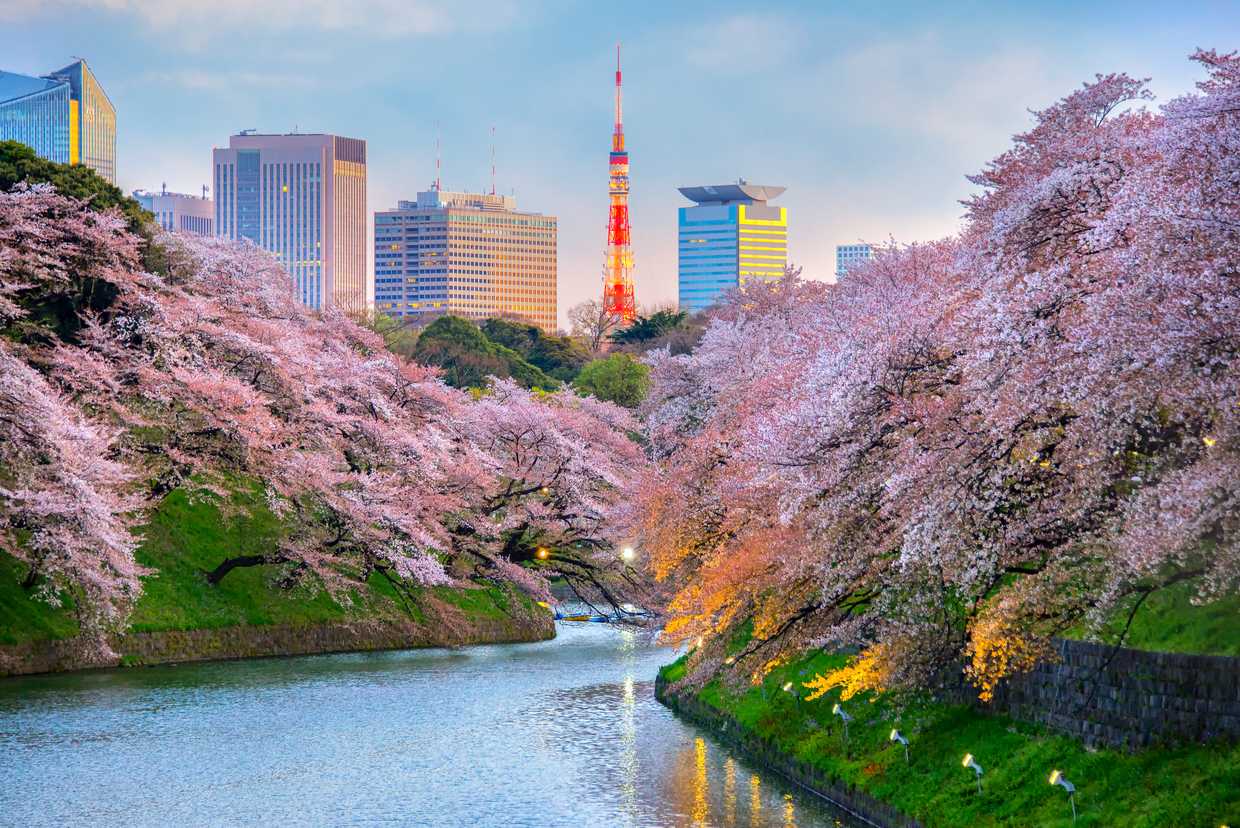
Tokyo has four distinct seasons, with spring (March to May) and fall (September to November) generally considered the most comfortable times for sightseeing. Cherry blossoms brighten the city in spring, while colorful foliage transforms the landscape in fall, attracting many visitors.

Guide to Tokyo's Major Areas

Asakusa and Ueno: A Treasure Trove of Traditional Japanese Culture

Asakusa is one of Tokyo’s best-known shitamachi districts, preserving the atmosphere of the city’s traditional neighborhoods and making it particularly popular with international visitors.

Senso-ji Temple and Kaminarimon Gate

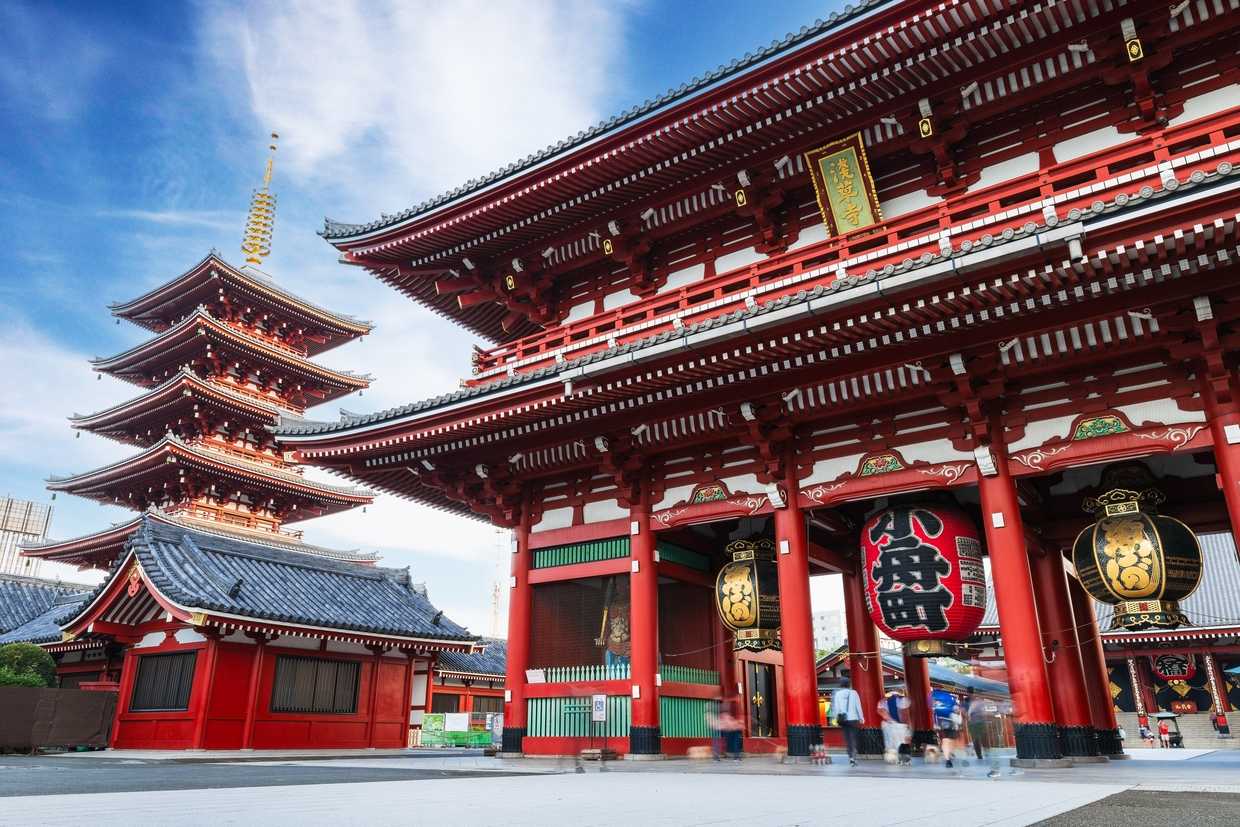
Senso-ji Temple, one of Tokyo’s most iconic temples, is a major tourist attraction that draws around 30 million visitors each year. After passing through Kaminarimon Gate, easily recognized by its large red lantern, you’ll enter Nakamise-dori, a roughly 200-meter-long shopping street lined with around 90 shops selling Japanese sweets, traditional crafts, and souvenirs.

Nearby Attractions

  • Asakusa Shrine: Located right next to Senso-ji Temple and famous for the Sanja Matsuri festival.
  • Asakusa Hanayashiki: Japan’s oldest amusement park, known for its charming retro atmosphere.
  • Tokyo Skytree Town: A large complex built around Tokyo Skytree.

Located near Asakusa, Ueno Park is a cultural hub home to numerous museums and art galleries. At the Tokyo National Museum, you can discover some of Japan’s finest works of art, while Ueno Zoo is home to giant pandas. The park also attracts many visitors in spring as one of Tokyo’s best-known cherry blossom spots.

Shinjuku and Shibuya: Experience the Energy of Modern Japan

Shinjuku

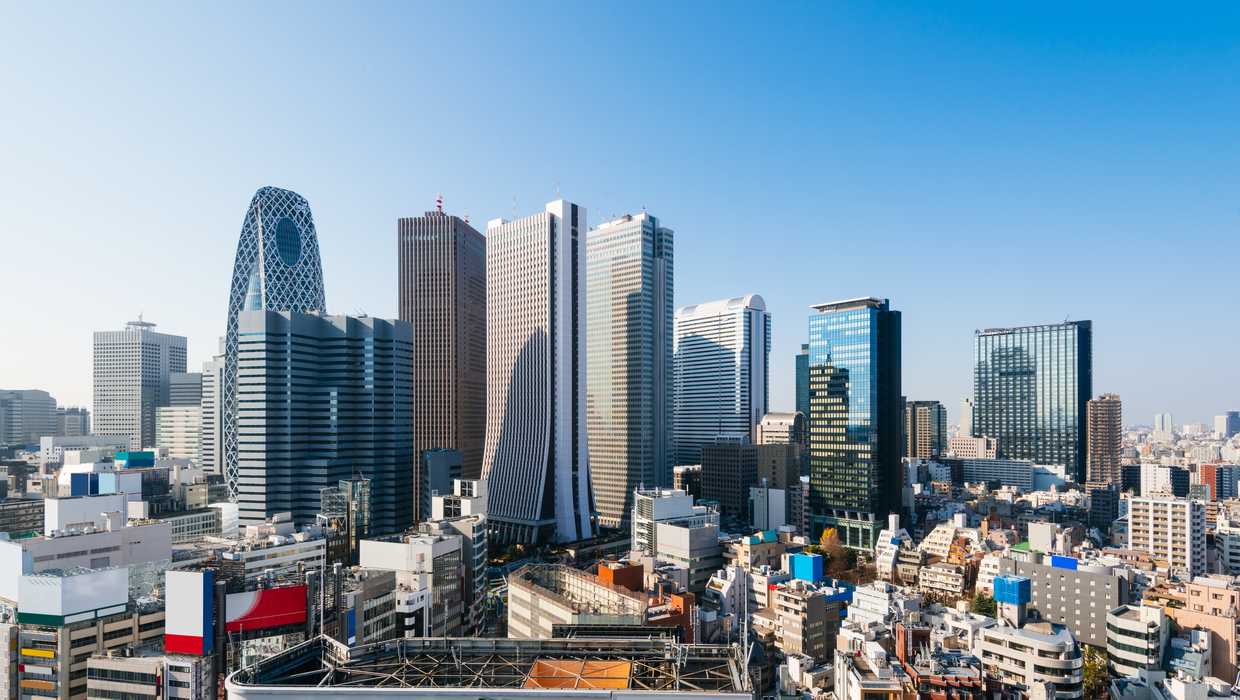
Shinjuku is one of Tokyo’s major business districts as well as a center for entertainment. Centered around Shinjuku Station, the world’s busiest transportation hub, the area is packed with skyscrapers, major department stores, restaurants, and bars.

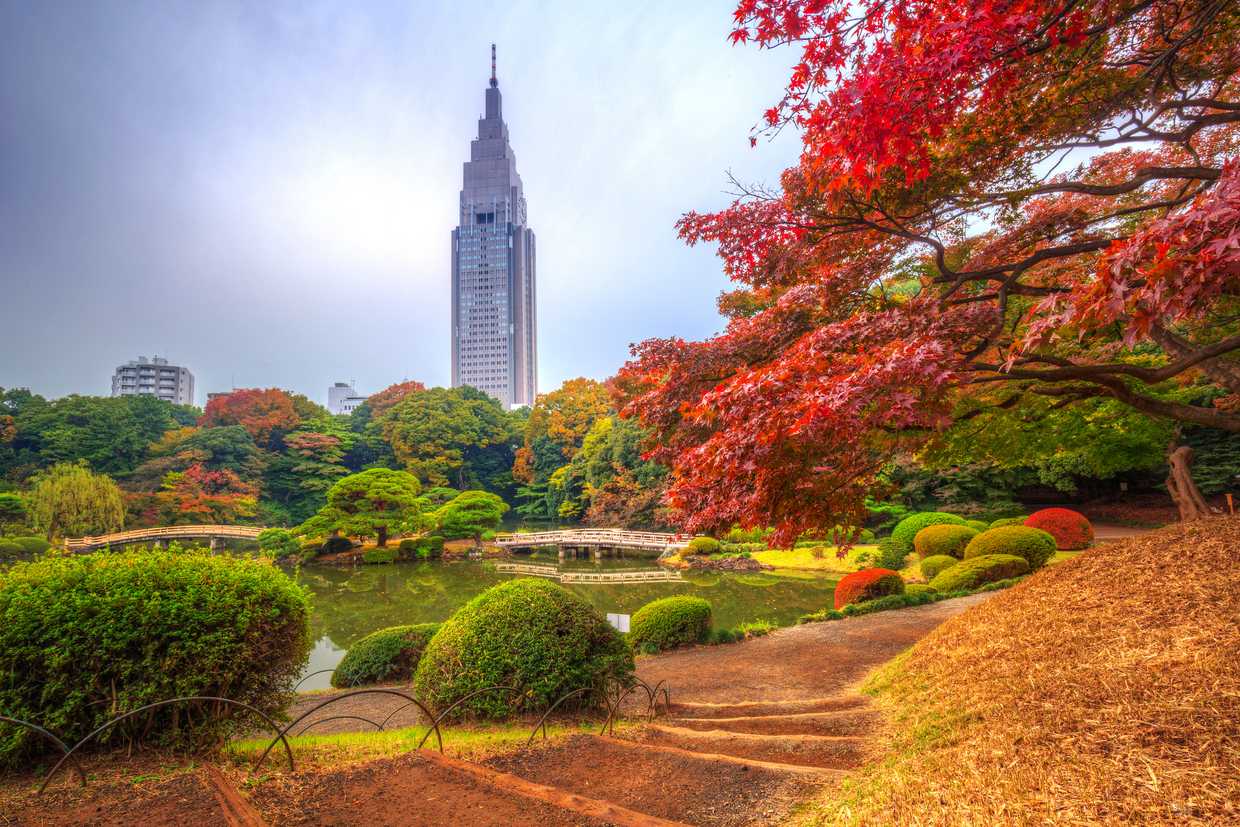
  • Shinjuku Gyoen National Garden: An expansive Japanese garden offering a peaceful escape from the hustle and bustle of the city.
  • Tokyo Metropolitan Government Building Observation Decks: Enjoy spectacular panoramic views of Tokyo for free.
  • Kabukicho: Japan’s largest entertainment district, packed with restaurants and entertainment venues.

Shibuya

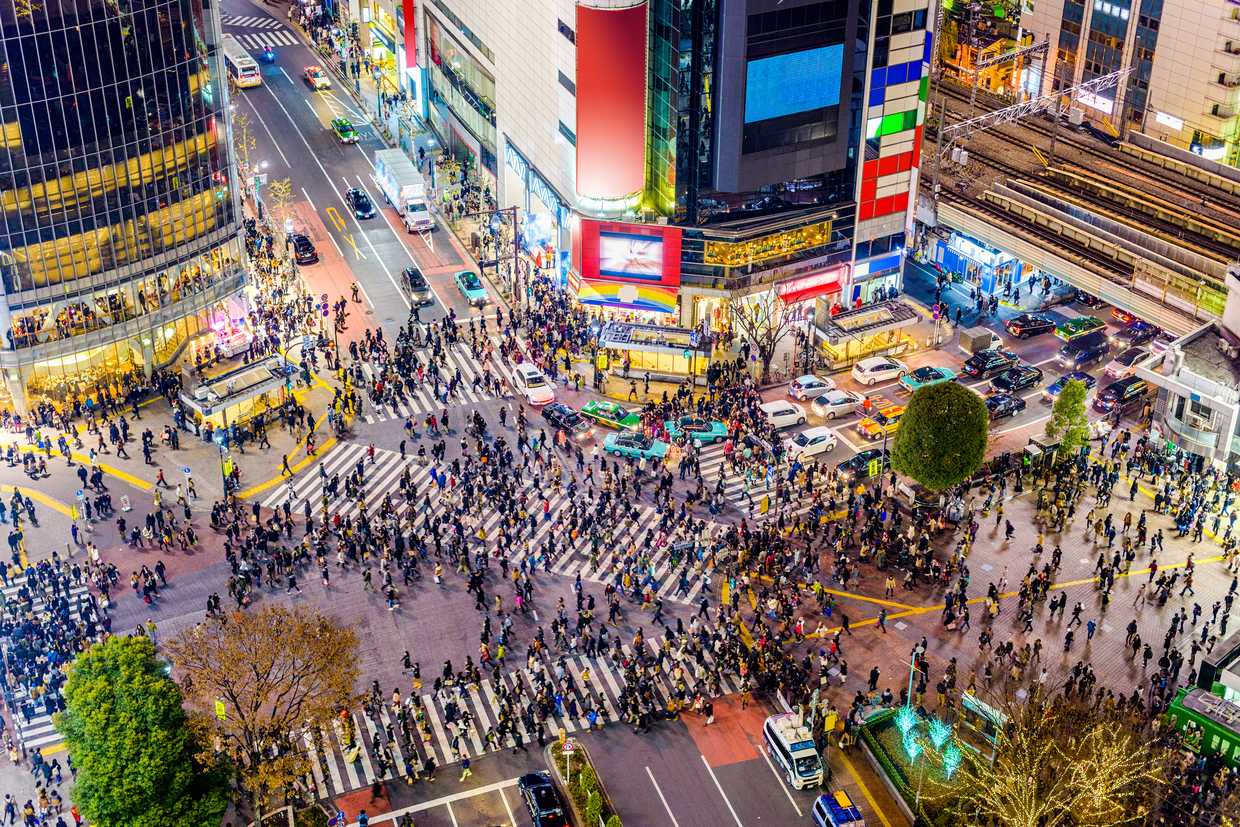
Known as a center of youth culture, Shibuya is home to the world-famous Shibuya Scramble Crossing, a popular photo spot where more than 3,000 people may cross at once during the busiest times.

  • SHIBUYA SKY: A rooftop observation facility at Shibuya Scramble Square.
  • Shibuya 109: A landmark destination for youth fashion.
  • Meiji Jingu Shrine: A shrine surrounded by a tranquil forest away from the hustle and bustle of the city.

Within walking distance of Shibuya are Harajuku, known for its stylish shops and cafes, and Omotesando, lined with luxury brand stores.

Tokyo Station and Ginza: Sophisticated Urban Charm

Tokyo Station

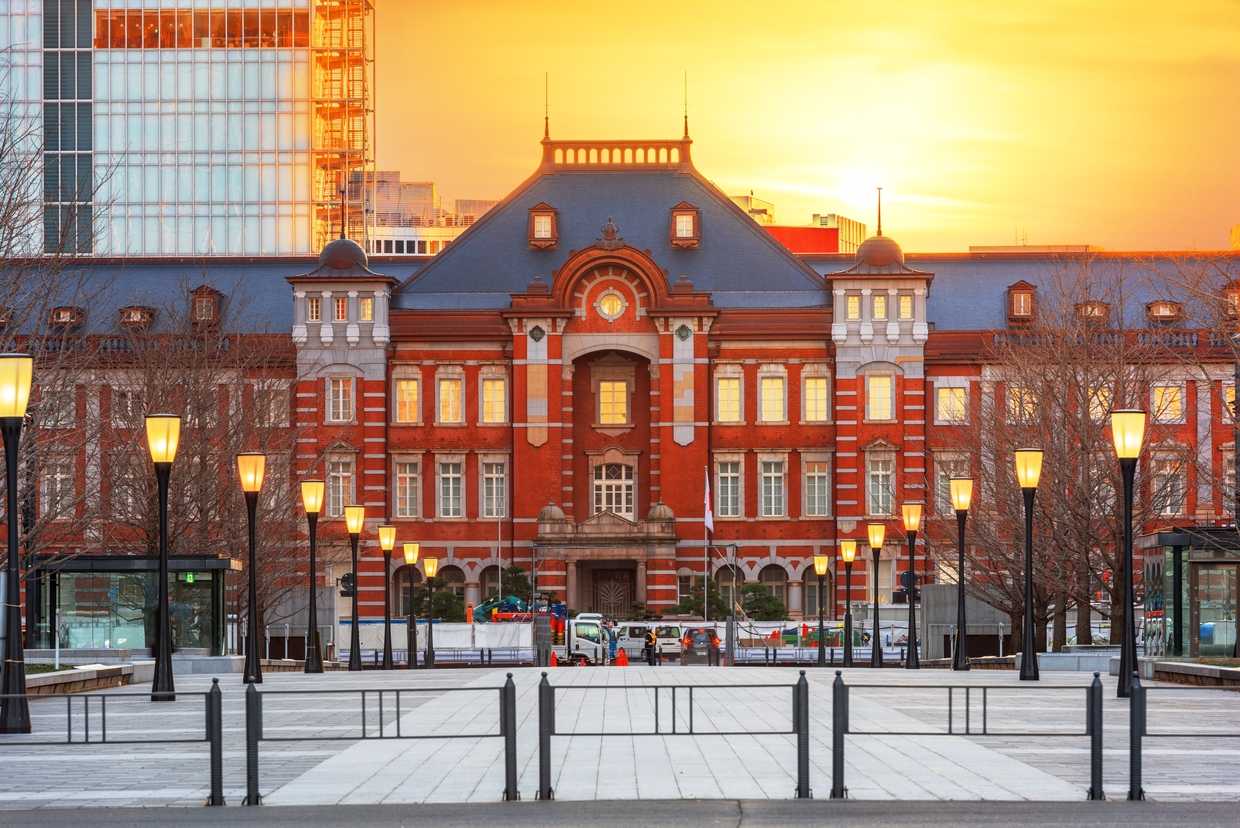
With its beautiful red-brick station building, Tokyo Station is an architectural attraction in its own right. The station and surrounding area are home to a variety of shops and restaurants collectively known as Tokyo Station City, making it a great place for shopping and dining.

  • Imperial Palace: The residence of the Imperial Family, with beautiful gardens that are open to the public.
  • KITTE: A shopping complex created by renovating the former Tokyo Central Post Office building.
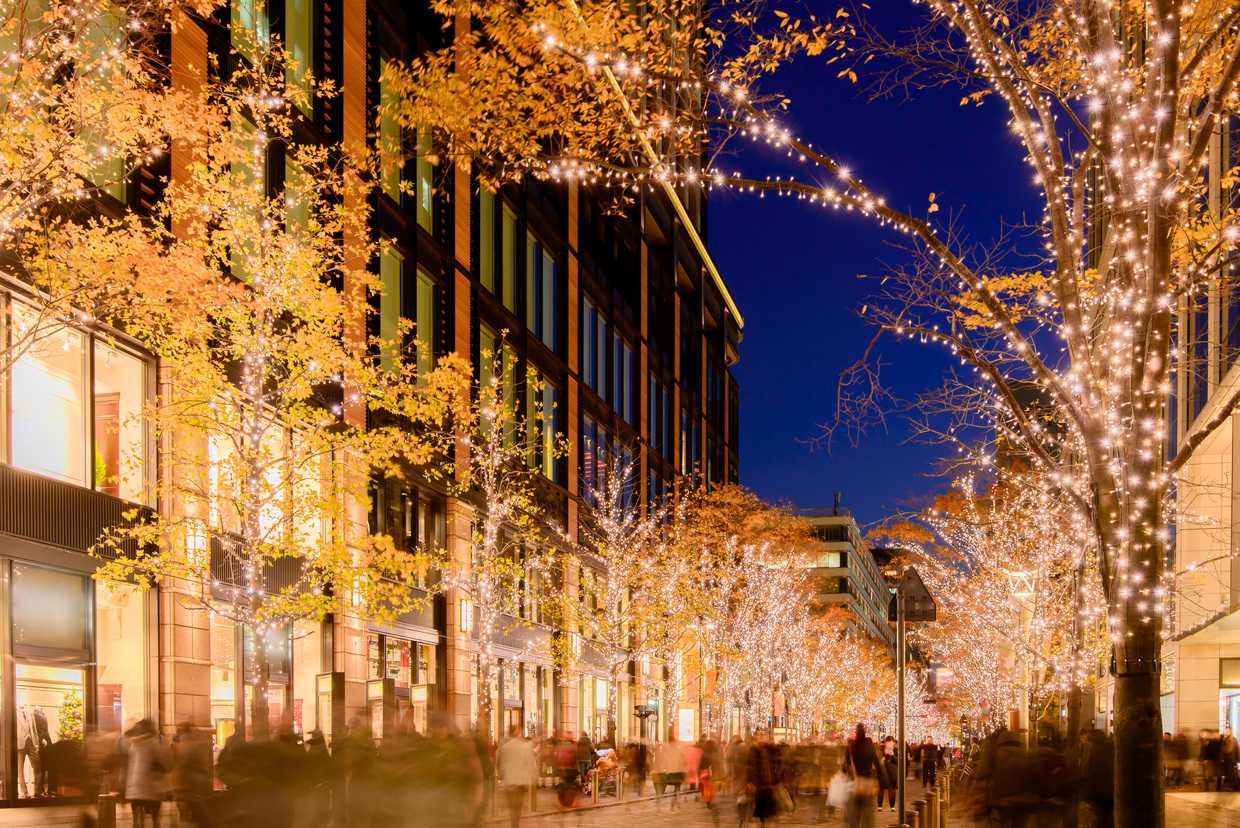
  • Marunouchi Illumination: The tree-lined streets of Marunouchi are beautifully illuminated during the winter.

Ginza

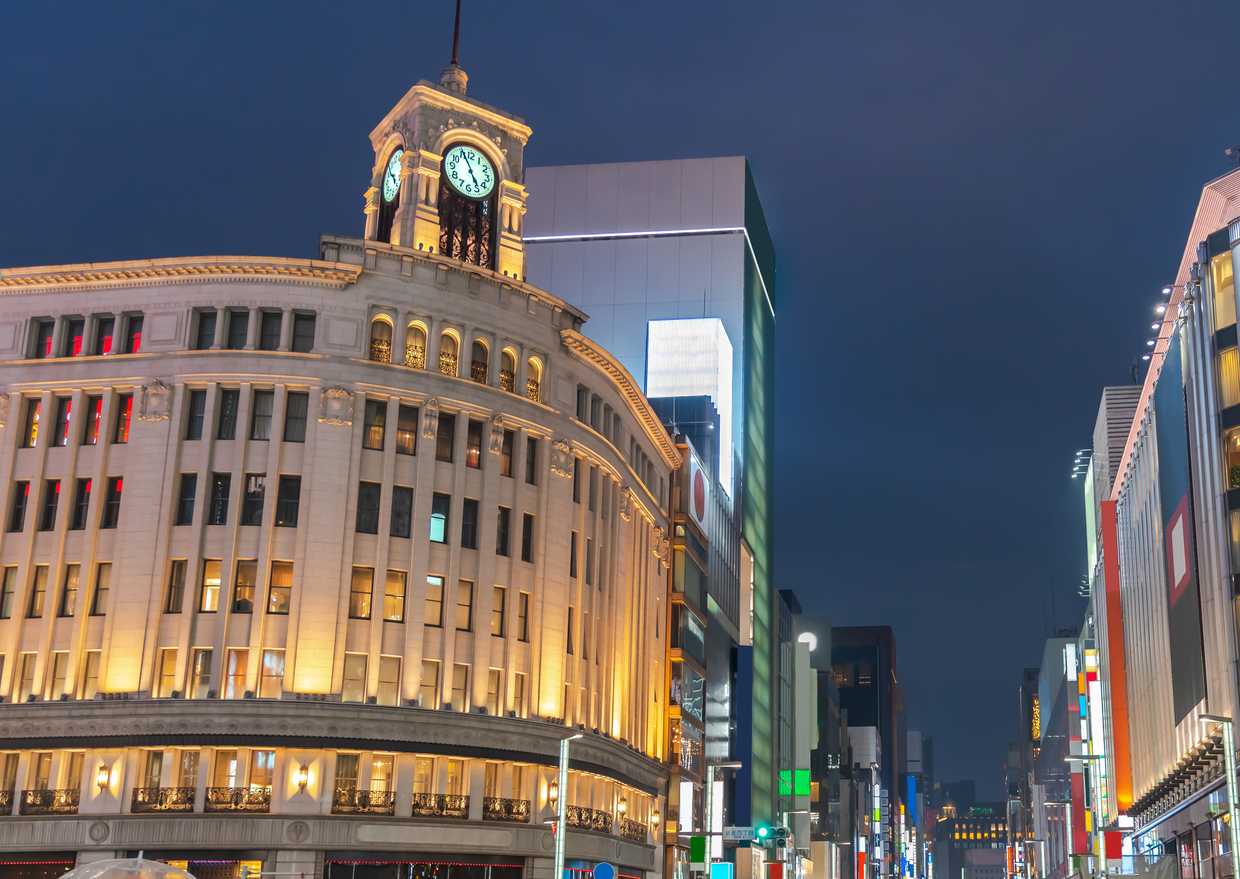
Ginza is one of Japan’s most famous luxury shopping districts, lined with international luxury brands, long-established department stores, and historic specialty shops.

  • Ginza 4-chome Crossing: One of Ginza’s most iconic landmarks.
  • Kabuki-za Theatre: A theater where you can experience kabuki, one of Japan’s traditional performing arts.
  • Tsukiji: Many restaurants can still be found around the former site of the Tsukiji Market.


GTN Prepaid SIM

Overview in 30 seconds

GTN Prepaid SIM is a prepaid SIM for short to medium-term visitors, offering data-only plans for a minimum of 7 days to a maximum of 90 days, and voice + data plans that allow immediate acquisition of a Japanese phone number.

Not sold at convenience stores

Available for purchase at:

  • Web application (home delivery / eSIM)
  • GTN directly managed stores (Tokyo - Shin-Okubo / Osaka)
  • Chubu Centrair International Airport Station Meitetsu Travel Plaza
  • GTN Korea Seoul Branch

Application possible with passport only

  • No residency period conditions, available for foreign visitors to Japan

Customer support in 13 languages

  • Including Japanese, English, Chinese, Korean, Vietnamese, Indonesian, Nepali, Mongolian, etc.

*Data-only eSIM also supports online applications before arriving in Japan.

運営会社 Global Trust Networks Co., Ltd.
料金

Pricing & Plans

Data-Only SIM / eSIM

For those prioritizing internet connectivity for streaming, navigation, and social media.

Data CapacityDurationPrice (Tax Incl.)
30 GB7 Days¥3,000
10 GB30 Days¥3,000
50 GB30 Days¥5,000
135 GB90 Days¥10,000

Voice + Data SIM

Ideal for those who need a local phone number for calls and SMS authentication.

Data Capacity30-Day Plan90-Day Plan
5 GB¥6,500¥15,980
15 GB¥9,500¥22,980
25 GB¥12,500¥28,980

Note on Voice Plans: > * Domestic Calls: ¥22 per 30 seconds.

SMS (Domestic): ¥3.3 to ¥33 per message.

Additional charges apply for these services.

Information as of February 2026.

公式HP https://www.gtn-mobile.com/

Four Features

Flexible Plan Structure Supporting Short to Medium Term Stays 

Data-only plans are available for 7 to 90 days, and Voice + Data plans for 30 to 90 days. You can choose a plan that matches your stay duration, from a one-week business trip to a three-month medium-term stay.

Application Possible with Just One Passport 

No credit card, bank account, or residence card is required. There are no restrictions based on the period of stay, so it can be used by foreign visitors to Japan, short-term visitors, and foreign residents in Japan.

Multilingual Customer Support 

Supports languages including Japanese, English, Chinese, Korean, Vietnamese, Indonesian, Nepali, and Mongolian. Even those who are not confident in Japanese can consult in their native language.

Supports Online Application Before Arriving in Japan (Data-only eSIM) 

Data-only eSIM plans allow online application and activation preparation before arriving in Japan. You can secure communication from the moment you arrive at the airport.

Recommended Plans by Use Case

For These PeopleRecommended PlanReason
Want to use large data for a one-week business trip or tourismData-only 7 days 30GB (3,000 yen)Enough data for short-term use of videos and maps without worries
One-month medium-term stay, mainly for communicationData-only 30 days 10GB (3,000 yen)Sufficient for 30 days if used lightly
One-month stay using video streaming and tetheringData-only 30 days 50GB (5,000 yen)Reliable data for remote work and business trips
3-month working holiday or waiting for a visaData-only 90 days 135GB (10,000 yen)90-day support, approximately 111 yen per day
Need a Japanese phone number or SMS authenticationVoice + Data Plan (in-store purchase)Supports banking, administrative procedures, and SMS authentication


Where to Purchase

Purchase ChannelReceiving MethodFor These People
Web Application (GTN Mobile Official Site)Home delivery / Instant eSIMThose who want to arrange systematically / Those who want to prepare before arrival
GTN Directly Managed Store Shin-Okubo (Tokyo)In-store immediateThose who wish for multilingual face-to-face consultation
GTN Directly Managed Store OsakaIn-store immediateThose residing or staying in Kansai
Chubu Centrair International Airport Station Meitetsu Travel PlazaReceive upon arrivalForeign visitors entering Japan via Chubu Airport
GTN Korea Seoul BranchReceive before departureThose coming to Japan via Korea


New Tokyo Spots in 2025

Takanawa Gateway City: One of the largest mixed-use developments in central Tokyo, centered around JR Takanawa Gateway Station. THE LINKPILLAR 1 and Takanawa Gateway Station opened on Thursday, March 27, 2025, marking the first phase of the development. The remaining buildings are scheduled for completion in spring 2026, when the entire development is expected to fully open. With a shopping mall, offices, hotels, and residences, an entirely new urban district is taking shape.

Immersive Fort Tokyo: A fully immersive theme park that opened in Odaiba, offering new entertainment experiences that make use of cutting-edge technology.

Ginza Sony Park: A “park-style commercial facility” that opened on the former site of the Sony Building on Sunday, January 26, 2025. Its distinctive multi-level design connects aboveground and underground spaces, and the facility hosts a variety of events and pop-up stores.

Warner Bros. Studio Tour Tokyo – The Making of Harry Potter: A special event commemorating the 20th anniversary of the film Harry Potter and the Goblet of Fire is scheduled to run from April 18 to September 8.

Tokyo Food Guide

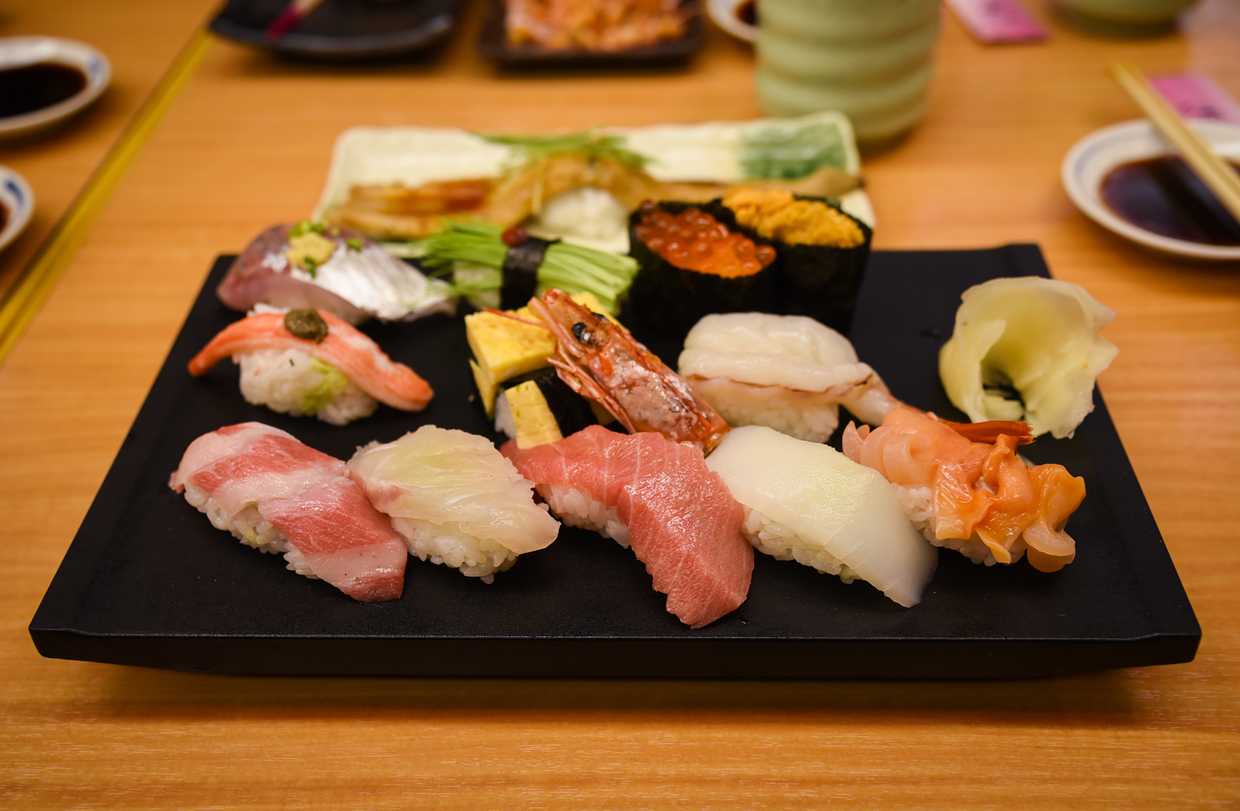
Tokyo is also known for having more Michelin-starred restaurants than any other city in the world. From high-end traditional restaurants to casual street food stalls, you can enjoy authentic Japanese cuisine at a wide range of price points.

Most Popular Japanese Foods Among International Visitors

  1. Sushi
  2. Tempura
  3. Steak and Yakiniku (Grilled Meat)
  4. Ramen
  5. Udon and Soba

Recommended Food Spots

Tsukiji Outer Market: A lively food district that remains around the former Tsukiji Market. Here, you can enjoy fresh seafood bowls (kaisen-don) and sushi at reasonable prices.

Tokyo Ramen Street: A collection of popular ramen shops located beneath Tokyo Station. It also features well-known shops from other parts of Japan, allowing you to try ramen from different regions all in one place.

Ameyoko (Ameya Yokocho): A shopping street near Ueno Station lined with around 400 shops selling food, clothing, and other goods. With plenty of casual seafood stands and prepared-food shops, it is an easy way to experience Japanese food culture.

Japanese Cooking Experiences: Many restaurants offer hands-on experiences where you can learn to prepare dishes such as tempura and sushi. Enjoying Japanese food that you have prepared yourself can make for a special travel memory.

Tokyo Transportation Guide

Tokyo has one of the most extensive public transportation systems in the world, although its complex network of train and subway lines can be confusing at first. Once you understand a few basics, however, getting around the city is relatively easy.

Transit IC Cards (Suica/PASMO)

Suica and PASMO are convenient rechargeable IC cards widely used in Tokyo and the surrounding metropolitan area. They can be purchased from ticket machines at stations and used on trains and buses, as well as at convenience stores and other locations. Because you can simply tap your card when traveling, there is no need to buy a ticket for each trip, and fares may also be slightly cheaper.

Tickets for International Visitors

Tokyo Subway Ticket: A convenient pass offering unlimited rides on all Tokyo Metro and Toei Subway lines for one, two, or three days.

Greater Tokyo Pass: Renewed in January 2025, this pass offers unlimited rides on private railways and subways throughout the Greater Tokyo area for three days.

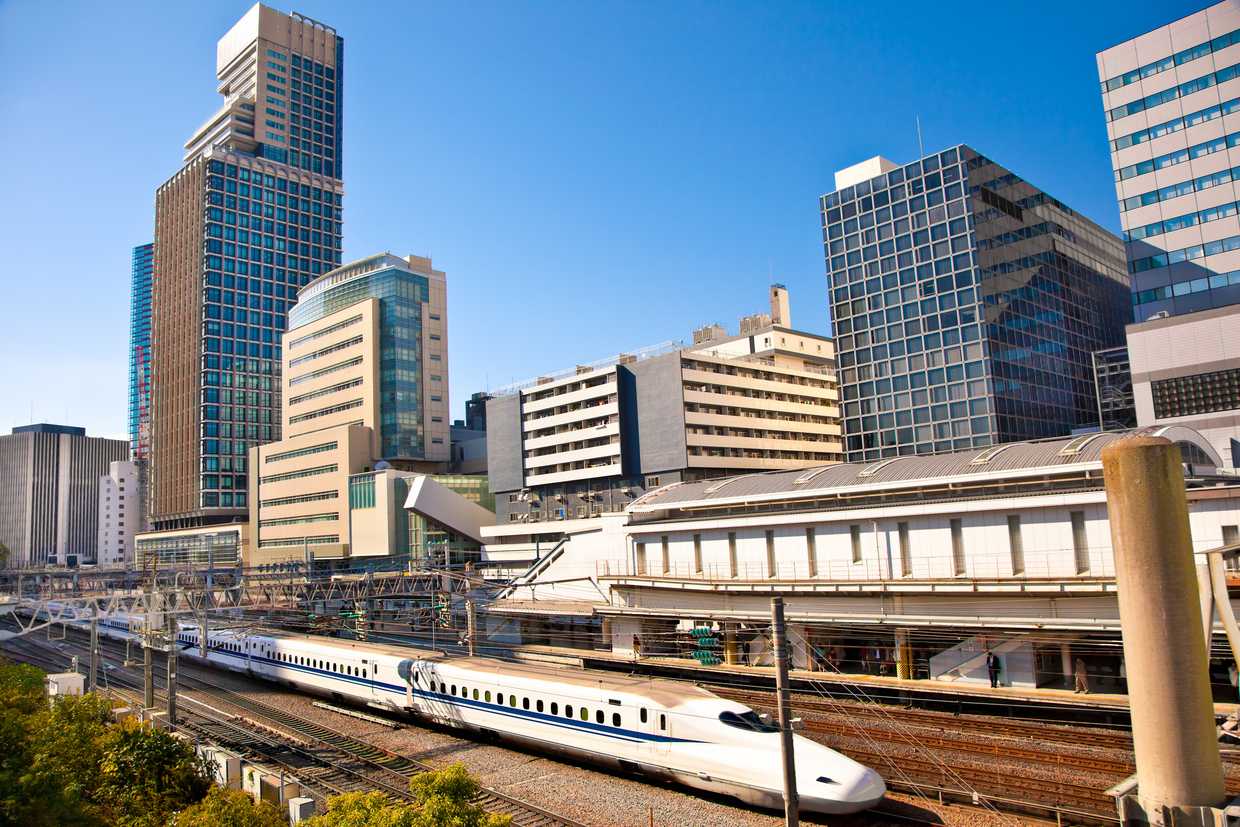
Japan Rail Pass: A rail pass for international visitors that can be used on JR lines throughout Japan. It is particularly useful if you plan to travel to other parts of the country in addition to Tokyo.

Transportation Apps

Transit apps can make navigating Tokyo’s complex transportation network much easier. Apps such as Japan Transit Planner and Google Maps can suggest efficient routes simply by entering your starting point and destination.

Where to Stay in Tokyo

Tokyo offers a wide range of accommodation, from some of the world’s finest luxury hotels to affordable hostels. Each area has its own character and price range, so choose a place that suits your travel style.

Recommended Hotels by Area

Shinjuku and Shibuya: Located in central Tokyo, these areas are ideal for travelers looking to enjoy shopping and nightlife.

  • Park Hyatt Tokyo: A luxury hotel made famous by the film Lost in Translation.
  • Shibuya Stream Hotel: A newer hotel located near the Shibuya River.

Asakusa and Ueno: Recommended for travelers who want to experience a more traditional side of Tokyo.

  • Asakusa View Hotel: Known for its spectacular views of Senso-ji Temple and Tokyo Skytree.
  • NOHGA HOTEL UENO TOKYO: A boutique hotel with a focus on contemporary art and design.

Tokyo Station and Marunouchi: Located in Tokyo’s business district, this area offers excellent transportation connections.

  • The Tokyo Station Hotel: A luxury hotel located inside the historic Tokyo Station building.
  • Hostel Tabi-ji: An affordable capsule hotel offering good value for money.

Unique Japanese Accommodation Experiences

Ryokan: Traditional Japanese accommodations featuring tatami rooms, futon bedding, hot springs, and Japanese-style meals and hospitality.

  • HOSHINOYA Tokyo: A luxury property where you can experience a traditional ryokan-style stay in the heart of the city.
  • Sawanoya Ryokan: A family-run ryokan with more than 100 years of history.

Capsule Hotels: A style of accommodation that originated in Japan, offering individual capsule-like sleeping spaces rather than private rooms.

  • Nine Hours Shinjuku: A modern capsule hotel with a sleek, sophisticated design.
  • Sauna & Capsule Hotel Hokuo: A popular capsule hotel known for its extensive sauna facilities.

Tokyo's Four Seasons and Seasonal Events

Tokyo offers beautiful scenery throughout its four distinct seasons, along with a wide variety of seasonal events. Depending on when you visit, be sure to check out some of the following events and attractions.

Spring (March to May)

Cherry Blossom Season: From late March to early April, cherry blossoms bloom in parks and along rivers throughout Tokyo. Ueno Park, Chidorigafuchi, and the Meguro River are particularly famous cherry blossom viewing spots.

Chiyoda Cherry Blossom Festival: A cherry blossom festival held around the Imperial Palace, with illuminations also held at night.

Summer (June to August)

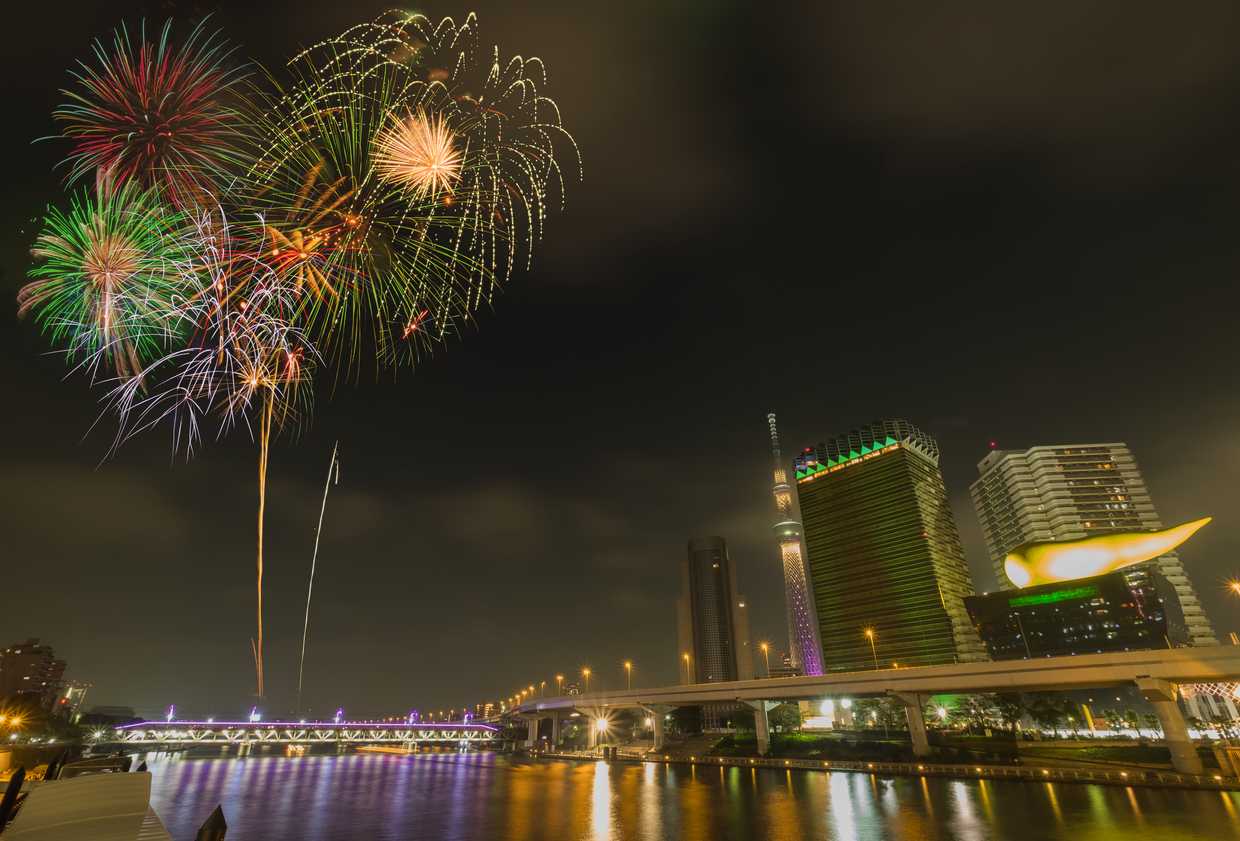
Sumida River Fireworks Festival: Tokyo’s largest fireworks festival, held every July. Around 20,000 fireworks light up the night sky.

Koenji Awa Odori: One of Japan’s largest Awa Odori dance festivals, held in late August. This lively event brings together around 10,000 dancers.

Fall (September to November)

Jingu Gaien Ginkgo Avenue: From mid- to late November, the sight of around 146 ginkgo trees turning brilliant gold is truly spectacular.

Tokyo International Film Festival: One of Asia’s largest international film festivals, featuring screenings of films from around the world as well as talks with directors and actors.

Winter (December to February)

Tokyo Illuminations: Spectacular illuminations can be enjoyed throughout the city, including in Marunouchi, Roppongi, and Shibuya.

Hatsumode (First Shrine or Temple Visit of the New Year): During the first few days of January, many people make their first shrine or temple visit of the year at places such as Meiji Jingu Shrine and Senso-ji Temple.

Useful Information for Your Visit to Tokyo

Wi-Fi and Internet Access

Free Wi-Fi is available at many public facilities, cafes, and restaurants throughout Tokyo. The Japan Connected-free Wi-Fi service is also available at major stations and tourist attractions. For a more reliable connection, you may also want to rent a pocket Wi-Fi device at the airport or a convenience store.

Language Support

English-language signs are becoming increasingly common in Tokyo, particularly in popular tourist areas. Many hotels and major tourist attractions also have English-speaking staff, but having a translation app on your phone can be helpful. The Tokyo Tourist Information Center also provides tourist information in multiple languages.

Cashless Payments

Although Japan was once known as a largely cash-based society, major credit cards such as Visa, Mastercard, and American Express are now accepted at many businesses. Digital payment options such as Apple Pay and Google Pay are also becoming more widespread. However, some smaller shops and restaurants still accept cash only, so it is a good idea to carry some cash with you.

Staying Safe

Tokyo is considered one of the safest cities in the world, and walking alone at night is generally considered relatively safe. Even so, always keep an eye on your valuables and be aware of pickpocketing and unattended-bag theft in crowded areas. It is also a good idea to keep the following emergency contact numbers handy.

  • Police: 110
  • Ambulance/Fire: 119
  • Tokyo Tourist Information Center: 03-5321-3077

Conclusion

Tokyo is a multifaceted city where tradition and innovation coexist. Whether it is your first visit or you have been here before, there is always something new to discover. Visiting the city’s famous attractions is certainly worthwhile, but stepping away from the main tourist routes and getting a glimpse of everyday local life can give you a deeper appreciation of Tokyo.

It is impossible to see everything in a single trip. Take your time, explore at your own pace, and discover your own way to enjoy Tokyo. Along the way, we hope you create special memories that will make you want to return.

Tokyo is ready to welcome you. So get out there and start exploring one of the world’s most fascinating cities!

関連記事

おすすめ記事