How Is Valentine’s Day in Japan Different? A Simple Guide to How It Compares with Other Countries - GTN MAGAZINE
日本語
日本語
English

How Is Valentine’s Day in Japan Different? A Simple Guide to How It Compares with Other Countries

When you think of Valentine’s Day,

you might picture couples exchanging gifts or enjoying a romantic date—something that’s common in many parts of the world.


In Japan, however, the way people celebrate is a little different.

February 14 is widely known as a day when women give chocolates to men. And it’s not limited to romantic partners—people often give chocolates to coworkers and friends as well.


For those experiencing Valentine’s Day in Japan for the first time, it can raise a lot of questions:

“Why do women give the gifts?” “Why chocolate?”


Behind this unique custom are aspects of Japanese culture, ideas about relationships and social connections,

and the influence of long-running marketing campaigns.


In this article, we’ll take a clear and easy-to-understand look at Valentine’s Day in Japan and how it differs from celebrations overseas

—especially for international visitors and anyone interested in Japanese culture.

Why Is Valentine’s Day in Japan Different from Other Countries?

In Japan, Valentine’s Day isn’t just seen as an occasion for couples.

It’s often viewed as a more social event—an opportunity to maintain good relationships and show appreciation to the people around you.


The most distinctive feature is that on February 14,

women typically give chocolates to men.


And the recipients aren’t limited to romantic partners.

Many people also give chocolates to coworkers, supervisors, and friends

as a way to express gratitude or everyday appreciation.


This style—where women take the lead in giving gifts—

can feel quite new and surprising to those encountering Japanese Valentine’s traditions for the first time.

Some even wonder whether women are expected to play a special role on this day.


In reality, though, this custom didn’t develop simply because of social values.

It’s the result of decades of marketing efforts combined with Japan’s unique approach to relationships and social harmony.

The Origins and Cultural Background of Valentine’s Day in Japan

In Europe, the U.S., and parts of Asia such as China, Valentine’s Day is typically a romantic occasion—men express their love to women, or couples exchange gifts with each other. In Japan, however, the holiday evolved into a uniquely “women-led” social custom, where giving chocolate to men became something of an unwritten rule.

This distinctly localized version of Valentine’s Day didn’t appear overnight. It developed over more than half a century, shaped by a mix of marketing efforts and Japanese social values.

From Imported Tradition to Local Custom

Valentine’s Day was first introduced to Japan in the 1930s. A confectionery company in Kobe, Morozoff, is said to have placed an advertisement in an English-language newspaper encouraging people to “give chocolate to your loved one.” At the time, Japanese society was still quite conservative, and the campaign mainly targeted foreign residents. As a result, it didn’t attract much attention among the general public.

What is often considered the true starting point of Valentine’s Day in Japan was a somewhat awkward sales event. In 1958, the Tokyo-based confectionery brand Mary Chocolate held a Valentine’s promotion at the Shinjuku Isetan department store. According to reports, only three chocolate bars and five cards were sold over the three-day event.

Despite this slow start, things began to change in the 1970s. As Japan’s economy grew and Western-style lifestyles became more popular, stores like Sony Plaza (now PLAZA)—along with major department stores—helped push Valentine’s Day as a trendy, “lifestyle” event. Over time, it became firmly established as a seasonal tradition in Japan.

Why “Women Give to Men”: A Clever Mix of Marketing and Social Context

In many Western countries, flowers or jewelry are the typical Valentine’s gifts. So why did Japan settle on the idea of women giving chocolates to men? There are two main reasons behind this.

First, companies focused on the people who were already doing most of the shopping. At the time, the primary customers visiting department stores and confectionery shops were women. Businesses realized it would be far more effective to encourage women to express their feelings through an easy purchase—chocolate—than to persuade men, who were less accustomed to buying gifts, to do the same.

Second, this custom was closely tied to the social expectations placed on women in the mid-20th century. During the Showa era, women in Japan were generally expected to be modest in matters of romance, and openly confessing one’s feelings was not widely encouraged.

Marketers responded with the message: “Once a year, women can confess their love.” This framing gave women a socially acceptable and safe opportunity to express their emotions. Valentine’s Day became more than a commercial event—it was seen as a special, symbolic day when women could step outside normal expectations and share their feelings with confidence.

Reshaped by Japan’s Gift-Giving Culture: From Romantic to Social

Japan’s unique take on Valentine’s Day was also strongly influenced by its long-standing culture of gift-giving. Japanese society places great importance on giri (social obligation) and reciprocity. As Valentine’s Day spread, the act of giving chocolates moved beyond romance and into workplaces and everyday social settings.

Women began giving chocolates to male bosses, coworkers, and acquaintances as a way to maintain positive relationships. These non-romantic chocolates, meant simply to show appreciation or courtesy, came to be known as giri-choco (“obligation chocolate”). The idea is similar in spirit to seasonal gifts like ochugen and oseibo, where presents are given as a gesture of gratitude rather than personal affection. This custom eventually led to the creation of White Day on March 14, when those who received chocolates are expected to return the favor—forming a cycle of giving and reciprocation that became its own seasonal tradition.


Is Chocolate a Must for Valentine’s Day in Japan?

The Different Types of Chocolate—and What They Mean

If you’re spending Valentine’s Day in Japan, it’s surprisingly important to understand the type of chocolate you give. Choosing the wrong kind can lead to awkward moments—or even unintended misunderstandings. To help make sense of it all, here are the main categories of Valentine’s chocolates you’ll come across in Japan.

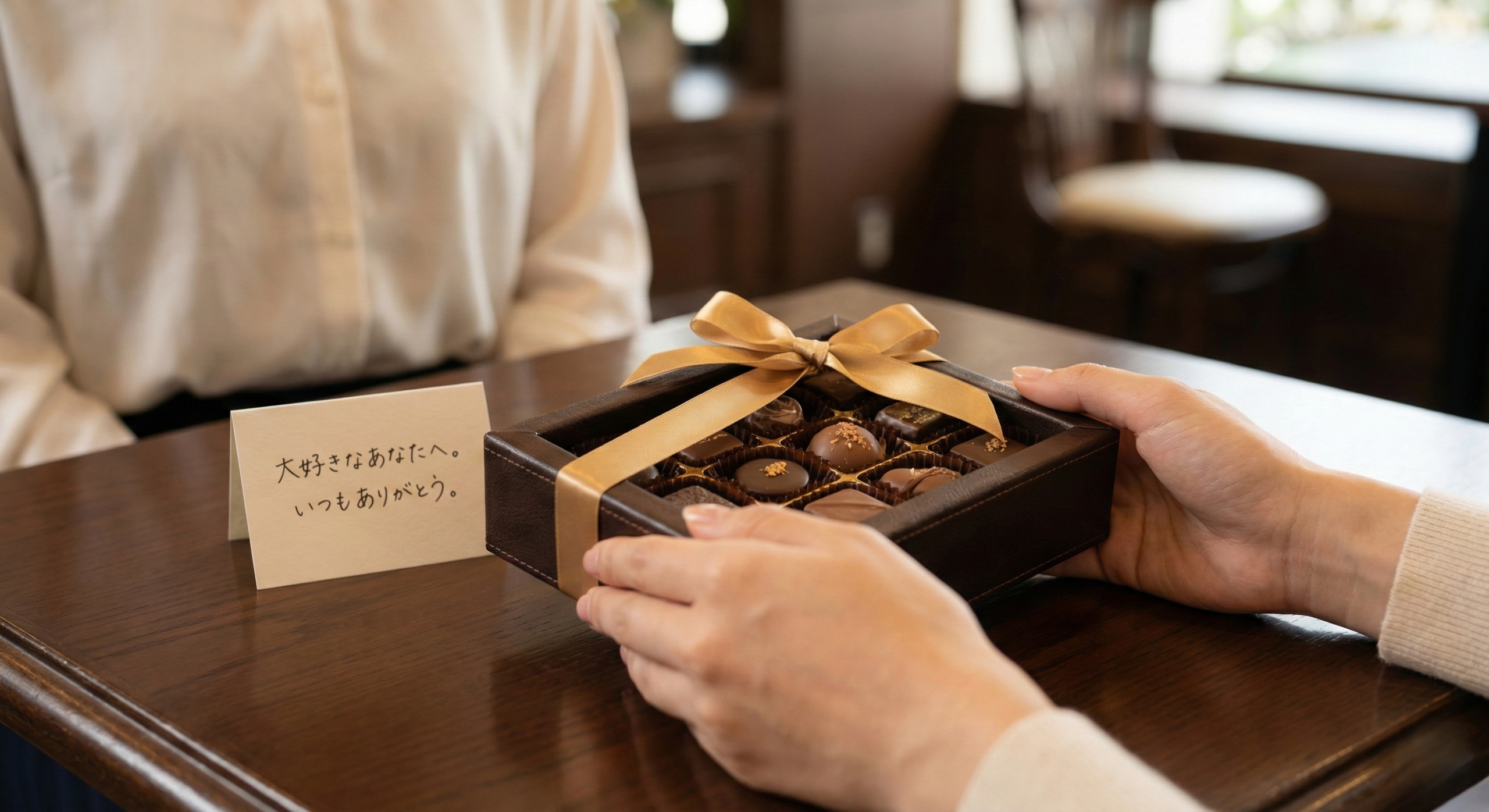
Honmei Choco (本命チョコ) — “True Feelings” Chocolate

Meaning: Chocolate given to someone you genuinely have romantic feelings for
(a boyfriend, husband, or someone you hope to date)

What It’s Like:
Usually a bit more expensive
Many people choose well-known brands such as Godiva or Pierre Marcolini
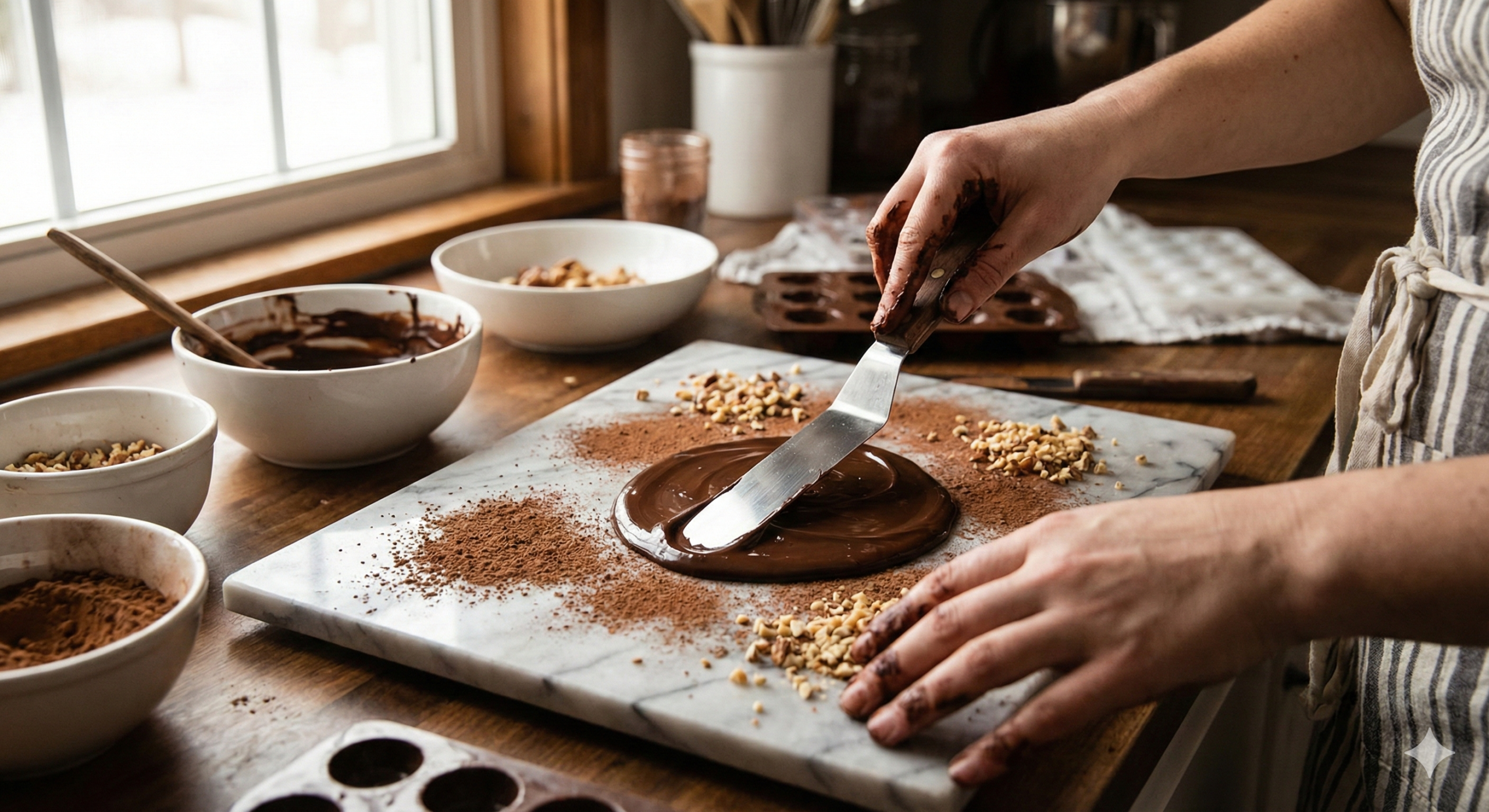
Handmade chocolates (tezukuri choco) are also extremely popular

In Japan, handmade chocolate is often seen as the strongest expression of affection, since it shows the giver invested personal time and effort.

A word of caution:
Giving expensive or handmade chocolate to someone you’re not romantically interested in can be misinterpreted as a confession of love—so it’s important to choose carefully.


Giri Choco (義理チョコ) — “Courtesy” Chocolate

Meaning: Chocolate given as a gesture of politeness, appreciation, or to maintain smooth workplace relationships

Who It’s For:
Bosses, coworkers, or male acquaintances

What It’s Like:
Modestly priced
Often sold in boxed assortments that are easy to buy in bulk
No romantic meaning—more of a social gesture

A quick tip:
In recent years, some companies have started discouraging or even banning giri choco
to reduce the burden on female employees. If you’re new to a workplace, it’s a good idea to
observe the office culture or ask a colleague before preparing anything.


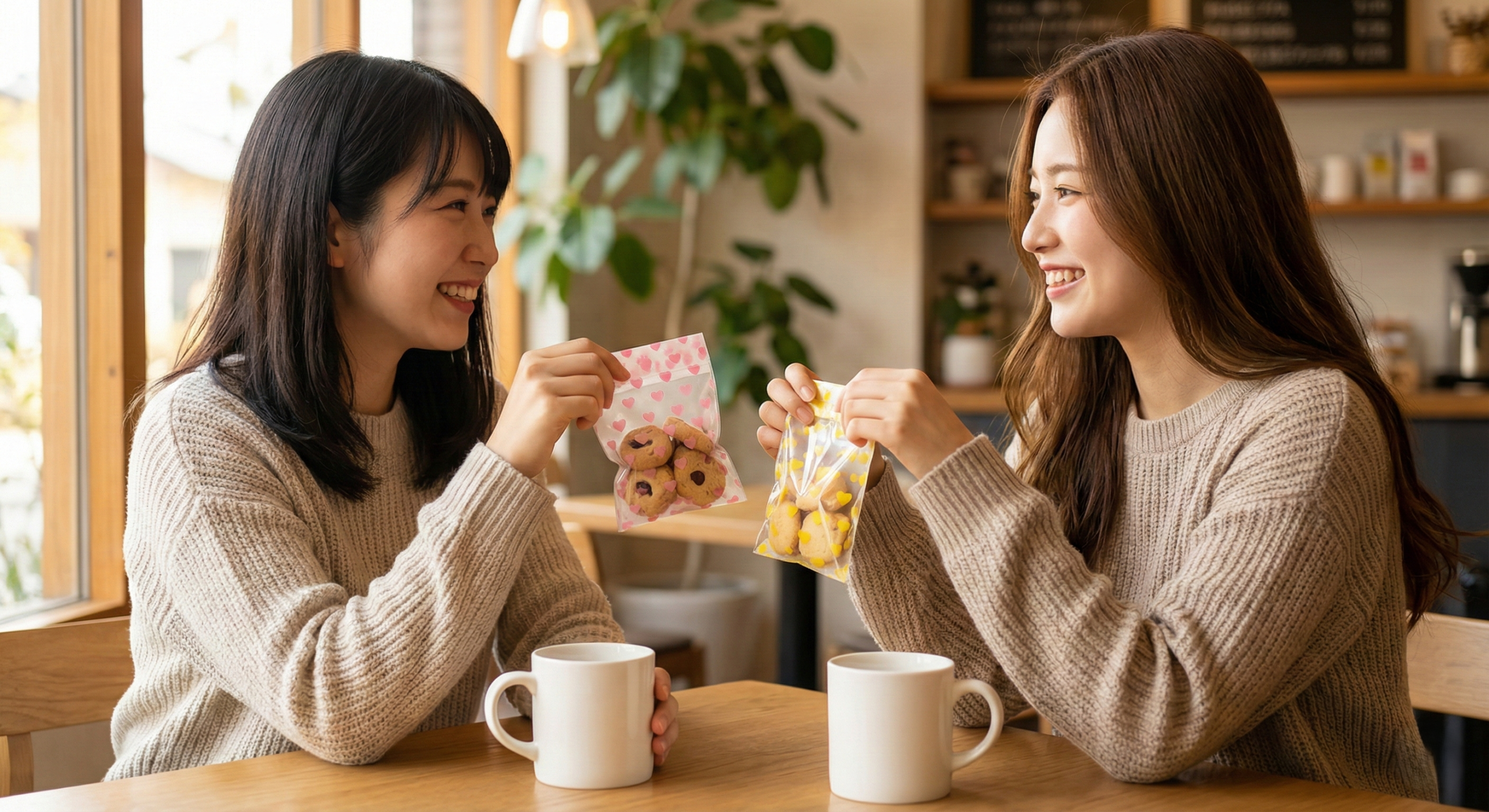
Tomo Choco (友チョコ) — “Friendship” Chocolate

Meaning: Chocolate exchanged between friends

Trend:
Especially popular among students and young working women, this style focuses on sharing the fun.
People swap sweets with cute designs or packaging, making it more about enjoying the moment
together than expressing romance.


Jibun Choco (自分チョコ) — “Treat Yourself” Chocolate

Meaning: Chocolate you buy as a personal reward

Background:
During the Valentine’s season, many luxury brands release limited-edition products.
For those with a sweet tooth, the holiday has become a perfect excuse to indulge
—often seen as that one time of year when you can spoil yourself without hesitation.


Valentine’s Day in Japan

A Guide to Buying Chocolate

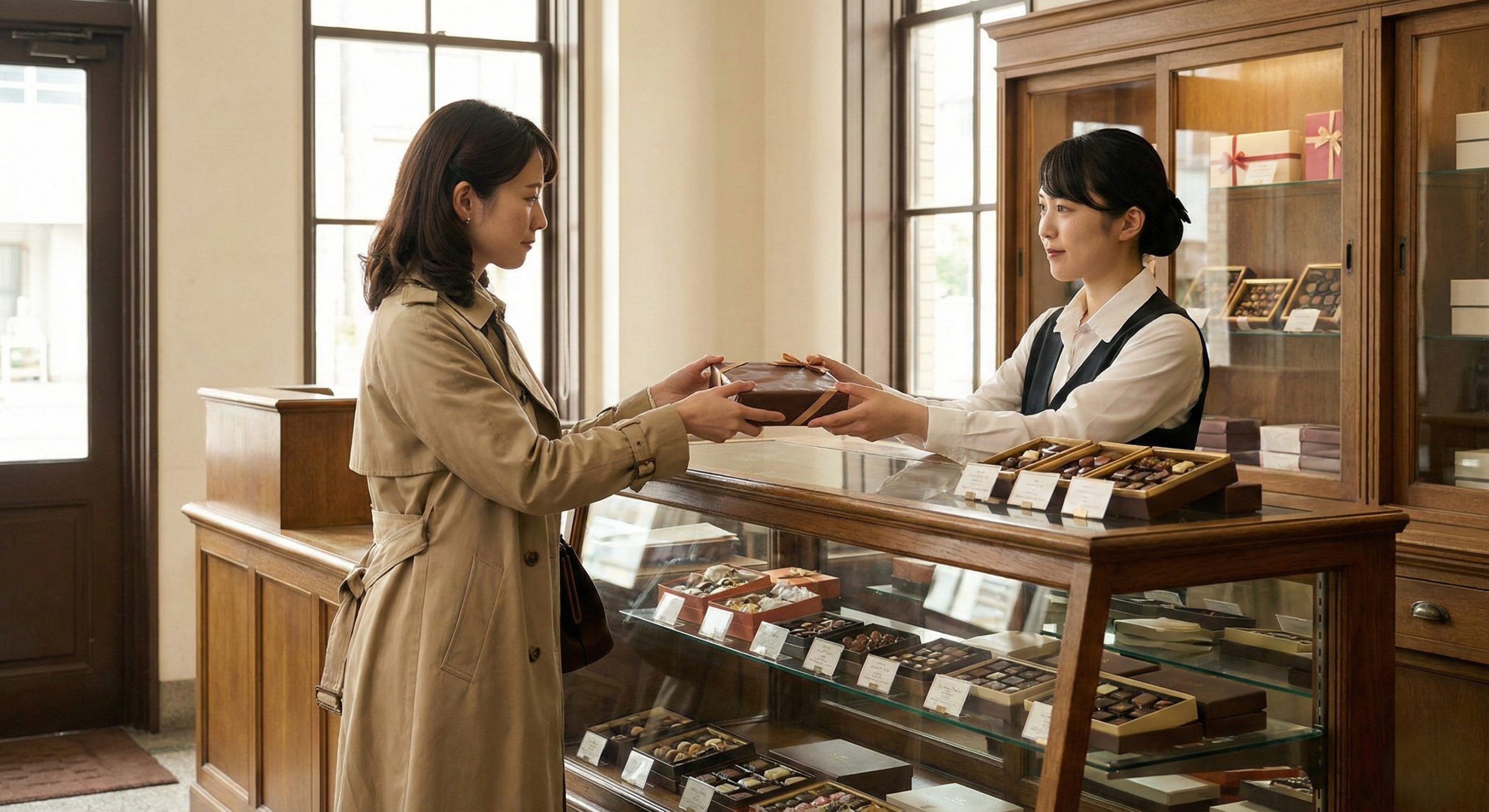
Once you understand the different types of chocolates, the next question is: Where should you buy them?

In February, cities across Japan are swept up in what feels like a nationwide “chocolate season,” with special displays and events appearing everywhere.

Depending on your budget and who you’re buying for, here are some of the best places to shop.

1. Department Store Valentine Events (Best Selection and Quality)

Starting in late January, major department stores such as Isetan, 
Takashimaya, Daimaru, and Mitsukoshi host large-scale Valentine’s event spaces
known as Valentine fairs.

One of the most famous is Salon du Chocolat
where top chocolatiers from around the world gather. Renowned brands like Jean-Paul Hévin 
and Pierre Hermé participate, and many Japan-exclusive items are released during the event.

Best for: Honmei choco or jibun choco
 Keep in mind: Popular brands often have long lines, and some may require timed-entry tickets.


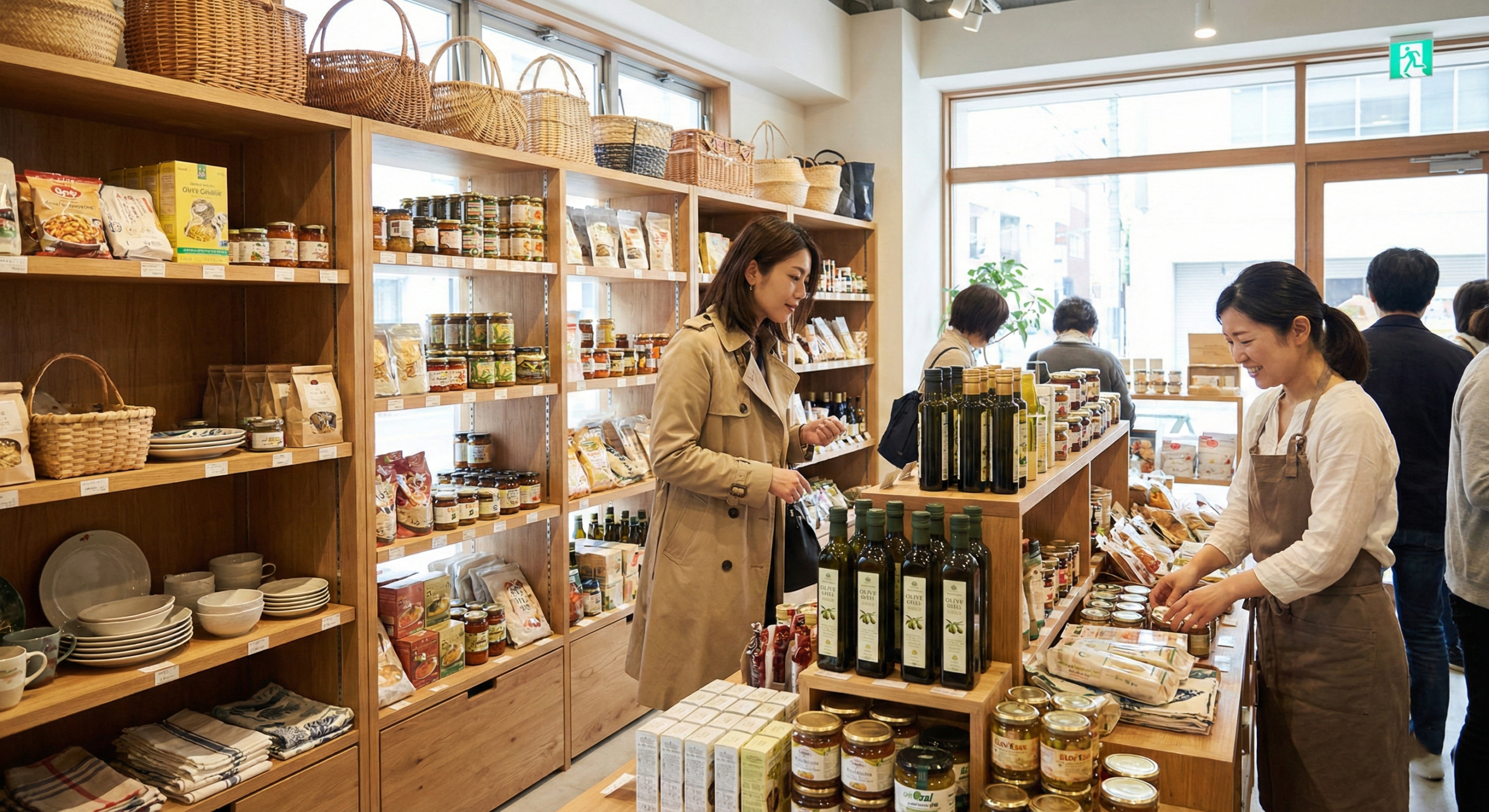
2. Imported Food Stores & Lifestyle Shops (Stylish and Unique)

If you’d rather avoid the crowds, stores like KALDI Coffee Farm and Seijo Ishii are popular go-to options.
You can also find a wide selection at PLAZA and Loft, including cute chocolates for friends and DIY kits for those who want to make their own.

Best for: Giri choco, tomo choco, or anyone who enjoys making handmade treats


3. Convenience Stores & Supermarkets (Easy and Budget-Friendly)

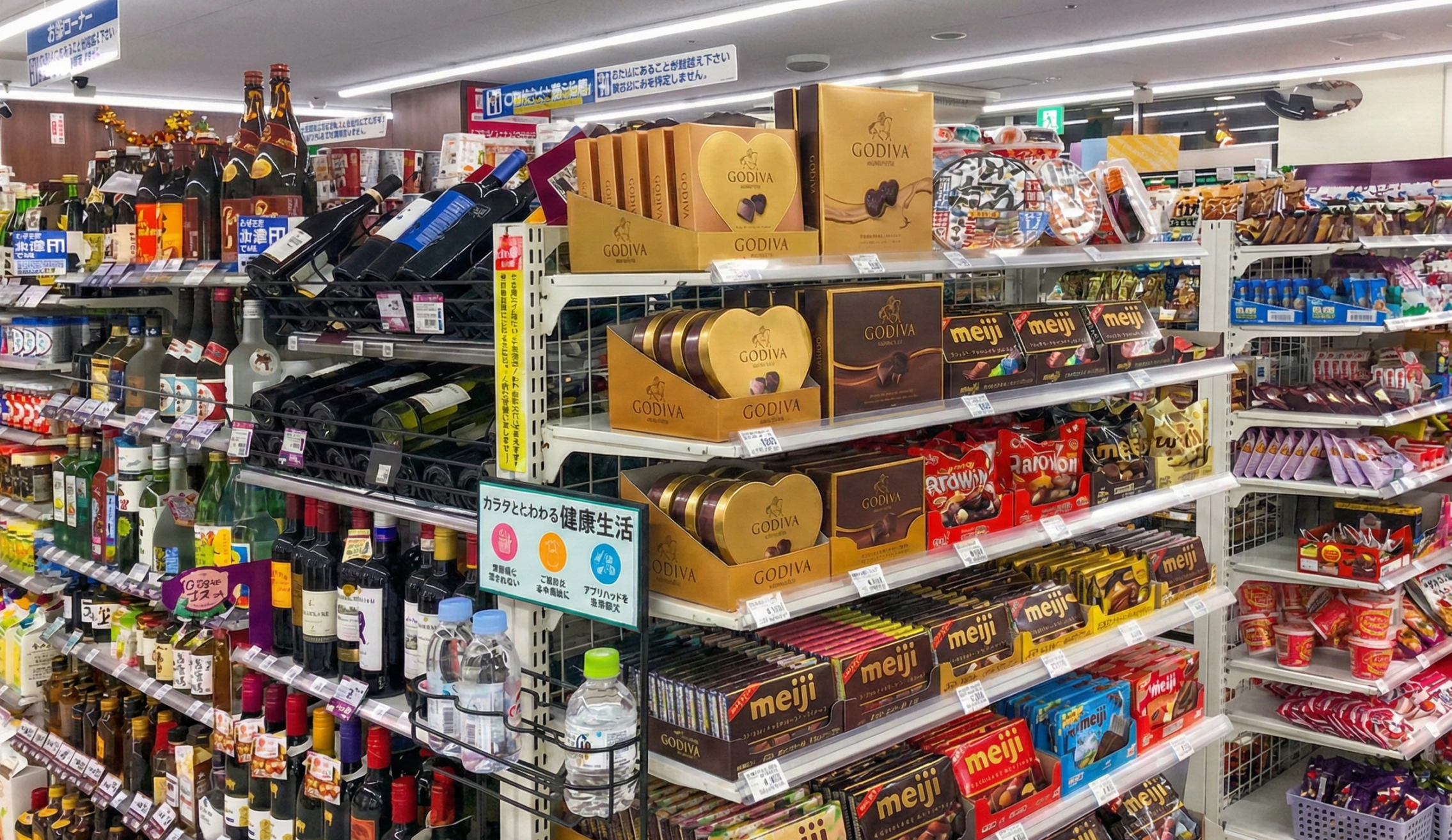
Japan’s convenience stores—such as 7-Eleven, Lawson, and FamilyMart—are not to be underestimated.
In recent years, many have released collaboration products with well-known brands like Godiva, offering surprisingly high quality in both taste and packaging.

Supermarkets often set up dedicated “giri choco” sections, 
making them especially convenient if you need to buy in larger quantities.
Best for: Giri choco or picking up something quickly at the last minute


4. Where to Buy Ingredients for Homemade Chocolate
 

If you want to make chocolates from scratch, Tomizawa Shoten (Tomiz) is a great place to start.
They carry a wide range of baking chocolate and decorative ingredients, making it ideal for more serious home bakers.

On the other hand, 100-yen shops like Daiso and Seria are perfect for picking up
packaging boxes, ribbons, and basic molds—an easy, budget-friendly way to get everything you need.


What Is White Day? Why March 14?
If Valentine’s Day on February 14 is seen as the day to express your feelings, 
then White Day—celebrated one month later on March 14
is considered the day to respond to those feelings.

White Day isn’t a Western tradition; it actually originated in Japan.
In the 1970s, Japan’s confectionery industry proposed the idea that 
men who received chocolates on Valentine’s Day should return the gesture a month later, 
establishing March 14 as “White Day.”

The “white” in White Day originally referred to white chocolate or candy, 
but over time it also came to symbolize ideas like sincerity, thoughtfulness, and giving a heartfelt reply.


White Day: A Day When Men Are Expected to Step Up with a Return Gift

In Japanese society, returning a gift isn’t seen as optional—it’s widely understood as an unspoken social norm.
Because of this, men who receive chocolates on February 14 are generally expected to give something in return on White Day, March 14.

What they choose to give often depends on how close their relationship is with the person. Here are some common examples:

  • White chocolate, candy, or cookies
    The most standard and safe choice, often given in return for giri choco.
     
  • Small accessories, handkerchiefs, or everyday items
    A typical option for someone they know fairly well.
     
  • A gift clearly more expensive than the chocolate received
    Often interpreted as a meaningful response that signals affection or romantic interest.


For people unfamiliar with Japanese customs, White Day can feel a bit confusing.
In practice, the return gift itself acts as an indirect message about how the giver feels.
Choosing the wrong thing can lead to unintended misunderstandings, so it’s worth giving it some thought.


White Day Gifts and Their “Hidden Meanings”

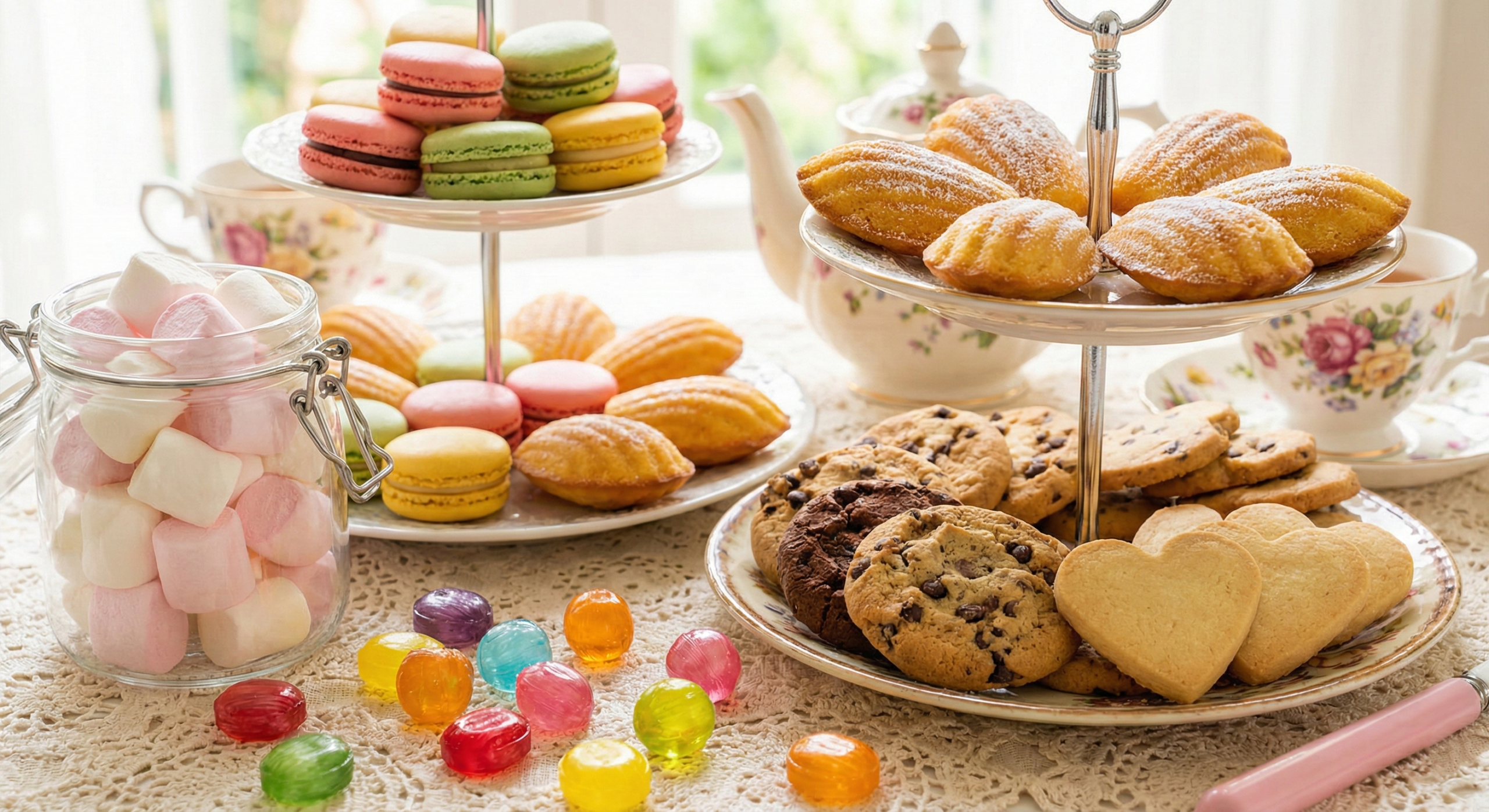
Return GiftJapanese NameImplied MeaningEmotional Nuance
Marshmallowマシュマロ“I can’t return your feelings” / “This will fade quickly”Negative (choose carefully)
Cookieクッキー“Let’s stay friends” / A light, casual relationshipNeutral (common for giri gifts)
Candyキャンディ“I like you” / “I want this relationship to last”Positive (romantic-leaning)
Macaronマカロン“You’re someone special”Very positive
Madeleinesマドレーヌ“I’d like to get closer to you”Positive

*About the Meaning of Marshmallows
Originally, marshmallows were said to symbolize a “soft, enveloping love.” However, in recent years, influenced by social media and online culture, they are increasingly interpreted as an indirect way of saying no.
Because of this, they’re generally best avoided as a return gift for someone you have serious feelings for.


How Much Should You Spend? Is “Triple the Value” Really Expected?

There used to be a widely known phrase, sanbai-gaeshi (“triple return”)
which suggested that you should give a gift worth two to three times the value of the chocolate you received.

Today, however, people tend to take a more flexible approach:

  • Returning giri choco
    A gift of roughly the same value—or slightly higher—is perfectly acceptable.
     
  • 本命チョコへのお返し
  • Returning honmei choco
    Items like accessories or premium sweets are common, with more emphasis placed on thoughtfulness and choice than on the price itself.


White Day isn’t just another seasonal event; 
it can also be seen as a reflection of how Japanese society values attentiveness and the careful balancing of relationships.


Japan vs. the West: Four Key Differences in Valentine’s Day Culture

For people used to celebrating Valentine’s Day in the United States or Europe, 
the way it’s observed in Japan can feel a little unusual.
Here are four major differences that highlight how the traditions compare.


1. Who Gives the Gifts
In many Western countries, Valentine’s Day is seen as a day for couples to express their love to each other.
People exchange flowers, cards, and presents, and it’s common for men to plan surprises for their partners.

In Japan, however, February 14 is primarily a day when women give chocolates to men
Men are generally on the receiving end, and accepting the gift—even if it’s giri choco—is considered natural.


2. What People Give
In the West, Valentine’s gifts can include a wide range of items, 
such as flowers, jewelry, cards, or a special dinner—anything that expresses affection.

In Japan, Valentine’s Day is all about chocolate
While small items like ties or wallets may occasionally be given, 
chocolate remains the defining symbol of the holiday.


3. How the Holiday Is Viewed
In Western cultures, Valentine’s Day is mainly recognized as a romantic occasion for couples
Exchanging gifts with coworkers or friends is not very common.

In Japan, Valentine’s Day isn’t limited to romance. C
ustoms like giri choco and tomo choco have made it a more social event as well, 
where people express appreciation to colleagues and friends.


4. Which Dates Matter Most
In the West, February 14 is the main focus,
and other dates generally don’t carry additional meaning related to Valentine’s Day.

In Japan, several occasions are seen as important for couples:

February 14 (Valentine’s Day)

March 14 (White Day)

Christmas

In particular, Christmas in Japan is often considered the most significant romantic event of the year.


Valentine’s Day in Japan vs. the West: A Quick Comparison

CategoryWestern CountriesJapan
Main Gift-GiverBoth partners in a couplePrimarily women
RecipientsRomantic partners or spousesPartners, coworkers, and friends
Nature of the HolidayMainly romanticStrong social aspect
Return-Gift CustomNo particular expectationConsidered very important


Conclusion
At first glance, Japan’s Valentine’s Day traditions may seem full of rules and a bit complicated.
But behind them lies a cultural emphasis on maintaining good relationships and showing small but meaningful acts of consideration.

Whether you’re expressing your feelings,
showing appreciation at work,
or simply enjoying the once-a-year seasonal sweets—

why not embrace the spirit of when in Rome, do as the locals do and take part in this uniquely sweet February tradition?

Happy Valentine’s Day!

関連記事