Private Onsen | Ryokans with Private Onsen , Private Hot Springs - GTN MAGAZINE
日本語
日本語
English

Private Onsen | Ryokans with Private Onsen , Private Hot Springs

When it comes to the essence of traveling in Japan, nothing compares to hot springs that heal both mind and body. Especially popular among international travelers is the “private hot spring,” a special style that allows you to experience authentic hot spring culture while prioritizing privacy.

Whether you feel uncomfortable undressing in Japan's public baths or worry about being denied entry to general hot springs due to tattoos, private hot springs let you enjoy bathing without any reservations.

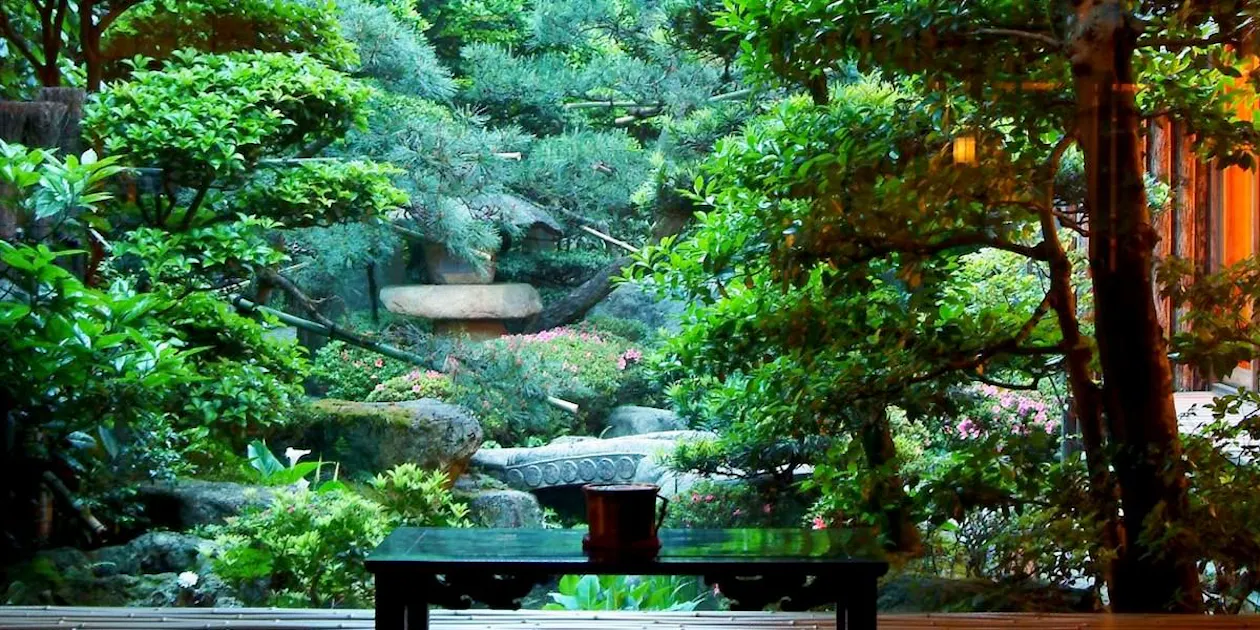
Soaking in the hot spring while gazing at the natural scenery is a luxurious experience that will undoubtedly become a lifelong memory.

This article provides a complete guide to private hot springs, covering everything from the basics to how to choose one, proper etiquette, and recommended spots. It's perfect for everyone from first-time visitors to Japan to foreigners already residing in the country.

What is Kashikiri Onsen?

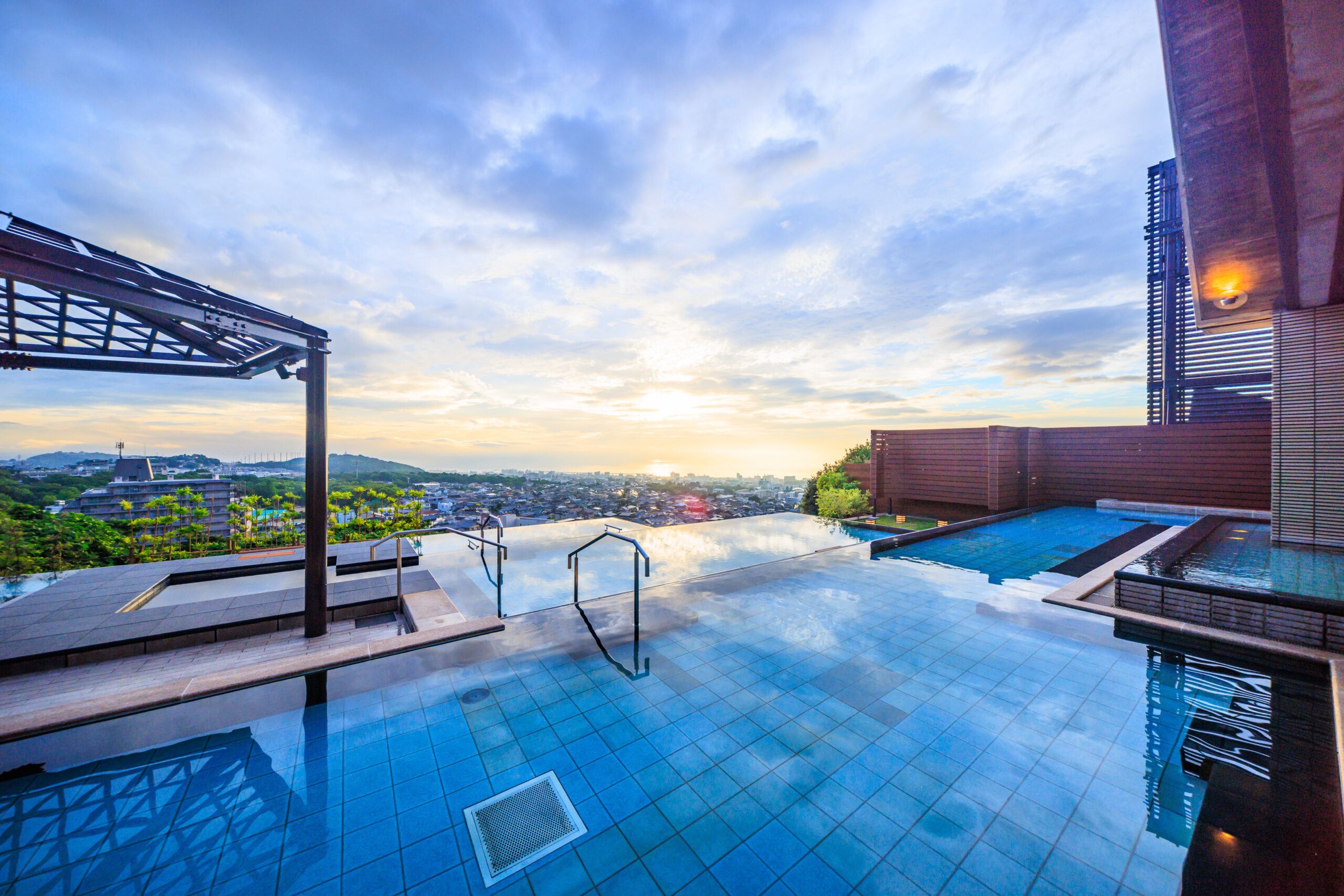
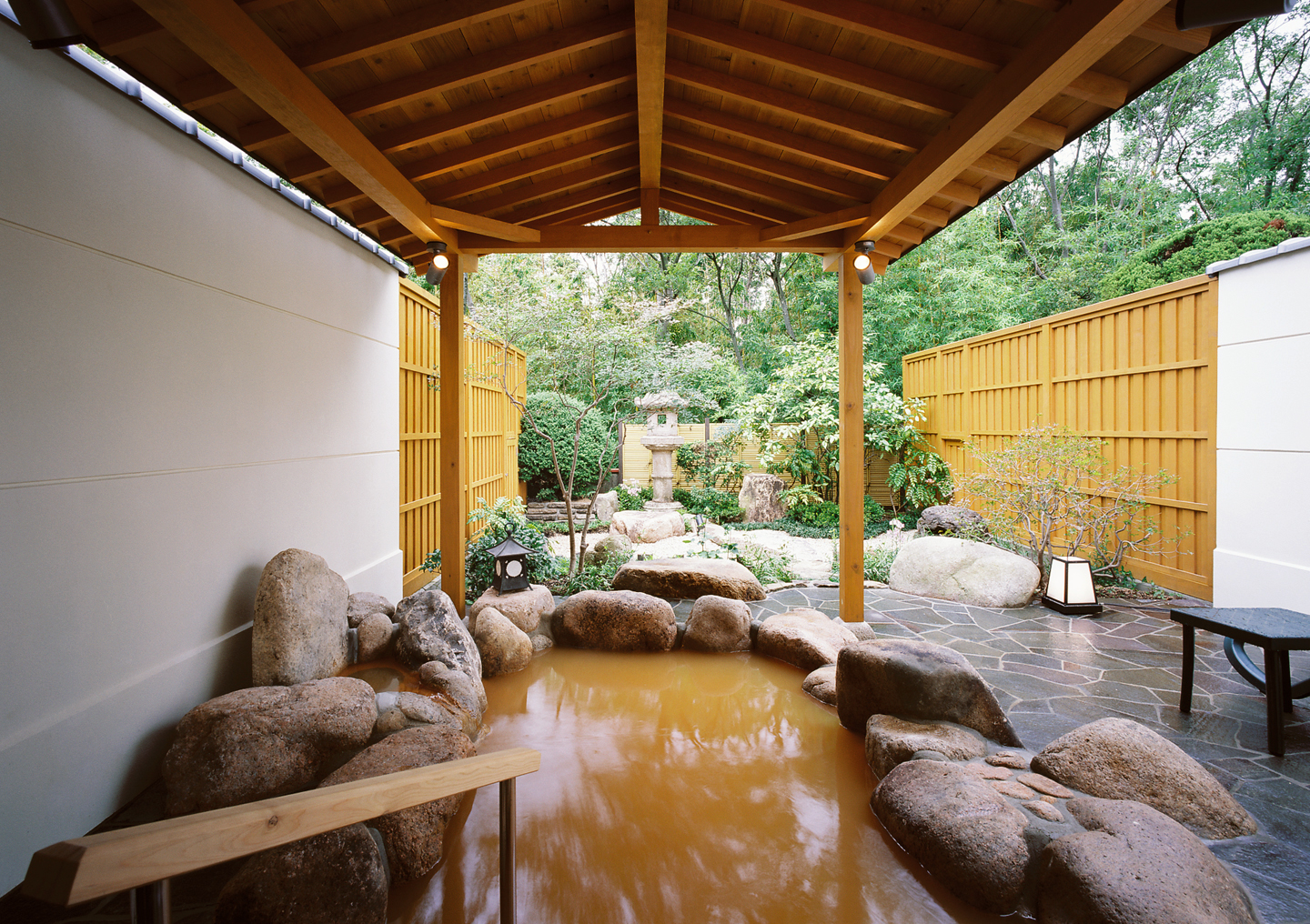
Hot spring image

Kashikiri Onsen (private hot spring), known in English as "Private Onsen," refers to hot spring facilities that can be exclusively used by individuals or groups for a specific period of time or during their stay. While public hot springs in Japan typically involve bathing together with other guests, private onsen allow families, couples, or groups of friends to enjoy the hot spring experience in complete privacy.

Private onsen provide an ideal option for foreign tourists who wish to experience traditional Japanese hot spring culture but may feel uncomfortable being naked in public spaces. They also serve as an important alternative for foreign visitors with tattoos, who are often denied entry to regular hot spring facilities.

Types and Features of Private Onsen

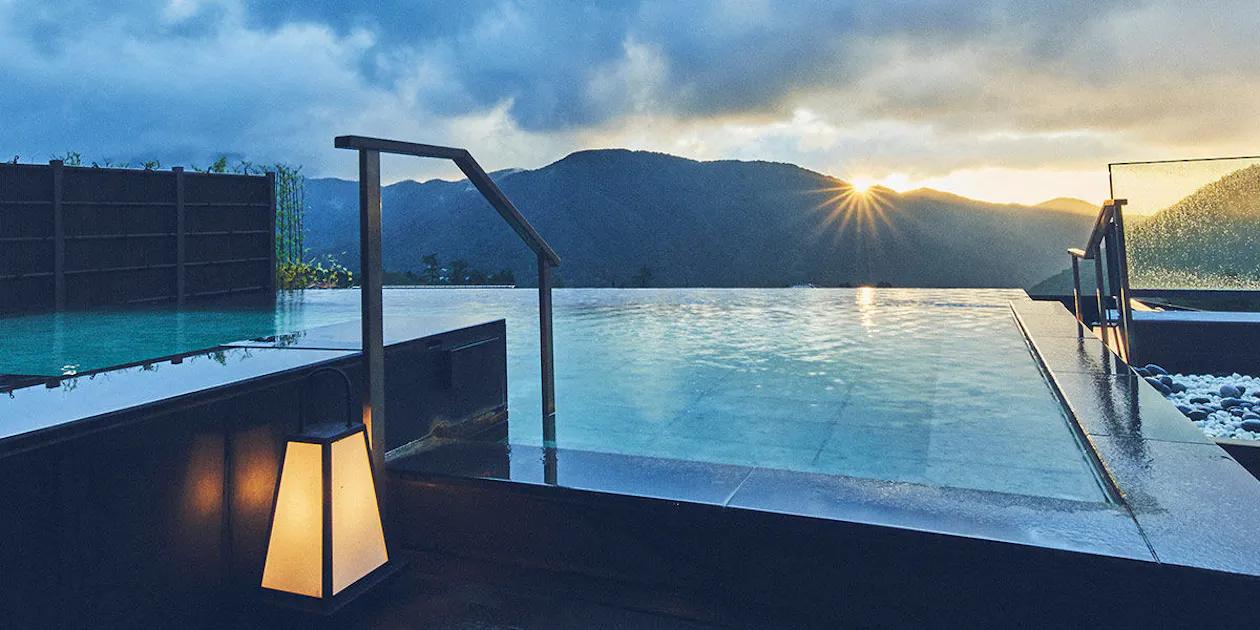
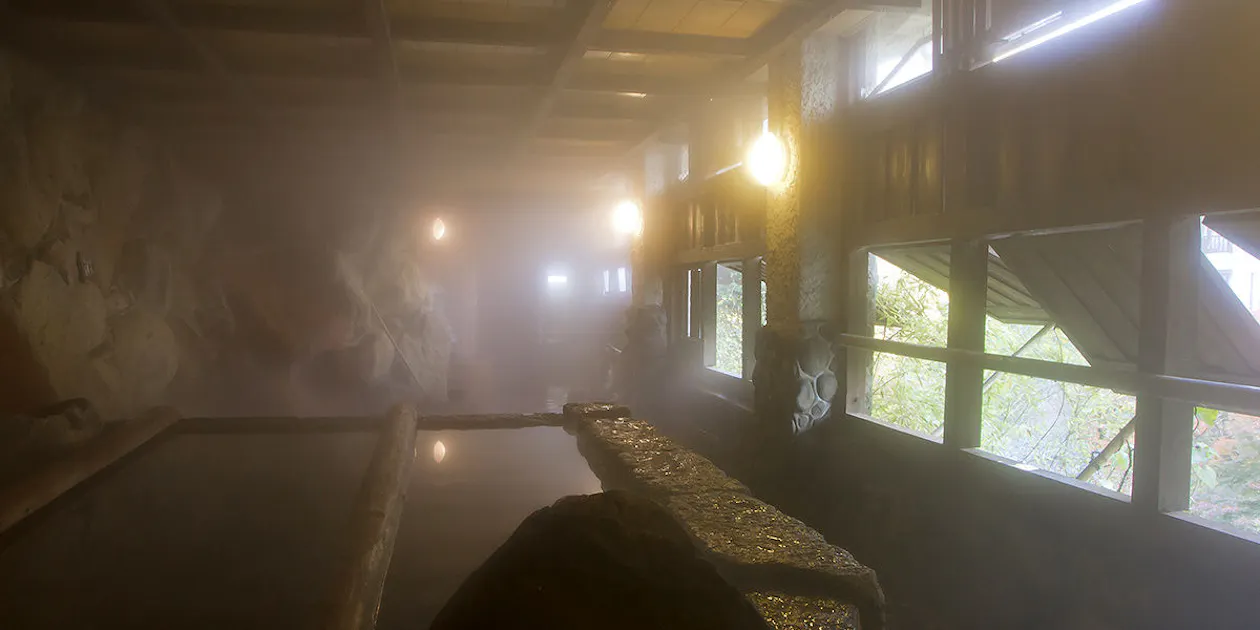
Hot spring bath image

There are primarily two types of private onsen, each with distinct characteristics.

Time-Limited Private Baths

Time-limited private baths allow you to reserve a dedicated bathing facility within a ryokan or hotel for a set period (typically 30 minutes to 2 hours).

Features:

  • Reservation-based system; multiple uses during your stay are often possible
  • Additional fees usually apply
  • Generally spacious bathing areas with open-air baths offering natural views
  • Some are exclusively for guests, while others offer day-trip options

How to Use:

  • Reserve at check-in or at the front desk
  • Early reservation is recommended for popular time slots
  • Receive a key at your reserved time and return it after use

Guest Rooms with Private Outdoor Baths (In-Room Onsen)

These are accommodation facilities with private hot spring outdoor baths attached to the guest rooms. They can be used anytime and as many times as desired during your stay.

Features:

  • Available 24/7 throughout your stay
  • Maximum privacy guaranteed
  • Enjoy the hot spring without leaving your room
  • Typically found in luxury ryokan and resorts

Considerations:

  • Room rates are higher than standard rooms
  • These popular room types are often difficult to book
Private Onsen TypeTime-Limited Private BathGuest Room Outdoor Bath
Available HoursReserved time only (30 min - 2 hours)24/7 during stay
PriceFree to ¥3,000 per sessionSeveral thousand to tens of thousands of yen extra (varies by season, view, room type)
Reservation MethodReserve at check-in or during stayPre-book as room type
BenefitsRelatively affordable, spacious bathing areaComplete privacy, no time constraints

Benefits of Private Onsen

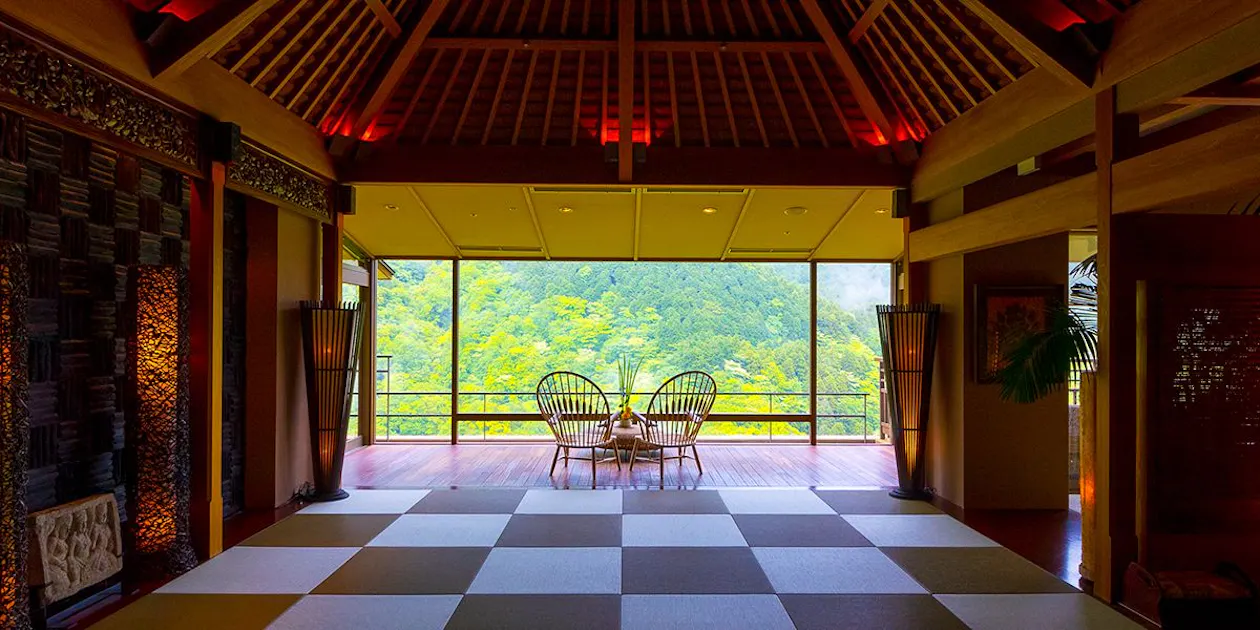
Onsen benefits image

Private onsen are particularly popular with foreign tourists for the following reasons:

Privacy Assurance

Japanese public hot springs typically require complete nudity, which can be a significant psychological barrier for foreigners from different bathing cultures. Private onsen allow you to relax and enjoy the hot springs without concern for other bathers.

No Worries About Etiquette or Language

In public hot springs, there may be concerns about inadvertently breaking etiquette rules or language barriers. With private onsen, you can bathe at your own pace without such worries.

Accessible with Tattoos

Many public hot spring facilities in Japan prohibit entry for people with tattoos due to the historical association between tattoos and organized crime groups. With private onsen, this is not a concern.

Set Your Own Pace

You can adjust the water temperature and bathing duration to your preferences. This is especially helpful for first-time hot spring users who may find it difficult to stay in high-temperature baths for extended periods.

Share Special Moments

You can bathe and spend special time together with family or partners. Even for Japanese people, public hot springs are separated by gender, so private onsen offer a unique experience for couples and entire families to bathe together.

Exclusive Views and Atmosphere

Particularly with open-air private onsen, you can enjoy beautiful natural scenery in complete solitude. Bathing while viewing seasonal landscapes or starry skies is an exceptional experience.

How to Reserve Private Onsen

Reservations are usually required to use private onsen in Japan. Here are efficient ways to make reservations:

Accommodation Facility Reservations (Time-Limited Private Baths)

Reserve at Check-In: Most accommodations allow you to reserve your preferred time at check-in. Popular facilities fill up quickly, so it's recommended to reserve immediately upon checking in.

English Reservation Support: Accommodations with many foreign guests often provide English guidance and reservation systems. It's reassuring to confirm this by email in advance.

Fee Confirmation: Some accommodations offer free private bath use, while others charge fees (approximately ¥2,000-5,000 per session). Confirm this when making your reservation.

Online Reservations (Accommodations with In-Room Onsen)

Using Booking Sites: International booking sites like Booking.com, Expedia, and Agoda allow you to search for accommodations with in-room onsen using keywords such as "Private Onsen" or "In-room Onsen."

Specialized Booking Sites: Sites specializing in traditional Japanese accommodations, such as Japanese Guest Houses, Ryokan Collection, and Selected Onsen Ryokan, offer more detailed search options.

Early Booking: Especially for weekends, holidays, autumn foliage season, and cherry blossom season, reservations can fill up months in advance. Early booking is highly recommended.

Day-Use Private Onsen Reservations

Many private onsen facilities offer day-use options without requiring an overnight stay, perfect for those wanting to enjoy a private hot spring experience between sightseeing or travel.

Phone Reservations: Most facilities require advance phone reservations. Since communication is typically in Japanese, if you're concerned about language barriers, consider asking your hotel concierge or a tourist information office to make the reservation on your behalf.

Reservation Apps: Domestic Japanese reservation apps and sites such as "Ikyu.com (Spa & Day Trip)," "Jalan (Activities & Experiences)," "Rakuten Travel (Day Use)," and "Asoview" make it easy to book day-trip onsen and private baths online. You can easily check facility availability and time slots to smoothly plan your trip. While English support is limited, some facilities provide photos and images to help you understand the facilities and atmosphere.

Private Onsen Etiquette and Usage Guidelines

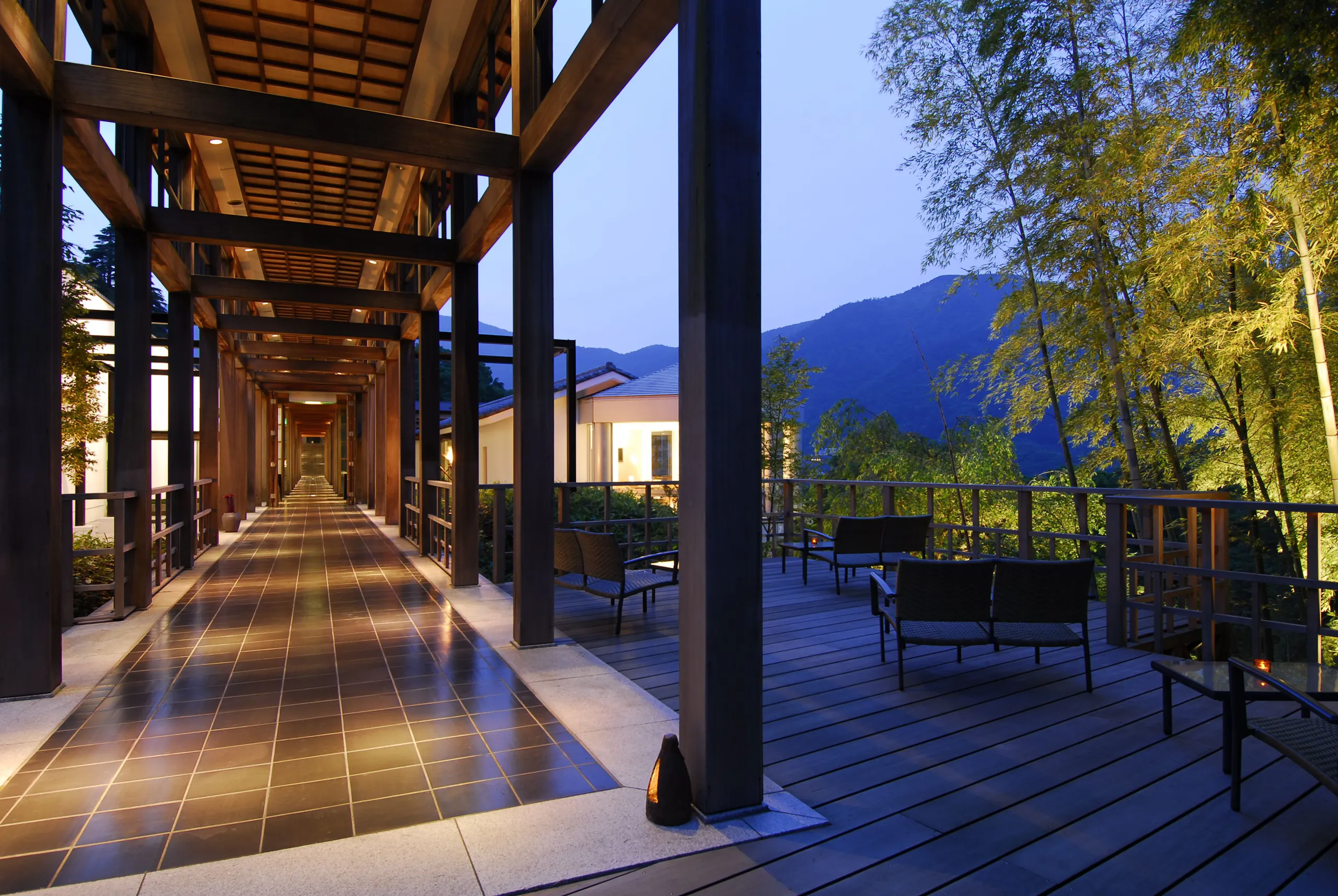
Onsen etiquette image

Japanese hot spring culture has unique etiquette and rules, and it's important to observe basic manners even when using private onsen. Here are key points for first-time foreign users:

Pre-Bathing Preparation

Wash Your Body: Even with private onsen, it's essential to wash your body before entering the bath. Most private baths have showers and washing areas.

Towel Handling: Don't put towels in the bathtub. Place small towels on your head or outside the tub.

Swimsuit Use: Typically, swimsuits are not permitted in Japanese hot springs. This also applies to private onsen, though some facilities may allow swimsuits. It's best to confirm in advance.

Etiquette During Use

Respect Time Limits: For time-limited private baths, observe your reservation time for the next guests. Generally, it's proper etiquette to exit the bath and begin tidying up 10 minutes before your time ends.

Maintain Cleanliness: After use, do simple cleaning (such as removing hair) so the next guests can use the facility comfortably.

Watch Volume: Especially at night, voices may carry to nearby guest rooms, so keep conversation volumes moderate.

Food and Hydration: Eating and drinking in the bathtub is not allowed. Whether you can bring beverages depends on facility regulations for hygiene and safety reasons.

Health Precautions

Bathing Duration: Hot springs can be physically demanding. Beginners should start with 10-15 minute sessions and gradually extend the time while monitoring their condition.

Alcohol Consumption: Bathing immediately after consuming alcohol can cause dangerous blood pressure fluctuations. Avoid bathing right after drinking.

Hydration: Hot spring bathing causes sweating, so hydrate before and after bathing to prevent dehydration.

When Feeling Unwell: If you're not feeling well or have conditions such as heart disease or high blood pressure, refrain from bathing or keep sessions brief.

Do's in Private OnsenDon'ts to Avoid
Wash your body before enteringPut towels in the bathtub
Respect reservation timesSpeak loudly
Simple cleaning after useEat or drink in the bathtub
Hydrate regularlyBathe immediately after drinking alcohol

Health Benefits and Therapeutic Effects of Onsen

Japanese hot springs are not merely places for relaxation; they have long been valued for health and beauty benefits, with many Japanese people visiting hot springs regularly. There are various types of hot springs, each with different therapeutic effects based on their mineral content.

Major Types of Hot Springs and Their Benefits

Simple Hot Spring (Tanjun Onsen)

  • Characteristics: Clear, colorless, low irritation, ideal for first-time hot spring experiences
  • Benefits: Fatigue recovery, relief from neuralgia and muscle pain, stress relief
  • Representative Areas: Hakone Onsen (Kanagawa), Arima Onsen (Hyogo)

Chloride Spring (Enkabutsusen)

  • Characteristics: High salt content, retains body heat well, also called "Heat Spring"
  • Benefits: Improved circulation for cold sensitivity, blood flow promotion, joint pain relief
  • Representative Areas: Kusatsu Onsen (Gunma), Beppu Onsen (Oita)

Bicarbonate Spring (Tansansusoenkabutsusen)

  • Characteristics: Known as "Beauty Spring" for smooth, moisturized skin
  • Benefits: Softens skin keratin, beauty effects, promotes healing of cuts
  • Representative Areas: Kinosaki Onsen (Hyogo), Gero Onsen (Gifu)

Sulfur Spring (Iousen)

  • Characteristics: Distinctive egg-like smell
  • Benefits: Antibacterial properties, skin condition improvement, arteriosclerosis prevention
  • Representative Areas: Noboribetsu Onsen (Hokkaido), Yunohira Onsen (Oita)

Scientific Health Effects of Onsen

Recent research has provided scientific evidence for the health benefits of hot spring bathing.

Blood Circulation and Metabolic Enhancement: The heat and pressure of hot springs dilate blood vessels and increase blood flow, improving overall metabolism. This promotes the elimination of fatigue-causing substances and relieves muscle tiredness.

Stress Reduction: Hot spring bathing activates the parasympathetic nervous system and suppresses stress hormone secretion. Particularly in outdoor baths surrounded by nature, the synergistic effects of natural scenery and hot springs provide enhanced relaxation.

Improved Sleep Quality: Quality sleep is promoted as body temperature rises and then falls. Bathing 1-2 hours before bedtime is considered particularly effective.

Skin Health: Minerals from hot springs adhere to the skin, potentially enhancing barrier function and providing moisturizing effects. Sulfur springs and bicarbonate springs are especially noted for beauty benefits.

Gut Microbiome Impact: Recent studies suggest hot spring bathing may positively influence the intestinal microbiome (gut flora), potentially supporting immune function and overall health maintenance.


Private Hot Spring Facilities Popular with Foreigners

While Japan has numerous private hot spring facilities, here we highlight several particularly popular among foreign tourists.


黒川温泉 旅館わかば(Kurokawa Onsen Ryokan Wakaba)

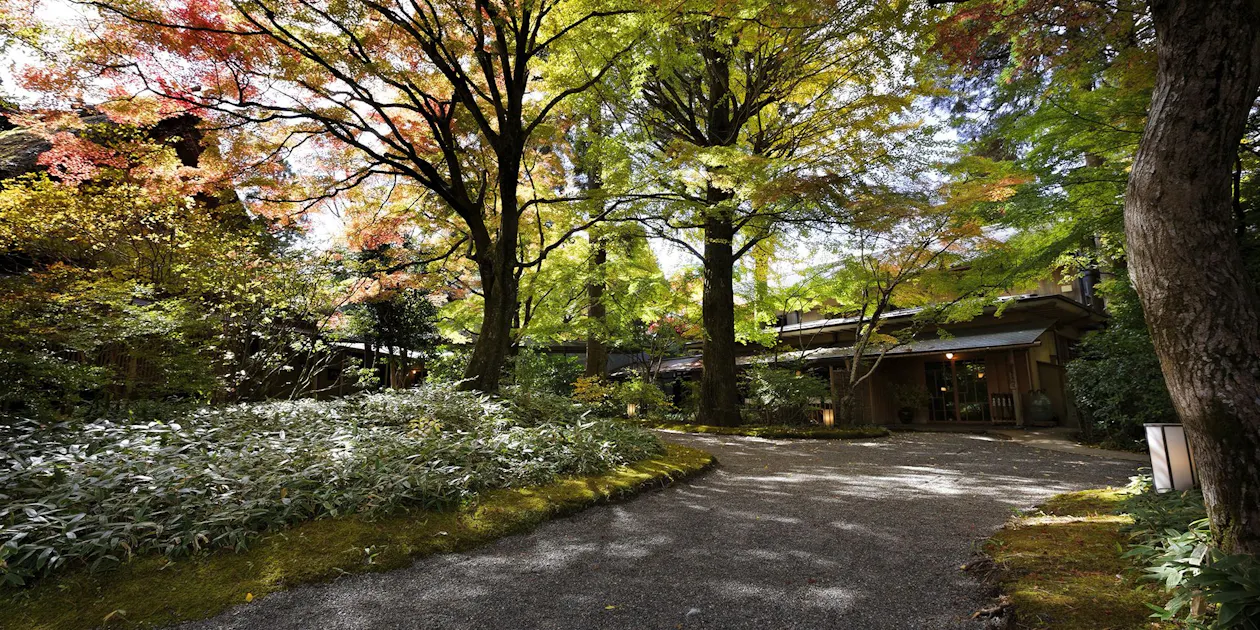
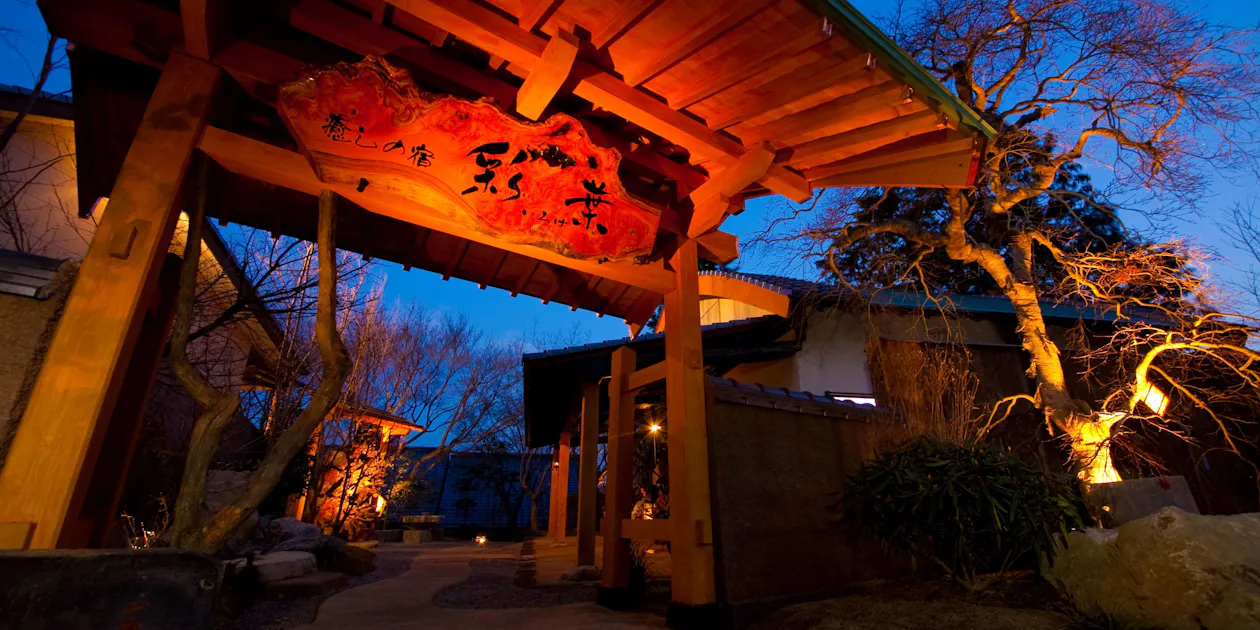
Nestled in the natural beauty of Kumamoto and Aso, Ryokan Wakaba is a cozy hot spring inn with 16 rooms. Its mildly acidic simple hot spring is gentle on the skin, and the women-only “Beauty Bath” is especially renowned for its skin-enhancing properties. From the traditional Japanese-style guest rooms, you can hear the gentle murmur of the Tanohara River and enjoy the changing scenery throughout the seasons. Guests are captivated by cuisine featuring local mountain delicacies and heartwarming hospitality.

住所〒869-2402 熊本県阿蘇郡南小国町満願寺6431
アクセス黒川温泉バス停から徒歩約5分
公式HPhttps://www.ryokanwakaba.com/


箱根湯本温泉 天成園(Hakone Yumoto Onsen Tenseien)

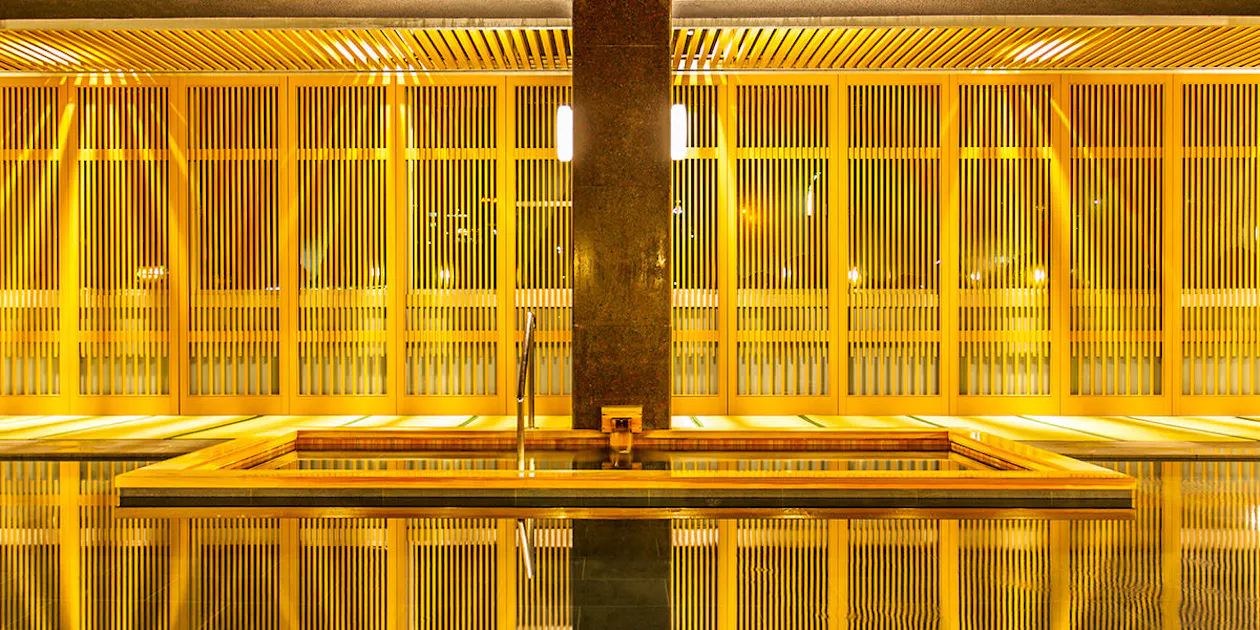
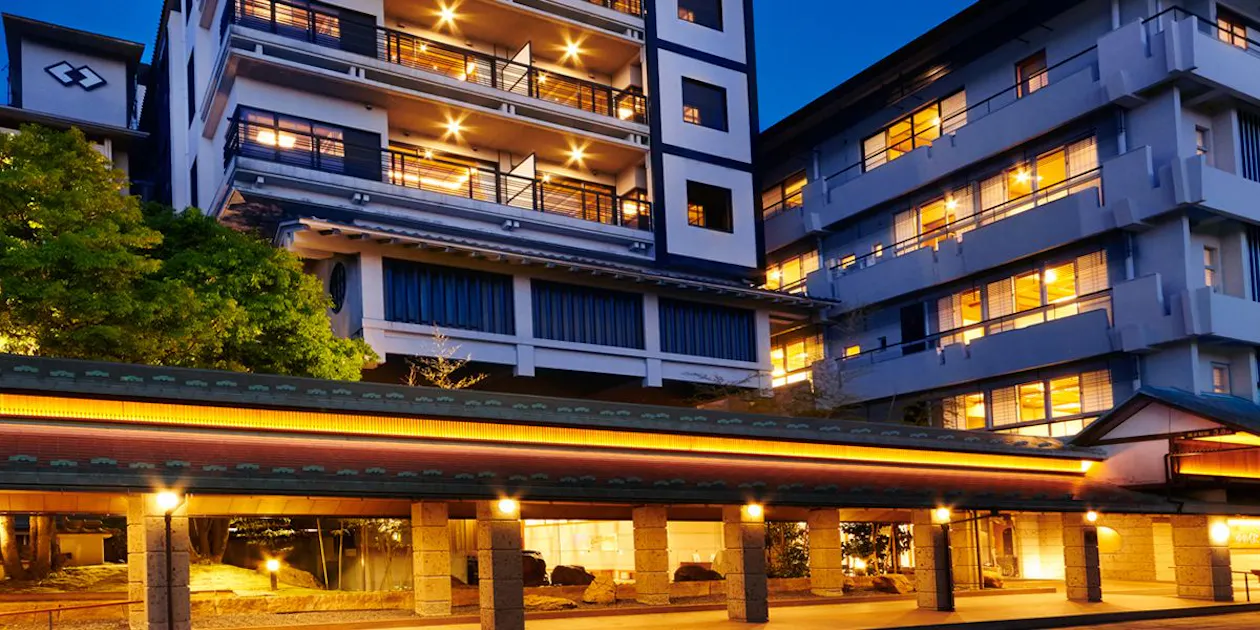
Tenseien is a natural hot spring inn located in Hakone Yumoto. Its 17-meter-long open-air sky bath offers panoramic views of Hakone's seasonal natural beauty. Day-trip hot spring visits are also available, featuring a garden with a flowing waterfall and an historic shrine. With buffet-style dining and diverse room types, it caters to a variety of needs.

住所〒250-0311 神奈川県足柄下郡箱根町湯本682
アクセス箱根湯本駅から徒歩約12分・送迎バスあり(Aコース滝通り方面)
公式HPhttps://www.tenseien.co.jp/


Frequently Asked Questions

We've compiled common questions from foreign tourists and their answers.

Q1: Can I wear a swimsuit when entering a hot spring?

A: Generally, swimsuits are not permitted in Japanese hot springs. This applies to private hot springs as well. However, some facilities (especially resorts catering to foreign tourists) do allow swimsuits. We recommend confirming this when making your reservation.

Q2: Can I use a private hot spring bath even if I have tattoos?

A: Yes. A major advantage of private hot spring baths is that you can use them without issue even if you have tattoos. While many public hot spring baths prohibit tattoos, private baths allow you to enjoy them without concern.

Q3: Can I enter a private hot spring bath with my children?

A: Of course, it's possible. One of the charms of private hot springs is bathing together as a family. However, since the water temperature can be high, caution is needed for small children—such as limiting bath time or choosing a hot spring with a lower temperature.

Q4: When can I make a reservation for a private hot spring?

A: This varies by facility, but many inns accept reservations from 3 months to 1 week in advance. Popular facilities, weekends, and holidays tend to fill up quickly, so we recommend booking as early as possible.

Q5: Can I bathe in the hot spring if I'm not feeling well?

A: Refrain from bathing if you have a cold, fever, are intoxicated, or experiencing severe fatigue. If you have pre-existing conditions like heart disease, high blood pressure, or skin disorders, consult your doctor before bathing. Pregnant individuals should also avoid hot springs, especially those with high temperatures.

Q6: What is the difference between a private hot spring and a public one?

A: The main difference is privacy. Private baths are exclusively yours during your reserved time, allowing you to relax without worrying about other bathers. Public baths are shared by multiple users simultaneously and are typically separated by gender.

Q7: Can I use a credit card?

A: Major credit cards (VISA, MasterCard, American Express, JCB) are generally accepted at larger hot spring inns and resorts. However, smaller inns may only accept cash, so we recommend confirming in advance.

Q8: Is it okay if I don't speak English?
A: Facilities catering to foreign tourists often have staff who can communicate in basic English, but this isn't guaranteed everywhere. If you're concerned about language barriers, using translation apps on your smartphone or booking through major travel agencies can provide peace of mind.

Translated with DeepL.com (free version)

関連記事