Japan Snowboarding Guide | A Complete Guide to the World-Renowned “JAPOW” - GTN MAGAZINE
日本語
日本語
English

Japan Snowboarding Guide | A Complete Guide to the World-Renowned “JAPOW”

The Japanese snowboarding scene is drawing intense attention from winter sports enthusiasts around the globe.

In particular, the exquisite powder snow unique to Japan, known as "JAPOW," is a national treasure that many international visitors dream of experiencing at least once.

This article provides a complete guide to the snowboarding environment in Japan for those considering a visit or international residents already in the country.

Why Snowboarding in Japan is Globally Popular

Characteristics of the World-Renowned "JAPOW"

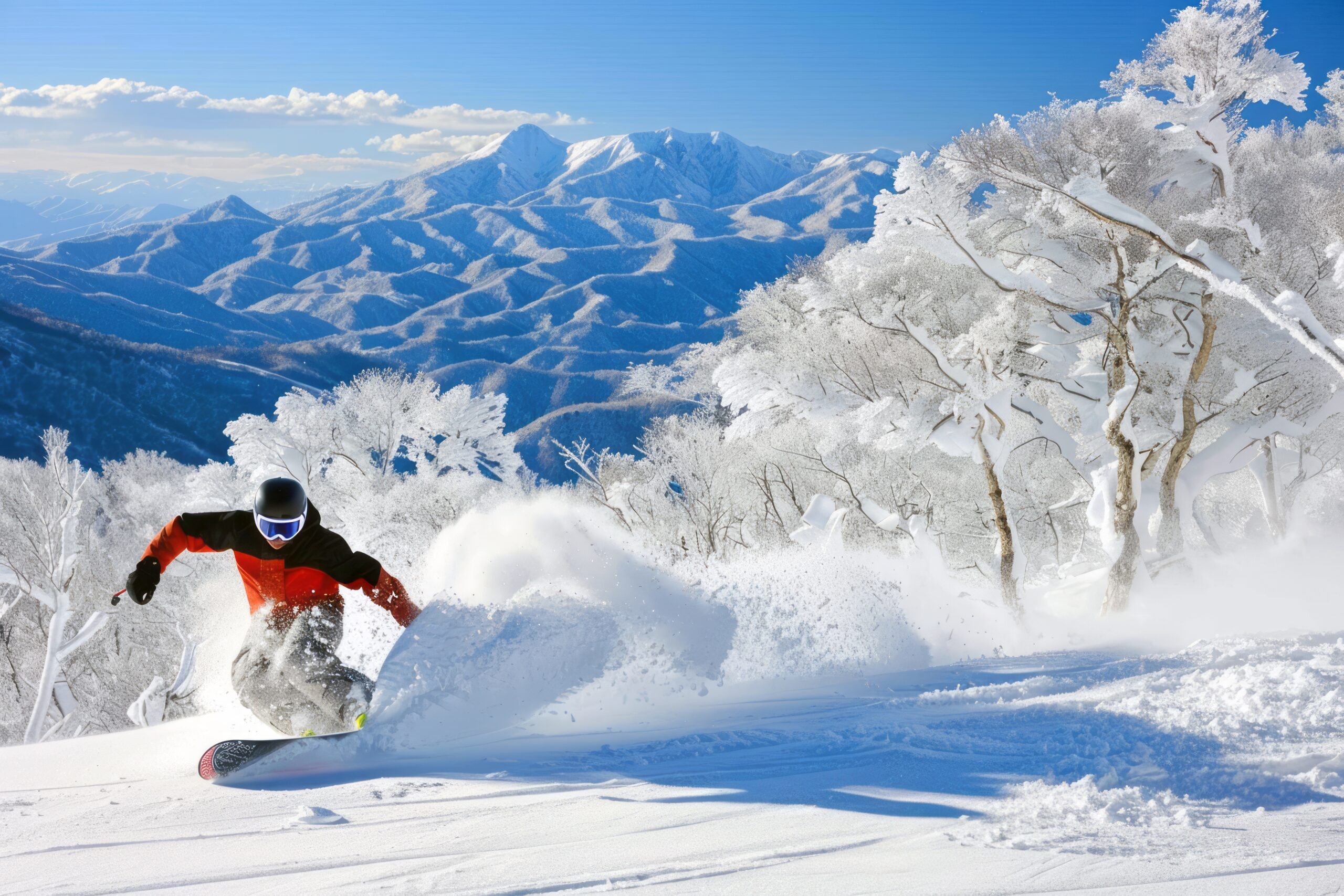
The primary reason Japanese snowboarding attracts worldwide attention is its unique snow quality, known as "JAPOW," which cannot be found in other countries.

JAPOW is a portmanteau of "Japan" and "Powder snow," referring to the premium fine snow specific to Japan.

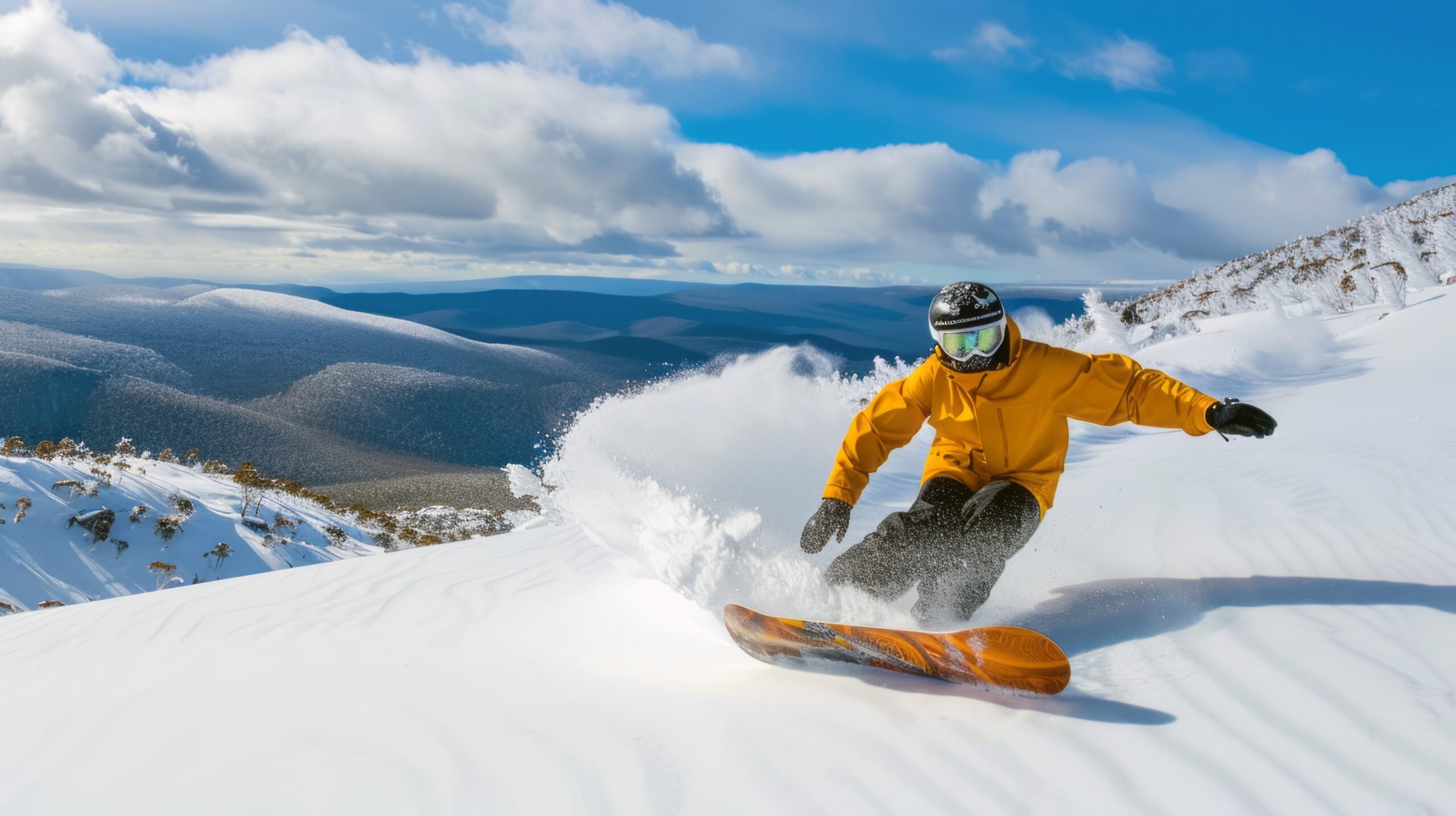
This Japanese powder snow is characterized by its low moisture content and light, fluffy texture.

Snowboarding on it provides a sensation of floating on air, a feeling that captivates riders from all over the world. This top-tier snow quality can be experienced particularly in Hokkaido and areas along the Sea of Japan.

Why Japan Has the Best Powder Snow

Japan's status as a global "mecca for powder snow" is due to its unique geographical conditions.

The Sea of Japan plays a crucial role: cold air masses from Siberia pick up moisture as they cross the sea. When these clouds hit Japan's mountain ranges, they form ideal snow crystals.

Of particular note is "Aspirin Snow," an even higher grade of powder snow with even less moisture than usual. This snow quality is a rare treasure that can only be experienced in specific areas of Japan.

Reasons for Popularity Among International Visitors

The high acclaim for Japanese ski resorts among international tourists isn't just about the snow quality. It's driven by a combination of factors:

•Abundant Snowfall: Many areas boast world-class annual snowfall, ensuring stable conditions for riding.

•Long Season: Many regions offer a long operating period from November to May.

•Diverse Resorts: A wide variety of resorts cater to everyone from beginners to experts, each with unique features.

•Fusion with Onsen: The culture of soothing fatigue in a hot spring after riding is particularly popular with international visitors.

•Cost Performance: Lift tickets and rental fees are relatively reasonable compared to major ski resorts in Europe and North America.

According to a survey by the Japan Tourism Agency, the economic impact of skiing and snowboarding by international visitors is significant, pushing up consumption by approximately 64 billion yen, with average travel spending per person reaching 330,000 yen.


Major Snowboarding Areas in Japan

Hokkaido Area

Niseko United

Located in western Hokkaido, Niseko is established as a world-famous snow resort. "Niseko United" is a massive area integrating four resorts: Niseko Tokyu Grand Hirafu, Niseko Village Ski Resort, Niseko Annupuri International Ski Area, and Niseko HANAZONO Resort.

Niseko's defining feature is its world-class snow quality and abundant snowfall. With an average annual snowfall of about 15 meters, there are daily opportunities for fresh powder. It also has a very high ratio of international tourists, particularly from Australia, making English communication very smooth. During some periods, about 90% of guests are international, creating a cosmopolitan atmosphere. Accommodations range from luxury condominiums to traditional inns, catering to long-term stays.

Rusutsu Resort

Located in Abuta District near Uchiura Bay in southern Hokkaido, Rusutsu Resort is one of the most popular resorts in the prefecture. It features a vast area with 37 courses and four parks, providing an environment for riders of all levels. Rusutsu is generally less crowded than Niseko and features many relatively gentle slopes, making it ideal for those experiencing JAPOW for the first time or for families.

Tohoku Area

Zao Onsen Ski Resort (Yamagata Prefecture)

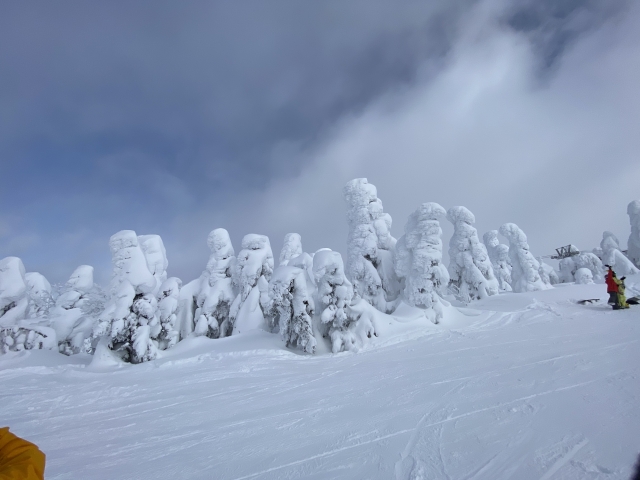
A representative resort of Tohoku, Zao Onsen is a rare spot where you can see "Snow Monsters" (Juhyo)—unique ice art formed by snow and ice adhering to trees, creating a mystical landscape. The charm of Zao lies in snowboarding while viewing these snow monsters and then relaxing in Zao Onsen, one of Japan's premier hot spring towns. It's a precious area where you can experience traditional Japanese culture and winter sports simultaneously.

Appi Kogen Ski Resort (Iwate Prefecture)

One of the largest resorts in Tohoku, Appi Kogen boasts a vast terrain with a maximum cruising distance of 5.5 km. It features high-quality course designs that host international competitions and a variety of terrains. Riders can experience the dry, high-quality powder snow characteristic of the Tohoku region. Nearby attractions like Lake Towada and the Oirase Gorge also allow visitors to enjoy Japanese culture and nature beyond snowboarding.

Nagano & Niigata Area

Hakuba Area (Nagano Prefecture)

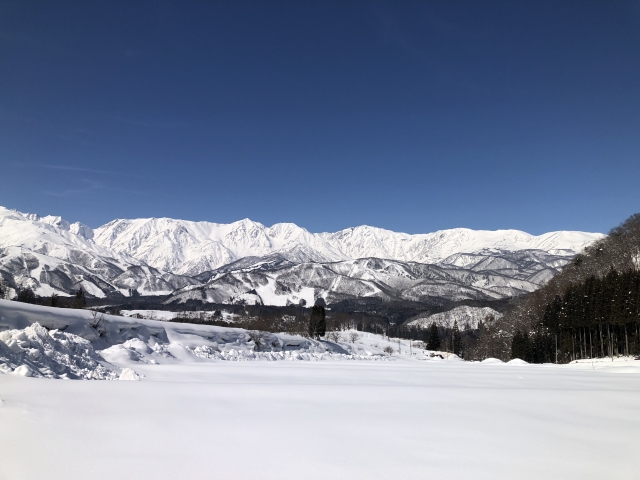
The Hakuba area in Nagano is known as "HAKUBA VALLEY," consisting of 10 ski resorts set against the majestic Northern Alps. Popular spots include Hakuba Happo-one, Hakuba Iwatake, Hakuba47, Hakuba Goryu, and Hakuba Cortina. As a venue for the 1998 Nagano Winter Olympics, it has high international recognition. Hakuba Happo-one, in particular, offers courses for all levels, from steep 38-degree expert runs to gentle beginner slopes. Its appeal lies in the grand scenery, diverse courses, and a wealth of hot springs and traditional restaurants.

Nozawa Onsen Ski Resort (Nagano Prefecture)

Located in a hot spring town with over 1,300 years of history, Nozawa Onsen is a special area where Japanese tradition meets snow sports. It's a vast resort with 36 courses and 21 lifts, featuring a maximum run of 10 km. Boasting some of the highest snowfall in Japan, it has become a favorite for Western riders. The village also features 13 public baths (Soto-yu), offering a unique chance to experience local hot spring culture.

Kagura Ski Resort (Niigata Prefecture)

Kagura is renowned for having some of the best snow quality in Japan, often ranking #1 in domestic quality surveys. Its biggest draw is the length of its season, typically running from mid-November to early May. It's also popular with experts for its excellent access to backcountry areas.

Naeba Ski Resort (Niigata Prefecture)

Naeba is a large-scale resort known for its diverse courses and excellent facilities. A key feature is the "Dragondola," one of the world's longest gondolas, which connects to the Tashiro area. With the Naeba Prince Hotel directly connected to the slopes, it offers high convenience for both riding and staying, making it suitable for long-term visits.

Other Areas

GALA Yuzawa Ski Resort (Niigata Prefecture)

The standout feature of GALA Yuzawa is its exceptional accessibility—just 71 minutes from JR Tokyo Station via the Joetsu Shinkansen. The resort is directly connected to the "Gala Yuzawa" Shinkansen station, making it perfect for day trips from Tokyo. It's highly rated by international travelers who want to experience Japanese snowboarding in a short time during their stay in Tokyo.

Snowboarding Season in Japan and the Best Time to Visit

Season Overview and Best Times by Region

The snowboarding season in Japan varies by region, but generally runs from mid-November to early May. The best times for each region are as follows:

RegionSeason StartSeason EndBest SeasonCharacteristics
HokkaidoMid-NovemberEarly MayJan – Mid-FebThe area where snow starts falling earliest in Japan and the season lasts the longest. Characterized by exquisite powder snow.
TohokuEarly DecemberLate AprilMid-Jan – Early MarCharacterized by dry snow quality and deep snow accumulation. Powder snow from late January through February is particularly popular.
Nagano / NiigataLate NovemberEarly May (High-altitude areas)Jan – Mid-FebHeavy snowfall zones along the Sea of Japan. The Joetsu area, in particular, is characterized by abundant snowfall known as the "Powder Belt."
Near KantoMid-DecemberLate MarchMid-Jan – Late FebAreas easily accessible from Tokyo. While snowfall is lower than in other regions, stable snow surfaces are ensured via artificial snow machines.

Seasonal Changes in Snow Quality

During Japan's snowboarding season, snow quality changes significantly depending on the time of year.

The characteristics of each period are as follows:

Early Season (November – Mid-December)

At the beginning of the season, resorts mainly in high-altitude areas open sequentially.

During this period, artificial snow is often used in combination with natural snowfall, and the number of open courses may be limited.

However, the advantage is that you can enjoy snowboarding in a calm environment with less congestion.

High Season (Late December – February)

If you want to experience snowboarding in Japan, this is the best season.

Especially from mid-January to early February, snow accumulation increases, and snow quality reaches its peak condition.

This is primarily the time when you can enjoy loose, dry powder snow.

However, around the Japanese New Year holidays (January 1st) and during the Chinese Lunar New Year (Spring Festival) period, congestion from domestic and international travelers is expected, so making reservations early is recommended.

Spring Season (March – May)

From March onwards, daytime temperatures begin to rise, so snow quality changes depending on the location.

However, many north-facing slopes and high-altitude areas maintain good snow quality until late April.

The appeal of spring snowboarding lies in the comfortable, warmer climate and the ability to purchase accommodation and lift tickets at off-season prices.

"Kagura Ski Resort" and "Niseko United" are notable examples of resorts particularly suitable for spring skiing.


Preparation Guide for International Visitors

Essential Packing List 

Proper preparation is necessary to fully enjoy your snowboarding experience in Japan. Below is a list of essential items to bring.

Basic Equipment (Rentable)

ItemContentRemarks
SnowboardA board suitable for your physique and skill level.Softer boards are recommended for beginners.
BindingsHardware to secure boots to the board.Often included in a set with the rental board.
BootsBoots specifically for snowboarding.It is crucial to choose a size that fits your feet properly.
Outerwear (Top & Bottom)Jacket and pants with waterproof and windproof performance.Choose items that are easy to move in.

Essential Personal Equipment (Recommended to Bring)

ItemContentRemarks
Base Layers (Inner Wear)Underwear with thermal and moisture-wicking/quick-drying properties.Merino wool or polyester is recommended.
Mid-LayerFleece or thin down jacket, etc.Ideal to have layering that can be adjusted according to the temperature.
GlovesWaterproof snowboarding gloves.Types that cover up to the wrist are recommended.
GogglesProtection for eyes against UV rays, wind, and snow.It is convenient to have interchangeable lenses for sunny and cloudy weather.
Knit Cap / BeanieFor keeping the head warm.If wearing a helmet, choose one that fits underneath.
Neck WarmerFor keeping the neck area warm.Types that can also be used as a face mask are convenient.
SocksThick socks designed for snowboarding.Avoid cotton; choose wool or synthetic materials.
SunscreenHigh SPF/PA value.Essential as you burn easily due to reflection from the snow surface.
Lip BalmHigh moisturizing effect.Necessary to protect lips from dryness and UV rays.
IDPassport, etc.It is recommended to bring the original, not a copy.

Rentals vs. What to Bring 

Since rental services are extensive at many ski resorts in Japan, you do not need to bring all your equipment. The following guidelines are helpful, especially for international visitors who want to minimize luggage:

Items Commonly Rented

  • Snowboard set (Board, Bindings, Boots)
  • Outerwear (Top & Bottom)
  • Helmet (Recommended for safety)

Items Difficult to Rent / Should Be Brought

  • Base layers, Underwear
  • Goggles (Personal ownership desirable for hygiene reasons)
  • Gloves (Size and preference vary)
  • Socks (Personal ownership desirable for hygiene reasons)

Market Rates for Rentals 

The average rental rates at Japanese ski resorts are as follows:

Rental ItemAverage Rate Per Day
Board 2-Piece Set (Board, Boots)4,500 JPY – 6,000 JPY
Outerwear (Top & Bottom)3,000 JPY – 4,850 JPY
Gloves500 JPY – 1,000 JPY
Goggles500 JPY – 1,500 JPY
Helmet1,000 JPY – 1,500 JPY
Full Set8,000 JPY – 11,000 JPY

Many ski resorts offer discounts for multi-day rentals. Rates may also be cheaper during the off-season or on weekdays.


Advice for Beginners 

For those experiencing snowboarding in Japan for the first time, please refer to the following advice:

  • Physical Preparation: Snowboarding is a sport that uses more energy than expected. Since beginners, in particular, will repeat falling and standing up, it is good to do light strength training and stretching before your trip.
  • Check Your Stance: Confirming beforehand whether you are "Regular Stance" (left foot forward) or "Goofy Stance" (right foot forward) will make the rental process and your first lesson go smoothly.
  • Practice Falling Safely: Falling is unavoidable for beginners. To avoid breaking your wrists, be conscious of falling by dispersing the impact with your entire forearm, rather than making a fist and thrusting your hands forward.
  • Appropriate Course Selection: Do not challenge difficult courses immediately; we recommend starting from gentle courses for beginners (Green courses). Course markings in Japan are color-coded: Beginner (Green), Intermediate (Red), and Advanced (Black).
  • Take Adequate Breaks: Fatigue increases the risk of injury. Enjoy riding while taking regular breaks.
  • Utilize Lessons: Lessons by English-speaking instructors are available at major Japanese ski resorts. Learning the basics correctly significantly changes the speed of improvement, especially for beginners.


Accommodations and Transportation

Accommodation Types Suitable for Snowboarding 

Japanese ski resorts offer various types of accommodation. 

Here are the main types to help you choose according to your style and budget:

Ski Resort Hotels (Directly Connected) 

Hotels directly connected to the ski resort offer maximum convenience. They are ideal for those who want to enjoy fresh snow first thing in the morning or want to save the trouble of traveling.

Advantages:

  • Zero travel time to the slopes (Ski-in/Ski-out possible).
  • Convenience of returning to your room for lunch or a break.
  • Easy access to facilities within the ski resort (restaurants, hot springs, etc.).

Main Examples:

  • Hokkaido: Tomamu The Tower (Hoshino Resorts), New Furano Prince Hotel
  • Nagano: Hakuba Tokyu Hotel, Nozawa Onsen Hotel
  • Niigata: Naeba Prince Hotel, NASPA New Otani


Traditional Onsen Ryokans (Inns) 

For international visitors seeking a unique Japanese cultural experience, traditional Onsen Ryokans are recommended. The experience of soaking in a hot spring after snowboarding and enjoying traditional Japanese cuisine is exceptional.

Advantages:

  • Authentic Japanese cultural experience.
  • Soothing fatigue in natural hot springs.
  • Japanese cuisine using local ingredients.

Features:

  • Sleeping on futons in tatami rooms.
  • Communal baths or private baths.
  • Japanese Kaiseki cuisine.

Note: You can combine a traditional ryokan stay with skiing, especially at resorts located in hot spring towns like Nozawa Onsen and Kusatsu Onsen.

Luxury Condominiums for International Visitors 

Especially in international resorts like Niseko and Hakuba, the number of luxury condominiums catering to Western demand is increasing.

Features:

  • Spacious apartment-style living spaces.
  • Fully equipped with kitchens and living rooms.
  • Environment suitable for long-term stays.
  • Extensive English-language services.


Cost-Oriented Accommodation 

For those who want to keep their budget low, the following options are available:

  • Pensions & Lodges: Small-scale guesthouses with a homey atmosphere.
  • Minshuku: Small accommodations run by local families.
  • Ski Lodges: Casual accommodations near major ski areas where you can use communal kitchens and lounges, and enjoy interacting with other snowboarders.
  • Backpacker Hostels: Popular particularly among young backpackers and solo snowboarders; dormitory-style rooms are offered at low prices.
  • Private Lodging Services (Minpaku): Renting local homes through platforms like Airbnb is also an option. This can be cost-efficient, especially for group stays.

Note: These reasonable accommodations are recommended for those who want to save on lodging costs to spend more on snowboarding itself, or for those planning long-term stays.


Transportation Access Options 

There are multiple ways to access major Japanese ski resorts, each with its own advantages and disadvantages. Here are the main modes of transportation:

Shinkansen & Trains 

Japan's high-speed rail network boasts world-class efficiency and is convenient for accessing many ski areas.

Advantages:

  • Excellent punctuality (less likely to be affected by weather).
  • Comfortable travel space.
  • No worries about traffic jams.

Disadvantages:

  • Secondary transport from the station to the ski resort may be required.
  • Moving large luggage (snowboard gear) is slightly troublesome.

Accessible Resort Examples:

  • GALA Yuzawa Ski Resort: Fastest 71 minutes from Tokyo Station via Joetsu Shinkansen; directly connected to the station.
  • Echigo Yuzawa Area Resorts: Approx. 80 minutes from Tokyo Station via Joetsu Shinkansen.
  • Joetsu Kokusai Ski Resort: Good access with trains stopping directly at Joetsu Kokusai Ski Jo Mae Station.


Highway Buses (Ski Bus Tours) 

Direct highway buses operate from major cities like Tokyo and Osaka to many ski resorts. Ski bus tours that bundle round-trip transportation and lift tickets are particularly popular with international visitors.

Advantages:

  • Economical (cheaper compared to Shinkansen).
  • Direct access to the ski resort.
  • Possible to save on accommodation costs by using night buses.
  • Suitable for group travel with friends.

Disadvantages:

  • Subject to traffic conditions (traffic jams, bad weather, etc.).
  • Long travel times can be physically exhausting.


Rental Cars 

For those who prefer a trip with high freedom, accessing by rental car is an option. It is convenient if you want to tour multiple ski resorts or travel in a group.

Advantages:

  • Flexible time management is possible.
  • Ability to stop at multiple destinations.
  • Cost-effective for group travel.

Disadvantages:

  • Experience driving on snowy roads is required.
  • You must be accustomed to mountain driving.
  • Risks of road closures or bad weather during winter.
  • Parking must be secured.

Important Note: In Japan's mountainous areas, studless winter tires or chains are mandatory in winter. When renting a car, ensure it is equipped with winter gear.

Shuttle Buses & Secondary Transport 

At many major ski resorts, free shuttle buses operate from the nearest station to the resort. Areas popular with international visitors, like Niseko and Hakuba, have extensive English-friendly shuttle bus services.

Main Shuttle Services:

  • Niseko United Area: Regular shuttle buses from New Chitose Airport and Otaru Station.
  • Hakuba Area: Shuttle buses from Nagano Station and Matsumoto Airport.
  • Echigo Yuzawa Area: Free shuttle buses from Echigo Yuzawa Station to various ski resorts.


Rental Information and Costs

For your snowboarding experience in Japan, it is not necessary to bring all your gear. By utilizing extensive rental services, international visitors—especially those on short stays—can significantly reduce the burden of travel.

Average Rental Rates for Snowboard Equipment

While market rates for snowboarding rentals in Japan vary slightly by ski resort, they generally fall within the following price ranges.

Rental Item1-Day Rental Rate (Average)3-Day Rental Rate (Average)Remarks
Board 2-Piece Set (Board + Boots)4,500 JPY – 5,500 JPY10,000 JPY – 12,000 JPYPrices may rise during mid-season.
Wear Top/Bottom Set3,000 JPY – 4,000 JPY7,000 JPY – 9,000 JPYCan be 5,000 JPY or more at luxury resorts.
Helmet1,000 JPY – 1,500 JPY2,500 JPY – 3,500 JPYStrong recommendation to wear for safety.
Gloves500 JPY – 1,000 JPY1,200 JPY – 2,500 JPYPersonal ownership is more hygienic.
Goggles800 JPY – 1,500 JPY2,000 JPY – 3,500 JPYPersonal ownership is more hygienic.
Accessory Set (Goggles+Gloves+Beanie)1,500 JPY – 2,500 JPY3,500 JPY – 5,500 JPYSets are often better value.
Full Set (All Inclusive)8,500 JPY – 10,000 JPY18,000 JPY – 22,000 JPYDiscount rates are higher for longer rentals.

Note: Rates are approximate averages and fluctuate based on the ski resort, season, and whether it is a weekday or holiday. Also, premium models or the latest models may require additional fees.


Points to Note When Renting and Money-Saving Tips

Tips for Booking Rentals

Utilize Online Reservations: Many ski resorts offer advance booking services via their official websites or apps. Advance booking is recommended especially during the high season, as same-day rentals can get crowded.

Use Package Plans: Using a set plan that includes a lift ticket + rental often provides a discount compared to purchasing them individually.

Utilize Long-Term Discounts: For rentals of 3 days or more, the daily rate is almost always significantly discounted. If your stay duration is fixed, renting for the entire period is a good deal.

Use Rental Shops Outside the Resort: Specialized rental shops in the surrounding area may be cheaper than the rental shops directly operated by the ski resort. It is worth comparing, especially for long-term stays.

Items to Confirm When Renting

Accurate Communication of Size: Proper fit is critical, especially for boots. Sizes 0.5 to 1 cm smaller than your usual shoe size tend to fit better.

Confirm Regular vs. Goofy: Accurately convey your stance (left foot forward or right foot forward).

Communicate Your Skill Level: The hardness and shape of the board suitable for you differ depending on whether you are a beginner, intermediate, or advanced rider. By accurately telling the rental staff your level, they can introduce you to the appropriate board.

Confirm Return Time: At many rental shops, additional fees apply if the return time is exceeded. Confirm business hours and the return deadline in advance.

Items Better to Bring Than Rent

We recommend bringing the following items rather than renting them:

Base Layers (Inner Wear): Items that directly touch the skin are desirable to own personally for hygiene reasons.

Socks: Socks specifically for snowboarding are thicker than regular socks and excel in warmth and shock absorption.

Protectors: Having a tailbone protector or wrist protectors provides peace of mind, especially for beginners.

Beanie / Helmet Inner: Items that directly touch the head are recommended to be personally owned for hygiene reasons.


Unique Snowboarding Culture and Important Considerations in Japan

Manners and Rules at Japanese Ski Resorts 

Japanese ski resorts have unique manners and rules to maintain a safe and comfortable environment. The main points international visitors should know are as follows:

Basic Manners

Edge Control: Since Japanese ski resorts are often crowded, always check your surroundings and be conscious of edge control at an appropriate speed.

Consideration When Overtaking: When overtaking a snowboarder in front of you, it is necessary to be considerate by keeping a sufficient distance and calling out to them.

Attention to Stopping Positions: If stopping mid-course for a break or to take photos, choose a location that does not hinder other people's riding. Avoid stopping in narrow places or near corners with poor visibility.

Lift Boarding Manners: Do not disrupt the lines at the lift boarding area and observe the order. At the unloading area, move away quickly so as not to get in the way of those following.

Riding in Groups: When riding in a group, do not spread out in a horizontal line and block the passage of other snowboarders.

Rules Unique to Japan

Smoking Within the Ski Resort: At many Japanese ski resorts, smoking is prohibited outside of designated smoking areas.

Off-Piste Riding: In Japanese ski resorts, there are often areas where riding off-course (off-piste) is clearly prohibited. Check the resort's rules in advance and never enter prohibited zones.

Mobile Phone Use: Using mobile phones while on lifts or while riding should be avoided for safety reasons.

Backcountry Rules: When entering backcountry areas, it is often mandatory to submit a registration form in advance and carry appropriate equipment (beacon, probe, shovel, etc.).

Snowboarding Culture Unique to Japan

Onsen (Hot Spring) Culture 

One of the major attractions of Japanese ski resorts is that many areas have hot springs attached. The "Toji (hot spring therapy) culture" of soothing fatigue in a hot spring after a day of riding is an important part of the Japanese snowboarding experience.

Points to Note When Using Onsen:

It is a basic manner to wash your body before entering the bath.

If you have tattoos, you need to check in advance if entry is allowed (some facilities prohibit them).

Swimsuits are not allowed (baths are usually separated by gender).

Towels and shampoo may be provided by the facility or may need to be brought with you.

Food Culture and Snowboarding 

You can also enjoy unique food culture at Japanese ski resorts. Warm meals like curry rice, ramen, and udon are popular, and ski resort restaurants get crowded particularly during lunch time. Many ski resorts also offer distinctive dishes using local ingredients.

Advice Regarding Meals:

Restaurants are less crowded if you avoid peak times (11:30 – 13:00).

Some mountain lodge-style restaurants require you to take off your shoes to enter.

It is convenient to carry tea or warm drinks in a portable thermos.

Snow Park Culture 

In Japan, snow park culture is also developed. "Hakuba47 Winter Sports Park" and "Hakuba Iwatake Snow Field," in particular, have park sections of international standards and are highly rated by freestyle boarders from both Japan and abroad.


Challenges Likely to be Faced by International Visitors and Solutions

Language Barrier 

While English support is progressing at major Japanese ski resorts, English may not be understood at local ski areas.

Solutions:

Memorize basic Japanese phrases ("Sumimasen" - Excuse me, "Arigato" - Thank you, "Toilet wa doko desu ka" - Where is the toilet, etc.).

Utilize translation apps.

Gestures and writing are also effective.

English services are extensive at international resorts (Niseko, Hakuba, etc.).

Importance of Insurance Coverage 

To prepare for accidents or injuries while snowboarding in Japan, enrolling in appropriate overseas travel insurance is essential. Especially if you plan on backcountry or off-course riding, it is important to choose insurance that covers rescue and search costs.

Recommended Types of Insurance:

Overseas Travel Accident Insurance (including medical and transport costs).

Insurance with Ski/Snowboard coverage riders.

Insurance that covers rescue and search costs.

While there are domestic insurance options like "Yukiyama Insurance" and "PayPay Insurance Ski/Snowboard Plan" that allow same-day enrollment within Japan, it is recommended that international visitors enroll in appropriate insurance in their home country before arriving in Japan.


Backcountry Adventures and Safety

Japan's Backcountry Environment 

Due to its abundant snowfall and mountainous terrain, Japan has become a world-leading destination for backcountry snowboarding. "Backcountry"—riding on pristine, natural snow mountains outside of ski resorts—is particularly popular among advanced riders seeking exquisite powder snow.

Major Backcountry Areas

Hokkaido Niseko Area: A world-famous mecca for powder snow. The area around Mt. Niseko-Annupuri is particularly attractive for its abundant snowfall and diverse terrain.

Nagano Hakuba Area: You can enjoy backcountry riding amidst the magnificent scenery of the Northern Alps. There are extensive backcountry courses accessible from various ski resorts within "HAKUBA VALLEY."

Yamagata Zao Area: A special area where you can ride weaving through unique ice formations known as "Juhyo (Snow Monsters)."

Niigata Myoko Area: Characterized by volcanic terrain and heavy snow accumulation, offering backcountry riding on varied terrain.


Backcountry Safety Measures and Essential Equipment 

While appealing, backcountry riding involves dangers from the natural environment, such as avalanches. In recent years, accidents involving international backcountry snowboarders have been on the rise. Measures to enjoy it safely are mandatory.

Essential Safety Equipment

ItemDescription
Avalanche BeaconAn electronic device used to pinpoint location if caught in an avalanche.
Probe (Zonde)A collapsible pole used to search for victims buried in snow.
Portable ShovelA tool for digging out people buried in an avalanche.
AirbagA system that, when deployed during an avalanche, increases the probability of staying on the snow surface.
HelmetProtective gear to guard the head against falls or collisions with trees.
First Aid KitMedical kit for emergency treatment.
Communication DevicesMobile phone (within signal range), transceiver, satellite phone, etc.


Advice for Enjoying Backcountry Safely

Use Local Guides: If you are unfamiliar with Japanese backcountry areas, we strongly recommend using experienced local guides. They are well-versed in the terrain and snow conditions and will guide you on safe routes.

Check Weather Conditions: Always check weather reports and avalanche information before setting out. Weather can change suddenly in Japan's backcountry areas.

Submit a Registration (Climbing Plan): In many regions, it is mandatory to submit a registration form before entering the backcountry. Registering information such as where you are going and when you will return facilitates smooth rescue operations in case of an emergency.

Appropriate Skill Level: It is important to select an area that matches your technical level. Since backcountry riding is often technically difficult, sufficient experience on resort slopes is required.

Group Action: Avoid acting alone; always aim to ride in the backcountry with multiple people.

Backcountry riding in mountainous areas like the Japan Alps and Hokkaido offers beauty and adventure, but it entails danger without proper preparation and knowledge. Since international visitors are often unfamiliar with Japan's specific terrain and snow quality, participation in guided tours is strongly recommended.


Tours and Lessons for International Visitors

Japanese Ski Resorts Becoming More International

At major Japanese ski resorts, multilingual services centered on English are being enhanced to accommodate the increasing number of international tourists. Especially in international resorts like Niseko and Hakuba, English-speaking staff are stationed permanently, and services for international visitors have become the standard.

Ski Resorts with Extensive Multilingual Support

Niseko United (Hokkaido): There are many foreign staff members, and support is available not only in English but also in Chinese and Thai. Almost all services, from purchasing lift tickets to rentals and restaurants, are available in English.

Hakuba Area (Nagano): Internationalization is progressing throughout the area, including Hakuba Happo-one, Hakuba47, and Hakuba Goryu. Multilingual brochures, signs, and English-speaking staff are abundant.

Rusutsu Resort (Hokkaido): Particularly popular with tourists from Asian countries, with multilingual information displays and interpretation services in place.

Naeba Ski Resort (Niigata): Leveraging the strengths of a large-scale resort, it provides dedicated counters and services for international visitors.

Snowboard Lessons for International Visitors

Specialized lessons are recommended for those experiencing snowboarding in Japan for the first time or those wishing to improve their skills. Many ski resorts offer lessons by English-speaking instructors.

Types and Characteristics of Lessons

Group Lessons:

Fee: Approx. 5,000 JPY – 10,000 JPY / Half day

Features: High cost-performance; learn together with people of the same level.

Recommended for: Beginners to intermediates, budget-conscious individuals.

Private Lessons:

Fee: Approx. 15,000 JPY – 30,000 JPY / 2 hours

Features: One-on-one instruction leads to fast improvement; learn at your own pace.

Recommended for: Those who want to improve in a short time, those who want to polish specific skills.

Specialized Lessons:

Powder Snow Lessons: Learn how to ride on Japan's unique powder snow.

Park Lessons: For those who want to master tricks like jumps and rails.

Backcountry Introduction: For those who want to learn safety knowledge and basic techniques.

How to Choose a Snowboard School for International Visitors

Instructor Language Support: Check if there are instructors who can speak English fluently.

Check Certifications: Choose a school with instructors holding internationally recognized certifications (SAJ, SIA, NSIA, etc.).

Clarity of Lesson Content: Schools with clear curricula and learning goals are recommended.

Check Reviews and Testimonials: Referring to evaluations from past participants is also a good method.


Recommended Tours for International Visitors

To make the snowboarding experience in Japan more fulfilling, various tour programs are offered. These tours are valuable options, especially for international visitors worried about language barriers.

Main Tour Types for International Visitors

Day-Trip Snowboard Tours:

Content: Includes round-trip transportation from major cities like Tokyo or Osaka to the ski resort, lift tickets, and rental equipment if needed.

Advantages: Conveniently experience Japanese snowboarding; no accommodation arrangements required.

Fee Estimate: 10,000 JPY – 20,000 JPY / person

Example: JTB's "1-DAY Snow Plan" for international visitors, etc.

International Exchange Snowboard Tours:

Content: Tours where international visitors and Japanese people participate together, including elements of cultural exchange in addition to riding.

Advantages: Opportunities to interact with Japanese people and obtain local information.

Fee Estimate: 15,000 JPY – 30,000 JPY / person (Day trip), 30,000 JPY – 60,000 JPY / person (1 night, 2 days)

Example: WhyNot!? International Exchange Snowboard & Ski Tours, etc.

Backcountry Guide Tours:

Content: Off-course riding experience with experienced guides, including rental of safety equipment.

Advantages: Safely experience Japan's best powder snow.

Fee Estimate: 20,000 JPY – 40,000 JPY / day

Example: Niseko Adventure Center, Hakuba Everest Guides, etc.

Comprehensive Snow Resort Experience Tours:

Content: Programs combining snowboarding with hot springs, Japanese cuisine, and local cultural experiences.

Advantages: Experience Japanese culture comprehensively.

Fee Estimate: 50,000 JPY – 150,000 JPY / person (2–4 days)

Example: Inbound experience tours by WAmazing, etc.


Conclusion

A snowboarding trip to Japan offers a unique blend of world-class "JAPOW" and deep cultural immersion. Beyond the thrill of the slopes, the experiences of traditional hot springs, exquisite cuisine, and local hospitality create memories that last a lifetime. By preparing thoroughly and respecting local safety guidelines, you can ensure a spectacular winter adventure. We hope this guide helps you discover the magic of Japan's snowy peaks!


関連記事