Cat Street Tokyo | A Hidden Gem Where Japanese Fashion Culture Comes to Life - GTN MAGAZINE
日本語
日本語
English

Cat Street Tokyo | A Hidden Gem Where Japanese Fashion Culture Comes to Life

Once you step away from the hustle and bustle of Tokyo, a different world unfolds before you.

Cat Street, connecting Shibuya and Harajuku, is a special place known as the heart of Tokyo's youth culture and fashion scene.

This approximately 1km-long pedestrian-friendly path is lined with unique fashion boutiques, stylish cafes, and art galleries, continuing to captivate all who visit.

In this article, we introduce the charms of Cat Street, how to enjoy it, its historical background, and essential information for international tourists visiting Japan.

Whether you are planning a trip to Tokyo or are already visiting Japan, Cat Street is a must-visit spot.

目次

What is Cat Street? The Secrets of Tokyo's Trendiest Street

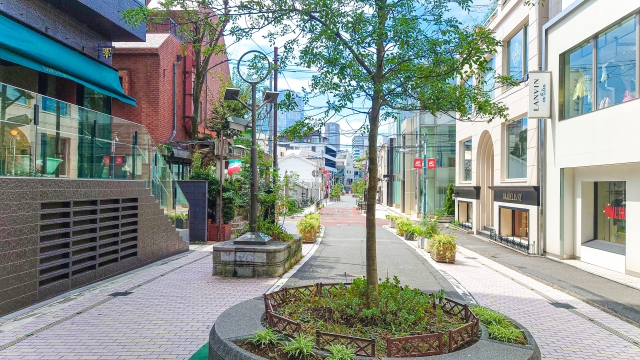
Cat Street is a promenade extending from Jingumae 3-chome to 5-chome in Shibuya Ward, Tokyo. Its official name is the "Old Shibuya River Promenade."

Located on a backstreet off Meiji-dori toward Omotesando, it serves as a vital route connecting Tokyo's two major fashion hubs: Shibuya and Harajuku.

The Origin of the Name "Cat Street"

There are several theories regarding the name "Cat Street." Here are some of the most prominent ones:

•Many cats used to live along the former Shibuya River.

•The path is narrow and winding, much like a cat.

•It was the birthplace of the band "Black Cats."

Characteristics of Cat Street

The most defining feature of Cat Street is the coexistence of a "backstreet vibe" with a "sophisticated atmosphere." Unlike the glamorous main thoroughfare of Omotesando, Cat Street has a unique, laid-back aura.

Often referred to as "Ura-Harajuku" (Hidden Harajuku), Cat Street has nurtured a distinct culture that sets it apart from main streets like Omotesando or Takeshita Street.

FeatureDetails
Pedestrian-First DesignMinimal car traffic, providing a relaxed space for strolling.
Unique ShopsA mix of world-famous brands and small, independently owned boutiques.
Diverse Cafes & RestaurantsEateries blending Japanese tradition with modern flair.
Art & ArchitectureCreative building designs and street art to enjoy.
International AtmosphereA popular spot for tourists, serving as a hub for international exchange.


History and Evolution: From a River to a Trendsetting Hub

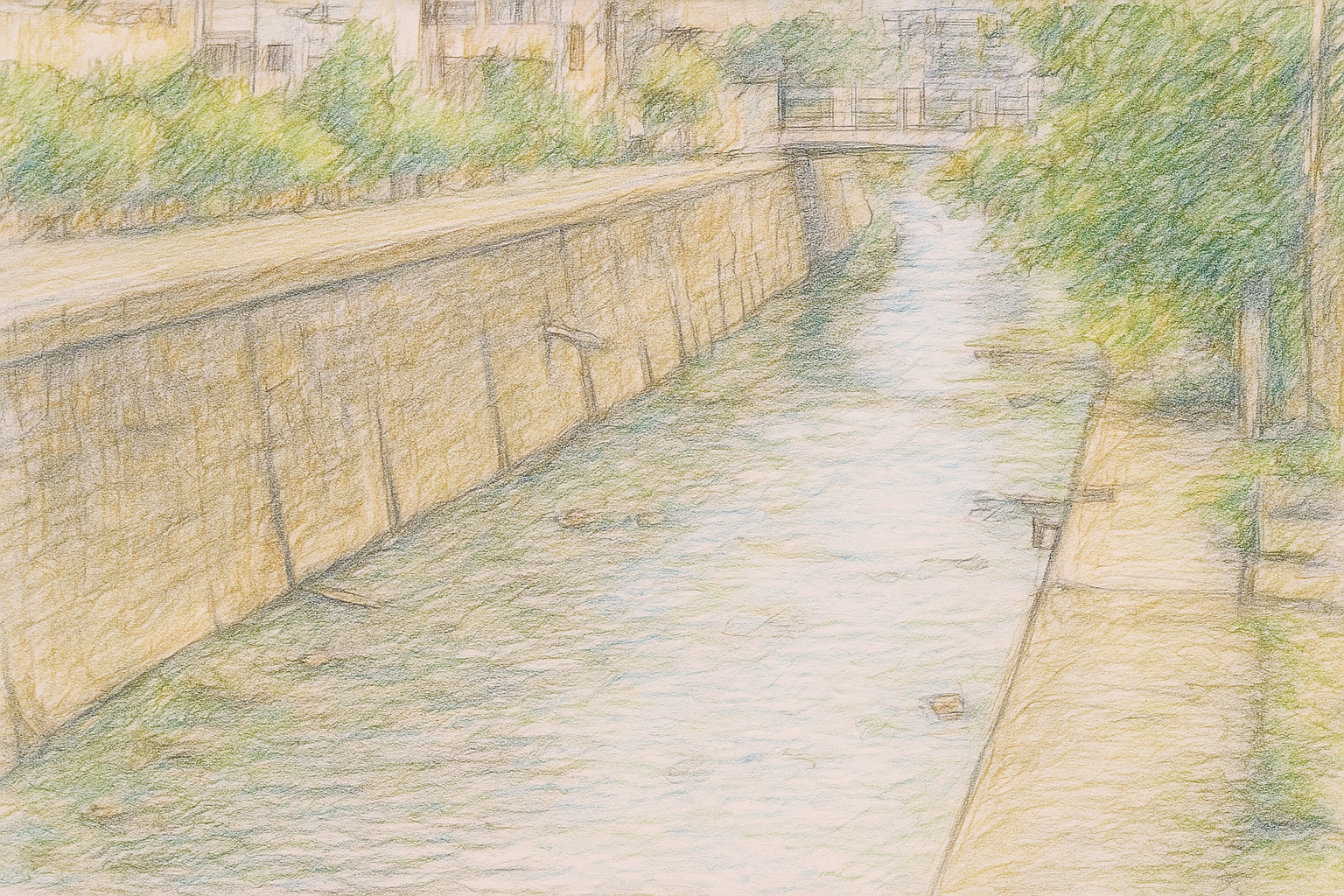
Where Cat Street stands today, the Shibuya River (Onden River) once flowed. Understanding this history adds a deeper layer of appreciation for the street's special charm.

From Waterwheels to Modern Streets

During the Meiji era, this area was bustling with waterwheels used for rice milling. These waterwheels were even depicted in Katsushika Hokusai’s famous ukiyo-e series, Thirty-six Views of Mount Fuji.

It is also said that the famous Japanese nursery rhyme "Haru no Ogawa" (The Spring Brook) was inspired by the Shibuya River.

As times changed, the Shibuya River was diverted underground (culverted) as part of urban development for the 1964 Tokyo Olympics. The "Old Shibuya River Promenade" built on top of it became the foundation for today's Cat Street.

Development into a Fashion Epicenter

Through the 1970s and 80s, the area gradually gained attention as a testing ground for fashion and culture.

In the 1990s, the "Ura-Harajuku" street fashion movement emerged, with Cat Street at its center. Since the 2000s, major domestic and international brands have opened shops here, further boosting its global profile. Today, it is a premier destination for international tourists to experience Japanese street culture.

Heritage and Growth

The beauty of Cat Street lies in its constant evolution. While embracing the latest trends, it continues to play a crucial role in Tokyo's fashion scene as a place that preserves its unique culture.


How to Get to Cat Street: Easy Access from Central Tokyo

Cat Street is conveniently located and easily accessible from Tokyo's major tourist areas.

Nearest Stations

StationWalking DistanceLines
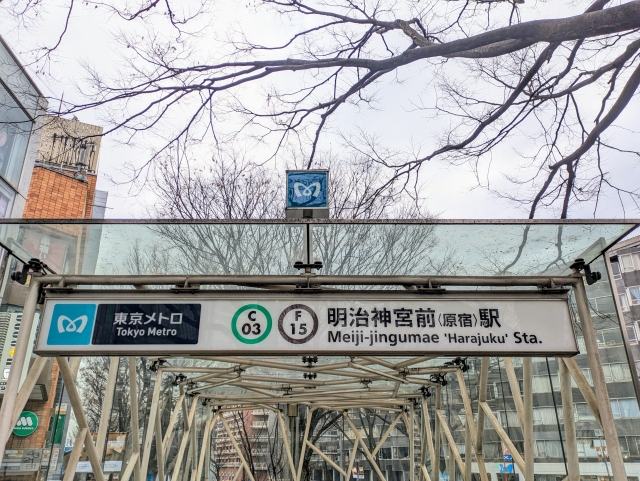
Meijijingu-mae Station3 minutesTokyo Metro Chiyoda & Fukutoshin Lines
Omotesando Station5 minutesTokyo Metro Ginza, Chiyoda & Hanzomon Lines
Harajuku Station7 minutesJR Yamanote Line
Shibuya Station7 minutesJR Lines, Tokyo Metro Lines, Keio Inokashira Line


Specific Access Routes

•From Harajuku Station: Exit via the Takeshita Exit, walk straight through Takeshita Street to Meiji-dori, turn left toward "Laforet Harajuku," and enter Cat Street via the stairs on your left just before Laforet.

•From Shibuya Station: Exit via the Miyamasuzaka Exit (East Exit), walk north along Meiji-dori, and find the entrance to Cat Street on your right before the Jingumae intersection.

•From Meijijingu-mae Station: Use Exit 4, walk slightly north toward Omotesando, and the entrance will be on your left.

Cat Street has multiple entry points, allowing you to flexibly integrate it into your sightseeing plans—for example, starting in Harajuku and ending in Omotesando.


Must-Visit Spots on Cat Street

Cat Street is home to numerous fascinating shops and cafes. Here are some top picks for international visitors.

Fashion Brands & Shops

•Supreme: The quintessential street fashion brand. Many collectors visit for Japan-exclusive items.

•RAGTAG Harajuku: One of Japan's largest designer resale shops. It offers a high-quality selection unique to Japanese curated stores.

•BEAMS: A leading Japanese multi-brand boutique featuring excellent designers from Japan and abroad.

•A.P.C.: A French casual brand known for its simple and sophisticated designs.

•NIKE HARAJUKU: A magnet for fans seeking Japan-exclusive sneakers and Tokyo-themed designs.

Stylish Cafes & Restaurants

•THE ROASTERY by Nozy Coffee: A popular cafe serving authentic in-house roasted coffee. A must-visit for coffee lovers.

•MICASADECO & CAFE: A trendy spot famous for its colorful and "Instagrammable" pancakes.

•bills Omotesando: A world-renowned breakfast spot from Australia. Their ricotta pancakes, dubbed the "world's best breakfast," are exquisite.

•ZARATA: A Spanish restaurant focusing on seafood, where you can enjoy a relaxed meal on the terrace.

•THE MATCHA TOKYO: A specialty shop offering various sweets and drinks made with high-quality Japanese matcha.

Culture & Art Spots

•Design Festa Gallery: A multi-purpose art space showcasing works by emerging artists. With frequently changing exhibitions, there is always something new to discover.

•Cat Street Gallery: A gallery bearing the street's name, featuring contemporary art exhibitions.

•GYRE: A unique complex that houses not only shops but also art and design exhibition spaces.

Unique Architecture

•TOD'S Omotesando Building: Designed by architect Toyo Ito, this building features a striking exterior inspired by trees.

•Omotesando Hills: A shopping mall between Cat Street and Omotesando. Designed by Tadao Ando, it embodies the harmony between the city and nature.

When visiting Cat Street, we recommend enjoying not just the shopping, but also the architectural designs and the streetscape itself. Each section has a different vibe, so take your time to feel the transition as you stroll.


The Charm of Cat Street by Season

Cat Street shows different faces depending on the season. Here is how to enjoy it based on when you visit.

Spring (March–May)

In spring, Cat Street takes on a special atmosphere as it coincides with the cherry blossom season in the surrounding areas. We recommend strolling here along with the cherry blossoms at Omotesando or the Meiji Jingu Gaien. Additionally, new fashion collections hit the shelves during this time, and the street's fashion becomes even more vibrant.

•April: Fashion Week-related events

•May: DESIGN FESTA

Summer (June–August)

Japanese summers are humid and hot, but Cat Street has buildings that provide shade, making it relatively comfortable to walk. Many cafes offer terrace seating, so it's nice to take a break with a cold drink.

•Cafes serving summer-exclusive sweets like shaved ice (kakigori) and gelato.

•Select shops carrying summer yukata and Japanese-style accessories.

Autumn (September–November)

Autumn is the most pleasant season in Tokyo. In addition to enjoying autumn fashion around Cat Street, shops begin to display new arrivals for winter.

•Pop-up stores and special displays during the Halloween season (October).

•Seasonal menus at cafes featuring autumn flavors.

Winter (December–February)

In winter, Cat Street is decorated with illuminations, creating a romantic atmosphere. Especially during the Christmas season, the decorations at each shop become lavish, making even a simple stroll enjoyable.

•Christmas markets and limited-time shops.

•Breaks at cafes where you can enjoy warm drinks.


Practical Information and Tips for International Tourists

Here is some practical information to help you enjoy Cat Street more comfortably.

Language Support

Many shops and cafes on Cat Street can communicate in basic English. Especially at brand shops popular with international tourists, English-speaking staff are often on hand.

Furthermore, an increasing number of cafes have English menus, so you can enjoy yourself without feeling a language barrier.

Wi-Fi Environment

Around Cat Street, many cafes and stores provide free Wi-Fi. Internet connection is available particularly in the following locations:

•Starbucks Coffee (multiple locations along Cat Street)

•Omotesando Hills

•Laforet Harajuku

Additionally, the free Wi-Fi service for international visitors, "Japan Connected-free Wi-Fi," is available in some areas.

Payment Methods

Credit cards and electronic payments are widely accepted at stores on Cat Street. The following payment methods are available at many shops:

•Major credit cards such as VISA, MasterCard, American Express, and JCB.

•Apple Pay, Google Pay.

•PayPay, LINE Pay (Japanese electronic payment services).

•UnionPay (China), Alipay, WeChat Pay.

However, some small cafes or street stalls may only accept cash, so it is safer to carry a small amount of Japanese Yen.

Best Time to Visit

If you are visiting Cat Street, the following times are recommended:

•Weekday mornings (10:00 AM – 12:00 PM): Relatively uncrowded, allowing for a leisurely stroll.

•Weekday afternoons (2:00 PM – 4:00 PM): A time when there are fewer students and office workers.

•Early morning on weekends and holidays: It becomes very crowded in the afternoon, so visiting right after opening is recommended.

Points to Note and Etiquette

Be sure to ask for permission before taking photos inside stores. Photography may be prohibited, especially in small boutiques or art exhibitions.

Eating while walking is generally not favored in Japan. Please enjoy your food and drinks inside cafes or in designated rest areas.

Japan is known for having few trash cans on the streets. Generally, you should take your trash home or use the trash cans in cafes or convenience stores.

The area around Cat Street is basically non-smoking. Smoking is only permitted in designated smoking areas.


Sightseeing Model Courses Combining Cat Street and Surrounding Areas

Here are model courses to efficiently visit major sightseeing spots around Cat Street. We have prepared a half-day course and a full-day course.

Half-Day Model Course: "Cat Street & Harajuku Express" (Approx. 3–4 hours)

•Start by walking 3 minutes from Meiji-jingumae Station to Cat Street.

•Stroll around, focusing on fashion brands and general goods stores.

•Take a break at THE ROASTERY by Nozy Coffee or MICASADECO & CAFE.

•Visit art galleries and select shops.

•Experience pop culture at Takeshita Street, the heart of Harajuku culture.

•Head to your next destination from JR Harajuku Station.

Full-Day Model Course: "Tokyo Fashion & Culture Tour" (Approx. 7–8 hours)

•Experience the vitality of Tokyo at the world-famous Shibuya Crossing.

•A 15-minute walk, enjoying the scenery of Meiji-dori along the way.

•Start from the Shibuya side and stroll toward Harajuku.

•Enjoy a leisurely lunch at bills Omotesando or ZARATA.

•Stroll through Omotesando Hills, located right next to Cat Street.

•Leave the hustle and bustle of Harajuku behind and experience traditional Japanese culture at the lush Meiji Jingu Shrine.

•Experience youth culture in the heart of Harajuku.

•Take the Yamanote Line from JR Harajuku Station to Shinjuku and enjoy Shinjuku at night.

These model courses are designed to let you efficiently experience various aspects of Tokyo. Feel free to arrange them according to your interests and energy levels.


Must-Eat Gourmet and Cafes on Cat Street

Cat Street and its surroundings offer a variety of eateries where you can experience Tokyo's trendy food scene. Here are some shops popular with international tourists, categorized by genre.

Cafes & Sweets

A cafe whose signature dish is fluffy pancakes. Limited-time menus using seasonal fruits are also popular. Recommended items: Ricotta cheese pancakes, seasonal fruit pancakes.

A specialty shop where you can enjoy sweets and drinks made with high-quality matcha. It offers a modern twist on traditional Japanese matcha culture. Recommended items: Matcha parfait, matcha latte, matcha sweets box.

A popular cafe known for its "Miracle Pancakes." The souffle pancakes, made with a special recipe, are characterized by their fluffy texture. Recommended items: Caramel buttermilk pancakes, seasonal fruit pancakes.

Restaurants & Lunch Spots

An Australian cafe-restaurant known for the "world's best breakfast." Recommended items: Ricotta pancakes, full breakfast, scrambled eggs.

A modern dining spot that fuses Asian tastes with Japanese ingredients. Recommended items: Spicy tuna bowl, green curry, garlic shrimp.

A cafe produced by the fashion brand Ron Herman. Its appeal lies in its healthy California-style menu. Recommended items: Avocado toast, acai bowl, organic coffee.

Takeout Food

A directly managed store of the popular snack manufacturer Calbee. It serves freshly fried potato chips. Recommended items: Freshly fried chips, chocolate-dipped chips.

A tapioca milk tea specialty shop from Taiwan. You can choose from various flavors and toppings. Recommended items: Milk tea with tapioca, fruit tea.

A bakery popular for its crispy croissants. It offers croissants in various flavors. Recommended items: Plain croissant, chocolate croissant, almond croissant.

Evening Dining & Bars

A sophisticated grill and bar near Omotesando Hills. The view from the terrace is also wonderful. Recommended items: Grilled Aussie beef, seafood platter, craft cocktails.

A stylish cafe produced by the Paris-based fashion brand "Maison Kitsuné." It is also popular as a bar at night. Recommended items: Kitsuné latte, French wine, small plates.

Restaurants around Cat Street often require reservations, so we recommend booking in advance for particularly popular spots. Also, since many cafes have limited seating, visiting on weekdays is best to avoid crowds.


Shopping on Cat Street

Cat Street is a place where unique fashion sense and design converge. Here, we introduce items and souvenirs that can only be found here.

Japanese Brands & Designer Items

A leading Japanese select shop. You can find works by domestic designers and limited collaboration items. Recommended: BEAMS original T-shirts, collaboration items with Japanese designers.

A Japanese brand designed by Jun Takahashi. It is characterized by avant-garde designs. Recommended: Graphic T-shirts, creative accessories.

A world-famous Japanese brand designed by Rei Kawakubo. It is known for its avant-garde designs and originality. Recommended: PLAY series heart logo T-shirts, wallets, fragrances.

A brand representing Japanese street culture. High-quality materials and craftsmanship shine through. Recommended: Denim items, military-inspired jackets.

A Japanese brand characterized by military-style designs. Its products, which are simple yet focused on detail, are popular. Recommended: Logo T-shirts, military jackets, caps.

Unique Goods & Souvenirs

A select shop focusing on Tokyo culture and art. You can find unique souvenirs here. Recommended: Tokyo-themed small items, artist collaboration goods.

It carries highly designed Tokyo souvenirs that set themselves apart from conventional tourist souvenirs. Recommended: Designer tenugui (hand towels), modern maneki-neko (beckoning cats), small items with Japanese culture motifs.

A brand from Kyoto that is popular for items featuring traditional Japanese fabrics and patterns arranged in a modern way. Recommended: Tabi-style sneakers, Japanese-patterned pouches, tenugui.

Limited Edition and Collector's Items

A select shop centered on sneakers. You can find Japan-exclusive models and items that are difficult to obtain overseas. Recommended: Japan-exclusive sneakers, collaboration models.

A directly managed store of the Japanese street brand "A BATHING APE." Japan-exclusive T-shirts and accessories are popular. Recommended: Tokyo-exclusive APE HEAD goods, camo-patterned items.

The Tokyo store of the New York-based skate brand. Its Japan-exclusive items and releases attract attention from fans worldwide. Recommended: Limited collaboration T-shirts, accessories.

Vintage & Second-hand Fashion

A Japanese recycle shop handling second-hand high-end brands. You can get popular brand items in good condition at lower prices than usual. Recommended: Second-hand Japanese designer brands, Japan-exclusive models of international brands.

A select shop that carries curated vintage items. You might come across one-of-a-kind finds. Recommended: Japanese fashion items from the 80s and 90s, vintage denim jackets.

A recycle shop with a selection of brand-name goods in good condition. There are many carefully selected products, so even first-time buyers can purchase with confidence. Recommended: Vintage LOUIS VUITTON, CHANEL, Japanese designer brands.

Shopping Advice

•Price Display: In Japanese stores, prices are often displayed including tax, but they may also be eligible for tax exemption.

•Sizing: Japanese sizing is slightly smaller compared to Europe and the US. We recommend trying on clothes before purchasing.

•Business Hours: Many stores are open from around 11:00 AM to 8:00 PM, but this varies by store.

•Tax-Free Shopping: Many stores offer tax exemption for purchases of 5,000 yen or more, so we recommend bringing your passport.


Events and Culture of Cat Street

Various events and cultural activities are held around Cat Street throughout the year. Here are some you should check out depending on the timing of your visit.

Major Seasonal Events

A major event in the Japanese fashion industry. Pop-up events are also held around Cat Street.

One of Asia's largest art events. Many related events are held in the Harajuku and Omotesando areas.

A summer festival held in Omotesando and the surrounding area. You can enjoy food stalls and traditional performances.

Sales are held at many brand shops on Cat Street.

A Halloween parade held in the Omotesando–Harajuku area. It's a chance to see creative costumes.

The zelkova trees along Omotesando are lit up, creating a romantic atmosphere.

The year-end and New Year sale season. Significant discounts can be expected at many shops.

Permanent Cultural Spots

In addition to shopping, exhibitions and art events are held regularly.

A gallery space where exhibitions of works by young artists change frequently.

A culture-disseminating space where diverse events such as exhibitions, talk events, and workshops are held.

Crossover of Fashion and Culture

The charm of Cat Street lies in its diversity, which blurs the boundaries between fashion and culture. Notable crossover events include:

Collaboration events between Japanese contemporary artists like Takashi Murakami and fashion brands are frequently held.

Pop-up stores that appear for a limited time offer exclusive items and unique experiences. You can check the latest information on SNS with the hashtags "#CatStreet" or "#キャットストリート".

Street musicians and performers sometimes gather, especially on weekends.


Instagrammable Photo Spots on Cat Street

Cat Street has many photogenic locations. Here are some special spots you'll want to post on SNS.

Architecture and Streetscapes

The area around the stairs entering from the Meiji-dori side is an iconic photo spot for Cat Street. A composition looking down the street from the top of the stairs is particularly popular.

An architectural design characterized by L-shaped concrete "branches." Taking a photo in front of the building is a must.

Monuments indicating the former existence of the Shibuya River are photo spots where you can feel the history of Cat Street.

Cafe & Food Photo Spots

Vibrant green matcha sweets are beautiful and look great in photos. The white-themed interior also makes for a stylish photo background.

Colorful and artistic pancakes have become a staple for SNS posts.

The world's best ricotta pancakes and the open atmosphere of the shop are perfect for photos.

Art & Wall Art

The art pieces exhibited inside the building change regularly, so there are new discoveries every time you visit.

Temporary murals and street art occasionally appear along the street. If you find one, be sure to capture it in a photo.

Exhibited works change frequently, providing constant encounters with new art.

Best Timing for Photography

•Early morning (8:00 AM – 10:00 AM): Fewer people, and the soft morning light creates beautiful photos.

•Golden hour in the evening (4:00 PM – 5:30 PM, varies by season): Warm light illuminates the streetscape.

•Lightly rainy days: The light reflecting off the wet road surface and the scenery of umbrellas show a different side of Cat Street.

Precautions When Taking Photos

•Be sure to ask for permission before taking photos inside stores.

•Be mindful of the portrait rights of passersby; avoid posting photos where individuals can be identified on SNS, or obtain permission.

•When it's crowded, please be considerate of others and avoid obstructing pedestrians while taking photos.


For International Visitors: Experiencing Japanese Culture on Cat Street

Cat Street is a place where you can experience not only cutting-edge fashion but also modern Japanese culture. Here are some cultural experiences geared toward international tourists.

Modern Japanese Fashion Culture

Cat Street is the trendsetting hub for Tokyo fashion. It's an excellent place to observe various fashion styles. Especially on weekends, it bustles with young people enjoying unique fashion.

You can experience the forefront of Japan's unique fashion subcultures, such as Harajuku style and Ura-Hara style.

Modern Japanese Cafe Culture

THE MATCHA TOKYO offers drinks and sweets that give a modern twist to traditional matcha. You can experience a new side of Japanese tea culture.

There are specialty coffee shops like THE ROASTERY where you can experience Japan's meticulous coffee culture.

Japanese Design and Craftsmanship

Shops dealing in design items that interpret traditional Japanese motifs in a modern way are scattered throughout the area.

Workshops and Activities

Short workshops where you can experience Japanese culture, such as making Japanese sweets or indigo dyeing, are held irregularly around Cat Street.

At places like Design Festa Gallery, art events that visitors can participate in are sometimes held.

Tips for Cultural Experiences

•To experience the Japanese spirit of "Omotenashi" (hospitality), feel the attentiveness of the service at select shops and cafes on Cat Street.

•Enjoying communication with Japanese staff is also a cultural experience. It's good to remember basic Japanese greetings.

•By walking from the Omotesando side to the Harajuku side, you can feel the transition from a sophisticated atmosphere to youth culture.


Hidden Gems Around Cat Street

The area around Cat Street has hidden gems that are not often listed in guidebooks. Take a short walk to have a deeper Tokyo experience.

Off-the-Beaten-Path Spots

A small museum located about a 5-minute walk from Cat Street. It has an extensive ukiyo-e collection, allowing you to touch upon traditional Japanese art.

A small path behind Omotesando Hills. Small boutiques and galleries are scattered in a quiet and calm atmosphere.

Although a bit further away, this museum about a 15-minute walk from Omotesando has a wonderful collection of Japanese art. The garden, in particular, is a hidden gem where you can enjoy beauty in every season.

Cafes Popular with Locals

A small cafe popular with local coffee enthusiasts. The baristas' skills are high, making it a must-visit spot for coffee lovers.

A hidden gem of a cafe located in a back alley slightly away from Cat Street. It is a cozy space that serves as a place of relaxation for locals.

Spots to Feel Everyday Japanese Life

A local shopping street that has not become a tourist attraction. You can catch a glimpse of the daily lives of Japanese people. Take a peek into small grocery stores or greengrocers.

A unique sticker shop reflecting Japanese pop culture. it is filled with a sense of humor unique to Japan.

Cat Street at Night

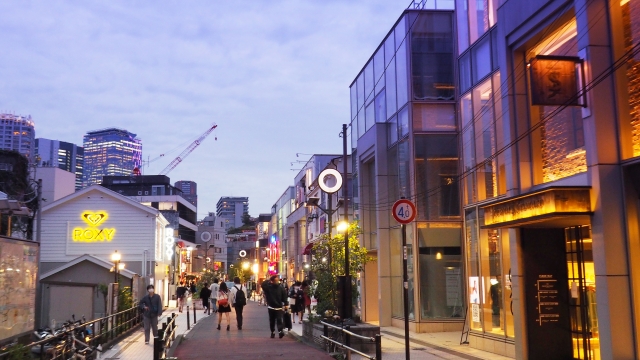
Cat Street at night, showing a different face from the daytime, is also charming. If you visit after many tourists have left, you can enjoy a different atmosphere.

As the sun sets, shops begin to light up, enveloping the area in an atmosphere different from the daytime.

There are cafes and restaurants that function as bars at night, where you can spend a quiet time.


Etiquette for Enjoying Cat Street

Finally, here are some tips for sustainable tourism to preserve the charm of Cat Street for future generations.

Eco-friendly Actions

Japan has many vending machines, and plastic bottle waste tends to be generated. Bring your own bottle to spend your time eco-friendly.

The charging for plastic bags is progressing in Japan. It is convenient to bring an eco-bag when shopping.

Contributing to the Local Community

Visit not only large chain stores but also the small independent shops scattered along Cat Street.

Purchasing works by emerging Japanese designers and artists helps support the creative community.

Cultural Considerations

In Japan, loud conversations in public places are avoided. Enjoy your stroll on Cat Street while being considerate of other visitors.

Avoid taking photos of the inside of stores or people without permission. Personal privacy is highly valued in Japan.

Summary: Advice for Maximizing Your Enjoyment of Cat Street
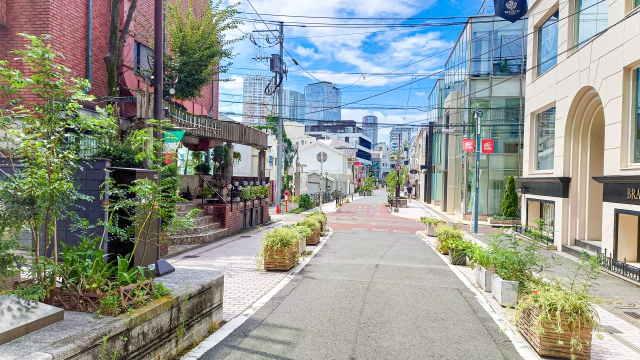
Cat Street is a fascinating spot where Tokyo's fashion, culture, and art intersect. Finally, here is some advice for maximizing your enjoyment of this special place.

Take your time and walk slowlyThe charm of Cat Street lies in the details. Walk without rushing and don't miss the back alleys or small shops.

Revisit in different seasonsTo enjoy the changing faces of each season, we recommend visiting in different seasons if possible.

Value interaction with localsThrough conversations with owners or staff of small shops, you may obtain information not listed in tourist guides.

Be sensitive to trendsCat Street is constantly changing. It's good to check the latest information on SNS or online before visiting.

Enjoy with all five sensesEnrich your Cat Street experience with all your senses—not just sight, but also the aroma of cafes, the music of street performers, and the taste of Japanese sweets.

Cat Street is not just a sightseeing spot; it is a place where Tokyo's creativity and energy are concentrated. By strolling along this street, you will be able to experience a unique culture where Japanese tradition and innovation fuse. Please find your own Cat Street experience.

Cat Street, which has its own world view while being in the heart of Tokyo, will surely become an unforgettable memory of your trip to Japan.


関連記事