Tokyo Rent Prices | Area-by-Area Overview and Key Points - GTN MAGAZINE
日本語
日本語
English

Tokyo Rent Prices | Area-by-Area Overview and Key Points

As one of the world’s leading global cities, Tokyo is a highly attractive place to live for foreign residents, expatriates, and visitors alike — but what does the rental market actually look like?


In this article, we take a closer look at rent prices in Tokyo, explore the characteristics of different areas, and highlight key rental considerations that foreign residents should be aware of.

Tokyo Rent Prices

By global standards, rent in Tokyo is far from cheap. However, due to the recent depreciation of the yen, the cost is no longer as high when viewed in U.S. dollar terms.

According to Mercer’s 2024 Cost of Living Survey, Tokyo ranked 49th among the world’s most expensive cities — a significant drop from its former position within the top 10.

Average Rent by Floor Plan (Converted to USD)

Let’s look at the average rent in Tokyo’s 23 wards, converted into U.S. dollars by floor plan.

Floor Plan

Avg. Rent (JPY)

Avg. Rent

(USD)

Reference Range

Reference Range

(USD)

Studio (1R)70,000–90,000 yen$457–$588By ward: 50,000–130,000 yen$327–$850
1K・1DK80,000–95,000 yen$523–$621By ward: 55,000–142,000 yen$359–$928
1LDK115,000–140,000 yen$752–$915By ward: 75,000–385,000 yen$490–$2,516
2LDK170,000–210,000 yen$1,111–$1,373By ward: 100,000–684,000 yen$654–$4,471
3LDK240,000–300,000 yen$1,569–$1,961By ward: 140,000–850,000 yen$915–$5,556

Source / Reference: Zentaku (National Federation of Real Estate Transaction Associations), Hatomark Site, LIFULL HOME’S Market Report, At Home Co. Market Trends Survey Note: Calculated at USD 1 = 153 yen (as of October 30, 2025)


These are average values, and actual rent can vary significantly depending on factors such as location, building age, and walking distance from the nearest station. Even with the same floor plan, rent may differ greatly between central Tokyo and the suburbs.


Rent Levels by Area

Tokyo’s 23 wards can broadly be grouped into three categories: high-end residential areas, mid-range areas, and more affordable areas.

Let’s take a closer look at each and how their rent levels compare.

High-End Residential Areas

WardAverage Rent for 1K / 1DK (JPY)Average Rent for 1K / 1DK (USD)
Minato142,000 yenapprox. $928.10
Chiyoda140,600 yenapprox. $918.95
Chuo128,000 yenapprox. $836.60
Shibuya107,000–115,000 yenapprox. $699.35–$751.63

Source: Hatomark Site, LIFULL HOME’S, SUUMO, HOME’S / Based on an exchange rate of 1 USD = 153 yen (as of October 30, 2025)


Minato

The most expensive residential area in Tokyo. Neighborhoods like Roppongi, Azabu-Juban, and Aoyama are especially popular among expats and embassy staff, and many foreign companies have offices here.

The international environment makes daily life convenient, with plenty of English-friendly services—though rents are the highest in the city.

Chiyoda

The political and economic heart of Japan, home to major government offices and corporate headquarters. With the Imperial Palace at its center, the area appeals to those who value prestige and convenience.

Chuo

Includes commercial districts such as Ginza and Nihonbashi, known for high-end shopping and excellent public transportation. Ideal for those seeking a sophisticated and urban lifestyle close to Tokyo’s business districts.

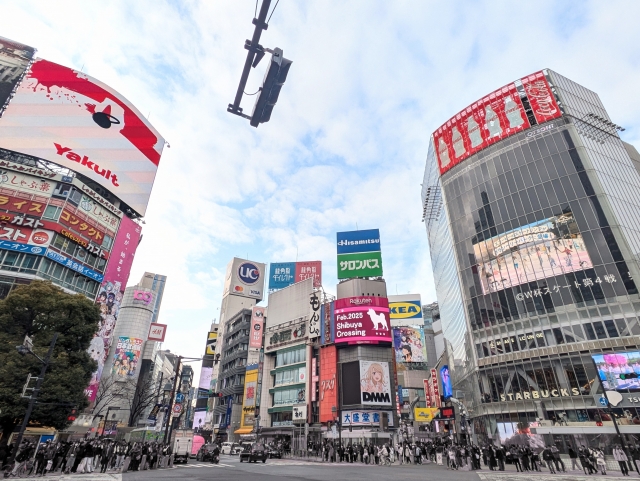
Shibuya

Famous as a youth-oriented district, yet surprisingly livable with many parks, libraries, and community facilities. Stylish neighborhoods like Daikanyama also attract those who prefer a refined atmosphere with a creative edge.


Mid-Range Residential Areas

Ward

Average Rent for 1K / 1DK (JPY)

Average Rent for 1K / 1DK (USD)

Shinjuku99,700 yenapprox. $651.63
Meguro95,000–105,000 yenapprox. $620.92–$686.27
Bunkyo90,000–100,000 yenapprox. $588.24–$653.59

Sources: LIFULL HOME’S, SUUMO, HOMES / Exchange rate: 1 USD = 153 yen (as of October 30, 2025)


Shinjuku

A major business center that offers more moderate rents compared to Minato or Shibuya. The area has extensive shopping and dining, along with excellent transportation access.

Shinjuku is also one of the Tokyo districts with a high number of foreign residents, giving it an international character.

Meguro

Known for its green and calm residential neighborhoods and its stylish, laid-back feel. It also offers convenient access to central Tokyo.

Bunkyo

An academic and cultural area with many universities and libraries.

The environment is quiet and orderly, and the district is considered safe, making it a stable residential choice.


Affordable Areas

Ward

Average Rent for 1K / 1DK (JPY)

Average Rent for 1K / 1DK (USD)

Katsushika64,300 yenapprox. $420.26
Adachi65,700 yenapprox. $429.41
Itabashi55,800–69,800 yenapprox. $364.71–$456.21
Nerima69,800 yenapprox. $456.21

Source: Hatomark Site, LIFULL HOME’S, SUUMO, HOMES Note: USD calculated at 1 USD = 153 JPY (as of October 30, 2025)


Katsushika

Katsushika has the lowest average rent among the 23 wards and is known as a family-friendly area. It borders Chiba and Saitama, making travel to neighboring prefectures convenient.

Adachi

Adachi offers abundant greenery and relatively low living costs, contributing to its reputation as an easy place to live. Several train lines run through the area, providing reasonably good access to central Tokyo.

In recent years, improvements in the residential environment have made it increasingly popular among foreign residents as well.

Itabashi

Although Itabashi is slightly farther from central Tokyo, rental prices remain affordable. With around 300 parks and 100 shopping streets, the area offers both convenience and plenty of green spaces.

Nerima

Nerima has many residential neighborhoods and relatively moderate rental prices, making it an appealing option for those seeking a calm living environment.

It also has a large number of parks and farmland, and is considered one of the greenest areas in Tokyo.


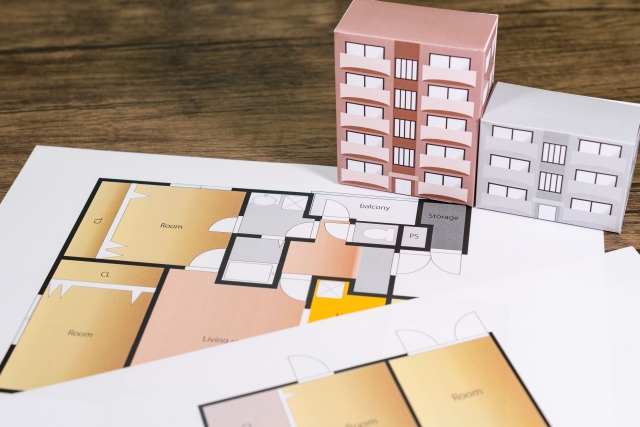
Understanding Japanese Floor Plan Labels

When searching for apartments in Japan, floor plan labels can be confusing at first.

Below are the most common abbreviations you’ll encounter:

  • R = Room (ワンルーム / Studio): “1R” refers to a studio-type layout with a single room. Typical size: 13–20㎡
  • K = Kitchen: “1K” indicates a studio layout with a separate kitchen area. Typical size: 13–25㎡
  • DK = Dining Kitchen: “1DK” consists of a dining kitchen separate from another room. Typical size: 25–30㎡
  • LDK = Living Dining Kitchen: “1LDK” includes one bedroom plus a combined living, dining, and kitchen space. Typical size: 23–35㎡


Numbers indicate the number of bedrooms, so “2LDK” means two bedrooms plus an LDK area.


Initial Costs Required for Renting an Apartment

When renting a property in Japan, there are several upfront costs.

ome of these are unique to the Japanese rental system, so it is important to understand them in advance.

Security Deposit (敷金)
 

A refundable deposit used to cover repair costs at move-out or unpaid rent. Typically equivalent to one month’s rent.

Advance Rent (前家賃)

Rent paid before moving in, usually 1–2 months in advance.

Key Money (礼金)

A non-refundable payment made to the landlord as a gesture of appreciation. While increasingly optional, it often amounts to 1–2 months’ rent.

Guarantor Company Fee (保証会社費用)

Because Japanese leases generally require a guarantor, many foreign residents use a guarantor company instead. The cost is typically 0.5–1 month’s rent.

Agency Fee (仲介手数料)

A fee paid to the real estate agency, usually equivalent to one month’s rent plus tax.

In total, initial expenses can amount to approximately 4–6 months’ rent, so it is recommended to budget accordingly.


Factors That Influence Rent Prices

Building Age

Newer buildings tend to have higher rents. In Japan, many people in their 30s prefer newly built apartments and are willing to pay a premium. However, choosing properties built 10–20 years ago (still relatively modern) can significantly reduce monthly costs.

Housing Type

In addition to standard rental apartments, other options include:

  • Share Houses:Private rooms with shared common areas. In Tokyo, typical monthly rent ranges from 45,000–60,000 yen (approx. $294–$392).
  • Guest Houses (Foreign Resident–Oriented Housing):Suitable for both short- and long-term stays, with lower upfront costs. Shared-style properties in Tokyo typically range from 40,000–100,000 yen (approx. $261–$653) per month.


Location & Accessibility

Proximity to the nearest train station has a major impact on pricing. Many residents prefer properties within 5–10 minutes on foot from the station, which increases rent. Choosing a place 15–20 minutes away can significantly reduce costs.

Additional elements that affect rent include:

  • Pet-friendly properties (often require extra deposits)
  • Whether the unit has air conditioning
  • Availability of parking
  • Presence of an elevator
  • Corner units (often more expensive)
  • Security features
  • Floor level (higher floors tend to cost more)


Utilities and Living Expenses

In addition to rent, it is important to understand monthly utility and living expenses.

Average Monthly Utility Costs


CategoryAvg. Cost (JPY)Avg. Cost (USD)Reference Range (JPY)Reference Range (USD)
Electricity6,529 yenapprox. $42.675,500–8,500 yenapprox. $35.95–$55.56
Gas2,908 yenapprox. $19.012,500–4,000 yenapprox. $16.34–$26.14
Water2,219 yenapprox. $14.502,000–2,500 yenapprox. $13.07–$16.34
Internet4,000–6,000 yenapprox. $26.14–$39.223,000–8,000 yenapprox. $19.61–$52.29
Mobile Phone3,000–5,000 yenapprox. $19.61–$32.682,000–8,000 yenapprox. $13.07–$52.29
Total Utilities12,816 yenapprox. $83.7611,000–15,000 yenapprox. $71.90–$98.04

Source: Ministry of Internal Affairs and Communications Household Survey, various provider surveys, e-Stat “Household Survey — Expenditure for Single-Person Households, 2024” (Japanese)

Note: USD conversion based on 1 USD = 153 yen (as of October 30, 2025).


Estimated Monthly Food Expenses

Food Habit平均額(円)Avg. Cost (USD)Reference Range (JPY)Reference Range (USD)
Mostly Cooking at Home30,000–40,000 yenapprox. $196.08–$261.4425,000–50,000 yenapprox. $163.40–$326.80
Cooking + Eating Out40,000–50,000 yenapprox. $261.44–$326.8035,000–60,000 yenapprox. $228.76–$392.16
Mostly Eating Out60,000–80,000 yenapprox. $392.16–$522.8855,000–100,000 yenapprox. $359.48–$653.59
Overall Average45,277 yenapprox. $296.5840,000–50,000 yenapprox. $261.44–$326.80

Source: Ministry of Internal Affairs and Communications Household Survey; Tokyo Metropolitan Government “Tokyo Residents’ Living Conditions” Household Expenditure Survey

Note: USD conversion based on 1 USD = 153 yen (as of October 30, 2025).


Transportation Costs

For commuting or attending school, it is common to purchase a commuter pass. Many companies in Japan partially or fully cover transportation expenses for employees.

ItemAvg. Cost (JPY)Avg. Cost (USD)Reference Range (JPY)Reference Range (USD)
Single Ride (within Tokyo)170–250 yenapprox. $1.11–$1.63base fare〜
Monthly Commuter Pass10,000–15,000 yenapprox. $65.36–$98.046,800–17,670 yenapprox. $44.44–$115.59

Source: Tokyo Metro, Toei Subway, JR East official websites

Note: USD conversion based on 1 USD = 153 yen (as of October 30, 2025).


Key Points for Foreign Residents When Searching for an Apartment

Required Documents

When renting a property in Japan, it is recommended to prepare the necessary documents in advance:

  • Passport
  • Residence Card
  • Student ID or Letter of Acceptance (for students)
  • Certificate of Employment or Work Visa Documentation (for working residents)
  • Proof of Income (or parental income for students)
  • Japanese phone number
  • Japanese bank account
  • Emergency contact information

Real Estate Websites for Foreign Residents

Using multilingual real estate websites can make the search process much smoother.

Best-Estate

A foreign resident–focused real estate platform available in seven languages. It allows users to sign contracts from overseas and also lists properties without penalty fees for early cancellation.


Tips for Saving on Rent in Tokyo

Choose a Property Farther from the Station

Apartments located more than 10 minutes on foot from the nearest station tend to be significantly cheaper. Using a bicycle can help offset the inconvenience.

Consider Older Buildings

Properties built more than 10 years ago are generally less expensive than newly built units. Renovated apartments offer upgraded interiors and equipment without the higher price.

Look Beyond the 23 Wards

Nearby prefectures such as Kanagawa, Chiba, and Saitama offer much lower rents. Although commuting may take around an hour, the cost-effectiveness is high.

Use Share Houses

Share houses are a budget-friendly option, especially for short stays or limited budgets. They can also make it easier to build a community and adjust to life in Japan.

Search for “No Key Money” Properties

In recent years, the number of apartments without key money has increased. For those looking to reduce initial expenses, filtering listings by this condition can be effective.


Q&A: Renting an Apartment in Tokyo

Q: Can foreign residents rent an apartment in Japan?

A: Yes. However, documents such as a Residence Card and proof of income are required, and it is common to use a guarantor company instead of securing a personal guarantor. Using a real estate agency that accommodates foreign residents can make the process smoother.

Q: Are Japanese rental properties furnished?

A: Most rental units in Japan are unfurnished and typically do not include appliances such as refrigerators or washing machines. However, furnished options are available through foreign resident–oriented listings and serviced apartments.

Q: What is the typical lease period?

A: The standard lease term is two years. At renewal, a renewal fee—generally equivalent to one month’s rent—is often required.

Q: What is key money? Is it refundable?

A: Key money is a non-refundable payment made to the landlord as a form of gratitude. It originated after World War II during a period of housing shortages and remains a common practice today.

Q: Can I rent an apartment without Japanese language skills?

A: Yes. It is possible to rent through English-speaking real estate agencies or services specializing in foreign residents. Platforms such as GaijinPot Apartments and Best-Estate offer multilingual support.


Summary

While Tokyo’s rental prices rank among the higher end globally, costs vary considerably depending on the area. Central districts such as Minato and Chiyoda tend to be expensive, while more suburban districts like Itabashi and Katsushika offer more affordable options.


When searching for an apartment, adjusting criteria such as distance from the nearest station or building age can significantly lower monthly rent. It is also important to keep in mind that initial costs often amount to four to six months’ rent.


Using real estate services that support foreign residents can help overcome language barriers and make the process smoother. We hope this information helps you find the ideal home and start a comfortable new life in Tokyo.


関連記事