Using Electricity in Japan: A Comprehensive Guide for Foreign Visitors - GTN MAGAZINE
日本語
日本語
English

Using Electricity in Japan: A Comprehensive Guide for Foreign Visitors

For foreign visitors considering travel or extended stays in Japan, understanding how to use electricity properly is essential for a comfortable experience. Having a good grasp of Japan's electrical system beforehand can help you avoid various troubles. This article provides detailed explanations about using electricity in Japan, covering everything from voltage and frequency differences to specific usage methods and safety measures.

Japan's Electrical System

Japanese electrical outlet

Unique Voltage and Frequency Specifications

Japan's household electrical system operates at 100V, which is quite unusual from a global perspective. Since most countries use 220V-240V as standard, special attention is required when using electrical appliances brought from overseas.

What makes Japan even more distinctive is that different regions use different frequencies within the country:

  • Eastern Japan (north of Shizuoka): 50Hz
  • Western Japan (south of Shizuoka): 60Hz

This regional difference stems from historical circumstances during the Meiji period, when Tokyo introduced German-made generators (50Hz) while Osaka adopted American-made ones (60Hz). Most modern Japanese electrical appliances are designed to work with both frequencies, but verification may be necessary for older or specialized equipment.

Outlet Shape (Plug Type)

Japanese outlets use what's called Type A configuration, featuring two parallel flat blade plugs. While this is the same shape as used in the United States, the voltage difference requires careful attention.

There are eight different plug types used worldwide, with the following shapes used outside Japan:

  • Type B: Three-pin with ground pin
  • Type C: Round pins commonly used in Europe
  • Type BF: Square three-pin used in the United Kingdom

Using Foreign Electrical Appliances in Japan

Checking Voltage and Response Methods

Before using electrical appliances brought from overseas in Japan, always check the following:

Check ItemDetails
Compatible VoltageCheck "INPUT" or "Rating" information on the product or manual
Power ConsumptionVerify W (watt) rating
Plug ShapeConfirm compatibility with outlets

Usage Methods by Voltage Compatibility

1. 100V Dedicated Products

  • Can be used directly in Japan
  • Some American products fall into this category

2. 100V-240V Compatible Products

  • Can be used directly without a transformer
  • Most modern smartphone chargers and laptop computers fall into this category

3. 220V-240V Dedicated Products

  • Require a step-up transformer
  • Many overseas beauty appliances and electric kettles fall into this category

Choosing a Transformer

When selecting a transformer, it's safe to choose one with a capacity larger than the power consumption of the electrical appliance you plan to use. For example, a 150W or higher transformer should be used for a 100W appliance.

Types and Characteristics of Transformers

TypeFeaturesApplicable DevicesPrice Range
Compact Travel TypeLightweight, portableSmartphone chargers, small appliances¥2,000-5,000
Medium Home TypeStability-focusedHair dryers, electric kettles¥5,000-15,000
Large Commercial TypeHigh capacity supportRefrigerators, washing machines¥15,000+

Using Conversion Plugs

When plug shapes differ, use conversion plugs. These can be purchased at electronics stores or online shops, with prices ranging from ¥500 to ¥2,000.

Where to Buy Electrical Appliances

Electronics store in Japan

Tips for Purchasing at Electronics Stores

When purchasing electrical appliances in Japan, the following stores are recommended:

Characteristics of Major Electronics Retailers

Store NameFeaturesServices for Foreigners
Bic CameraExcellent multilingual supportTax-free service, foreign language staff
Yamada DenkiPrice negotiation possibleSome stores offer foreign language support
EdionCommunity-focusedSome stores capable of English support
K's DenkiAfter-service focusedSome multilingual brochures available

Important Points When Purchasing

1. Confirming Voltage Specifications

  • Distinguishing between overseas specifications (export model) and domestic specifications
  • Differences in warranty coverage

2. Tax-Free Procedures

  • Bring passport
  • Tax-free eligible for purchases above certain amounts
  • Distinction between consumables and general goods

3. Price Negotiation Tips

  • Simultaneous purchase of multiple items
  • Present prices from other stores
  • Purchase during fiscal year-end periods (March, September)

Precautions for Online Purchases

When shopping online through Amazon, Rakuten, and similar platforms, pay attention to the following:

  • Seller verification: Whether it's an authorized retailer
  • Product description: Clear voltage specifications
  • Delivery destination: Possibility of delivery to accommodation
  • Return conditions: Response to initial defects

Japan's Electricity Billing System

Electric meter

Structure of Electricity Bills

Japanese electricity bills consist of the following components:

ItemDescriptionMonthly Estimate
Basic ChargeFixed cost based on contracted amperage¥800-2,500
Electricity Usage ChargeUsage-based metered rate¥1,500-5,000
Fuel Cost AdjustmentAdjustment for fuel price fluctuationsVariable
Renewable Energy LevyUsage × levy rate¥1,000-1,500

Regional Power Companies

Japan has different power companies for each region:

Eastern Japan Area

  • Tokyo Electric Power (Kanto region)
  • Tohoku Electric Power (Tohoku region)
  • Hokkaido Electric Power (Hokkaido)

Western Japan Area

  • Kansai Electric Power (Kansai region)
  • Chubu Electric Power (Chubu region)
  • Kyushu Electric Power (Kyushu region)

Electricity Contract Procedures for Foreigners

For Short-term Stays

  • Hotels and guesthouses are commonly used
  • Electricity costs are included in accommodation fees
  • Individual contracts are unnecessary

For Long-term Stays/Residential Contracts

  • Resident registration required
  • Identification documents (passport, residence card)
  • Japanese bank account or proof of payment capability

Required Documents for Contracts

DocumentShort-term StayLong-term Stay
Passport
Residence Card
Resident Registration×
Bank Account
Emergency Contact

Safety Measures for Electricity Use

Electrical safety

Basic Safety Rules

Safety measures for electricity use in Japan are as follows:

Precautions in Residential Settings

1. Checking Circuit Breakers

  • Japanese homes are equipped with standard ground fault circuit interrupters
  • Automatic shut-off function during abnormalities
  • Confirming reset procedures

2. Prohibition of Daisy-Chain Wiring

  • Multiple use of extension cords is dangerous
  • Don't connect multiple high-power devices to one outlet
  • Prohibition of use exceeding rated capacity

3. Prohibition of Operation with Wet Hands

  • Be careful using electrical appliances near bathrooms
  • Caution when operating power switches around water areas

Special Precautions in Apartments and Condominiums

In collective housing, attention to the following points is also necessary:

Precaution ItemReasonCountermeasure
Power Capacity LimitationsBuilding-wide power supply restrictionsAvoid simultaneous use of high-power devices
Noise ControlConsideration for neighboring residentsAvoid using washing machines/vacuum cleaners at night
Fire PreventionSecuring evacuation routesDon't place items in hallways

Emergency Response Methods

Response to Power Outages

1. Situation Assessment

  • Confirm if it's only your home or the entire surrounding area
  • Check breaker status
  • Confirm contact method for power company

2. Recovery Procedures

  • Turn off the breaker once
  • Turn on the main breaker
  • Turn on each branch breaker sequentially

Emergency Contacts for Electrical Troubles

Trouble TypeContactUrgency Level
Power OutageRegional power companyMedium
Electrical Leak/ShockFire Department (119)High
FireFire Department (119)Highest
Equipment FailureManagement company/landlordLow

Regional Electrical Characteristics

Kanto Region Features

Power Supply: Tokyo Electric Power area
Frequency: 50Hz
Features: Stable power supply with rare outages

Electrical Equipment in Major Areas

AreaEquipment LevelForeign Support
Tokyo City CenterLatest equipmentComprehensive multilingual support
Suburban ResidentialStandard equipmentPartial support
Tourist AreasTourist-friendly considerationsMany English-speaking staff

Kansai Region Features

Power Supply: Kansai Electric Power area
Frequency: 60Hz
Features: Many historical buildings; be cautious of older wiring

Electricity Use in Tourist Areas

Hot Springs/Resort Areas

  • Caution using electrical appliances in high-humidity environments
  • Metal component corrosion due to sulfur content
  • Electrical capacity limitations in older buildings

Rural Areas/Islands

  • Unstable power supply
  • Response systems during outages
  • Repair technician arrival times

Seasonal Electricity Use Precautions

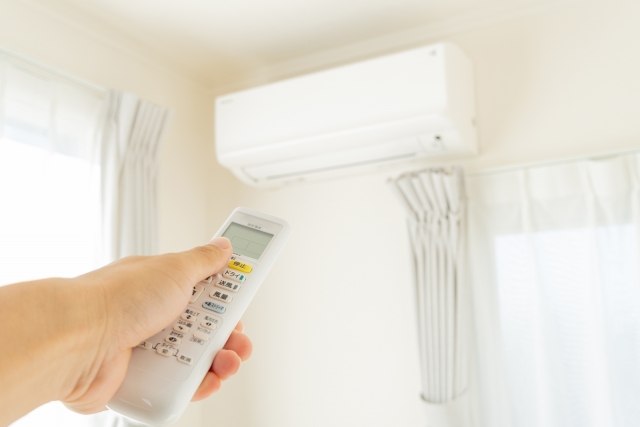
Air conditioning unit

Summer Season (June-September) Precautions

Japan's summer is hot and humid, leading to increased electricity consumption.

Precautions When Using Air Conditioning

PrecautionDetailsCountermeasure
Increased Power ConsumptionMonthly electricity bills may increase 2-3 timesAppropriate temperature setting (28°C recommended)
Breaker TrippingMultiple devices used simultaneouslyStaggered device usage
Heat Stroke PreventionHealth priority over electricity savingsAvoid excessive power saving

Energy-Saving Tips

  • Use curtains and blinds: Block direct sunlight
  • Combined use with fans: Reduce temperature variations
  • Regular cleaning: Reduce power consumption through filter cleaning

Winter Season (December-March) Precautions

Types and Characteristics of Heating Equipment

Heating EquipmentPower ConsumptionSafetyApplication Range
Air ConditionerMediumHighWhole room
Electric HeaterHighMediumLocalized
KotatsuLowHighLocalized
Electric CarpetMediumHighFloor surface

Electricity Use and Dry Air Countermeasures

  • Power consumption increases due to humidifier use
  • Adjust room humidity for static electricity countermeasures
  • Pay attention to condensation around outlets

How to Use Electrical Appliances

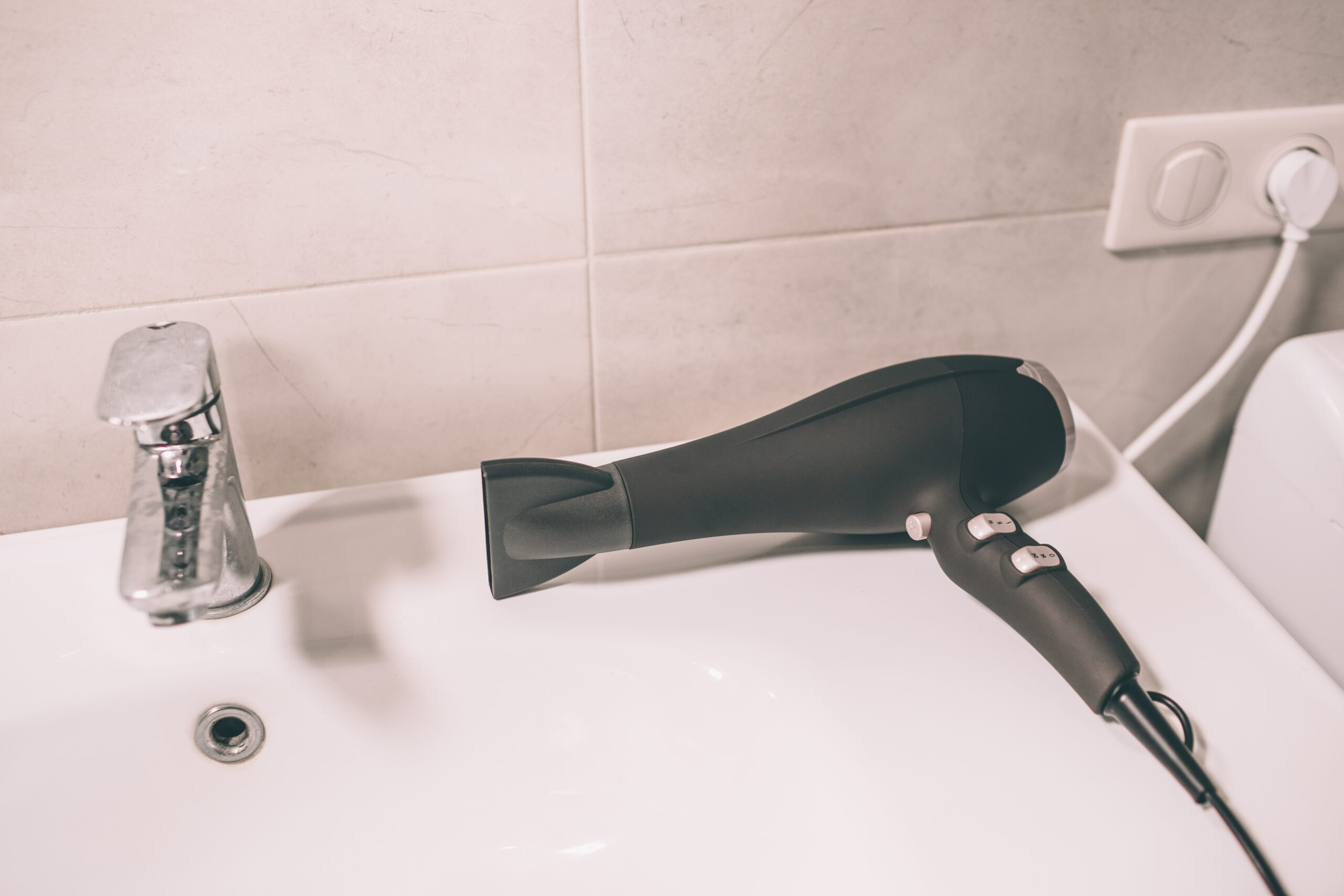
Hair dryer

Beauty and Grooming Appliances

Overseas beauty appliances require special attention.

Hair Dryer Use

  • Overseas products: Usually 1500W or higher power consumption
  • Transformer required: Step-up transformer necessary
  • Usage time limits: Avoid continuous use

Hair Irons and Curling Irons

  • Temperature setting differences (Fahrenheit/Celsius)
  • Temperature adjustment suitable for Japanese hair types
  • Confirmation of automatic voltage switching function

Kitchen Appliances

Microwave Ovens

Frequency Effects

  • 50Hz regions: Slightly longer heating times
  • 60Hz regions: Standard heating times
  • Important to adjust with power settings

Electric Pots and Kettles

Precautions When Using Overseas Products

  • Confirm balance between capacity and power
  • Extended boiling times
  • Confirm safety device operation

Medical and Health Equipment

Electric Toothbrushes

  • Confirm charger voltage
  • Effects on battery life
  • How to obtain replacement brushes

Blood Pressure Monitors and Thermometers

  • Confirm measurement unit (mmHg/kPa, °C/°F)
  • Need for calibration
  • Confirm medical device approval numbers

Purchasing and Renting Electrical Appliances

Rental Services for Short-term Visitors

Advantages of Appliance Rental

  • Reduced initial costs
  • Maintenance-free
  • No disposal needed when returning home

Major Rental Companies

Company NameFeaturesForeign Support
Kashite! DotcomNationwide coverageEnglish website available
Rental ProntoUrban areas focusedMultilingual support
Duskin Rent AllComprehensive rentalPartial English support

Major Rentable Appliances

  • Daily necessities: Refrigerator, washing machine, microwave
  • Seasonal appliances: Air conditioner, heaters, dehumidifiers
  • Entertainment equipment: TV, DVD/Blu-ray players

Precautions for Used Item Purchases

Purchasing at Recycle Shops

Advantages

  • Low prices
  • Same-day pickup possible
  • Operation verified

Precautions

  • Short warranty periods
  • May not include instruction manuals
  • Performance differences due to age

Online Used Item Purchases

Items to Verify

  • Seller ratings
  • Product condition descriptions
  • Return and exchange conditions
  • Shipping methods

Energy Conservation and Environmental Considerations

Energy saving

Japan's Energy-Saving Culture

In Japan, energy conservation is emphasized for "preventing global warming" and "ensuring stable energy supply."

Household Energy-Saving Appliances

CategoryEnergy-Saving MethodReduction Effect
LightingLED bulb useApproximately 80% reduction
Cooling28°C settingApproximately 10% reduction
Heating20°C settingApproximately 10% reduction
Standby PowerUnplug outletsApproximately 5% reduction

Choosing Energy-Efficient Appliances

Checking Energy-Saving Labels

  • Unified energy-saving labels
  • Annual power consumption
  • Energy-saving standard achievement rate

Environmental Considerations

Proper Disposal of Electrical Appliances

Home Appliance Recycling Law Target Items

  • Air conditioners
  • Televisions
  • Refrigerators and freezers
  • Washing machines and dryers

Disposal Methods

  1. Pickup by purchase store
  2. Municipal designated contractors
  3. Payment of recycling fees

Common Electrical Troubles and Solutions

Electrical problems

Electrical Troubles and Solutions

Circuit Breaker Tripping

Causes and Countermeasures

CauseCountermeasure
Excessive Power UseReduce simultaneously used devices
Electrical LeakContact electrical contractor
Equipment FailureIdentify and repair faulty equipment

High Electricity Bills

  • Check appropriateness of contracted amperage
  • Consider purchasing energy-efficient appliances
  • Review usage patterns

Overseas Products Not Working

Checklist

  1. Confirm voltage
  2. Confirm frequency
  3. Confirm plug shape
  4. Confirm transformer capacity

Cases Requiring Professional Consultation

When Electrical Work is Needed

Target Work

  • Outlet installation
  • Voltage switching work
  • Dedicated circuit installation

Points for Choosing Contractors

  • Confirm electrical engineer qualifications
  • Confirm construction experience
  • Detailed estimates
  • After-service support

Conclusion

Using electricity in Japan involves unique characteristics such as the special 100V voltage and regional frequency differences that differ from other countries. For foreigners to live comfortably in Japan, it's important to understand these basic concepts and take appropriate preparations and countermeasures.

Summary of Japan's Electrical System

  1. Voltage differences: Japan uses 100V, most countries use 220V-240V
  2. Need for transformers: Pay attention to capacity when using overseas products
  3. Plug shapes: Japan uses Type A, prepare conversion plugs
  4. Regional frequency differences: Eastern Japan 50Hz, Western Japan 60Hz
  5. Safety measures: Prohibit daisy-chain wiring, understand circuit breakers

Having proper knowledge can prevent electricity-related troubles in Japan beforehand, enabling a safe and comfortable stay. If you have any unclear points, we recommend consulting with accommodation staff or electronics store employees. Many stores have comprehensive foreign language support services and will provide courteous assistance.

関連記事