Shuzenji Onsen | History and Relaxation in One of Izu’s Finest Hot Spring Towns - GTN MAGAZINE
日本語
日本語
English

Shuzenji Onsen | History and Relaxation in One of Izu’s Finest Hot Spring Towns

Stone-paved lanes dating back to the Edo period, steam drifting through the trees, and the gentle sound of the Katsura River—located in the heart of the Izu Peninsula, Shuzenji Onsen is one of Japan’s oldest hot spring towns, with more than 1,200 years of history. Often called the “Little Kyoto of Izu,” it is only about two hours from Tokyo, yet its peaceful streets feel like a scene from an old Japanese folktale.

In this article, we’ll introduce everything international visitors need to know about Shuzenji Onsen, including its highlights, how to get there, recommended ryokan, sightseeing spots, and local cuisine. Use this guide to help plan your trip to Izu.

目次


The History and Character of Shuzenji Onsen

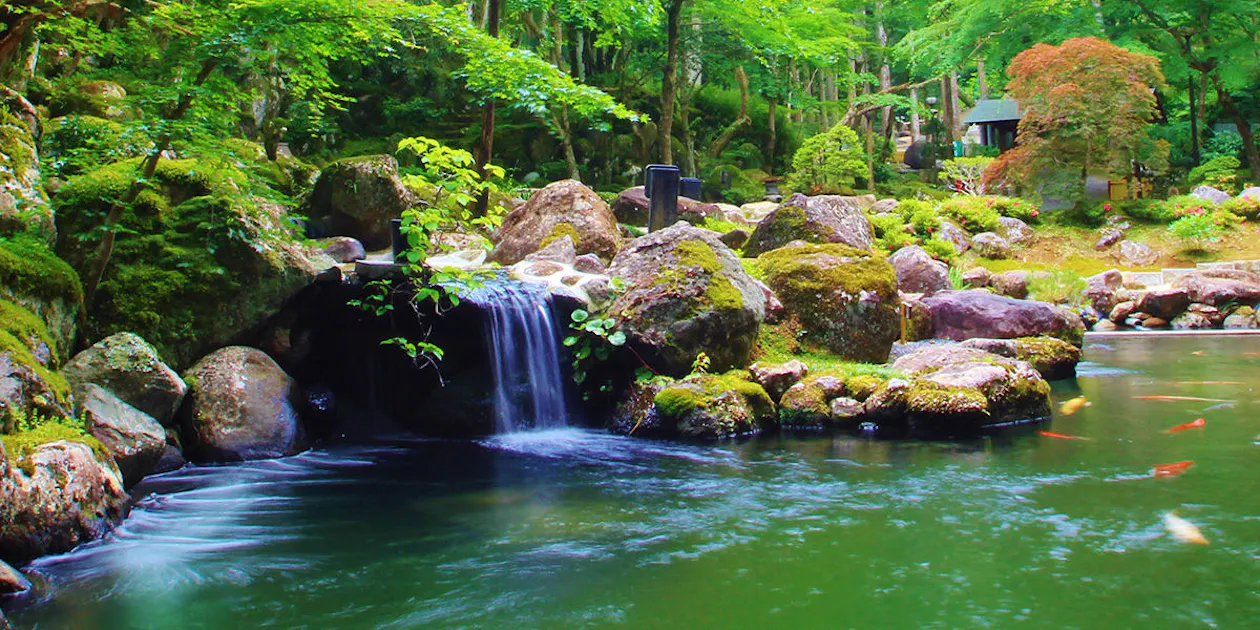
A scene of Shuzenji Onsen

Kobo Daishi and the Legend of Tokko-no-Yu

The history of Shuzenji Onsen reaches all the way back to 807, in the early Heian period, when it was said to have been discovered by Kukai (Kobo Daishi). According to legend, when Kukai visited Shuzenji, he was moved by the sight of a boy washing his ailing father in the Katsura River. Touched by the boy's devotion, Kukai struck a rock with the tokkosho he carried (a single-pronged vajra, a type of Buddhist ritual implement), and hot water sprang forth. This is said to be the origin of "Tokko-no-Yu" and the very beginning of Shuzenji Onsen.

Tokko-no-Yu still stands at the center of the hot spring town today. Located on a sandbar in the Katsura River, it has become the symbol of Shuzenji Onsen. Sadly, you can no longer bathe in it, but it is open as a footbath and remains a popular spot that draws many visitors.

Shuzen-ji Temple and the Growth of the Temple Town

Shuzen-ji Temple, which gives the town its name, is a historic temple said to have been founded by Kukai in 807. It began as a Shingon temple but later became a Soto Zen temple. During the Kamakura period it enjoyed the patronage of the Hojo clan and flourished.

The temple town that grew up around Shuzen-ji thrived as a hot spring cure resort during the Edo period, and from the Meiji era onward it developed into a modern hot spring destination beloved by many writers and notable figures. It is also known as a place where leading Japanese authors and artists—Natsume Soseki, Akutagawa Ryunosuke, and Yokoyama Taikan among them—stayed and worked on their art.

The Character and Atmosphere of the Hot Spring Town

Shuzenji Onsen, often called the "Little Kyoto of Izu," strikes an exquisite balance between historic buildings and modern facilities. Spreading out along the Katsura River, the town offers traditional Japanese scenery: cobblestone lanes, red bridges, and bamboo groves. A stroll at dusk is especially lovely, when the glow of paper lanterns lights up the streets and the atmosphere turns almost dreamlike.

The town is dotted with historic inns, including Arai Ryokan, a long-established ryokan listed as a Registered Tangible Cultural Property of Japan, where you can experience the time-honored culture of the Japanese hot spring. Japanese sweet shops, craft stores, and cafés line the streets as well, so you can enjoy a little shopping as you wander.

Access: How to Get There from Tokyo

Train and travel scene for reaching Shuzenji

There are several ways to reach Shuzenji Onsen. Here we introduce the main routes from Tokyo.

By Train

Option 1: Tokaido Shinkansen + Izuhakone Railway

  1. From Tokyo Station, board the Tokaido Shinkansen ("Hikari" or "Kodama").
  2. Get off at Mishima Station (about 45 minutes).
  3. At Mishima, transfer to the Izuhakone Railway Sunzu Line.
  4. Ride to Shuzenji Station (about 35 minutes).
  5. From Shuzenji Station, take a bus or taxi to the hot spring town (about 5–10 minutes).

Option 2: JR Odoriko Limited Express (Direct)

  1. From Tokyo Station or Shinagawa Station, board the JR "Odoriko" limited express.
  2. Ride directly to Shuzenji Station (about 2 hours).
  3. From Shuzenji Station, take a bus or taxi to the hot spring town (about 5–10 minutes).

By Car

  1. Take the Tomei Expressway and exit at Numazu IC, or exit at Nagaizumi-Numazu IC on the Shin-Tomei Expressway.
  2. Continue via the Izu-Jukan Expressway, the Izu Chuo Road (toll), and the Shuzenji Road (toll).
  3. It is about 30 minutes to Shuzenji Onsen.

Comparing Cost and Travel Time

Means of TransportTravel TimeOne-Way FareProsCons
Shinkansen + Izuhakone RailwayAbout 1 hr 30 minAbout ¥5,000Fast, frequent serviceRequires a transfer
Odoriko Limited Express (direct)About 2 hrAbout ¥4,000No transfer neededLimited number of departures
Highway busAbout 2 hr 45 minAbout ¥2,000AffordablePossible delays due to traffic
Rental car / private carAbout 2 hrAbout ¥3,500 (expressway tolls)Greatest freedomNeed to secure parking

Tips on Public Transport for International Travelers

  • Japan Rail Pass: The JR "Odoriko" limited express can be used with the Japan Rail Pass, but in some cases only the limited express fare is covered and you may need to buy a base fare ticket separately. Also, the Izuhakone Railway between Mishima and Shuzenji is not covered by the Japan Rail Pass.
  • IC cards: IC cards such as Suica and PASMO can be used on trains and buses from Tokyo to Shuzenji.
  • Language support: Major JR stations have English-speaking staff, so don't hesitate to ask if you have any questions.

Water Quality and Benefits of Shuzenji Onsen

The hot spring waters of Shuzenji

Characteristics of the Water

Shuzenji Onsen is classified as a "simple alkaline hot spring (hypotonic, alkaline, high-temperature)." The water is clear and colorless, odorless and tasteless, with a soft, gentle feel and little irritation to the skin.

What stands out most is its high pH and strong alkalinity. This gives it a cleansing effect that sloughs away old dead skin, earning it a reputation as a "beauty bath." Even after a long soak your skin is unlikely to feel rough—in fact, it is said to leave the skin smooth and moisturized.

Benefits and Indications

Shuzenji Onsen is said to offer the following benefits:

  • Relief from nerve pain, muscle pain, and joint pain
  • Improvement of poor circulation and sensitivity to cold
  • Recovery from fatigue and promotion of general health
  • Relief from frozen shoulder, motor paralysis, and joint stiffness
  • Improvement of symptoms of chronic digestive disorders
  • Relief from autonomic nervous instability and insomnia
  • Beautiful-skin effects

How to Enjoy the Baths

At Shuzenji Onsen you can enjoy not only the indoor and open-air baths at each ryokan but also a good selection of day-trip bathing facilities. One well-known day-use facility is "Hako-yu," where you can enjoy an authentic hot spring at a reasonable price.

As for bathing etiquette, follow the basic rules: wash your body before getting in, keep your towel out of the bath water, and don't talk loudly. Note that some facilities prohibit bathing for people with tattoos, so we recommend checking in advance.

Recommended Accommodations for International Travelers

Shuzenji Onsen offers a wide range of accommodations, from long-established historic ryokan to modern facilities well equipped for international travelers. Here we introduce a few inns that are especially recommended for visitors from abroad.

Arai Ryokan

Standing at the heart of Shuzenji Onsen, Arai Ryokan is a historic inn founded in the Meiji era. You can fully enjoy the appeal of its hot springs, including the all-cypress grand bath "Tenpyo Daiyokudo," designated a Registered Tangible Cultural Property of Japan, an open-air bath fed by free-flowing spring water, and two private baths. The water is a simple alkaline spring with expected beauty-enhancing effects. With a history of welcoming writers such as Akutagawa Ryunosuke and Ozaki Koyo, it offers a stay steeped in history and culture.

Address

970 Shuzenji, Izu City, Shizuoka Prefecture 410-2416, Japan

AccessA 3-minute walk from the Shuzenji hot spring area.
Official sitehttps://www.arairyokan.net/

Sora Togetsuso Kinryu

Sora Togetsuso Kinryu

"Sora Togetsuso Kinryu" is a hot spring ryokan set on a hill surrounded by nature. From its open-air bath you can take in the sunset over Mt. Daruma and a sky full of stars, soothing both body and mind. The interior, designed by spatial designer Hisanobu Tsujimura, blends Japanese and modern aesthetics. There is also a private open-air bath where you can enjoy time to yourselves. The inn is also known as a filming location for the popular drama "The Full-Time Wife Escapist" (Nigehaji).

Address838-1 Shuzenji, Izu-shi, Shizuoka 410-2416
AccessFrom JR Mishima Station, take the Izuhakone Railway to Shuzenji Station, then a bus to the "Shuzenji Onsen" stop. About 40 minutes by car from the Numazu IC on the Tomei Expressway.
Official sitehttps://www.kinryu.net/

Yumeguri-no-Yado Shuzenji Onsen Katsuragawa (Kyoritsu Resort)

Yumeguri-no-Yado Shuzenji Onsen Katsuragawa

"Yumeguri-no-Yado Shuzenji Onsen Katsuragawa" prides itself on seven private baths, each with its own distinct character. You can fully enjoy Shuzenji's natural hot spring water in baths such as a rocky bath facing a bamboo grove and a vermilion-lacquered tub bath. On the top floor there is a large public bath, with open-air rock and cypress baths as well. Meals are buffet-style, featuring the flavors of Izu and local home-style dishes from an abundant menu. Welcome touches abound, too, from free rental of colorful yukata to late-night soba.

Address765 Shuzenji, Izu-shi, Shizuoka 410-2416
AccessFrom JR Mishima Station, take the Izuhakone Railway to Shuzenji Station, then a 10-minute taxi ride. About 40 minutes from the Numazu IC on the Tomei Expressway.
Official sitehttps://dormy-hotels.com/resort/hotels/katsuragawa/

Yukairo Kikuya (Kyoritsu Resort)

At "Yukairo Kikuya," a long-established ryokan with more than 400 years of history, you can enjoy a journey through the baths steeped in history as you cross the inn's signature "hot spring corridors" (yukairo). Its varied bathing facilities are a highlight, including indoor and open-air baths facing the Katsura River and four private baths. The guest rooms range in character, from the main-building rooms where Natsume Soseki once rested to annex rooms with their own semi-open-air natural hot spring baths. Meals are served as a "Shukou Kaiseki" course using the bounty of the sea and the mountains, letting you savor the flavors of the season.

Address895-1 Shuzenji, Izu-shi, Shizuoka 410-2416
AccessFrom JR Mishima Station, take the Izuhakone Railway to Shuzenji Station, then a bus to the Shuzenji Onsen stop—the inn is right there. About 40 minutes from the Numazu IC on the Tomei Expressway.
Official sitehttps://dormy-hotels.com/resort/hotels/kikuya/

Shuzenji Onsen Yagyu-no-Sho

Shuzenji Onsen Yagyu-no-Sho

"Yagyu-no-Sho" is a sukiya-style hot spring inn nestled in a quiet, satoyama countryside surrounded by bamboo groves. Every room has its own hot spring bath fed by free-flowing spring water, and the two large open-air baths switch between men and women so you can enjoy two different settings. The cuisine is Japanese fare rooted in Kyoto-style kaiseki, with delicate flavors that make the most of seasonal ingredients. Guided by its philosophy of being "a warm, restful inn where hearts connect," it offers heartfelt hospitality.

Address1116-6 Shuzenji, Izu City, Shizuoka Prefecture
Access

By Train

From Tokyo

  • Tokyo → Shuzenji: Take the Limited Express Odoriko (approx. 126 min, direct)
  • Tokyo → Mishima: Take the Shinkansen (approx. 60 min), then transfer to the Izuhakone Railway to Shuzenji (approx. 33 min)

From Nagoya

  • Nagoya → Mishima: Take the Shinkansen (approx. 112 min), then transfer to the Izuhakone Railway to Shuzenji (approx. 33 min)

From Osaka

  • Shin-Osaka → Mishima: Take the Shinkansen (approx. 180 min), then transfer to the Izuhakone Railway to Shuzenji (approx. 33 min)

Note: From Shuzenji Station, it's approximately a 10-minute taxi ride.

By Car

Take the Tomei Expressway to the Numazu IC, or the Shin-Tomei Expressway to the Nagaizumi-Numazu IC. From there, follow the Izu Jukan Expressway → Izu Chuo Expressway → Shuzenji Road (Shuzenji IC) to reach Yagyu no Sho.

Approx. 30 minutes from Numazu IC / Nagaizumi-Numazu IC.

Official sitehttps://www.yagyu-no-sho.com/

How to Choose a Ryokan

Here are a few points to keep in mind when choosing an inn as an international traveler.

  • Language support: Check whether there are English-speaking staff, or multilingual brochures and signage.
  • Cultural experience: If you want an authentic stay in a Japanese-style room, choose a traditional ryokan. If you prefer sleeping in a bed, look for a facility with Japanese-Western rooms.
  • Dining style: Some inns let you choose between "in-room dining," where Japanese kaiseki is served in your room, and meals in a restaurant.
  • Types of baths: Some facilities have only a large public bath, while others have private or family baths. If you have tattoos in particular, choosing an inn with a private bath will give you peace of mind.
  • Location: An inn in the center of Shuzenji Onsen is convenient for sightseeing. If you want a quiet setting, consider an inn a little farther out.

Must-See Sightseeing Spots

Shuzenji Onsen and its surroundings offer a wide range of sights, from historic landmarks to natural scenery. Here we introduce the spots you really shouldn't miss.

Shuzen-ji Temple

The temple that gave the town its name has a history of more than 1,200 years. Said to have been founded by Kobo Daishi (Kukai) in 807, its grounds enshrine the "Dainichi Nyorai," a nationally designated Important Cultural Property (normally not open to the public).

Highlights:

  • The quiet, solemn main hall
  • A beautiful garden
  • The Shuzen-ji bell tower (an Important Cultural Property)
  • The Buddha hall (a nationally designated Important Cultural Property)

Access: Located in the center of Shuzenji Onsen, just a short walk from the hot spring town.

Bamboo Grove Path

One of Shuzenji Onsen's iconic spots, this bamboo grove runs for about 200 meters. The stillness and the contrast of light and shadow are beautiful, making it a popular spot for photos.

Highlights:

  • The beautiful scenery of the bamboo grove
  • The rustle of bamboo leaves in the wind
  • A dreamlike atmosphere at dusk
  • A different face in every season

Access: About a 3-minute walk from Shuzen-ji Temple.

Tokko-no-Yu

Said to be the birthplace of Shuzenji Onsen, "Tokko-no-Yu" sits on a sandbar in the Katsura River. You can no longer bathe in it, but it is open as a footbath and has become the symbol of Shuzenji Onsen.

Highlights:

  • Its history as the birthplace of Shuzenji Onsen
  • The footbath nearby
  • The beautiful scenery of the Katsura River

Access: About a 1-minute walk from Shuzen-ji Temple.

Shigetsu-den

This historic building is known as the place where Minamoto no Yoriie (the second shogun of the Kamakura shogunate) was confined. Here you can connect with the tragic history of the Kamakura period.

Highlights:

  • A building tied to Minamoto no Yoriie
  • The history of the Kamakura period
  • Its distinctive atmosphere

Access: About a 5-minute walk from Shuzen-ji Temple.

Hie Shrine

A shrine in the Shuzenji Onsen town, known as a symbol of the Sanno faith. Its quiet grounds are often built into a walking route together with Shuzen-ji Temple.

Highlights:

  • The graceful torii gate and grounds
  • A popular place to pray for protection from misfortune
  • Best visited together with Shuzen-ji Temple

Access: About a 1-minute walk from Shuzen-ji Temple.

Shuzenji Niji-no-Sato

A complex theme park about a 5-minute drive from Shuzenji Station. It features an English Village, Canadian World, a Fairy Garden, a Kaleidoscope Museum, and more, making it popular with families as well.

Highlights:

  • Gardens where flowers bloom through the four seasons
  • The exotic charm of the English Village
  • Rides on a miniature steam locomotive
  • Kaleidoscope exhibits and hands-on kaleidoscope making

Access: About a 10-minute bus ride from Shuzenji Station.

A One-Day Model Course for Shuzenji Onsen

For those who want to see Shuzenji Onsen efficiently in a limited time, here is a one-day model course.

Morning

  1. Visit Shuzen-ji Temple (about 40 minutes)
  2. Try the Tokko-no-Yu footbath (about 20 minutes)
  3. Visit Hie Shrine (about 20 minutes)
  4. Stroll the Bamboo Grove Path (about 30 minutes)

Lunch

  • Enjoy Izu home-style cuisine at a restaurant in the hot spring town (about 1 hour)

Afternoon

  1. Tour Shigetsu-den (about 30 minutes)
  2. Stroll the town and shop for souvenirs (about 1 hour)
  3. Visit Shuzenji Niji-no-Sato (about 2 hours)

Evening Onward

  • Return to your inn and enjoy the hot spring and dinner

Food Culture and Local Cuisine of Shuzenji Onsen

Shuzenji Onsen and the surrounding region have developed their own food culture, making the most of the rich natural environment of the Izu Peninsula. Here we introduce local dishes and specialties that visitors can enjoy.

Signature Ingredients of Izu

  • Wasabi: The Izu region is rich in clear streams and has thriving wasabi cultivation. High-quality wasabi is grown around Shuzenji as well, and many dishes feature it.
  • Amago (a mountain-stream fish): The amago, a stream fish that lives in Izu's clear waters, is one of Shuzenji's specialties. You can enjoy it prepared in many ways—grilled with salt, simmered in a sweet sauce, or as tempura.
  • Kinmedai (splendid alfonsino): A premium fish caught in the waters of the Izu Peninsula, often served simmered or grilled whole. Its rich, fatty flesh is exquisite.
  • Shiitake: Thick, meaty shiitake mushrooms grown in the mountains of Izu are another specialty. "Shiitake soba" made with them is a signature Shuzenji dish.

Recommended Local Specialties

  • Wasabi-don: A dish of freshly grated local wasabi served over warm rice. Simple yet full of wasabi's vivid flavor, it is beloved by locals.
  • Amago dishes: Specialty restaurants such as "Amago Chaya" serve amago grilled with salt, in a marinated rice bowl, glazed and grilled (kabayaki), and as tempura.
  • Shiitake soba: Made with locally grown shiitake, "shiitake soba" is a popular Shuzenji home-style dish. You can try it at places like "Tokko Soba Oto."
  • Black rice: Rice made with black rice, an Izu specialty, is high in nutrition with a chewy texture. It is served at restaurants such as "Meshiya Mizu."

Recommended Restaurants in Shuzenji

RestaurantSpecialtyRecommended DishesLocation
Amago Chaya Shuzenji OnsenMountain-stream fish specialtySalt-grilled amago, wasabi-donCenter of Shuzenji Onsen town
Tokko Soba OtoLocal soba specialtyShiitake soba, wasabi sobaMain street of Shuzenji Onsen
Meshiya MizuJapanese food with local ingredientsBlack rice bento, seasonal mixed riceNear Shuzenji Station
Zenputei NanabanLong-established restaurantSalt-grilled river fish, kaiseki cuisineShuzenji Onsen town
IssekianSweets caféWasabi soft serve, matcha parfaitNear Shuzen-ji Temple

Edible Souvenirs from Shuzenji

Wasabi Products

  • Wasabi-zuke (wasabi pickles)
  • Wasabi rice crackers
  • Wasabi dressing
  • Wasabi monaka (a distinctive sweet)

Famous Sweets of Izu

  • Onsen manju (hot spring steamed buns)
  • Sakura-leaf manju
  • Sweets made with black rice

Local Sake

  • The local sake "Amagi no Shizuku"
  • Shuzenji Onsen original sake

Seasonal Highlights

Shuzenji Onsen is a hot spring destination that shows a different face in every season. Each season has its own charm, and the way you enjoy your visit can change depending on when you come. Here we introduce the highlights of each season.

Spring (March–May)

  • Cherry blossom season (late March to early April): At Shuzenji Onsen, a row of cherry trees lines the Katsura River, and the sight of the blossoms in full bloom reflected on the water is breathtaking. The grounds of Shuzen-ji Temple and the riverside walking paths are especially well known as cherry blossom spots.
  • Shuzenji Yukumi-shiki (April): In April, the "Yukumi-shiki" (hot-water drawing ceremony) is held as a festival of thanks to the hot spring and to the founder of the temple. About 30 representatives chosen from the town don traditional costumes and draw water from Tokko-no-Yu in this sacred rite.
  • The fresh-green season (late April to May): From late April into May comes the beautiful season of fresh greenery. The Bamboo Grove Path and the grounds of Shuzen-ji Temple are wrapped in vivid green, leaving you feeling refreshed and renewed.

Summer (June–August)

  • Firefly Evenings (early to mid-June): At Akagaeru Park, "Firefly Evenings" are typically held from early to mid-June. You can enjoy the magical glow of fireflies, a seasonal tradition of summer.
  • Shuzenji Onsen Summer Festival (July): In July, the Shuzenji Onsen Summer Festival livens up the town with locals and visitors alike. With food stalls and traditional dancing, you can enjoy the atmosphere of a Japanese summer festival.
  • Seeking cool relief (July–August): In summer the area bustles with visitors looking to cool off—playing in the nearby clear streams or taking forest baths on Mt. Amagi. A stroll through the hot spring town in the cool of early morning or evening is also recommended.

Autumn (September–November)

  • Autumn foliage season (mid- to late November): The autumn colors of Shuzenji Onsen typically peak from mid- to late November. The grounds of Shuzen-ji Temple, the banks of the Katsura River, and the area around the Bamboo Grove Path are popular foliage spots. The contrast between the green of the bamboo and the red of the autumn leaves is a must-see.
  • Shuzenji Maple Festival (November): During the foliage season the "Shuzenji Maple Festival" is held, where you can enjoy illuminated autumn leaves. The fantastical night foliage has a charm all its own, quite different from the daytime.
  • Autumn flavors (September–November): Autumn is the season when the mountains yield an abundance of matsutake, chestnuts, and other treats. Local inns and restaurants sometimes offer special menus featuring these autumn flavors.

Winter (December–February)

  • A quiet hot spring town (December–February): In winter Shuzenji Onsen has relatively few visitors, so you can enjoy the hot springs in peace. When snow falls, the bamboo grove and the town are wrapped in a silvery world, a truly magical sight.
  • Scenery of rising steam (December–February): As temperatures drop in winter, the sight of steam rising from the hot springs is all the more striking. The town in the early morning is especially atmospheric, its rising steam and stillness combining for a unique mood.
  • Hot springs and winter flavors (December–February): A Shuzenji winter is all the more special when you savor the season's flavors while soaking in a warm hot spring. Izu's fresh seafood—particularly simmered kinmedai, in season in winter—is a winter staple on many inns' menus. Local home-style dishes enjoyed with warm sake are another pleasure unique to winter.

Traditional Culture and Experiences at Shuzenji Onsen

Traditional Crafts

Shuzenji has its own traditional crafts, nurtured over its long history. When you visit Shuzenji Onsen, encountering these crafts can be a valuable experience in itself.

Shuzenji Washi

With a history of about 400 years, Shuzenji washi is prized as a fine Japanese paper born of Izu's clear streams. It is still made using traditional methods, and workshops offer paper-making demonstrations and hands-on experiences. Souvenirs made from washi, such as small goods and lampshades, are popular as well.

Shuzenji Mugiwara-zaiku (Straw Craft)

Mugiwara-zaiku (straw craft), passed down since the Edo period, is one of Shuzenji's specialties. Small items and ornaments skillfully woven from straw captivate many visitors with their delicacy and beauty. "Mingei Mugiwara no Mise Ashita" exhibits and sells straw crafts and holds hands-on workshops.

Bamboo Crafts

With many bamboo groves around Shuzenji, bamboo crafting has long thrived here. A wide variety of bamboo products are made, from practical baskets to highly artistic pieces. Bamboo crafts, combining technical skill with beauty, make excellent souvenirs that convey traditional Japanese aesthetics.

Cultural Experience Programs

Shuzenji Onsen offers many programs where you can experience traditional Japanese culture. From short programs that introduce you to Japanese culture in a brief time to full-fledged cultural experiences, there is something to suit a range of interests.

Washi-Making Experience

Local washi workshops offer paper-making experience programs. You can take part in the whole process, from preparing the raw materials to forming the sheets. Postcards or bookmarks made from your own washi make a special, memorable souvenir.

Tea Ceremony Experience

Some ryokan and teahouses in Shuzenji offer tea ceremony experiences for international visitors. You can learn the basics of the Japanese tea ceremony, such as how to whisk matcha and how to receive Japanese sweets.

Kimono Rental and Dressing Experience

The town has kimono rental shops where you can stroll the hot spring streets in a kimono. Walking through the historic town in traditional dress is sure to be a special memory. Some facilities also offer a kimono-dressing experience.

Zazen Experience

At Shuzen-ji Temple, zazen (seated Zen meditation) sessions open to international visitors are sometimes held. Practicing zazen in the quiet temple can be a precious experience that calms the mind.

Traditional Events of Shuzenji Onsen

A variety of traditional events take place at Shuzenji Onsen throughout the year. If you are lucky, your visit may coincide with one of them.

Yukumi-shiki

Held every April, the "Yukumi-shiki" is a traditional event expressing gratitude to the hot spring and to the founder of the temple. The sight of participants in traditional costume drawing water from Tokko-no-Yu is solemn and beautiful.

Shuzenji Onsen Festival

At the hot spring festival held in October, you can see traditional mikoshi (portable shrine) processions, parading floats, and local dances. It is a lively festival enjoyed by residents and visitors together.

Takeakari (Bamboo Lanterns)

During certain periods in summer and autumn, "Takeakari" (bamboo lantern) events are held along the Bamboo Grove Path and in the hot spring town. Lanterns made of bamboo are lit, creating a magical space. The bamboo lanterns of the Bamboo Grove Path in particular are beautiful, like the essence of Japanese aesthetics distilled into one place.

Sightseeing Spots Nearby

Using Shuzenji Onsen as a base, it is also worth visiting the appealing sights nearby. The Izu Peninsula is rich in tourism resources—nature, history, and culture. Here we introduce the main spots you can visit on a day trip from Shuzenji Onsen.

Nature Spots

Izu Panorama Park

A sightseeing spot close to Shuzenji and a superb vantage point with sweeping views of the Amagi mountain range, Suruga Bay, and Mt. Fuji. You can ride a ropeway to the summit and enjoy different scenery in every season.

Izu Animal Kingdom

A zoo about a 30-minute drive from Shuzenji. In the safari zone you can observe animals in conditions close to the wild. With about 70 species, including lions and giraffes, it is a popular spot for families.

Mt. Amagi

Mt. Amagi, which rises behind Shuzenji Onsen, is ideal for hiking and trekking. The old road over the Amagi Pass is also known as the setting of Kawabata Yasunari's novel "The Izu Dancer." It is especially beautiful in the seasons of fresh greenery and autumn foliage, and is recommended for nature lovers.

History and Culture Spots

Nirayama Reverberatory Furnaces

An industrial heritage site from the end of the Edo period, about a 30-minute drive from Shuzenji and registered as a UNESCO World Heritage Site. A facility for casting cannon using Western technology, it lets you sense the path of Japan's modernization.

Mishima Skywalk

Japan's longest pedestrian suspension bridge, about a 25-minute drive from Shuzenji. From the 400-meter-long bridge you can take in Mt. Fuji and Suruga Bay. Those with a fear of heights should take care, but the views are spectacular.

MOA Museum of Art

A museum in Atami, about a 40-minute drive from Shuzenji. It displays a collection of valuable Japanese art, including the National Treasure "Red and White Plum Blossoms." The views from the museum are wonderful, and you can also stroll the gardens.

Food and Shopping Spots

Izu Mito Sea Paradise

An aquarium about a 40-minute drive from Shuzenji. Its dolphin and sea lion shows are popular, and you can also enjoy hands-on encounters with sea creatures.

Numazu Port

Numazu Port, about a 40-minute drive from Shuzenji, is a spot where you can enjoy fresh seafood. It also has plenty of attractions, such as the Numazu Deepsea Aquarium and the fish market.

Gotemba Premium Outlets

A large outlet mall about an hour's drive from Shuzenji. With Mt. Fuji as a backdrop, around 200 domestic and international shops line up for a day of shopping.

A Model Course for the Surrounding Area

Day 1: Stay at Shuzenji Onsen

  • Morning: Sightseeing in the hot spring town, including Shuzen-ji Temple and the Bamboo Grove Path
  • Afternoon: Visit Shuzenji Niji-no-Sato
  • Evening: Hot spring and dinner at your inn

Day 2: Exploring the Surrounding Area

  • Morning: Izu Panorama Park
  • Afternoon: Tour the Nirayama Reverberatory Furnaces and enjoy seafood at Numazu Port
  • Evening: Return to Shuzenji Onsen for a soak

Day 3: Venturing Farther Afield

  • All day: Izu Shaboten Zoo and a stroll along the Jogasaki Coast
  • Or: The Mishima Skywalk and shopping at the Gotemba outlets

Onsen Bathing Etiquette Every International Visitor Should Know

To enjoy Japanese hot spring culture to the fullest, it helps to know the basic etiquette. Here we introduce the onsen bathing manners that international visitors in particular should be aware of.

Basic Etiquette Before Bathing

1.Getting ready in the changing room

  • In the changing room, remove all of your clothing and bathe nude.
  • Put valuables in a locker, or ask the front desk to hold them.
  • Don't bring a bath towel into the bathing area; take only a small towel.

2.Using the washing area before bathing

  • Always wash your body before getting into the bath.
  • The washing area has stools and a shower or basin.
  • Use soap and shampoo to wash your whole body, then rinse thoroughly.

How to Behave in the Bath

1.Bringing a towel into the bath

  • You may bring a small hand-towel-sized towel, but putting it in the bath water is not allowed.
  • Rest it on your head or set it on the edge of the bath.

2.Manners in the bath

  • Don't swim or talk loudly in the bath.
  • Stay quiet so as not to disturb other bathers.
  • Try not to occupy the same spot for a long time.

Other Points to Keep in Mind

About tattoos

  • Traditionally, Japanese culture has associated tattoos with antisocial organizations, and many hot spring facilities prohibit bathing for people with tattoos.
  • Recently, more facilities have eased their rules for international visitors, but we recommend checking in advance.

Advice for people with long hair

  • Tie up long hair before getting into the bath.
  • It is good manners to keep your hair from soaking in the bath water.

How to Choose a Foreigner-Friendly Facility

When enjoying a hot spring as a visitor to Japan, it helps to consider the following points when choosing a facility.

  1. Language support: Choose a facility with English- or multilingual-speaking staff.
  2. Tattoo policy: Check the facility's tattoo policy in advance.
  3. Access: Choose a facility with good access from major stations.
  4. Pricing: Choose a facility that fits your budget. (As a rough guide, a sento public bath is around ¥1,000, and a day-trip hot spring is around ¥2,000–¥3,000. Prices vary by facility and area.)
  5. Privacy: A facility with a family bath or private bath lets you enjoy the hot spring in a more private setting.

If you are experiencing a Japanese hot spring for the first time, it is a good idea to stay at a ryokan or hotel accustomed to welcoming international visitors, or to start with a large hot spring facility. With staff to guide you and multilingual signage, you can use the baths with confidence and without worrying about etiquette.

What to Know Before You Visit

Here are some points worth knowing before you visit Shuzenji Onsen, to make your trip more comfortable and rewarding.

The Best Time to Visit

Recommended times to visit

  • Spring (late March to May): Cherry blossom and fresh-green season, with mild weather
  • Autumn (October to November): The beautiful foliage season, ideal for sightseeing
  • Winter (December to February): Few visitors, so you can enjoy the hot springs quietly

Times better avoided

  • The rainy season (June to early July): Frequent rain and high humidity
  • Obon holidays and Golden Week: Extremely crowded
  • The summer vacation season (late July to August): Some days are intensely hot

Language Support

Shuzenji Onsen is making an effort to welcome international visitors, but the level of language support varies by facility.

  • Major ryokan and hotels: Often have English-speaking staff on hand
  • Tourist information centers: English support available
  • Restaurants and shops: Mostly Japanese only, but they can manage with picture menus and pointing
  • Signage: English notation is available at major sightseeing spots

Recommended apps

  • Google Translate
  • Japan Travel by NAVITIME (handy for searching Japan's public transport)
  • Trip Advisor (rich in English-language reviews)

Services for Travelers

Wi-Fi and Internet

  • Many accommodations offer free Wi-Fi
  • There are also free Wi-Fi spots around the tourist information center
  • For getting around, a pocket Wi-Fi or roaming service is recommended

Medical Services

  • Hospital for emergencies: Izu Red Cross Hospital (about a 15-minute drive from Shuzenji)
  • General pharmacies: Several in the hot spring town
  • We recommend taking out overseas travel insurance

Currency Exchange and ATMs

  • ATMs at post offices and 7-Eleven accept internationally compatible cards
  • There are bank ATMs around Shuzenji Station
  • Small shops may be cash-only, so it is a good idea to carry some cash

Conclusion

As the oldest hot spring resort on the Izu Peninsula, with a history of more than 1,200 years, Shuzenji Onsen is a perfect place to experience Japan's traditional hot spring culture. The town that grew up around "Tokko-no-Yu," tied to Kobo Daishi, harmonizes historic architecture with natural scenery, with an atmosphere that feels like the beauty of Japan distilled into one place.

Its simple alkaline spring water has beauty-enhancing effects and a soft, gentle touch. From traditional ryokan to facilities with modern amenities, there is a wide range of accommodations, well suited to international travelers too.

The beauty of nature through the four seasons, home-style cuisine that makes the most of Izu's fresh ingredients, and hands-on experiences of traditional Japanese culture—at Shuzenji Onsen you can enjoy all of these and more. Nearby, too, are appealing sights such as the World Heritage Nirayama Reverberatory Furnaces and Izu Panorama Park.

Accessible from Tokyo in just about two hours, Shuzenji Onsen is a hot spring destination we recommend to visitors to Japan—as a base for an Izu trip and as a place to experience Japanese hot spring culture deeply. Its atmospheric scenery woven from history and nature, its hot springs that heal body and mind, and its heartfelt hospitality await your visit.

About the Information in This Article (Please Note)

*Prices commonly vary depending on the season and the plan.

In particular, amid recent economic conditions and the recovery of inbound demand, pricing may have been revised in response to changes in the environment surrounding tourism.

Please treat the prices in this article as a rough guide only, and be sure to check the latest information on each facility's official website when making a reservation.

*While it is generally known that people with tattoos can use private hot springs, not all private hot spring facilities allow tattoos. Some facilities have their own rules, so for peace of mind we recommend checking with each facility in advance.

*Not all hotel booking sites are affiliated with the facilities.

Please note that, especially at older, small-scale facilities, direct booking by phone is often still the main method.

関連記事

おすすめ記事