Japan Travel Guide | Discover Japan’s Food Culture, History, and Traditions - GTN MAGAZINE
日本語
日本語
English

Japan Travel Guide | Discover Japan’s Food Culture, History, and Traditions

Japan is a fascinating destination where tradition and cutting-edge technology exist side by side, attracting travelers from around the world. From beautiful seasonal scenery and refined food culture to rich history, traditional customs, and constantly evolving modern culture, Japan offers a wide variety of unique experiences.

This guide provides useful information for international visitors traveling to Japan, from planning your trip to making the most of your stay. Whether it’s your first time visiting Japan or you’ve been here before, we hope this Japan Guide helps you enjoy an even more memorable and rewarding trip.

目次

Compelling Reasons to Choose Japan as Your Destination

The Charm of Four Distinct Seasons

Japan is a country with clearly defined seasons, each offering its own unique beauty and experiences.

Spring (March – May)

Cherry blossoms in spring Japan

When it comes to spring in Japan, nothing compares to the cherry blossoms (sakura). From late March through early May, cherry trees bloom across the entire country, painting parks and riverbanks in beautiful shades of pink. For the Japanese, sakura are not merely flowers — they symbolize new beginnings and the fleeting nature of life. Hanami (the traditional practice of appreciating cherry blossoms) is the perfect opportunity to enjoy a picnic outdoors with friends and family under an open sky.

Spring is also the most pleasant season for sightseeing, with mild weather. Average temperatures range from 15 to 20°C, with relatively little rain, making it a comfortable time to explore.

Summer (June – August)

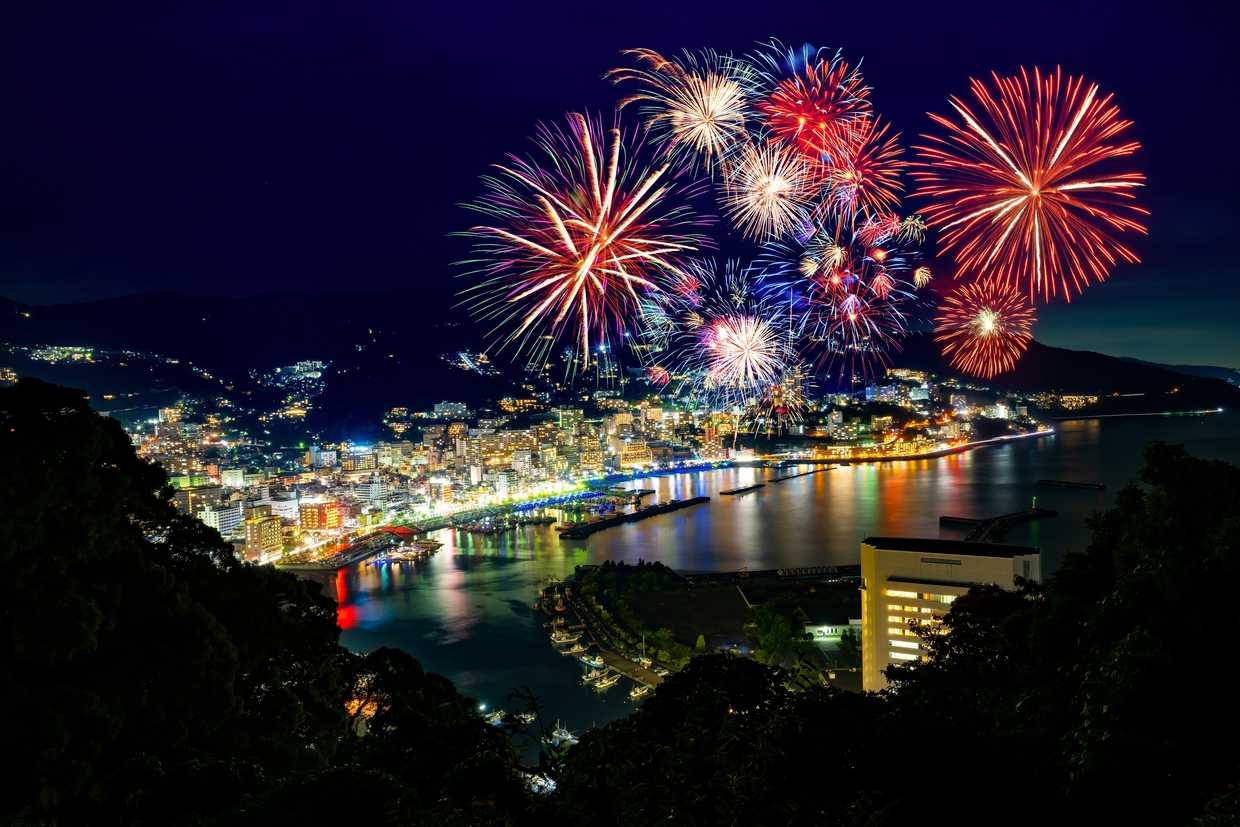
Summer fireworks festival in Japan

Japan's summer is hot and humid, but it also offers plenty of unique seasonal attractions. The spectacular fireworks displays (hanabi taikai) and summer festivals held across the country are not to be missed. Events such as the Awa Odori dance festival (Tokushima) and the Aomori Nebuta Festival, both held in August, are precious opportunities to experience Japanese traditional culture firsthand.

Summer is also ideal for outdoor activities like swimming at the beach and river outings. You can enjoy water sports at the beautiful beaches of Okinawa or Kyushu, or cool off in popular resort towns like Karuizawa and Nikko.

Autumn (September – November)

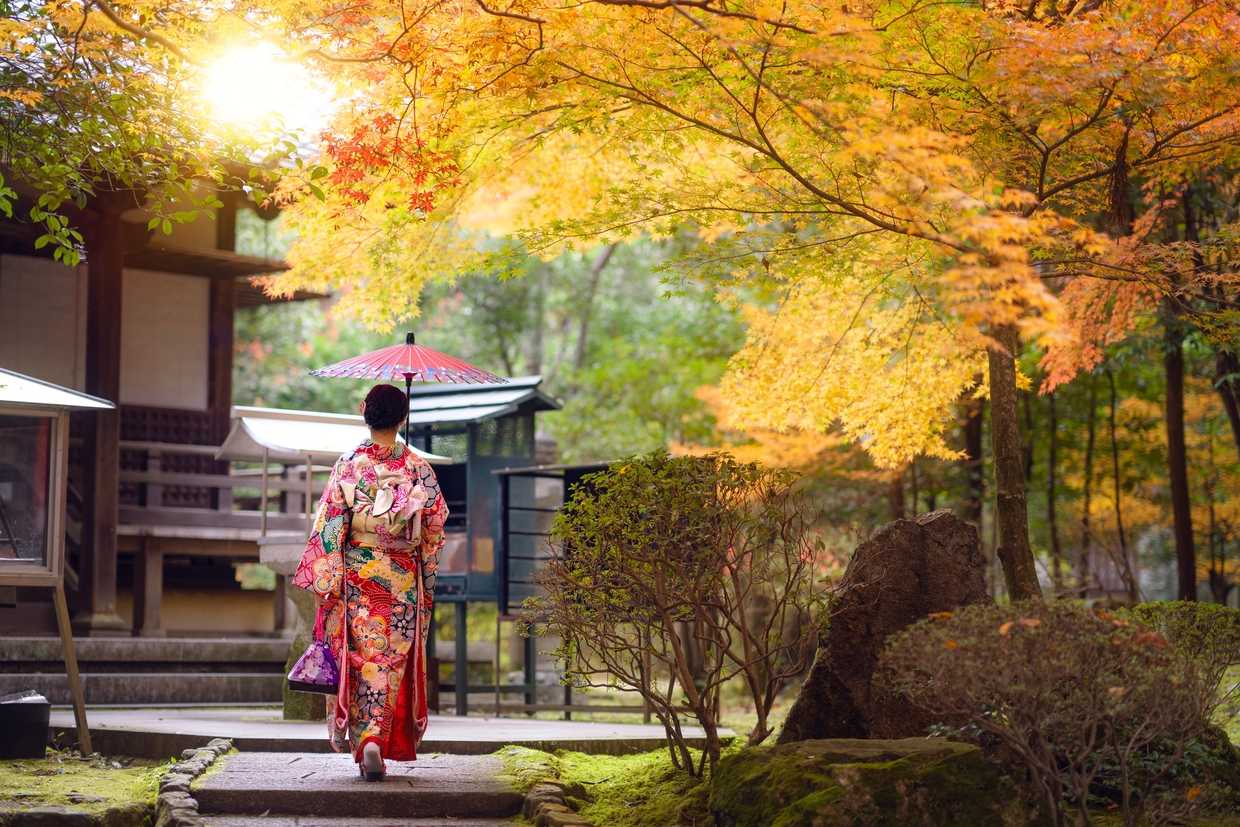
Autumn foliage in Japan — woman in kimono among red leaves

Japan's autumn is world-famous for its stunning fall foliage (koyo). From October through November, the trees in mountains and gardens transform into vivid shades of red, yellow, and orange, creating breathtaking scenery. Arashiyama in Kyoto, Mount Takao in Tokyo, and Yoshinoyama in Nara are among the most popular foliage spots.

The cool, comfortable climate makes this an ideal time for sightseeing and hiking. Autumn is also harvest season, giving you the chance to enjoy fresh produce and seasonal flavors.

Winter (December – February)

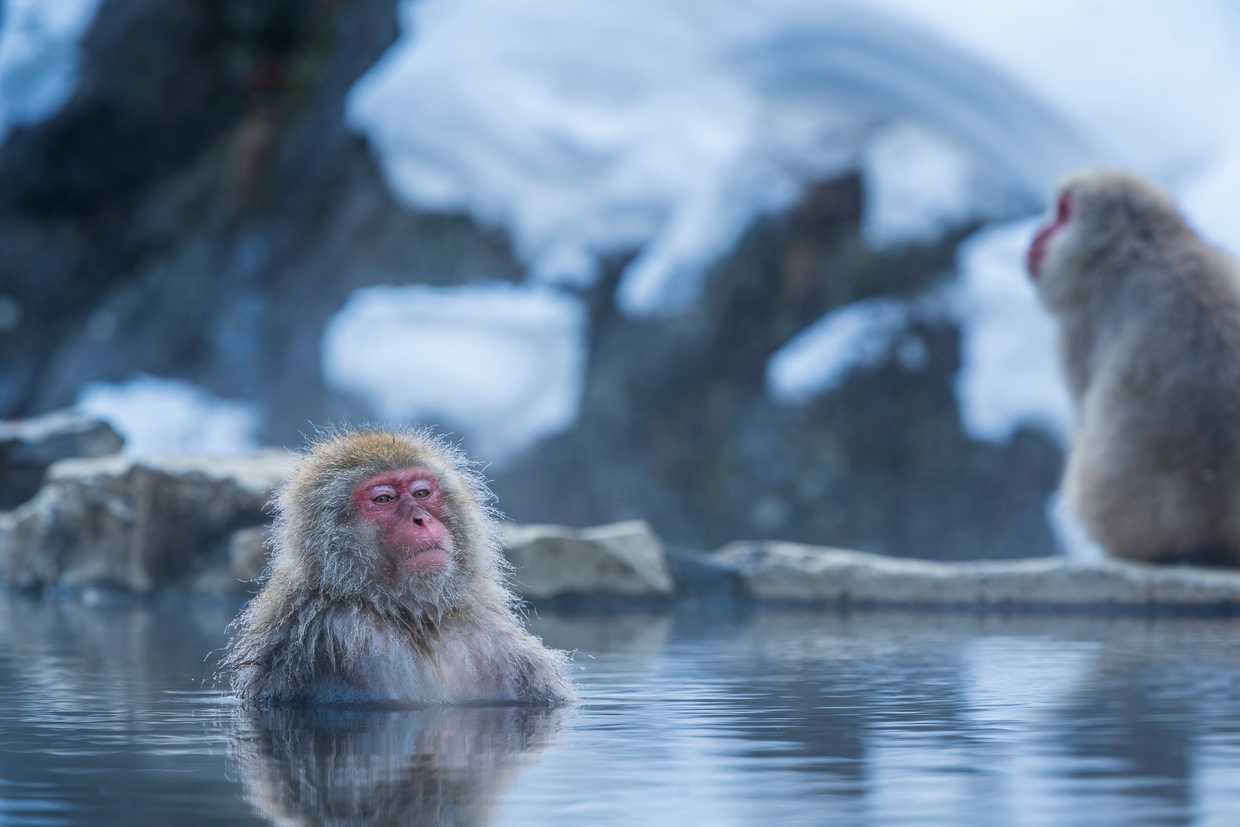
Snow monkeys in a hot spring — winter in Japan

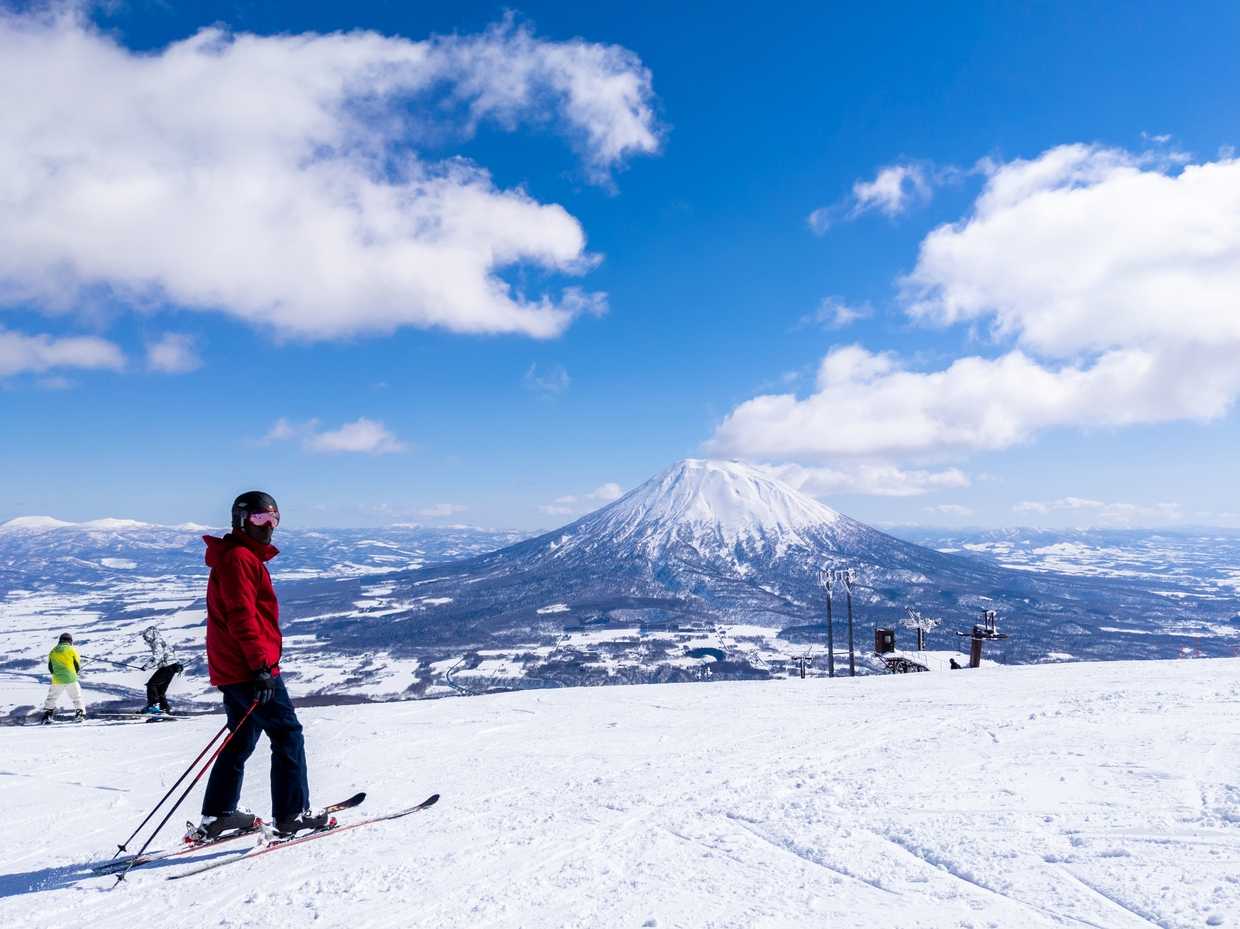
In winter, Japan is particularly enchanting for its snowy landscapes and the allure of onsen (hot springs). The snow festivals of Hokkaido and the Tohoku region, and the snow-covered Japanese Alps, are truly breathtaking. The world-class ski resorts in areas such as Hakuba (Nagano Prefecture) and Myoko Kogen (Niigata Prefecture) are known for their exceptional powder snow quality.

Hot springs are one of Japan's great winter pleasures. Yukimi-buro — bathing in an onsen while viewing the snow — is a uniquely Japanese luxury you won't find anywhere else.

Coexistence of Tradition and Modernity

Traditional and modern Japan coexisting

One of Japan's greatest charms is the seamless fusion of centuries-old tradition with cutting-edge technology. In Tokyo, a quiet Shinto shrine sits just a few minutes' walk from towering skyscrapers. In ancient Kyoto, traditional machiya townhouses stand alongside modern shopping malls. Japan offers an experience that feels as if you have stepped across time.

Safety and Cleanliness

Clean and safe streets of Japan

Japan is recognized as one of the safest countries in the world. Its low crime rate means that even walking alone at night is relatively safe. The cleanliness of Japanese cities is another aspect that consistently impresses tourists. A culture of carrying your own trash home is deeply ingrained, maintaining beautiful and orderly streets throughout the country.

Unique Cultural Experiences

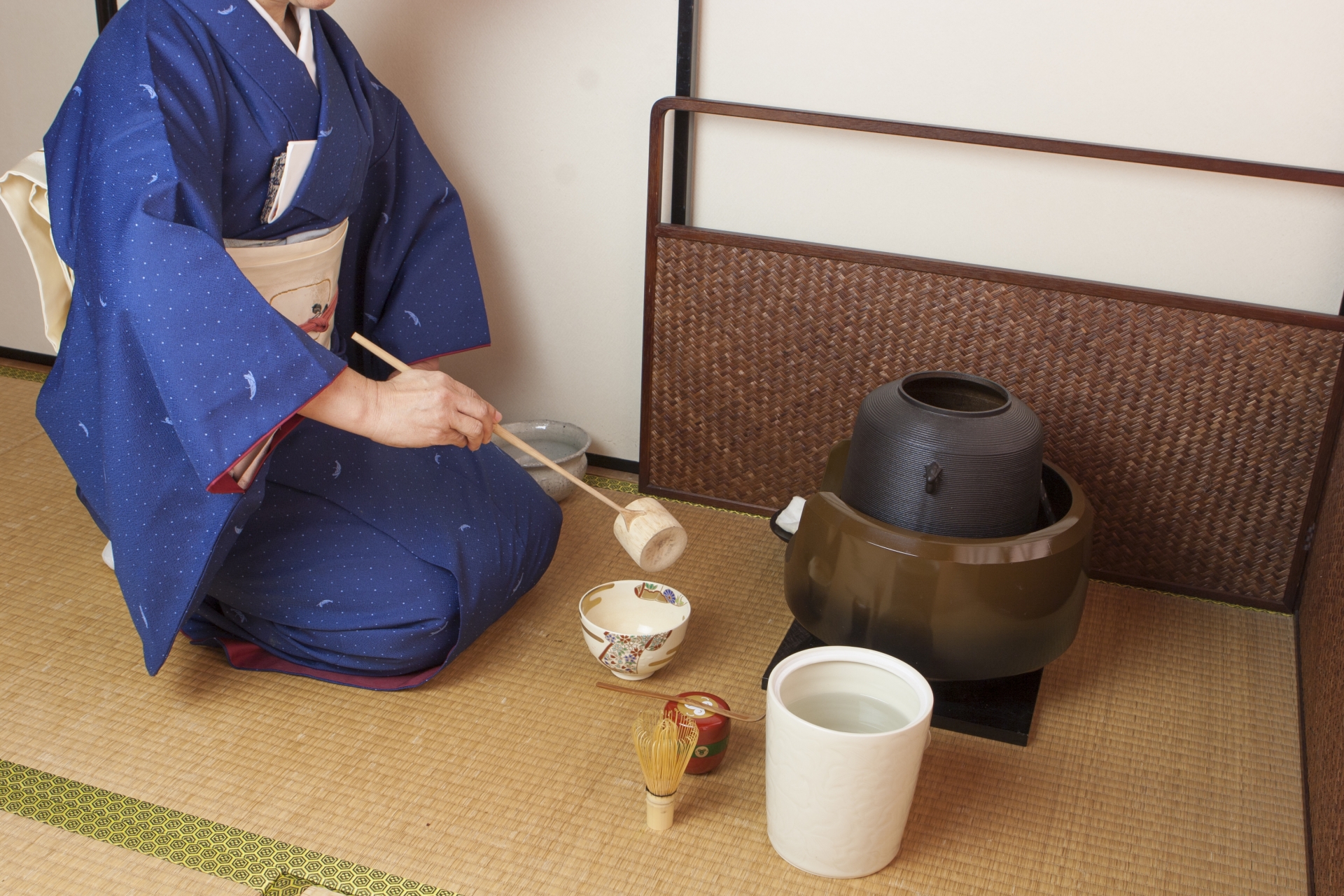
Japanese traditional cultural experience

Japan's culture spans an enormous range — from traditional arts such as the tea ceremony (sado), ikebana (flower arranging), and calligraphy (shodo), to pop culture phenomena like anime, manga, and video games. Through various hands-on programs, visitors can do more than just observe; they can actively participate in and experience Japanese culture for themselves.

GTN Prepaid SIM

Overview in 30 seconds

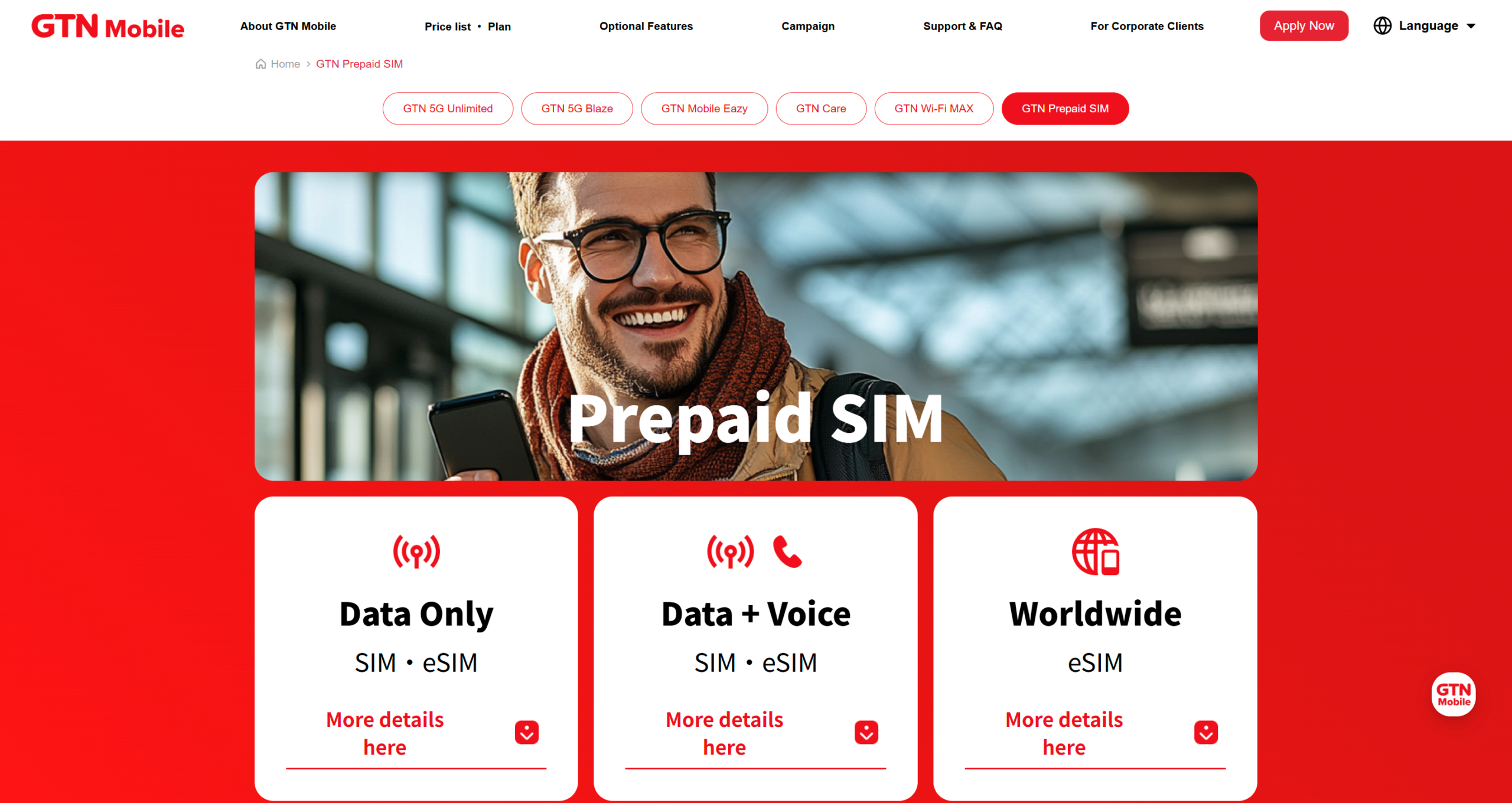
GTN Prepaid SIM is a prepaid SIM for short to medium-term visitors, offering data-only plans for a minimum of 7 days to a maximum of 90 days, and voice + data plans that allow immediate acquisition of a Japanese phone number.

Not sold at convenience stores

Available for purchase at:

  • Web application (home delivery / eSIM)
  • GTN directly managed stores (Tokyo - Shin-Okubo / Osaka)
  • Chubu Centrair International Airport Station Meitetsu Travel Plaza
  • GTN Korea Seoul Branch

Application possible with passport only

  • No residency period conditions, available for foreign visitors to Japan

Customer support in 13 languages

  • Including Japanese, English, Chinese, Korean, Vietnamese, Indonesian, Nepali, Mongolian, etc.

*Data-only eSIM also supports online applications before arriving in Japan.

運営会社 Global Trust Networks Co., Ltd.
料金

Pricing & Plans

Data-Only SIM / eSIM

For those prioritizing internet connectivity for streaming, navigation, and social media.

Data CapacityDurationPrice (Tax Incl.)
30 GB7 Days¥3,000
10 GB30 Days¥3,000
50 GB30 Days¥5,000
135 GB90 Days¥10,000

Voice + Data SIM

Ideal for those who need a local phone number for calls and SMS authentication.

Data Capacity30-Day Plan90-Day Plan
5 GB¥6,500¥15,980
15 GB¥9,500¥22,980
25 GB¥12,500¥28,980

Note on Voice Plans: > * Domestic Calls: ¥22 per 30 seconds.

SMS (Domestic): ¥3.3 to ¥33 per message.

Additional charges apply for these services.

Information as of February 2026.

公式HP https://www.gtn-mobile.com/

Four Features

Flexible Plan Structure Supporting Short to Medium Term Stays 

Data-only plans are available for 7 to 90 days, and Voice + Data plans for 30 to 90 days. You can choose a plan that matches your stay duration, from a one-week business trip to a three-month medium-term stay.

Application Possible with Just One Passport 

No credit card, bank account, or residence card is required. There are no restrictions based on the period of stay, so it can be used by foreign visitors to Japan, short-term visitors, and foreign residents in Japan.

Multilingual Customer Support 

Supports languages including Japanese, English, Chinese, Korean, Vietnamese, Indonesian, Nepali, and Mongolian. Even those who are not confident in Japanese can consult in their native language.

Supports Online Application Before Arriving in Japan (Data-only eSIM) 

Data-only eSIM plans allow online application and activation preparation before arriving in Japan. You can secure communication from the moment you arrive at the airport.

Recommended Plans by Use Case

For These PeopleRecommended PlanReason
Want to use large data for a one-week business trip or tourismData-only 7 days 30GB (3,000 yen)Enough data for short-term use of videos and maps without worries
One-month medium-term stay, mainly for communicationData-only 30 days 10GB (3,000 yen)Sufficient for 30 days if used lightly
One-month stay using video streaming and tetheringData-only 30 days 50GB (5,000 yen)Reliable data for remote work and business trips
3-month working holiday or waiting for a visaData-only 90 days 135GB (10,000 yen)90-day support, approximately 111 yen per day
Need a Japanese phone number or SMS authenticationVoice + Data Plan (in-store purchase)Supports banking, administrative procedures, and SMS authentication


Where to Purchase

Purchase ChannelReceiving MethodFor These People
Web Application (GTN Mobile Official Site)Home delivery / Instant eSIMThose who want to arrange systematically / Those who want to prepare before arrival
GTN Directly Managed Store Shin-Okubo (Tokyo)In-store immediateThose who wish for multilingual face-to-face consultation
GTN Directly Managed Store OsakaIn-store immediateThose residing or staying in Kansai
Chubu Centrair International Airport Station Meitetsu Travel PlazaReceive upon arrivalForeign visitors entering Japan via Chubu Airport
GTN Korea Seoul BranchReceive before departureThose coming to Japan via Korea


When Is the Best Season to Visit?

Best season to visit Japan

Cherry Blossom Season (Late March – Early April)

One of the best times to visit Japan is spring, when cherry trees burst into bloom. The cherry blossom front (sakura zensen) begins in Kyushu in late March and gradually moves northward, reaching Hokkaido by early May. The peak season in Tokyo and Kyoto is typically late March to early April. This is a highly popular travel period, so early hotel reservations are strongly recommended.

Autumn Foliage Season (Mid-October – Late November)

The autumn foliage season is another popular time to visit Japan. The foliage front begins in Hokkaido in mid-October and moves southward to Kyushu by late November. The peak in Kyoto and Tokyo is typically mid-to-late November.

Off-Season (January–February, June)

For travelers looking to save money or avoid crowds, January–February (excluding the snow festival and ski season) and June (the rainy season) are recommended. During the off-season, there are fewer tourists, and accommodation rates are relatively affordable.

Major Events Calendar

MonthEventRegion
JanuaryHatsumode (First shrine visit), Coming of Age DayShrines and temples nationwide
FebruarySapporo Snow Festival, Setsubun (Bean-throwing festival)Sapporo (Hokkaido), Nationwide
March - AprilCherry Blossom Festivals, Hanami (Flower viewing)Nationwide
MayGolden Week, Aoi MatsuriNationwide, Kyoto
June - JulyTsuyu (Rainy season), Tanabata FestivalNationwide, Sendai, etc.
July - AugustGion Matsuri, Summer Festivals, Fireworks DisplaysKyoto, Nationwide
AugustObon, Awa Odori, Nebuta MatsuriNationwide, Tokushima, Aomori
SeptemberSilver WeekNationwide
October - NovemberMomijigari (Autumn leaf hunting), Jingu Gaien Ginkgo FestivalNationwide, Tokyo
DecemberChristmas, Year-end preparationsNationwide

Essential Preparations Before Coming to Japan

Preparing for a trip to Japan

Visa Requirements

Most nationalities can enter Japan without a visa for tourism purposes, as long as their stay does not exceed 90 days. However, requirements vary by country, so it is important to check the latest information on the website of the nearest Japanese embassy or consulate before your trip.

Documents Required for Travel

  • Valid passport (with remaining validity beyond your stay)
  • Return or onward ticket
  • Proof of sufficient funds for the duration of your stay
  • Accommodation booking confirmation
  • Travel insurance (recommended)

Packing Checklist

Essential Items

  • Passport and copies
  • Credit card / cash (Japanese yen)
  • Travel insurance documents
  • Prescription medications and doctor's note (if applicable)
  • International Driving Permit (if you plan to use a rental car)

Useful Items to Bring

  • Mobile Wi-Fi router or eSIM
  • Power adapter (Japan uses 100V and Type A plugs)
  • A small Japanese-English dictionary or translation app
  • Map apps (such as Google Maps or Japan Travel by Navitime)
  • Lightweight travel umbrella (especially during the rainy season)
  • Comfortable walking shoes (sightseeing often involves a lot of walking)
  • Culturally appropriate clothing (for visiting temples and shrines)

Securing Internet Access

For internet connectivity during your stay in Japan, the following options are available:

Rental Pocket Wi-Fi: Available at airport counters. Connects multiple devices simultaneously and is economical for longer stays.

SIM Card: Purchasing a Japanese SIM card allows you to use mobile data directly. Available at airports and electronics retailers.

eSIM: If you have a newer smartphone, you can use an eSIM service for a data plan without a physical SIM card — very convenient.

Free Wi-Fi: Available at major train stations, convenience stores, and cafes, though reliability and coverage vary by location.

Arrival Procedures

  1. Immigration (Present your passport and arrival card)
  2. Baggage Claim
  3. Customs (Declare any restricted or taxable items)
  4. Currency Exchange & ATM (Cash withdrawals are available at ATMs within the airport)
  5. Arranging Transportation (Train, bus, taxi, etc.)

Guide to Japan's Major Tourist Destinations

Tokyo Area

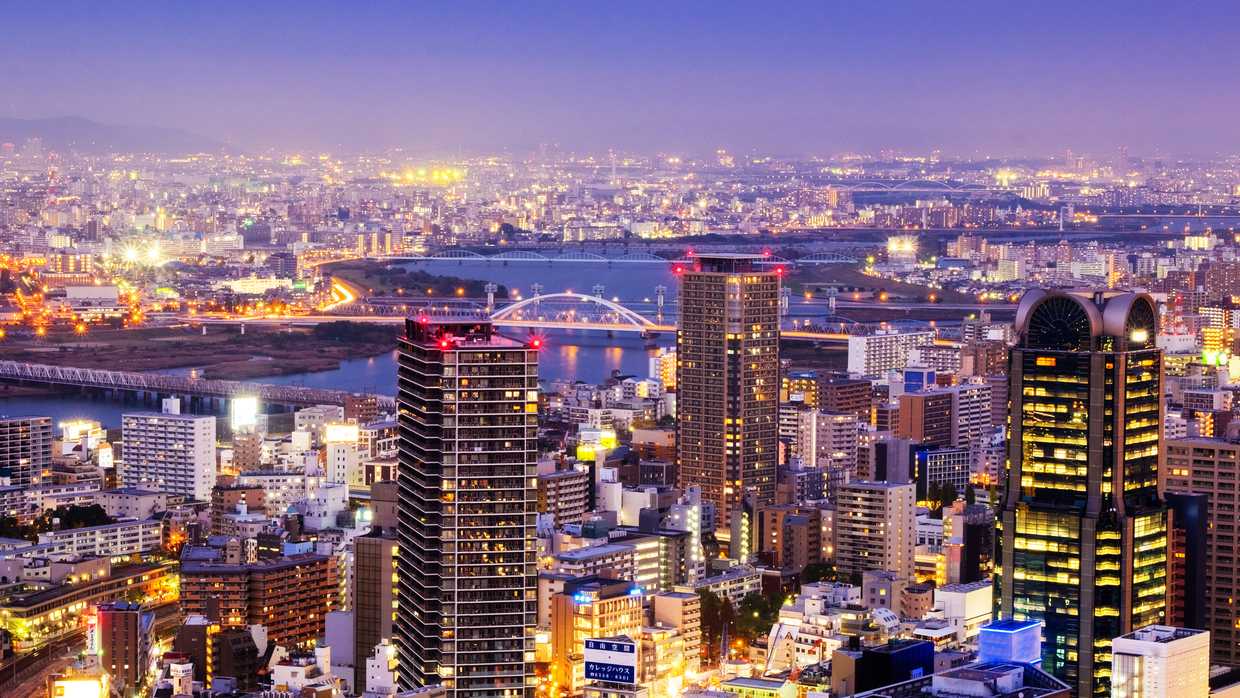
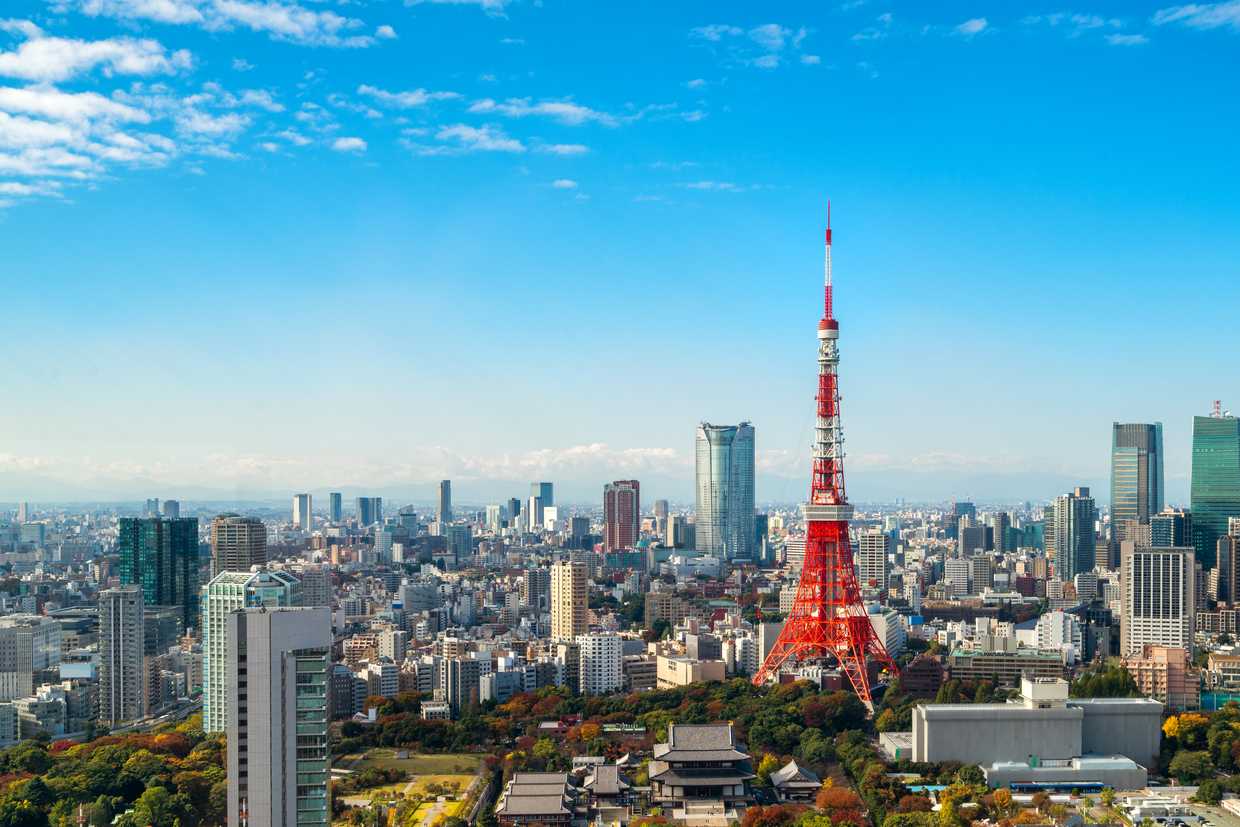
Tokyo cityscape — traditional and modern Japan

Tokyo is a metropolis where tradition and innovation coexist. Here are some must-see spots in Tokyo:

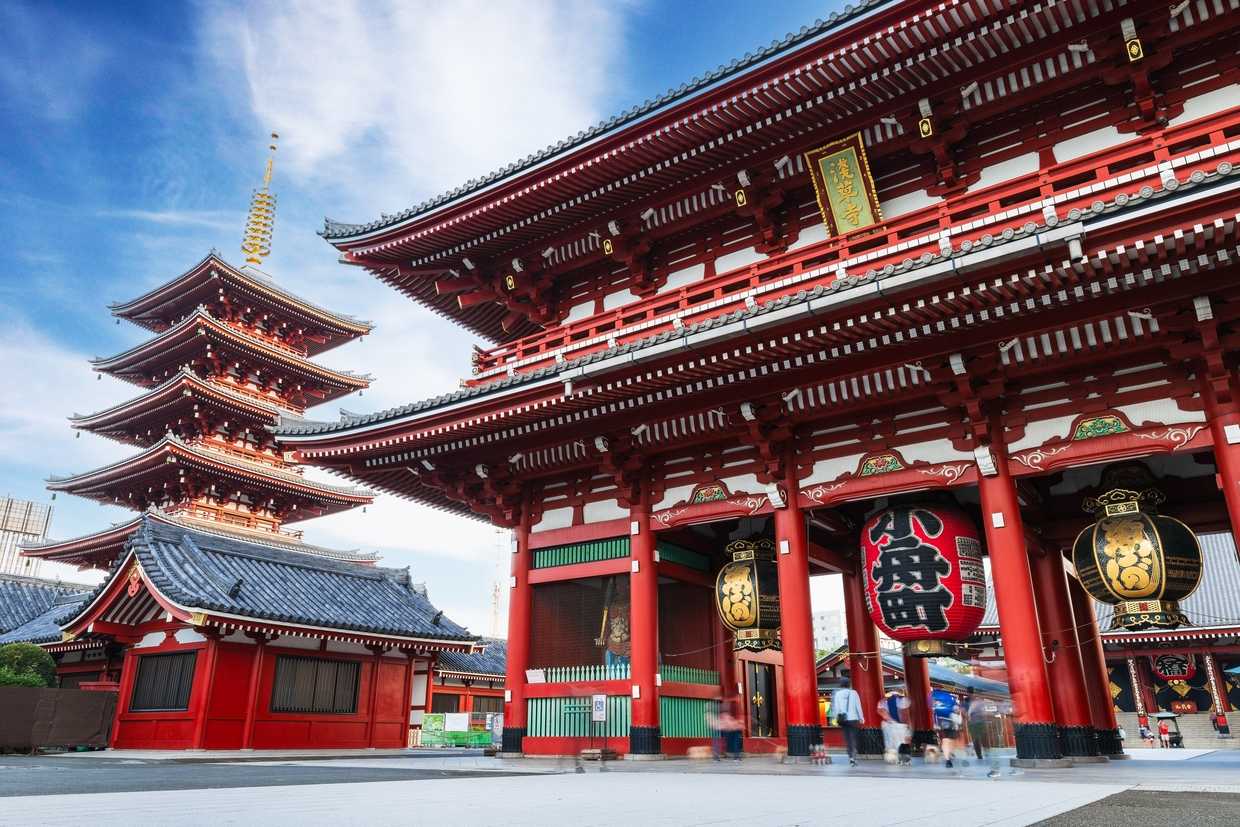
  • Asakusa & Senso-ji Temple: Tokyo’s oldest temple, featuring iconic landmarks like the Kaminarimon Gate and the bustling Nakamise shopping street.
  • Shibuya & Harajuku: The heart of youth culture, famous for the Scramble Crossing and trendy shopping spots.
  • Shinjuku: A diverse district where you can enjoy skyscraper views, the neon lights of Kabukicho, and the tranquil nature of Shinjuku Gyoen National Garden.
  • Imperial Palace: The primary residence of the Imperial Family, surrounded by vast and beautiful gardens.
  • Akihabara: Renowned as "Electric Town," it is the world-famous "holy land" for anime, gaming, and otaku culture.
  • Tokyo Skytree: A 634-meter tall broadcasting tower offering breathtaking panoramic views of the city.
  • Odaiba: A futuristic man-made island home to a variety of shopping malls, entertainment facilities, and a waterfront park.

Day Trip Spots Near Tokyo

  • Hakone: A popular hot spring resort packed with attractions, including onsen (hot springs), art museums, and Lake Ashi.
  • Kamakura: Famous for its historic "old capital" atmosphere and the Great Buddha, with beautiful beaches nearby.
  • Nikko: A stunning destination where you can enjoy the beauty of nature and World Heritage sites, most notably Toshogu Shrine.
  • Fuji-Q Highland: A thrill-seeker's amusement park located at the foot of Mount Fuji, famous for its world-record-breaking roller coasters.

Kyoto–Osaka Area

Kyoto

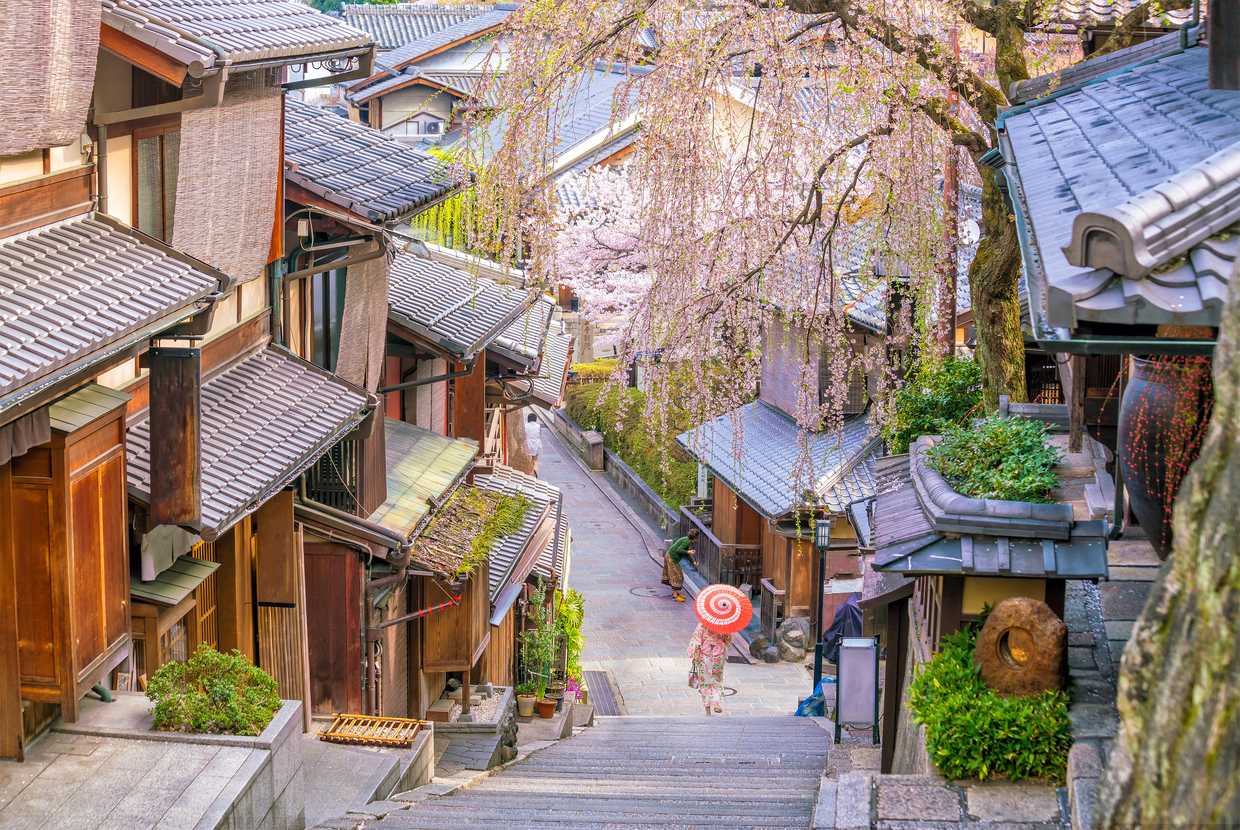
Kyoto — ancient temples and traditional townscapes

Kyoto, Japan's ancient capital with over a thousand years of history, is home to countless temples, shrines, and historic buildings.

  • Fushimi Inari Taisha: A shrine world-renowned for its thousands of vermilion torii gates; it consistently ranks as the most popular spot for international tourists.
  • Kiyomizu-dera Temple: One of Kyoto’s most iconic temples, offering a breathtaking panoramic view from its famous wooden stage.
  • Kinkaku-ji (Golden Pavilion): A stunning temple covered in gold leaf, set within a beautiful Zen garden.
  • Ginkaku-ji (Silver Pavilion): An elegant temple where you can experience the traditional Japanese aesthetic of wabi-sabi (refined simplicity).
  • Arashiyama: A scenic area rich in nature, famous for its Bamboo Grove and the historic Togetsukyo Bridge.
  • Gion: The heart of Kyoto’s traditional culture, known for its well-preserved historic streets and as the center of the Geisha and Maiko community.

Osaka

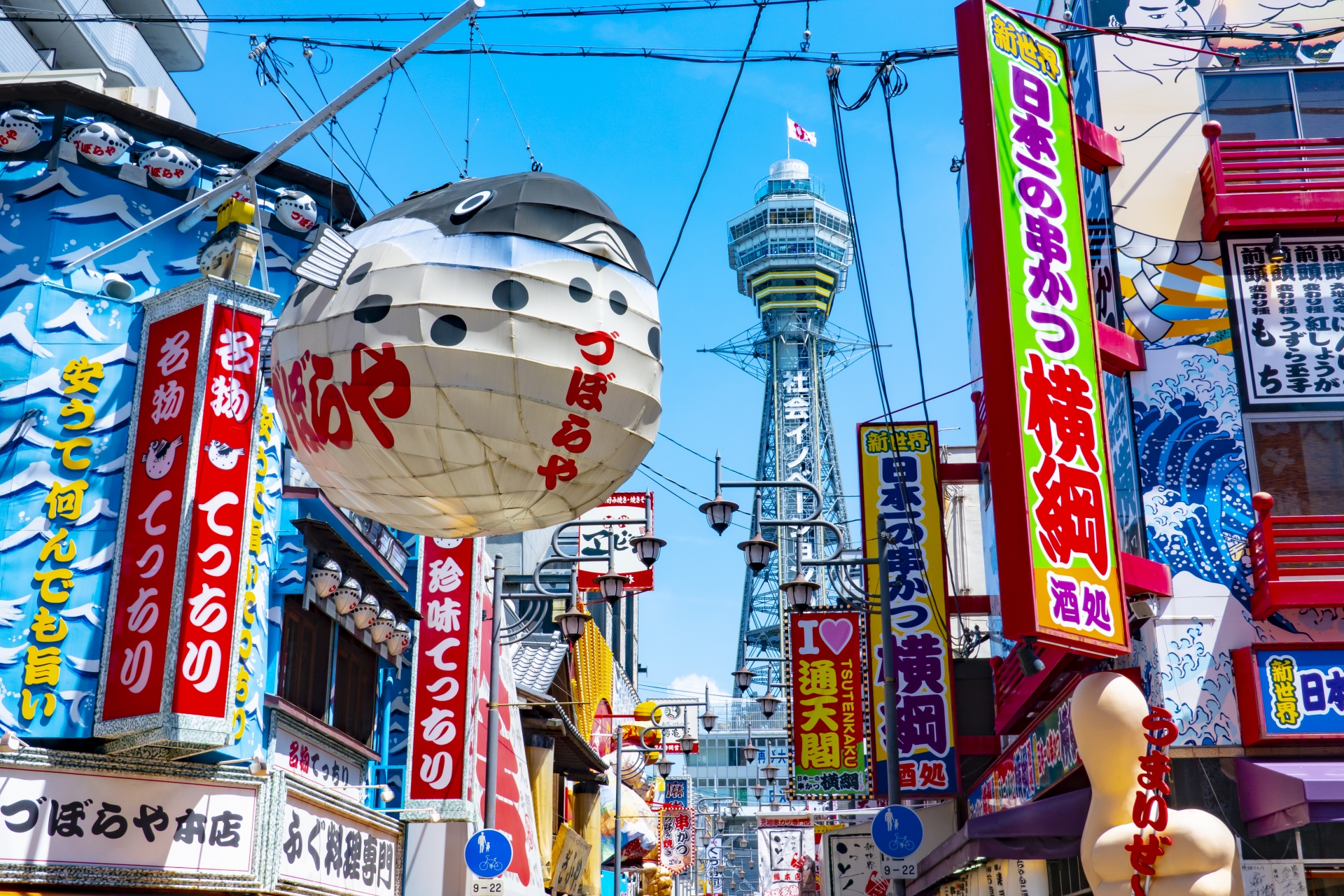
Osaka Dotonbori — vibrant food and entertainment district

Osaka, the economic center of the Kansai region, is renowned for its delicious food and friendly locals.

  • Osaka Castle: A historic castle originally built by Toyotomi Hideyoshi, serving as a powerful symbol of Japanese history.
  • Dotonbori: A vibrant district where you can experience the famous Glico sign and the local "Kuidaore" culture (the obsession with eating until you drop).
  • Universal Studios Japan (USJ): A world-class theme park featuring thrilling attractions based on popular movies and global franchises.
  • Tennoji & Shinsekai: An area known for its nostalgic, retro atmosphere, offering a glimpse into Osaka's soulful past.
  • Abeno Harukas: The tallest building in Japan, where you can enjoy premium shopping and breathtaking views from its observation deck.

Hokkaido Area

Hokkaido — vast nature and fresh seafood

Hokkaido, Japan's northernmost island, is famous for its vast natural scenery and outstanding fresh produce.

  • Sapporo: The central hub of Hokkaido, world-famous for its delicious ramen, historic brewery, and the spectacular Sapporo Snow Festival.
  • Hakodate: A charming port city renowned for its breathtaking night views and well-preserved historic architecture.
  • Furano & Biei: Popular destinations offering iconic lavender fields in the summer and world-class ski resorts in the winter.
  • Shiretoko Peninsula: A UNESCO World Natural Heritage site known for its pristine, untouched wilderness and diverse wildlife.
  • Lake Toya & Noboribetsu: A scenic area where you can experience the power of nature through active volcanoes and rejuvenating hot spring resorts.

Kyushu and Okinawa Area

Kyushu

Kyushu — nature, history, and hot springs

Kyushu, with its warm climate and diverse culture, offers an abundance of hot springs, natural scenery, and historic sites.

  • Fukuoka: The gateway to Kyushu, renowned for its rich and vibrant food culture, including its famous street food stalls (yatai).
  • Nagasaki: A port city with a unique international atmosphere; the Peace Memorial Park is also an essential landmark.
  • Kumamoto: Famous for the majestic Kumamoto Castle and the breathtaking, vast landscapes of Mount Aso.
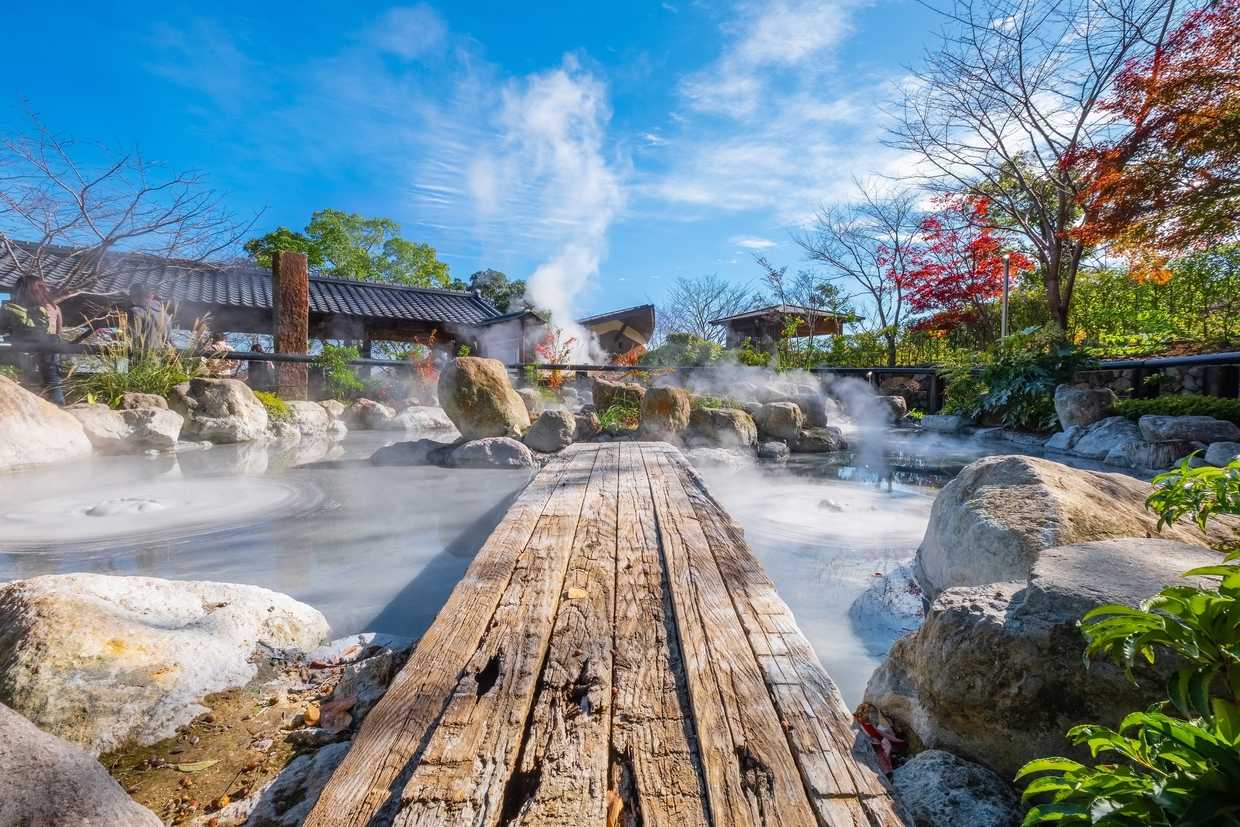
  • Beppu & Yufuin: Two of Japan’s premier hot spring destinations, offering a wide variety of relaxing onsen experiences.
  • Yakushima: A UNESCO World Natural Heritage site home to ancient primeval forests and the legendary Jomon Sugi (Japanese cedar trees) estimated to be thousands of years old.

Okinawa

Okinawa — beautiful beaches and Ryukyu culture

Okinawa's subtropical climate is characterized by beautiful beaches and a unique Ryukyu cultural heritage.

  • Naha: The central hub of Okinawa, famous for the historic Shuri Castle and the bustling Kokusai-dori (International Street).
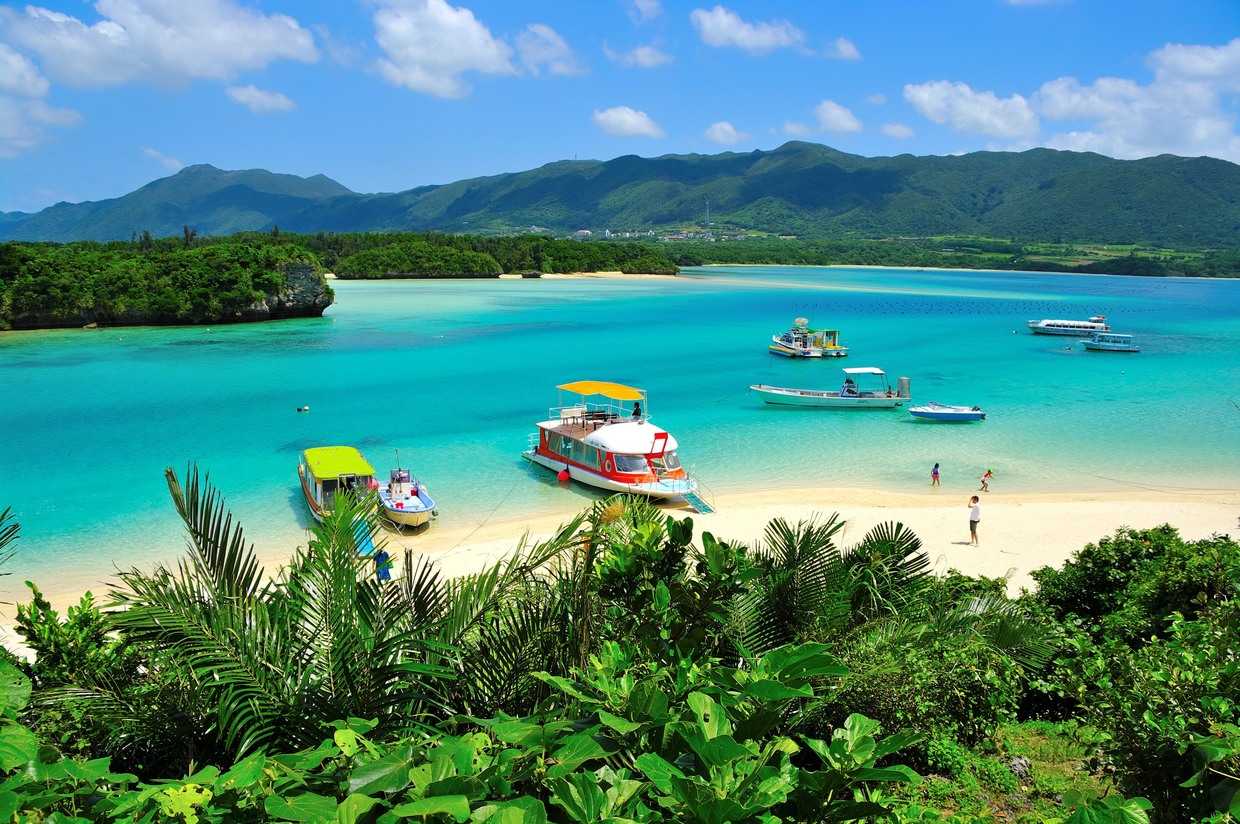
  • Ishigaki & Miyako Islands: Renowned for their crystal-clear waters and some of the most beautiful white-sand beaches in Japan.
  • Kouri Island: A scenic spot offering breathtaking views of the stunning emerald-green sea and the iconic Kouri Bridge.
  • Okinawa Churaumi Aquarium: One of the world’s largest aquariums, where you can see whale sharks and manta rays in a massive, world-class tank.
  • Zamami & Tokashiki Islands: Premier diving and snorkeling spots in the Kerama Islands, famous for the stunning "Kerama Blue" ocean.S

Transportation in Japan

Japan's efficient rail network

The Rail System

Japan's rail network is world-famous for its punctuality, efficiency, and extensive coverage. An estimated 51.3% of foreign visitors use rail as their primary mode of transportation in Japan.

Shinkansen (Bullet Train)

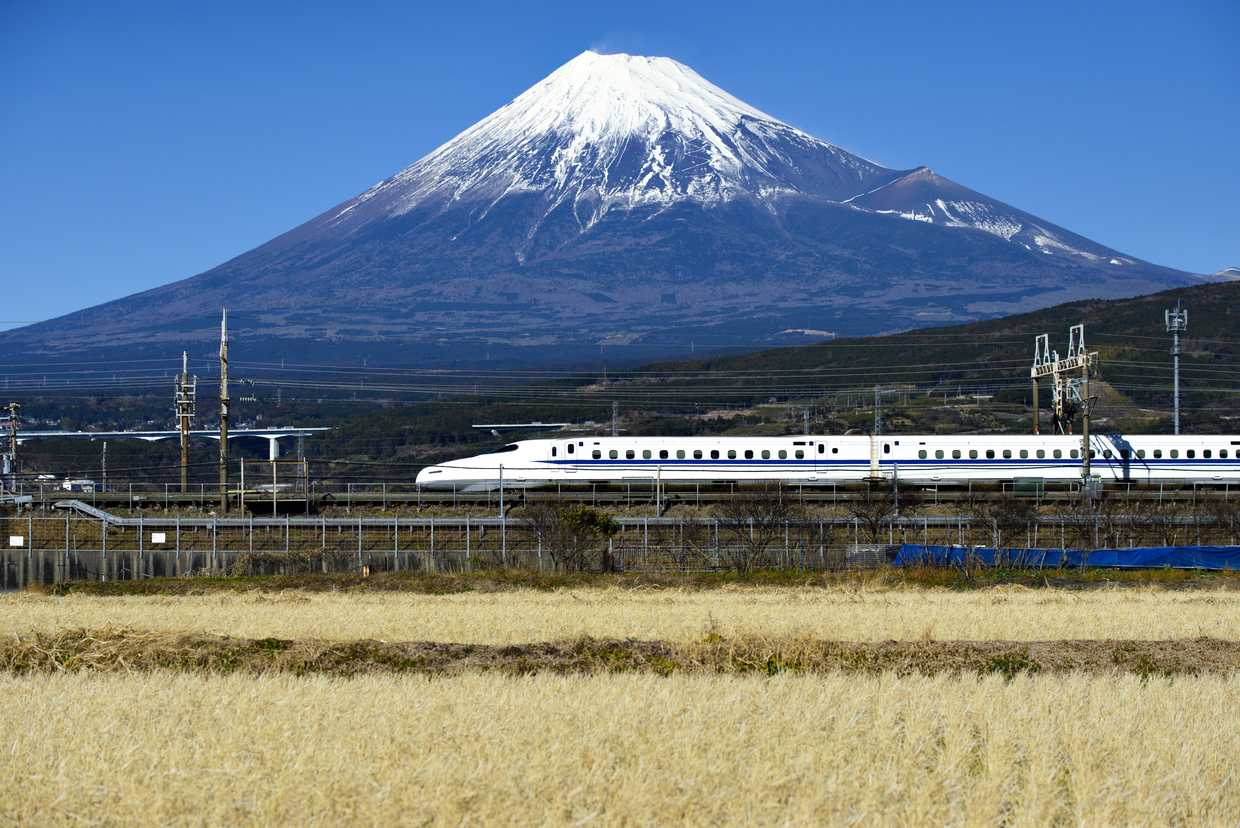
The shinkansen is a high-speed rail system reaching speeds of up to 320 km/h, making it ideal for fast travel between major cities. Key routes include:

  • Tokaido/Sanyo Shinkansen: The main line connecting Tokyo, Osaka, and Hakata.
  • Tohoku/Hokkaido Shinkansen: The line connecting Tokyo, Sendai, and Hakodate.
  • Joetsu/Hokuriku Shinkansen: The line connecting Tokyo, Nagano, and Kanazawa.
  • Kyushu Shinkansen: The line connecting Hakata and Kagoshima.

Japan Rail Pass (JR Pass)

Foreign tourists visiting Japan on a tourist visa are eligible to purchase a JR Pass. This is a pass that allows unlimited use of JR lines, Shinkansen, and some buses and ferries for a specified period (7, 14, or 21 days). It has the following features:

  • Economical for long-distance travel and visiting multiple cities.
  • Available at a discounted price if purchased before entering Japan.
  • Types of passes: nationwide version, regional limited version.
JR Pass Type7 days14 days21 days
Ordinary Car (purchased at a designated sales office)Approx. 50,000 yenApprox. 80,000 yenApprox. 100,000 yen
Ordinary Car (purchased online)Approx. 70,000 yenApprox. 110,000 yenApprox. 140,000 yen

*Prices are as of 2025 and are subject to change.

Urban Transportation: Subway/Tram

Major cities have a well-developed subway network, which is convenient for sightseeing in the city.

  • Tokyo Metro/Toei Subway: A total of 13 lines cover the Tokyo metropolitan area.
  • Osaka Metro: 9 lines cover the Osaka city area.
  • Trams: Operate in cities such as Hiroshima, Nagasaki, and Okayama.

IC Cards for Transportation

IC cards for transportation such as Suica, PASMO, and ICOCA save you the trouble of buying tickets and allow for smooth travel.

  • Can be used on trains, buses, and subways.
  • Can also be used at convenience stores, vending machines, etc.
  • Recently, they have become interoperable and can be used almost anywhere in the country.

Bus

Buses are used to access areas not served by railways and as an economical means of transportation.

  • Local buses: Convenient for getting around in regional cities and suburbs.
  • Highway buses: An economical option for long-distance travel between cities.
  • Tourist loop buses: Convenient buses that go around major tourist spots (e.g., Kyoto City Bus One-Day Pass).

Taxi

Taxis are convenient, but they are more expensive than other means of transportation.

  • The starting fare varies by city, but it is about 470-730 yen.
  • A surcharge may be applied late at night and early in the morning.
  • Easily available at major tourist spots and hotels.
  • Taxi apps (JapanTaxi, Uber (in some areas), etc.) are also convenient.

Rental Car

A rental car is also an option if you want to explore the countryside or travel with multiple people.

  • An international driving permit is required (from a country that is a signatory to the Geneva Convention).
  • Be aware that Japan drives on the left.
  • You can also rent an ETC card (a system for automatically paying highway tolls).
  • Some car navigation systems can be displayed in English.

Bicycle

Bicycle rental services are also available in urban areas and tourist spots.

  • Particularly convenient in flat cities (Kyoto, some areas of Tokyo, etc.).
  • Many stations and hotels offer rental bicycles.
  • Some areas have dedicated bicycle lanes, but be careful when riding on sidewalks.

Enjoying Japanese Food Culture

A variety of delicious Japanese dishes

Basics of Japanese Food

Japanese food is highly acclaimed worldwide for its fresh ingredients, delicate flavors, and beautiful presentation. Enjoying Japanese food is one of the great pleasures of a trip for foreign tourists.

Characteristics of Japanese Cuisine

  • Emphasis on the freshness of ingredients: Valuing the original taste of the ingredients.
  • Sense of season: Incorporating seasonal ingredients.
  • Visual beauty: Emphasizing the balance of presentation and color.
  • Use of umami: A modest seasoning based on dashi stock.
  • Diverse cooking methods: Various techniques such as eating raw, simmering, grilling, and steaming.

Popular Japanese Foods Among Foreigners

According to a survey, the most popular Japanese foods among foreign tourists are as follows:

  1. Sushi (19.4%): A combination of raw fish and vinegared rice. From conveyor belt sushi to high-end restaurants.
  2. Yakiniku/Steak (9.2%): The high quality of Wagyu beef is popular.
  3. Sukiyaki (8.0%): Thinly sliced meat and vegetables are simmered in a sweet and savory sauce and eaten by dipping them in a raw egg.
  4. Unagi (7.4%): Served as kabayaki or in a rice bowl.
  5. Tempura (6.9%): A dish that traps the flavor of fresh ingredients in a crispy batter.

Regional Gourmet Guide

A bowl of ramen, a popular Japanese dish

Each region of Japan has its own local cuisine.

Hokkaido

  • Ramen: Especially the miso ramen of Sapporo.
  • Genghis Khan: A dish of lamb grilled on a special iron plate.
  • Seafood: High-end ingredients such as sea urchin, salmon roe, and crab can be enjoyed at a reasonable price.

Tokyo

  • Edomae-zushi: Traditional sushi using fish caught in Tokyo Bay.
  • Monjayaki: A type of savory pancake, famous in Tsukishima.
  • Fukagawa-meshi: A dish of simmered clams and rice.

Osaka

  • Takoyaki: Ball-shaped savory pancakes with octopus inside.
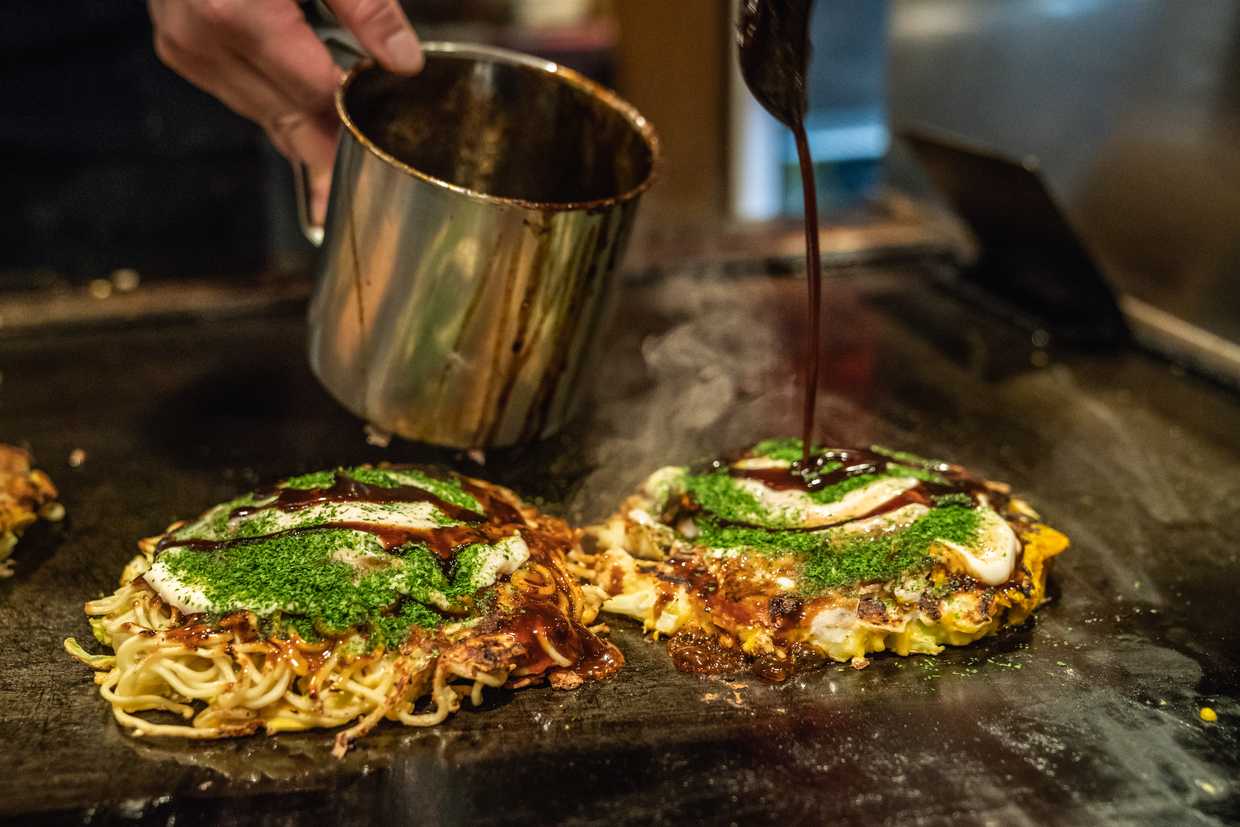
  • Okonomiyaki:A savory pancake with various ingredients.
  • Kushikatsu: Skewered ingredients coated in breadcrumbs and deep-fried.

Kyoto

  • Yuba: Shoots of soy milk used in vegetarian cuisine.
  • Kyo-yasai: Dishes using vegetables unique to Kyoto.
  • Chakaiseki: Traditional kaiseki cuisine accompanying the tea ceremony.

Kyushu

  • Hakata Ramen: Characterized by thin noodles and pork bone broth.
  • Mentaiko: Spicy marinated pollock roe.
  • Basashi: Horse meat sashimi, a specialty of Kumamoto.

Dining Manners and Customs

When enjoying Japanese food, it is helpful to know some basic manners.

  • How to use chopsticks: It is common to eat with chopsticks. Avoid actions such as sticking chopsticks upright in rice or passing food with chopsticks.
  • "Itadakimasu" and "Gochisousama": Words said before and after a meal.
  • Making sounds: It is acceptable to slurp noodles such as ramen and soba.
  • Holding dishes: It is proper etiquette to hold rice bowls and soup bowls when eating.
  • How to order: In many Japanese restaurants, o-hiya (free water) is provided.

Japanese Foods That Foreigners Often Dislike

Due to cultural backgrounds, there are some Japanese foods that foreigners may initially dislike.

  1. Raw eggs/raw fish: Some people are resistant to raw foods due to hygiene or cultural differences.
  2. Natto: Fermented food with a unique smell and stickiness.
  3. Seaweed (nori, wakame, etc.): Some people are not used to the texture and flavor.
  4. Umeboshi: Characterized by its strong sourness and saltiness.
  5. Wasabi: Some people dislike its pungent spiciness.

Useful Japanese Phrases for Dining

JapaneseEnglish
おすすめは何ですか?What do you recommend?
アレルギーがありますI have allergies
辛いものは苦手ですI don't like spicy food
お会計をお願いしますCheck, please
おいしかったですIt was delicious

Paying at Restaurants

  • Cash payment is common in many restaurants, but credit cards are also accepted in tourist areas and urban areas.
  • QR code payments (PayPay, etc.) are also becoming popular recently.
  • Advance reservations may be required for high-end restaurants, and cancellation fees may apply.

Handling Special Dietary Restrictions

In recent years, the number of restaurants that cater to dietary restrictions such as vegetarian, halal, and gluten-free has increased.

  • Vegetarian/Vegan: Vegetarian cuisine (temple cuisine) and specialized restaurants are scattered in urban areas.
  • Halal: The number of certified restaurants is increasing in major cities.
  • Gluten-free: Dishes using buckwheat flour and rice flour can be used as alternatives.

By searching with keywords such as "Muslim Friendly" and "Vegetarian" in advance, you can easily find compatible restaurants. Also, preparing a dietary restriction card in Japanese will facilitate communication.

How to Choose and Features of Accommodations in Japan

In Japan, there are various options from traditional accommodations to modern hotels. You can enhance your trip by choosing according to your purpose and budget.

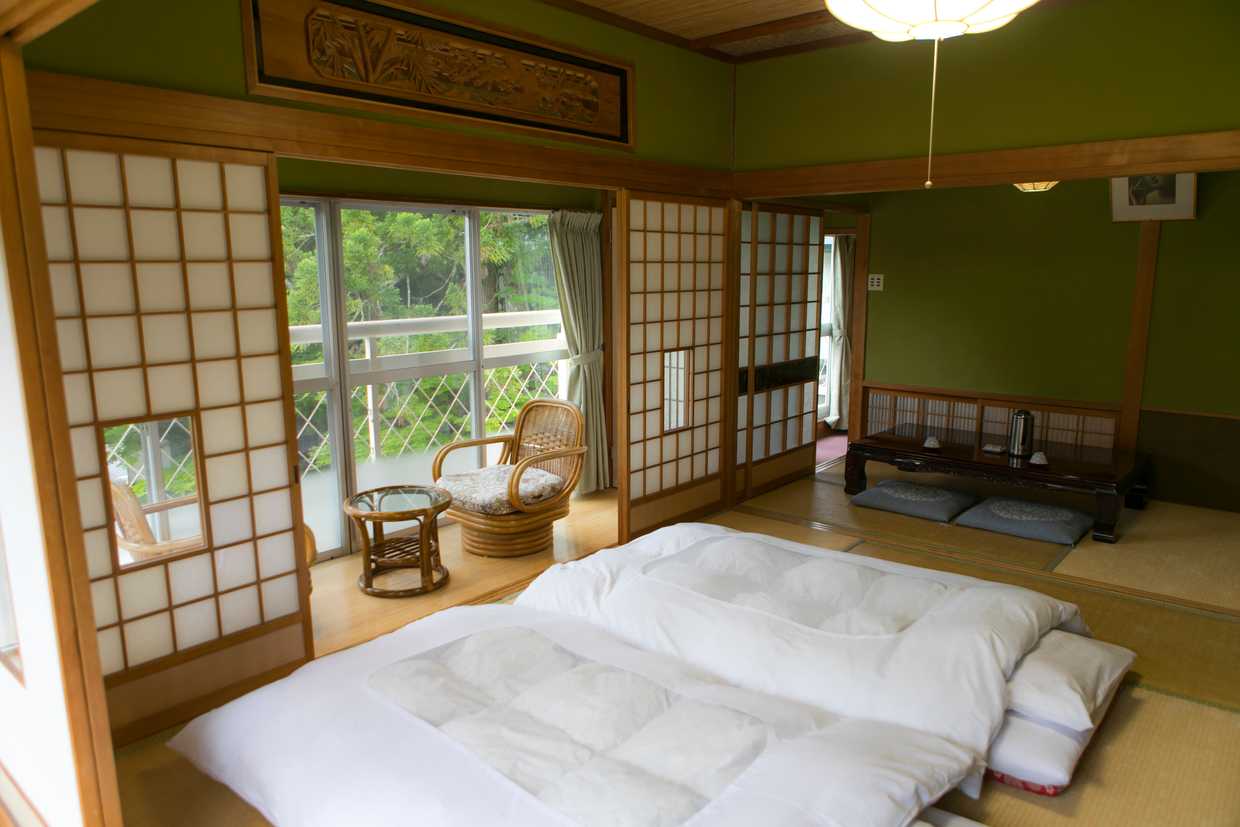
Ryokan (Traditional Inn)

A traditional Japanese ryokan with a garden

Ryokan are traditional Japanese accommodations. They are ideal for those who want to experience Japanese culture, but they are generally more expensive than hotels. Especially at high-end ryokan, it can cost 20,000 to over 100,000 yen per person per night.

  • Japanese-style room: You sleep on a futon laid on a tatami mat.
  • Hot springs: Many ryokan have large public baths and open-air baths.
  • Meals: Dinner and breakfast (kaiseki cuisine) are served in your room or at a dining area.
  • Yukata: You can wear a yukata (a casual kimono) inside the ryokan.

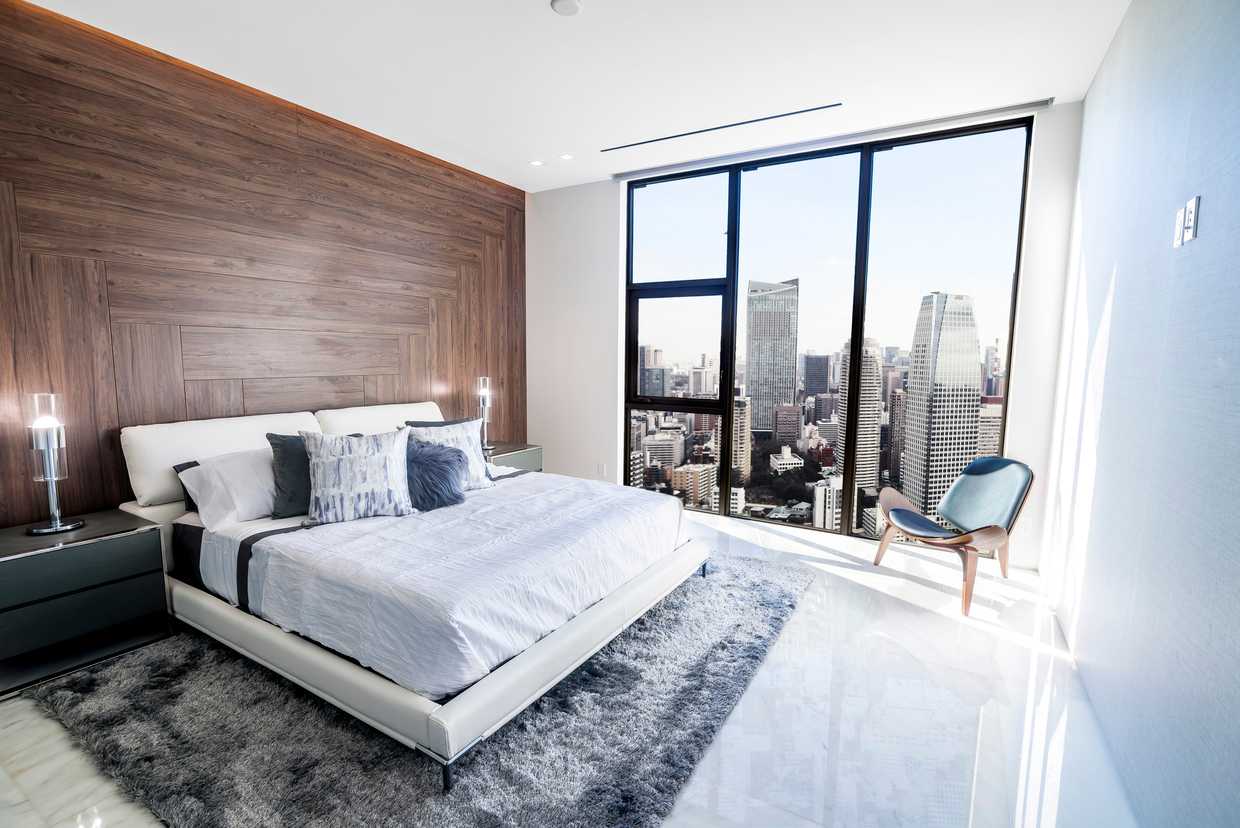
Hotel

A modern hotel room in Japan

Western-style hotels are widely available in major cities and tourist areas.

  • Business hotels: Offer functional facilities at reasonable prices (5,000-12,000 yen/night).
  • City hotels: Mid-to-high-end hotels in urban centers (12,000-30,000 yen/night).
  • Resort hotels: Hotels located in tourist areas with leisure facilities.
  • Foreign luxury hotels: Offer the highest quality facilities and services (30,000 yen~/night).

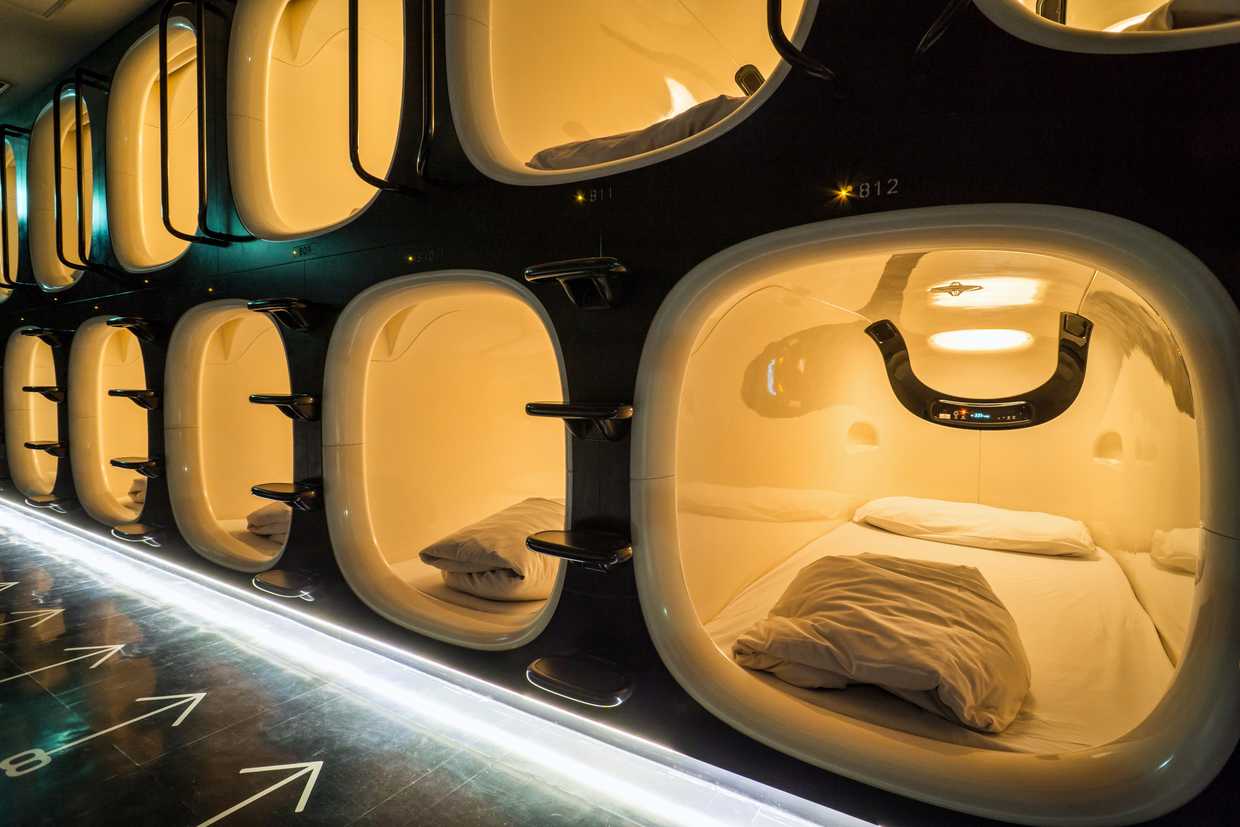
Capsule Hotel

A capsule hotel room in Japan

A unique accommodation style in Japan where you stay in a capsule instead of a private room.

  • Very reasonable (2,000-5,000 yen/night).
  • Limited privacy, but clean and functional.
  • Many have separate floors or facilities for men and women.
  • Also used as a large public bath or a place for a short nap.

Guesthouse/Hostel

Popular among backpackers, long-term travelers, and those who value interaction.

  • The most economical option (2,000-5,000 yen/night).
  • Various types, from dormitories (shared rooms) to private rooms.
  • Shared kitchens and lounges are available, allowing interaction with other travelers.
  • May offer support such as local information and tour arrangements.

Minpaku (Airbnb, etc.)

An accommodation style where you stay in a vacant room or house of a private home.

  • Various price ranges, but often cheaper than comparable hotels.
  • You can experience local life more closely.
  • Kitchens, washing machines, and other living facilities are often available.
  • In Japan, it is important to choose a legally registered property as it is subject to a registration system.

Points for Choosing Accommodations

Location

  • Distance from the station: In Japan, public transportation is convenient, so being close to a station is a big advantage.
  • Access to tourist spots: Check the accessibility to major tourist spots.
  • Surrounding environment: Check for restaurants, commercial facilities, and safety.

Facilities and Services

  • Free Wi-Fi: Most accommodations offer it, but check in advance.
  • Bathtub: Especially for Westerners, rooms with bathtubs are preferred over shower-only rooms.
  • Number of outlets: Important for modern travelers with many electronic devices.
  • Multilingual support: Check if there are English-speaking staff.
  • Luggage storage: Service before check-in and after check-out.

Booking Tips

  • Book early during peak season: It is recommended to book several months in advance for cherry blossom season, autumn foliage season, Golden Week, Obon, and New Year holidays.
  • Utilize comparison sites: Compare prices on Booking.com, Agoda, Expedia, Hotels.com, etc.
  • Benefits of direct booking: There may be benefits when booking directly from the hotel website.
  • Check cancellation policy: This is especially important when booking expensive accommodations.

Japanese Culture and Manners

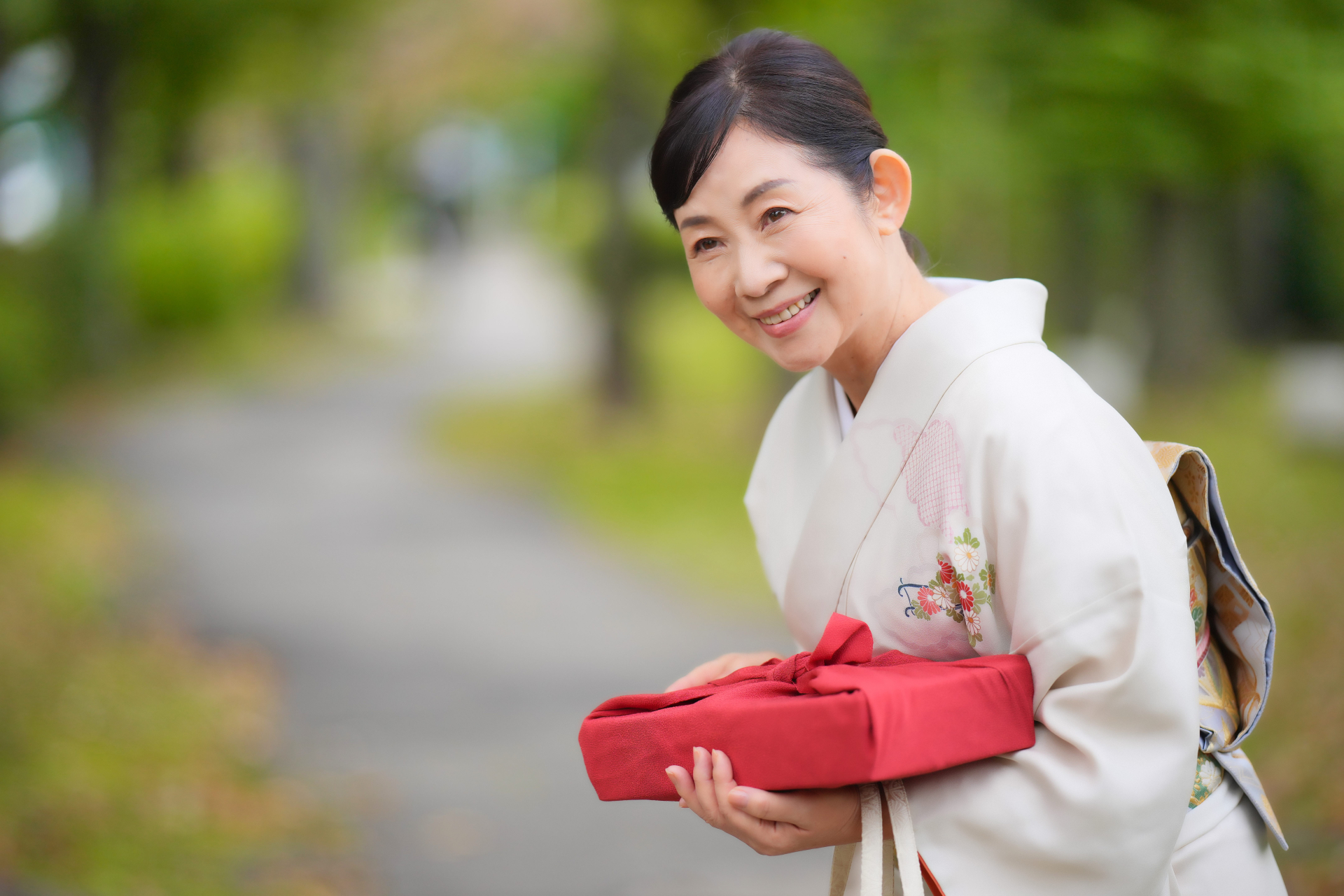
A Japanese woman bowing

Basic Manners

Japan is a culture that values politeness. Knowing the following manners will further enhance your experience there.

Greetings and Respect

  • Bowing: Bowing your head shows respect. Even a slight nod can make a good impression.
  • Frequent use of "Sumimasen": "Sumimasen" is used not only for apologies but also for requests, like "Excuse me, but...".
  • Removing shoes: You remove your shoes at ryokan, some restaurants, and tatami-matted areas of temples and shrines.
  • Manners in public spaces: It is polite to refrain from loud conversations and talking on mobile phones.

Behavior at Temples and Shrines

  • How to visit a shrine: A slight bow when passing through the torii gate, how to purify yourself at the temizuya (water purification fountain), and the "two bows, two claps, one bow" ritual when praying.
  • How to visit a temple: Pray quietly with your hands together.
  • Respect for no-photography zones: Photography may be prohibited in areas with valuable cultural assets.

How to Bathe in Hot Springs

  • Rinse before entering the bath: Wash your body thoroughly before entering the bathtub.
  • Do not put towels in the bathwater: Place small towels on your head or to the side.
  • Tattoo restrictions: Some hot spring facilities may refuse entry to those with tattoos.

Communication

Overcoming the Language Barrier

  • Basic Japanese phrases: Greetings such as "Konnichiwa" (Hello), "Arigato" (Thank you), and "Sumimasen" (Excuse me/Sorry).
  • Translation apps: Apps like Google Translate and DeepL are useful.
  • English signage: English signage is increasing in major tourist areas and big cities, but it is limited in rural areas.

Non-verbal Communication

  • Gestures: Refrain from excessive gestures.
  • Personal space: Japanese people generally value personal space.
  • Eye contact: Prolonged direct eye contact may sometimes be avoided.

Social Taboos

Knowing what actions to avoid during your trip can prevent unnecessary trouble.

  • Smoking restrictions in public places: Smoking on the street is prohibited in many cities, and smoking is only allowed in designated smoking areas.
  • No littering: Since there are few trash cans in the city, it is basic to take your trash home.
  • Consideration for photography: Avoid taking photos of others without permission.
  • Manners on trains: Respect priority seats, refrain from talking on the phone, and avoid loud conversations.

Japanese Cultural Experiences

Cultural experiences are a major attraction of Japan travel. The following experiences are recommended:

  • Tea ceremony experience: Learn the traditional Japanese tea etiquette.
  • Kimono rental: Stroll around Kyoto or Asakusa wearing a kimono.
  • Martial arts experience: Introductory classes for Kendo or Aikido.
  • Wagashi making: Make seasonal Japanese sweets yourself.
  • Calligraphy: The art of writing Japanese characters with a brush and ink.
  • Zazen: Meditation experience at a Zen temple.

How to Budget for Your Trip and Save Money

Average Budget for a Trip to Japan

Japan is known as a country with high prices, but costs vary greatly depending on your travel style.

Estimated daily budget (including accommodation, food, transportation, and sightseeing)

  • Backpacker/Budget travel: 8,000-15,000 yen/day
  • Standard travel: 15,000-30,000 yen/day
  • Luxury travel: 30,000 yen~/day

Average expenditure by category

CategoryBudget TravelStandard TravelLuxury Travel
Accommodation3,000-5,000 yen8,000-15,000 yen20,000 yen~
Food3,000-5,000 yen5,000-10,000 yen10,000 yen~
Transportation1,000-3,000 yen3,000-5,000 yen5,000 yen~
Sightseeing/Experiences1,000-2,000 yen2,000-5,000 yen5,000 yen~

Smart Saving Tips

Saving on Transportation Costs

  • JR Pass: Cheaper if you travel to multiple cities.
  • Regional free passes: Discount tickets limited to specific regions, such as the Tokyo Metro Pass and Kansai Tourist Pass.
  • Bus travel: Overnight buses are more economical than Shinkansen.
  • Bicycle rental: Bicycles are convenient and economical for sightseeing in urban areas.

Saving on Accommodation Costs

  • Long-stay discounts: Some hotels offer discounts for multiple nights.
  • Off-season travel: Avoiding peak seasons can significantly reduce accommodation costs.
  • Capsule hotels/hostels: Economical for short stays and solo travelers.
  • Accommodation tax: Be aware that accommodation tax is charged in cities like Tokyo and Osaka.

Saving on Food Costs

  • Convenience store food: Japanese convenience stores offer high-quality and reasonably priced food.
  • Standing soba noodles: Standing soba noodle shops in stations offer meals from around 500 yen.
  • Conveyor belt sushi: You can enjoy sushi at a more affordable price than high-end sushi restaurants.
  • Lunch specials: Lunch is often cheaper than dinner at the same restaurant.
  • Accommodation with breakfast: Replenish your energy for the day with a hotel breakfast buffet.

Saving on Sightseeing Costs

  • Free tourist spots: Many temples, shrines, parks, and observation decks are free.
  • Discount coupons: Check tourist information centers and travel websites for admission discount coupons.
  • Free admission days for museums: Many art museums and museums have free or discounted admission days.
  • Free walking tours: Some major cities offer donation-based tours.

Measures for Unexpected Expenses

  • Overseas travel insurance: Be sure to purchase travel insurance as medical expenses can be high.
  • Reserve funds: It is safe to set aside 10-15% of your budget as reserve funds.
  • Multiple payment methods: Prepare multiple payment methods such as cash, credit cards, and debit cards.

Help Guide for When You're in Trouble

Emergency Contacts

Save the following emergency contacts in case of an emergency.

  • Ambulance/Fire department: 119
  • Police: 110
  • JNTO Call Center (Japan National Tourism Organization): 050-3816-2787 (English support)
  • Japan Travel Hotline: 03-3503-4400 (multilingual support)
  • Your country's embassy/consulate: Check contact information in advance.

Medical Services

  • Search for medical institutions with foreign language support: You can search on the JNTO (Japan National Tourism Organization) website.
  • Support at pharmacies: Large pharmacies in urban areas may have English-speaking staff.
  • Utilize travel insurance: Some insurance companies have 24-hour helplines.

Language Support

  • Translation apps: Offline apps such as Google Translate and Microsoft Translator are useful.
  • Multilingual tourist information centers: Information centers at major stations and tourist spots offer foreign language support.
  • Phrasebooks with pictures: Phrasebooks with basic phrases and pictures can be helpful.

Lost and Found

  • Lost property: Lost and found offices at stations and public facilities.
  • Koban (police box): Report to the nearest police box.
  • Hotel front desk: If you lose something within the accommodation, first consult the front desk.

Common Troubles and How to Deal with Them

Transportation Troubles

  • Train delays/cancellations: Ask a station attendant for a "delay certificate" to prove that you were late for your next appointment.
  • Missing your stop: You can return by changing to a train going in the opposite direction, but some lines may require an additional fee.
  • Lost ticket: Consult a station attendant. Depending on the situation, you may need to purchase a new ticket.

Weather-related Troubles

  • Typhoons/heavy rain: Transportation may be significantly disrupted, so consider changing your plans in advance.
  • Heatwave: To prevent heatstroke, hydrate and take breaks in cool places.
  • Earthquakes: If you feel shaking, stay calm and take cover under a table. Follow evacuation instructions.

Other Troubles

  • Wi-Fi connection issues: Utilize public Wi-Fi at convenience stores and cafes.
  • Smartphone battery drain: Use a mobile battery rental service.
  • Food allergies: Prepare a card with allergy information.

Conclusion

Japan is a fascinating country where tradition and innovation merge. We hope that the information provided in this "Japan Guide" will help make your trip to Japan richer and more memorable. Please fully enjoy the unique characteristics of Japan, such as the beauty of its four seasons, heartfelt hospitality, diverse cultural experiences, and safe and efficient public transportation.

The most important thing for a trip to Japan is to have a curious attitude and challenge new experiences. By actively interacting with local people without fear of language barriers or cultural differences, you will gain a deeper understanding of Japan.

We hope that your wonderful travel experience in Japan will be an unforgettable memory in your life.

関連記事