Cheap Apartments in Kobe | Finding Affordable Places to Live - GTN MAGAZINE
日本語
日本語
English

Cheap Apartments in Kobe | Finding Affordable Places to Live

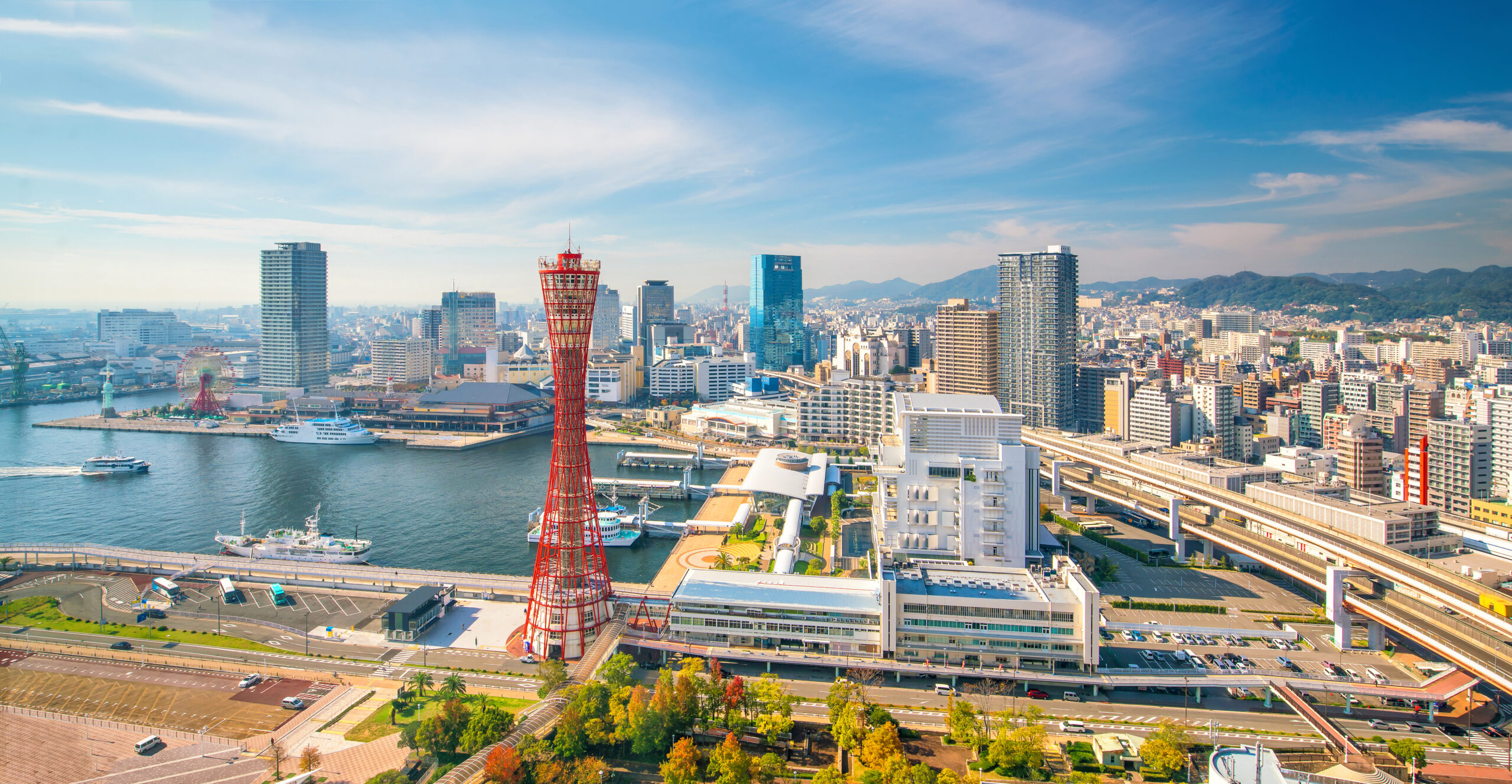
Kobe is an international port city known for its beautiful harbor scenery and its distinctive blend of cultures.

Since the port opened, many foreign residents have made Kobe their home, and the city has developed a unique, multicultural character. Today, Kobe is still regarded as one of Japan’s most foreign-resident-friendly cities.

For those planning to visit Japan or already living here, how to find cheap apartments in Kobe is often an important concern.


This article provides an overview for foreign residents looking for affordable housing in Kobe, including Kobe rent prices, recommended areas, key points to consider when searching for rental properties, typical upfront costs, and support systems available to foreign nationals.

Our aim is to help you start your new life in Kobe smoothly.

目次

Overview of Kobe City and Its Foreign Resident Community

Kobe City is a designated major city located in the southern part of Hyogo Prefecture. With a population of about 1.5 million, it is one of Japan’s leading urban centers.

Since the opening of Kobe Port in 1868, the city has flourished as an international trading port and developed into a culturally diverse city where many foreign residents live.

Foreign Resident Population in Kobe

As of the end of December 2024, the number of foreign residents in Kobe City stands at approximately 60,211, accounting for about 3% of the city’s total population.

This proportion is roughly 1% higher than the national average. In particular, Chuo Ward has a notably high concentration of foreign residents, who make up about 10% of its population.

Foreign Resident Population by Ward

The number of foreign residents in each ward of Kobe City (2024 data) is as follows:

WardForeign Resident Population
Chuo Ward15,441
Nagata Ward8,492
Hyogo Ward8,230
Higashinada Ward8,333
Nada Ward5,126
Suma Ward3,762
Tarumi Ward3,253
Kita Ward3,368
Nishi Ward4,263

Source / Reference: Hyogo Prefecture, “Number of Foreign Residents in Hyogo Prefecture (as of the end of December 2024)”
 

Kobe’s International Characteristics

Compared with other major cities in Japan, Kobe has several distinctive features:

  • A long history of multicultural coexistence: Since the port opened more than 150 years ago, Kobe has been home to foreign residents for generations, fostering a strong understanding of different cultures.
  • Well-established foreign resident communities: In some wards, communities made up of people from a wide range of nationalities have formed.
  • Well-developed infrastructure: The city offers medical facilities for foreign residents, international schools, and services with multilingual support.
  • Lower living costs: Compared with large cities such as Tokyo and Osaka, everyday expenses and rent tend to be more affordable.
  • Convenient transportation: Kobe has easy access to Osaka and Kyoto, and both Kansai International Airport and Kobe Airport are convenient to use.


According to a survey conducted by Kobe City, many foreign residents commented that they are “not treated as outsiders or tourists compared with other cities.” This sense of ease in blending into the local community is highly valued.

Another frequently mentioned point is that children are naturally accepted at school, which is especially appealing for those considering relocating to Kobe with their families.


Average Rent Prices by Ward in Kobe

Kobe City is made up of nine wards, each with its own characteristics.

Because rent levels vary significantly by area, choosing a ward that fits your budget is an important part of finding suitable housing. Below, we introduce average rent prices by ward.

Average Rent by Ward

Since rent varies greatly depending on the layout, the figures here are based on average prices for studio / 1K apartments, which are typically intended for single occupants.

神戸市 区別の平均家賃(ワンルーム/1K相場)

WardAverage Rent (Studio / 1K)Characteristics
Chuo WardApprox. 64,000–70,000 yenA major commercial area with excellent transportation access. Very convenient, but rent levels are the highest in the city.
Higashinada WardApprox. 59,000–63,000 yenIncludes areas such as Rokko Island. Known for upscale residential neighborhoods, with relatively higher rent.
Nada WardApprox. 56,000 yenA quiet residential area with many universities, making it popular with students.
Hyogo WardApprox. 55,000–64,000 yenAn area that still retains a traditional downtown atmosphere. The number of foreign residents is relatively high.
Nagata WardApprox. 54,000 yenKnown for its multicultural atmosphere, with well-established Asian communities.
Suma WardApprox. 45,000 yenA seaside residential area. Generally quiet, with some of the lowest rent levels in the city.
Tarumi WardApprox. 54,000 yenLocated near the Akashi Kaikyo Bridge. Many neighborhoods are suitable for families.
Kita WardApprox. 44,000 yenA large ward with abundant natural surroundings. Rent prices are among the lowest in Kobe.
Nishi WardApprox. 55,000 yenA suburban, newer residential area. Unlike the previous table, rent levels here are higher than in Kita or Suma wards.

Source / Reference: SUUMO, HOMEMATE, rental market statistics data, HOMES


Average Rent by Layout

Below are the average rent prices in Kobe City by apartment layout.

LayoutAverage Rent
Studio50,000–65,000 yen
1K55,000–71,000 yen
1DK60,000–80,000 yen
1LDK80,000–121,000 yen
2DK65,000–80,000 yen
2LDK85,000–120,000 yen
3DK / 3LDK or larger100,000–150,000 yen

Source / Reference: SUUMO, HOMES, Yahoo! Real Estate, sumika.link


Tips for Finding Affordable Apartments

  • Choose locations farther from stations: Properties located more than a 10-minute walk from the nearest station tend to have lower rent.
  • Consider older buildings: Apartments that are over 20 years old can be around 20,000–30,000 yen cheaper than newer properties.
  • Look at first-floor or top-floor units: First-floor units, which may have less sunlight, and top-floor units in buildings without elevators often come with lower rent.
  • Consider suburban areas: Wards farther from the city center, such as Nishi Ward and Kita Ward, generally offer more affordable rent.


Within Kobe City, areas known for particularly low rent include parts of Nagata Ward, the southern area of Hyogo Ward, and hillside neighborhoods in Suma Ward.

In Chuo Ward, the area around Shinkaichi also offers relatively affordable rent. However, it is important to consider factors such as building age and the surrounding environment.


Areas Popular with Foreign Residents

Within Kobe City, there are several areas where foreign resident communities have formed.

By understanding the characteristics of each area, you can choose a neighborhood that best suits your lifestyle.

Chuo Ward

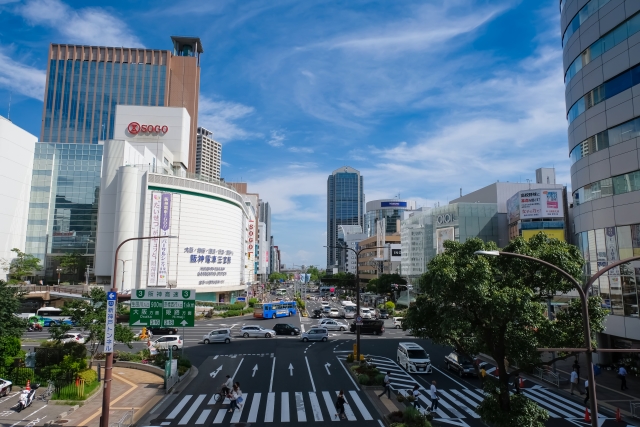
Chuo Ward is the central area of Kobe and is centered around Sannomiya Station.

It has the largest population of foreign residents in the city, and the following areas are particularly popular.

Sannomiya Area

  • Characteristics: The commercial and business center of Kobe
  • Transportation: Access to multiple lines, including JR, Hankyu, Hanshin, and the subway
  • Residents: Many business professionals and foreign residents in specialized occupations
  • Rent: Relatively high (approximately 60,000–80,000 yen for a studio)
  • Why it’s popular: Excellent access to shopping, restaurants, and a wide range of services

Kitano Area

  • Characteristics: A hillside residential area known for its historic Western-style houses
  • Atmosphere: Many Western-style buildings, making it familiar and comfortable for foreign residents
  • Residents: Long-term residents from Europe and North America, as well as diplomats
  • Rent: High (around 70,000–100,000 yen even for apartments)
  • Why it’s popular: A calm environment, scenic views, and an established foreign resident community

Motomachi Area

  • Characteristics: A commercial district located west of Sannomiya
  • Atmosphere: Home to Nankinmachi (Chinatown), giving it a strong international feel
  • Residents: A diverse, multinational population, particularly from other parts of Asia
  • Rent: Mid-range (approximately 55,000–70,000 yen for a 1K)
  • Why it’s popular: Easy access to international grocery stores and a convenient living environment

Port Island

  • Characteristics: A modern residential area built on an artificial island
  • Facilities: Home to educational institutions such as Kobe International University and Kobe City University of Foreign Studies
  • Residents: International students, researchers, and medical professionals
  • Rent: Relatively affordable (around 50,000–65,000 yen for a 1K)
  • Why it’s popular: Many newer buildings and an international living environment

Higashinada Ward and Nada Ward

Located on the southern side of Mount Rokko, Higashinada Ward and Nada Ward are popular as quiet, residential areas.

Rokko Island (Higashinada Ward)

  • Characteristics: An upscale residential area on an artificial island designed with foreign residents in mind
  • Facilities: International schools such as Canadian Academy and Kobe German School
  • Residents: Many expatriate families from Europe and North America
  • Rent: High (family-oriented properties are typically 150,000 yen or more)
  • Why it’s popular: An international living environment and strong educational facilities

Okamoto / Settsu-Motoyama Area (Higashinada Ward)

  • Characteristics: An upscale residential area with stylish shopping streets
  • Atmosphere: Quiet and relaxed
  • Residents: Foreign residents with families and long-term residents
  • Rent: Slightly high (approximately 80,000–120,000 yen for a 1LDK)
  • Why it’s popular: A comfortable living environment and good access to education

Hyogo Ward and Nagata Ward

Hyogo Ward and Nagata Ward are home to well-established foreign resident communities, particularly from across Asia.

Southern Hyogo Ward

  • Characteristics: A multicultural atmosphere with many Asian grocery stores
  • Residents: Many Asian residents, including people from Vietnam and China
  • Rent: Relatively affordable (approximately 40,000–55,000 yen for a 1K)
  • Why it’s popular: Good value for money and the presence of same-nationality communities

Nagata Ward

  • Characteristics: A central area for Korean and ethnic Korean communities
  • Atmosphere: A distinctive streetscape where multicultural coexistence can be felt
  • Residents: Many Asian residents, including Korean and Vietnamese communities
  • Rent: Among the lowest in the city (approximately 35,000–50,000 yen for a 1K)
  • Why it’s popular: Diverse food culture and low overall living costs

Suburban Areas (Kita Ward and Nishi Ward)

If keeping rent as low as possible is your top priority, suburban areas are also worth considering.

Kita Ward

  • Characteristics: A large ward with abundant natural surroundings
  • Atmosphere: A mix of residential neighborhoods and rural areas
  • Transportation: Kobe Electric Railway and city buses are available, though service frequency is limited
  • Rent: Very affordable (approximately 30,000–50,000 yen for a 1K)
  • Why it’s popular: A quiet living environment and access to nature

Nishi Ward (Akashi Area)

  • Characteristics: A newer residential area located on the western edge of Kobe City
  • Atmosphere: A well-planned commuter town
  • Transportation: Access to Sanyo Electric Railway and JR lines
  • Rent: Extremely affordable (approximately 30,000–45,000 yen for a 1K)
  • Why it’s popular: Many newer buildings and low rent levels

How to Find Good Deals on Apartments

To find affordable apartments in Kobe, it’s important to know how to search efficiently.

This section introduces practical techniques for finding rental properties that offer good value for money.


Searching Online

Searching online is the most common and efficient way to look for rental properties.

Property Sites for Foreign Residents

  • Best-Estate.jp: A service offering multilingual support, no-guarantor plans, and assistance with contracts from overseas
  • YOLO HOME: A property search site available in both Japanese and English
  • Wagaya Japan: One of Japan’s largest real estate listing sites for foreign residents
  • GaijinPot Housing: A service that allows you to search for properties entirely in English

Major Japanese Real Estate Portal Sites

  • SUUMO: A major portal with a wide selection of property listings
  • HOMES: Allows you to check average rent prices by area
  • CHINTAI: Offers property searches that include listings available to foreign residents

Search Tips

  • Use filters such as “foreign residents accepted” or “foreign nationality negotiable”
  • Compare listings across multiple websites
  • Give priority to properties with many photos
  • Refer to reviews and word-of-mouth information when available


Visiting Real Estate Agencies

Visiting a real estate agency in person may give you access to properties that are not listed online.

Real Estate Agencies That Support Foreign Residents

  • Maeda Real Estate: Specializes in rental properties for foreign residents in Kobe
  • Able (various branches): A major real estate company that handles many listings for foreign residents
  • Kobe Smile Net: A city-run housing consultation service that can also introduce real estate agencies

Tips When Visiting

  • Clearly explain your budget, preferred areas, and conditions
  • Bring identification such as your passport and residence card
  • If possible, visit with a friend who can speak Japanese
  • Check in advance whether English-speaking staff are available


Considering Share Houses

For single residents who want to keep costs low, share houses (shared housing) are another option worth considering.

Features of Share Houses in Kobe

  • Rent: Around 30,000–50,000 yen per month (often including utilities)
  • Shared facilities: Kitchens, bathrooms, and living areas are shared
  • Simple contracts: Procedures are usually simpler than standard rental contracts, and a guarantor may not be required
  • International exchange: Opportunities to interact with Japanese residents and people from other countries

Major Share Houses in Kobe

  • Borderless House Kobe: A share house focused on international exchange
  • Oakhouse Kobe: A major share house operator with many foreign residents
  • Experience Kobe: Share houses mainly located in Chuo Ward


Using UR Rental Housing

UR rental housing (formerly the Urban Renaissance Agency) is often recommended for foreign residents, as upfront costs are low and a guarantor is not required in many cases.

Advantages of UR Housing

  • Security deposit limited to 1–2 months’ rent, with no key money
  • No brokerage fee
  • No guarantor required in some cases (a guarantor company may be used instead)
  • No contract renewal fees
  • Rent negotiation may be possible for certain properties

Main Areas in Kobe with UR Properties

  • HAT Kobe (Nada Ward)
  • Around Myodani Station (Suma Ward)
  • Suzurandai (Kita Ward)
  • Port Island (Chuo Ward)


What You Need to Know About Upfront Costs

When signing a rental contract in Japan, there are several upfront costs in addition to the monthly rent. Understanding the breakdown of these costs—and where you may be able to save—can help you plan your budget more effectively.

Typical Breakdown of Upfront Costs

For standard rental properties, the following upfront costs are commonly required:

ItemTypical AmountNotes
Security deposit0–2 months’ rentRefunded after move-out, minus cleaning or repair costs
Key money0–2 months’ rentA non-refundable “thank-you” payment to the landlord
Advance rent1 month’s rentIncludes prorated rent for the move-in month and the following month
Brokerage fee1 month’s rent + taxFee paid to the real estate agency
Fire insurance15,000–20,000 yenPaid upfront for the contract period (usually 1–2 years)
Lock change fee10,000–30,000 yenCharged for security purposes
Guarantor company feeAbout 30–100% of monthly rentRequired when a guarantor company is used instead of a personal guarantor

For example, when renting an apartment with a monthly rent of 50,000 yen, the total upfront cost can reach approximately 250,000–300,000 yen.


Additional Costs Foreign Residents May Need to Pay

For foreign residents, there may be additional costs such as the following:

  • Interpretation fees: When requesting an interpreter at the time of contract signing (approximately 10,000–30,000 yen)
  • Translation fees: When a translated version of the contract is required (approximately 10,000–20,000 yen)
  • Special guarantor fees: When using guarantor plans designed for foreign residents (usually an additional 0.1–0.2 months’ rent compared to standard plans)


Ways to Reduce Upfront Costs

To keep upfront costs as low as possible, it’s helpful to look for properties or conditions such as the following:

  • Free-rent properties: Campaign properties offering one to two months of free rent at the start
  • Low or no deposit/key money properties: Commonly found in older buildings
  • Real estate agencies offering reduced or no brokerage fees: Often available during promotional periods or through negotiation
  • Use of guarantor support services: Public services such as those provided by the Kobe City Housing Support Council
  • Installment payment plans for upfront costs: Properties that allow upfront costs to be paid in installments rather than all at once


Tips for Finding Properties with Low Upfront Costs

  • Make use of real estate listings featuring “upfront costs under 100,000 yen”
  • Clearly tell the real estate agency that you want to keep upfront costs low and ask for advice
  • Avoid peak moving seasons such as the end of the fiscal year (February–March) and the start of the new year (April), and aim for quieter periods instead (June–July or October–January)
  • Viewing multiple properties through the same real estate agency may create more room for negotiation

In Kobe City, some real estate agencies—particularly in parts of Nagata Ward and Hyogo Ward—offer “upfront cost support plans” for foreign residents. Making good use of these services can help reduce the financial burden when moving in.


Key Points for Foreign Residents Searching for Rental Housing

When foreign residents rent a property in Japan, there are several unique points and precautions to be aware of. Understanding these in advance can help you find housing more smoothly.

Points Considered During Tenant Screening

In Japan, rental applications are subject to screening. For foreign residents, the following factors tend to be especially important:

  • Residence status and period of stay: Your period of stay must cover the full length of the rental contract
  • Proof of income: A monthly income of roughly three times the rent is generally preferred
  • Length of stay in Japan: A longer residence history can be advantageous
  • Japanese language ability: Important for communication in emergencies and daily matters
  • Employment stability: Working for a large company or public institution is often viewed favorably


Types of Properties That Are Easier for Foreign Residents to Rent

The following types of properties are generally easier for foreign residents to rent:

  • Properties clearly marked as “foreign residents welcome”
  • Student-oriented properties: Apartments near universities, often intended for international students
  • Corporate lease properties: Properties rented under a company contract through an employer
  • Properties with English-speaking landlords
  • No-guarantor properties: Usually available by using a guarantor company instead


Common Restrictions and How to Deal with Them

Unfortunately, there are still cases in Japan where landlords decline foreign tenants. The following approaches can help.

Common Restrictions

  • Properties clearly marked as “no foreign residents”
  • Restrictions allowing only certain nationalities
  • Requirements for Japanese-language communication
  • roperties that require a Japanese personal guarantor

Possible Solutions

  • Limit your search to properties marked as “foreign residents accepted”
  • Visit real estate agencies with a Japanese-speaking friend
  • Make use of public support services such as the Kobe City Housing Support Council
  • Check whether your employer can provide housing support
  • Use real estate agencies that specialize in housing for foreign residents


Avoiding Problems After Moving In

To prevent issues after moving in, it’s important to confirm the following points before signing the contract:

  • Contract language: Check whether an English or native-language version is available
  • Garbage disposal rules: Understand Japan’s specific sorting and collection system
  • Noise regulations: Be aware of volume restrictions, especially at night
  • Responsibility for repairs: Clarify which repairs are your responsibility
  • Move-out restoration standards: To avoid disputes over security deposits at the time of move-out


Solutions for Guarantor and Rental Guarantee Issues

Getting Support from Employers or Educational Institutions

Company-Provided Guarantees

  • How it works: Your employer acts as the rental guarantor as a corporate entity
  • Who it’s for: Mainly foreign residents working for foreign-affiliated companies or large corporations
  • Advantages: No need to find a personal guarantor
  • Points to note: Not all companies offer this type of support

University Guarantor Programs for International Students

  • Who it’s for: International students at universities such as Kobe University and Konan University
  • Details: The university may provide an institutional guarantee or partner with a guarantor company
  • Cost: Guarantor fees are often lower than standard plans
  • How to apply: Consult the international student center or international affairs office at your university

Points to Keep in Mind When Asking Someone to Be Your Guarantor

If a personal guarantor is absolutely required, keep the following points in mind:

  • Clearly explain the scope of responsibility: This may include unpaid rent or restoration costs at the time of move-out
  • Minimize the burden on the guarantor: Always pay rent on time
  • Maintain open communication: Discuss any issues as early as possible if problems arise
  • Show consideration and gratitude: Remember that acting as a guarantor involves significant responsibility


Housing Support Services for Foreign Residents in Kobe City

Kobe City offers a range of housing support services for foreign residents. Making use of these services can help you search for housing with greater peace of mind.

Kobe City Housing Safety Support Center (Smile Net)

This is a comprehensive housing consultation center operated by Kobe City.

Services Provided

  • Free consultations on finding housing
  • Advice from housing specialists
  • Provision of housing-related information
  • Multilingual support (in cooperation with the Kobe International Community Center)

How to Use the Service

  • Address: 2nd Floor, Asta Kunizuka No. 5 Building, 5-1-1 Futaba-cho, Nagata Ward, Kobe City
  • Phone: 078-647-9900
  • Hours: 10:00 AM–5:00 PM (closed Wednesdays, Sundays, and public holidays)
  • Fee: Free


Source / Reference: Kobe City, “Kobe City Housing Safety Support Center (Smile Net)”; Kobe City Housing Support Council, “For Foreign Residents | Information for Tenants”


Kobe International Community Center (KICC)

The Kobe International Community Center provides information and consultation support for foreign residents.

Services Provided

  • Multilingual daily life consultations
  • Distribution of the “Kobe Living Guide” (information on finding housing, rental procedures, and daily living rules)
  • Interpreter dispatch services
  • Cross-cultural understanding workshops

Supported Languages

  • English, Chinese, Korean, Spanish, Portuguese, Vietnamese, and others


Source / Reference: Kobe City, “Consultation Services for Foreign Residents”; Kobe International Community Center, “About KICC”, “KICC Accompanied Interpreter Dispatch Service”, “Kobe Living Guide”


Housing Guidebook for Foreign Residents

The Ministry of Land, Infrastructure, Transport and Tourism (MLIT) provides a free housing guidebook designed for foreign residents looking for rental housing in Japan.

Contents of the Guidebook

  • Basic information on Japan’s rental housing system
  • The move-in process and required documents
  • Important points to note when signing a contract
  • Housing rules and everyday manners
  • Procedures when moving out

Supported Languages

  • 14 languages, including English, Chinese, Korean, Vietnamese, Nepali, Indonesian, and Thai

How to Obtain the Guidebook

  • Download from the MLIT website
  • Available at Kobe City’s Smile Net (Housing Safety Support Center)


Source / Reference: Ministry of Land, Infrastructure, Transport and Tourism, “Smooth Move-in to Private Rental Housing for Foreign Residents (Guidebooks, etc.)”; Kobe City Housing Support Council, “For Foreign Residents | Information for Tenants”


Rent Debt Guarantor Fee Subsidy Program

Kobe City offers subsidies for rent debt guarantor fees to people who require housing support, including foreign residents.

Subsidy Details

  • Partial coverage of rent debt guarantor fees
  • Helps reduce the burden of upfront costs

Eligibility Requirements

  • The property must be a registered housing unit within Kobe City
  • The applicant must be a housing-vulnerable person requiring support
  • The contract start date must fall within the eligible subsidy period

How to Apply

  • Contact the Kobe Housing and Environment Development Corporation
  • Submit an application with the required documents


Source / Reference: Kobe City, “Financial Support for Safety Net Housing and Supported Housing”; Kobe Housing and Environment Development Corporation, “Rent Debt Guarantor Fee Subsidy Contact Desk”, “Application and Pledge Form for Kobe City Rent Debt Guarantor Fee Subsidy”, “FY2024 Guide to the Kobe City Safety Net Housing Rent Debt Guarantor Fee Subsidy”


Cooperative Real Estate Agency Network

The Kobe City Housing Support Council provides a list of real estate agencies that actively accept foreign residents.

Network Features

  • Introductions to real estate agencies experienced in working with foreign residents
  • Some locations offer multilingual support
  • Includes agencies with contract plans designed to keep upfront costs low

How to Use the Network

  • Search for cooperative real estate agencies on the Kobe City Housing Support Council website
  • Request an introduction through Smile Net


Source / Reference: Kobe City Housing Support Council, “For Foreign Residents | Information for Tenants”; Kobe City Housing Support Council, “Cooperative Real Estate Agencies”, “Tenant Information and Housing Support Services”


Useful Japanese Terms for Apartment Hunting

Even if you don’t speak Japanese, knowing a few key terms can make your apartment search much smoother.

Basic Terms

JapaneseEnglishDescription
アパートApartmentLow-rise apartments, usually 2–3 stories, often made of wood or light steel
マンションApartmentReinforced concrete apartments, usually mid- to high-rise; does not imply ownership
敷金Security depositA refundable deposit, with deductions made for cleaning or repairs at move-out
礼金Key moneyA non-refundable payment made to the landlord
仲介手数料Brokerage feeA fee paid to the real estate agency
管理費・共益費Maintenance feeFees for maintaining and managing shared areas
更新料Renewal feeA fee paid when renewing the lease
保証人GuarantorA person who guarantees payment in case of unpaid rent or other issues

Useful Phrases for Apartment Hunting

「外国人可の物件を探しています」

  • I'm looking for apartments that accept foreigners.
  • I need a place that accepts non-Japanese residents.

「予算は月5万円までです」

  • My budget is up to 50,000 yen per month.
  • I can spend no more than 50,000 yen monthly.

「駅から徒歩10分以内の物件が良いです」

  • I'd like an apartment within a 10-minute walk from the station.
  • I prefer a location that's no more than 10 minutes on foot from the station.

「保証人はいませんが、保証会社は利用できます」

  • I don't have a guarantor, but I can use a guarantor company.
  • I'm willing to use a guarantor service instead of a personal guarantor.

「初期費用をなるべく抑えたいです」

  • I'd like to minimize the initial costs as much as possible.
  • I'm looking for options with lower move-in fees.

Phrases for Viewing a Property

「内見をしたいです」

  • I would like to see the apartment.
  • Could I arrange a viewing?

「インターネット環境はありますか?」

  • Is internet available in this apartment?
  • Does the apartment have internet access?

「この地域は安全ですか?」

  • Is this area safe?
  • What is the safety situation in this neighborhood?

「近くにスーパーやコンビニはありますか?」

  • Are there supermarkets or convenience stores nearby?
  • What shops are within walking distance?

「エアコンは付いていますか?」

  • Does the apartment have air conditioning?
  • Is an AC unit included?

Phrases for Viewing a Property

「契約書を英語で読める資料はありますか?」

  • Do you have any information about the contract in English?
  • Is there an English version or explanation of the lease agreement?

「分割払いは可能ですか?」

  • Is it possible to pay in installments?
  • Can I split the payment?

「退去時の条件を教えてください」

  • Please explain the conditions for moving out.
  • What are the requirements when I leave the apartment?

「緊急連絡先は日本語以外でも大丈夫ですか?」

  • Is it okay if my emergency contact doesn't speak Japanese?
  • Can my emergency contact communicate in English?

Frequently Asked Questions

Q1: Can I sign a rental contract with just a residence card?

A: In many cases, a residence card and passport are sufficient to sign a contract. However, you will usually be required to use a guarantor or a guarantor company. It is also helpful to prepare documents that prove stable income, such as recent pay slips.

Q2: Can I rent an apartment even if I don’t speak Japanese?

A: Yes. By choosing real estate agencies or landlords who are experienced in working with foreign residents, language barriers can be managed. Using English-speaking real estate agencies or interpreter services provided by the Kobe International Community Center is recommended.

Q3: Can I rent a place for a short stay (under six months)?

A: Standard rental contracts in Japan are typically for two years, but there are options for short-term stays, such as weekly rentals, monthly rentals, and share houses. Keep in mind that rent for these options is generally higher than for standard rental properties.

Q4: Are there apartments with furniture and appliances included?

A: Yes. Furnished apartments are becoming more common, especially in properties aimed at foreign residents. Try searching with keywords such as “furnished,” “appliances included,” or “fully renovated.” Note that rent tends to be slightly higher for these properties.

Q5: Can students rent apartments?

A: Yes, students can rent apartments. There are many student-oriented properties near universities. If income is limited, documents such as a parent’s proof of income or consent form may be required. In some cases, university-provided housing guarantor programs for international students can also be used.

Q6: I have a pet. Can I still rent an apartment?

A: You will need to look for properties clearly marked as “pets allowed.” These properties are limited in number, and additional conditions are common, such as higher security deposits or the submission of a pet agreement.

Q7: Which areas in Kobe have the lowest rent?

A: In general, suburban areas such as Nishi Ward and Kita Ward offer the lowest rent, followed by parts of Nagata Ward and Hyogo Ward. Chuo Ward and Higashinada Ward are more convenient but tend to have higher rent. Even within the same ward, rent can vary significantly depending on distance from stations and the age of the building.

Q8: How should I use a housing allowance if my company provides one?

A: If your company offers a housing allowance, check the details in advance, such as the maximum amount and whether it is paid directly or added to your salary. It’s also worth asking your HR department whether the company can sign a corporate lease or act as a guarantor.

Q9: How far in advance should I start looking for an apartment?

A: Ideally, you should start searching one to two months before your desired move-in date. While same-day move-ins are sometimes possible in Japan, it’s recommended to complete the contract at least two weeks in advance to allow time for procedures and moving preparations.

Q10: Can foreign residents apply for public housing in Kobe (city-run or prefectural housing)?

A: Yes. Foreign residents with certain residence statuses are eligible to apply. However, there are conditions such as income limits and minimum residence periods, and tenants are selected by lottery, so immediate move-in is not guaranteed. For details, check the websites of the Kobe City Housing Supply Corporation or the Hyogo Prefecture Housing Supply Corporation.

Conclusion

Kobe has a long history as an international city and a strong foundation of multicultural coexistence, creating a living environment that is well suited to foreign residents. In particular, Chuo Ward, Higashinada Ward, and Nada Ward have established foreign resident communities, making them areas where it is relatively easy to settle in and build a daily routine.

On the other hand, if budget is your top priority, looking beyond the city center to areas such as Nishi Ward, Kita Ward, or Nagata Ward can increase your chances of finding housing with better value for money.

Kobe City also offers a wide range of support services for foreign residents. Public organizations such as Kobe City’s Smile Net and the Kobe International Community Center can be especially helpful, and they provide multilingual support to help overcome language barriers.

Finding a place to live is the first step toward starting a new life. Kobe is a city full of appeal and has the potential to become your new “home.” We hope this article helps you begin a comfortable and fulfilling life in Kobe.


関連記事