Japanese Capsule Hotels | A Guide to Japan’s Unique Accommodation Experience - GTN MAGAZINE
日本語
日本語
English

Japanese Capsule Hotels | A Guide to Japan’s Unique Accommodation Experience

For international tourists visiting Japan, a capsule hotel is not just a place to stay,

it is a valuable opportunity to experience Japanese culture.

Known as a symbol of compact spatial design and efficiency, capsule hotels have spread primarily across Japan's urban areas and now rank high on the 「must-experience list」 for visitors to Japan.

In this article, we will provide a thorough guide for international tourists—both before and during their stay—covering everything from basic information about capsule hotels to booking methods, etiquette, and recommended spots.

What is a Capsule Hotel? A Unique Form of Accommodation Originating in Japan

A capsule hotel is, quite literally, an accommodation facility lined with small, capsule-like private rooms. While the space is significantly smaller than a typical hotel room, it offers an efficient lodging style equipped with the minimum necessary comforts.

History and Origins of Capsule Hotels

The world's first capsule hotel is said to be "Capsule Inn Osaka," which opened in 1979 in the Umeda district of Osaka. Designed by architect Kisho Kurokawa, this innovative accommodation was born to meet the needs of Japanese businessmen at the time.

It began as a practical lodging facility for "salarymen" who missed the last train or office workers who couldn't return home after working long hours. Today, however, it is recognized worldwide as a unique accommodation experience for tourists. The origins of the capsule hotel are also said to trace back to a pavilion at the 1970 World Expo held in Osaka.

Basic Structure and Facilities of a Capsule

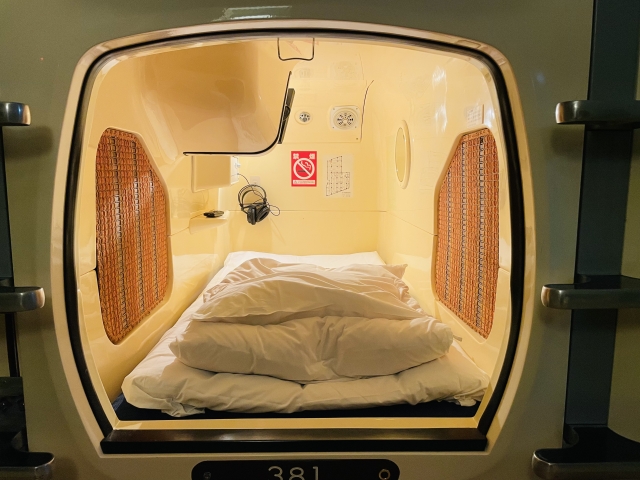
A standard capsule unit generally features the following characteristics:

Size

•A space of approximately 2m x 1m x 1m (enough space to sleep and sit).

Basic Facilities

•Lighting control panel

•Power outlets

•Small TV (in many cases)

•Wi-Fi connection

•Air conditioning/ventilation system

•Pillows and clean sheets

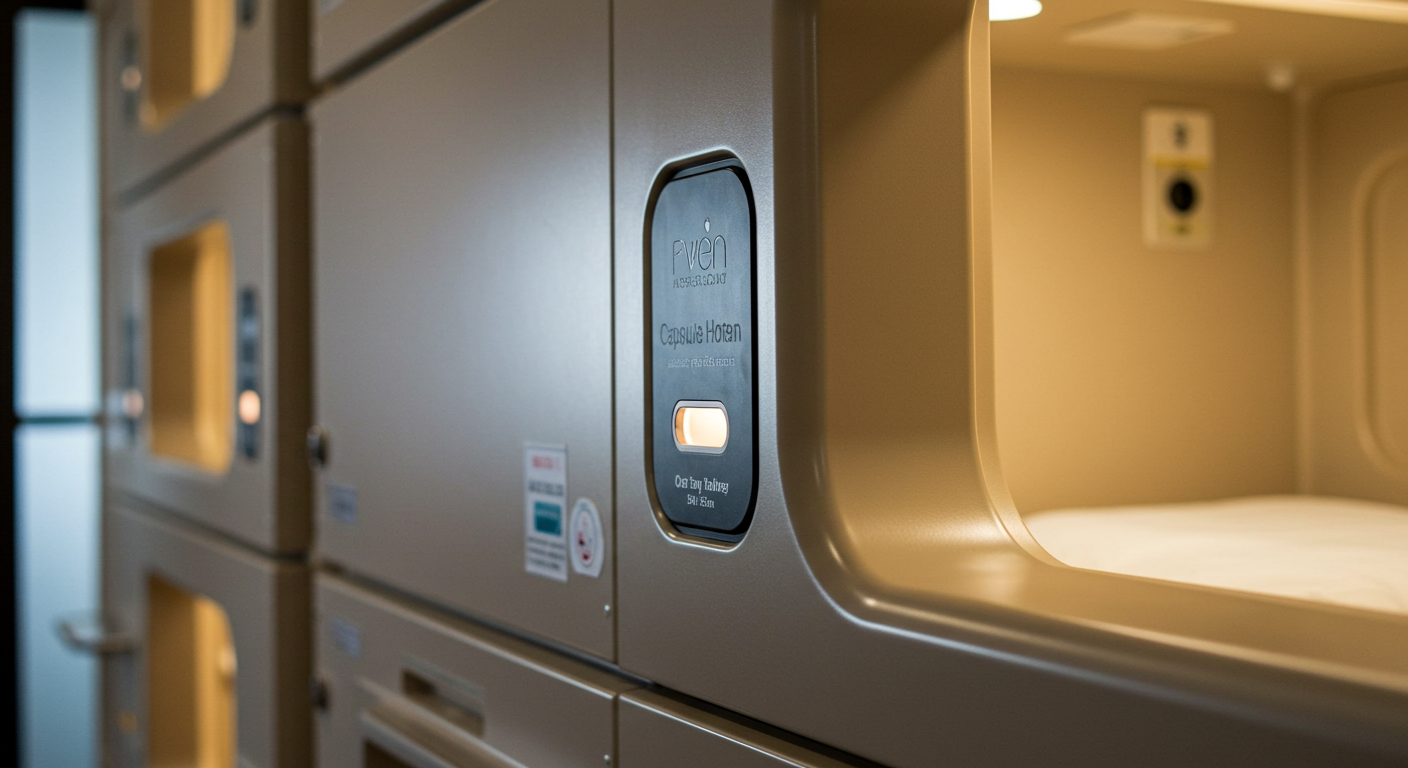
Capsules are usually arranged in a two-tier system, with the upper capsules accessed via small steps or a ladder.

To ensure privacy, a curtain or blind is usually installed at the entrance (for security reasons, types that can be fully locked are rare).

Types and Characteristics of Capsule Hotels

Capsule hotels have evolved over time, and various types are now available. Their appeal lies in the ability to choose based on your budget and purpose.

Traditional Capsule Hotels

This is the most traditional type, specializing in basic functionality:

•Mainly targeted at businessmen.

•Simple and functional design.

•Relatively low price (2,000 yen to 5,000 yen per night).

•Common spaces are kept to the bare minimum.

Premium Capsule Hotels

This type has evolved for travelers seeking a more comfortable and high-end experience:

•Larger capsule spaces.

•High-quality mattresses and linens.

•Sophisticated design and interior.

•Enhanced high-speed Wi-Fi and charging facilities.

•Relatively higher price (5,000 yen to 10,000 yen per night).

Themed Capsule Hotels

These offer unique experiences based on specific concepts or themes:

•Manga or game-themed hotels (common in areas like Akihabara).

•"Book hotels" where you sleep inside bookshelves, like a bookstore.

•Types with attached spa or hot spring facilities.

•Cute interiors with designs specifically for women.

Women-Only Capsule Hotels

An increasing number of capsule hotels prioritize the safety and privacy of female travelers:

•Dedicated floors or buildings completely separated from men.

•Enhanced security (such as biometric authentication).

•Extensive amenities for women.

•Pastel colors and soft designs.

•Well-equipped makeup spaces and powder rooms.

Representative women-only capsule hotels include "BAY Hotel" in Akihabara, Tokyo, and "Nadeshiko Hotel" in Shibuya.


Average Rates for Capsule Hotels

One of the attractions of capsule hotels is their price range. Compared to general hotels, they offer extremely high cost-performance.

Hotel TypePrice Range (per night)Characteristics
General Capsule Hotel2,000 yen – 5,000 yenBasic facilities, shared bathrooms
Premium Capsule Hotel5,000 yen – 10,000 yenLarger space, high-quality amenities
Business Hotel (Reference)7,000 yen – 15,000 yenPrivate room, includes bath/toilet


Rates fluctuate depending on location, season, and booking timing. In major cities like Tokyo and Osaka, prices tend to be slightly higher during peak tourist seasons.

What’s Included in the Price

The rate for a standard capsule hotel usually includes the following:

•Overnight stay in a capsule (typically check-in from 15:00, check-out by 10:00).

•Use of shared bathrooms and showers.

•A locker (or storage space).

•Basic amenities (towels, toothbrush, shampoo, etc.).

•Use of common spaces (lounges, etc.).

Services Requiring Additional Fees

Depending on the location, additional fees may be required for the following services:

•Breakfast.

•Use of sauna/spa (if available).

•Extended Wi-Fi use (though most are free).

•Long-term luggage storage.

•Late check-out.


How to Book a Capsule Hotel

The method for booking a capsule hotel is similar to that of a general hotel, but there are a few points to keep in mind.

Online Booking

For international travelers, booking through the following platforms is recommended:

•Booking.com, Expedia, Agoda: Many capsule hotels are listed here, with multi-language support including English.

•Hostelworld: A specialized booking site for capsule hotels and hostels.

•Official Website of Each Capsule Hotel: You may sometimes get better terms by booking directly.

Points to Note When Booking

•Check Gender: Since there are men-only, women-only, and mixed types, confirm before booking.

•Check-in/Check-out Times: Many capsule hotels do not allow guests to stay inside the facility during daytime cleaning hours (around 10:00 to 15:00).

•Cancellation Policy: Usually flexible, but check in advance.

•Payment Method: Confirm in advance whether they accept credit cards or only cash.

Capsule Hotels That Don't Require Reservations

Especially in traditional capsule hotels in urban areas, it is sometimes possible to visit directly on the day and stay without a reservation. However, during peak tourist seasons or weekends, they may be full, so we recommend booking if you want to ensure a stay.


How to Use a Capsule Hotel and Proper Etiquette

To make the most of your stay at a capsule hotel, it is important to understand the basic usage and etiquette.

The Flow from Check-in to Check-out

1. Check-in

•Usually between 15:00 and 24:00 (varies by hotel).

•Passport presentation is required.

•Payment of fees (usually at check-in).

•Receive your capsule number and locker key.

2. Luggage Storage

•Store large luggage at the front desk or in a dedicated space.

•Store valuables and small items in your locker.

•Bring only the bare minimum of luggage into the capsule.

3. Using the Facilities

•Use shared showers and bathrooms (check available amenities).

•Use common spaces (lounges, relaxation areas).

•Use facilities like vending machines and microwaves.

4. Check-out

•Usually completed by 10:00.

•Return the locker key.

•Collect your luggage.

Etiquette and Precautions at Capsule Hotels

Since capsule hotels have a strong element of communal living, consideration for other guests is particularly important:

•Keep Quiet: Do not make loud noises inside or outside the capsule.

•Phone and Video Calls: Conduct these in designated areas, such as common spaces.

•Eating and Drinking in Capsules: Generally prohibited in many places.

•Lights Out: Many places require quiet after 22:00 or 23:00.

•Shared Bathrooms: Keep them clean after use.

•Alcohol: Drinking may be prohibited inside the building in some locations.

Specific Points for Foreign Travelers to Note

•Tattoos: Some capsule hotels may restrict the use of bathing facilities for those with tattoos.

•Language: The level of English proficiency among staff varies by hotel.

•Payment Methods: Some traditional capsule hotels may only accept cash.

•Check-in Time: If your international flight arrival time doesn't align, you need to contact them in advance.

•Wi-Fi: Generally available, but connection quality depends on the location.


Facilities and Amenities at Capsule Hotels

The facilities and amenities provided by capsule hotels vary greatly depending on the price range and location, but here are some common ones found in many facilities.

Common Spaces

Most capsule hotels provide the following common spaces:

•Lounge Area: For relaxing or doing light work.

•Shower Rooms: Clean and provided in sufficient numbers.

•Toilets: Multiple units installed on each floor.

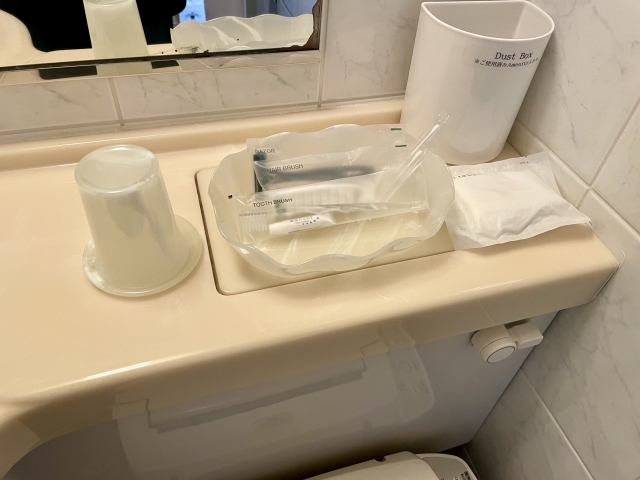
•Washrooms: For basic grooming like brushing teeth and washing your face.

•Smoking Space: Only in designated areas (an increasing number of facilities are entirely non-smoking).

Amenities

Basic amenities provided at many capsule hotels include:

•Towels: Bath towel and face towel.

•Toothbrush Set: Includes toothpaste.

•Shampoo, Conditioner, Body Soap.

•Sleepwear/Yukata: In many cases, these can be used as loungewear within the building.

•Slippers: For use inside the building.

Premium capsule hotels may also provide additional amenities such as:

•Skin care products.

•Hair dryers.

•Additional USB charging ports.

•Reading lights.

•Aroma diffusers.

Special Services

Depending on the location, some capsule hotels offer special services such as:

•Sauna and hot spring facilities.

•Massage services.

•Breakfast service.

•Workspaces.

•Tourist information.

•Luggage delivery services.


Popular Capsule Hotel Areas and Facilities

While capsule hotels are located all over Japan, here are some areas where they are particularly concentrated and some hotels popular with international tourists.

Tokyo Area

Shinjuku

•Shinjuku Kuyakusho-mae Capsule Hotel: Clean, comfortable capsules in a convenient location.

•Booth Net Cafe & Capsule: Modern facilities with a simple atmosphere.

Shibuya

•The Millennials Shibuya: A cutting-edge capsule hotel incorporating smart technology.

•nine hours Shibuya: Popular for its minimalist design.

Akihabara

•Akihabara BAY Hotel: Features a cute interior specifically for women.

•MyCUBE by MYSTAYS: A fusion of technology and comfort.

Osaka Area

Umeda

•Capsule Inn Osaka: The world's first capsule hotel, a facility with a rich history.

•First Cabin Kansai Airport: A convenient location right inside the airport.

Namba

•Asahi Capsule Hotel: A fusion of tradition and modernity.

•Well Cabin Nakasu: A facility brimming with a sense of cleanliness.

Kyoto Area

•Capsule Hotel Kyoto Station: An ideal location as a base for sightseeing.

•Anshin Oyado Premium Kyoto Shijo Karasuma: A high-end Japanese-style capsule hotel.

Unique Capsule Hotels

•BOOK AND BED TOKYO (Ikebukuro, Shinjuku, Kyoto, etc.): A "book hotel" where you sleep inside bookshelves.

•nine hours Narita Airport: A sophisticated design hotel located inside the airport.

•℃ (Do-C) Kiyosumi-shirakawa: A new type of capsule hotel emphasizing the sauna experience.


Pros and Cons of Capsule Hotels

When planning your trip, it is important to understand the good points and limitations of capsule hotels.

Advantages

•Economy: Cheaper than general hotels, making them ideal for budget travel.

•Location: Most are located in convenient areas, such as near train stations.

•Cleanliness: Japanese capsule hotels are generally very clean.

•Unique Experience: You can experience Japan's unique accommodation culture.

•Efficiency: Specializing in minimum necessary functions, there is no waste.

•Social Aspect: Opportunities to interact with other travelers in common spaces (hostel-like elements).

•Security: Staff are stationed 24 hours a day in many locations.

Disadvantages

•Space Limitations: Not suitable for those who are uncomfortable in cramped spaces.

•Privacy Limitations: Not a completely private room.

•Luggage Storage: Managing large luggage can sometimes be inconvenient.

•Noise: You may hear snoring or other noises from other guests.

•Long Stays: Not suitable for stays of more than a few consecutive days.

•Check-out Restrictions: Facilities often cannot be used during the daytime.

•Couples and Families: Basically designed for solo travelers.


Checklist Before Booking a Capsule Hotel

To ensure a smooth stay at a capsule hotel, we have summarized the points you should check before booking.

Confirming the Location

•Distance from major stations.

•Access to your destination.

•Nearby restaurants and facilities.

Confirming Facility Details

•Whether it is mixed-gender or separated.

•Number of shared facilities (showers, toilets).

•Wi-Fi environment.

•Availability of breakfast service.

Rules and Policies

•Check-in and check-out times.

•Availability for daytime use.

•Cancellation conditions.

•Confirmation of payment methods.

Packing List

•Earplugs (essential).

•Eye mask.

•Change of clothes (keep it compact).

•Mobile battery.

•Pouch for managing valuables.

•Slippers (required in some places).

Summary: Tips for Making the Most of Capsule Hotels

Japanese capsule hotels are not just low-budget accommodations; they are a cultural experience that embodies the efficiency and functional beauty of Japanese urban space. With the right expectations and preparation, your stay will be comfortable and unforgettable.

Ideal Usage Scenarios

•Short stays of 1–2 nights.

•A transit point when moving between cities.

•Emergency accommodation when missing the last train.

•When prioritizing a convenient location while keeping the budget low.

•When you want to experience Japan's unique accommodation culture.

When We Don't Recommend Using Them

•Those who need a large space.

•Those seeking complete privacy.

•Families or couples.

•When you have a large amount of luggage.

•When planning a long-term stay.

Final Advice

To enjoy your stay at a capsule hotel, it is important to understand its purpose and limitations. Treat it as a place to sleep, keep your luggage to a minimum, and follow the etiquette in common spaces. For first-timers, it might be a good idea to start with a slightly higher-priced premium type.

In a trip to Japan, staying at a capsule hotel means more than just saving money. It allows you to experience Japan's unique spatial design and functional beauty, further enriching your travel memories.


Note: Rates generally fluctuate depending on the season and plan.

In particular, due to changes in the environment surrounding tourism, such as recent economic conditions and the recovery of inbound demand, price settings may have been revised.

Please use the rates introduced in this article as a guide only, and be sure to check the latest information on each facility's official website when making a reservation.


関連記事