How Hot Is Summer in Japan? | Temperature, Humidity, and Regional Climate Differences - GTN MAGAZINE
日本語
日本語
English

How Hot Is Summer in Japan? | Temperature, Humidity, and Regional Climate Differences

Summer in Japan is world-renowned for its unique combination of heat and humidity. Many international tourists are often surprised, remarking, 「I didn't expect it to be this muggy.」

In this article, we provide a detailed guide for those planning a visit or already staying in Japan. We cover the characteristics of Japanese summer temperatures and humidity, regional climate differences, heatstroke prevention, and recommended sightseeing spots to enjoy while escaping the heat.

Characteristics of Japanese Summer: Temperature and Humidity

Average Summer Temperatures

Summer in Japan (June to August) is extremely hot, with the peak heat typically occurring from late July through August. Due to the effects of global warming in recent years, average summer temperatures have been on an upward trend. The summer of 2024 was one of the hottest on record, with national average temperatures reaching 1.76°C above the norm.

Average Maximum Temperatures in Major Cities (July–August)

CityAvg. Max Temp (°C)Record High (°C)
Tokyo31–3340.2
Osaka32–3439.1
Kyoto33–3539.8
Nagoya33–3540.3
Naha (Okinawa)31–3235.5
Sapporo26–2736.2


The Impact of High Humidity

A defining feature of Japanese summer is not just the high temperature, but the intense humidity. This is especially true from late July to August, following the end of the rainy season (tsuyu).

High humidity raises the "sensible temperature" (how hot it actually feels), making it feel much hotter than the thermometer suggests. For example, a temperature of 32°C with 74% humidity corresponds to a "Muggy Index" of 85, which feels incredibly oppressive.

Japan's Global Standing

In global rankings of the hottest countries, Japan ranks relatively low at 139th. This is because the ranking is based on annual average temperatures; since Japan has four distinct seasons and cold winters, its annual average is lower than countries near the equator. However, if looking strictly at the summer months, Japan's heat is among the most notable in the world.

Source: World Population Review "Hottest Countries in the World 2025"


Regional Differences in Japan's Summer Heat

Because Japan is an archipelago stretching long from north to south, summer climates vary significantly by region.

Hokkaido and Tohoku Regions

Located in northern Japan, Hokkaido and the Tohoku region experience relatively cooler summers compared to the main island (Honshu).

•Average Summer Temp in Hokkaido (Sapporo): 20–25°C

•Number of "Midsummer Days" (30°C+): Around 10 days

•Humidity is relatively low, and mornings and evenings remain cool.

This area is popular as a summer retreat. Destinations like Furano, the Oirase Stream, and Lake Towada attract many visitors looking to escape the heat.

Kanto and Chubu Regions

The Kanto (including Tokyo) and Chubu regions offer the quintessential experience of Japanese summer heat.

•Average Max Summer Temp: 30–35°C

•Number of "Extremely Hot Days" (35°C+): Approx. 10–15 days

•Humidity is extremely high, particularly in Tokyo.

In urban areas, the "heat island effect" often makes temperatures higher than in the suburbs. Tokyo's average temperature has risen by more than 3°C over the last century, making it one of the most prominent examples of urban heat island intensification globally.

Western Japan and Kyushu Regions

Western Japan and Kyushu are among the hottest regions in the country.

•Average Max Summer Temp: 32–37°C

•Number of "Extremely Hot Days": Over 20 days in some areas

•High temperature and high humidity environment.

In particular, cities like Kumagaya (Saitama) and Hamamatsu (Shizuoka) hold the record for Japan's highest recorded temperature at 41.1°C.

Okinawa Region

Okinawa has a subtropical climate, which differs from the rest of Japan.

•Average Summer Temp: 28–31°C

•While it rarely sees the extreme temperature spikes found on the main island, it remains warm year-round.

•Characterized by high humidity and sudden, heavy rain showers similar to squalls.


International Perspectives on Japanese Summer

According to a survey by the Japan Weather Association, many international visitors are shocked by the intensity of Japan's summer.

Experiences and Impressions

•55.0% of foreign visitors responded that Japan's summer temperatures are higher than in their home countries.

•68.0% stated that the humidity is higher than in their home countries.

•78.0% of British visitors felt the temperature was higher, and 88.0% felt the humidity was higher than in the UK.

Impressions vary by country, but visitors from drier climates are particularly taken aback by Japan's high humidity.

Real Voices on Heatstroke

Heatstroke among international visitors is a significant concern.

•57.0% of foreign visitors have experienced symptoms of heatstroke.

•The most common symptom was "dizziness or facial flushing" (27.5%).

•The most frequent scenario for symptoms was "while walking outdoors" (36.8%).

One survey even found that 60% of visitors from tropical regions felt that "Japanese summer is harder to endure than in my home country."


Health Risks: Understanding Heatstroke

What is Heatstroke?

Heatstroke is a general term for symptoms that occur when the body's balance of water and salt is disrupted, or when its temperature regulation fails due to high heat and humidity. While mild cases involve dizziness or headaches, severe cases can be life-threatening.

Symptoms of Heatstroke

Symptoms often appear in stages, ranging from early warning signs to critical conditions.

Main Symptoms of Heatstroke:

•Mild: Dizziness, facial flushing, lethargy, nausea.

•Moderate: Headache, vomiting, rising body temperature, skin abnormalities (redness or dryness).

•Severe: Impaired consciousness, convulsions, abnormally high body temperature (above 40°C).

Heatstroke Prevention for International Visitors

Here are essential tips for staying safe during a Japanese summer:

Basic Preventive Measures:

•Hydrate Frequently: Drink water regularly before you feel thirsty. Sports drinks containing electrolytes are highly recommended.

•Move to Cool Environments: Use air conditioning or fans appropriately. Take advantage of public facilities like shopping malls and libraries.

•Dress Appropriately: Choose clothing made of breathable materials. Use hats or parasols to block direct sunlight.

•Adjust Your Activity: Avoid going out or exercising during the hottest part of the day (especially around 2 PM). Take frequent breaks.

•Watch for Signs: Be sensitive to changes in your physical condition. Do not push yourself; rest even if symptoms are mild.


Tips for a Comfortable Summer in Japan

Learning from Japanese Traditions

Japan has a long history of wisdom for coping with the heat.

Uchimizu (Water Sprinkling)

A traditional practice of sprinkling water in front of entrances or in gardens. The evaporation (heat of vaporization) can lower the surrounding temperature by 2–3°C.

Furin (Wind Chimes)

The sound of chimes catching the breeze provides a psychological sense of coolness. They remain a popular symbol of Japanese summer.

Material Innovations

Breathable clothing like Yukata or Jinbei, and the use of materials that don't retain heat, such as bamboo mats.

Essential Summer Gear for Travelers

Here are some highly effective items you can find in Japan:

Portable Fans

Compact, battery-operated fans. USB-rechargeable models are very convenient.

Cooling Towels

Sports towels that become cold when moistened. Wrap them around your neck or head to lower your body temperature.

Parasols (Sun Umbrellas)

It is increasingly common to see men using them in Japan as well. They provide both UV protection and heatstroke prevention.

Insulated Bottles

Keep your drinks cold for long periods. These are easily purchased at convenience stores or supermarkets.

Cooling Sheets (Reikyaku Sheet)

Adhesive sheets for the forehead or neck. They provide immediate relief and a refreshing sensation.


Creating a Comfortable Indoor Environment

Tips for staying comfortable in your accommodation:

Proper AC Usage

The ideal setting is around 28°C with 50–60% humidity. Try cooling the room before bed and using a timer to turn it off during the night.

Ensure Ventilation

Open windows to create a cross-breeze. Use fans or circulators to keep air moving.

Block Sunlight

Use curtains or blinds to shut out direct sunlight, especially for windows facing the afternoon sun.


How to Enjoy Summer: Retreats and Festivals

Recommended Summer Retreats

Even in the heat, these locations offer a more comfortable climate:

Furano, Hokkaido

Avg. temp 20–25°C. Lavender fields peak in mid-to-late July. Perfect for scenic drives.

Nasu Highlands, Tochigi

Accessible in about 2 hours from Tokyo. Cool climate at an altitude of 1,000m. Great for families with zoos and ranches.

Karuizawa, Nagano

The quintessential Japanese summer resort. Full of historic buildings, museums, and shopping. Just 1 hour from Tokyo via Shinkansen.

Oirase Stream & Lake Towada, Aomori

Walking paths along the stream filled with "negative ions." Temperatures are about 10°C lower than the plains.

Lake Kawaguchi & Mt. Fuji

The Fuji Five Lakes area is cool even in summer. The 5th Station of Mt. Fuji is about 12°C cooler than the lowlands.

Experience Japanese Summer Festivals

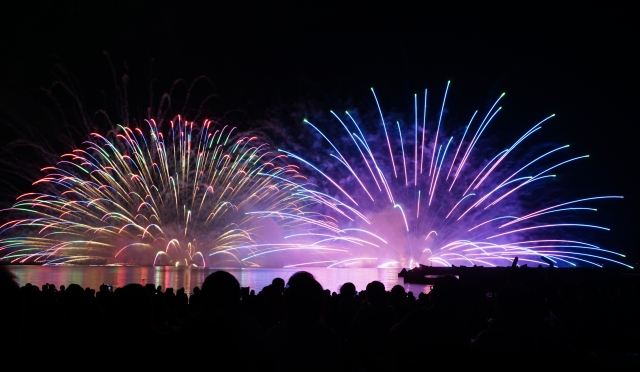
Summer festivals (matsuri) are held across the country and are a staple of the season.

Popular Summer Festivals:

Aomori Nebuta Festival (Aomori, Aug 2–7)

Features massive, illuminated floats and energetic dancing.

Akita Kanto Festival (Akita, Aug 3–6)

Performers balance long bamboo poles adorned with lanterns.

Sendai Tanabata Festival (Miyagi, Aug 6–8)

Colorful streamers fill the shopping arcades.

Kyoto Gion Festival (Kyoto, July)

One of Japan's three major festivals with over 1,100 years of history.

Kochi Yosakoi Festival (Kochi, Aug 9–12)

Dynamic dance performances using wooden clappers (naruko).

These festivals offer a fantastic way to forget the heat while immersing yourself in local culture. Many programs even allow tourists to participate.


Frequently Asked Questions

Q1: Which region of Japan is the hottest in summer? 

A: Generally, inland areas like Kumagaya City (Saitama) and Hamamatsu City (Shizuoka) tend to get the hottest, having recorded Japan's record high of 41.1°C. Basin areas like Osaka and Kyoto are also known for their intense heat. Coastal areas may be slightly cooler due to sea breezes, but high humidity can make the sensible temperature feel very high.

Q2: When does summer start in Japan? 

A: Meteorologically, summer is from June to August. However, the "feeling" of summer begins in mid-July after the rainy season ends. The hottest period is usually from mid-to-late August, though extreme heat can sometimes persist into early September.

Q3: What clothing is suitable for summer in Japan? 

A: Lightweight, breathable fabrics like cotton, linen, or quick-dry polyester are recommended. Short-sleeved shirts, T-shirts, and light trousers or skirts are standard. Hats and parasols are effective against UV rays. Since indoor air conditioning can be quite strong, carrying a light long-sleeved shirt or cardigan is useful.

Q4: Are there any times in summer I should avoid visiting? 

A: While there's no time you must avoid, the Obon holiday period (around Aug 13–16) sees a surge in domestic travel, making transportation and hotels crowded and more expensive. If you are sensitive to heat, consider visiting in June (rainy season) or September (late summer heat) instead of the peak heat of late July to mid-August.

Q5: Is air conditioning in Japan different from other countries? 

A: Japanese air conditioners are often set with energy-saving in mind and may not cool as aggressively as those in the West. Many public facilities set their thermostats around 28°C. Conversely, trains and buses can sometimes be set quite cold, so having a light layer for travel is recommended.


Summary

Summer in Japan is characterized by high heat and humidity, creating a muggy environment unique even on a global scale. Particularly from late July to August, both temperature and humidity peak, significantly raising the sensible temperature. Many international tourists are surprised by this, and more than half experience some symptoms of heatstroke.

However, with proper precautions, it is entirely possible to enjoy a Japanese summer safely and comfortably. Focus on basic heatstroke prevention like staying hydrated, dressing appropriately, and adjusting your activity levels. Additionally, visiting summer retreats and experiencing local festivals are wonderful ways to enjoy the season.

While it is certainly hot, the culture, traditions, and beautiful nature that thrive in this season will surely make for unforgettable memories. We hope this article helps those planning a trip or currently staying in Japan to enjoy the summer safely.


関連記事