Japanese Ghosts | Ghost Stories in Traditional Culture and Modern Life - GTN MAGAZINE
日本語
日本語
English

Japanese Ghosts | Ghost Stories in Traditional Culture and Modern Life

Foreign travelers visiting Japan are likely interested in Japanese culture, traditions, and tourist attractions.

But did you know that one of the fascinating aspects of Japanese culture is its “ghost culture”? Japan has had its own unique view of ghosts since ancient times, deeply rooted in art, literature, and even modern pop culture. This article broadly introduces everything from the history and characteristics of Japanese ghosts to haunted spots you can visit as a tourist.

The History and Origins of Japanese Ghosts

Japanese ghost culture has existed since ancient times, and its concept has undergone significant changes throughout different eras.

The word "yūrei" (ghost) first appeared in historical records in 747 CE during the Nara period.

At that time, yūrei referred to the souls of the deceased and did not carry the eerie connotations we associate with the term today.

In ancient and medieval Japan, ghosts were primarily objects of memorial services and were not considered threatening.

There was a belief that humans consisted of a physical body and a soul (rei), and the soul was thought to frequently leave and return to the body.

Death was considered to occur when the soul could no longer return to the body.

In the late medieval period (15th century), cases emerged where vengeful spirits were called "yūrei."

In the Noh play "Funa Benkei," the vengeful ghost of Taira no Tomomori, who perished at the Battle of Dan-no-ura, appears and attempts to exact revenge on Yoshitsune.

During the Edo period, ghost culture flourished dramatically.

In this relatively peaceful era, people sought stimulation, and ghost stories became wildly popular as entertainment.

Many ghost paintings were created, establishing the image of Japanese ghosts that we envision today.

Ghosts began appearing frequently in arts such as kabuki theater and ukiyo-e woodblock prints.

EraPerception of Ghosts
AncientSouls of the deceased, objects of memorial
MedievalSpirits unable to attain enlightenment, blurred distinction with vengeful spirits
Edo PeriodTerrifying beings filled with resentment, commercialized as entertainment
ModernSummer tradition, part of pop culture

Characteristics of Japanese Ghosts

日本の幽霊の特徴

Japanese ghosts have distinctive features, with several common traits typically observed:

Physical Characteristics

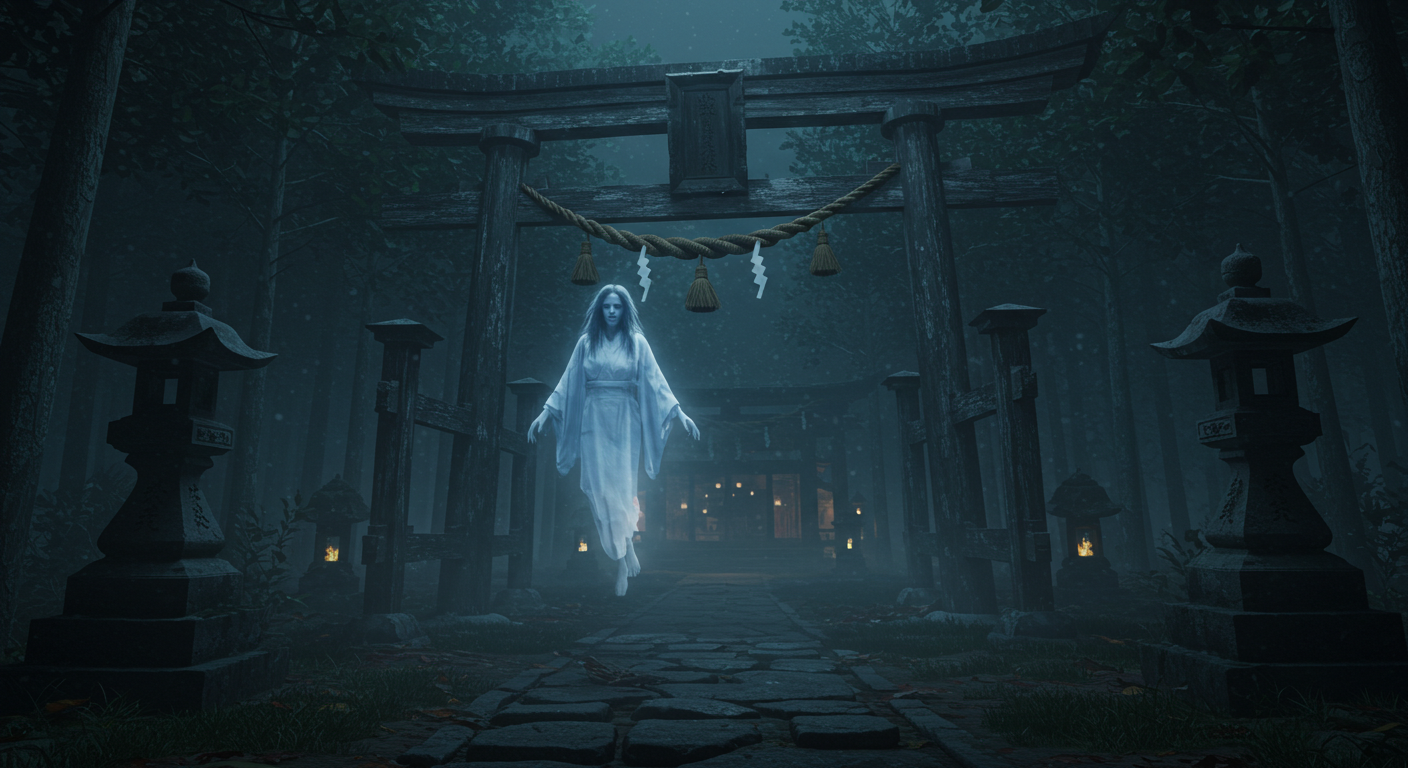
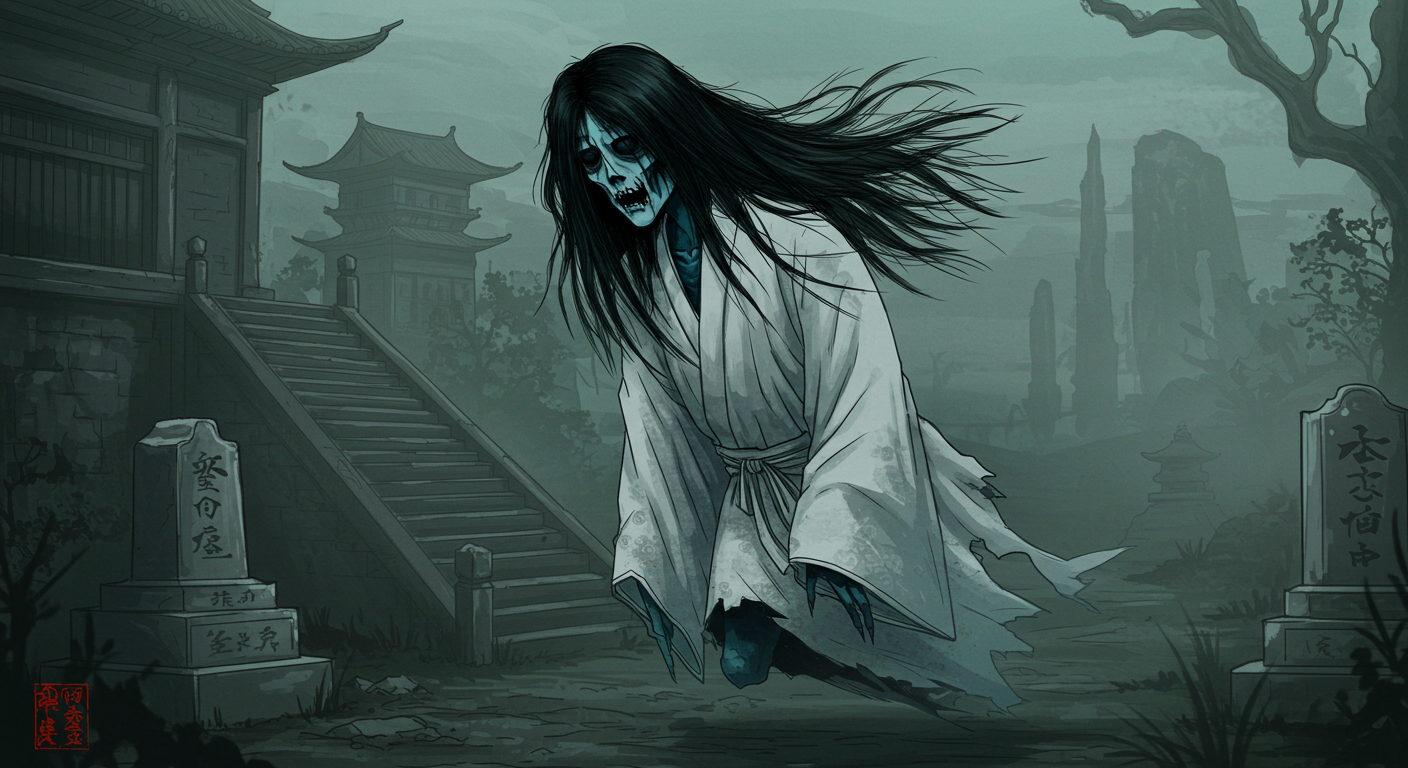
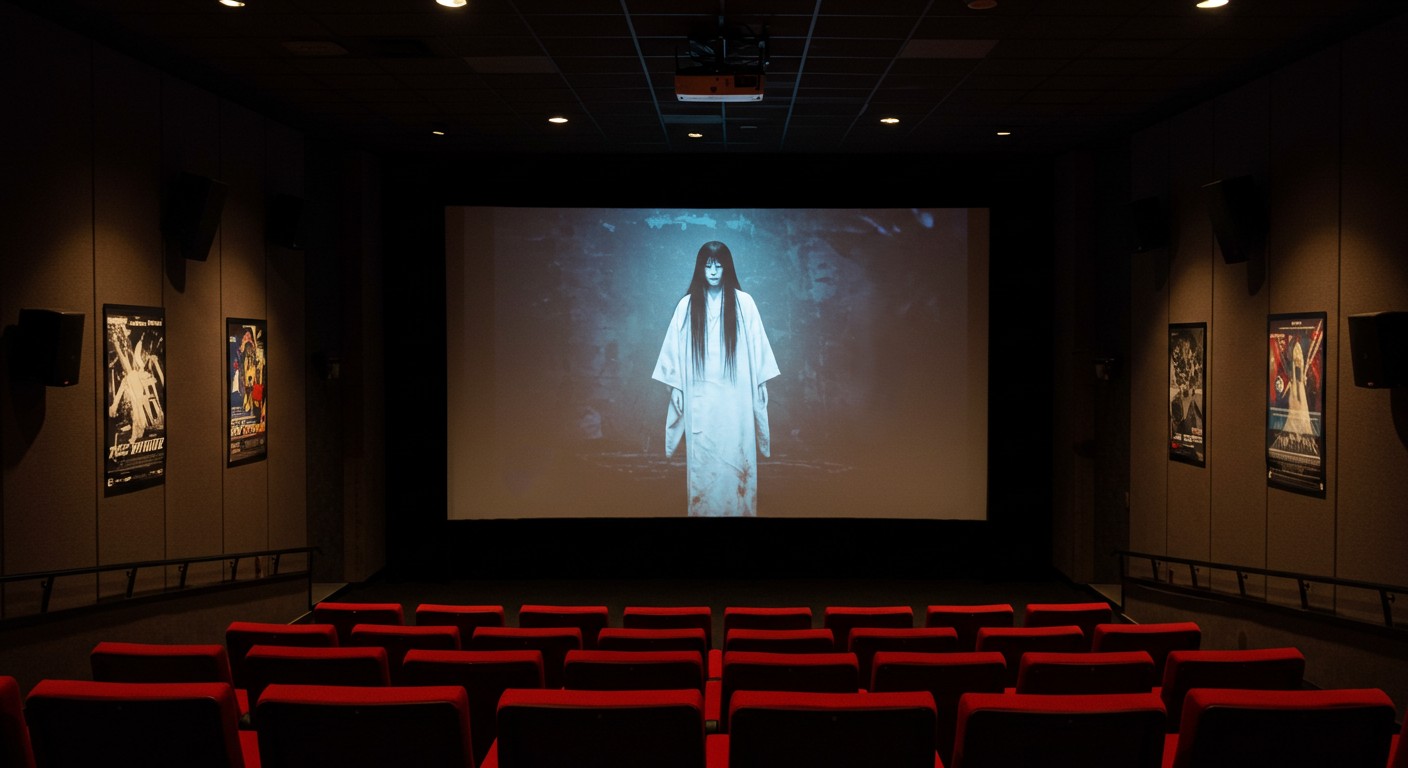
No feet: The most distinctive feature of Japanese ghosts is their lack of feet. Various theories exist, such as "their feet are obscured by the smoke from incense burned at Buddhist altars" or "their feet were severed in hell," but the origin of this image is attributed to Edo-period painter Maruyama Ōkyo, who depicted ghosts without feet in his paintings.

White burial kimono: Japanese ghosts wear white kimono. This derives from the traditional Japanese death shroud (white kimono dressed on the deceased).

Long black hair: Disheveled long black hair often covers their faces. This creates an eerie impression, contrasting with women's hairstyles during life.

Pale face: They typically have bloodless, pale faces, representing the pallor of death.

Behavioral Characteristics

Attachment to specific individuals: While Western ghosts haunt places, Japanese ghosts tend to attach themselves to or possess specific individuals.

Lingering attachments or resentment: In most cases, they become ghosts because they cannot attain enlightenment due to lingering attachments or resentment in this world.

Summer appearances: In Japan, ghosts are particularly associated with summer, and during Obon (the Bon festival), ancestral spirits are believed to return.

These characteristics were established through Edo-period ukiyo-e and kabuki theater and continue to be carried forward in modern films and anime.

Types of Japanese Ghosts

Japanese ghost culture encompasses various types of ghosts passed down through tradition. Here are the main categories:

Onryō (Vengeful Spirit)

Spirits of people who died harboring intense grudges, believed to cause significant societal disasters. Historical figures such as Sugawara no Michizane, Taira no Masakado, and Emperor Sutoku are known as the "Three Great Onryō of Japan," and their vengeful spirits were believed to cause epidemics and natural disasters.

Ikiryō (Living Spirit)

A spirit that leaves a living person's body and harms others. It is said to emerge when someone harbors strong jealousy or resentment toward another person, cursing them.

Mononoke (Possessing Spirit)

A term referring to spiritual entities of uncertain identity. In the Heian period, they were considered the cause of illnesses and were exorcised by onmyōji (yin-yang masters) and Buddhist priests. They appear in "The Tale of Genji," with the famous episode of the mononoke that tormented Murasaki no Ue being revealed as the ikiryō of Lady Rokujō.

Fuyūrei (Wandering Spirit)

Spirits that wander without attachment to specific places or people. Unable to attain enlightenment, they require memorial services.

Jibakurei (Earthbound Spirit)

Ghosts bound to specific locations. They are said to appear at accident or crime scenes, or places with strong emotional connections.

Differences from Western Ghosts

There are several clear differences between Japanese ghosts and Western ghosts:

Object of Attachment

  • Japanese ghosts: Strong tendency to attach to specific "people"
  • Western ghosts: Strong tendency to haunt specific "places"

Purpose and Reason for Existence

  • Japanese ghosts: Often appear to fulfill resentment or lingering attachments
  • Western ghosts: Often appear to deliver warnings or messages

Appearance

  • Japanese ghosts: White burial kimono, long black hair, no feet
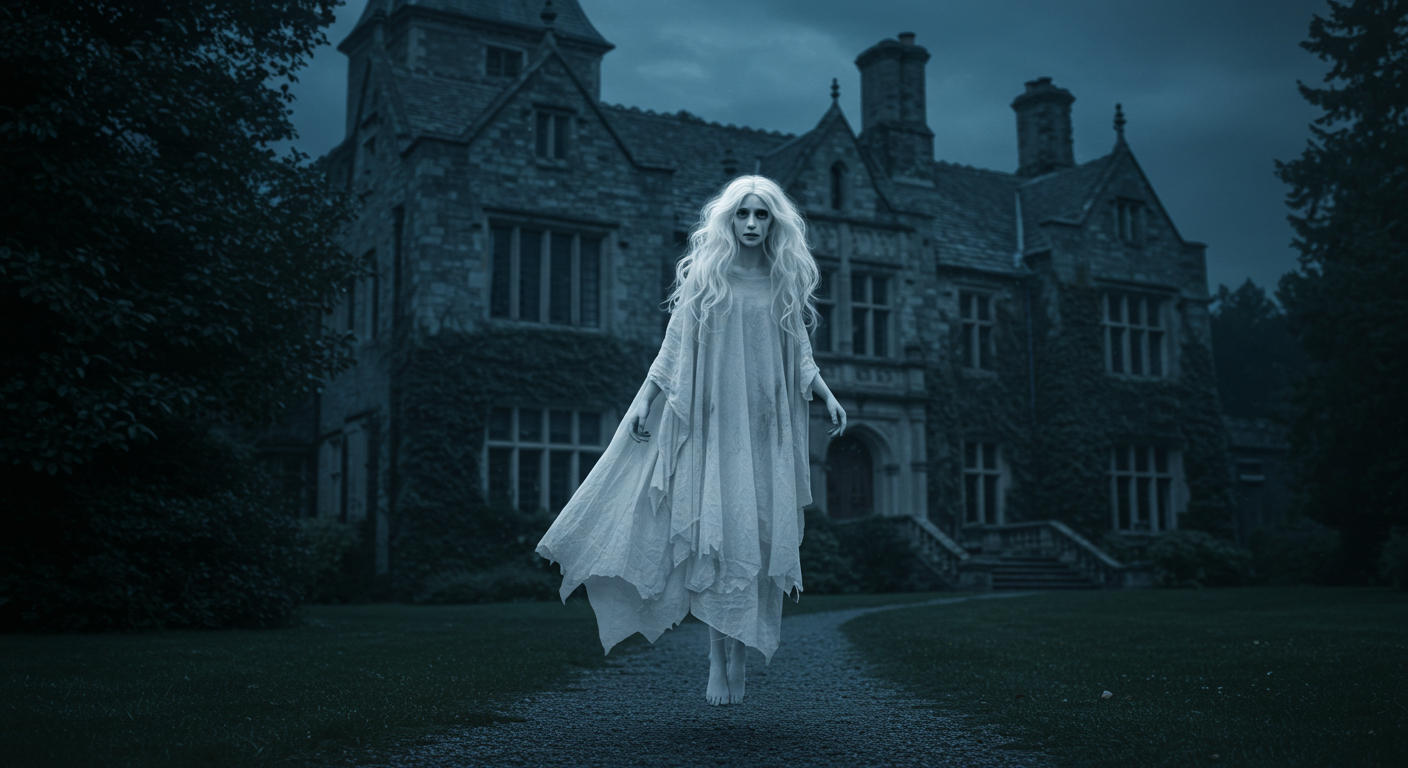
  • Western ghosts: Varied appearance, such as their form at death or draped in white cloth

Time of Appearance

  • Japanese ghosts: Particularly associated with summer (Bon festival period)
  • Western ghosts: No particular seasonality, sometimes associated with specific days like Halloween

Methods of Dealing with Them

  • Japanese ghosts: Often resolved through memorial services or helping them attain enlightenment
  • Western ghosts: Often driven away through religious rituals such as exorcism

Japanese Ghost Culture and Pop Culture

Japanese ghost culture has significantly influenced modern pop culture.

Particularly since the 1990s, Japanese horror films known as "J-horror" have gained worldwide attention.

Films

From the late 1990s to the 2000s, Japanese horror films became a global phenomenon.

Especially "Ring" (Ringu), "Ju-on: The Grudge," and "Dark Water" became so popular they were remade overseas.

The characteristic of Japanese horror films is their emphasis on psychological terror over flashy visual effects, with expressions based on Japan's unique concepts of ghosts.

Anime and Manga

From classic works like "GeGeGe no Kitarō" to contemporary works like "Hell Girl" and "Ghost Stories," numerous anime and manga deal with ghosts and supernatural phenomena.

These works modernize traditional ghost forms and characteristics, reconstructing them as new narratives.

Games

Horror games such as the "Fatal Frame" (Zero) series and "Clock Tower" incorporate Japanese ghost culture.

These games allow players to experience the terror of confronting traditional Japanese ghosts.

Television Programs

Many television stations broadcast paranormal specials and ghost story features during summer.

Experiential programs that actually visit paranormal locations are also popular.

Ghost Spots You Can Visit

Japan has many locations called "shinrei spots" (paranormal spots) rumored to be haunted by ghosts.

Here are some spots you can actually visit.

However, never trespass into off-limits areas or private property.

Tokyo - Sendagaya Tunnel

A famous paranormal spot within Tokyo's 23 wards.

This tunnel runs from Sendagaya Station through the National Stadium to Meiji Street, where a female ghost is rumored to have been sighted.

Aomori - Mount Osore

One of Japan's three sacred places, long known as a location where spirits gather.

With hot springs and lodging facilities, it can be visited as a tourist destination. It's also famous for spiritual mediums called itako who perform kuchiyose (channeling spirits).

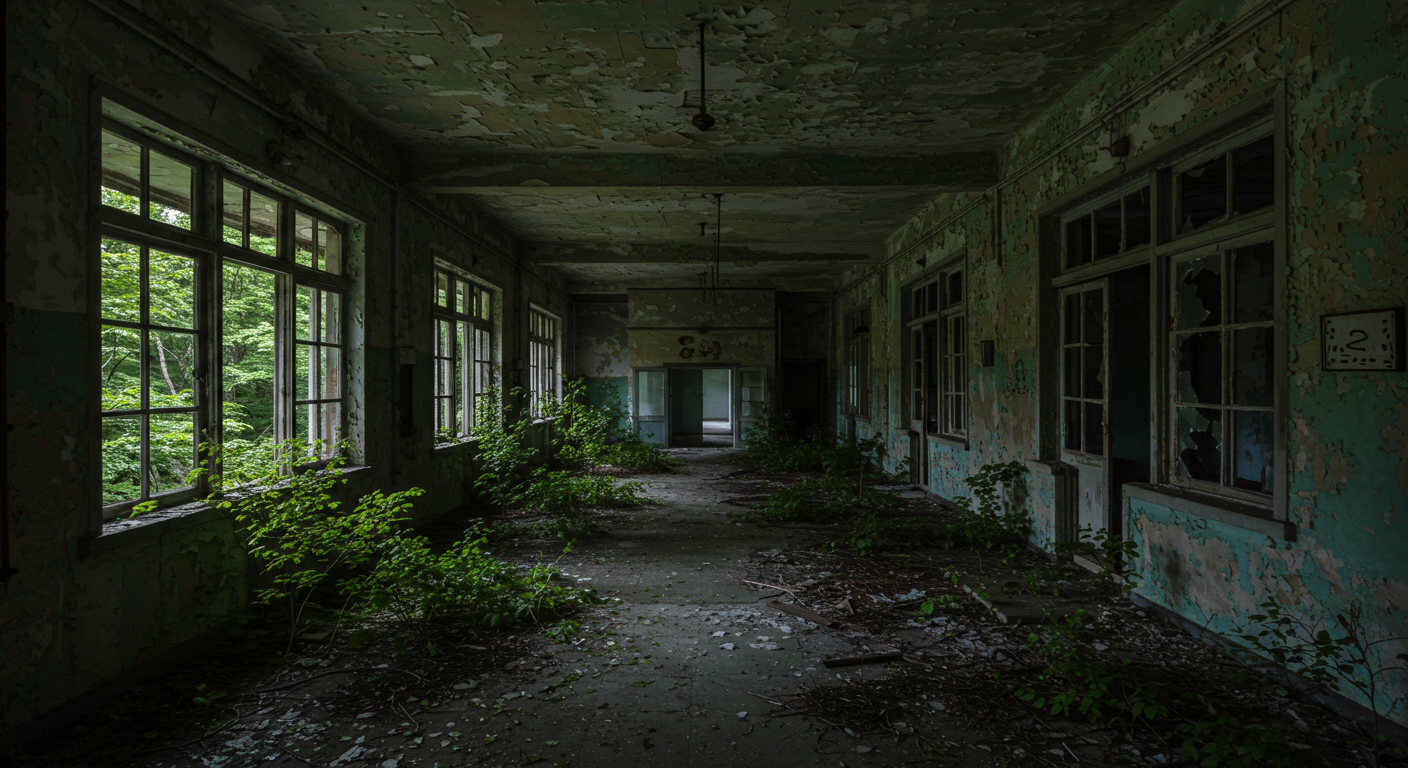
Hokkaido - Yubetsu Coal Mine Hospital

A famous paranormal spot not only in Hokkaido but nationwide.

This building was once used as a coal mine hospital, and numerous paranormal phenomena have been reported.

NameLocationFeatures
Mount OsoreAomori PrefectureOne of Japan's three sacred places, has hot springs
Sendagaya TunnelTokyoUrban paranormal spot
Yubetsu Coal Mine HospitalHokkaidoAbandoned building paranormal spot
Inunaki TunnelFukuoka PrefectureTop-ranked on national paranormal spot lists

※When visiting these locations, always follow local rules and prioritize safety.

Trespassing into off-limits areas is illegal.

Japanese Ghost Inn Experiences

In Japan, there are special inns and hotels where you can experience ghosts and supernatural phenomena.

Some facilities have actual reported paranormal activity, while others provide ghost experiences as theatrical entertainment.

Ghost Experience-Type Inns

Some inns offer special services like "ghost rooms" or "corridors turned into haunted houses" as summer-limited attractions. These are designed to be enjoyed purely as entertainment, incorporating the Japanese summer tradition of seeking "coolness" through fear.

Establishments with Actual Rumors

Among historic inns and hotels, some are rumored to actually be haunted. However, most lodging establishments do not officially acknowledge such rumors and tend to deny them.

Booking Considerations

In Japanese lodging facilities, disclosure of information about "stigmatized properties" (rooms where incidents or suicides occurred) is not always mandatory. If you don't want paranormal experiences, it's advisable to confirm whether the building is old or has historical background when making reservations.

Summer Tradition: Ghost Stories and Hyakumonogatari

In Japan, there is a cultural tradition of telling ghost stories in summer. This originated from the wisdom of using "fear" to forget the heat.

Hyakumonogatari (One Hundred Ghost Stories)

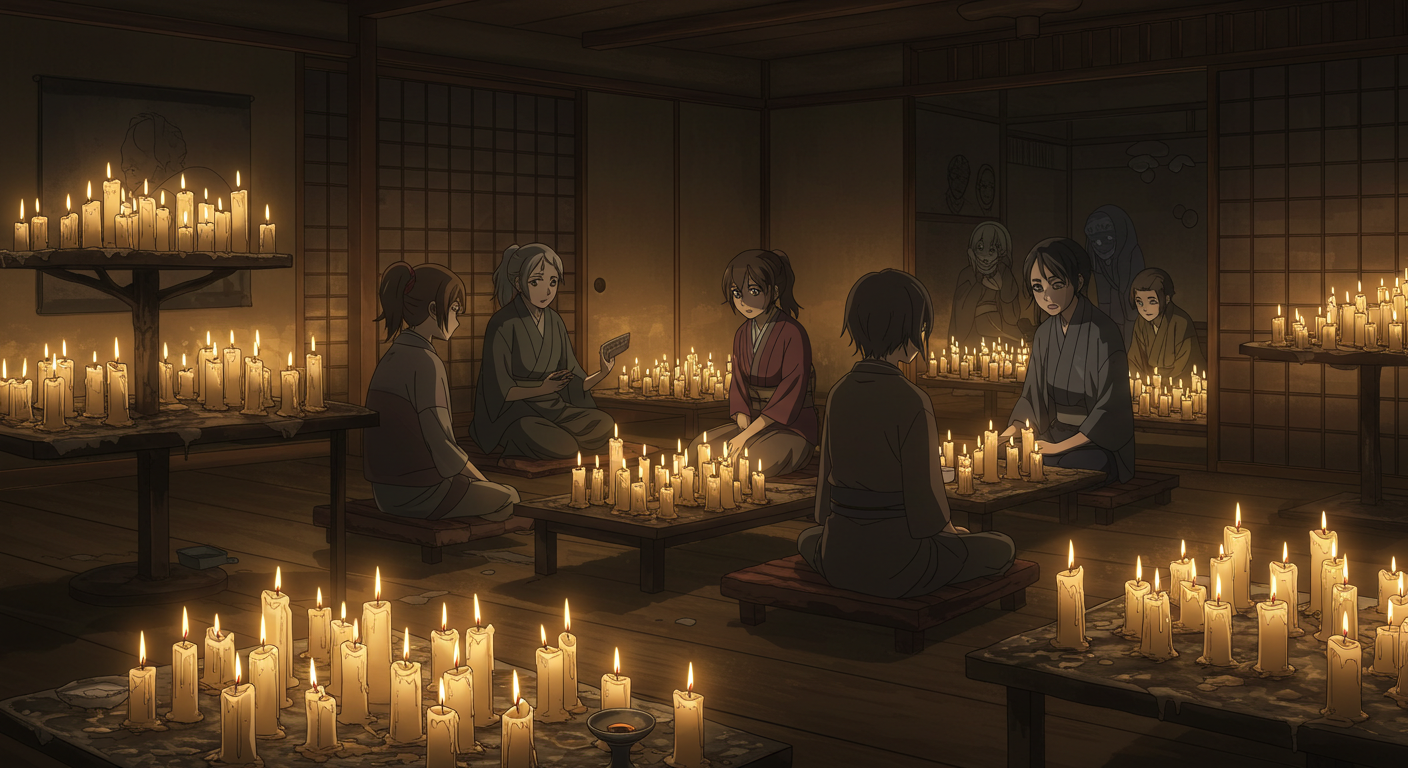
A game popular in the Edo period where participants gather and light 100 candles, with each person taking turns telling ghost stories.

After each story, one candle is extinguished, and it's said that when the last candle goes out, a real ghost will appear.

Even today, events featuring "hyakumonogatari" are held as summer evening activities.

Kaidan-kai (Ghost Story Gatherings)

When summer arrives, temples, cultural facilities, and cafes throughout Japan host ghost story gatherings.

Various styles exist, from authentic ghost stories told by professional storytellers to participants sharing scary stories with each other.

Suzumi Shibai (Cooling Theater)

During the Edo period, ghost stories were enthusiastically performed as "cooling theater" to help people forget the heat through fear.

Stories like "Tōkaidō Yotsuya Kaidan" featuring O-Iwa-san remain popular kabuki performances today.

Japanese Ghost Culture from Foreign Perspectives

For foreign tourists, Japanese ghost culture holds unique appeal. Japanese ghosts, with their aesthetic and cultural background different from Western ghost stories, fascinate many foreigners.

Reasons for Popularity Among Foreigners

Aesthetic elements: While frightening, Japanese ghosts possess aesthetic elements and can be appreciated as works of art, such as ukiyo-e prints.

Cultural context: Japanese ghosts are not merely horror elements but are deeply connected to Japanese religious views and perspectives on life and death, including Buddhism and Shinto.

Seasonal association: Japanese ghost culture's association with summer is cherished as a seasonal tradition and can be enjoyed as part of cultural experiences.

Ghost Culture Experiences for Foreigners

For foreigners visiting Japan, English-language ghost tours and paranormal spot visits are offered. In major tourist destinations like Tokyo and Kyoto, events where Japanese ghost stories can be enjoyed in English are increasing.

Horror Attractions You Can Experience

Japan offers various horror attractions year-round, regardless of season.

Particularly in summer, many facilities host horror events.

Theme Park Haunted Houses

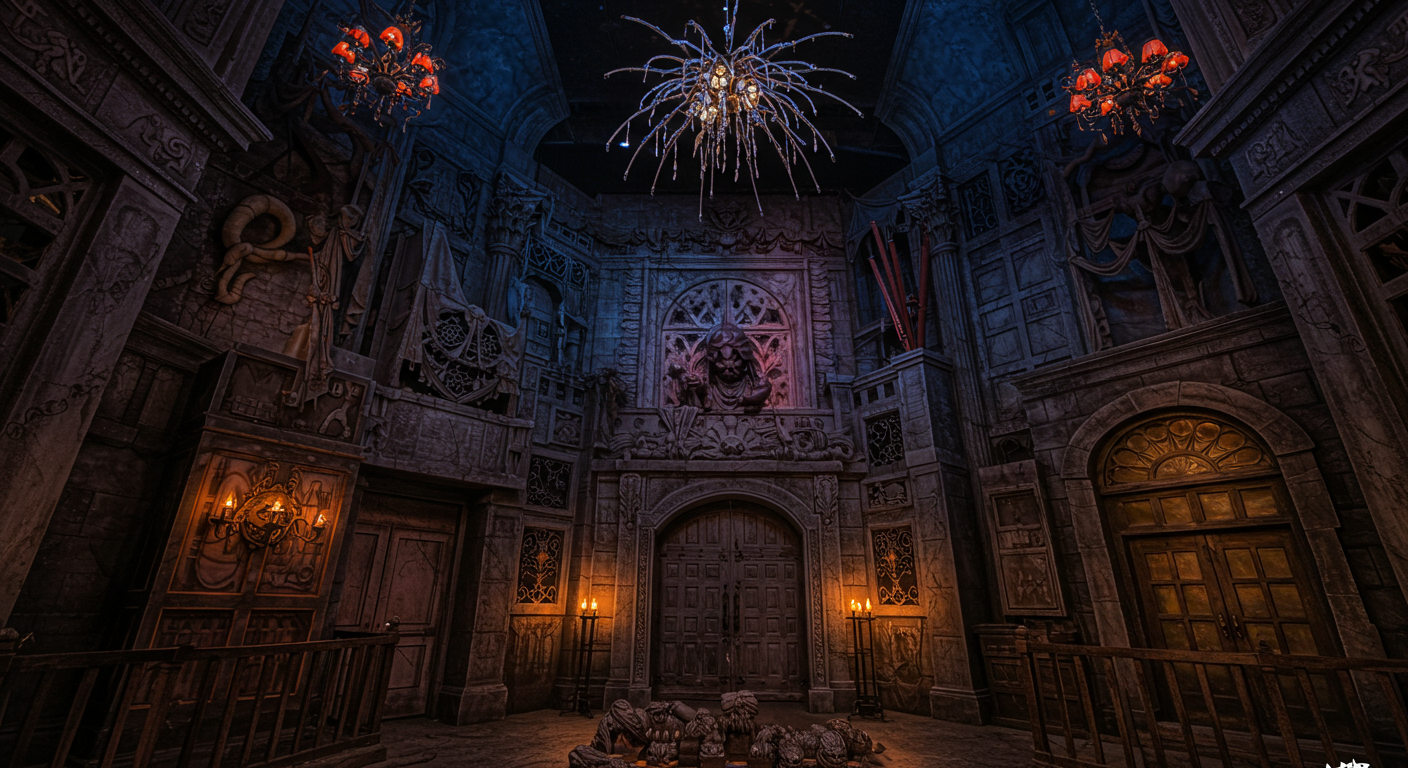
Japan has world-renowned haunted houses, such as "Super Scary Labyrinth of Fear" at Fuji-Q Highland.

Japanese haunted houses are characterized by emphasizing storytelling rather than merely startling visitors.

Seasonal Horror Events

When summer arrives, numerous limited-time horror events are held at amusement parks and commercial facilities.

They range from those based on traditional Japanese ghosts to those incorporating modern horror elements.

Abandoned Ghost Inn Experiences

On islands like Himakajima, there are attractions utilizing abandoned inns as haunted houses.

Visitors can simultaneously enjoy the atmosphere of actual ruins and fear created through theatrical production.

Conclusion

Japanese ghost culture is not merely scary stories but a profound phenomenon with long history and artistic value, reflecting Japanese perspectives on life, death, and religion.

For foreign visitors to Japan, I hope you can experience ghost legends as an aspect of Japanese culture, not just enjoy the horror elements.

If you visit Japan in summer, try experiencing seasonal events such as ghost story gatherings, ghost exhibitions, and haunted houses.

You'll experience the Japanese summer tradition of "cooling" yourself through cold sweat.

However, when visiting paranormal spots, always prioritize safety and never enter off-limits areas.

Also, please respect Japanese culture and customs and refrain from inappropriate behavior.

Through Japanese ghost culture, may you gain deeper understanding of Japan and enjoy unique "frightening" experiences.

関連記事