Enoden Travel Guide | Ride Through Japan’s Nostalgic Coastal Scenery - GTN MAGAZINE
日本語
日本語
English

Enoden Travel Guide | Ride Through Japan’s Nostalgic Coastal Scenery

The Enoshima Electric Railway, commonly known as Enoden, is a historic railway line stretching approximately 10 kilometers between Fujisawa and Kamakura in Kanagawa Prefecture. With more than 100 years of history, it is considered one of Japan’s most charming local railways. As the train travels along the coastline, passengers can enjoy stunning views of the ocean and Mt. Fuji, while historic temples and shrines, beautiful beaches, and unique attractions can be found along the route.

This guide introduces the many attractions of the Enoden, including how to ride the train, recommended sightseeing spots along the route, and tips for making the most of your journey.

What Is the Enoden?

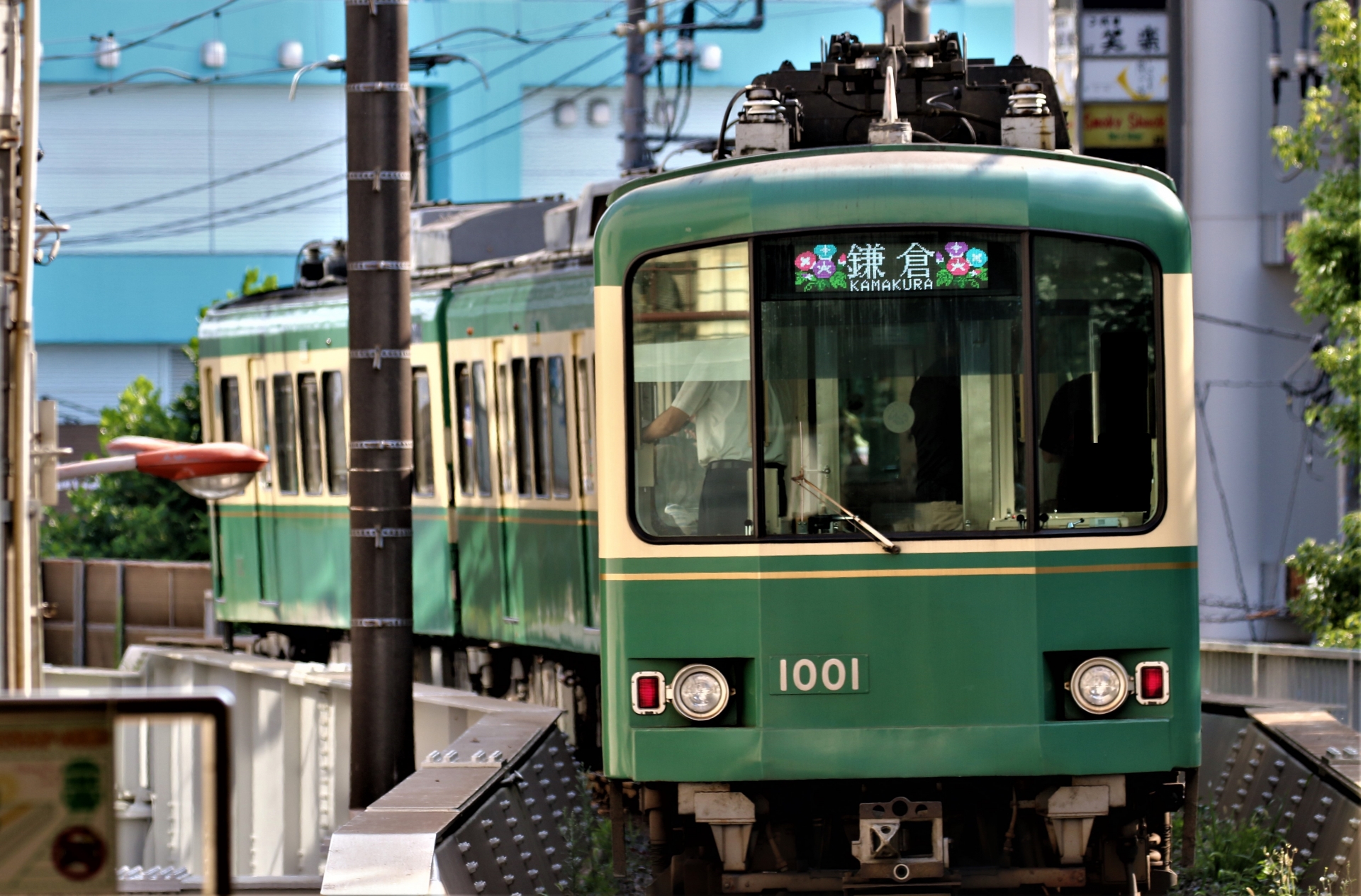
An Enoden train running along the Shonan coast

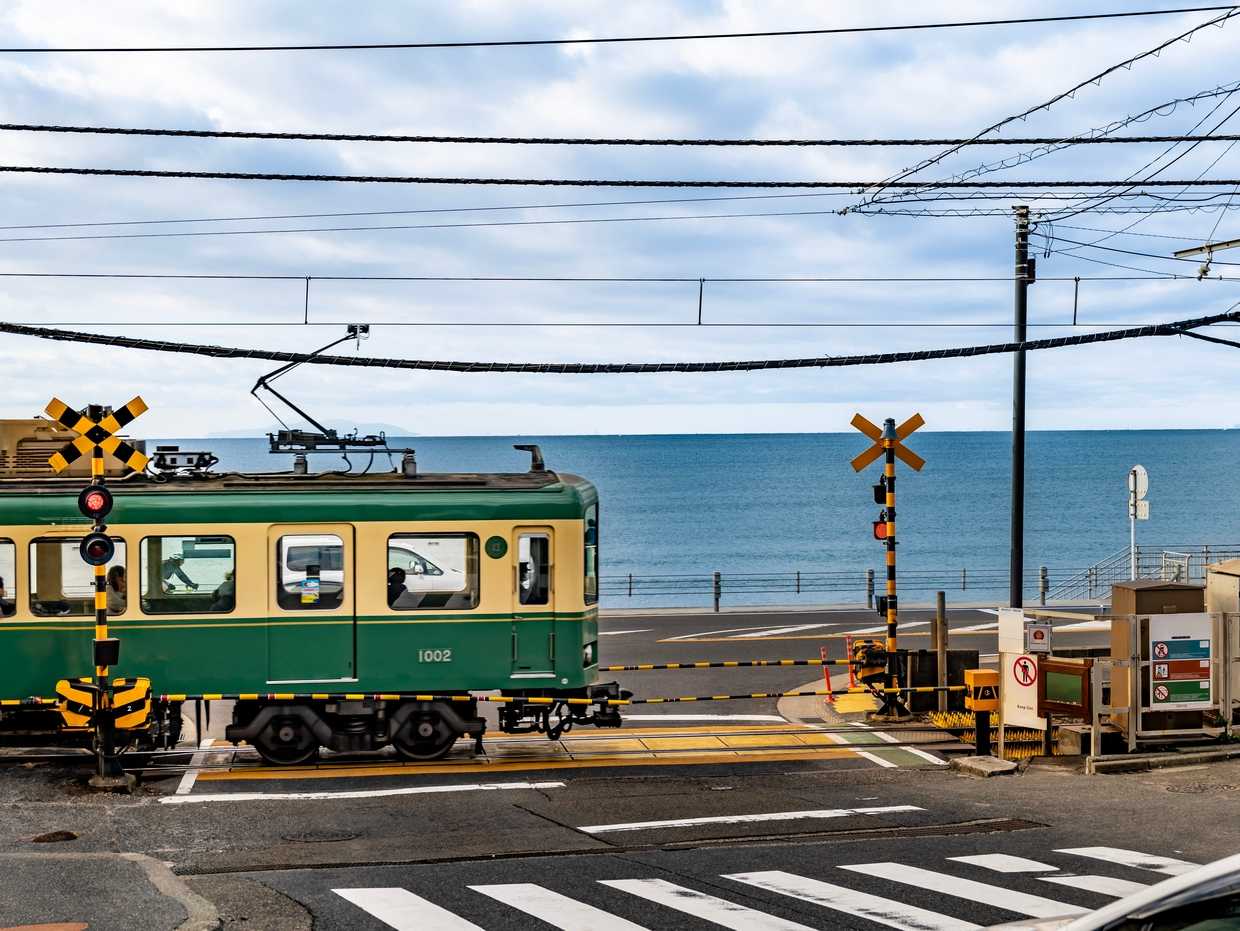
The Enoshima Electric Railway — known affectionately as the Enoden — is a local line running about 10 km from Fujisawa Station to Kamakura Station in Kanagawa Prefecture. Starting at Fujisawa, the line follows the Shonan coast through Enoshima and Shichirigahama before reaching the historic city of Kamakura. The biggest draw is the ride itself: you travel right alongside the blue Shonan sea and through the streets of one of Japan's most storied towns.

What Makes the Enoden Special

A few defining features of the line:

  • 15 stations along the route, each within easy reach of attractive sightseeing spots
  • Charming retro-style trains — four series currently in service: Type 300, Type 20, Type 2000, and Type 500
  • Mostly single-track, with trains passing each other at stations
  • A unique route that threads through narrow residential lanes and traces the coastline
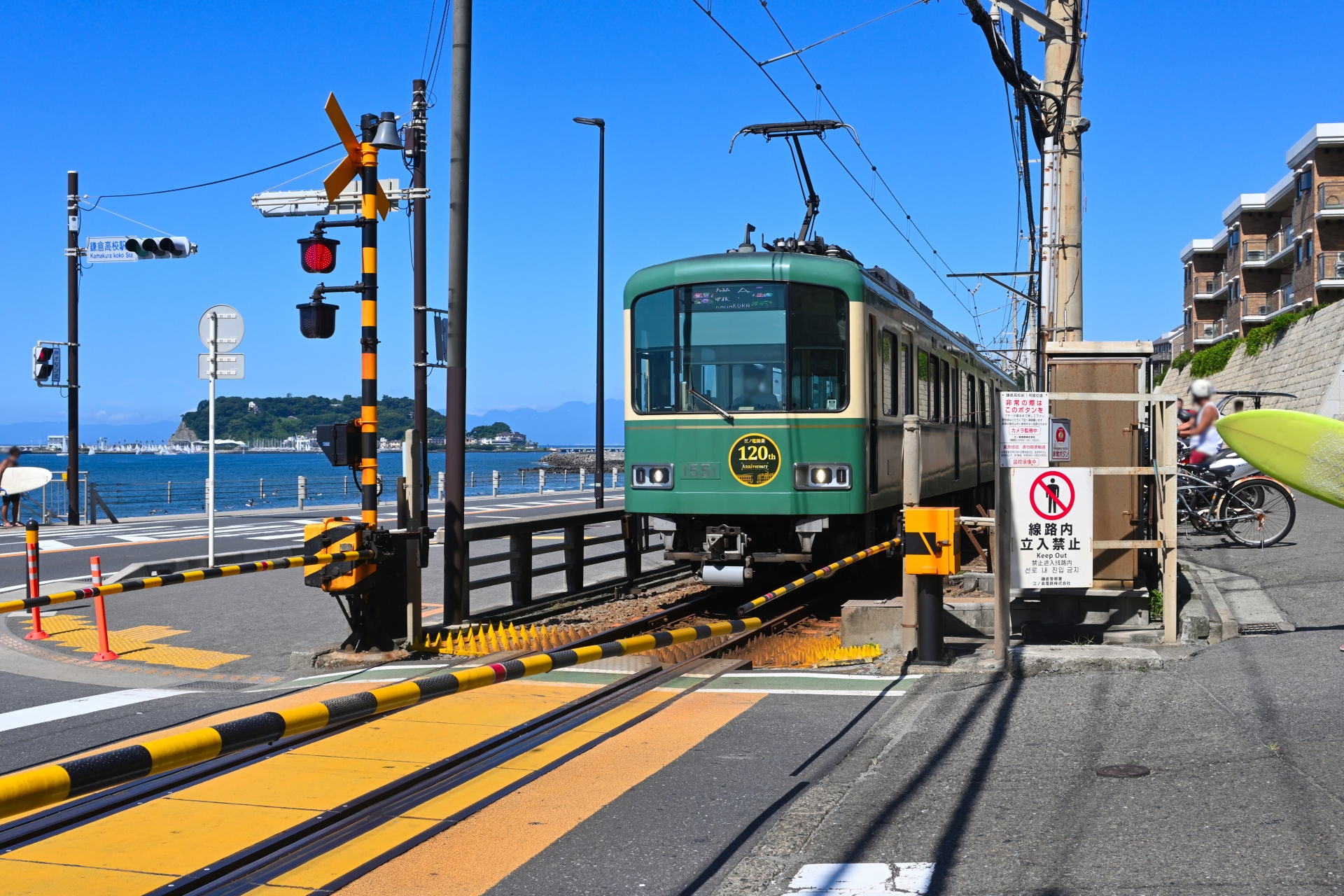
  • The Kamakurakokomae railroad crossing, made famous by the opening sequence of the anime Slam Dunk

The Enoden is more than just transport — it has become a "ride-along" attraction in its own right. The Shonan sea, Mt. Fuji, and the historic streets of Kamakura combine to give travelers a rare window onto the beauty of Japan.

LineSectionDistanceOperating hoursEnd-to-end time
Enoshima Electric RailwayFujisawa Station — Kamakura StationAbout 10 kmFirst train around 5:20 a.m., last train around 11:50 p.m. (varies by season)About 35 minutes

History of the Enoden

A retro Enoden train running along the line

The Enoshima Electric Railway opened on September 1, 1902, making it Japan's sixth electric railway. Service initially ran from Fujisawa Station to Enoshima Station (now Katase-Enoshima Station), and the full line through to Kamakura was completed in 1910.

Why the Enoden Was Built

The Enoden came about as part of Meiji-era efforts to grow tourism. As Japan industrialized after the First Sino-Japanese War and the idea of leisure travel took hold, demand grew for better access to the scenic Enoshima and Kamakura area. The line also handled freight in its early days, but gradually shifted to serving locals and the steady flow of tourists.

Why It's Still Loved Today

More than 120 years after it opened, the Enoden remains popular for reasons like these:

  1. Stunning scenery — the coastal views from the train are breathtaking and change with each season
  2. Nostalgic trains — retro car designs that evoke the Showa era
  3. Film and anime locations — featured in many works, including Slam Dunk and Our Little Sister (Umimachi Diary)
  4. A line woven into local life — serving residents while welcoming visitors
YearEvent
1902Service begins between Fujisawa and Enoshima
1910Line extended all the way to Kamakura Station
1997Kamakurakokomae Station appears in the Slam Dunk anime opening, drawing fans worldwide
2022The line celebrates its 120th anniversary

How to Ride the Enoden and Ticket Info

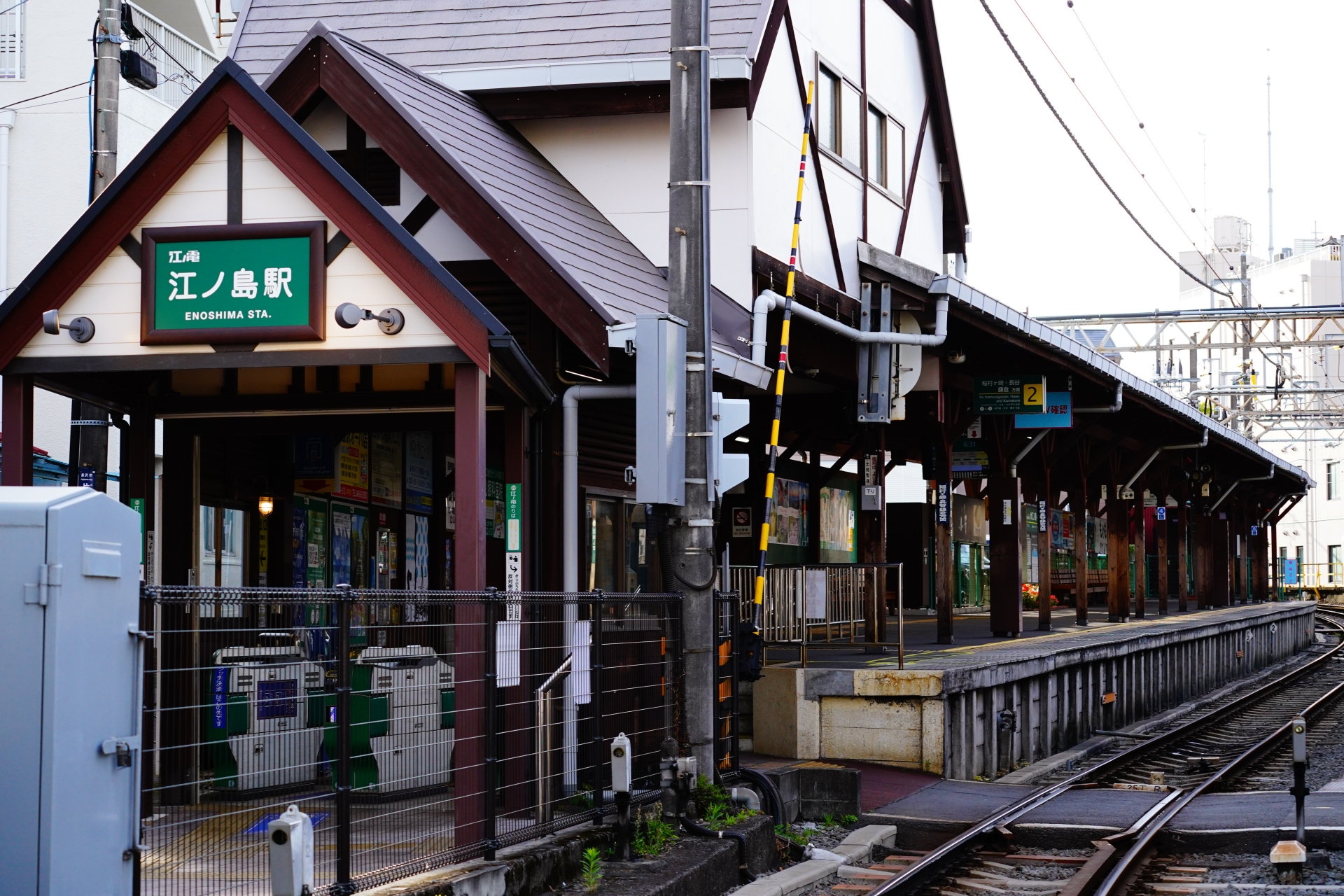
Enoden station and ticket gates

Basic Fares

Fares are calculated by distance. The minimum fare is ¥200 for adults and ¥100 for children.

Sample sectionsAdult fareChild fare
Fujisawa — Enoshima¥200¥100
Kamakura — Hase¥150¥70
Fujisawa — Kamakura (full line)¥310¥160

The Noriori-kun Day Pass

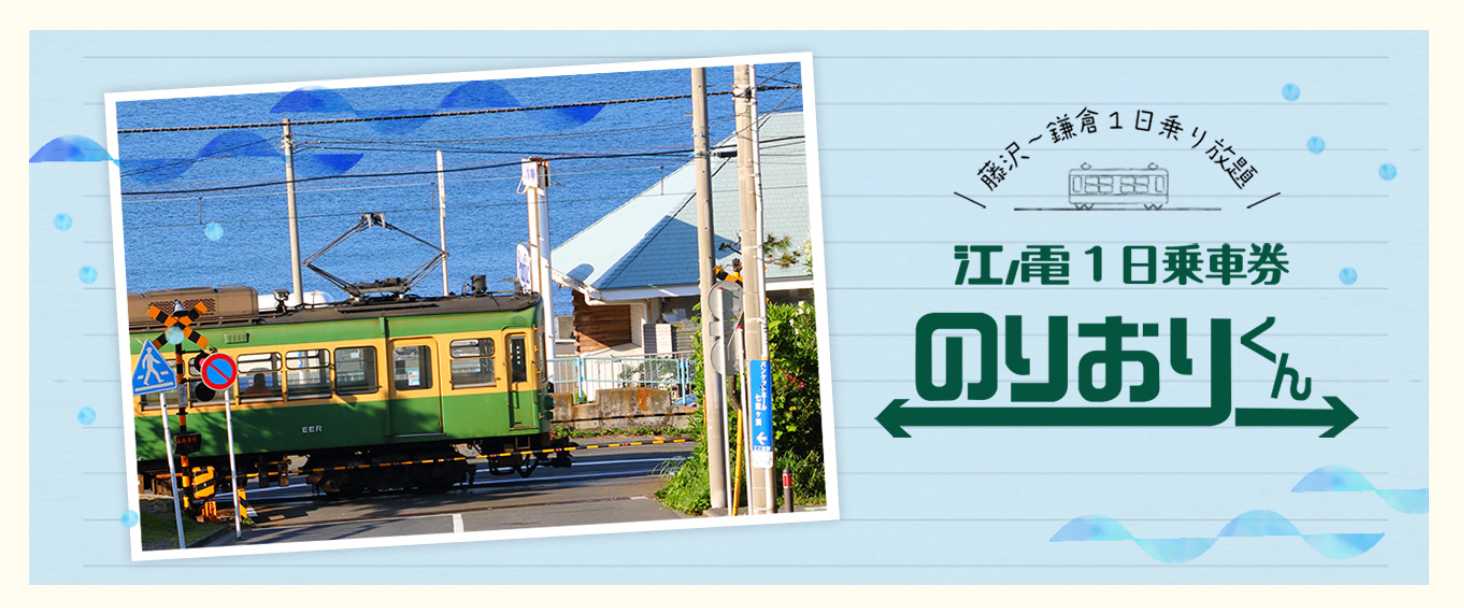
If you plan to sightsee along the line, the one-day Noriori-kun pass is the best option. It lets you get on and off as many times as you like for a single day.

Noriori-kun details:

  • Price: ¥800 for adults, ¥400 for children
  • Where to buy: ticket windows and machines at major Enoden stations, or the EMot smartphone app
  • Validity: the day of purchase only
  • Value: pays off compared with single tickets once you board four times

Combo Passes and Recommended Tickets

The Enoden also sells discounted combo tickets that bundle in admission to other attractions:

TicketWhat's includedAdult priceChild price
Noriori-kun + Enoshima Aquarium comboOne-day pass + aquarium admission¥3,320¥1,570
Kamakura-Enoshima PassUnlimited rides on Odakyu Line, Enoden, and Hakone Tozan BusFrom ¥1,580From ¥790
Shonan Monorail + Enoden Day PassUnlimited rides on both lines for a day¥1,350¥670

Payment Methods

The following payment options are accepted on the Enoden:

  • Cash
  • IC cards such as Suica and PASMO
  • Credit cards (only at select station ticket windows)
  • Digital tickets purchased through the EMot smartphone app

Operating Hours

Trains run from roughly 5 a.m. until late at night. Service runs about every 14 minutes on both weekdays and weekends, with around 154 trains per day. Times shift somewhat by season and day of the week, so check the official timetable before you go.

10 Standout Stations to Visit

The Enoden is full of charming stations. Here are 10 worth stopping at, with what to see nearby.

1. Kamakura Station

Around Kamakura Station

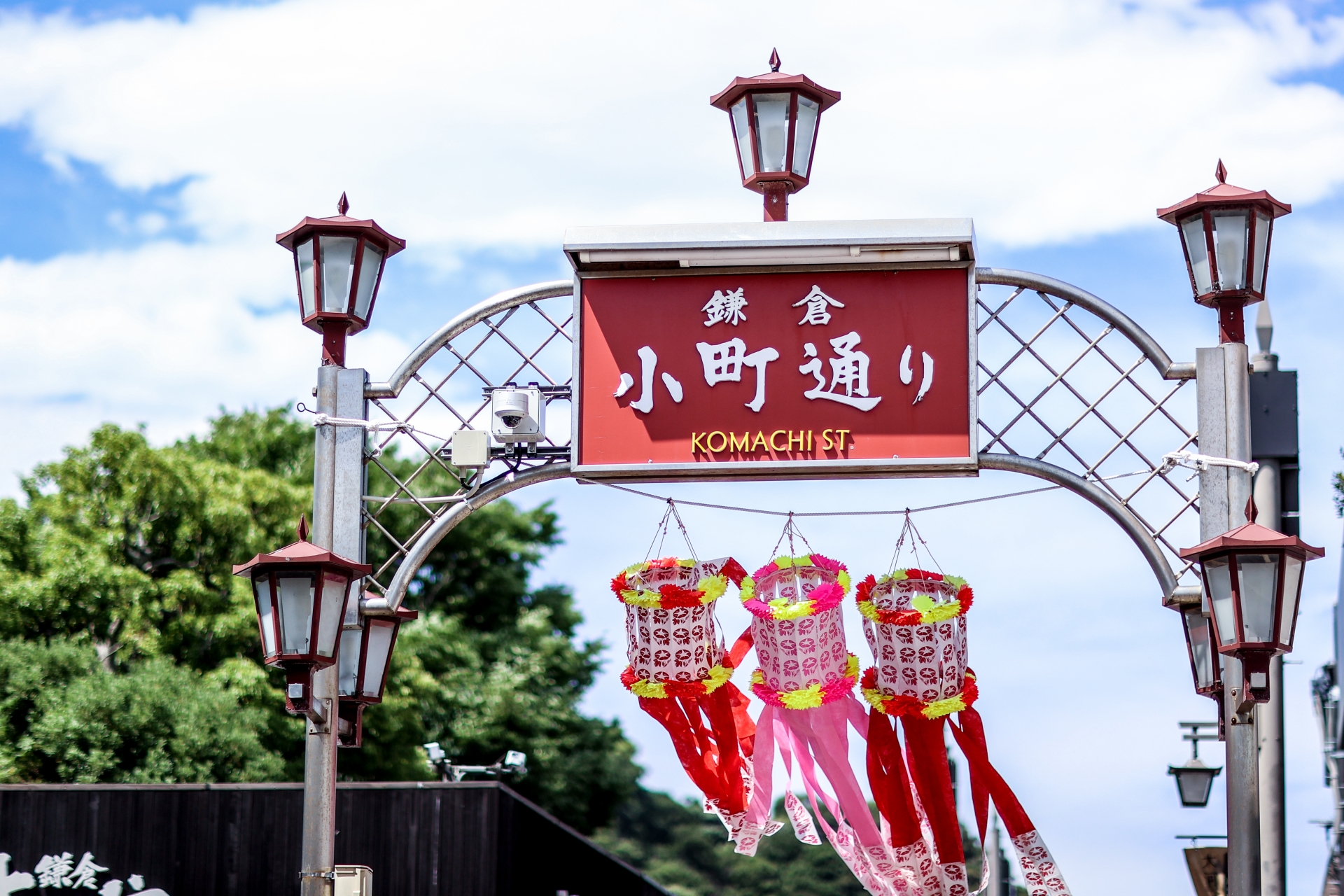
The gateway to Kamakura and one terminus of the Enoden. Just outside is Komachi-dori, a popular shopping street lined with Kamakura specialty foods and souvenir shops.

Main attractions:

  • Tsurugaoka Hachimangu Shrine (about a 10-minute walk)
  • Komachi-dori (right outside the station)
  • Kenchoji Temple (about 10 minutes by bus)
  • Kamakura Museum of Literature (about a 20-minute walk)

2. Hase Station

Around Hase Station

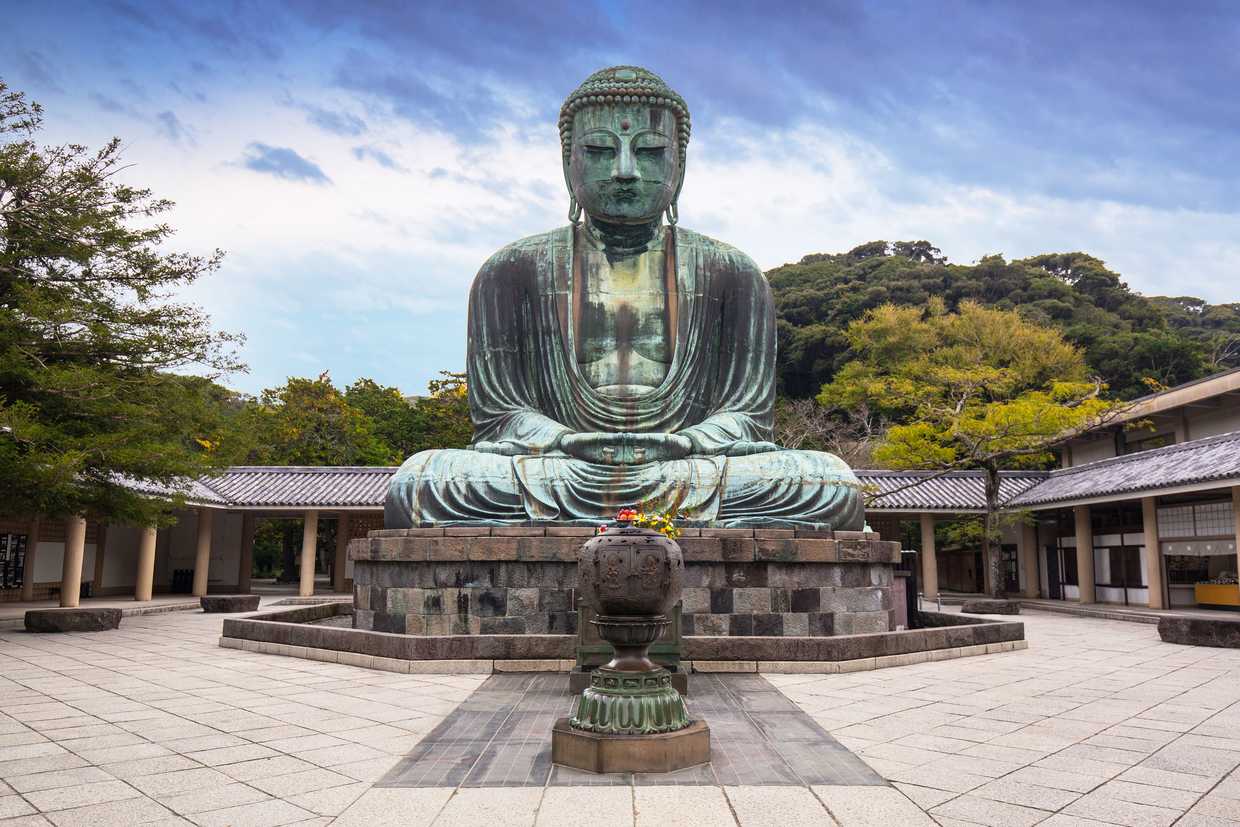
The most convenient station for Kotoku-in — home of the Great Buddha of Kamakura — and for Hasedera Temple, famous for its hydrangeas.

Main attractions:

  • Kotoku-in (Great Buddha of Kamakura) — about a 7-minute walk
  • Hasedera Temple — about a 5-minute walk
  • Goryo Shrine — right outside the station
  • Gokurakuji-zaka slope — about a 7-minute walk

3. Gokurakuji Station

The retro Gokurakuji Station building

Gokurakuji Temple, which gives the station its name, is about a 10-minute walk away. The retro station building itself has a charm worth lingering over.

Main attractions:

  • Gokurakuji Temple (about a 10-minute walk)
  • Jojuin Temple (about a 15-minute walk)
  • Yuigahama Beach (about a 5-minute walk)

4. Kamakurakokomae Station

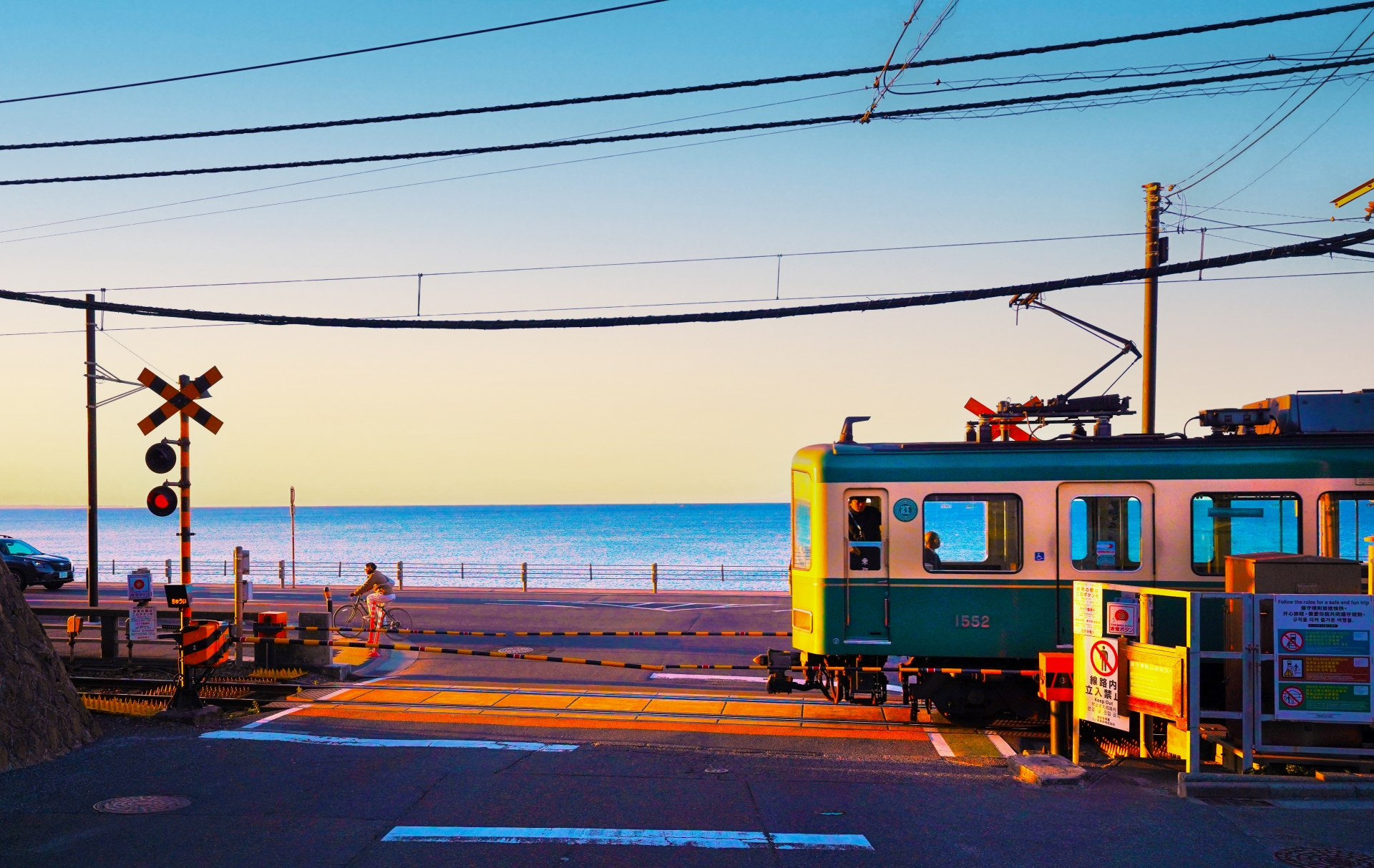
The famous railroad crossing near Kamakurakokomae Station

This station became famous thanks to the railroad crossing in the opening sequence of the anime Slam Dunk. The crossing, about a minute's walk from the station, offers the classic shot of an Enoden train running against the blue sea.

Main attractions:

  • The Slam Dunk crossing (about a 1-minute walk)
  • Shichirigahama Beach (about a 5-minute walk)
  • Inamuragasaki (about a 15-minute walk)

5. Shichirigahama Station

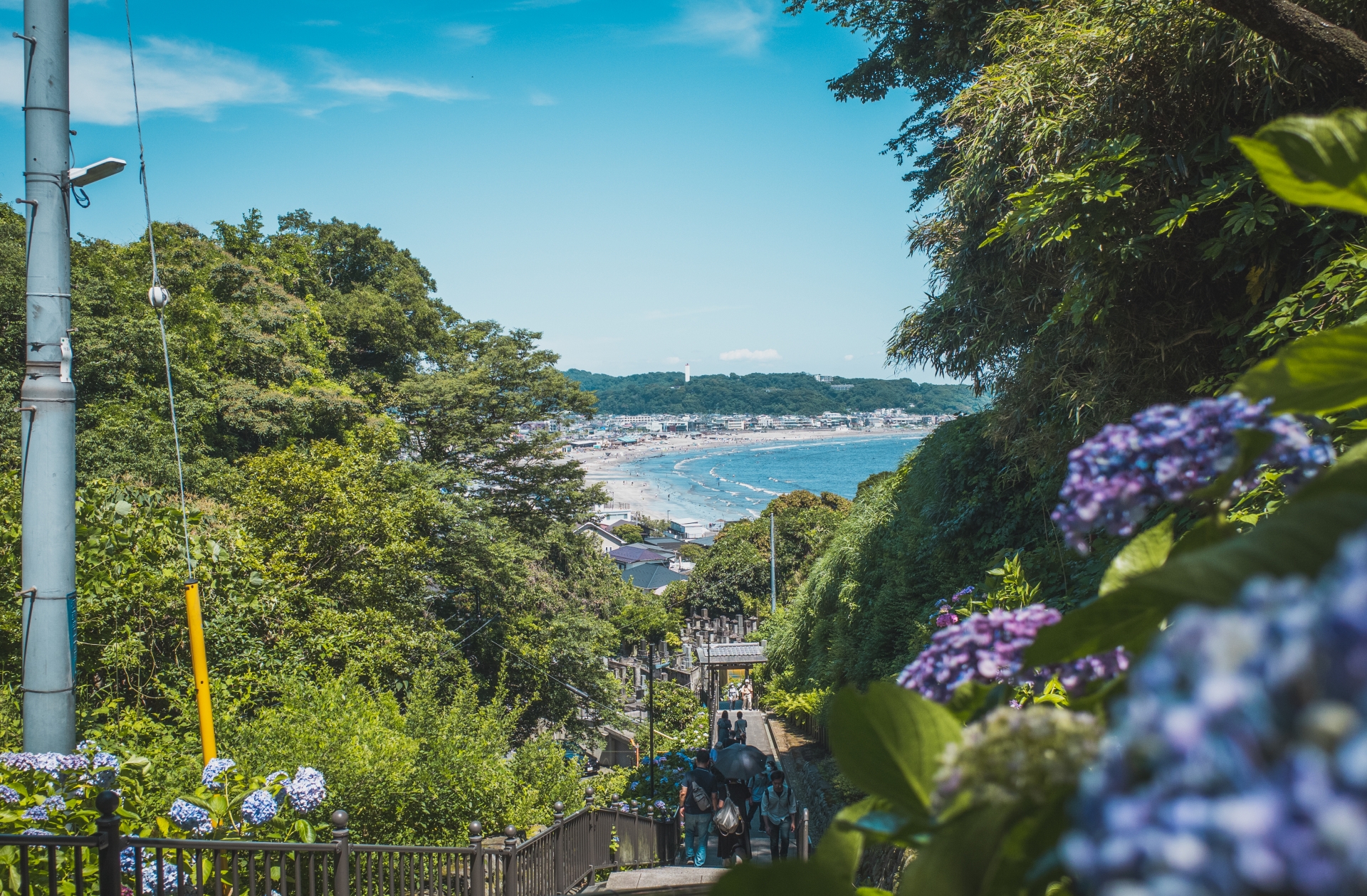
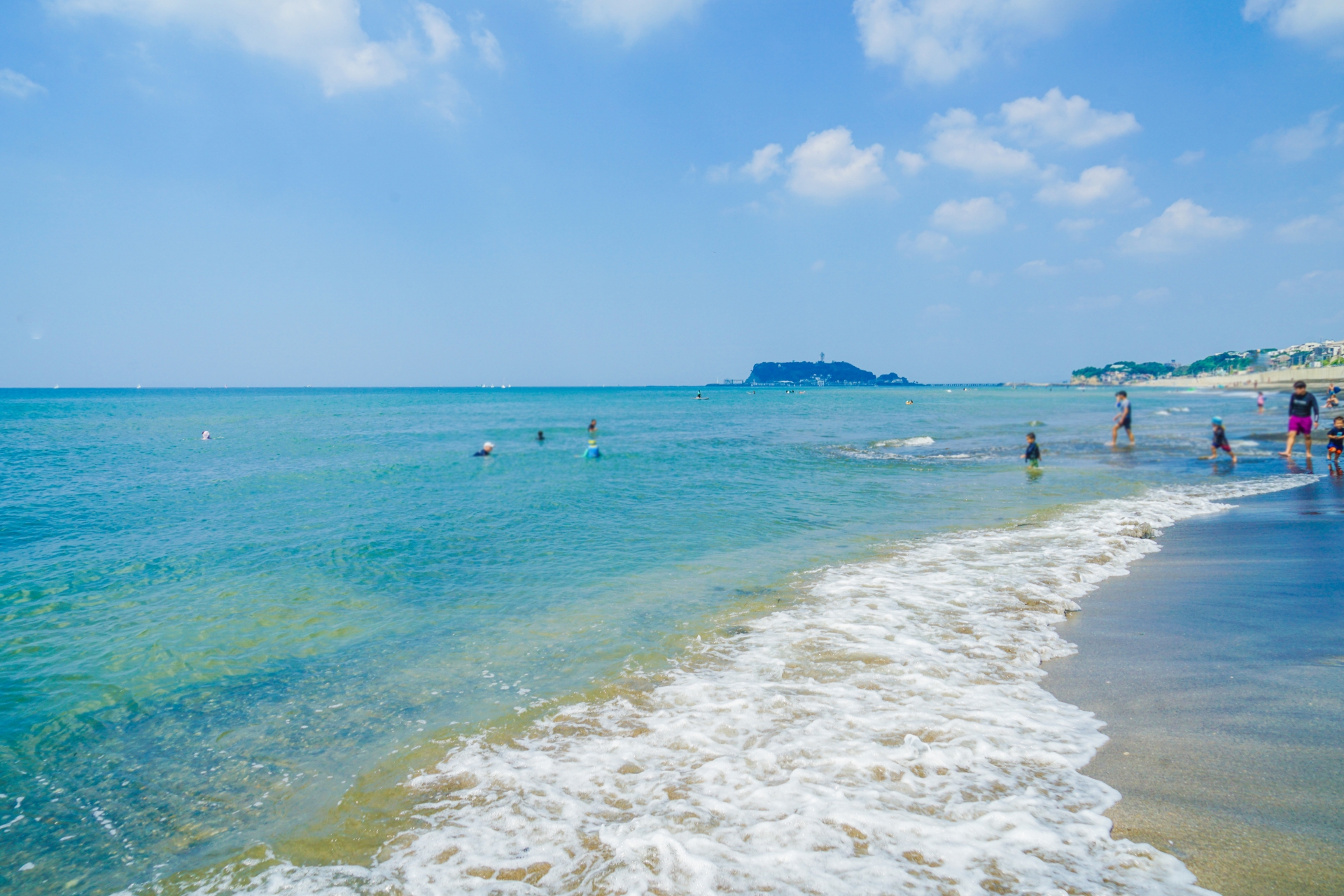
The Shichirigahama coastline

A station with a sweeping view of the Shonan coast. On clear days you can also see Mt. Fuji.

Main attractions:

  • Shichirigahama Beach (about a 3-minute walk)
  • Shichirigahama clifftop viewpoint (about a 5-minute walk)
  • Cafés and restaurants nearby (about a 5-minute walk)

6. Inamuragasaki Station

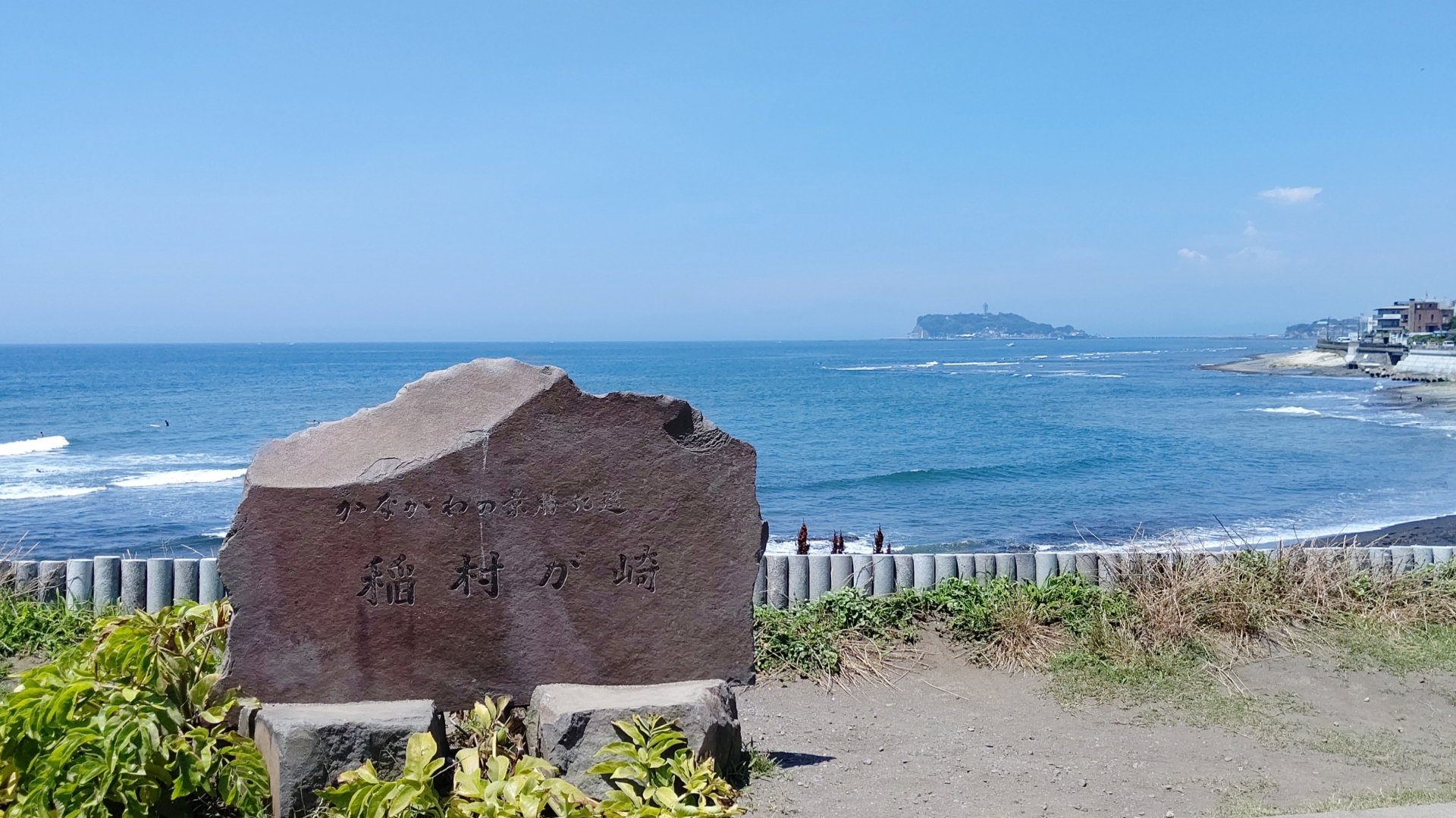
The cliffs of Inamuragasaki

A small station with a stunning view from the cliffs of Inamuragasaki — the end of the coastline that begins at Yuigahama.

Main attractions:

  • Inamuragasaki (about a 5-minute walk)
  • Inamuragasaki Onsen (about a 7-minute walk)
  • Inamuragasaki Park (about an 8-minute walk)

7. Koshigoe Station

The Koshigoe area

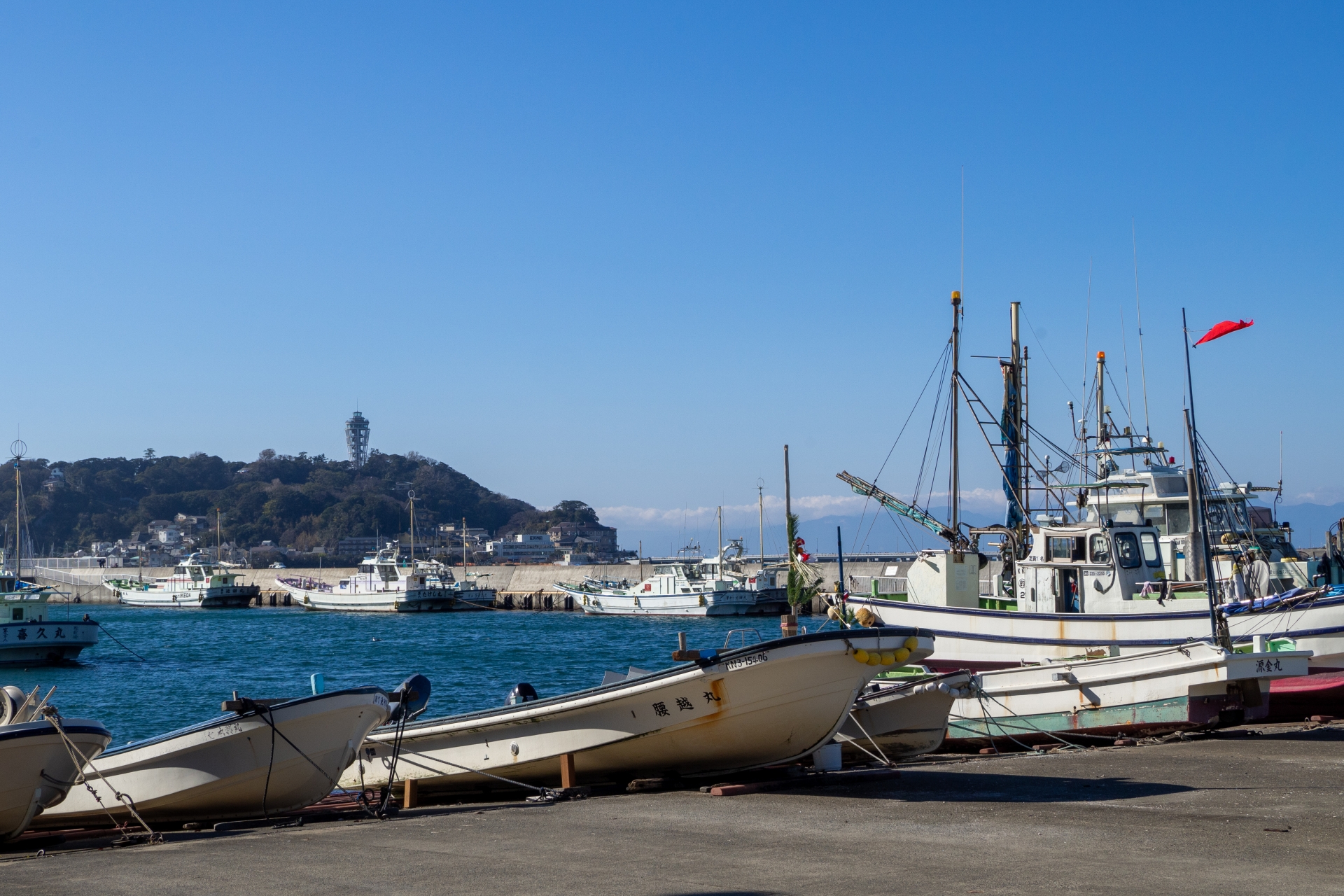
Koshigoe was a strategic point during the Kamakura shogunate, and Koshigoe Port still carries legends connected to Minamoto no Yoritomo.

Main attractions:

  • Enoshima Yacht Harbor (about a 10-minute walk)
  • Koshigoe Fishing Port (about a 5-minute walk)
  • Ryukoji Temple (about a 7-minute walk)

8. Enoshima Station

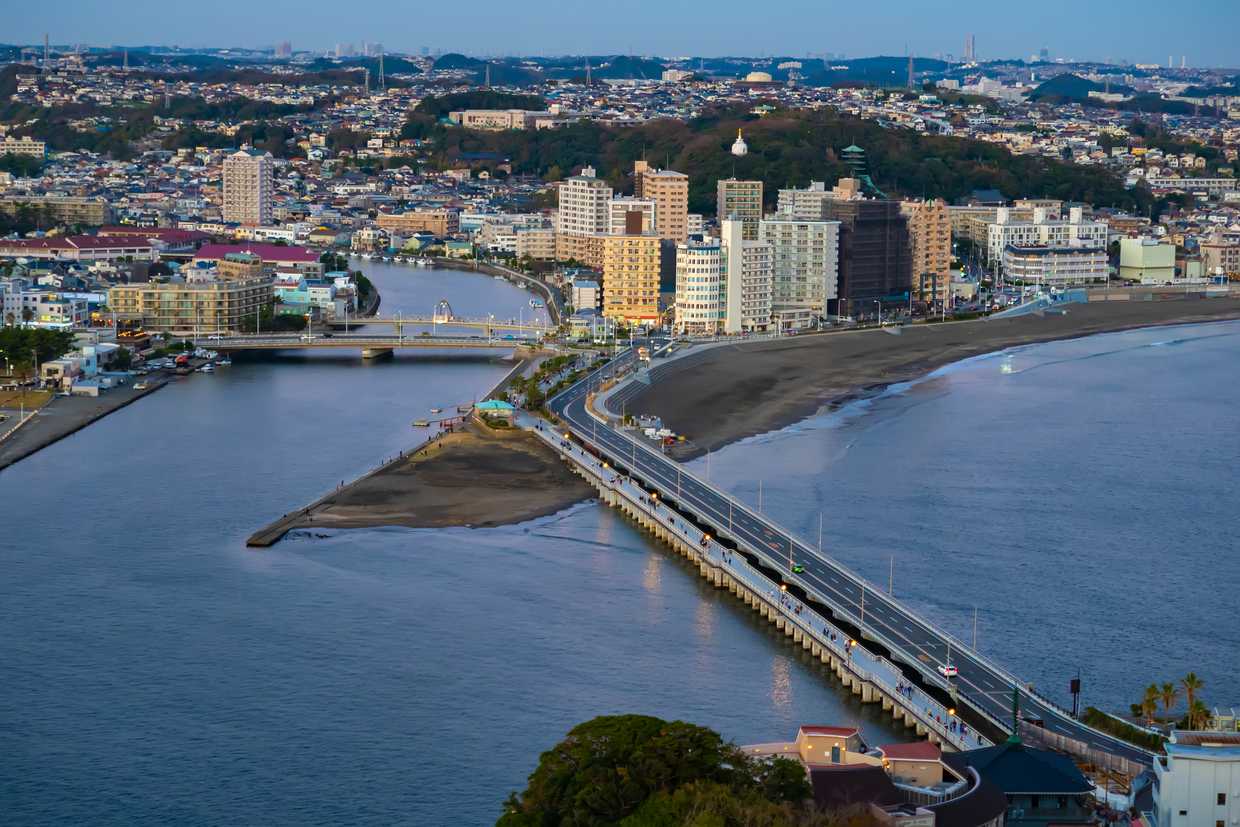
The area around Enoshima Station

The main jumping-off point for Enoshima island. From here you can walk across to Enoshima, a longtime center of the Benzaiten faith.

Main attractions:

  • Enoshima (about a 10-minute walk)
  • Enoshima Aquarium (about a 15-minute walk)
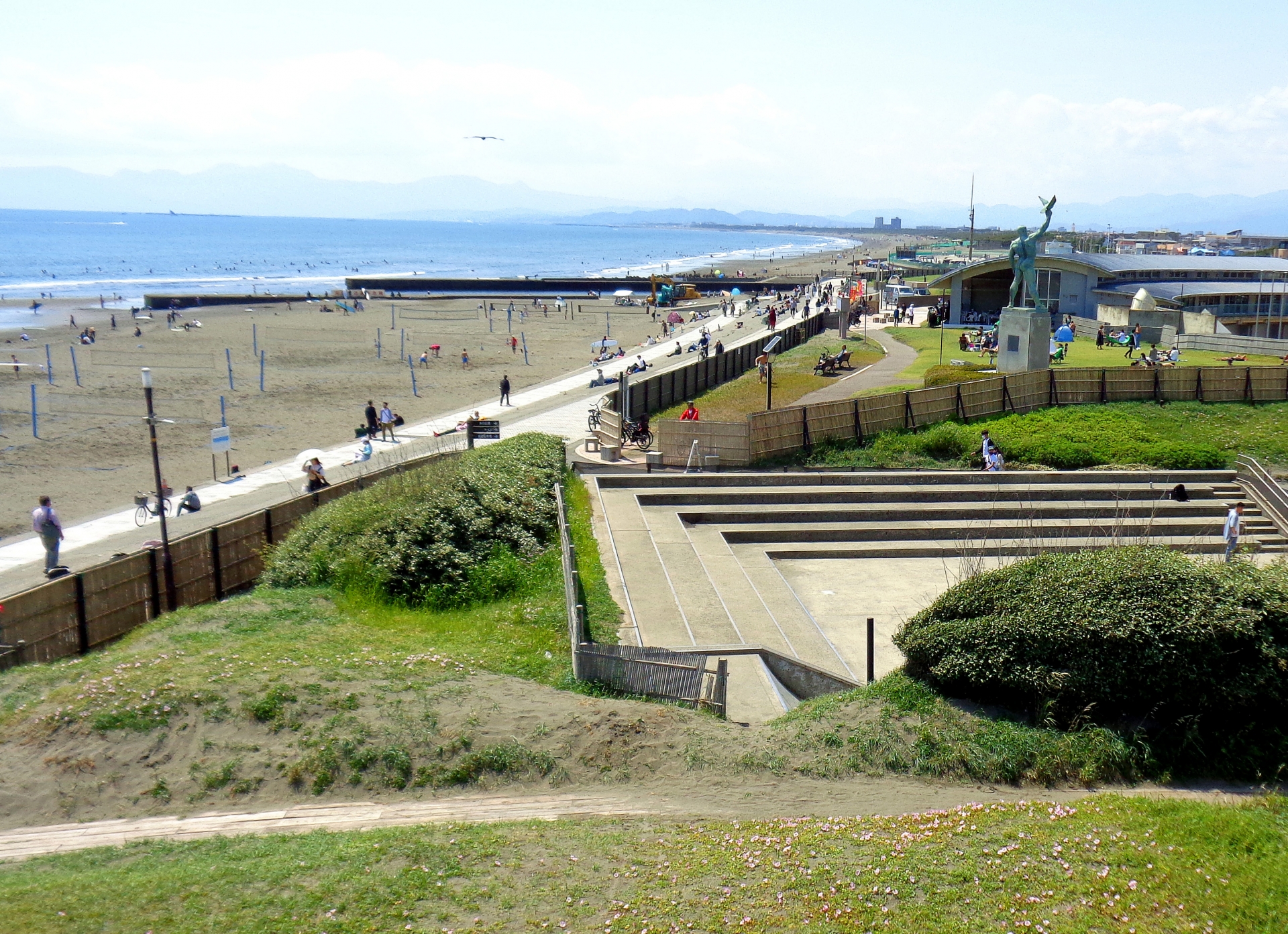
  • Katase Beach (about a 5-minute walk)

9. Kugenuma Station

The Kugenuma residential area

The hub of Kugenuma, a long-established residential neighborhood that has seen a recent boom in stylish cafés and shops.

Main attractions:

  • Kugenuma Beach (about a 12-minute walk)
  • Surf shop district (about a 10-minute walk)
  • Fujidana shopping street (about a 5-minute walk)

10. Fujisawa Station

Fujisawa Station entrance

The other terminus of the Enoden. Fujisawa Station is the main gateway into the heart of the Shonan area.

Main attractions:

  • Fujisawa City Hall observation deck (about a 5-minute walk)
  • Fujisawa Sun-Pearl (about a 3-minute walk)
  • Yugyo-ji Temple (about a 20-minute walk)

Sample Itineraries on the Enoden

Sightseeing along the Enoden

Here are several itineraries that make efficient use of the Enoden to explore Shonan and Kamakura. Pair any of them with the Noriori-kun day pass and hop on and off freely.

Classic One-Day Kamakura — Enoshima Course

Overview:

  • Duration: about 8 hours
  • Difficulty: ★★☆ (suitable for first-time visitors)
  • Highlights: hits the must-see spots of Kamakura and Enoshima efficiently
TimePlaceWhat you do
9:00Start at Kamakura StationBuy a Noriori-kun day pass
9:30Tsurugaoka HachimanguVisit Kamakura's iconic shrine
10:30Stroll down Komachi-doriTry Kamakura foods and pick up souvenirs
11:30Enoden to HaseEnjoy Yuigahama from the window
11:45Hasedera TempleVisit the temple famous for its hydrangeas
12:45Great Buddha (Kotoku-in)See the national-treasure Buddha statue
13:30Lunch around HaseTry Kamakura vegetables or local fare
14:30Enoden to KamakurakokomaeTake photos at the Slam Dunk crossing
15:00Enoden to EnoshimaTake in the Shichirigahama view from the window
15:20Walk to EnoshimaStroll the Benzaiten approach
16:00Enoshima Sea CandleTake in views of the Shonan sea and Mt. Fuji
17:00Dinner on EnoshimaTry fresh seafood
18:30Enoden to FujisawaWatch the sunset over Shonan from the train
19:00Arrive at Fujisawa — end of day 

Kamakura Temple and Shrine Course (history and culture)

Overview:

  • Duration: about 6 hours
  • Difficulty: ★★☆ (a fair amount of walking)
  • Highlights: a deep dive into Kamakura's history and culture
TimePlaceWhat you do
9:00Start at Kamakura Station 
9:15Tsurugaoka HachimanguVisit the shrine connected to Minamoto no Yoritomo
10:15Kenchoji TempleVisit the top-ranked of Kamakura's five great Zen temples
11:30Engakuji TempleExperience Zen in a serene setting
12:30Lunch near Kita-Kamakura StationTry shojin (temple cuisine) or eat at an old-house café
13:30Enoden to Hase 
14:00Hasedera TempleSee the eleven-faced Kannon and the hydrangeas
15:00Kotoku-in (Great Buddha)Visit the Great Buddha of Kamakura
16:00Gokurakuji TempleVisit a quiet temple along the Enoden
17:00Enoden back to Kamakura Station 
17:30Arrive at Kamakura — end of day 

Shonan Seaside Course (slow pace, scenic)

Overview:

  • Duration: about 7 hours
  • Difficulty: ★☆☆ (relaxed pace)
  • Highlights: the open coastline of Shonan and plenty of sea views
TimePlaceWhat you do
10:00Start at Fujisawa Station 
10:15Enoden to Kugenuma 
10:30Kugenuma BeachA morning walk in the sea breeze
11:30Enoden to Enoshima 
11:45Katase BeachRelaxed beach stroll
12:30Lunch on EnoshimaTry shirasu donburi (whitebait rice bowl) and other Shonan dishes
13:30Explore EnoshimaVisit the sea caves and the lighthouse
15:00Enoshima AquariumSee marine life from Sagami Bay
16:30Enoden to Shichirigahama 
16:45Shichirigahama BeachWatch the sun set with Mt. Fuji in the distance
17:30Café break in ShichirigahamaRelax with a sea view
18:30Enoden to KamakuraEnjoy the dusk from the window
19:00Arrive at Kamakura — end of day 

Anime Pilgrimage Course

Overview:

  • Duration: about 5 hours
  • Difficulty: ★★☆ (many photo stops)
  • Highlights: real-world locations from Slam Dunk and other popular anime
TimePlaceWhat you do
10:00Start at Fujisawa Station 
10:15Enoden to Kamakurakokomae 
10:30Kamakurakokomae crossingRecreate the Slam Dunk opening shot
11:15Shichirigahama BeachWalk through scenes you'll recognize from anime
12:00Lunch around Shichirigahama Station 
13:00Enoden to Gokurakuji 
13:15Gokurakuji Station and slopeHunt down anime backdrops
14:00Enoden to Koshigoe 
14:15Koshigoe and around RyukojiVisit temples that show up in anime
15:00Enoden to Enoshima 
15:15EnoshimaVisit settings from the Slam Dunk movie
16:30Enoden to Kamakura 
17:00Arrive at Kamakura — end of day 

Multilingual Services for International Visitors

The Enoden offers a range of multilingual services for travelers from abroad.

Signs in Multiple Languages

Signs at major stations are in Japanese plus English, Chinese (simplified and traditional), and Korean. Station name boards, transfer guides, and area maps are all multilingual, so non-Japanese-speaking travelers can find their way easily.

Multilingual Brochures

Free brochures are available at major stations in the following languages:

  • English
  • Chinese (simplified and traditional)
  • Korean
  • French
  • Italian
  • Spanish

Each brochure includes a route map, information on major sightseeing spots, and ticket-purchase guidance.

Official Website and Travel App

The Enoden's official website is available in English, Chinese, and Korean in addition to Japanese, with timetables, ticket information, and sightseeing details. The EMot app sells multilingual digital Enoden tickets.

English-Speaking Station Staff

Staff with basic English skills are stationed at major stops. The Enoden makes a point of placing foreign-language-capable staff at busy tourist stations such as Kamakura, Fujisawa, and Enoshima.

Tips and Etiquette for Riding the Enoden

How to Avoid the Crowds

The Enoden gets very busy on weekends and holidays. To keep your trip comfortable:

  1. Travel early — before 9 a.m. is usually still quiet
  2. Ride on weekdays — weekends and holidays bring heavy tourist crowds
  3. Visit in the off-season — spring cherry blossom and summer beach seasons are especially crowded
  4. Go against the flow — the Kamakura-to-Fujisawa direction is often less packed

Photography Etiquette

The Enoden is a hugely popular photo subject, but it's also a working commuter line for residents. Keep these points in mind:

  1. Shoot from safe spots at stations and crossings — never step onto the tracks
  2. Be mindful of other passengers and pedestrians — the Kamakurakokomae crossing in particular can get packed
  3. Don't use flash photography on the train — it can interfere with the driver's vision
  4. Keep photography in residential areas low-key — much of the line runs through dense neighborhoods

Onboard Etiquette

Some basic manners for riding the Enoden:

  1. Keep your voice down on the train
  2. Put luggage on your lap or on the overhead rack
  3. Move further into the car when it's crowded
  4. Offer your seat to elderly passengers, pregnant women, and people with young children
  5. Take care when using priority seating

Seasonal Notes

A few things to be aware of depending on the time of year:

  • Spring (March–May): cherry blossom season is especially crowded; aim for early mornings
  • Summer (June–August): beachgoers fill the trains
  • Autumn (September–November): the area around Hasedera gets busy during fall foliage
  • Winter (December–February): relatively uncrowded, but the last trains run earlier (around 11 p.m.)

Photo Spots and the Best Seasons

The Classic Photo Spots

The Enoden has several photo locations that have become social-media favorites. Here are the best of them.

1. Kamakurakokomae crossing (the Slam Dunk spot)

The crossing about 100 m from Kamakurakokomae Station, in the direction of Shichirigahama, is the real-life model for the scene where Hanamichi Sakuragi waits for the train in the Slam Dunk opening. Fans from around the world come to capture an Enoden train against the sea — an icon of Shonan.

Best times to shoot:

  • Early morning (7:00–9:00): fewer people, with sunlight glittering on the water
  • Late afternoon (16:00–18:00): soft golden light that makes for memorable shots

A word of caution: the spot is extremely crowded on weekends, and the area is also used by residents and a working train line — always shoot from a safe vantage point.

2. Enoden with Mt. Fuji (near Shichirigahama)

From around Shichirigahama Station, you can frame the Enoden with Mt. Fuji in the background on clear days. The crisp winter air in particular lets Mt. Fuji stand out sharply.

Best times to shoot:

  • Clear winter days (December–February): the snowcap on Mt. Fuji is striking
  • Morning hours: the light direction works in your favor

3. The crossing near Hase Station (in front of Goryo Shrine)

Near Hase Station you'll find a crossing where the Enoden passes right between the pillars of a torii gate — a rare and quintessentially Japanese composition.

Best times to shoot:

  • Hydrangea season (around June): you can include the flowers in the frame
  • Mid-morning to mid-afternoon (10:00–15:00), avoiding rush hours

4. The Yuigahama–Gokurakuji coastline

The stretch of the Enoden along the Yuigahama coastline is the quintessential Shonan view. Capturing the sea and the train together brings out Shonan's sense of openness.

Best times to shoot:

  • Summer (July–August): the contrast between blue sea and sky is at its best
  • Late afternoon: the golden water and train silhouette make for striking shots

5. The Koshigoe–Enoshima residential stretch

The Enoden threading through narrow streets between houses captures the side of this railway that's woven into local life. The stretch between Koshigoe and Enoshima stations is especially evocative.

Best times to shoot:

  • Weekday daytime: catches the quiet rhythm of local life alongside the train

The Best Seasons and Their Highlights

Here's what the line offers in each season.

Spring (March–May): cherry blossoms and fresh greenery

  • Kamakura–Hase: the Enoden running through tunnels of cherry blossoms
  • Around Hasedera: early-blooming hydrangeas alongside spring greenery
  • Gokurakuji Station: lovely cherry blossoms around the station

Summer (June–August): hydrangeas and the sea

  • Hasedera: known as the "hydrangea temple," with around 3,000 plants in bloom
  • Shichirigahama–Inamuragasaki: the Enoden set against blue sea and sky
  • Around Enoshima: a wide-open summer atmosphere

Autumn (September–November): fall colors and crisp air

  • Gokurakuji–Hase: a striking contrast between fall foliage and the train
  • Around Kenchoji: easy access to a major autumn-foliage destination
  • Shichirigahama: on clear days, fall foliage and Mt. Fuji in the same frame

Winter (December–February): crystal-clear air and Mt. Fuji

  • Shichirigahama: the clear winter air is the best time of year to see Mt. Fuji
  • Kamakurakokomae–Shichirigahama: fewer people, so you can take your time shooting
SeasonRecommended spotsWhat to see
SpringKamakura–Hase, Gokurakuji StationCherry blossoms, fresh greenery
SummerHasedera, Shichirigahama BeachHydrangeas, blue sea
AutumnGokurakuji–Hase, around KenchojiFall foliage
WinterShichirigahama, Kamakurakokomae StationMt. Fuji views, clear air

Where to Stay Along the Enoden

Day trips work, but staying at least one night lets you take Shonan and Kamakura at a more relaxed pace. Here are accommodation picks by area.

Kamakura Area

Many places in Kamakura have an old-capital feel and put you within easy reach of temples and shrines.

Higher-end ryokan and hotels

  • Kamakura Prince Hotel: a resort hotel overlooking Yuigahama, with sweeping sea views
  • Kamakura Park Hotel: a quiet hotel set on a hilltop surrounded by greenery

Mid-range hotels and ryokan

  • WeBase Kamakura: a stylishly designed hostel with both private rooms and dorms
  • Kamejikan Guesthouse: a renovated 80-year-old traditional house

Guesthouses and minpaku

  • Kamakura Guesthouse: easygoing accommodation aimed at backpackers
  • UNO Kamakura: a guesthouse just 5 minutes' walk from the beach

Enoshima and Fujisawa Area

This area has more of a beach-resort feel — a good base for time on the water.

Higher-end ryokan and hotels

  • Enoshima Hotel: a high-end hotel overlooking Enoshima, with excellent restaurant views
  • 8HOTEL Shonan Fujisawa: a modern design hotel

Mid-range hotels and ryokan

  • Fujisawa Hotel EN: a convenient hotel within walking distance of Fujisawa Station
  • Enoshima Iwamotoro: a historic hot-spring ryokan on Enoshima itself

Guesthouses and minpaku

  • Enoshima Guesthouse & Bar 134: a guesthouse with an inviting terrace overlooking the sea
  • SLUNDRE Guest House: casual accommodation popular with surfers

How to Choose Where to Stay

A few things to weigh when picking accommodation along the Enoden:

  1. Transport access — staying near Kamakura or Fujisawa stations is convenient, but residential-area inns are quieter
  2. Match the location to your goals — Kamakura for temples and shrines, the Enoshima or Shichirigahama area for the sea
  3. Book early — reservations are essential during cherry blossom season and summer holidays
  4. Breakfast — staying somewhere that serves a local-ingredient breakfast helps you start the day strong
  5. Bathrooms — some traditional-house inns share bathing facilities
AreaStrengthsTypical price per night
Around Kamakura StationEasy transport, plenty of restaurants¥10,000–30,000
Hase / GokurakujiConvenient for temples, quiet¥8,000–25,000
Shichirigahama / InamuragasakiSea views, quiet¥10,000–30,000
Around EnoshimaBeach access, lively¥8,000–25,000
Around Fujisawa StationEasy transport, good for shopping¥7,000–20,000

Summary

The Enoden is more than just a way to get around — it's an attraction in its own right. Riding this century-old local line through the scenery of Shonan is a chance to see Japan's seasons and culture up close. The unhurried pace of an Enoden trip tends to stay with travelers as one of the highlights of their Japan visit.

If you're planning a trip to Kamakura and Enoshima, get the Noriori-kun day pass and use the freedom to hop on and off at will. Every season offers something different, and so does each station along the line.

Frequently Asked Questions (FAQ)

About Transportation and Access

Q: How long does it take to ride the entire Enoden line?

A: A full ride from Fujisawa Station to Kamakura Station takes approximately 35 minutes. If you plan to enjoy the scenery along the way, it's a good idea to allow about an hour.

Q: How can I access Enoden from Tokyo?

A: There are several routes to Enoden from Tokyo:

  • Take the JR Tokaido Line to Fujisawa Station (approx. 1 hour from Tokyo Station).
  • Take the JR Yokosuka Line to Kamakura Station (approx. 1 hour from Tokyo Station).
  • Take the Odakyu Line to Katase-Enoshima Station (approx. 1 hour 10 minutes from Shinjuku Station).

Q: Is Enoden accessible for wheelchair users?

A: Some Enoden trains and stations are barrier-free, but older station buildings may have steps. It is recommended to check the official Enoden website in advance or consult with station staff.

About Tickets and Fares

Q: Can I use IC cards (Suica, PASMO, etc.)?

A: Yes, transportation IC cards such as Suica, PASMO, ICOCA, and Kitaca can be used on Enoden.

Q: How many rides does it take to get the value out of the "Noriorikun" pass?

A: The "Noriorikun" pass costs 800 yen for adults. Considering the standard fare (minimum 200 yen), you will get your money's worth if you ride four or more times.

Q: Are there foreign language versions of tickets?

A: The tickets themselves do not have foreign language表記, but ticket machines at stations are English-compatible. Additionally, staff who can speak English are available at major stations to assist you.

About Sightseeing and Photography

Q: Is the Kamakura High School Crossing crowded?

A: Yes, it gets very crowded, especially on weekends, holidays, and during tourist seasons. It is recommended to visit early in the morning (until around 9 AM) or on weekdays. Furthermore, the number of foreign tourists has significantly increased since the release of "THE FIRST SLAM DUNK" movie in 2023.

Q: Is it possible to take photos inside Enoden trains?

A: Photography inside the train is permitted for personal use, but please be considerate of other passengers. Refrain from using flash photography.

Q: What are some recommended places to eat along the Enoden line?

A: There are restaurants around each station. The following are particularly recommended:

  • Kamakura Station: Kamakura vegetables and famous Shirasu-don (whitebait bowl) on Komachi-dori Street.
  • Hase Station: Shojin ryori (Buddhist vegetarian cuisine) and traditional house cafes.
  • Shichirigahama Station: Ocean-view cafes and restaurants.
  • Enoshima Station: Fresh seafood dishes and Enoshima-don.

About Seasons and Weather

Q: When is the best season for Enoden sightseeing?

A: While every season has its charm, spring (April-May) and autumn (October-November) are recommended to avoid crowds. You can also enjoy seasonal flowers and plants such as cherry blossoms, hydrangeas, and autumn leaves.

Q: Can I enjoy Enoden sightseeing on a rainy day?

A: Yes, on rainy days, you can enjoy a different kind of scenery than on sunny days, such as the fantastical view of raindrops on the windowpanes and the rough sea. However, don't forget to prepare appropriate clothing and an umbrella.

Q: Can I visit the Enoshima/Kamakura area in winter?

A: Yes, winter is relatively less crowded, allowing for a peaceful sightseeing experience. There's also a higher chance of seeing Mount Fuji clearly on a clear day. However, please note that the last train runs earlier in winter.

Others

Q: Are there different types of Enoden trains?

A: Yes, Enoden has four types of trains: the "300 Series," "20 Series," "2000 Series," and "500 Series." The 300 Series and 20 Series are particularly popular for their retro atmosphere. The operating schedule varies by day, so if you wish to ride a specific train, it is recommended to check in advance.

Q: Where can I buy Enoden commemorative goods?

A: You can purchase original goods (keychains, T-shirts, model trains, etc.) at the "Enoden Shop" located inside Kamakura Station and Fujisawa Station. They are also available on the official Enoden online shop.

関連記事