Japan Immigration Guide: An Explanation of Procedures and Systems - GTN MAGAZINE
日本語
日本語
English

Japan Immigration Guide: An Explanation of Procedures and Systems

For international nationals planning to enter Japan or those already residing here, understanding the procedures and systems related to immigration control is essential.

In this article, we provide a detailed guide on the latest information regarding Japanese immigration, including necessary procedures, types of residence status (visas), and regulations concerning employment. We will cover the essential information every foreign resident and visitor should know to ensure a smooth and compliant stay.

Standard Entry Procedures for Japan


Immigration Process

To enter Japan, you generally need to follow the steps below.

Obtaining a Visa: Foreign nationals wishing to enter Japan must possess a valid passport and, in principle, obtain a visa from a Japanese embassy or consulate abroad.

Immigration Inspection: Upon arrival at a Japanese airport or port, an immigration officer will check your passport and visa.

Issuance of a Residence Card: Mid- to long-term residents will be issued a Residence Card upon being granted permission to land. This is an extremely important document that serves as your identification in Japan.

Customs Declaration: You must declare any items you are bringing into the country at customs.

Immigration Inspection FlowWhat You NeedNotes
1. Go to the immigration counterPassport, Visa, Disembarkation CardIf you have pre-registered with Visit Japan Web, present the QR code.
2. Fingerprinting and facial photograph-Exempt for individuals under 16 years of age.
3. Questions from the immigration officerBe prepared to explain your purpose of stay.Answer concisely and accurately.
4. Landing permission / Issuance of Residence Card-You are required to carry your Residence Card at all times.
5. Customs DeclarationCustoms Declaration Form (or pre-registration QR code)Be careful not to omit any items from your declaration.

Sources: Ministry of Foreign Affairs "Visa Exemption Countries/Regions (for Short-Term Stay)"; Immigration Services Agency of Japan "Entry/Departure Procedures"; Immigration Services Agency of Japan "What is a 'Residence Card'? (Issuance of Residence Cards, etc.)"; Ministry of Finance Customs and Tariff Bureau "Declaration of Accompanied Articles and Unaccompanied Articles"; Digital Agency "Visit Japan Web"

Entry Restrictions and Special Measures

Depending on the global situation, entry restrictions or special measures may be implemented. Although the emergency measures from the COVID-19 pandemic have been lifted, the situation can change due to international affairs. It is recommended to check the latest information before your trip.

For the current entry status, you can check the latest information on the official websites of the Ministry of Foreign Affairs and the Immigration Services Agency of Japan.


How to Obtain a Visa

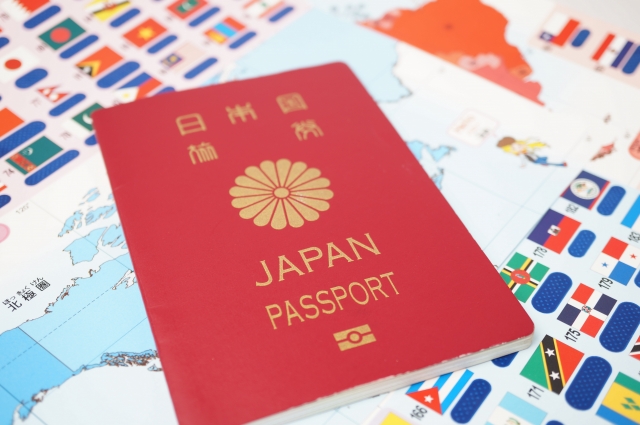
A close-up of a passport with a Japanese visa sticker inside.

Visa Types and Application Procedures

There are various types of Japanese visas corresponding to the purpose of stay. The main types of visas are as follows:

Short-Term Stay Visa (Tourism/Business): A visa for stays of 90 days or less. Citizens of some countries and regions are exempt from needing this visa due to visa exemption arrangements.

Long-Term Stay Visa: A visa for stays exceeding 90 days, for purposes such as work, study, or joining family.

Specific Purpose Visa: A visa for specific activities such as Technical Intern Training, Specified Skilled Worker, or Working Holiday.

The general flow for a visa application is as follows:

  1. Obtain a Certificate of Eligibility (COE) (The host organization or sponsor in Japan applies for this at the Immigration Services Agency in Japan).
  2. Apply for a visa at a Japanese embassy or consulate abroad (submit necessary documents).
  3. Visa is issued.
Visa TypePrimary ApplicantsPeriod of StayWork Eligibility
Short-Term StayTourists, business visitorsUp to 90 daysNot permitted
Work VisaProfessionals, engineers, etc.Up to 5 yearsPermitted (within the scope of the qualification)
StudentStudentsUp to 4 years and 3 monthsPermitted with restrictions (up to 28 hours/week)
DependentFamily of work/student visa holdersDepends on the primary residentNot permitted in principle (permitted after obtaining permission)
Permanent ResidentApplicants after a long-term stayIndefiniteNo restrictions

Sources: Immigration Services Agency of Japan "Status of Residence", "About 'Permission to Engage in Activity Other Than That Permitted'", "Application for Permanent Residence"

Visa-Exempt Countries and Conditions

For visitors from certain countries and regions for short-term stays, visa exemption measures apply. You can check the list of countries and regions eligible for visa exemption on the official website of the Ministry of Foreign Affairs.

For example, citizens of many countries, including the United States, Canada, Australia, the United Kingdom, and EU member states, are exempt from needing a visa for stays of up to 90 days for tourism or business purposes. However, a visa is required for work or long-term stays.


How to Use Visit Japan Web

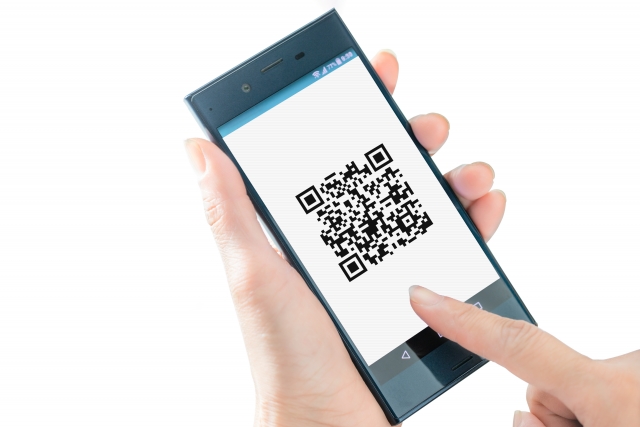
A person using a smartphone to show a QR code for airport procedures.

What is Visit Japan Web?

Visit Japan Web is a digital service that allows you to complete procedures for entering Japan online in advance. By pre-registering your information for immigration inspection and customs declaration, you can significantly simplify the procedures upon arrival.

From Registration to Use

  1. Create an Account: Create an account on the official Visit Japan Web website.
  2. Register User Information: Register your passport details and personal information.
  3. Register Your Planned Entry: Enter your planned date of entry into Japan, flight number, arrival airport, etc.
  4. Register Procedural Information: Register information for immigration inspection and customs declaration.
  5. Obtain QR Codes: Obtain and save the QR codes for each procedure.
  6. Present at Arrival: Present the QR codes at the airport and complete the procedures at the dedicated lanes.
ProcedureInformation to RegisterProcess at Arrival
Immigration InspectionPassport information, address in Japan, contact details, etc.Present QR code → Inspection by officer → Landing permission
Customs DeclarationContents and quantity of items you are bringing in, etc.Present QR code → Inspection if necessary → Customs clearance

Using Visit Japan Web is optional, but it can significantly reduce the time spent on entry procedures. It is highly recommended, especially when traveling during peak seasons when congestion is expected.

It is recommended to complete the registration at least 6 hours before your arrival.


Types of Status of Residence and How to Choose

A collection of different Japanese Residence Cards (Zairyu Cards).

Overview of Status of Residence

A "Status of Residence" is the legal status required for a foreign national to stay in Japan. There are 29 types, classified based on the activities, identity, or position of the individual in Japan. The status of residence dictates the period of stay and the scope of activities permitted in Japan.

Main Types of Status of Residence

Statuses of residence are broadly divided into two categories: "Activity-based Statuses" and "Status/Position-based Statuses."

Examples of Activity-based Statuses of Residence

  • Work-related
    • Highly Skilled Professional
    • Business Manager
    • Engineer/Specialist in Humanities/International Services
    • Specified Skilled Worker
    • Technical Intern Training
  • Non-work-related
    • Student
    • Cultural Activities
    • Short-Term Stay
    • Trainee

Examples of Status/Position-based Statuses of Residence

  • Permanent Resident
  • Spouse or Child of Japanese National
  • Spouse or Child of Permanent Resident
  • Long-Term Resident
Type of Status of ResidenceExamplePeriod of StayWork Restrictions
Highly Skilled ProfessionalForeign professionals with advanced expertiseUp to 5 yearsPermitted only for designated activities
Engineer/Specialist in Humanities/International ServicesEngineers, interpreters, language teachers, etc.Up to 5 yearsPermitted within the scope of the qualification
Specified Skilled WorkerPersonnel in specific industrial fieldsUp to 5 yearsPermitted only in designated fields
StudentUniversity students, vocational school students, etc.Up to 4 years and 3 monthsPermitted up to 28 hours/week with permission
Permanent ResidentHolders of permanent residencyIndefiniteNo restrictions
Spouse or Child of Japanese NationalForeign nationals married to a Japanese citizen, etc.Up to 5 yearsNo restrictions

Sources: Immigration Services Agency of Japan "Status of Residence";, "About 'Permission to Engage in Activity Other Than That Permitted'", "Application for Permanent Residence"

How to Choose a Status of Residence

You must choose a status of residence that corresponds to your purpose of stay and activities in Japan.

  • For work purposes: A work-related status of residence that matches your job description, academic background, and work history.
  • For academic purposes: The "Student" status of residence.
  • For marriage to a Japanese national: The "Spouse or Child of Japanese National" status of residence.

To select the appropriate status of residence, it is recommended to consult with experts such as the Immigration Services Agency or an administrative scrivener (gyoseishoshi lawyer). If your actual activities do not match your status of residence, you may be subject to revocation of your status or deportation.


About the Residence Card

What is a Residence Card?

The Residence Card is an identification card issued to mid- to long-term residents. This card contains information such as your name, nationality, date of birth, gender, status of residence, period of stay, and whether you are permitted to work.

Issuance and Obligation to Carry

The Residence Card is issued at the following times:

  • Upon new entry: Issued at Narita, Haneda, Chubu, Kansai, New Chitose, Hiroshima, and Fukuoka airports. (At other ports of entry/exit, it is issued through the municipal office after you register your address.)
  • When changing your status of residence or renewing your period of stay.

You are legally required to carry your Residence Card at all times. Failure to carry it can result in a fine (up to 200,000 yen; refusal to present it can lead to imprisonment for up to one year or a fine of up to 200,000 yen), so be sure to always have it with you.

Procedures Related to the Residence Card

You may need to complete the following procedures related to your Residence Card:

  • Notification of Address: Within 14 days of a new entry or moving, you must register your address at your local municipal office.
  • Notification of Change in Information: If there are changes to your name, nationality, etc., you must report them to a Regional Immigration Services Bureau within 14 days.
  • Renewal of Residence Card: Every 7 years for permanent residents; for those under 16, by their 16th birthday.
  • Reissuance in Case of Loss or Theft: Apply for reissuance at a Regional Immigration Services Bureau within 14 days.
ProcedureWhere to ReportDeadlineRequired Documents
Notification of AddressMunicipal officeWithin 14 daysResidence Card, Passport
Notification of Change in Name, etc.Regional Immigration Services BureauWithin 14 daysResidence Card, Passport, documents proving the change
Reissuance of Lost Residence CardRegional Immigration Services BureauWithin 14 daysPassport, photo, certificate of loss report (issued by police), etc.


Rules for Working in Japan

A diverse group of office workers collaborating in a modern office.

Relationship Between Status of Residence and Employment

To work in Japan, you must have a status of residence that permits employment. Statuses of residence are broadly classified into the following three categories:

  • Statuses with no work restrictions: Permanent Resident, Spouse or Child of Japanese National, Spouse or Child of Permanent Resident, Long-Term Resident.
  • Statuses permitting work only in specific fields: Engineer/Specialist in Humanities/International Services, Specified Skilled Worker, Highly Skilled Professional, etc.
  • Statuses that do not permit work in principle: Student, Dependent, Cultural Activities, etc. (However, work is possible within certain limits if you obtain "Permission to Engage in Activity Other Than That Permitted").

Permission to Engage in Activity Other Than That Permitted

For statuses of residence like "Student" or "Dependent," employment is not permitted in principle. However, by obtaining "Permission to Engage in Activity Other Than That Permitted," you are allowed to work within a certain scope.

  • For Students: Permitted to work up to 28 hours per week (up to 8 hours per day during long school holidays).
  • For Dependents: Permitted to work up to 28 hours per week.

Applications for this permission are made at a Regional Immigration Services Bureau.

Japanese Labor Laws

Japanese labor laws also apply to foreign nationals working in Japan. The main provisions of labor laws are as follows:

  • Working Hours: In principle, the limit is 8 hours per day and 40 hours per week.
  • Minimum Wage: A minimum wage is set for each prefecture.
  • Overtime Pay: A premium of 25% or more is paid for overtime work.
  • Paid Leave: After six months of continuous employment, you are entitled to at least 10 days of paid leave.
Working ConditionLegal StandardRemarks
Working Hours8 hours/day, 40 hours/weekCan be extended with a "36 Agreement."
Days OffAt least 1 day per week or 4 days in 4 weeks 
Minimum WageStipulated by prefectureTokyo is 1,226 JPY/hour (as of 2025).
Overtime Pay25% or more above normal wage50% or more for late-night work (10 PM - 5 AM).

Sources: Ministry of Health, Labour and Welfare "Working Hours and Days Off", "National List of Regional Minimum Wages", "How to Calculate Premium Wages (Overtime Pay)"

If you experience illegal working conditions or discriminatory treatment, you can consult with the Labour Standards Inspection Office or the Foreign Residents Support Center (FRESC) of the Immigration Services Agency.


Procedures and Points to Note During Your Stay

A person filling out official documents at a government office counter.

Resident Registration

Foreign nationals staying in Japan for three months or longer must complete resident registration at their local municipal office within 14 days of establishing a residence. This procedure registers you in Japan's Basic Resident Register, allowing you to receive various administrative services.

Health Insurance and Pension

Foreign nationals staying in Japan for three months or longer are, in principle, required to enroll in the National Health Insurance system. Company employees will be enrolled in Social Insurance (Health Insurance and Employees' Pension) through their employer.

By enrolling in National Health Insurance or Social Insurance, your share of medical expenses is reduced to 30%. You will also be enrolled in the National Pension or Employees' Pension system at the same time.

Taxes

Foreign nationals who earn income in Japan are obligated to pay income tax and residence tax according to Japanese tax laws. The tax treatment differs depending on whether you are a resident or a non-resident:

  • Resident (person intending to stay for one year or more): Taxed on worldwide income.
  • Non-resident (temporary visitor): Taxed only on income earned within Japan.

For company employees, income tax is withheld from their monthly salary and settled through a year-end tax adjustment. Self-employed individuals or those with multiple sources of income must file a final tax return.

Various Notification Obligations

During your stay in Japan, the following notifications may be required:

  • Change of Address: When you move, you must notify your new municipal office within 14 days.
  • Change of Status of Residence: If your activities change, you must apply for a change of status of residence in advance.
  • Re-entry Permit: When temporarily leaving Japan (a Special Re-entry Permit system is available).
  • Change in Income/Employer: For work-related statuses of residence, you must report any changes within 14 days.
ProcedureWhere to ReportDeadlineRemarks
Change of AddressMunicipal officeWithin 14 daysRequires a "moving-out" and "moving-in" notification.
Change of Status of ResidenceRegional Immigration Services BureauBefore starting the new activityProcessing time is about 2 weeks to 1 month.
Special Re-entry PermitDeclare at the time of departureBefore departureValid for re-entry within 1 year (2 years for Special Permanent Residents).

Sources: Ministry of Internal Affairs and Communications "Various Notifications Based on the Basic Resident Register System (PDF)"; Immigration Services Agency of Japan "Notification of a Change of the Place of Residence (Mid- to Long-Term Residents)", "Application for Change of Status of Residence", "Entry/Departure Procedures", "Q&A The System for Special Permanent Residents is Changing! Frequently Asked Questions"


How to Renew Period of Stay or Change Status of Residence

Procedure for Renewing Period of Stay

If you wish to continue staying in Japan beyond the expiration of your period of stay, you must apply for a renewal. Applications can be made from three months before the expiration date.

Renewal Procedure Flow

  1. Prepare necessary documents (application form, passport, Residence Card, documents proving your activities, etc.).
  2. Apply at a Regional Immigration Services Bureau.
  3. Review (typically takes 2 weeks to 1 month).
  4. Notification of result and issuance of new Residence Card.

Procedure for Changing Status of Residence

If your purpose of stay or activities change (e.g., from student to employee, change in job type), you must apply for a change of status of residence.

Change Procedure Flow

  1. Prepare necessary documents (application form, passport, Residence Card, documents proving your new activities, etc.).
  2. Apply at a Regional Immigration Services Bureau.
  3. Review (typically takes 2 weeks to 1 month).
  4. Notification of result and issuance of new Residence Card.

Application for Permanent Residence

To obtain the "Permanent Resident" status of residence, you must meet the following conditions:

  • Residency Requirement: In principle, you must have resided in Japan continuously for 10 years or more, including at least 5 years under a work or residence status.
  • Good Conduct Requirement: You must be of good conduct.
  • Livelihood Requirement: You must have sufficient assets or skills to make an independent living.
  • National Interest Requirement: Your permanent residence must be deemed to be in the interest of Japan.

The review period for a permanent residence application typically takes about 6 months. Obtaining permanent residence removes restrictions on your period of stay and activities.

Application TypeWhen to ApplyRequired Documents (General Examples)Fee
Renewal of Period of StayFrom 3 months before expirationApplication form, passport, Residence Card, activity proof, photo6,000 JPY
Change of Status of ResidenceBefore the changeApplication form, passport, Residence Card, new activity proof, photo6,000 JPY
Permanent ResidenceAfter meeting conditionsApplication form, passport, Residence Card, tax/income proof, photo, letter of reason, etc.10,000 JPY

Sources: Immigration Services Agency of Japan "Application for Extension of Period of Stay";, "Application for Change of Status of Residence", "Application for Permanent Residence"


Frequently Asked Questions and Answers

Immigration and Visa Related

Q: Do I need a visa to visit Japan for tourism?

A: It depends on your nationality. Many countries (e.g., the US, EU countries) are eligible for visa exemption for short-term stays (up to 90 days) for tourism. However, engaging in work is prohibited. Please check the Ministry of Foreign Affairs website for the latest information.


Q: Is it mandatory to use Visit Japan Web?

A: It is not mandatory, but using it makes the entry process smoother. It can significantly reduce waiting times, especially during peak seasons, so its use is recommended.


Q: How long is a Certificate of Eligibility (COE) valid?

A: It is normally valid for 3 months. An extension may be granted under special circumstances.


Residence Card Related

Q: What should I do if I lose my Residence Card?

A: Within 14 days, file a lost property report at the nearest police station, and then take the report certificate to a Regional Immigration Services Bureau to apply for a reissuance.


Q: What are the penalties for not carrying my Residence Card?

A: You could be fined up to 200,000 yen. Make sure to carry it with you at all times.


Work and Life Related

Q: I'm a student. Can I work part-time?

A: If you obtain "Permission to Engage in Activity Other Than That Permitted," you can work part-time for up to 28 hours per week. During long school holidays, you can work up to 8 hours a day.


Q: What are the conditions for obtaining permanent residency?

A: Generally, the conditions include residing in Japan for 10 years or more (with at least 5 years on a work/residence status), good conduct, a stable income, and fulfillment of tax obligations. The conditions may be relaxed depending on factors such as the nationality of your spouse.


Q: When can I apply to renew my period of stay?

A: You can apply from 3 months before your period of stay expires. It is recommended to apply well in advance and avoid waiting until the expiration date is near.


Summary

Japan's immigration system is complex, but with the right knowledge and preparation, you can navigate the procedures smoothly. It is crucial to understand the necessary steps at each stage—pre-entry preparation, procedures upon arrival, various notifications during your stay, and renewal of your period of stay—and to adhere to all deadlines.

In particular, always be mindful that your actual activities must match your status of residence. If your activities change, promptly undertake the appropriate procedures. If you are unsure about anything, it is recommended to consult with experts such as the Immigration Services Agency's Foreign Residents Support Center (FRESC) or an administrative scrivener (gyoseishoshi lawyer).

関連記事

おすすめ記事