Hakone Travel Guide | Discover Hakone’s Attractions, Access, and Top Sightseeing Spots - GTN MAGAZINE
日本語
日本語
English

Hakone Travel Guide | Discover Hakone’s Attractions, Access, and Top Sightseeing Spots

Hakone is a popular sightseeing destination where visitors can enjoy breathtaking views of Mt. Fuji and relaxing hot springs, all within easy reach of Tokyo for a day trip. Combining beautiful nature, history, culture, and soothing onsen experiences, Hakone is especially popular among international travelers visiting Japan.

This guide introduces Hakone’s attractions, transportation access, recommended sightseeing spots, and the different types of hot springs and their benefits, providing useful information for anyone planning a trip to Hakone.

About Hakone

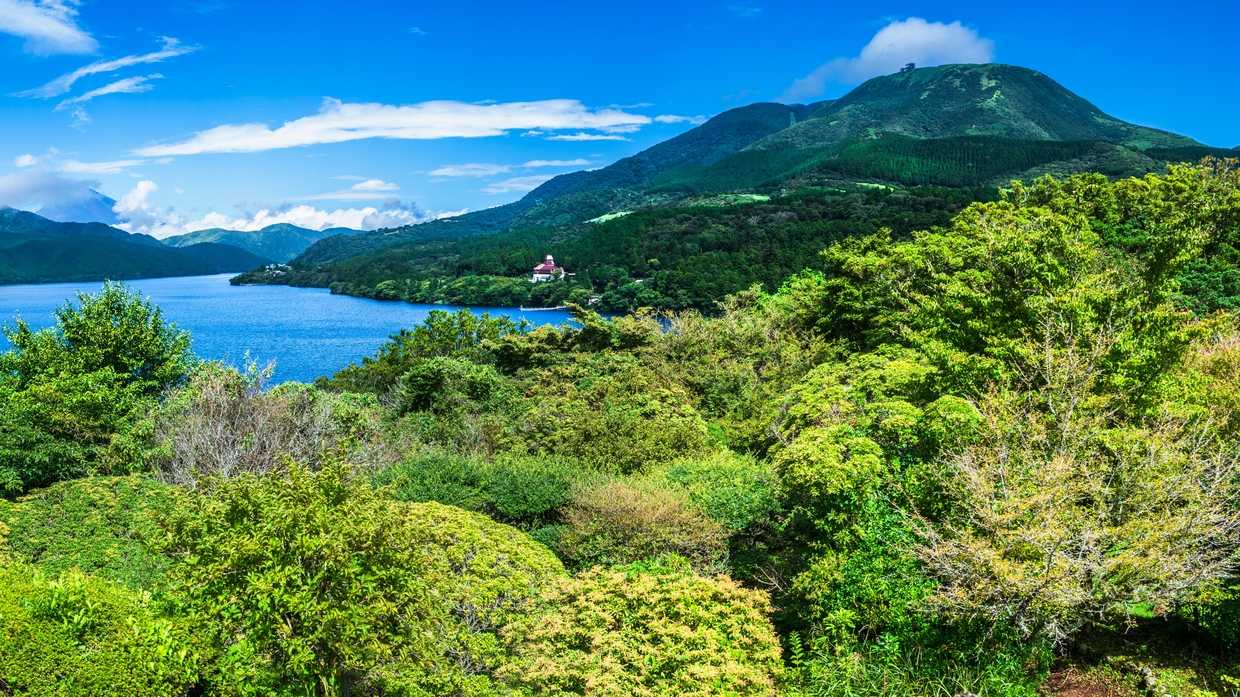
Scenic view of Hakone

What Makes Hakone Special

Hakone sits within Fuji-Hakone-Izu National Park, less than 100 km from Tokyo. The area is famous for its hot springs, natural scenery, and views of Mt. Fuji rising beyond Lake Ashi. It's a popular destination not just for Japanese travelers, but for international visitors as well.

Inbound tourism has rebounded sharply since 2022. Visitors from China, Taiwan, and Hong Kong make up a large share, and arrivals from Europe and the Americas continue to climb.

The Geography of Hakone

Hakone lies in western Kanagawa Prefecture and divides into several distinct districts:

  • Hakone-Yumoto: the gateway to Hakone, lined with restaurants and souvenir shops
  • Gora: home to many art museums; the terminus of the Hakone Tozan Railway
  • Owakudani: a sightseeing area known for its active volcanic vents
  • Lake Ashi (Ashinoko): a top vantage point for Mt. Fuji
  • Sengokuhara: a grassland of pampas grass dotted with art museums
  • Moto-Hakone: the area around Hakone Shrine and Kuzuryu Shrine

How to Get to Hakone

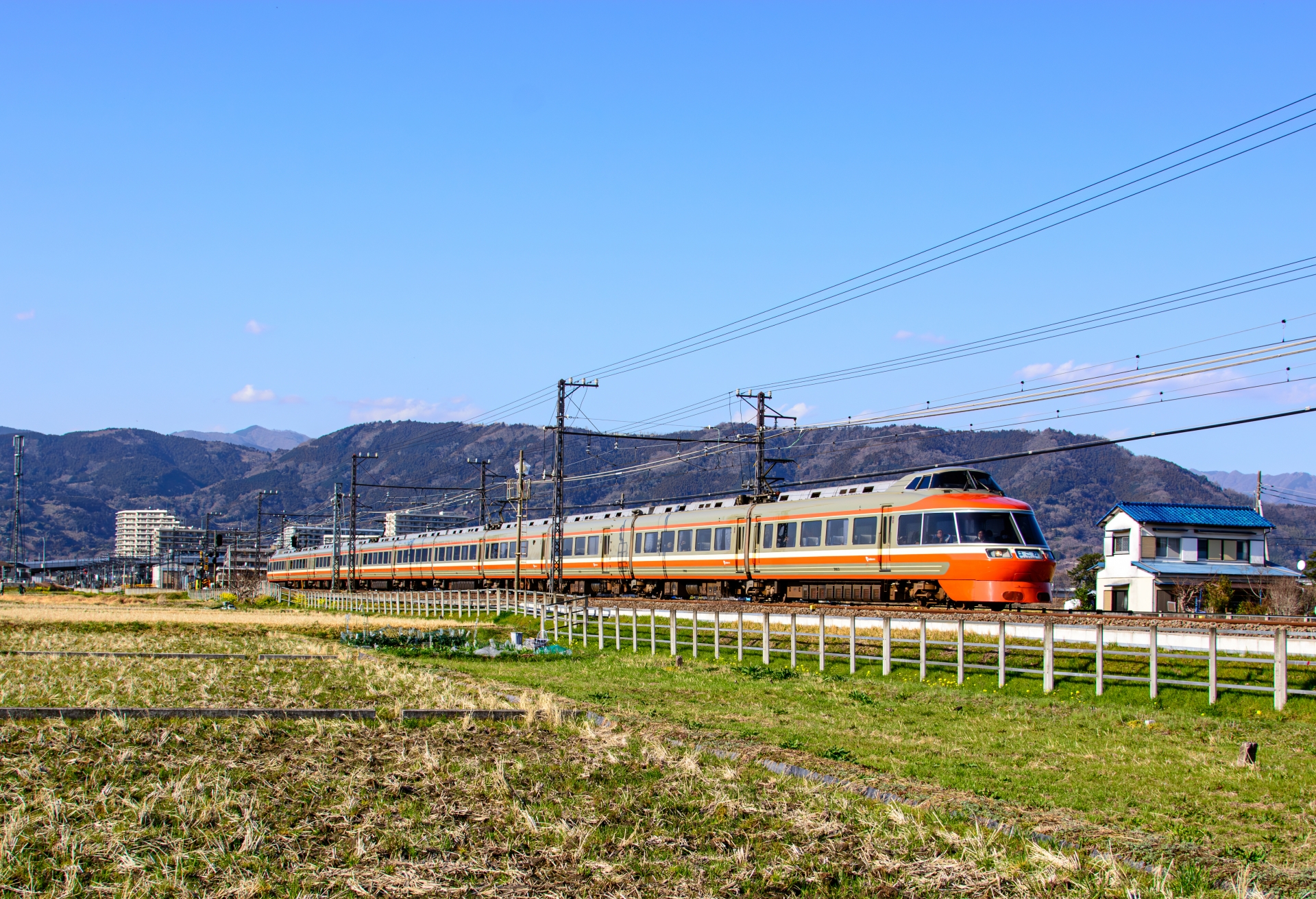
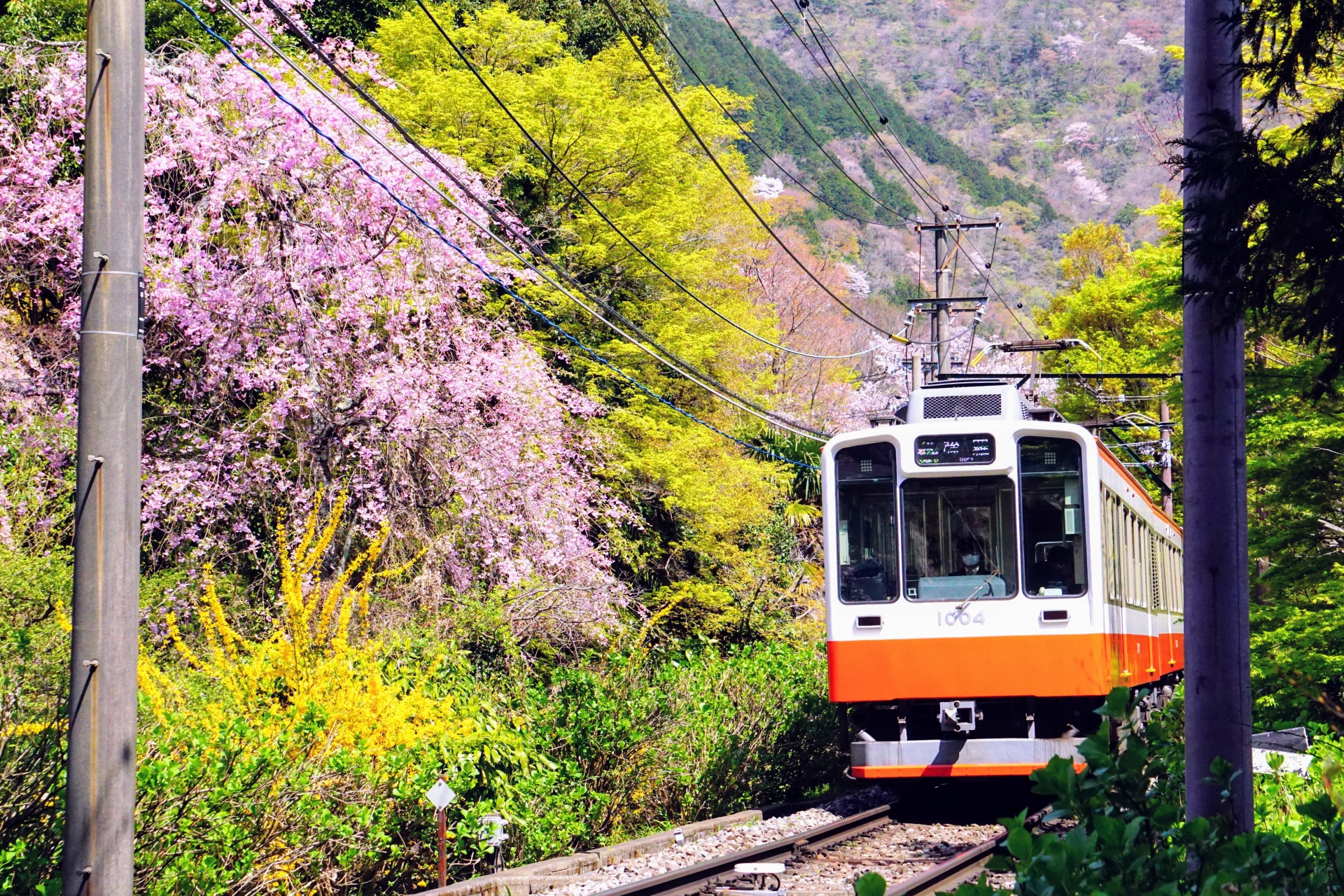
Train running through Hakone

Getting to Hakone From Tokyo

By Train

Odakyu Romancecar (recommended)

  • Direct from Shinjuku Station to Hakone-Yumoto Station
  • Travel time: about 85 minutes (75 minutes on the fastest service)
  • Fare: about ¥2,470 one-way (¥1,270 base fare + ¥1,200 limited express ticket)
  • Reservations required in advance

JR Tokaido Line + Hakone Tozan Railway

  • Tokyo Station → Odawara Station (JR Tokaido Line): about 1 hour
  • Odawara Station → Hakone-Yumoto Station (Hakone Tozan Railway): about 15 minutes
  • Fare: Tokyo → Odawara about ¥1,650; Odawara → Hakone-Yumoto about ¥230

Shinkansen + Hakone Tozan Railway (fastest)

  • Tokyo Station → Odawara Station (Tokaido Shinkansen): about 35 minutes
  • Odawara Station → Hakone-Yumoto Station (Hakone Tozan Railway): about 15 minutes
  • Fare: Tokyo → Odawara about ¥3,220; Odawara → Hakone-Yumoto about ¥230

By Bus

Highway bus

  • Direct service from Shinjuku Station to Hakone-Yumoto Station
  • Travel time: about 2 hours (depends on traffic)
  • Fare: about ¥2,000
  • Reservations recommended

Getting Around Hakone

Once you're in the area, several options connect the major sights:

  • Hakone Tozan Railway: a mountain railway running between Odawara, Hakone-Yumoto, and Gora
  • Hakone Tozan Cable Car: connects Gora and Sounzan
  • Hakone Ropeway: links Sounzan, Owakudani, and Togendai
  • Hakone Pirate Ship: cruises across Lake Ashi
  • Hakone Tozan Bus: connects Hakone's main sightseeing spots

Making the Most of the Hakone Free Pass

Hakone Free Pass and tourism map

What Is the Hakone Free Pass?

The Hakone Free Pass is a multi-day ticket that gives you unlimited rides on eight different transport services in the Hakone area. It also includes a round-trip ticket from your departure station on the Odakyu Line to Odawara, plus discounts at roughly 70 facilities across Hakone.

Sample Pricing

Departure station

2-day 

adult

2-day 

child

3-day 

adult

3-day 

child

From Shinjuku or Yoyogi-Uehara¥7,100¥1,600¥7,500¥1,850
From Machida¥6,820¥7,220

Buying the Pass Inside the Hakone Area

Departure station

2-day 

adult

2-day 

child

3-day 

adult

3-day 

child

From Odawara, Hakone-Yumoto, Gotemba, or Mishima¥6,000¥1,500¥6,400¥1,750

How to Buy the Pass

  • EMot (digital ticket): easy to purchase via smartphone
  • Odakyu Line stations: available at ticket counters and vending machines
  • 7-Eleven: purchase via 7-Ticket with no service fee
  • Hakone Tozan Railway stations: available at ticket vending machines

Special Passes for International Visitors

Fuji Hakone Pass: a discounted travel pass for international visitors that covers the Fuji and Hakone areas, departing from Tokyo (Shinjuku Station).

Hakone Kamakura Pass: an affordable pass for traveling between Hakone, Kamakura, and Enoshima. A digital version is available for international visitors.

Top Sightseeing Spots

Spots for Natural Scenery

Lake Ashi with Mt. Fuji in the background

Lake Ashi (Ashinoko)

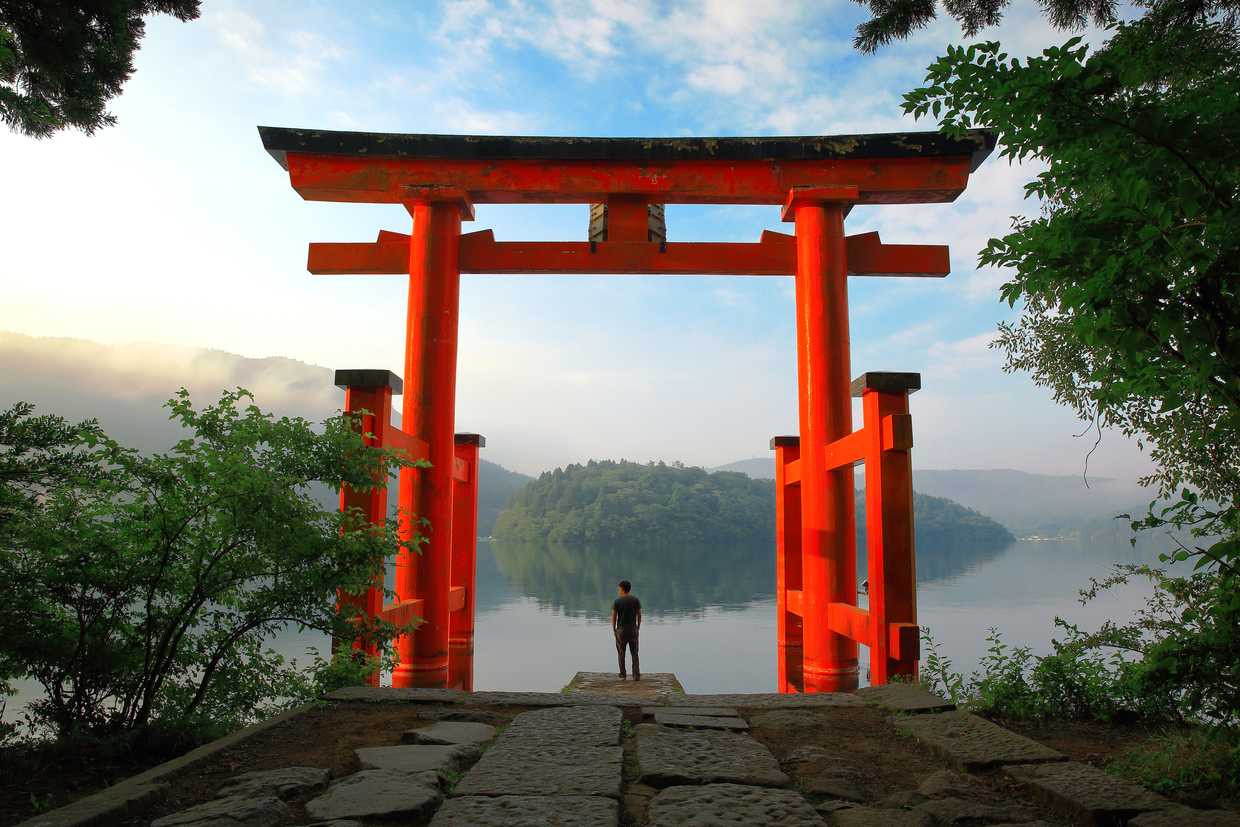
Lake Ashi is the beautiful caldera lake at the heart of Hakone, famous as a viewing spot for Mt. Fuji. The pirate ship cruises let you take in the surrounding scenery from the water. Hakone Shrine sits on the shore, and its red torii gate reflected on the lake's surface draws crowds of photographers.

Owakudani

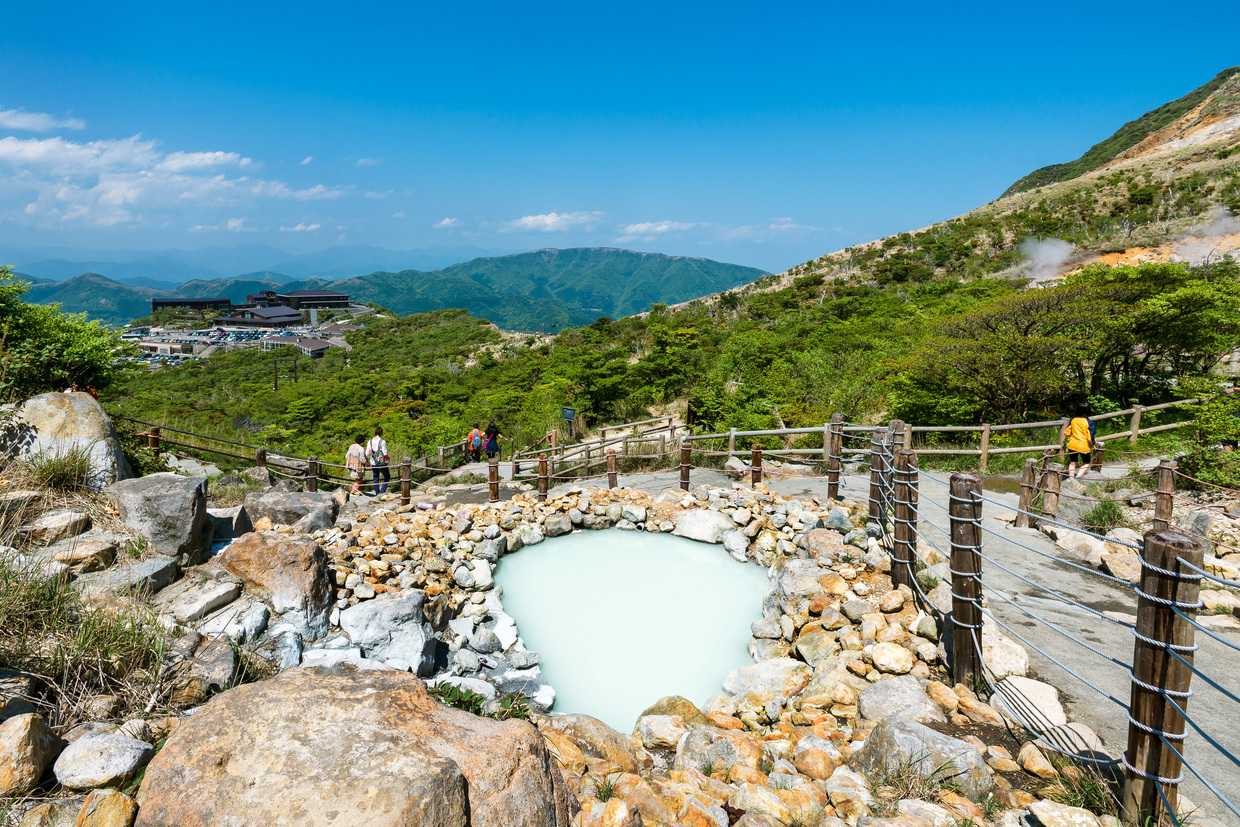
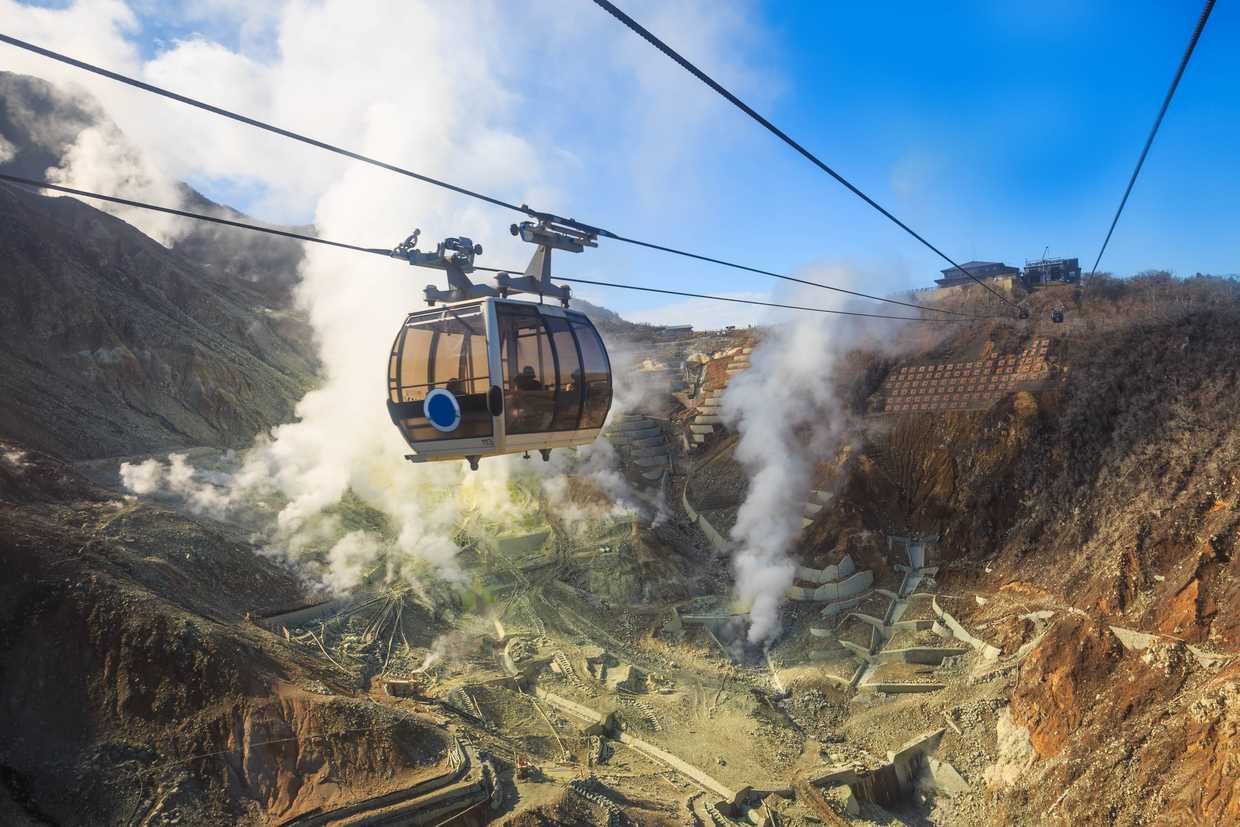
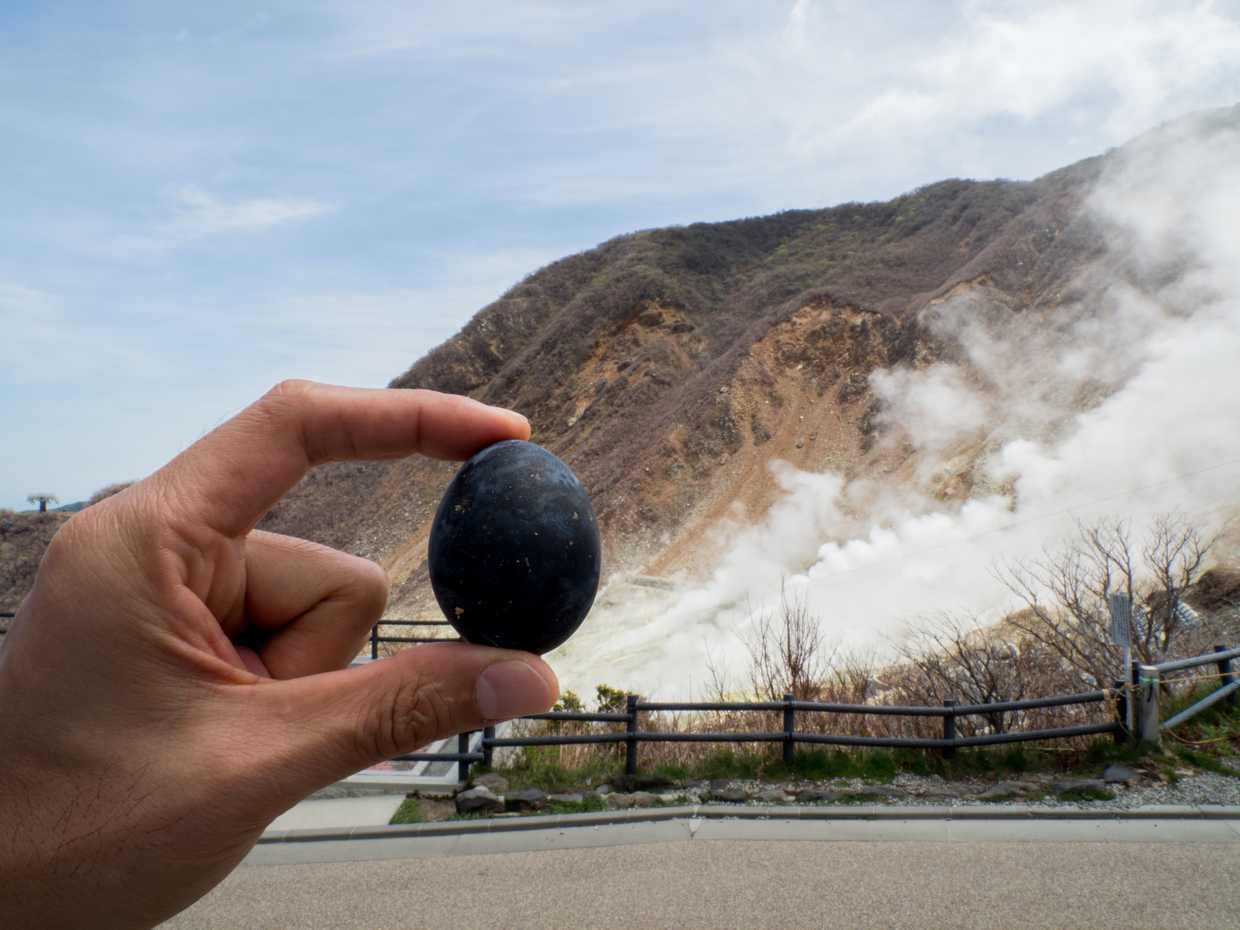
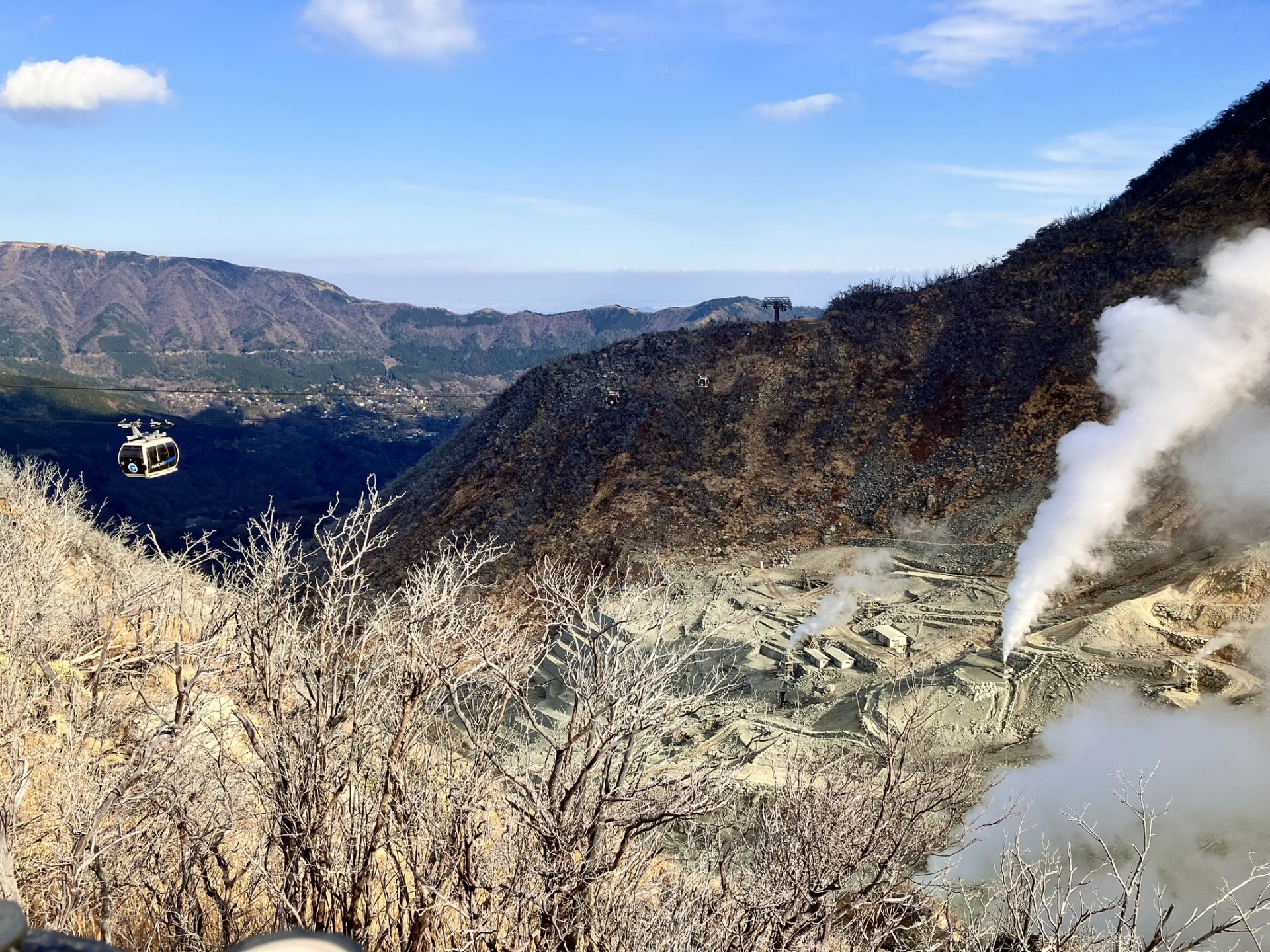
Owakudani lets you experience active volcanic activity up close. Sulfurous steam rises from the rocky slopes, the smell of sulfur in the air. The area's signature kuro-tamago (black eggs) are ordinary eggs whose shells turn black when boiled in the sulfur springs — local legend says eating one adds seven years to your life.

Sengokuhara Pampas Grass Field

In autumn, the rolling grasslands of Sengokuhara turn a brilliant gold. Late October through November is the peak season for this striking natural display.

Spots for Culture and Art

Outdoor sculpture in Hakone

Hakone Open-Air Museum

This open-air museum lets you take in art and nature at the same time. Works by Picasso, Henry Moore, and other major artists are arranged across the grounds — perfect for combining a gallery visit with a walk through the woods.

Pola Museum of Art

Centered on Impressionist paintings from the cosmetics company Pola's collection, this museum holds an impressive selection of Monet, Renoir, and other masters. The building itself is designed to blend into the surrounding forest.

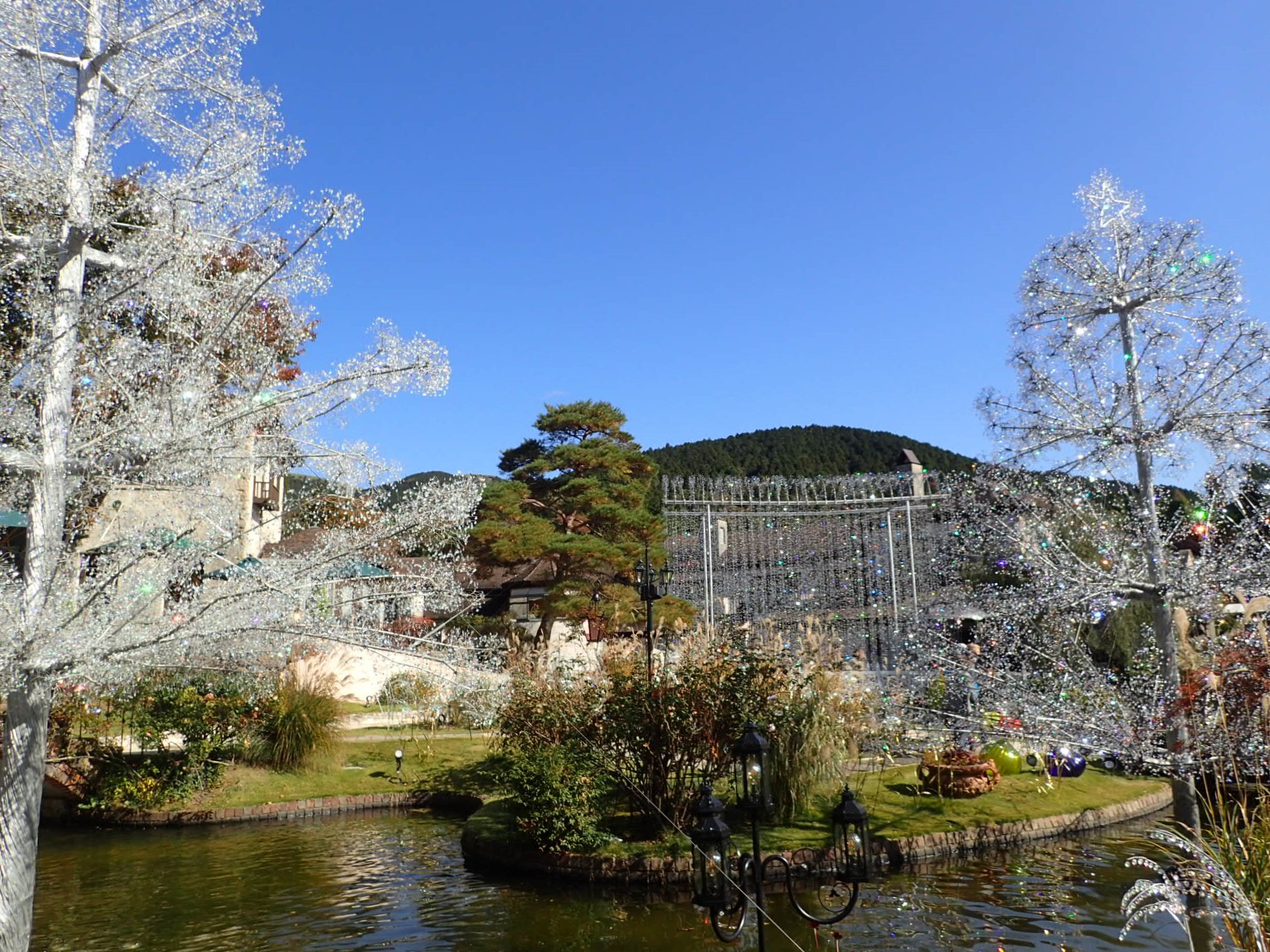
Hakone Glass no Mori (Venetian Glass Museum)

This museum displays Venetian glass artworks. Brightly colored glass pieces fill the galleries, lending the place a distinctly European feel.

Spots for History

Hakone Shrine torii on Lake Ashi

Hakone Shrine

This historic shrine sits on the shore of Lake Ashi. Its red torii standing in the lake has become a symbol of Hakone, photographed countless times. It's also known as a power spot, drawing many visitors who come to pray for good fortune.

Hakone Sekisho (Checkpoint)

The reconstructed checkpoint dates from the Edo period, when it was a strategic post on the Tōkaidō highway. Exhibits show how Edo-era travelers were inspected and what role the checkpoint played.

Kuzuryu Shrine

Dedicated to a water deity, Kuzuryu Shrine serves as the inner sanctuary of Hakone Shrine. It's popular as a power spot associated with the dragon god.

Spots for Activities

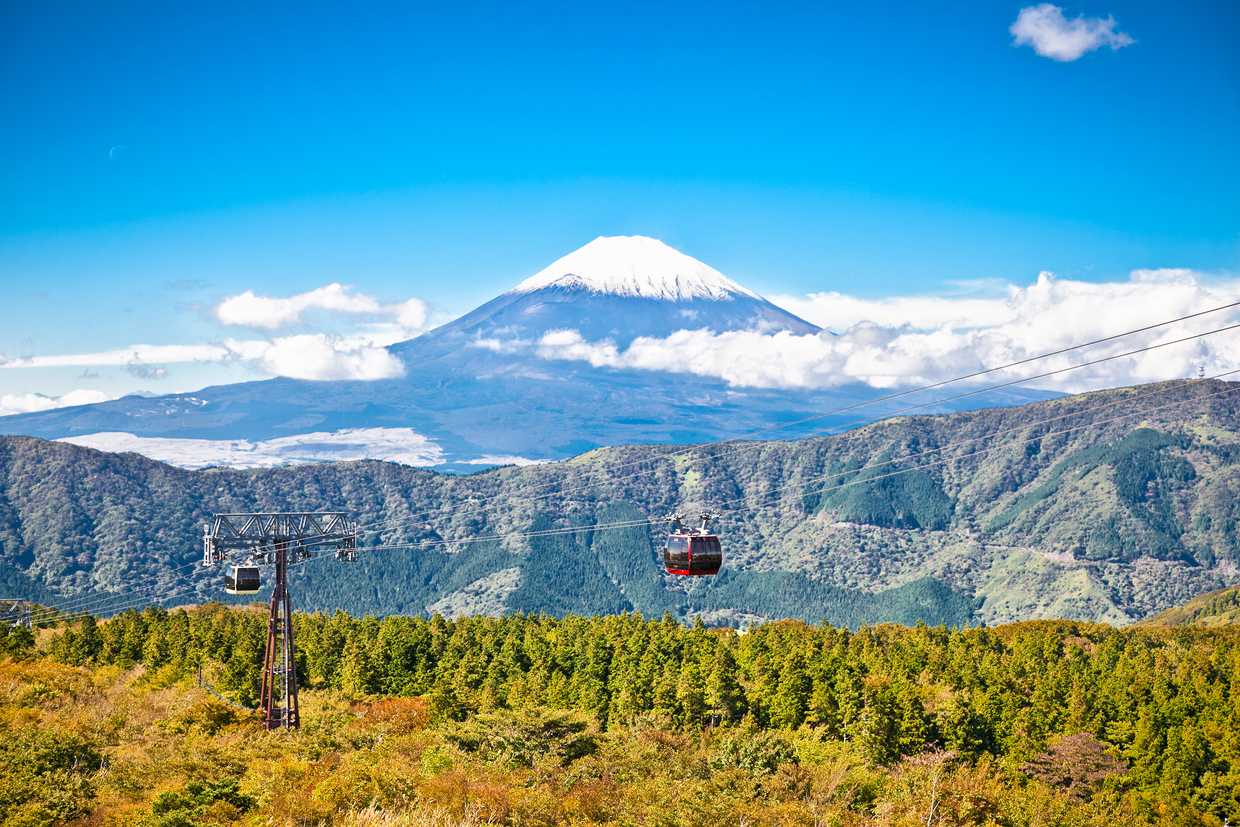
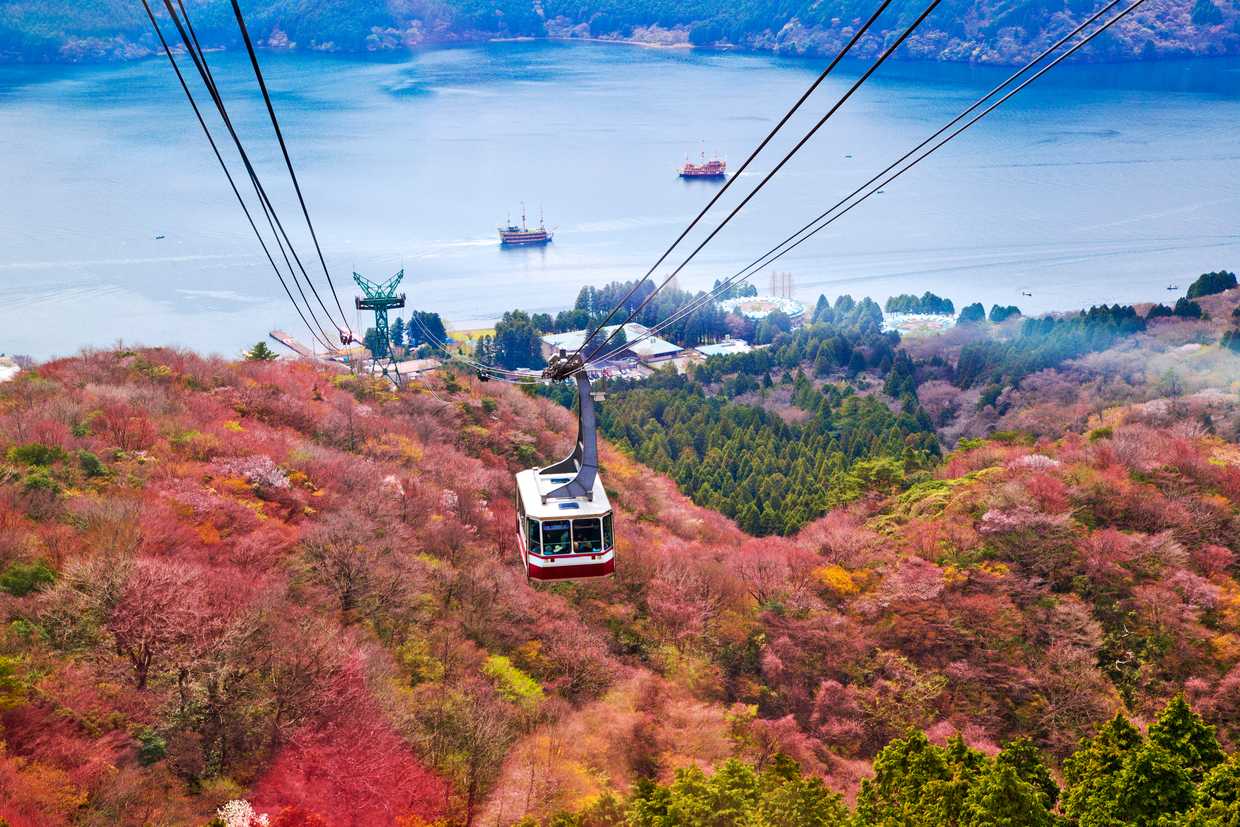
Hakone Ropeway with mountain view

Hakone Ropeway

The ropeway runs from Sounzan to Togendai, giving you sweeping aerial views of Owakudani and Lake Ashi. On clear days, you can see Mt. Fuji as well.

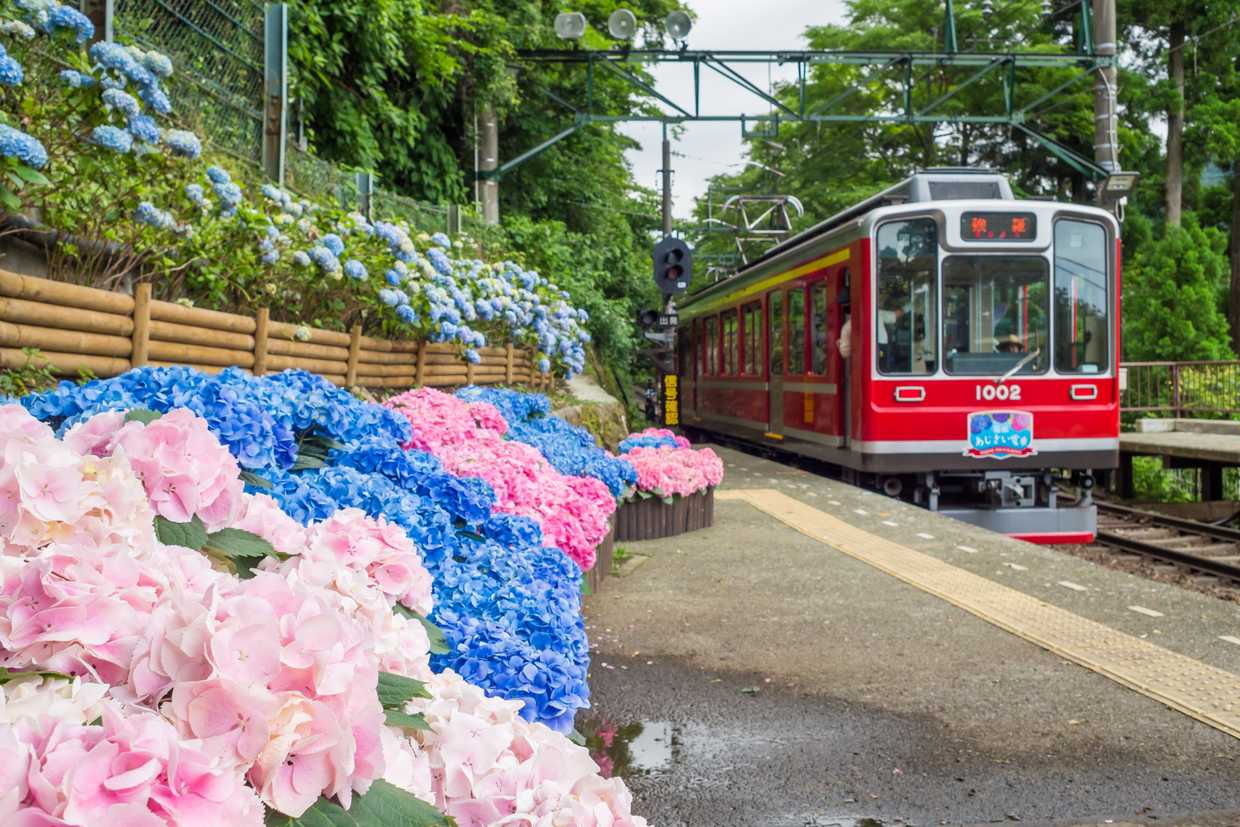
Hakone Tozan Railway

This mountain railway runs from Odawara to Gora. Watching the train climb the steep grades using switchbacks is genuinely impressive, and the views from the windows are excellent.

Hakone Komagatake Ropeway

Riding from the shore of Lake Ashi up to the summit of Mt. Komagatake, this ropeway offers a 360-degree panorama from the top — Mt. Fuji, Lake Ashi, and Sagami Bay all in one view.

Hakone's Hot Springs: Types and Benefits

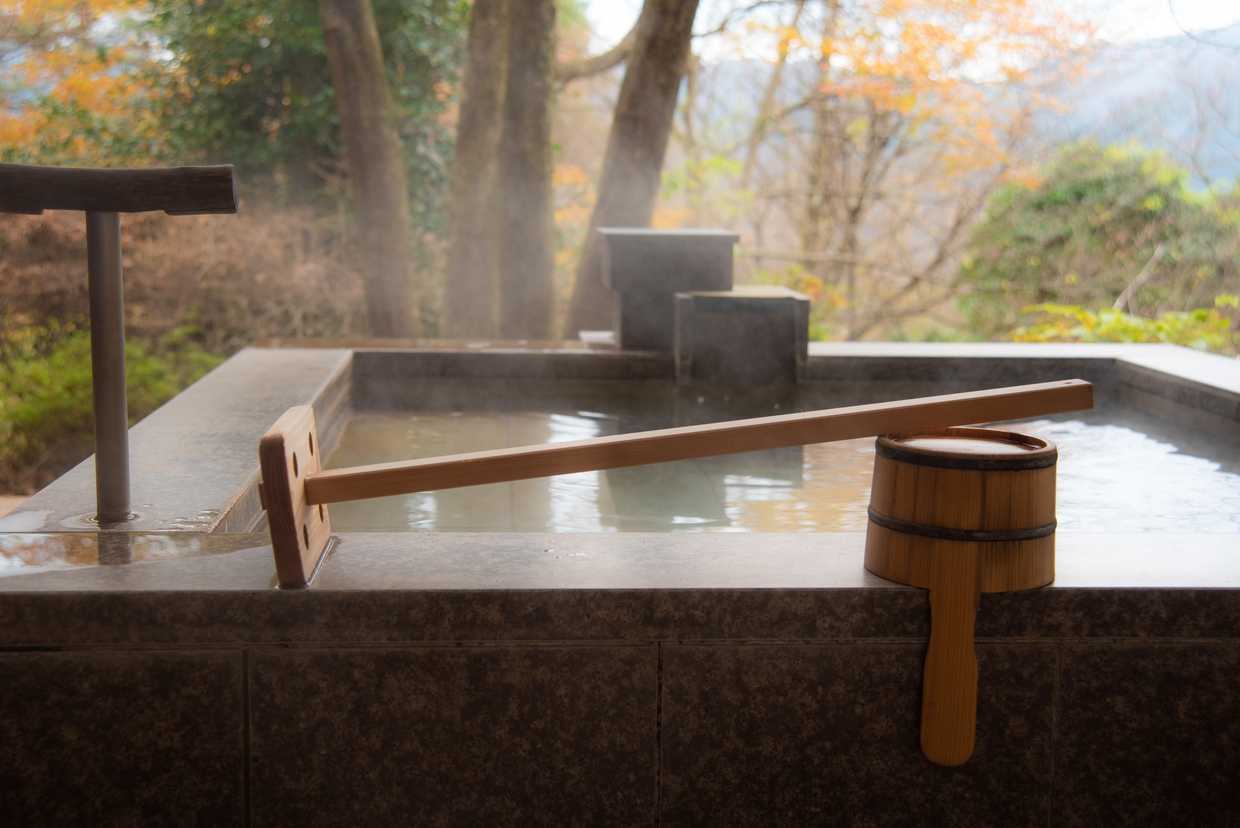
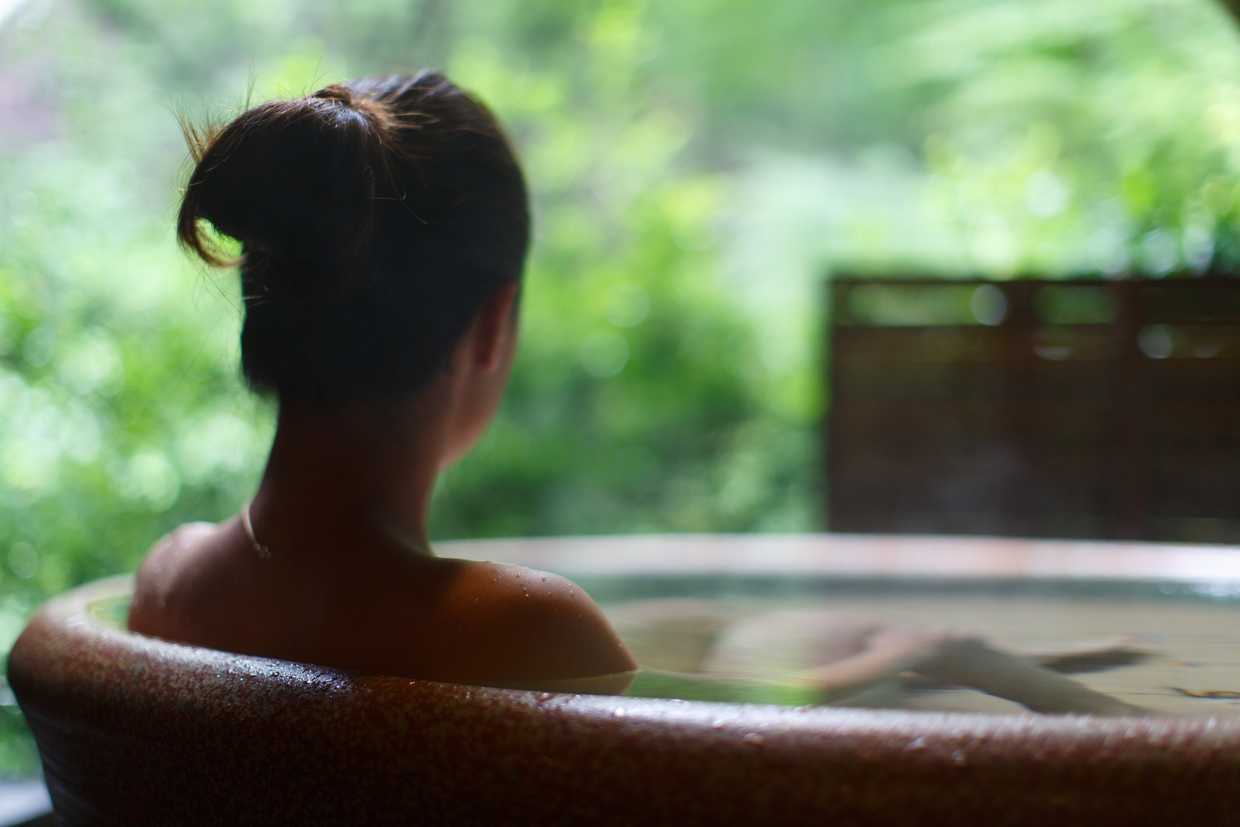
Open-air onsen bath in Hakone

The Hakone Jūnanatō (Seventeen Onsen)

Hakone is home to 17 hot spring areas collectively known as the Hakone Jūnanatō. They divide into six broad water types, each with its own color, scent, and reputed health benefits.

1. Simple Spring (Tanjun-sen)

Mild and accessible for bathers of any age. The defining feature is its low mineral content (under 1,000 mg/kg), which actually makes it a relatively rare type.

Reputed benefits: relief from insomnia and depressive symptoms.

Hakone onsen of this type: Hakone-Yumoto, Ohiradai, Yu-no-Hanazawa, Ashinoko.

2. Sulfur Spring (Iō-sen)

The classic onsen smell — sulfur, sometimes compared to rotten eggs. The water dilates peripheral, coronary, and cerebral blood vessels, and is associated with prevention of lifestyle-related diseases.

Reputed benefits: prevention of lifestyle-related diseases.

Hakone onsen of this type: Yu-no-Hanazawa, Ashinoyu.

3. Chloride Spring (Enkabutsu-sen)

Also called the "warming spring." A thin coating of chloride on the skin slows the evaporation of perspiration — a natural "salt mask" that retains heat and moisture. Chloride also boosts circulation, so the warmth lingers after you get out.

Reputed benefits: improvement of poor circulation and peripheral circulation issues.

Hakone onsen of this type: Tonosawa, Dogashima, Miyanoshita, Sokokura, Ninotaira, Ashinoko.

4. Acidic Spring (Sansei-sen)

Acidic, as the name suggests, and also called the "bactericidal spring." It's quite stimulating, so older bathers and those with sensitive skin should take care. Tart like lemon and strongly antibacterial, acidic springs are credited with treating athlete's foot and eczema.

Reputed benefits: relief for atopic dermatitis and diabetes-related conditions.

Hakone onsen of this type: Sengokuhara.

5. Bicarbonate Spring (Tansansuiso-sen)

Known as the "cooling spring" or "beauty spring." It softens the skin and is said to soothe burns, skin conditions, and cuts.

Reputed benefits: relief for cuts, burns, and dry skin.

Hakone onsen of this type: Ninotaira, Yunohana.

6. Sulfate Spring (Ryūsanen-sen)

Further classified by mineral mix (calcium, sodium, and so on), but in general it's known for healing minor injuries and helping prevent arteriosclerosis. Sometimes called the "wound spring" or "fountain of youth."

Reputed benefits: relief for circulation issues, poor circulation, and dry skin.

Hakone onsen of this type: Kayaba, Sengokuhara, Kushi.

Onsen Benefits Women Will Love

Women relaxing at a Hakone onsen

Hakone's hot springs offer beauty benefits, too. Here's a rundown of the skin-care effects associated with each water type:

  1. Simple springs: help slough off old keratin.
  2. Sulfur springs: break down melanin to fade spots and freckles, remove dead skin cells for a brighter complexion, and help eliminate waste through their detox effect.
  3. Chloride springs: the salt coating retains heat and moisture, leaving skin hydrated.
  4. Acidic springs: their high acidity creates a natural peeling effect — also helpful for acne.
  5. Bicarbonate springs: emulsify and soften the skin. Even without soap, your skin feels moisturized.
  6. Sulfate springs: the "fountain of youth" tightens the skin and restores elasticity. Soaking feels almost like dipping into toner.

How to Bathe for Better Skin

To get the most beauty benefits from a Hakone bath, the order matters. Try this sequence:

  1. Kakeyu (rinse): start by quickly pouring water over your body. You don't need to wash with soap yet — just rinse off any obvious dirt before getting in.
  2. First soak: submerge up to your shoulders for about five minutes to warm up.
  3. Wash your hair: keep washing your body and hair as separate steps.
  4. Second soak: ease back into the bath for 3 to 5 minutes, letting the mineral water work into your skin.
  5. Wash your body: now wash your body. If you use soap, don't scrub hard with a towel — wash gently with your hands.
  6. Final soak: get in one more time. Warm up to your core while the onsen water settles into your skin.

The key is to break the bathing into multiple short soaks, take your time, and let the water gradually warm you from the inside. One long soak can leave you chilled or dizzy afterward, and may dry out your skin.

Recommended Accommodations

Luxury Ryokan

Gora Kadan

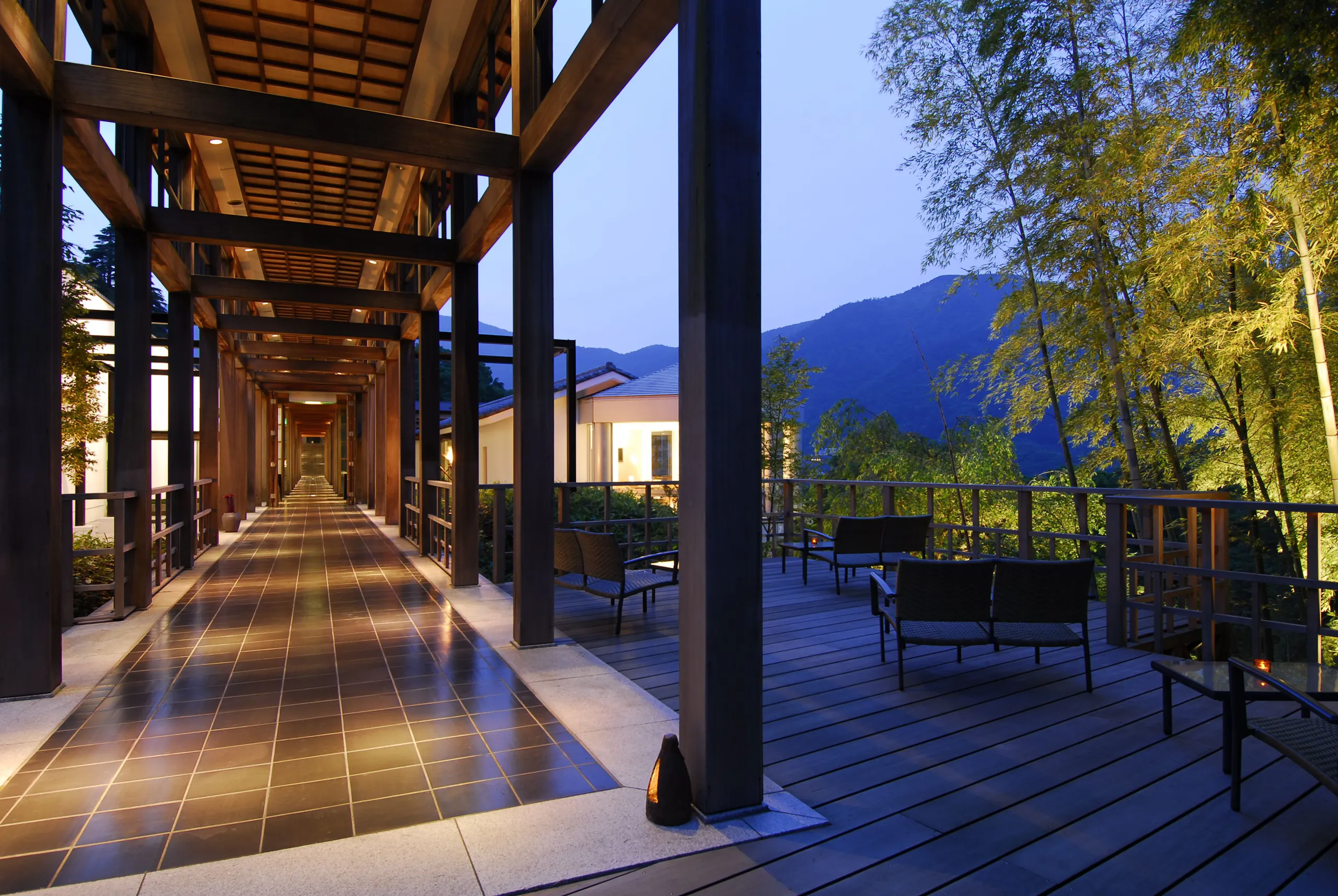
Gora Kadan luxury ryokan exterior

Built on the former site of the Kan'in-no-miya imperial villa, Gora Kadan is a high-end ryokan that fuses traditional Japanese aesthetics with modern design. The inn's private hot spring source feeds both the in-room open-air baths and the main bathhouse. Authentic kaiseki cuisine — built around seasonal ingredients — is as visually striking as it is delicious. The hushed interiors offer a refined setting for a special stay. International visitors consistently rate it highly for the chance to feel Hakone's nature and history at the same time.

Address
Access
Official sitehttps://www.gorakadan.com/

Hakone Ginyu

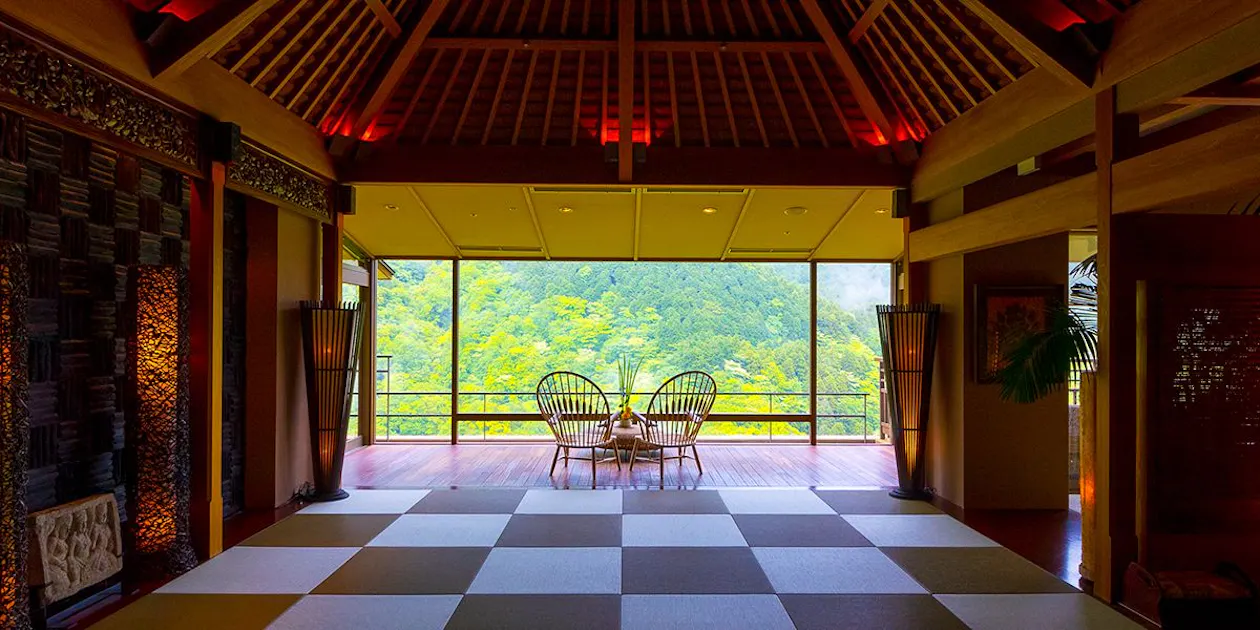
Hakone Ginyu ryokan with valley view

Perched in a valley overlooking the Hakone mountain range, Hakone Ginyu is a luxury ryokan where every room comes with a private open-air bath. The interiors blend Japanese tradition with Balinese aesthetics, creating a stay that feels truly removed from everyday life. Each room frames the seasonal beauty of the surrounding nature, and the kaiseki dinners served in private dining rooms showcase what's in season. The on-site spa lets you reset both mind and body. Easy to reach and consistently popular with international guests.

Address100-1 Miyanoshita, Hakone-machi, Ashigarashimo-gun
AccessBy car (from Tomei Expressway IC):
Atsugi IC → Odawara-Atsugi Road → Route 1 → Miyanoshita (about 50 min)
Gotemba IC → Otome Pass → Route 138 → Miyanoshita (about 30 min)
By train and bus:
Tokyo Station → Shinkansen → Odawara → Hakone Tozan Railway (40 min) or bus (15 min) → Miyanoshita
Shinjuku Station → Odakyu Romancecar (about 85 min) → Hakone-Yumoto → Hakone Tozan Railway (25 min) or bus (15 min) → Miyanoshita
Note: From Odawara or Yumoto by bus, take services bound for Moto-Hakone-ko, Hakone-machi, or Togendai; get off at Miyanoshita stop, 1-min walk.
Note: From Odawara or Yumoto by Hakone Tozan Railway, get off at Miyanoshita Station, 3-min walk.
Official sitehttps://www.hakoneginyu.co.jp/

Hakone Kowakien Ten-yu

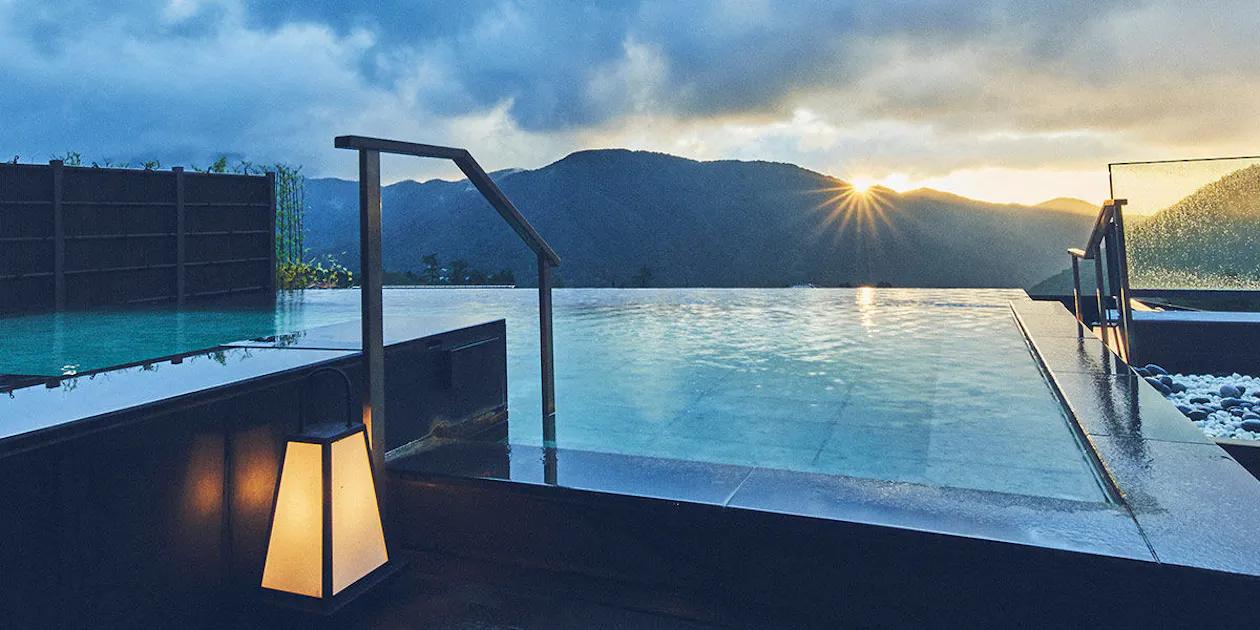
Hakone Kowakien Ten-yu modern Japanese ryokan

Surrounded by Hakone's natural setting, Hakone Kowakien Ten-yu is a modern Japanese-style ryokan where every room comes with a private hot spring open-air bath. The main bathhouse, "Ukigumo no Yu," frames a view where sky and mountain ridges seem to merge. Rooms look out over the seasons, and the quiet feels deeply restorative. The property includes a creative Japanese-Western restaurant, a teppanyaki room, shabu-shabu and soba shops, and other dining options. Set on Hakone's high ground with good access, it's a favorite among international visitors.

Address1297 Ninotaira, Hakone-machi, Ashigarashimo-gun
AccessBy car:
Tokyo – Atsugi IC – Odawara-Atsugi Road – Hakoneguchi IC – Route 1 – Ten-yu (about 2 hours)
Nagoya – Gotemba IC – Route 138 – right turn at Miyanoshita flashing signal – Route 1 – Ten-yu (about 4 hours)
By train and bus:
Walk from "Ten-yu" bus stop (Izuhakone Bus or Sightseeing Loop Bus). Shuttle bus available from "Gora" Station on Hakone Tozan Railway.
Official sitehttps://www.ten-yu.com/

Mid-Range Lodging

Hakone Yumoto Hotel

A conveniently located hotel within walking distance of Hakone-Yumoto Station. With a large communal bath and an open-air bath, you can enjoy Hakone's hot springs at a reasonable rate.

Hakone Hatsuhana

A ryokan tucked into a quiet, nature-rich setting. Open-air hot spring baths and seasonal kaiseki meals are the main draw, and the rates are reasonable.

Hakone Hotel Kowakien

A resort hotel with a large bath and open-air bath. The grounds are spacious and include a garden, making it a comfortable place to settle in.

Budget-Friendly Lodging

Hakone Hostel 1914

A hostel in Gora that occupies a historic building. Shared spaces and a kitchen make it a good fit for longer stays.

Hakone Fukuzumiro

A traditional ryokan in Hakone-Yumoto. The bathing is communal, but reservation-based private baths are also available. A budget-friendly way to experience a real ryokan stay.

Hakone Guest House Gaku

A guesthouse within walking distance of Hakone-Yumoto Station. Plans with breakfast are available, and it's popular among international travelers.

Day-Use Onsen Facilities

Tenzan Tohji-kyo

A sprawling day-use onsen complex in Sengokuhara. Multiple types of open-air and indoor baths let you bathe while taking in the changing seasons.

Hakone Yuryo

A day-use onsen in Hakone-Yumoto with a large bath, an open-air bath, and an attached restaurant.

Hakone Kowakien Yunessun

Best known as an onsen theme park. The facility splits into two zones: "Yunessun," where you can bathe in swimwear, and "Mori no Yu," a more traditional bathing area. A solid choice for families.

Eating Well in Hakone

Traditional Japanese meal in Hakone

Hakone Specialties

Yosegi-zaiku Sweets

Sweets inspired by yosegi-zaiku (traditional marquetry woodwork) are a popular souvenir. The technique uses different-colored woods in geometric patterns — and the same look gets translated into edible form.

Onsen Tamago

An Owakudani specialty: eggs boiled in the sulfur springs until the shells turn black. The whites are firm and the yolks soft-set, with a distinctive flavor.

Hakone Soba

Hakone's cool climate and clean water produce excellent buckwheat. Yumoto and Gora both have long-established soba restaurants worth seeking out.

Hakone Maruyama Tofu

A well-known tofu restaurant near Owakudani. The tofu is made with local spring water — silky, clean-tasting, and full of flavor.

Recommended Restaurants

Hakone-Yumoto Area

  • Hakone Yumoto Tenzan: known for dishes like onsen tamago over rice, built around local ingredients
  • Soba Kihinkan: a soba restaurant with over 100 years of history
  • Tamago Chaya: an Owakudani institution serving dishes built around onsen tamago

Lake Ashi Area

  • Lake View Shokudo: dining with views of Lake Ashi
  • Hakone Hanashi: a Japanese restaurant on the lakeshore

Gora and Sengokuhara Area

  • Unaju Yuki: a popular eel restaurant in Sengokuhara
  • Gora Kadan: kaiseki dining at the luxury ryokan
  • Sengoku Kogen Daihakone Ichikuse: creative dishes using mountain ingredients

Seasonal Highlights

Spring (March – May)

Cherry blossoms in Hakone

  • Hakone Glass no Mori Museum: glass works displayed alongside spring flowers in the garden
  • Gora Park: a Western-style garden filled with spring blooms
  • Hakone Tozan Railway: cherry blossoms framed in the train windows

Summer (June – August)

Lake Ashi in summer

  • Lake Ashi: cool highland boating and cruising
  • Hakone Open-Air Museum: art-viewing in lush outdoor surroundings
  • Hakone hot springs: Hakone stays comparatively cool in summer, making it ideal for a soak that washes off the heat

Autumn (September – November)

Autumn foliage in Hakone

  • Sengokuhara pampas grass field: golden grasses across the rolling fields
  • Hakone Museum of Art: brilliant autumn foliage with a moss garden
  • Hakone Ropeway: aerial views of the mountains in fall color

Winter (December – February)

Snow-covered Hakone landscape

  • Owakudani: snowy slopes contrasting with rising onsen steam — a striking scene
  • Lake Ashi: on clear winter days, the crisp air opens up stunning Mt. Fuji views
  • Onsen-hopping: the cold season is when hot springs feel most rewarding

Useful Travel Information

Travel information desk

Services for International Visitors

Multilingual Information Centers

  • Hakone-machi General Tourist Information (in front of Hakone-Yumoto Station): English, Chinese, Korean
  • Hakone Geomuseum: multilingual exhibits and brochures

Wi-Fi Spots

  • Major stations including Hakone-Yumoto and Gora
  • Hakone tourist information offices
  • Owakudani Tourist Center
  • Major museums, hotels, and cafés

Payments

Most facilities in Hakone accept credit cards and mobile payments, but smaller shops and some transport services may be cash-only.

Sample Itineraries

One-Day Course

  1. Arrive at Hakone-Yumoto Station
  2. Take the Hakone Tozan Railway to Gora
  3. Continue by cable car and ropeway to Owakudani
  4. Walk around Owakudani and try the onsen tamago
  5. Take the ropeway down to Togendai
  6. Cross Lake Ashi by pirate ship to Moto-Hakone Port
  7. Visit Hakone Shrine
  8. Bus back to Hakone-Yumoto for a soak

Two-Day Course

Day 1

  1. Arrive at Hakone-Yumoto Station, check in (or drop bags) at your inn
  2. Hakone Tozan Railway to Gora
  3. Visit the Hakone Open-Air Museum
  4. Cable car and ropeway to Owakudani
  5. Walk around Owakudani
  6. Return to your inn for an onsen soak and dinner

Day 2

  1. After breakfast, take the ropeway to Togendai
  2. Pirate ship across Lake Ashi to Moto-Hakone Port
  3. Visit Hakone Shrine
  4. Take the Komagatake Ropeway to the summit
  5. Take in panoramic Mt. Fuji views
  6. Bus back to Hakone-Yumoto and head home

Things to Watch Out For

Onsen Etiquette

  • Wash your body before getting into the bath
  • Don't bring towels into the water
  • Keep noise down
  • If you have tattoos, use a tattoo cover sticker or book a private bath

Etiquette at Sightseeing Spots

  • Take your trash with you or use designated bins
  • Stay on marked paths in nature reserves
  • Respect signs prohibiting photography

Climate and Clothing

Hakone is in the mountains, so temperatures often run lower than in Tokyo. Mornings and evenings can be chilly year-round — bring a layer regardless of the season.

Summary

Hakone is just an hour and a half from Tokyo, but it packs in nature, history, culture, and onsen. For international visitors, it's also one of the easiest places to experience Japan's traditional onsen culture firsthand.

The Hakone Free Pass makes getting between sights efficient, and rotating through different types of hot springs is genuinely good for body and mind. Seasonal landscapes, museum visits, and time in the bath together make for a trip you'll remember.

関連記事