Kamakura Travel Guide | Where Japanese History Meets Coastal Nature - GTN MAGAZINE
日本語
日本語
English

Kamakura Travel Guide | Where Japanese History Meets Coastal Nature

Kamakura is a historic city about an hour from Tokyo, where rich natural scenery and historic landmarks exist side by side. Once the seat of Japan's first samurai government, Kamakura is home to numerous cultural treasures, including temples, shrines, and the iconic Great Buddha. Surrounded by lush hills and a beautiful coastline, the city is also a popular destination for enjoying Japan's changing seasons.

This guide introduces Kamakura's history, major attractions, transportation options, local food, cultural experiences, and other useful information to help international visitors plan their trip.

The History of Kamakura

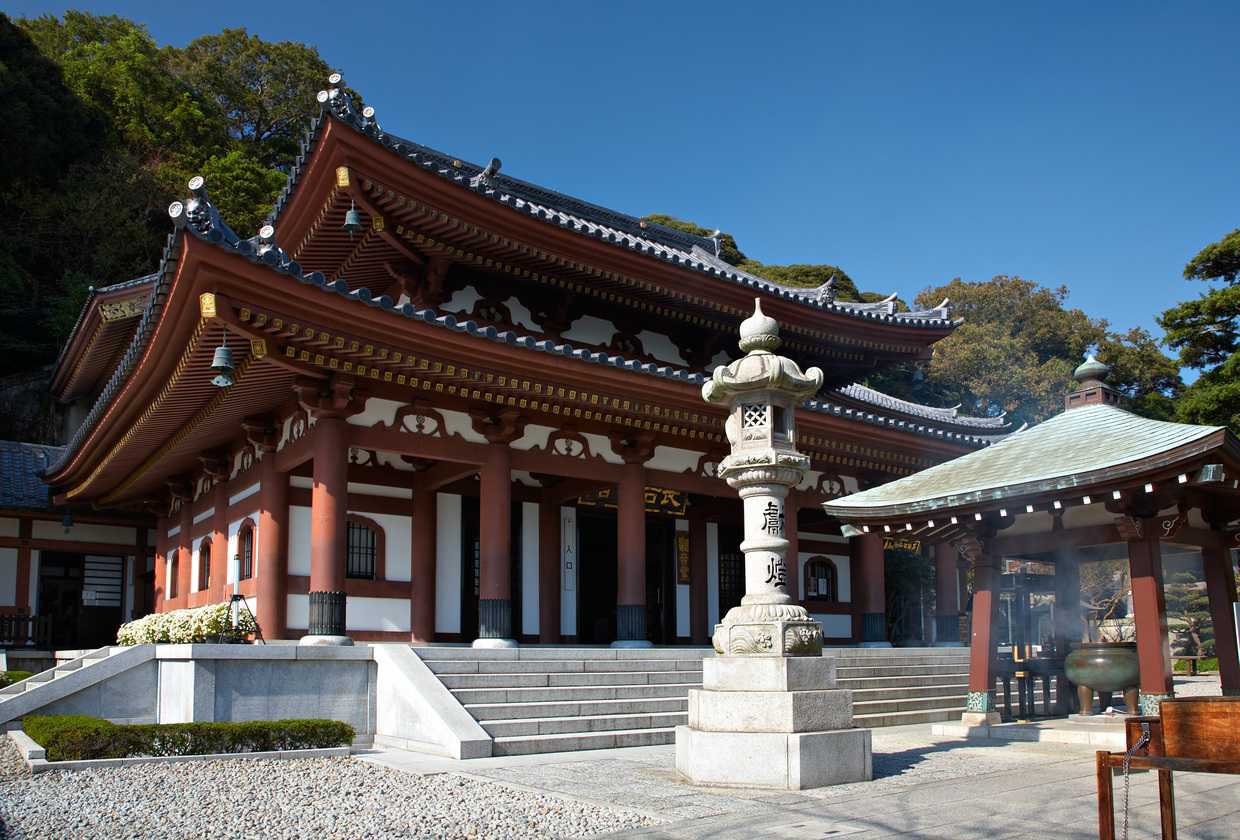
Historic temple in Kamakura

From the Birth of the Kamakura Shogunate to Today

In 1185, Minamoto no Yoritomo established the Kamakura Shogunate, and Kamakura served as Japan's political and cultural center for the next 250 years or so. Before that, it was a small fishing village hemmed in by mountains and sea — but once Japan's first samurai government settled here, the town grew rapidly into a real city.

The new samurai capital developed a culture distinct from the aristocratic traditions of Kyoto, and many of its temples and shrines were founded in this period. Zen Buddhism arrived from the continent, leading to the founding of Kencho-ji, Engaku-ji, and other major Zen temples that shaped Japanese culture and religion for centuries.

The shogunate fell in 1333, but Kamakura kept its cultural and religious importance. Its temples and shrines are now on UNESCO's tentative list of World Heritage Sites, and in 2022 the NHK historical drama The 13 Lords of the Shogun drew renewed attention to the area.

Geography and Climate

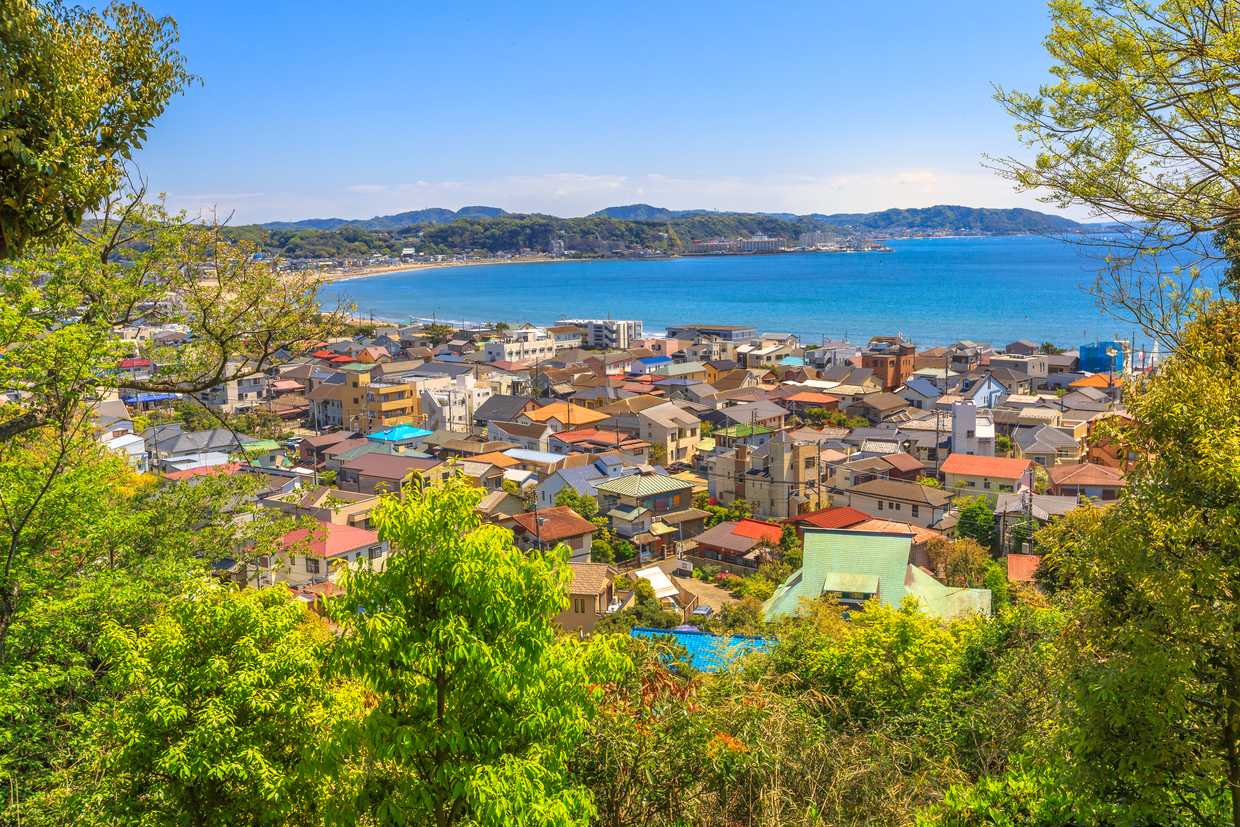
Kamakura is bounded by mountains on three sides and Sagami Bay to the south — a fan-shaped layout known locally as Ougigayatsu. The natural defenses made it an obvious choice as a samurai stronghold. The narrow mountain passes called kiritōshi still cut through the city today, preserving traces of that era.

The mild climate also means there's something blooming year-round — cherry blossoms in spring, hydrangeas in early summer, autumn foliage. The seasons keep visitors coming back.

Getting to Kamakura

Train arriving at Kamakura station

Access From Tokyo

Trains are the easiest way to reach Kamakura from Tokyo.

JR Yokosuka Line

  • About 1 hour from Tokyo Station
  • About 25 minutes from Yokohama Station

JR Shonan-Shinjuku Line

  • About 1 hour from Shinjuku Station
  • About 50 minutes from Shibuya Station

Odakyu Line + Enoshima Electric Railway (Enoden)

  • Shinjuku Station to Fujisawa via the Odakyu Line: about 50 minutes
  • Fujisawa to Kamakura Station via the Enoden: about 25 minutes

Getting Around Kamakura

ModeProsConsBest for
WalkingCaptures the local atmosphere; lets you set your own paceSlow for distant sights; lots of slopes and stepsSightseeing around Kamakura Station and Komachi-dori
EnodenConnects key sights; the ride itself is part of the experience; retro carriagesCrowded at peak times; limited frequencyHeading from Kamakura Station toward Hase and Enoshima
BusCovers a wide area; reaches mountainside templesCan hit traffic; the route map is complexReaching the Great Buddha or Kita-Kamakura temples
Rental bicycleTotal flexibility; efficient on flat routesHilly areas are tough; you need to think about parkingCycling along the coast

Money-Saving Tickets

A couple of useful day passes:

  • Enoden 1-Day Pass: unlimited rides on the Enoden for one day
  • Kamakura Free Kankyō Tegata: hop on and off main bus routes inside the city

Note: Prices and availability change. Check the operator's website for the latest details.

Top Sights for International Visitors

The Great Buddha of Kamakura (Kotoku-in)

Great Buddha statue at Kotoku-in temple in Kamakura

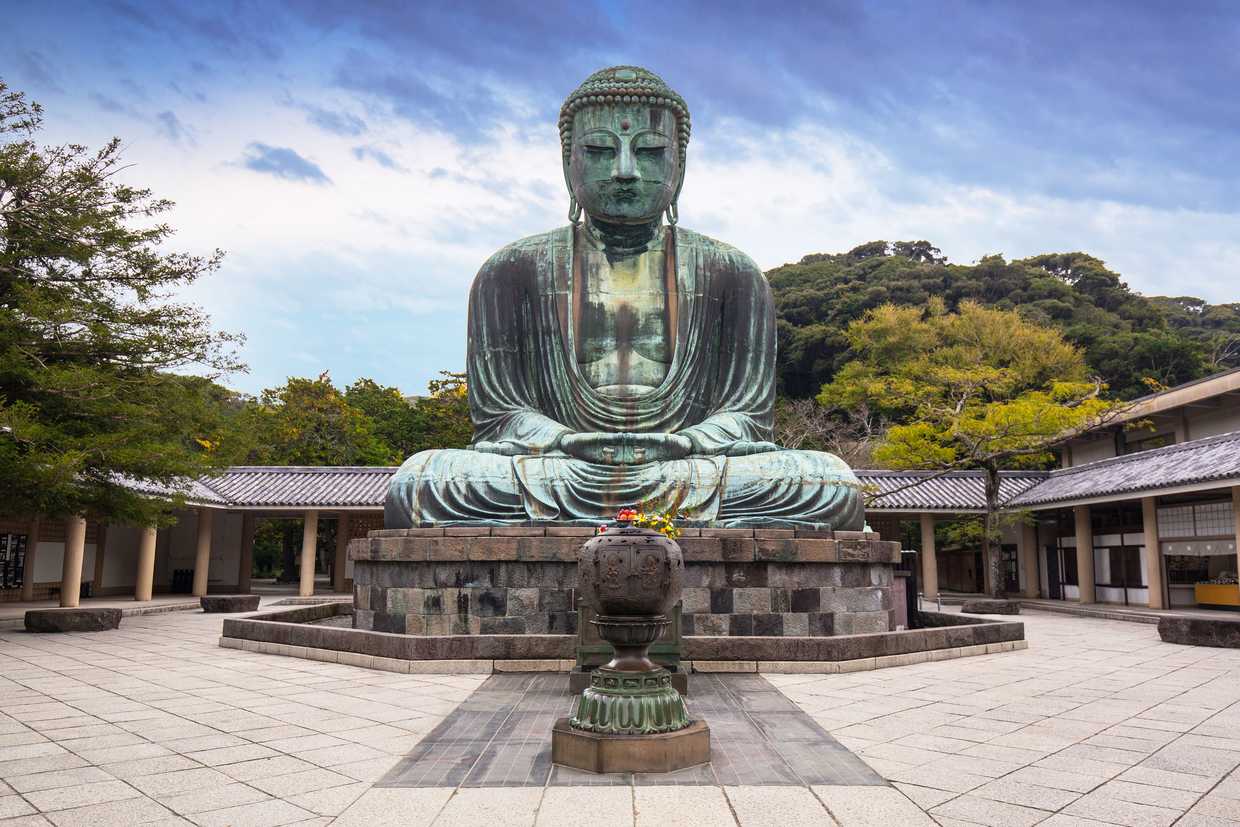
Kotoku-in's Great Buddha is the image most people associate with Kamakura. The seated bronze figure of Amida Buddha stands 11.3 meters tall and weighs about 121 tons. Construction began in 1252, and the statue is now a designated National Treasure. It originally sat inside a great hall, but a tsunami destroyed the building in 1495, leaving the statue in the open air ever since.

Visitors can also enter the Buddha's interior, where you can see the original casting techniques from the inside. The serene expression has drawn pilgrims and tourists from across Japan and around the world.

Visitor information

  • Hours: 8:00 a.m. – 5:00 p.m. (until 4:30 p.m. October to March)
  • Admission: ¥300 for adults, ¥150 for elementary-school students
  • Access: Bus from JR Kamakura Station to "Daibutsu-mae"; or about 7 minutes on foot from Hase Station on the Enoden

Tsurugaoka Hachimangu

Tsurugaoka Hachimangu shrine in Kamakura

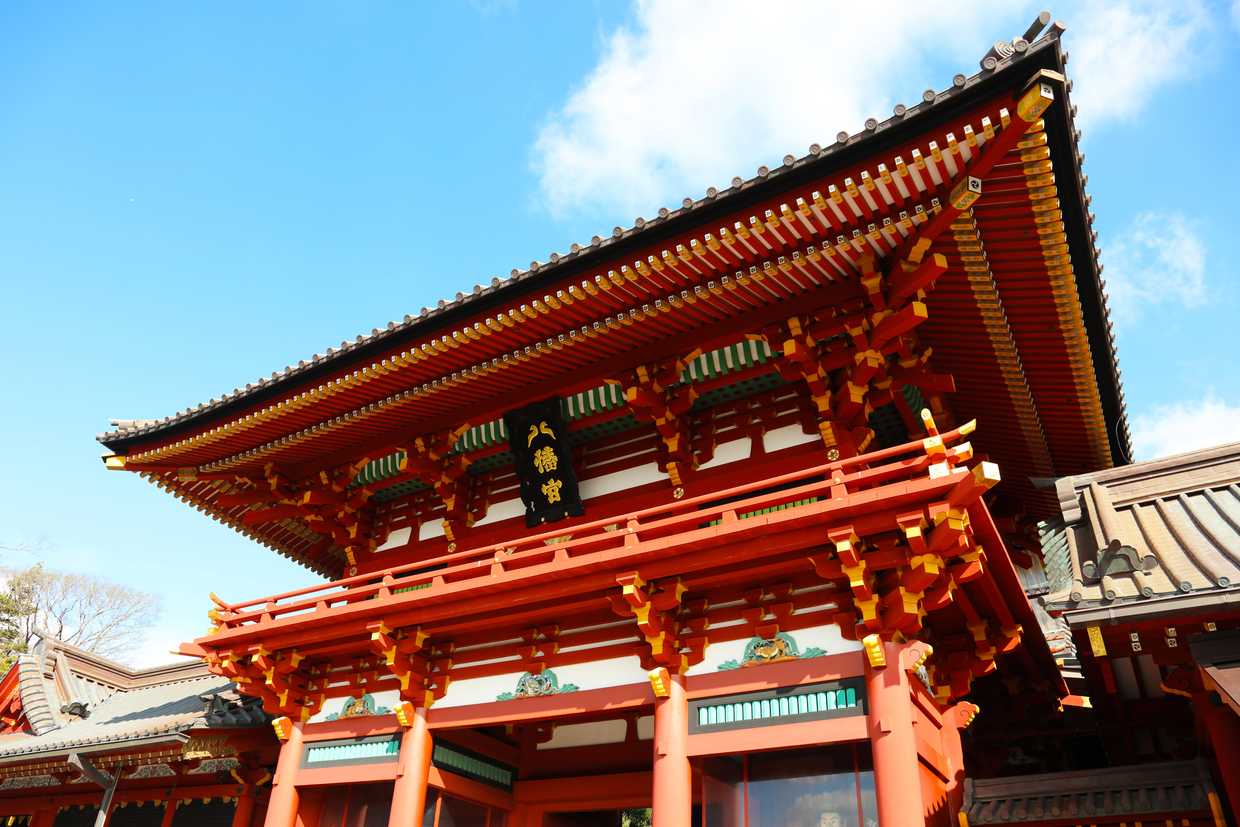
Founded in 1180 by Minamoto no Yoritomo to pray for victory in battle, this is Kamakura's main shrine and the spiritual heart of the city. The main hall, the dance pavilion, and the gate are all designated Important Cultural Properties, and the grounds also feature seasonal flowers — cherry blossoms in spring, peonies in winter.

The approach known as Dankazura — a raised stone-paved path lined with cherry trees — is considered Japan's oldest, dating back to the Kamakura period. The Genpei Pond inside the grounds is planted with white water lilies (representing the Minamoto/Genji clan) and red ones (representing the Taira/Heike clan), echoing the historical conflict between the two.

Visitor information

  • Hours: open at all times (Treasure Hall is 8:30 a.m. – 4:00 p.m.)
  • Admission: free (Treasure Hall ¥600)
  • Access: about 10 minutes on foot from JR Kamakura Station

Hasedera

Hasedera temple gardens

Known as the "Temple of Flowers," Hasedera is the only temple in Kamakura with a wooden building designated as a National Treasure. Its principal image is a 9.18-meter wooden statue of the eleven-headed Kannon — one of the largest of its kind in Japan. From the temple grounds, you can take in views of Kamakura's rooftops and Sagami Bay. In June, the hydrangea season turns Hasedera into one of the area's most popular destinations, drawing the nickname "Hydrangea Temple."

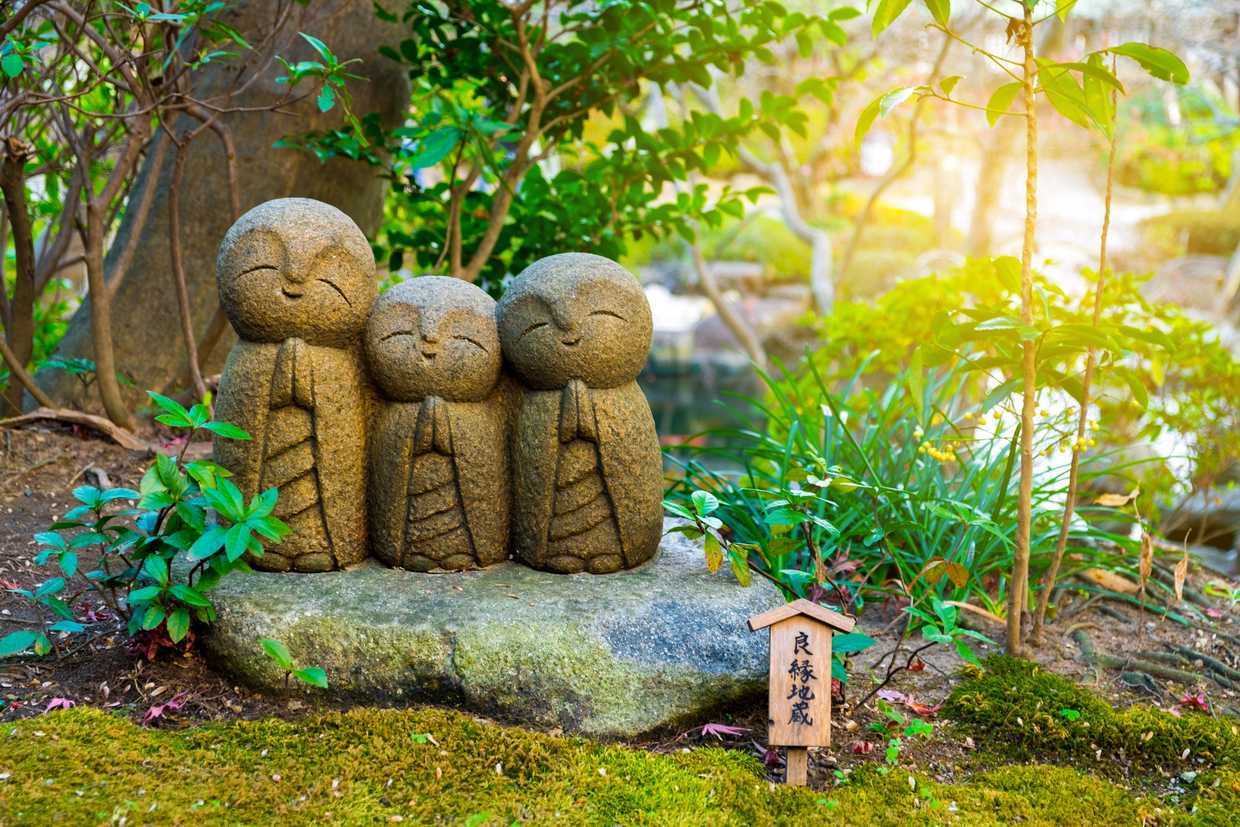
Inside the grounds, you'll find a beautiful Japanese garden and the Kannon Museum, which displays thousands of small stone statues. The temple is also affectionately called Hase Kannon and is the fourth station on the Bandō 33 Kannon Pilgrimage.

Visitor information

  • Hours: 8:00 a.m. – 5:00 p.m. (until 4:30 p.m. October to February)
  • Admission: ¥400 for adults, ¥200 for elementary and junior high students
  • Access: about 5 minutes on foot from Hase Station on the Enoden

The Enoden and Komachi-dori

Enoden train passing along the Kamakura coast

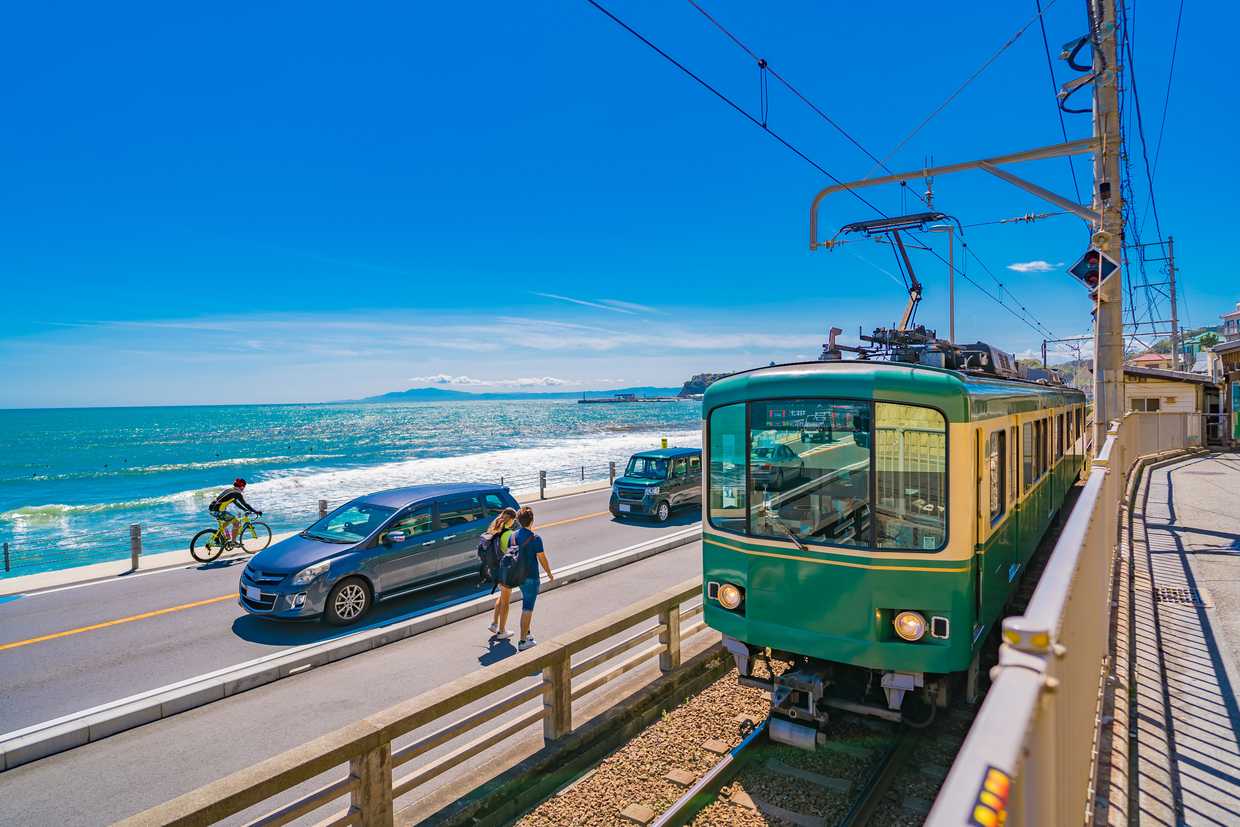
The Enoshima Electric Railway — known as the Enoden — is a retro tram that runs about 10 km from Kamakura to Fujisawa, hugging the Shonan coast. The ocean and street views from the windows are part of the appeal, so much so that "the ride itself is the sightseeing." Many of Kamakura's main attractions sit along the line, making it a practical way to get around as well.

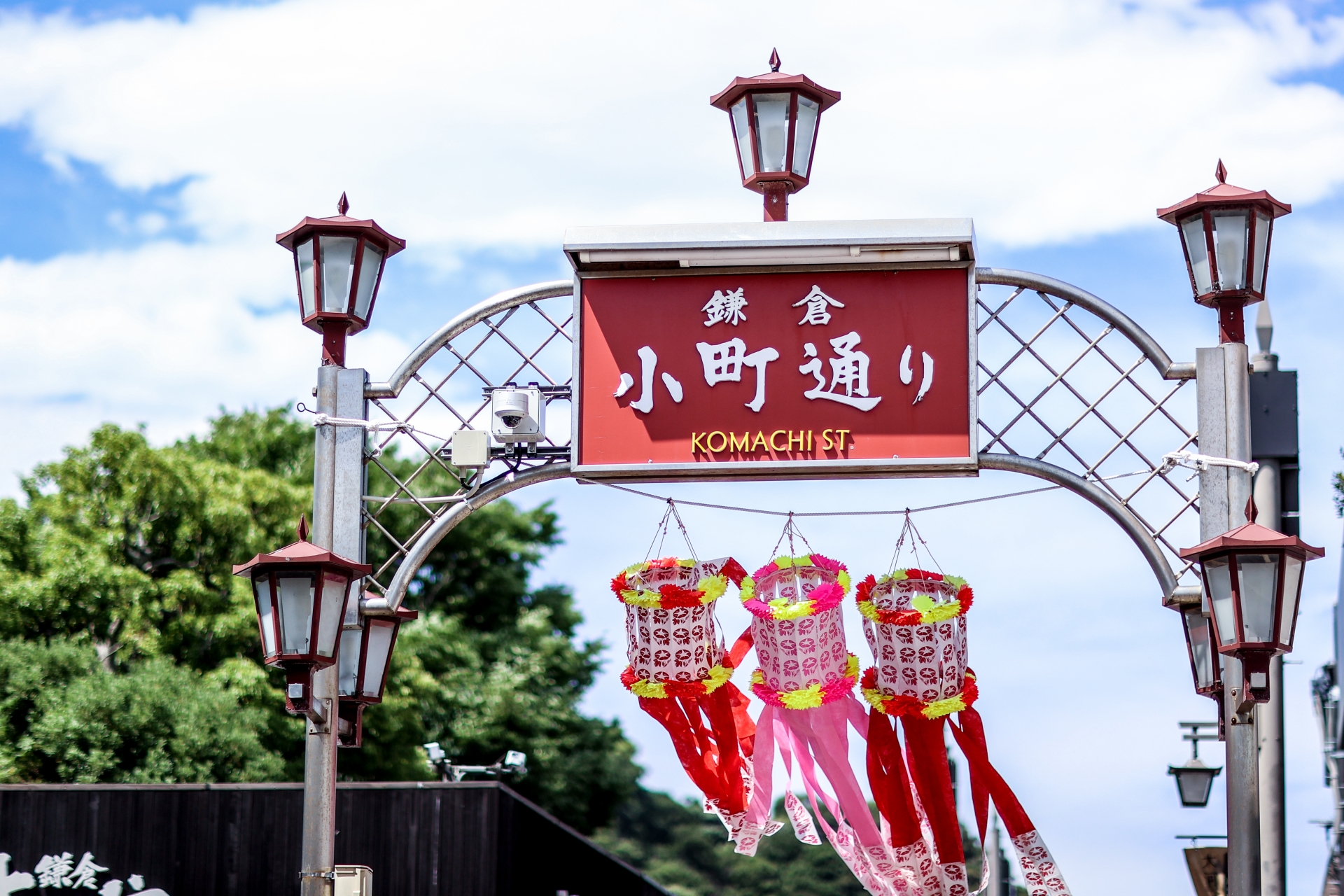
Komachi-dori, the shopping street running from Kamakura Station toward Tsurugaoka Hachimangu, is lined with souvenir shops and restaurants. You'll find everything from traditional Japanese sweets to modern desserts and craft goods — it's the city's main hub for snacking and shopping.

Enoden tickets

  • Fare: ¥300 for adults from Kamakura Station to Enoshima Station
  • 1-Day Pass: ¥800 for adults (sold at station ticket windows)

Eating Like a Local in Kamakura

Local Kamakura food

Kamakura's coastal location means an abundance of fresh seafood and a distinctive local food culture. Here are the dishes worth trying.

Kamakura Specialties

Nama-Shirasu Don

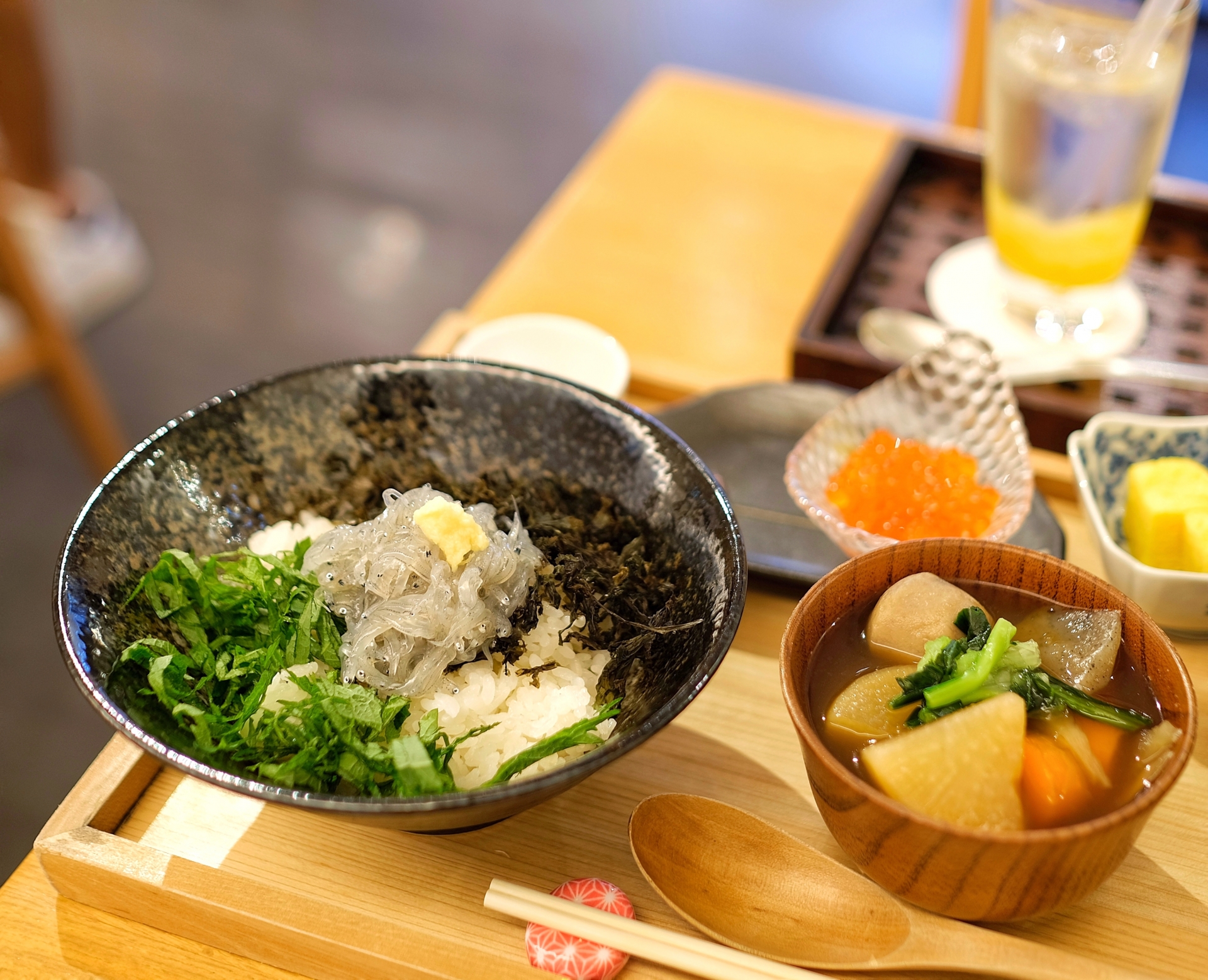
The signature local dish is nama-shirasu don — a bowl of rice topped with fresh raw whitebait (baby sardines) caught the same day. Whitebait season runs from mid-March to early December, with peaks in April–June and September–November.

The translucent silvery fish have a mild sweetness and a clean ocean flavor. Most places serve it simply with soy sauce and garnishes, but the toppings — perilla leaf, wasabi, ginger — vary from shop to shop, so it's worth comparing a few.

Kamakura Vegetables

"Kamakura vegetables" are fresh produce grown within the city limits using local farming methods. The mild climate and rich soil produce vegetables with a strong, naturally sweet flavor that comes through with simple preparation.

Standout varieties include Kamakura daikon, Hayakawa scallions, and Kamakura purple. You'll find them at restaurants around the city and at farmers' markets.

Kenchinjiru

This local soup originated as Buddhist temple cuisine in the Kamakura period. Root vegetables and tofu are sautéed in oil before being simmered, which concentrates the flavors. The standard ingredients are daikon, carrot, taro, burdock, konjac, and tofu, in a simple soy sauce-based broth. You'll find it at traditional shops in older houses around the city — humble, but with surprising depth.

Where to Snack and Stroll

Komachi-dori is the heart of casual eating in Kamakura. A few popular options:

  • Hato Sablé: the iconic dove-shaped cookie from Toshimaya
  • Inarizushi: try the popular Hannari Inari on Komachi-dori
  • Kamakura Korokke: the mackerel saba korokke is a local favorite
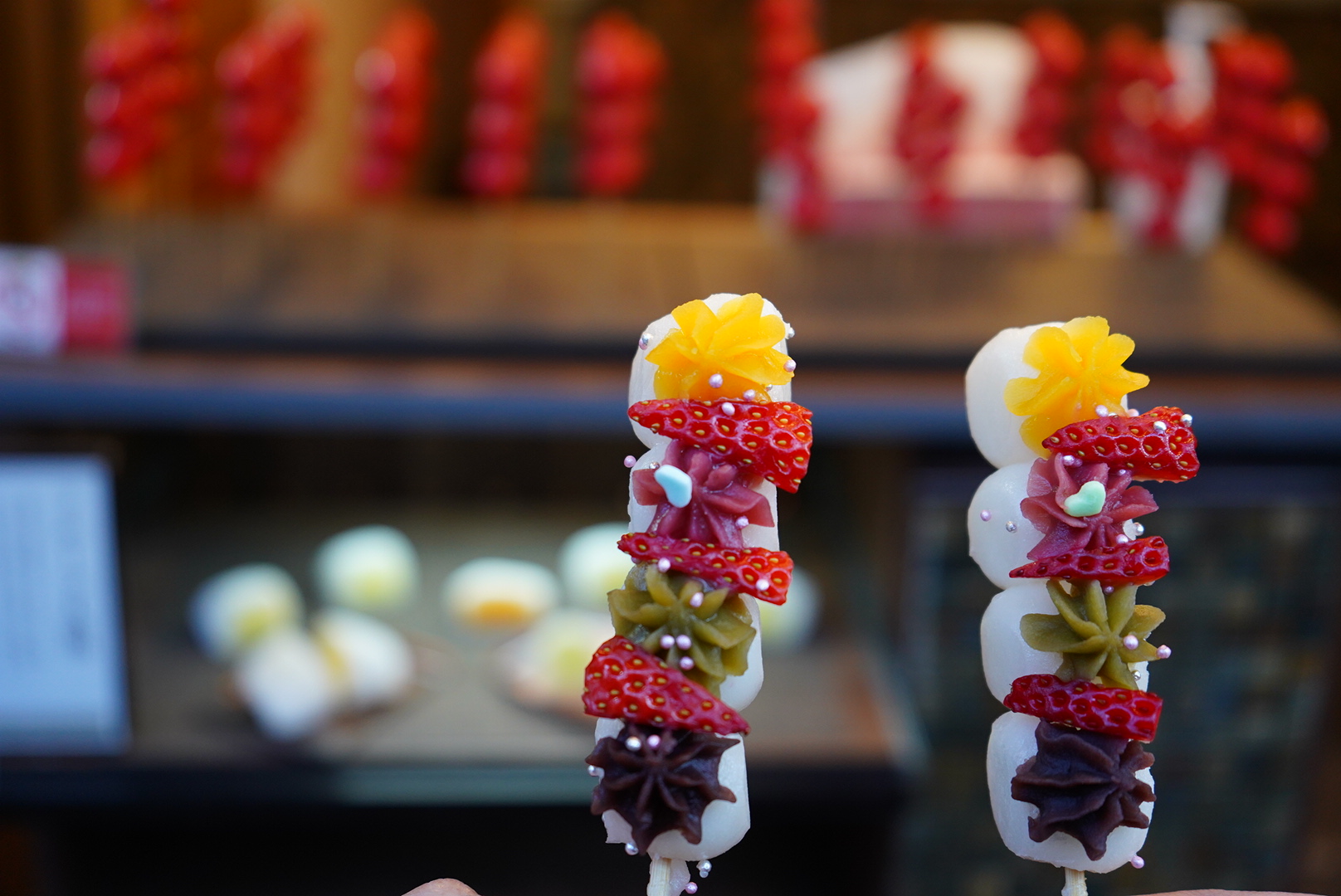
  • Yaki-dango: grilled rice dumplings with soy or miso glaze
  • Warabimochi: traditional sweet topped with kinako (roasted soy flour) or kuromitsu (brown sugar syrup)
  • Gelato: creative flavors made with local ingredients

Kamakura street food and snacks

Recommended Restaurants

NameCuisineHighlightsPrice rangeLocation
ShirasuyaSeafood bowlFamous nama-shirasu don; the seasonal kamaage shirasu don is excellent¥1,500 – ¥2,5005-min walk from Kamakura Station
Chaya "Juan"JapaneseAtmospheric tea house inside Tsurugaoka Hachimangu; kenchinjiru set is the signature dish¥1,200 – ¥1,800Inside Tsurugaoka Hachimangu
Milk HallCaféLong-running Kamakura café with a retro feel and homemade desserts¥800 – ¥1,50015-min walk from Kamakura Station
Iwata CoffeeCafé60+ years in business; sandwiches with local vegetables are a favorite¥800 – ¥1,5007-min walk from Kamakura Station
Kamakura Kamameshi KamakamaJapaneseCreative kamameshi (rice steamed in iron pots) with local ingredients¥1,500 – ¥3,000Along Komachi-dori

Note: Prices and hours can change. Check each restaurant's website or the local tourist office for the latest details.

Kamakura Through the Seasons

Each season transforms Kamakura's natural setting and brings its own events.

Spring (March – May)

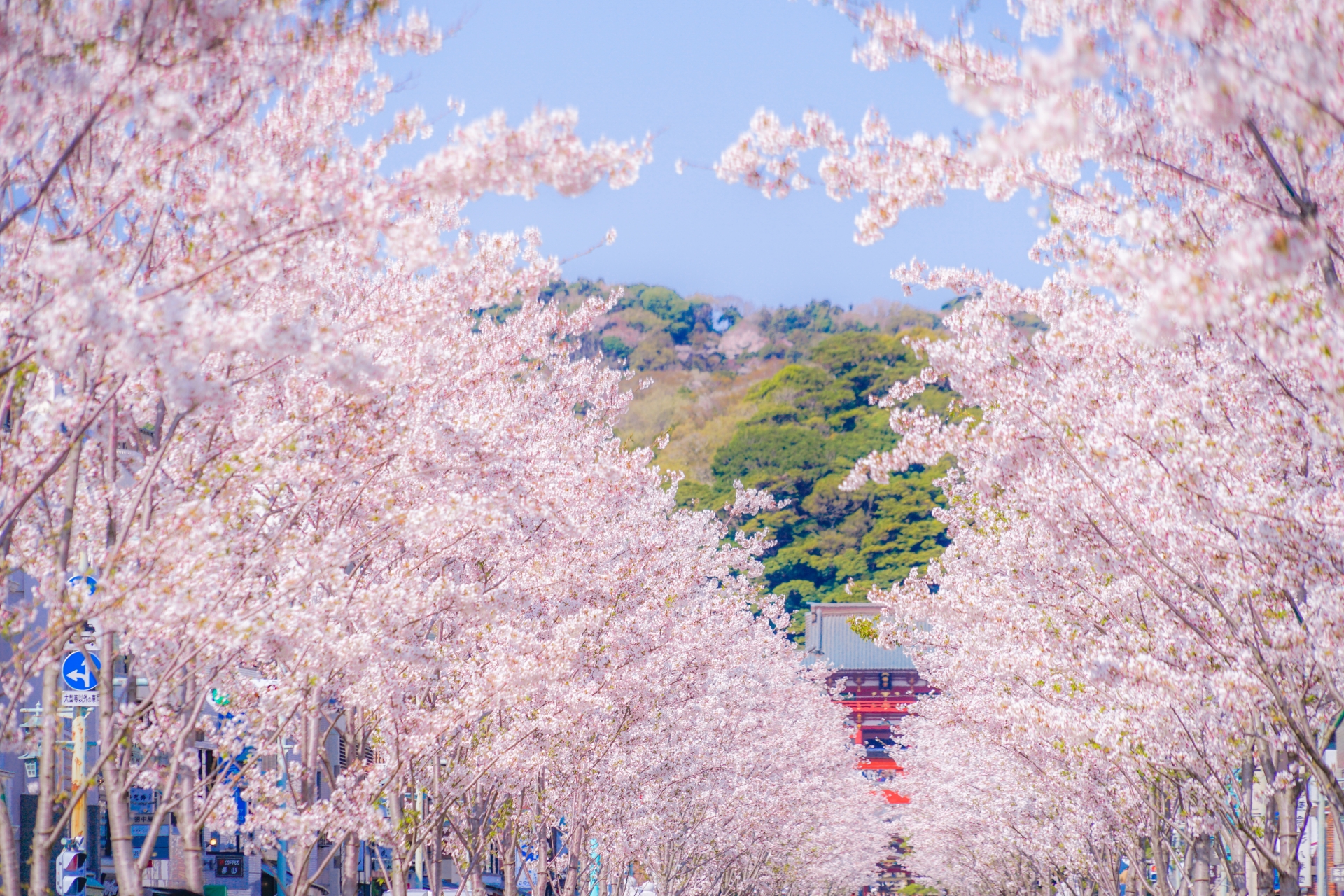
Cherry blossoms in Kamakura

Spring kicks off with cherry blossoms. Tsurugaoka Hachimangu's Dankazura, Genjiyama Park, and Ohba Castle Ruins Park are all famous viewing spots. April brings fresh green growth; in May, the rose garden at the Kamakura Museum of Literature hits its peak.

Major spring events

  • Kamakura Festival (mid-April): samurai parades and yabusame (mounted archery)
  • Takigi Noh (late May): atmospheric Noh performances at Tsurugaoka Hachimangu
  • Hana Matsuri (around April 8): a celebration of the Buddha's birth at temples around the city

Summer (June – August)

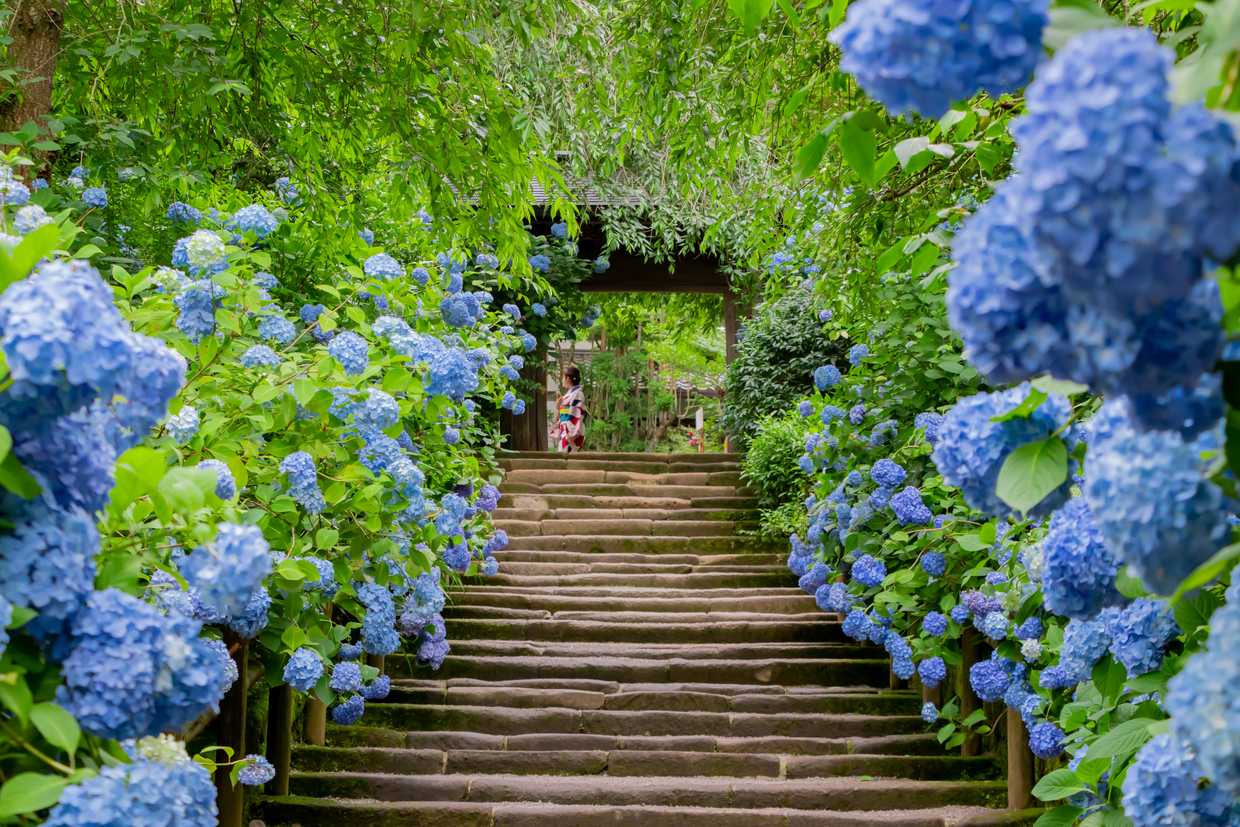
Hydrangeas in bloom in Kamakura

Hydrangeas come into full color in June. Meigetsu-in (the "Hydrangea Temple") and Hasedera draw huge crowds during the bloom. Once high summer arrives, you can swim at Yuigahama or Zaimokuza beaches, and the sunsets there are some of the area's best.

Major summer events

  • Hydrangea Festival (early to late June): held at Meigetsu-in, Hasedera, and elsewhere
  • Kamakura Fireworks Festival (late July): fireworks over Yuigahama Beach
  • Kamakura Bonbori Matsuri (early August): Komachi-dori and the Tsurugaoka Hachimangu approach lit up with paper lanterns

Autumn (September – November)

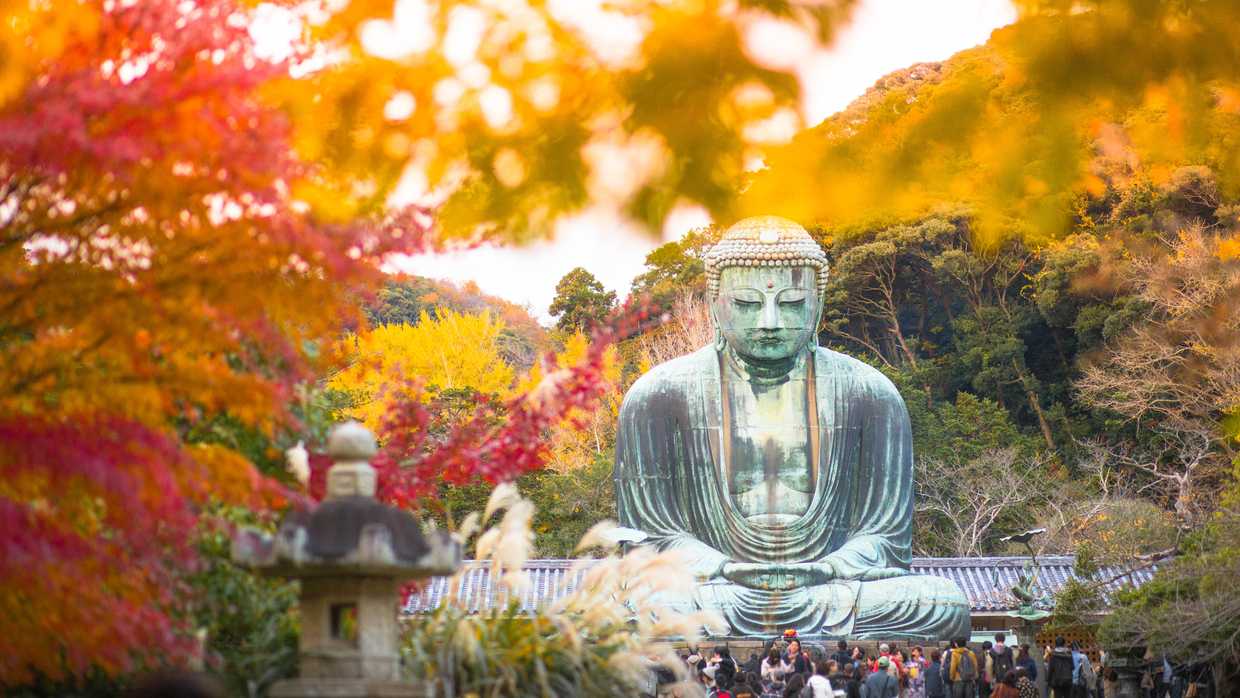
Autumn foliage at a Kamakura temple

Mild weather makes autumn a prime time to visit Kamakura. Temple gardens turn brilliant with red and gold — Engaku-ji, Kencho-ji, and Jōchi-ji are particularly popular for foliage. Harvest-season festivals also pop up around the city.

Major autumn events

  • Kamakura Arts Festival (September – November): a citywide arts event
  • Amazake Festival (early to mid-November): free amazake (sweet sake) at Tsurugaoka Hachimangu
  • Chrysanthemum Exhibition (late October to mid-November): held at Tsurugaoka Hachimangu

Winter (December – February)

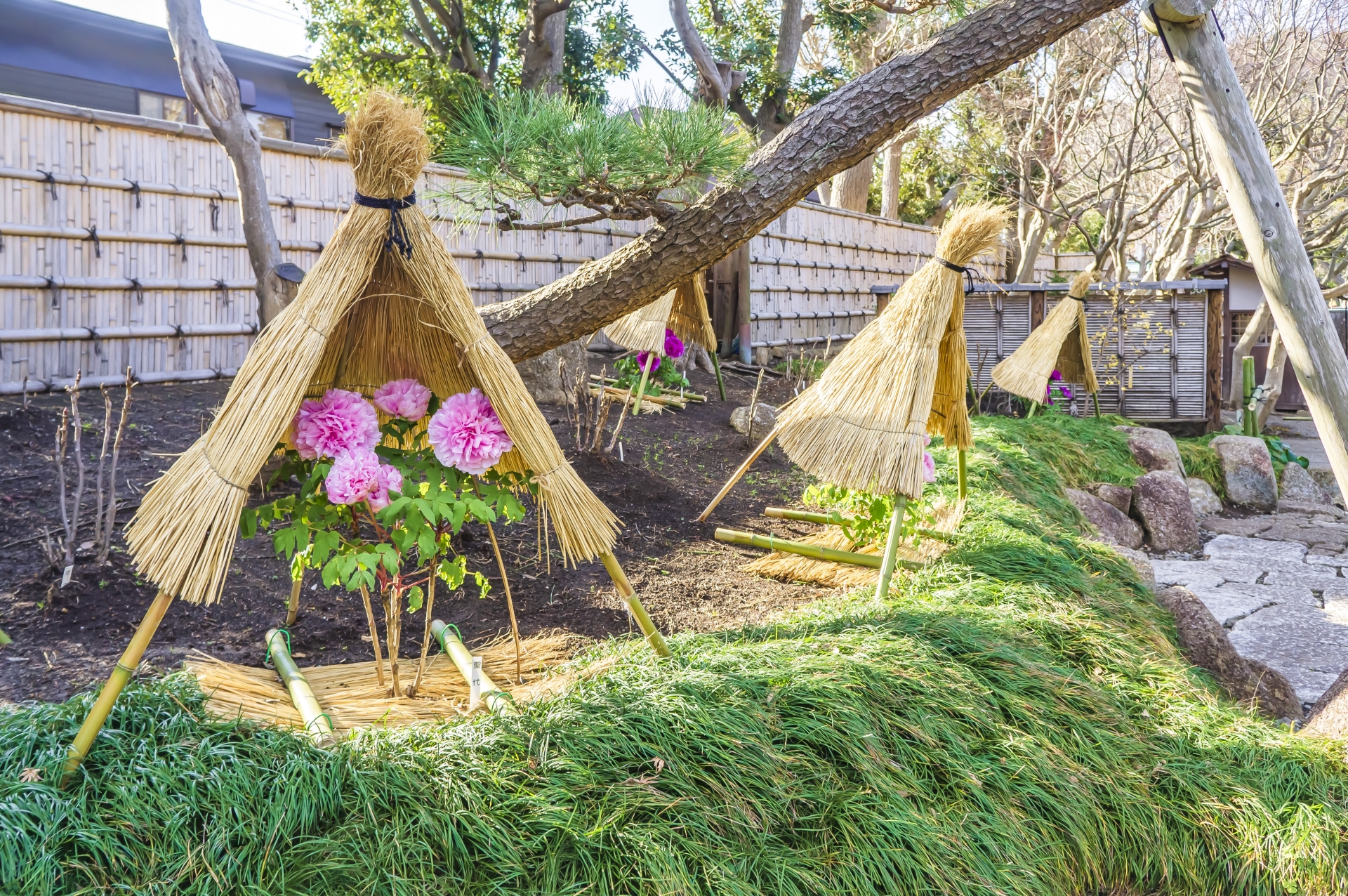
Quiet winter scene in Kamakura

Winter sees fewer tourists, which makes it a good time to soak up the quiet historic atmosphere. Tsurugaoka Hachimangu's winter peonies bloom, and Kaizo-ji and Tokei-ji put on early-blooming plum displays. Crisp winter days also produce remarkably clear long-distance views.

Major winter events

  • New Year visits (January 1 – 7): shrines like Tsurugaoka Hachimangu fill with first-of-the-year worshippers
  • Kamakura Ebisu (mid-January): a festival to the deity of commerce at Hongaku-ji
  • Kamakura 24 Kannon Pilgrimage (year-round): the quiet winter months are popular for the pilgrimage

Experiencing Japanese Culture

Traditional cultural experience in Kamakura

Kamakura is a great place to actually do — not just see — traditional Japanese culture. Some of the most popular options for international visitors:

Zazen Meditation

Many of Kamakura's Zen temples offer zazen sessions for visitors. At Engaku-ji and Kencho-ji, English-language programs walk you through breathing and posture. Sitting quietly in meditation is a direct way to experience Japan's traditional spiritual culture.

Recommended zazen experiences

  • Engaku-ji: regular zazen sessions for international visitors with English explanation
  • Kencho-ji: zazen experiences available for group bookings
  • Hokai-ji: small-group zazen sessions

Tea Ceremony

Tea ceremony is one of Japan's most distinctive traditional arts, and Kamakura has a few venues offering authentic experiences. You'll learn how to whisk matcha, the proper procedures, and the underlying aesthetics of wabi-sabi — and then enjoy matcha and Japanese sweets.

Recommended tea ceremony experiences

  • Engaku-ji Kigen-in: an authentic ceremony in a traditional tearoom
  • Kamakura Bunkakan Tsurugaoka Museum: tea ceremony combined with cultural lectures
  • Yō Shōmei Museum of Art: tea ceremony with a Japanese garden view

Kimono and Yukata Rental

Kamakura's atmospheric streets are perfect for a stroll in kimono or yukata. Rental shops cluster around Kamakura Station and on Komachi-dori, with packages that include dressing and hair styling. There are plenty of photo-worthy spots, which makes for a memorable day out.

Recommended kimono rental shops

  • Wagokoro Kamakura: near Kamakura Station, with a wide range of kimonos and friendly staff
  • Kimono Rental Baika: English-friendly and popular with international visitors
  • Kamakura Kimono Hare: half-day or full-day plans, plus photography support

Traditional Crafts

Workshops let you try your hand at traditional crafts — Kamakura-bori (Kamakura lacquered woodcarving), washi paper-making, ceramics — and take your work home as a souvenir.

Recommended craft experiences

  • Kamakura-bori Kaikan: hands-on Kamakura-bori, the city's signature craft
  • Kamakura Kaburaki Kiyokata Memorial Museum: seasonal cultural workshops
  • Kamakura Washi Studio: traditional handmade washi paper experiences

Things to Know Before You Go

Kamakura visitor walking near a temple

A few practical notes to make your visit more enjoyable.

How to Avoid the Crowds

Weekends and holidays are busy, and cherry blossom and hydrangea seasons are extremely so. A few strategies to dodge the worst of it:

  • Visit on weekdays — Tuesday through Friday tend to be quietest
  • Start early — popular temples and shrines are emptiest right after they open
  • Skip the lunch rush — restaurants get crowded between 11:30 a.m. and 1:30 p.m., so eat earlier or later
  • Run the route in reverse — most visitors start at Kamakura Station, so consider starting at Kita-Kamakura Station or the Daibutsu-mae bus stop
  • Time-shift the seasons — visit just before or after peak bloom for the same scenery without the crush
  • Use the Kamakura Passport — it gets you discounts at multiple sights

Etiquette at Temples and Shrines

Kamakura has many active religious sites, and a bit of awareness goes a long way:

  • Path of approach: the center of the path is reserved for the gods, so walk to the side
  • Shrine worship: bow once at the torii, purify your hands and mouth at the water basin, then approach the main hall. The standard form is two bows, two claps, then one final bow
  • Temple worship: give a small bow when passing through the main gate, and at the main hall, place your palms together in silence
  • Photos: only photograph in permitted areas. Most temple interiors are off-limits — check posted signs
  • Stay quiet: silence is part of the temple experience. Keep your voice down
  • Active services: if a ceremony is in progress, observe quietly or follow staff instructions if you're joining in

Caring for the Environment

Kamakura is working toward more sustainable tourism. A few ways visitors can help:

  • Take your trash with you — public bins are scarce
  • Use public transit — Kamakura has chronic traffic problems, so trains and buses help
  • Stay on trails — both on hikes and along the coast, leave plants and wildlife alone
  • Bring an eco-bag — cut down on plastic waste when you shop

Where to Stay

Kamakura has a wide range of accommodations. Pick what fits your travel style.

Types of Lodging and Their Strengths

TypeWhat it isStrengthsPrice (per night)
RyokanTraditional Japanese innCultural experience; Japanese meals; warm hospitalityFrom ¥15,000
HotelModern accommodationComfort, convenience, multilingual supportFrom ¥12,000
GuesthouseLodging with shared spacesAffordable; connect with other travelersFrom ¥4,000
Vacation rentalStay with a local familyLocal life; interaction with hostsFrom ¥8,000
Old-house stayStays in historic Japanese homesDaily life in a traditional homeFrom ¥10,000

Recommended Areas to Stay

Around Kamakura Station: excellent transit access; close to sights, restaurants, and shopping.

Hase and Yuigahama area: close to the Great Buddha and Hasedera, with quiet, scenic coastal surroundings.

Around Kita-Kamakura: Zen temple territory and a quieter atmosphere — good for a slower-paced stay.

Around Enoshima: handy if you want beach activities or plan to combine Kamakura with Enoshima sightseeing.

Booking Tips

  • Book early — for cherry and hydrangea seasons, weekends, and long holidays, reserve a few months ahead
  • Confirm the access — Kamakura's slopes and stairs add up, so check the location and how to get there
  • Meal plans — many ryokan and some hotels offer dinner-and-breakfast plans built around local ingredients
  • Amenities — international visitors should confirm Wi-Fi, multilingual support, and credit card acceptance
  • Accessibility — older travelers and wheelchair users should confirm barrier-free access in advance

Recommended Walking Routes

Half-Day Course: The Classic Kamakura

  1. Kamakura Station: starting point
  2. Komachi-dori: snacking and souvenir shopping (about 30 minutes)
  3. Tsurugaoka Hachimangu: worship and walk the grounds (about 40 minutes)
  4. Enoden: from Kamakura Station to Hase Station (about 10 minutes)
  5. Hasedera: explore the grounds and observation deck (about 60 minutes)
  6. Kotoku-in (Great Buddha): pay your respects to the iconic statue (about 40 minutes)
  7. Enoden: from Hase back to Kamakura Station (about 10 minutes)

Total time: about 3 hours 30 minutes (excluding meals)

One-Day Course: History and Nature

  1. Kita-Kamakura Station: starting point
  2. Engaku-ji: the second of the Five Great Zen Temples of Kamakura (about 45 minutes)
  3. Meigetsu-in: famous as the "Hydrangea Temple" (about 30 minutes)
  4. Kencho-ji: the first of the Five Great Zen Temples of Kamakura (about 45 minutes)
  5. Tsurugaoka Hachimangu: worship and walk the Dankazura (about 40 minutes)
  6. Komachi-dori: lunch and shopping (about 60 minutes)
  7. Enoden: from Kamakura to Hase (about 10 minutes)
  8. Hasedera: walk the grounds and take in the view (about 60 minutes)
  9. Kotoku-in (Great Buddha): worship and enter the statue's interior (about 40 minutes)
  10. Yuigahama: rest stop at the beach (about 30 minutes)
  11. Enoden: from Hase back to Kamakura (about 10 minutes)

Total time: about 6 hours (including meals)

Seasonal Special Courses

Spring (March – May): Cherry Blossoms and New Greenery

  • Tsurugaoka Hachimangu: cherry trees along the Dankazura
  • Genjiyama Park: a famous cherry blossom spot
  • Kamakura Museum of Literature: beautiful rose garden

Summer (June – August): Hydrangeas and the Sea

  • Meigetsu-in: the "Hydrangea Temple"
  • Hasedera: hydrangea-lined paths
  • Yuigahama and Zaimokuza Beach: swimming and sunset watching

Autumn (September – November): Fall Foliage

  • Engaku-ji: foliage across the grounds
  • Kencho-ji: views from Hansobo
  • Hokoku-ji: bamboo grove with autumn color

Winter (December – February): Quiet Kamakura

  • Tsurugaoka Hachimangu: winter peonies
  • Kaizo-ji: early-blooming plum trees
  • Hokoku-ji: snow on the bamboo garden

Kamakura Travel Tips

Useful Information for International Visitors

  • Kamakura City Tourist Information Center (East Exit of Kamakura Station): multilingual brochures and tourism info
  • Free Wi-Fi: "Kamakura Free Wi-Fi" is available at major sightseeing spots
  • Language support: the "Kamakura Welcome Guide" runs multilingual volunteer guide services
  • Tourism app: the "Kamakura Sightseeing Map" app provides multilingual tourism information
  • Emergency contacts: police 110, ambulance 119, Kamakura Police Station 0467-23-0110

Combining Kamakura With Other Destinations

Pairing Kamakura with nearby destinations makes for a richer trip:

  • Enoshima: about 20 minutes by Enoden — observation deck, sea caves, and a shrine
  • Yokohama: about 30 minutes by train — Chinatown, Minato Mirai, and Yamashita Park
  • Hakone: hot springs, art museums, and Mt. Fuji views
  • Tokyo: the capital, with a huge variety of sights

What to Pack

  • Comfortable shoes: lots of slopes and stairs, so good shoes are essential
  • Seasonal clothing: summers are humid and winters can be windy, so dress accordingly
  • Sun protection: hats and sunscreen are important in summer
  • Small change: handy for temple admission and train fares
  • Mobile battery: a full day of sightseeing can drain your phone
  • Tissues: some public restrooms don't provide them
  • A folding umbrella: useful in any season — sudden rain happens

Summary

Kamakura is a special place where over a thousand years of tradition meet a beautiful natural setting. Stately temples and shrines, refined gardens, lively shopping streets, and seasonal landscapes all sit within a small footprint.

The hour-long ride from Tokyo makes it ideal for a day trip — though if you can stay a night or two, the early-morning and evening hours bring out a quieter side of the old capital that's worth experiencing.

Use this guide to plan your version of Kamakura, and bring home memories you'll keep coming back to.

関連記事

おすすめ記事