Harajuku Travel Guide | The Home of Japan’s Kawaii Culture - GTN MAGAZINE
日本語
日本語
English

Harajuku Travel Guide | The Home of Japan’s Kawaii Culture

Harajuku is one of Tokyo’s must-visit destinations for international travelers. Known as a center of youth culture and fashion, the area is filled with unique styles, colorful sweets, trendy shops, and plenty of one-of-a-kind experiences.

This guide introduces the many sides of Harajuku, from its history and culture to the latest trendy spots and recommended local foods, helping you make the most of your visit to this vibrant neighborhood.

The History and Culture of Harajuku

From the Edo Period to the Present Day

Surprisingly, the history of Harajuku dates back to the Kamakura period. 

The name "Harajuku" is said to originate from the fact that a family of samurai with the surname "Hara" lived in this area. During the Edo period, it developed as a fork between the Tokaido and Koshu Kaido highways, and a post town was formed.

In the Meiji era, it became a high-class residential area lined with the mansions of nobles, and Harajuku Station opened in 1906 with the extension of the Yamanote Line. In 1920, Meiji Jingu Shrine was established, and as the number of worshipers increased, it began to develop as a commercial area.

The name "Harajuku" does not officially exist as a residential address today, but it has become established as a name for the area centered on JR Harajuku Station. As an administrative district, it is included in Jingumae, Shibuya-ku.

The Birthplace of Kawaii Culture

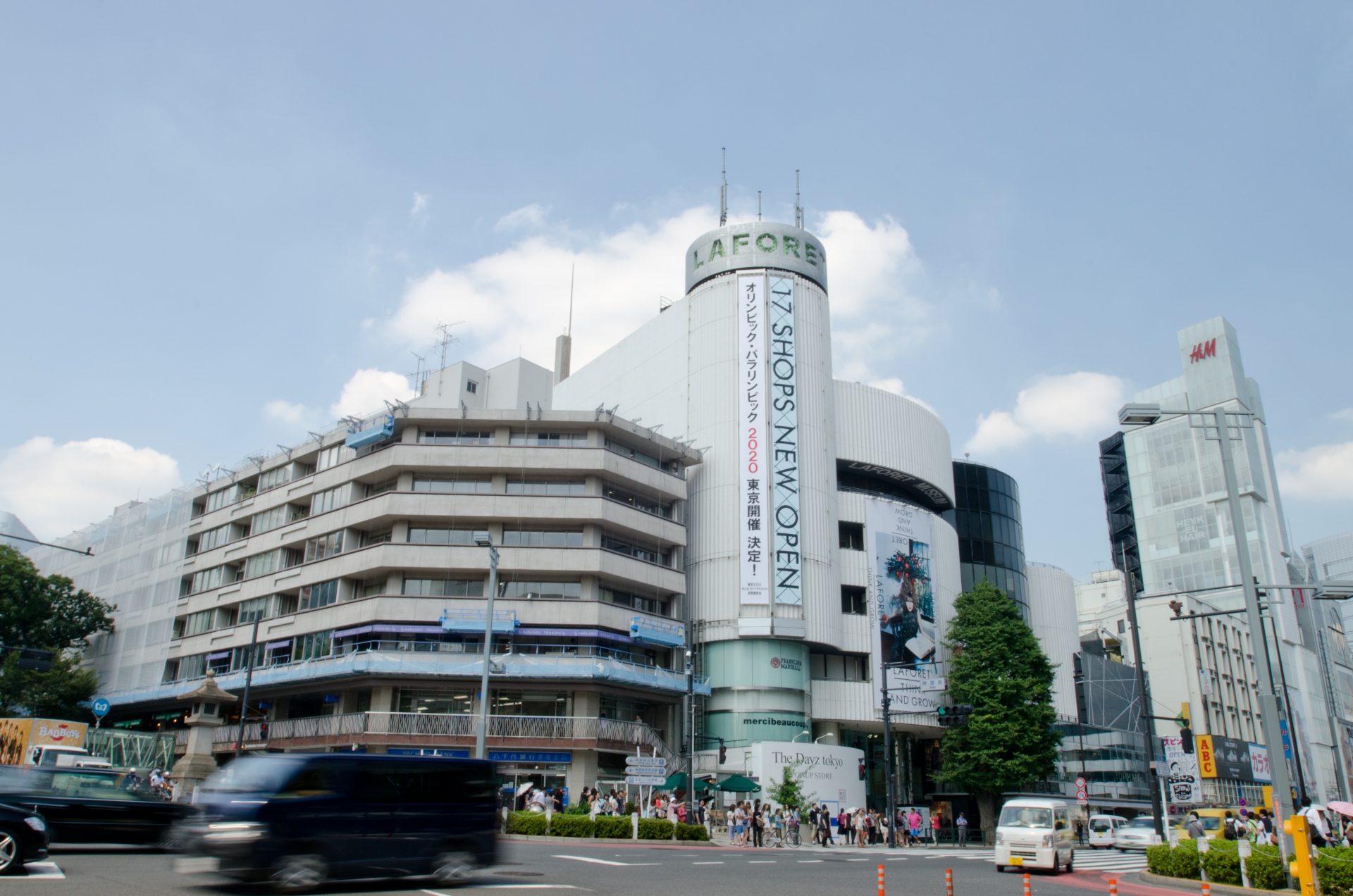
It was after the 1970s that Harajuku became known worldwide. It began to attract attention as a trendsetting place for young people, and in 1978, "Laforet Harajuku" opened. Many designers and creators gathered, and a unique "Harajuku culture" was formed.

From the 1990s to the 2000s, unique street fashions such as "Decora" and "Lolita fashion" blossomed and attracted attention from all over the world. It was during this period that the term "Harajuku-kei" was born, and it became recognized worldwide as the center of colorful and pop "kawaii culture."

Today, Harajuku's unique atmosphere, which combines tradition and modernity, is a popular spot for foreign tourists.

How to Get to Harajuku

Access by Train

Access to Harajuku is very convenient. The main stations and lines are as follows:

Station NameLineFeatures
JR Harajuku StationJR Yamanote LineImmediate access to Takeshita Street from the Takeshita Street exit
Meiji-jingumae StationTokyo Metro Chiyoda Line / Fukutoshin LineClose to Cat Street and Omotesando
Omotesando StationTokyo Metro Ginza Line / Chiyoda Line / Hanzomon LineConvenient for Omotesando Hills and the Aoyama area

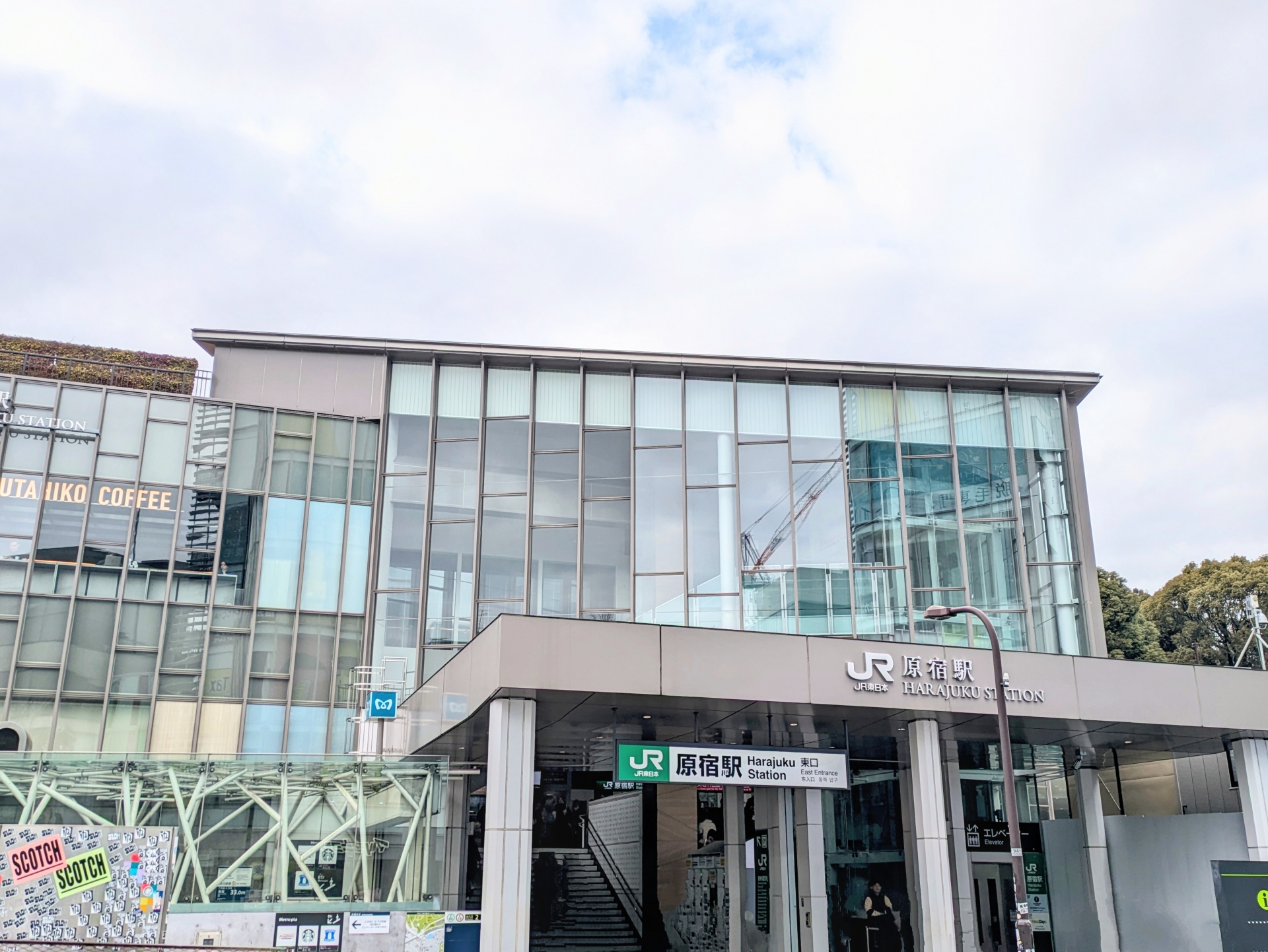
JR Harajuku Station was renovated into a new station building in 2020, making it a more spacious space than before. As soon as you exit the Takeshita exit of the station, you will arrive at Takeshita Street, making it the most convenient gateway for Harajuku sightseeing.

Access by Bus

Toei buses and Tokyu buses also operate in the Harajuku area. Buses from "Shibuya Station" and "Shinjuku Station" are particularly convenient. For foreign tourists, we also recommend using the sightseeing loop bus "Hato Bus."

Access by Taxi

Tokyo taxis are clean, comfortable, and the drivers provide excellent service. If you tell the driver "Harajuku Station" or "Takeshita Street," most of them will know. If you have a language problem, we recommend that you ask the hotel concierge to arrange a taxi for you.

Geography of the Harajuku Area

The Harajuku area is roughly divided into the following three areas:

  1. Around Takeshita Street - The center of kawaii culture, with many inexpensive shops for young people.
  2. Omotesando Area - A fashionable area with high-end brand shops.
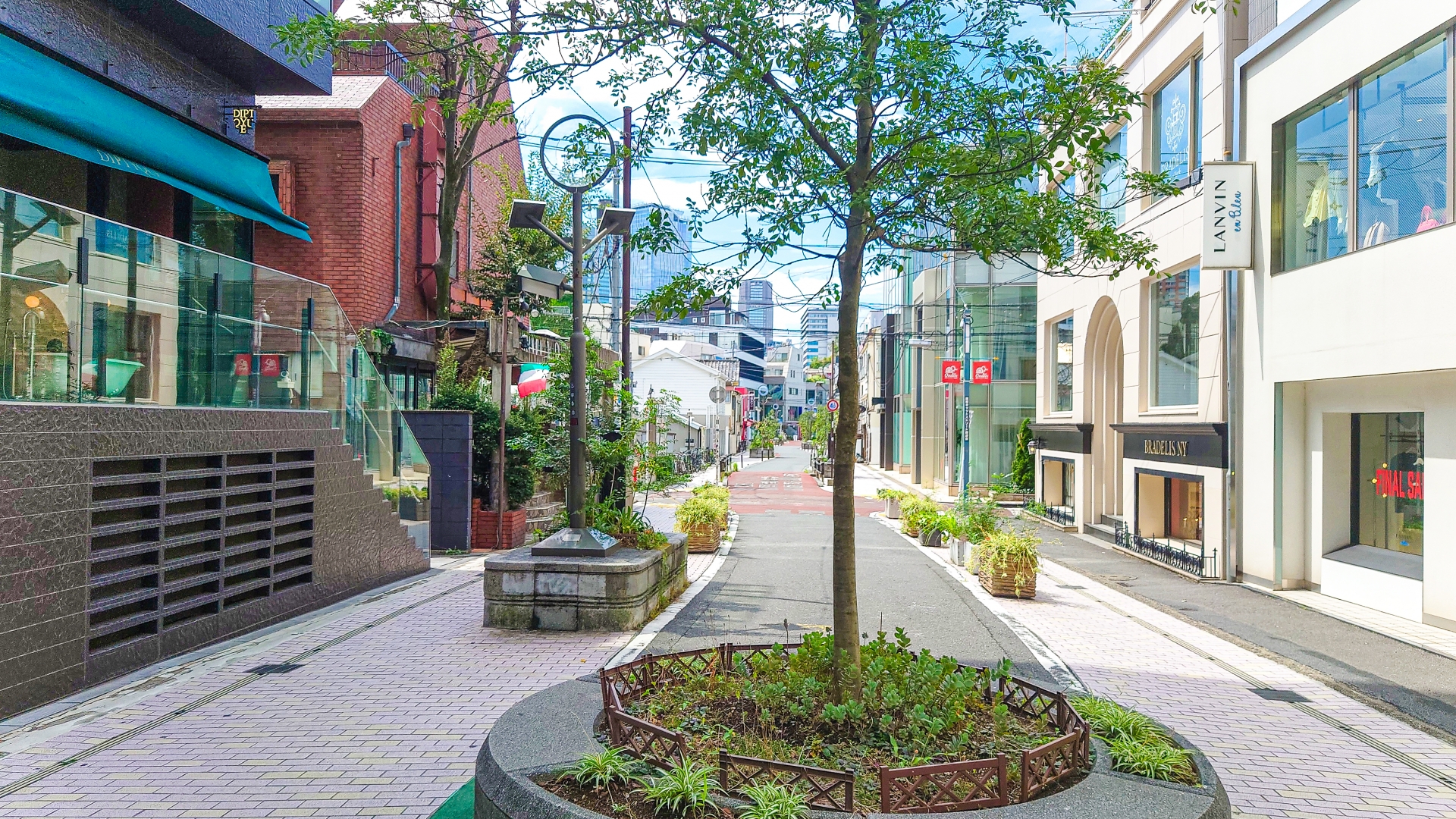
  3. Cat Street - A promenade on the former Shibuya River culvert, where fashionable shops are gathered.

A typical route for first-time visitors to Harajuku is to start strolling from Takeshita Street and head towards Omotesando.

Must-Visit Popular Spots in Harajuku

Takeshita Street

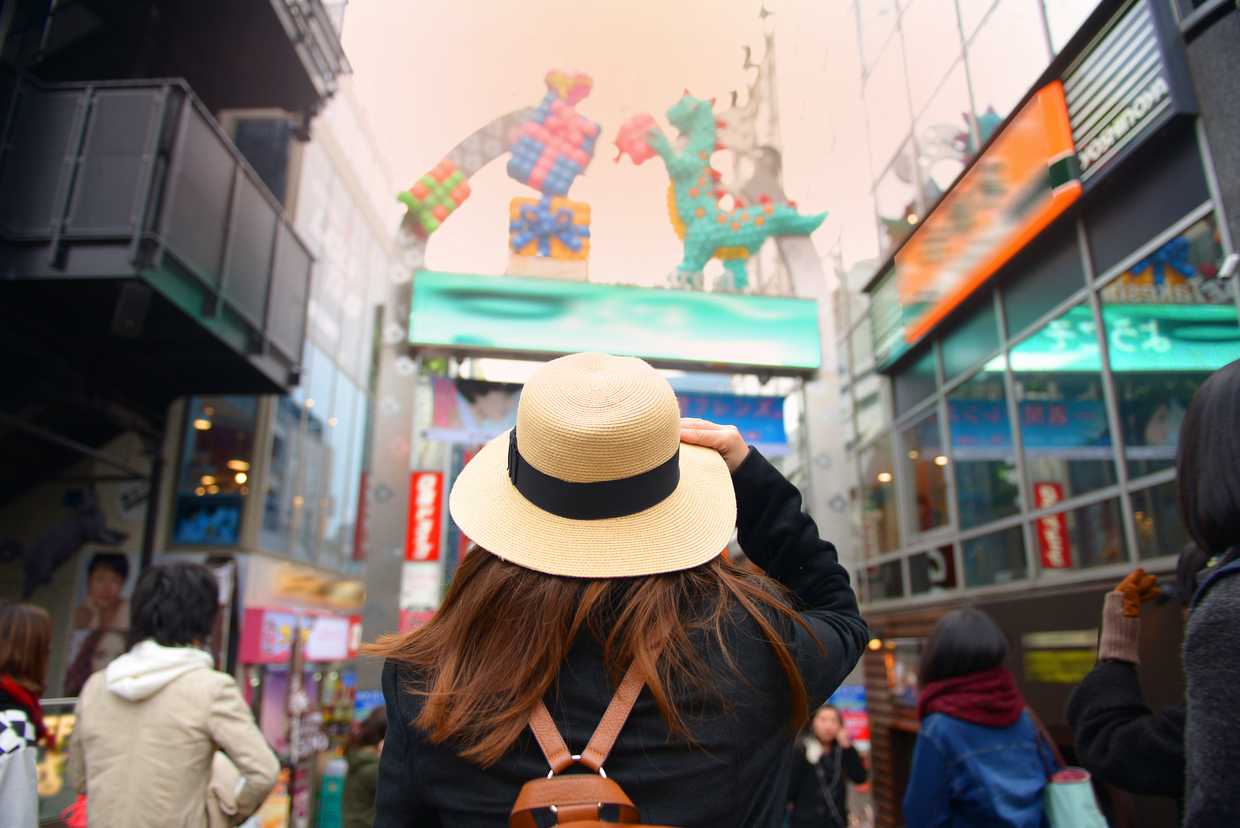
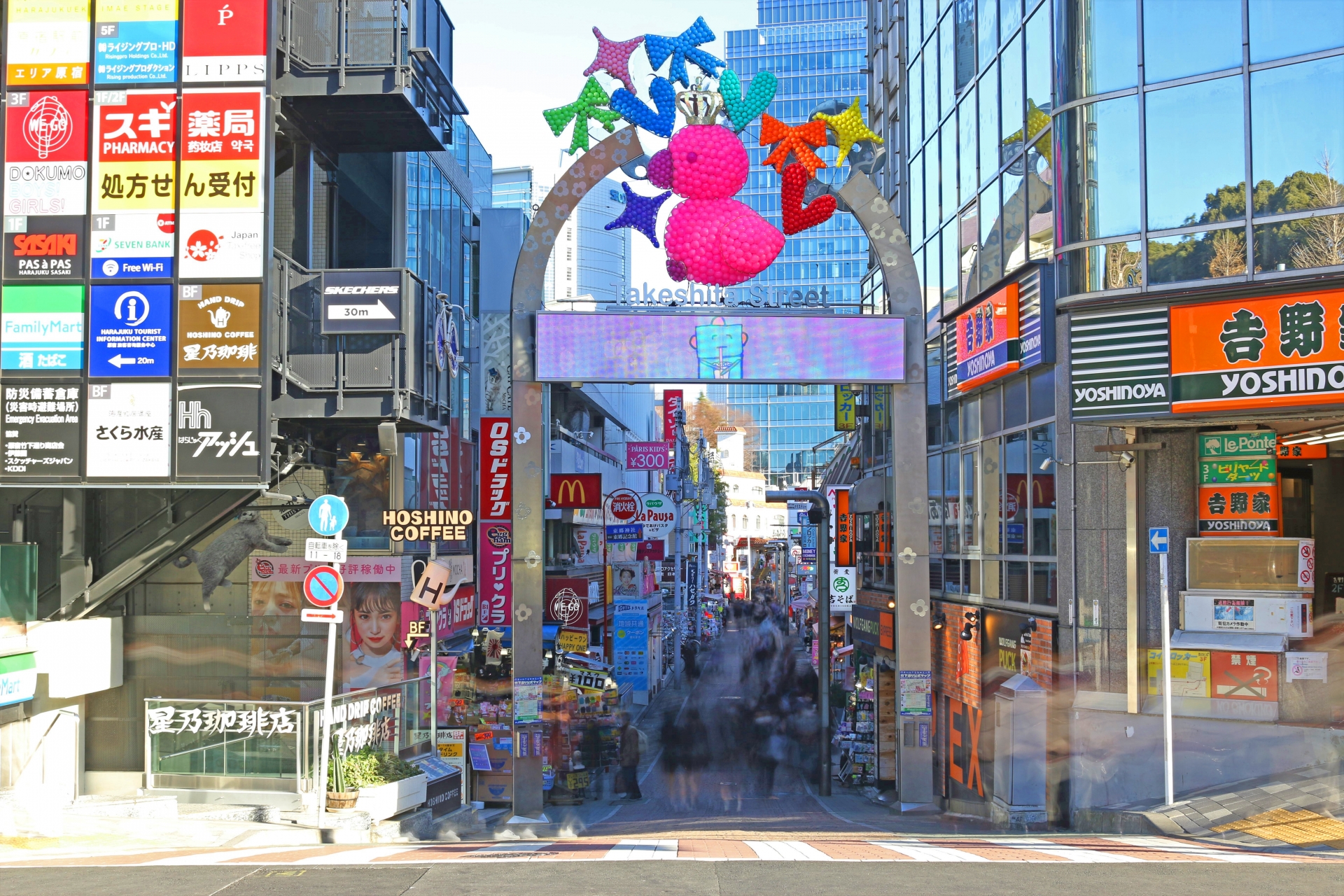
Takeshita Street, a symbol of Harajuku, is a shopping street with a total length of about 350m. It extends from the Takeshita exit of Harajuku Station to Meiji-dori, and is always crowded with many young people and tourists. There are about 80 stores, including colorful and pop variety stores, crepe shops, and accessory shops.

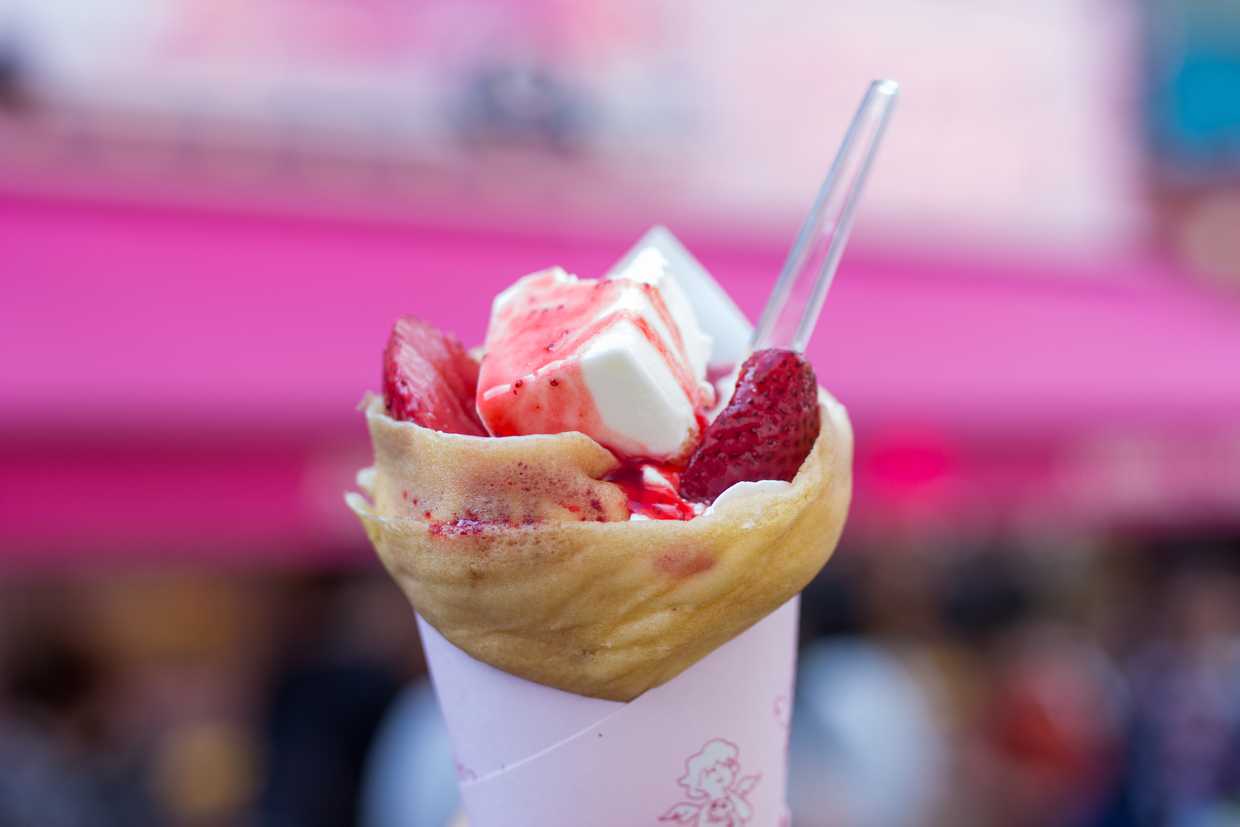
Particularly popular with foreign tourists is "Takeshita Street Crepes." There are more than 20 flavors, and the colorful toppings are a characteristic feature. Many tourists visit for the purpose of posting on Instagram, as it is very photogenic.

There are also small shopping malls such as "CUTE CUBE HARAJUKU" and "Takeshita Street Shopping Arcade." There are many souvenir shops for foreign tourists, where you can buy character goods that symbolize Japanese pop culture.

Meiji Jingu Shrine

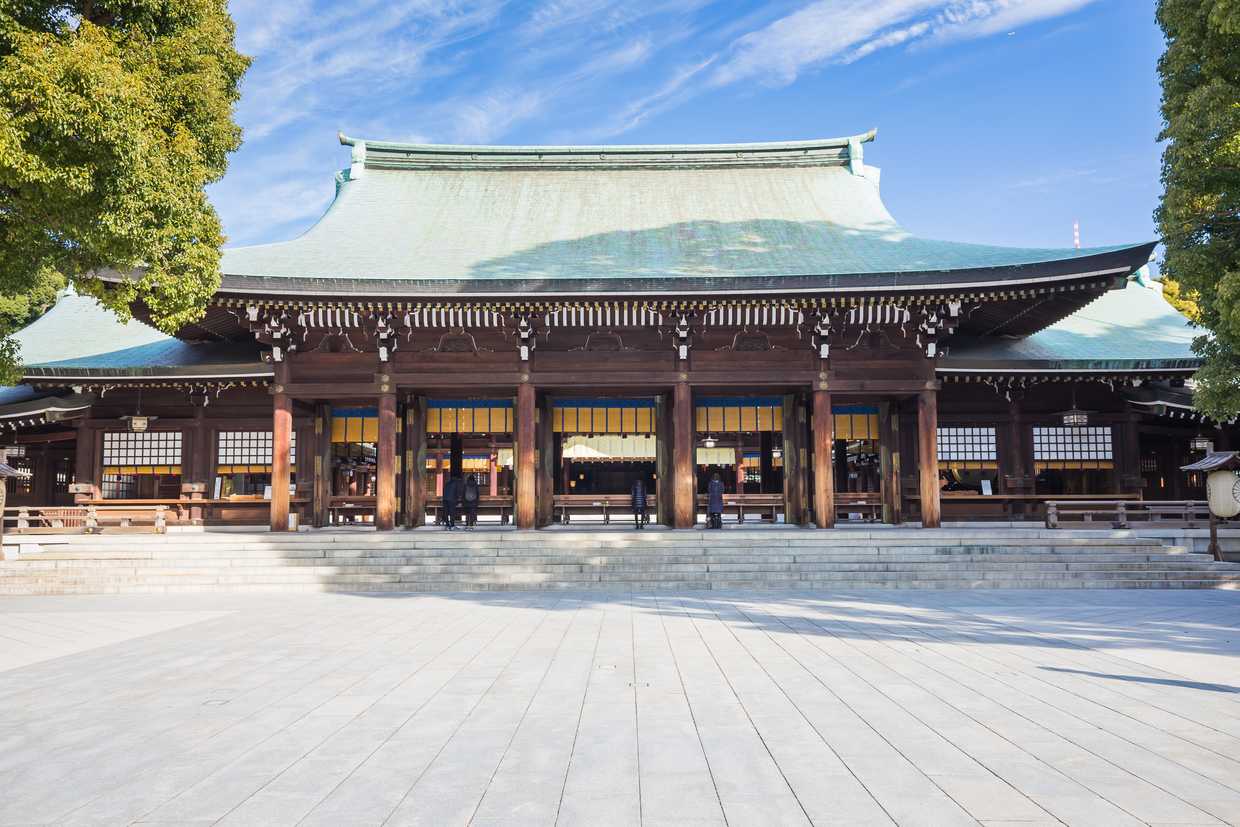
In a complete change from the hustle and bustle of the city, Meiji Jingu Shrine is a sacred place wrapped in silence. A 5-minute walk from Harajuku Station, the shrine, surrounded by a vast forest of about 70 hectares, is dedicated to Emperor Meiji and Empress Shoken.

When you pass through the large torii gate at the entrance, a path surrounded by about 100,000 trees continues. It is amazing that this forest was artificially created and took over 100 years to become what it is today.

Traditional Japanese weddings are often held at the shrine, and if you are lucky, you may encounter a bridal procession. While observing the worship manners, why not refresh yourself in the silence that you would not expect in the city center?

Cat Street

This is a promenade built on the culvert of the Shibuya River, and its official name is "Kyu-Shibuya-gawa Yuhodoro," but it is locally called "Cat Street." This street, which connects Omotesando and Shibuya, is a spot where fashion-conscious people gather, with stylish select shops and cafes.

You can enjoy a calm atmosphere that is different from the hustle and bustle of Takeshita Street, with second-hand clothing stores, designer shops, and modern cafes. Especially on weekends, street performers often gather, and you can enjoy a unique cultural atmosphere.

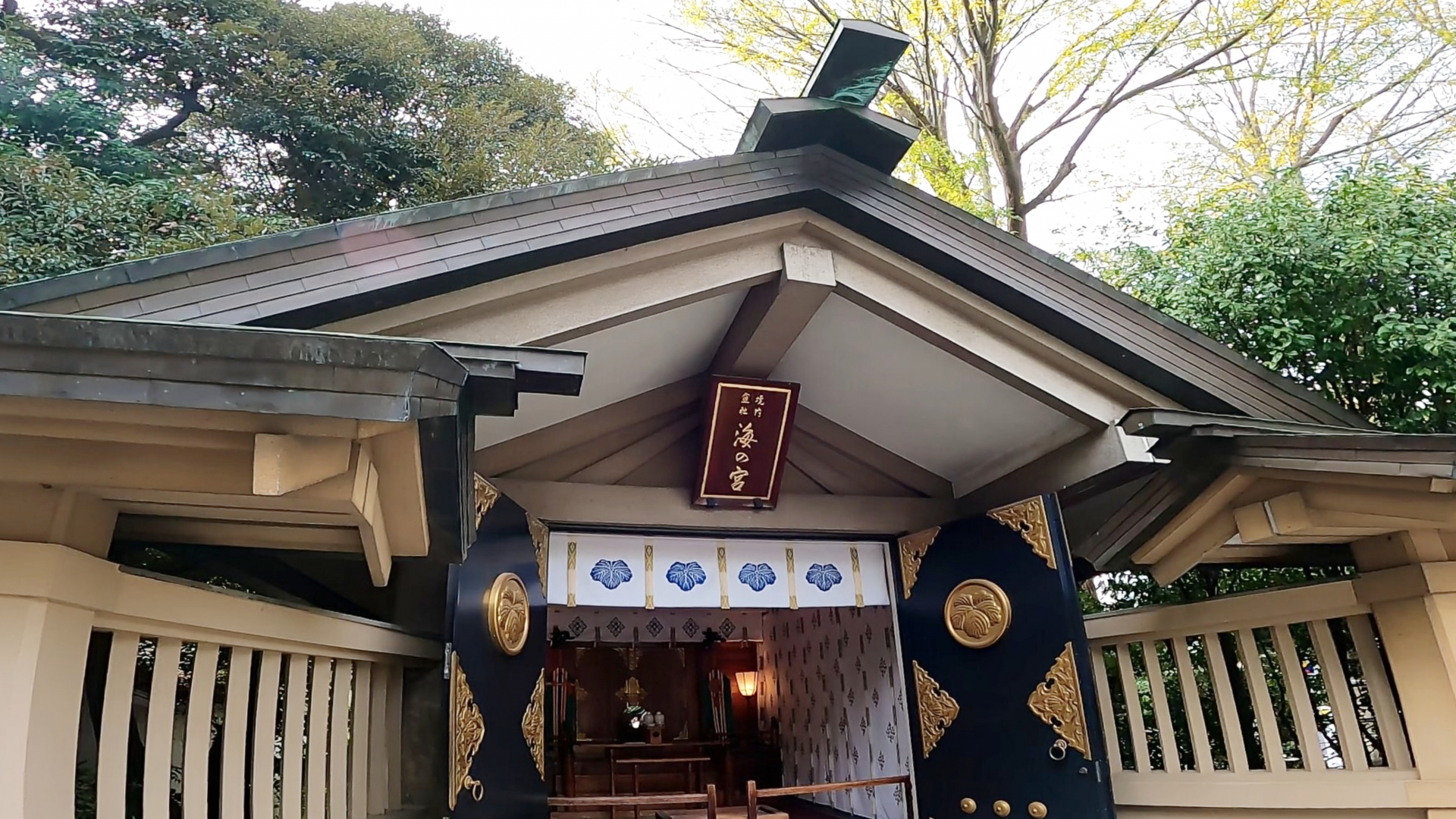
Togo Shrine

Togo Shrine, located in a quiet place a short walk from Meiji-dori, is a shrine dedicated to Heihachiro Togo, a hero of the Russo-Japanese War. It is also popular as a power spot, as the water at the chozuya (purification trough) is spring water.

It is said to be particularly beneficial for finding love, and is a hidden gem visited by young Japanese people. For foreign tourists, it is a hidden spot where you can enjoy a traditional Japanese atmosphere away from the hustle and bustle.

Watari Museum of Contemporary Art

The Watari Museum of Contemporary Art, known as a center for contemporary art, is a private museum that exhibits the works of contemporary artists from Japan and abroad. The museum is a 9-story building, and different special exhibitions are held on each floor.

For foreign tourists interested in art, it will be a good opportunity to learn about the Japanese contemporary art scene. The exhibition content changes regularly, so we recommend checking the official website in advance.

Shopping Spots in Harajuku

Large Shopping Malls

There are many commercial facilities in Harajuku, where you can enjoy various styles of shopping:

Facility NameFeaturesRecommended Points
Laforet HarajukuThe center of Harajuku fashionMany Japanese youth brands have stores here
Tokyu Plaza Harajuku "Harajuku Kado"A new facility opened in 2024The view from the rooftop terrace is wonderful
WITH HARAJUKUDirectly connected to JR Harajuku StationNintendo TOKYO is popular
Omotesando HillsA high-end mallWorld-famous brands are gathered here

Among them, "Laforet Harajuku" has been a place where many young people have gathered as a center of Harajuku fashion since its opening in 1978. There are about 110 shops in the building, which has 6 floors above ground and 2 floors below, and you can experience the latest fashion trends in Japan.

"Tokyu Plaza Harajuku Harakado," which opened in April 2024, is a hot topic for its first public bath in Harajuku, "Kosugiyu Harajuku," on the first basement floor. As a valuable spot where you can experience traditional Japanese public bath culture, it is also attracting attention from foreign tourists.

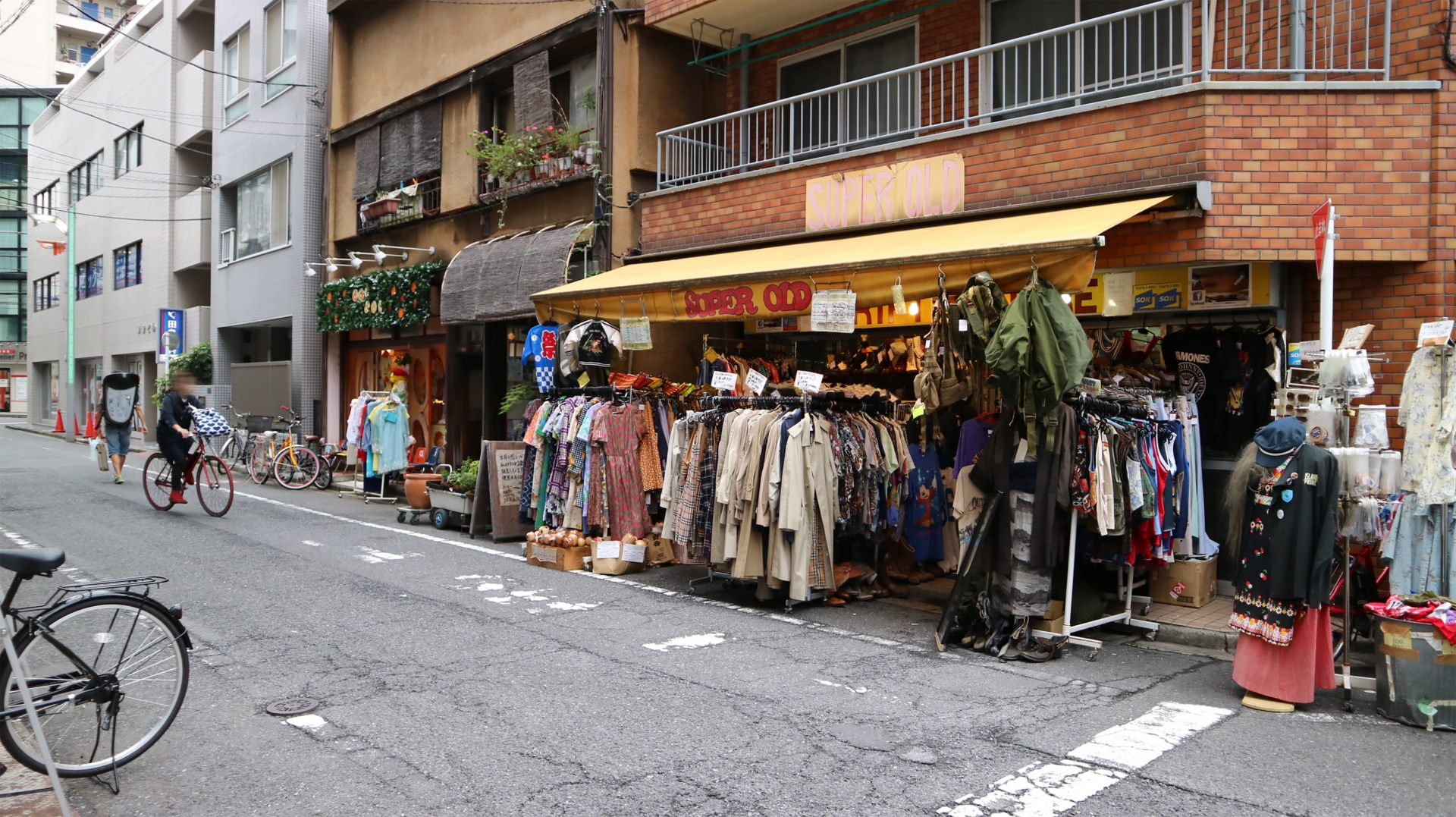
Second-hand Clothing Stores

Harajuku is also known as a mecca for second-hand clothing. You can enjoy second-hand clothing shopping in the following areas:

  • Around Takeshita Street - Many second-hand clothing stores with relatively reasonable prices.
  • Cat Street - Lined with high-end second-hand clothing stores with a vintage feel.
  • Ura-Harajuku Area - Dotted with specialty stores that attract core fashion lovers.

Japanese second-hand clothing is of good quality and there are many unique items that are hard to find overseas, so it is especially recommended for fashion-loving foreign tourists.

Specialty Stores and General Stores

There are also many unique specialty stores and antique shops in Harajuku.

  • Kiddy Land Harajuku - A long-established toy store with a wide variety of Japanese character goods.
  • ASOKO - A popular store with simple and cute design goods.
  • SPIRAL - A complex cultural facility that fuses fashion, art, and design.
  • Design Festa Gallery - A gallery that exhibits and sells the works of young artists.

Particularly popular with foreign tourists is "Kiddy Land." The 5-story store has a wide variety of goods from Japanese anime characters and local characters, making it a perfect spot for buying souvenirs.

Harajuku Gourmet Guide

Street Food

Harajuku is famous for its "street food," which can be easily eaten with one hand.

Gourmet NameShopFeatures
Takeshita Street CrepesAngel's Heart, etc.Colorful crepes filled with plenty of fruit and cream
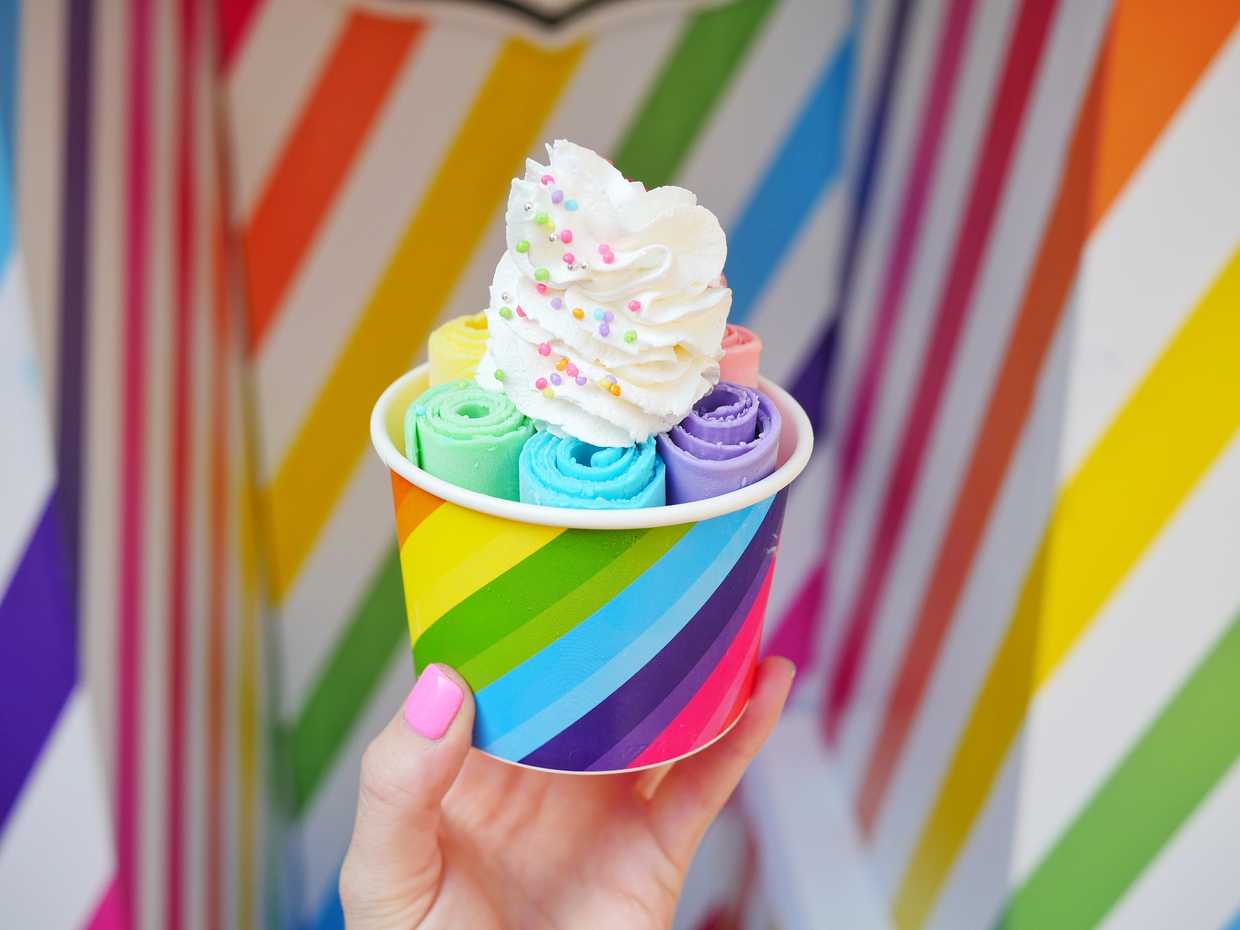
Rainbow Cotton CandyTotti Candy FactoryHuge cotton candy that is perfect for Instagram
Cheese DogMILKHot dog with stretchy cheese
TakoyakiTsukiji GindacoAuthentic Osaka-style takoyaki that is crispy on the outside and soft on the inside

In particular, "Takeshita Street Crepes" are a classic Harajuku gourmet. Crepes, which were brought to Japan by a French chef in the 1970s, are now a symbolic food of Harajuku. There are more than 20 flavors, and the colorful and photogenic visuals are also attractive.

Restaurants

For those who want to fill their stomachs, the following restaurants are recommended:

•bills Tokyu Plaza Omotesando Harajuku - Famous for the "Ricotta Pancakes," the queen of breakfast from Australia.

•AFURI Harajuku - The light yuzu salt ramen is very popular with foreign tourists.

•Blue Garden - A bright restaurant with a terrace where you can enjoy Hawaiian food.

•Chachanoma - A long-established restaurant where you can enjoy authentic Japanese tea and Japanese food in a modern Japanese space.

Among them, "AFURI Harajuku" is a particularly popular ramen shop with foreign tourists. The ramen, which has a light yuzu scent, is said to be easy for foreigners who are trying Japanese ramen for the first time to accept.

Cafes Popular with Foreigners

There are many unique cafes in Harajuku. Here are some of the cafes that are particularly popular with foreign tourists.


Animal Cafes

Animal cafes, which originated in Japan, are particularly popular with foreign tourists.

  • mipig cafe Harajuku - A cafe where you can interact with cute mini pigs.
  • Cat Cafe MOCHA Harajuku - A popular cat cafe with over 20 cats.
  • Owl Cafe Harajuku - A rare cafe where you can take pictures with owls.

In particular, "mipig cafe Harajuku" was selected as the most popular restaurant for foreigners in the Harajuku area in a 2025 survey. The experience of enjoying drinks while interacting with cute mini pigs is a unique Japanese experience that is well-received.

Theme Cafes

There are also many cafes with unique concepts in Harajuku.

  • Kawaii Monster Café - A theme cafe with a colorful and pop worldview.
  • Ninja Cafe Harajuku - An entertainment cafe where you can experience the world of ninjas.
  • Harajuku Christie - A long-established tea specialty store with a history of over 50 years.

"Kawaii Monster Café" is a space that condenses the kawaii culture of Harajuku and is extremely popular with foreign tourists. The colorful interior and eccentric menu are spots where you can feel Japanese pop culture firsthand.

Stylish Cafes

For those who want to spend an elegant time in a stylish atmosphere, a cafe is recommended.

  • Pan to Espresso to - A stylish cafe popular for its homemade bread.
  • Kajitsuen Reeber Harajuku - Proud of its menu that uses plenty of fruit.
  • ELLE café Aoyama - A modern cafe with a high health consciousness.

"Pan to Espresso to" is a popular shop that is particular about its homemade bread and espresso. Since it is open from 7 am, it is also perfect for foreign tourists who want to start sightseeing in Harajuku from early in the morning.

Sightseeing Spots Around Harajuku

When you visit Harajuku, it is recommended to also visit the surrounding areas.

Yoyogi Park

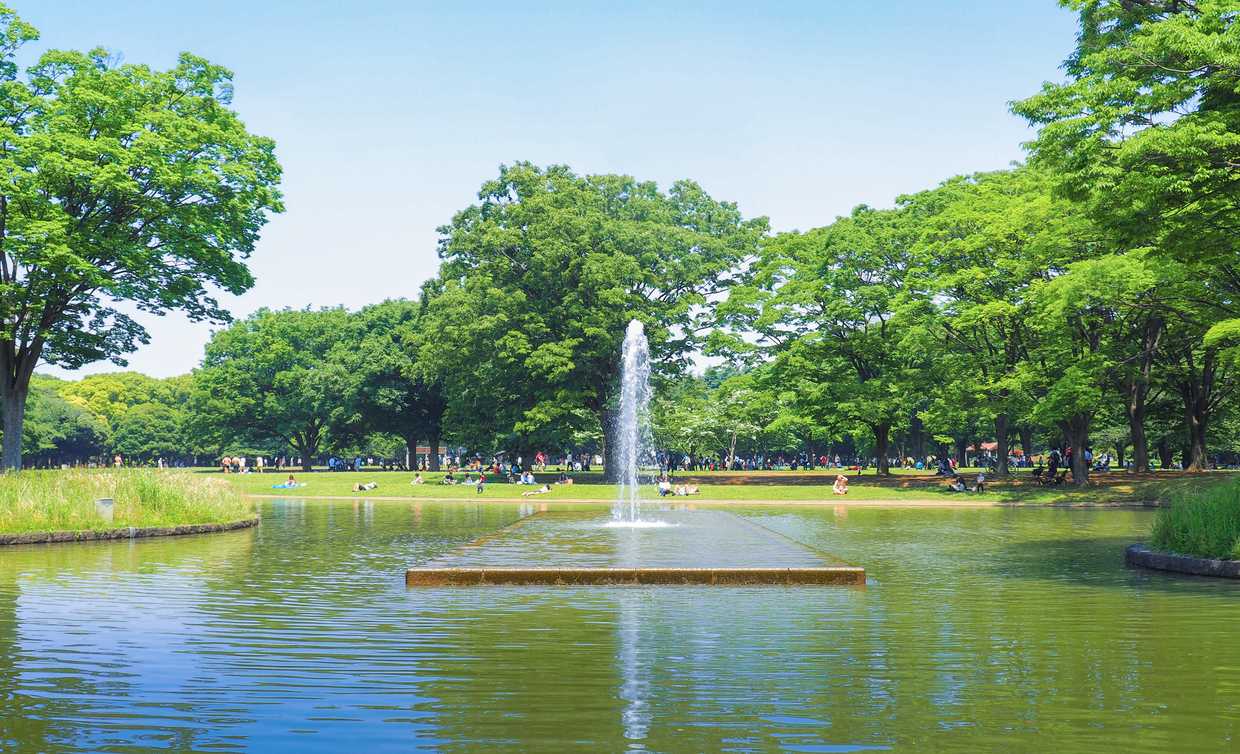
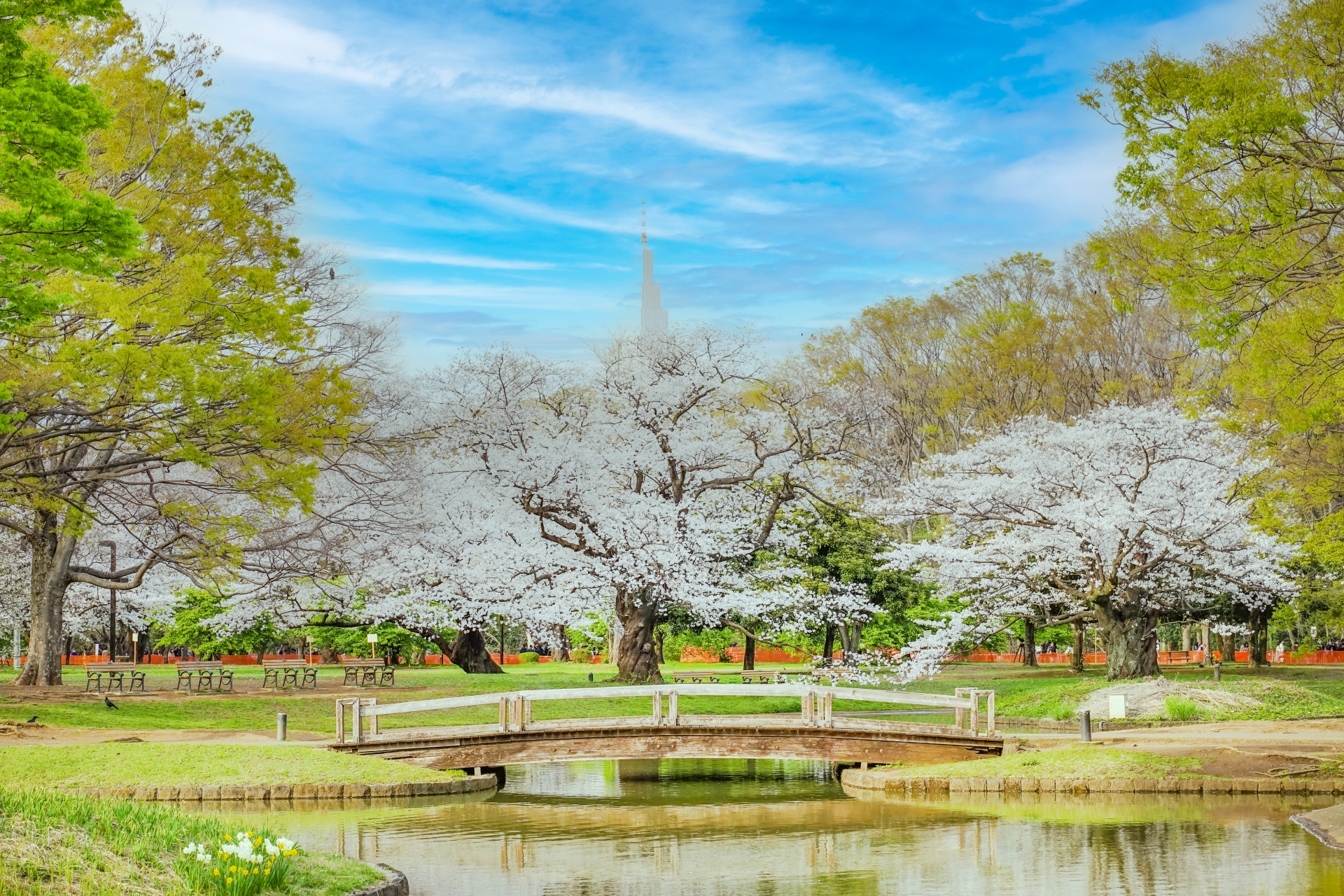
Located next to Meiji Jingu Shrine, Yoyogi Park is a vast urban park of about 54 hectares. It is a perfect spot to relax in a lush green environment, and flea markets and events are often held on weekends.

In spring, about 600 cherry trees are in full bloom, and it is crowded with many cherry blossom viewers during the full bloom season. In addition, "Tokyo Rainbow Pride" is held in early June, and many people gather as an LGBTQ festival.

If you get tired from shopping and sightseeing in Harajuku, it is also recommended to take a break in this park.

Omotesando

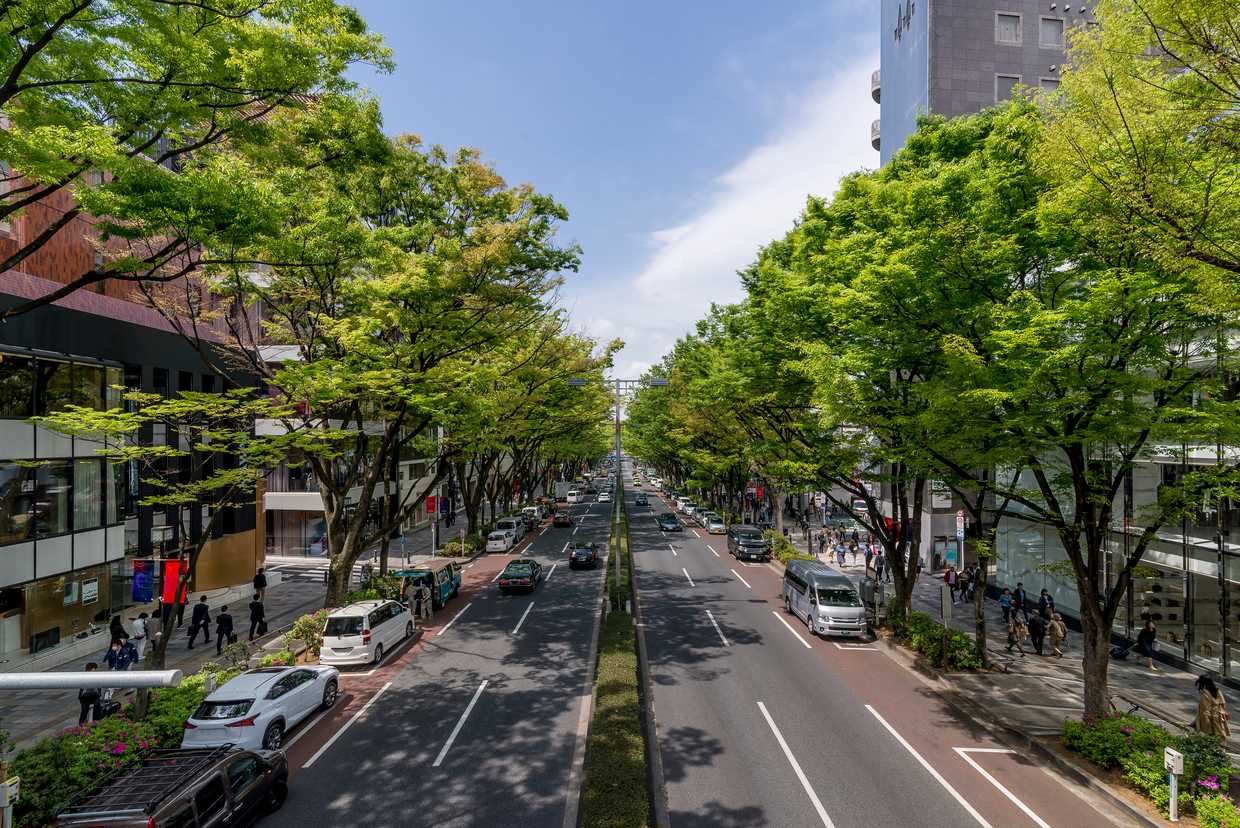
Omotesando, which continues from Harajuku, is a high-end shopping area with beautiful zelkova trees. World-class luxury brands and famous designer shops line the street, and you can enjoy an elegant stroll.

Especially during the Christmas season, the illumination of the zelkova trees is beautiful, and it is wrapped in a romantic atmosphere. There are many stylish cafes and restaurants centered on Omotesando Hills, making it a perfect place to take a break between shopping.

Shibuya

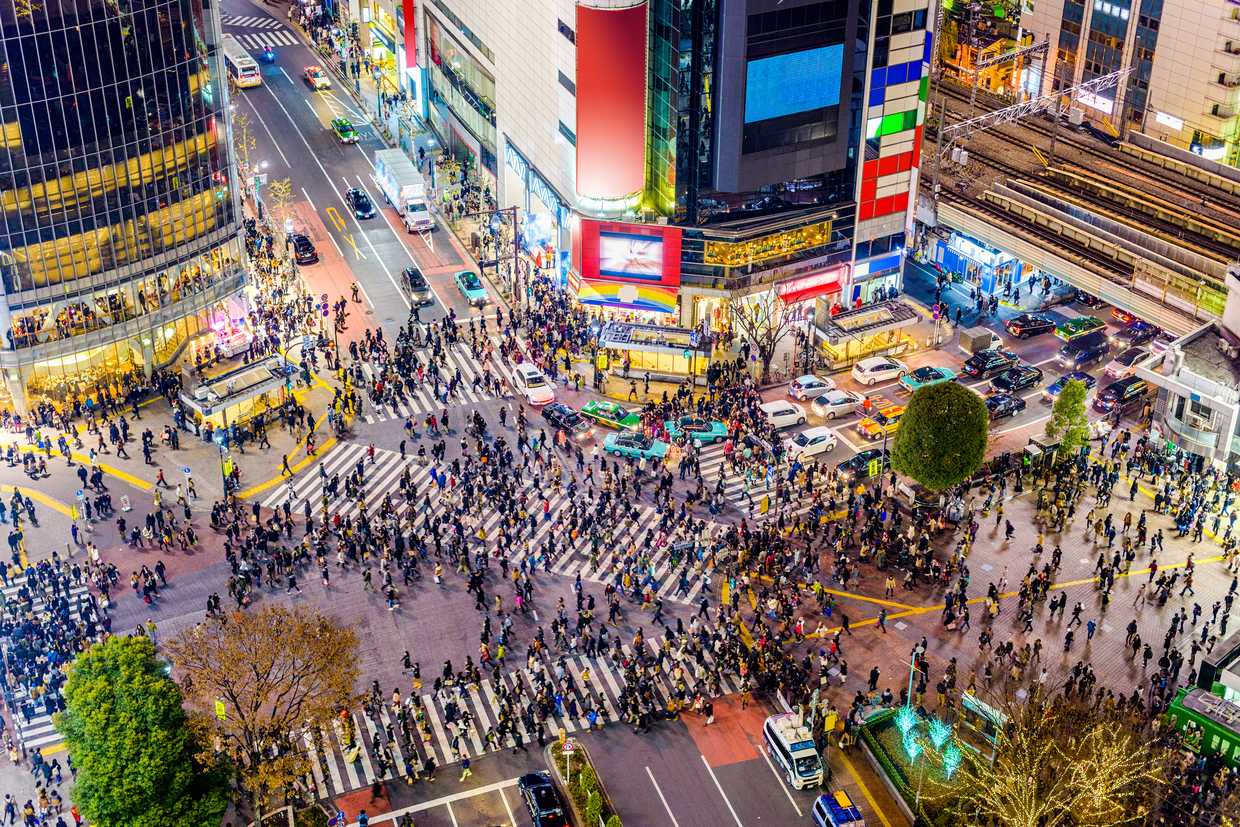
Shibuya, which is about a 15-minute walk or one stop by train from Harajuku, is another spot not to be missed. Shibuya, home to the world-famous "Scramble Crossing" and the "Hachiko Statue," allows you to experience a different side of Tokyo's urban culture from Harajuku.

According to a 2023 survey, Shibuya was the most visited area in Tokyo by foreign tourists. A sightseeing course that combines Harajuku and Shibuya is a recommended route that allows you to efficiently experience the youth culture of Tokyo.

Best Season to Visit Harajuku

Harajuku is a tourist destination that can be enjoyed all year round, but here are some of the best times to visit.

Spring (March-May)

The cherry blossom season is one of the best times to visit Japan. You can enjoy beautiful cherry blossoms at Meiji Jingu Gaien and Yoyogi Park. It is also the time for the new school year, and new fashion items are on display in stores. The temperature is also pleasant, making it ideal for strolling outdoors.

Autumn (September-November)

In autumn, the "Omotesando Illumination" also begins, and you can enjoy strolling at night. It is also a good time to check out the latest trend items, as it is a time of fashion change. The climate is also mild, making it ideal for sightseeing.

Event Information

The main events held around Harajuku are as follows:

TimeEvent NameContent
MayTokyo Rainbow PrideAn LGBTQ festival held at Yoyogi Park
AugustHarajuku Omotesando Genki Matsuri Super YosakoiA dance festival held in the Harajuku/Omotesando area
NovemberOmotesando IlluminationA 1km stretch of zelkova trees is lit up
DecemberHarajuku ChristmasTakeshita Street and other areas are gorgeously decorated

In particular, the "Harajuku Omotesando Genki Matsuri Super Yosakoi" is a rare event that combines traditional Japanese dance and modern culture, and is also popular with foreign tourists.

Useful Information for Foreign Tourists

Harajuku Tourist Information Center

The "Harajuku Tourist Information Center," which opened in 2022, is a reassuring ally for foreign tourists visiting Harajuku. In addition to English, they can also speak French, Chinese, Korean, and Pakistani (Urdu). You can receive various services for free, such as the distribution of maps and pamphlets, and the provision of tourist information.

  • Location: 1F Panorama Building, 1-19-20 Jingumae, Shibuya-ku, Tokyo
  • Business Hours: 10:00-18:00 (open all year round)

Free Wi-Fi Spots

Free Wi-Fi is available in the following locations in the Harajuku area:

  • Inside JR Harajuku Station
  • Major commercial facilities (Laforet Harajuku, Tokyu Plaza Harajuku, Omotesando Hills, etc.)
  • Major cafe chains (Starbucks, etc.)

Foreign tourists will be able to enjoy sightseeing more comfortably if they purchase a SIM card for visitors to Japan provided by each telecommunications company in advance.

Multilingual Stores

Since Harajuku is an area with many foreign tourists, many stores can speak English. In particular, the following stores are accustomed to dealing with foreign languages:

  • Information counters at large commercial facilities (Laforet Harajuku, Tokyu Plaza, etc.)
  • Souvenir shops for foreign tourists
  • Popular tourist spots such as animal cafes

In addition, many restaurants have English menus. If you are worried about the language, it is a good idea to use a translation app on your smartphone.

Payment Methods

Many stores in the Harajuku area accept credit card payments, but some smaller stores and street food stalls may only accept cash. It is also a good idea to have some Japanese yen in cash. Recently, more and more stores are accepting payment methods such as WeChat Pay and Alipay. Especially for tourists from China, it is a good idea to check in advance whether these payment methods can be used.

Harajuku Sightseeing Model Course

Here is a model course to help you enjoy Harajuku efficiently in a limited time.

Half-day course (about 4 hours)

  1. Arrive at JR Harajuku Station (10:00)
  2. Stroll along Takeshita Street (10:10-11:30) - Enjoy street food and cute variety stores
  3. Shopping at Laforet Harajuku (11:30-12:30) - Check out Japanese youth fashion
  4. Lunch at AFURI Harajuku (12:30-13:30) - Savor the popular yuzu salt ramen
  5. Visit Meiji Jingu Shrine (13:30-14:00) - Calm your mind in a silence you wouldn't expect in the city center

This course allows you to experience both Harajuku's "kawaii culture" and traditional Japanese culture in a short amount of time.

Full-day course (about 8 hours)

  1. Arrive at JR Harajuku Station (10:00)
  2. Visit Meiji Jingu Shrine (10:10-11:00) - Visit in the quiet morning hours
  3. Stroll along Takeshita Street (11:00-12:30) - Shopping and street food
  4. Lunch at mipig cafe Harajuku (12:30-13:30) - Eat while interacting with mini pigs
  5. Stroll along Cat Street (13:40-15:00) - Look around the stylish shops
  6. Move to the Omotesando area (15:00-16:30) - Visit high-end brand shops and Omotesando Hills
  7. Visit Togo Shrine (16:30-17:00) - Also popular as a power spot
  8. Dinner at Kawaii Monster Cafe (17:30-19:00) - Experience Harajuku culture

This course covers a wide area from Harajuku to the Omotesando area, and allows you to experience shopping, gourmet food, and culture in a balanced way.

Summary

Harajuku is not just a shopping spot, but a valuable place where you can experience Japanese pop culture and youth culture. Known worldwide as the birthplace of kawaii culture, this area is a condensation of various Japanese charms, from traditional shrines and temples to cutting-edge fashion.

関連記事