Hyogo Travel Guide | Discover the Highlights of Hyogo - GTN MAGAZINE
日本語
日本語
English

Hyogo Travel Guide | Discover the Highlights of Hyogo

Hyogo Prefecture is a diverse and fascinating region located in the heart of Japan. Often described as "Japan in miniature," it is known for its varied landscapes, climates, and cultural traditions, offering remarkably different experiences within a single prefecture. From the World Heritage-listed Himeji Castle and the historic Arima Onsen to its rich food culture and beautiful natural scenery, Hyogo offers something for every traveler.

This guide introduces Hyogo's major attractions, local experiences, and practical travel information to help international visitors make the most of their trip.

What Is Hyogo? The Five Provinces That Shape It

Map view of Hyogo's regions

Historically, Hyogo Prefecture was made up of five provinces: Settsu, Harima, Tajima, Tanba, and Awaji. Each had its own climate, culture, and history, which is why a single prefecture today still feels so varied.

The Five Provinces at a Glance

RegionMain cities and areasDefining features
SettsuKobe, Ashiya, Nishinomiya, AmagasakiModern, urban region anchored by the port city of Kobe. International flair, plus Arima Onsen.
HarimaHimeji, Akashi, KakogawaHome to the World Heritage Himeji Castle and the gateway to the Akashi Kaikyo Bridge. Rich Harima Sea seafood.
TajimaToyooka, Kinosaki, AsagoNature and history side by side — Kinosaki Onsen, Takeda Castle Ruins. Heavy snowfall in winter.
TanbaSasayama, TanbaSource region for premium ingredients like black soybeans and matsutake mushrooms. Mountainous and rural.
AwajiSumoto, Minami-AwajiAn island with a long history that appears in the Kojiki creation myths. Connected to Honshu by the Akashi Kaikyo Bridge.

Hyogo earns its "Japan in miniature" nickname because these five regions span nearly every kind of climate, terrain, and culture you'll find elsewhere in Japan. The mild Seto Inland Sea coast and the snowy Sea of Japan side, urban port towns and rural farm villages — it's all here.

GTN Prepaid SIM

Overview in 30 seconds

GTN Prepaid SIM is a prepaid SIM for short to medium-term visitors, offering data-only plans for a minimum of 7 days to a maximum of 90 days, and voice + data plans that allow immediate acquisition of a Japanese phone number.

Not sold at convenience stores

Available for purchase at:

  • Web application (home delivery / eSIM)
  • GTN directly managed stores (Tokyo - Shin-Okubo / Osaka)
  • Chubu Centrair International Airport Station Meitetsu Travel Plaza
  • GTN Korea Seoul Branch

Application possible with passport only

  • No residency period conditions, available for foreign visitors to Japan

Customer support in 13 languages

  • Including Japanese, English, Chinese, Korean, Vietnamese, Indonesian, Nepali, Mongolian, etc.

*Data-only eSIM also supports online applications before arriving in Japan.

運営会社 Global Trust Networks Co., Ltd.
料金

Pricing & Plans

Data-Only SIM / eSIM

For those prioritizing internet connectivity for streaming, navigation, and social media.

Data CapacityDurationPrice (Tax Incl.)
30 GB7 Days¥3,000
10 GB30 Days¥3,000
50 GB30 Days¥5,000
135 GB90 Days¥10,000

Voice + Data SIM

Ideal for those who need a local phone number for calls and SMS authentication.

Data Capacity30-Day Plan90-Day Plan
5 GB¥6,500¥15,980
15 GB¥9,500¥22,980
25 GB¥12,500¥28,980

Note on Voice Plans: > * Domestic Calls: ¥22 per 30 seconds.

SMS (Domestic): ¥3.3 to ¥33 per message.

Additional charges apply for these services.

Information as of February 2026.

公式HP https://www.gtn-mobile.com/

Four Features

Flexible Plan Structure Supporting Short to Medium Term Stays 

Data-only plans are available for 7 to 90 days, and Voice + Data plans for 30 to 90 days. You can choose a plan that matches your stay duration, from a one-week business trip to a three-month medium-term stay.

Application Possible with Just One Passport 

No credit card, bank account, or residence card is required. There are no restrictions based on the period of stay, so it can be used by foreign visitors to Japan, short-term visitors, and foreign residents in Japan.

Multilingual Customer Support 

Supports languages including Japanese, English, Chinese, Korean, Vietnamese, Indonesian, Nepali, and Mongolian. Even those who are not confident in Japanese can consult in their native language.

Supports Online Application Before Arriving in Japan (Data-only eSIM) 

Data-only eSIM plans allow online application and activation preparation before arriving in Japan. You can secure communication from the moment you arrive at the airport.

Recommended Plans by Use Case

For These PeopleRecommended PlanReason
Want to use large data for a one-week business trip or tourismData-only 7 days 30GB (3,000 yen)Enough data for short-term use of videos and maps without worries
One-month medium-term stay, mainly for communicationData-only 30 days 10GB (3,000 yen)Sufficient for 30 days if used lightly
One-month stay using video streaming and tetheringData-only 30 days 50GB (5,000 yen)Reliable data for remote work and business trips
3-month working holiday or waiting for a visaData-only 90 days 135GB (10,000 yen)90-day support, approximately 111 yen per day
Need a Japanese phone number or SMS authenticationVoice + Data Plan (in-store purchase)Supports banking, administrative procedures, and SMS authentication


Where to Purchase

Purchase ChannelReceiving MethodFor These People
Web Application (GTN Mobile Official Site)Home delivery / Instant eSIMThose who want to arrange systematically / Those who want to prepare before arrival
GTN Directly Managed Store Shin-Okubo (Tokyo)In-store immediateThose who wish for multilingual face-to-face consultation
GTN Directly Managed Store OsakaIn-store immediateThose residing or staying in Kansai
Chubu Centrair International Airport Station Meitetsu Travel PlazaReceive upon arrivalForeign visitors entering Japan via Chubu Airport
GTN Korea Seoul BranchReceive before departureThose coming to Japan via Korea


Top Sightseeing Spots in Hyogo

Himeji Castle (Harima)

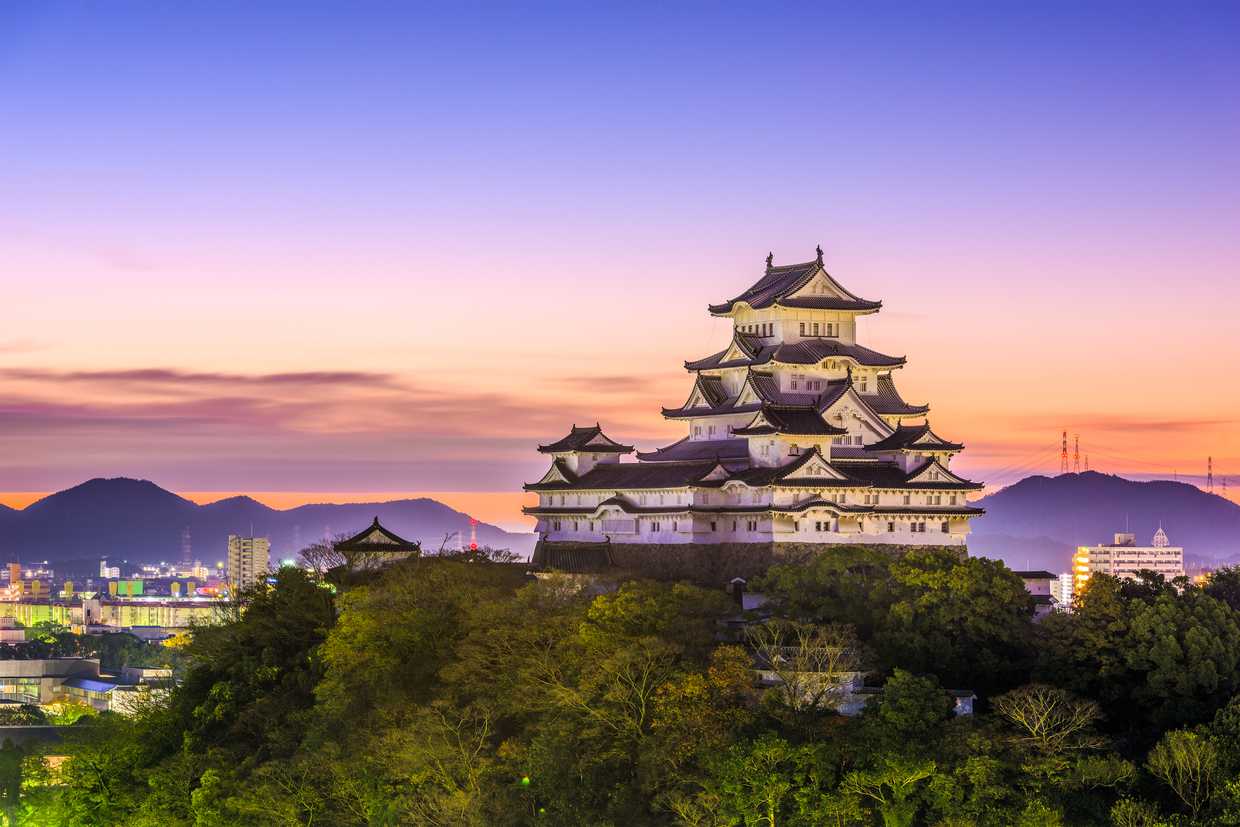
White exterior of Himeji Castle

Himeji Castle was registered in 1993 as one of Japan's first UNESCO World Cultural Heritage Sites, alongside Horyu-ji Temple. The brilliant white plaster exterior earned it the nickname "White Heron Castle." More than 400 years after construction, the castle still stands almost exactly as it was — an internationally recognized masterpiece of wooden architecture.

Himeji's design uses a "connected donjon" structure, with the main keep linked to three smaller keeps by passageways. Maze-like routes designed to confuse invaders, narrow firing slits called sama for arrows and matchlocks, and other defensive features represent the peak of Japanese castle architecture.

Visit notes

  • The castle is beautiful year-round, but especially during cherry blossom season (late March to early April) and autumn foliage (mid- to late November)
  • Early weekday mornings are best for avoiding crowds
  • The interior has steep, narrow staircases — wear comfortable shoes

Arima Onsen (Settsu)

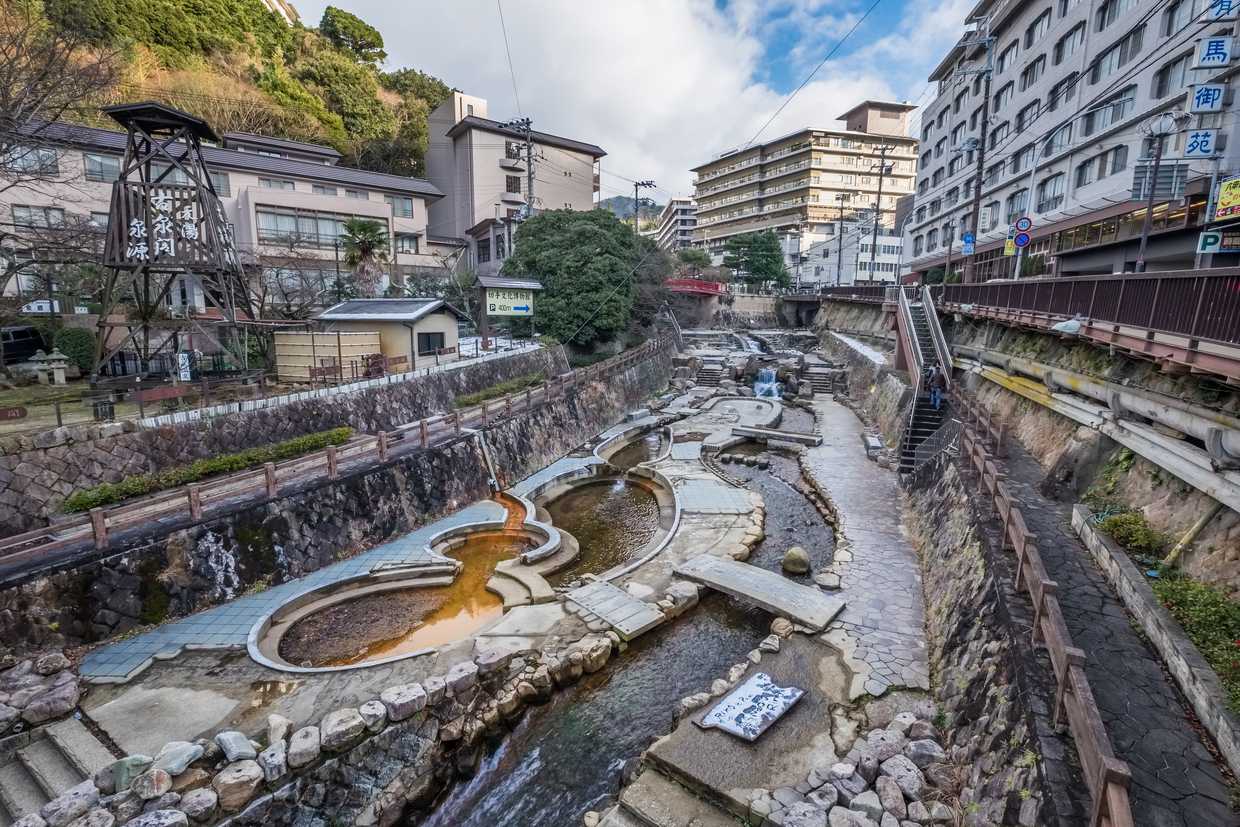
Arima Onsen hot spring town

Located in Kobe's Kita Ward, Arima Onsen is one of Japan's three oldest hot spring areas. What sets it apart is the presence of two distinct water types: Kin-sen (gold spring) and Gin-sen (silver spring).

Kin-sen is high in iron and salt, giving it a reddish-brown color. It retains heat well and is associated with relief for poor circulation and muscle pain. Gin-sen, a mix of carbonate and radium springs, is colorless and clear with a smooth feel — credited with benefits for high blood pressure and arteriosclerosis.

Beloved historically by Toyotomi Hideyoshi, Arima is just 30 minutes by car from central Kobe. Day-use baths are easy to find. The hot spring town is full of upscale ryokan, and you can wander the historic streets while hopping between baths.

Visit notes

  • "Kin no Yu" and "Gin no Yu" are popular day-use public baths frequented by locals
  • Footbaths are scattered around the town for a casual onsen experience
  • Strolling the old hot spring streets is part of the appeal

Kobe Kitano Ijinkan Street (Settsu)

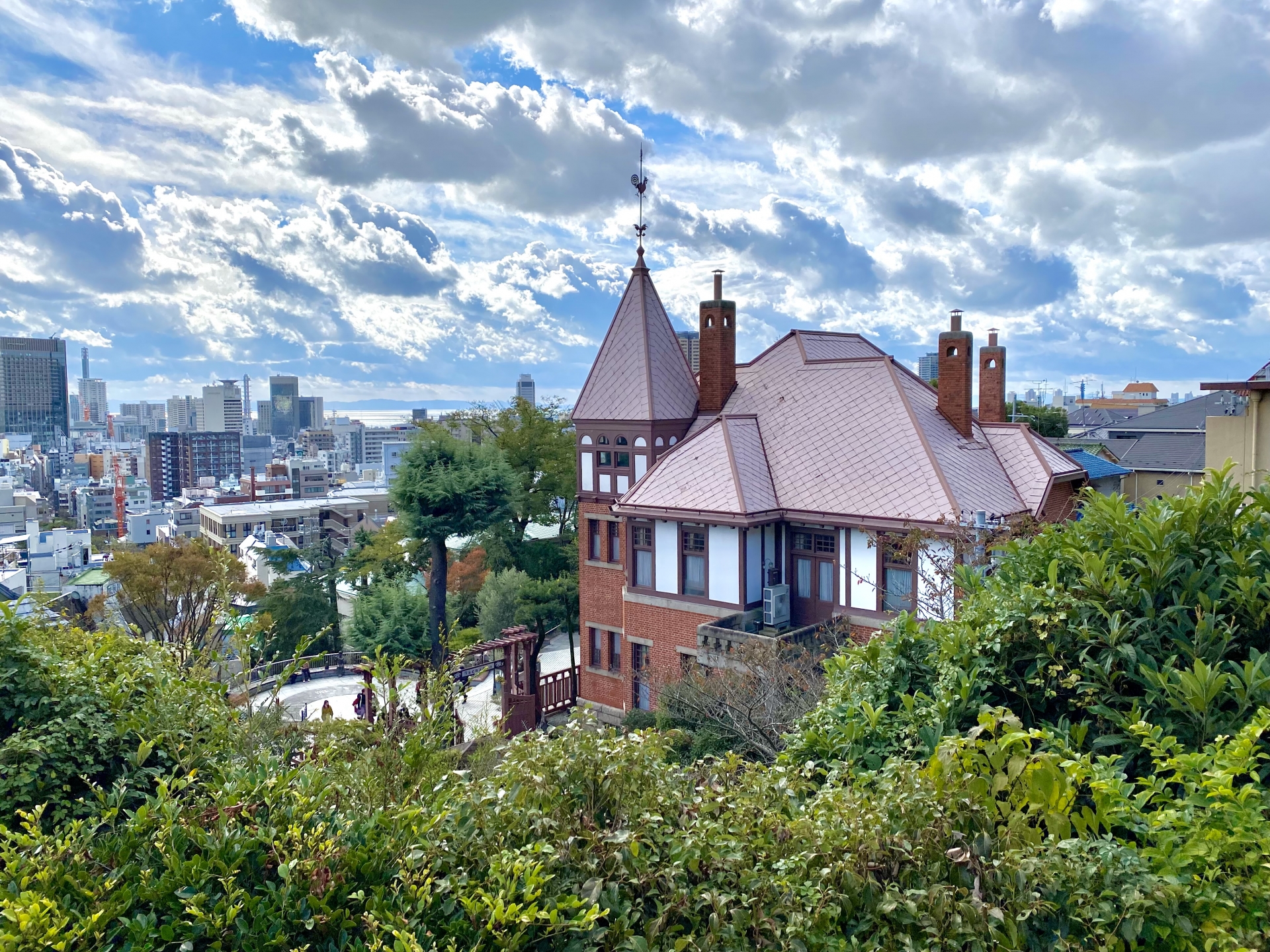
Western-style ijinkan houses in Kobe's Kitano district

After Kobe's port opened in 1868, foreign merchants built Western-style homes here. Roughly 30 of the original 200-plus ijinkan still stand on the hillside in Kitano, making this one of Kobe's most distinctive neighborhoods.

Notable buildings include the Weathercock House (former Thomas residence) and the Moegi House (former Crepin residence) — both designated National Important Cultural Properties. Inside, you can see how foreign residents lived: their furniture, decorative objects, and the international history of Kobe as a treaty port.

The hillside setting offers views over the city and harbor. It's a pleasant place to wander, with a distinctly non-Japanese feel.

Visit notes

  • About 15 to 20 minutes on foot from JR Sannomiya Station, or a city bus to "Kitano Ijinkan"
  • If you plan to visit several houses, the combination ticket is good value
  • Kitano Kobo no Machi is also worth a stop for traditional Kobe crafts and local goods

Akashi Kaikyo Bridge and Awaji Island (Harima / Awaji)

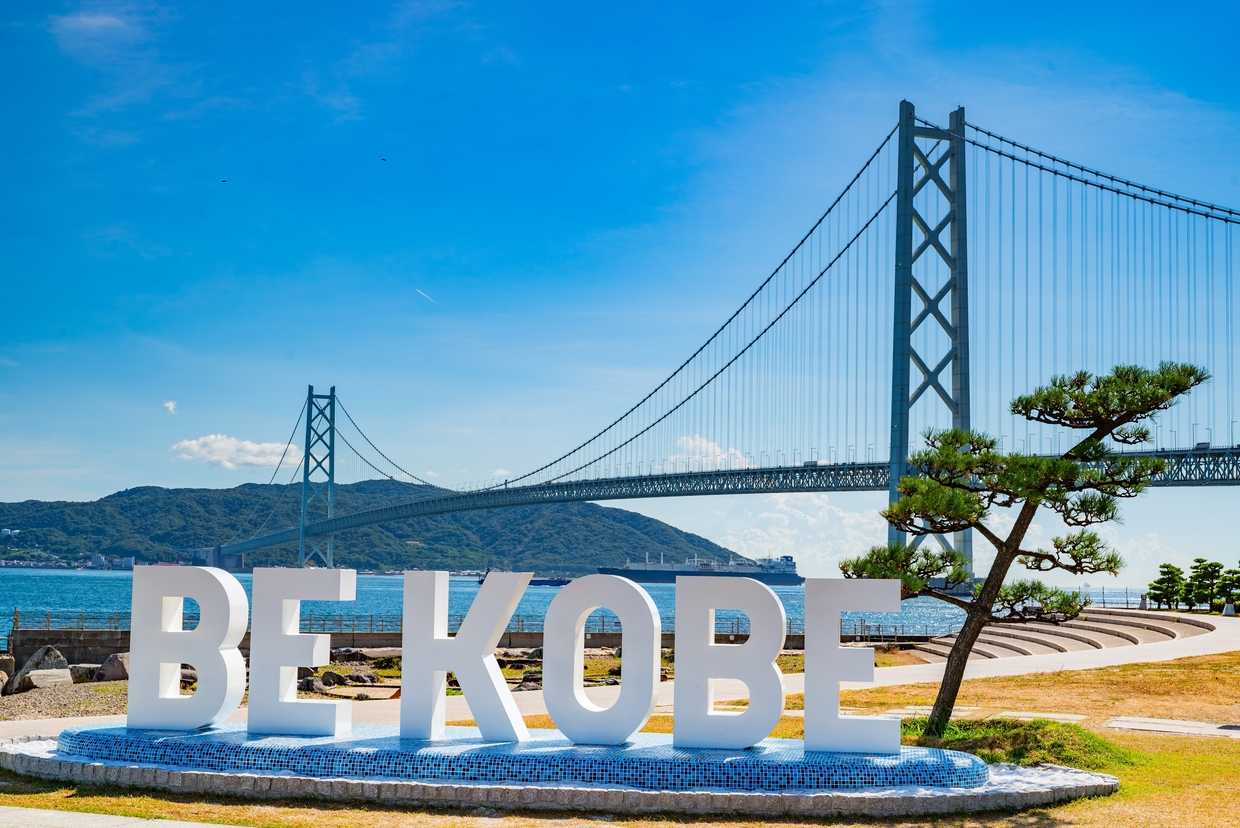
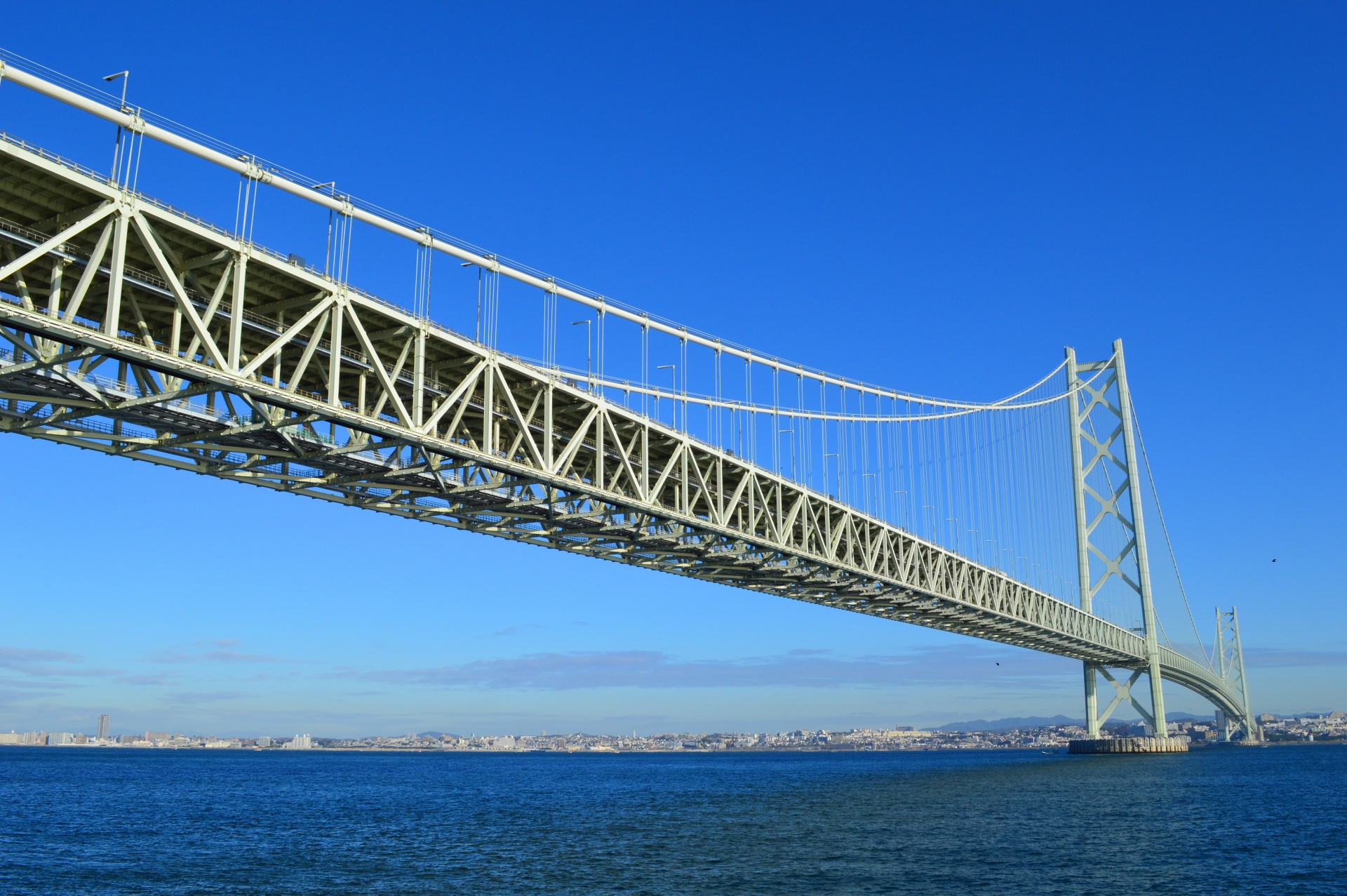
Akashi Kaikyo Bridge spanning to Awaji Island

The Akashi Kaikyo Bridge between Tarumi Ward in Kobe and Awaji Island is one of the world's longest suspension bridges — 3,911 m total length, with a 1,991 m central span. Nicknamed the "Pearl Bridge," its elegant lines have become a symbol of Hyogo.

The Maiko Marine Promenade, on the Tarumi side of the bridge, lets you walk underneath the structure for a close-up view. The observation lounge offers panoramic views over the strait.

Across the bridge, Awaji Island is the legendary "birthplace of Japan" in the Kojiki. Highlights include Izanagi Shrine, the Onaruto Bridge, and Awaji Farm Park England Hill.

Visit notes

  • The Maiko Marine Promenade requires admission (¥300 for adults), but it's a rare spot to see bridge engineering up close
  • Driving to Awaji is cheaper with ETC: ¥910 one-way for ETC standard cars, versus ¥2,410 in cash
  • The "Akashi Kaikyo Bridge Tower-Top Tour" lets visitors climb the 300 m main tower (advance booking required)

Hyogo's Signature Foods

Hyogo regional cuisine

Hyogo's diverse geography produces an impressively varied food scene — from coastal seafood to mountain agriculture.

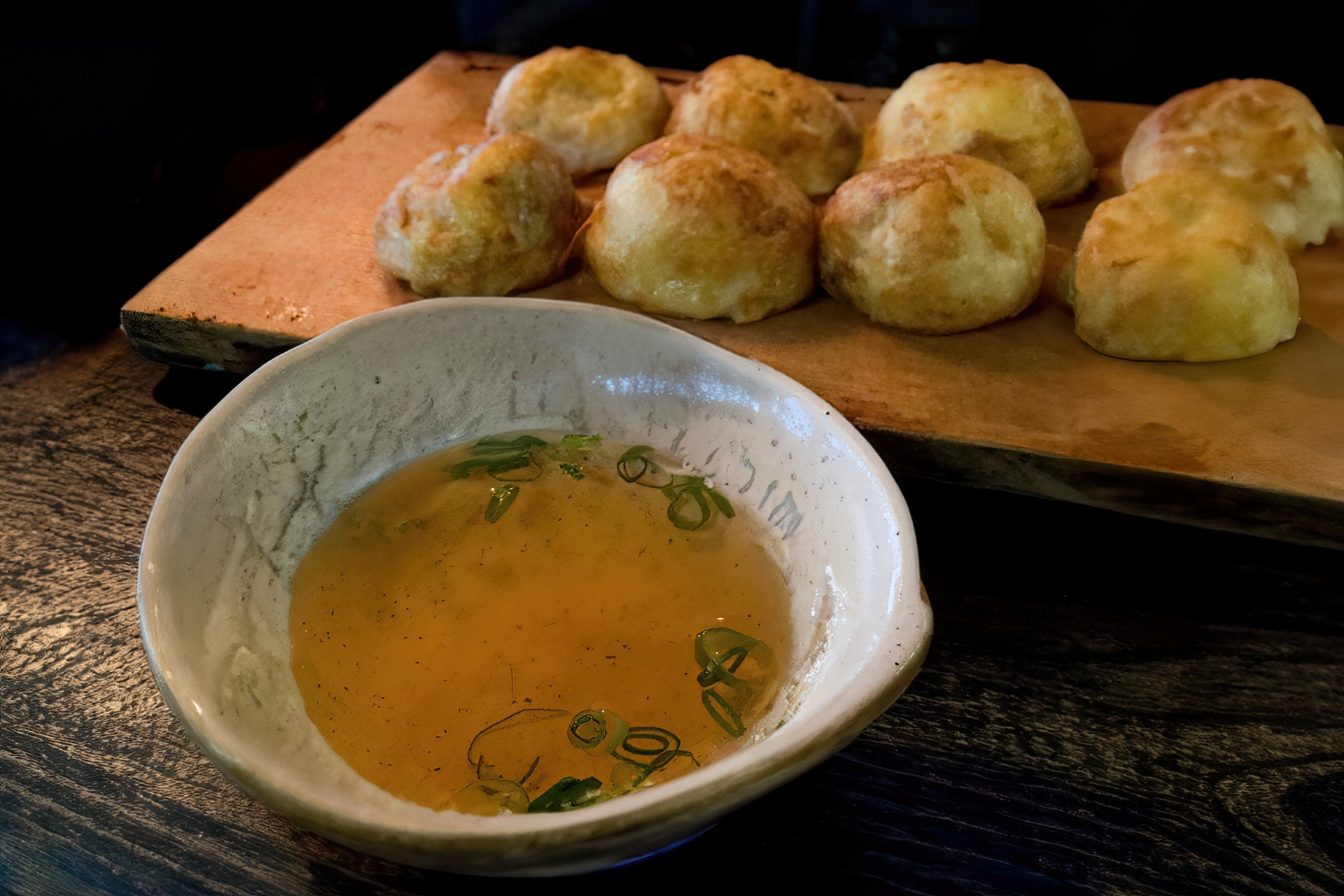
Akashi-yaki (Harima)

This Akashi specialty is also called tamago-yaki. Small octopus-stuffed dumplings are baked in a half-spherical iron mold — similar to Osaka's takoyaki, but softer, and eaten dipped in clear dashi broth. Akashi is one of Japan's leading octopus fishing areas, which is why this dish belongs here.

Kobe Beef (Settsu)

Kobe beef is one of Japan's globally recognized luxury beef brands. Only Tajima cattle that meet strict criteria can be certified as Kobe beef, with its fine marbling and rich flavor. Kobe has plenty of upscale restaurants serving it, but more affordable options are also increasingly common.

Awaji Island Onions and Awaji Beef (Awaji)

Awaji Island is famous for its onions — naturally sweet, good even raw. Awaji beef shares the same lineage as Kobe beef and rates similarly high in quality. The island's restaurants make great use of both.

Ikanago no Kugini (Harima / Settsu)

This regional dish marks the start of spring. Young sand lance fish (ikanago) are simmered with soy sauce, sugar, and ginger into a sweet-savory preserve. Excellent over rice or with sake. The name comes from the resemblance of the cooked fish to small nails (kugi).

Izushi Soba (Tajima)

This soba style from Izushi in the Tajima region is served on small plates — usually 5 or 6 plates per person — known as sara soba. The smooth texture and Izushi's distinctive flavor profile make it a standout regional noodle.

Getting Around Hyogo

Train transportation in Hyogo

Access From Major Cities

FromToModeTimeNotes
TokyoKobe (Shin-Kobe)ShinkansenAbout 2 hr 40 minNozomi service
OsakaKobe (Sannomiya)JRAbout 20 – 30 minJR Kobe Line Special Rapid
KyotoKobe (Shin-Kobe)ShinkansenAbout 30 minNozomi or Hikari
Osaka (Itami) AirportKobeLimousine busAbout 40 minTo Sannomiya
Kansai International AirportKobeLimousine busAbout 65 minTo Sannomiya

Transportation Within Hyogo

Hyogo has good public transit, especially the JR network and various private rail and bus systems. Inside Kobe, the subway and city buses cover most needs; for the Kobe-to-Himeji corridor, the JR Kobe Line is the way to go.

A few useful passes:

  • Inside Kobe: the City Loop Bus 1-day pass (¥800) hits the major sights
  • Around Himeji Castle: about 20 minutes on foot from Himeji Station, or take the Shiromaru Bus loop
  • To Arima Onsen: combine the Kobe Municipal Subway with a bus, or take the direct bus from Sannomiya

Recommended Itineraries

1. Kobe and Himeji 2-Day Course

Day 1: Kobe city (Kitano Ijinkan Street → Nankinmachi → Meriken Park → Kobe Port). 

Day 2: Himeji (Himeji Castle → Kokoen Garden → Mount Shosha Engyo-ji).

2. Hot Springs and History 3-Day Course

Day 1: Kobe sightseeing. 

Day 2: Arima Onsen (day trip or overnight). 

Day 3: Himeji Castle and surrounding sights.

3. Five Provinces of Hyogo 5-Day Course

Day 1: Kobe (Settsu). 

Day 2: Himeji and Akashi (Harima). 

Day 3: Kinosaki Onsen and Takeda Castle Ruins (Tajima). 

Day 4: Sasayama castle town (Tanba). 

Day 5: Awaji Island (Awaji).

Hyogo Through the Seasons

Each season brings something different.

Spring (March – May)

Cherry blossoms at Himeji Castle

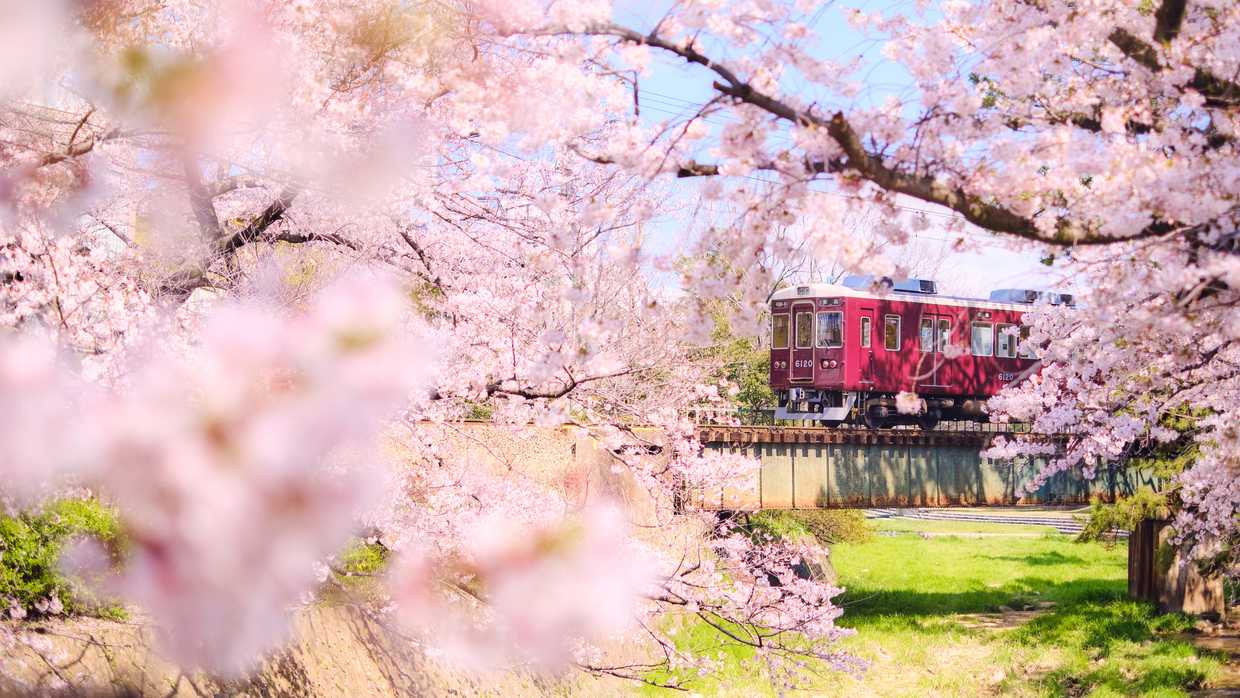
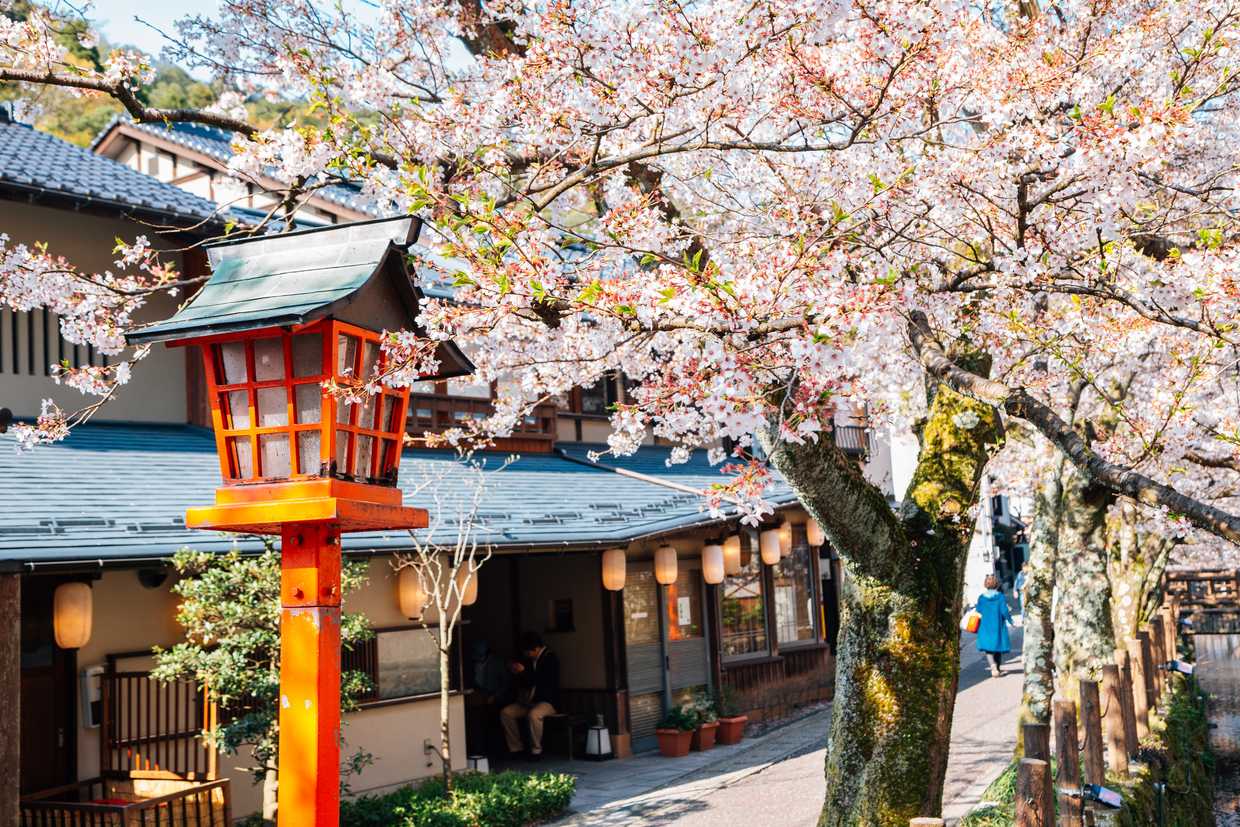
Mild weather and excellent sightseeing conditions. Spring brings cherry blossoms at Himeji Castle, flowers around Kobe's Kitano district, and flower fields on Awaji Island.

Major events

  • Himeji Castle Cherry Blossom Viewing (March)
  • Kobe Festival (mid-May)
  • Awaji Flower Expo (March – May)
  • Ikanago no Kugini season (around March)

Summer (June – August)

Summer fireworks in Hyogo

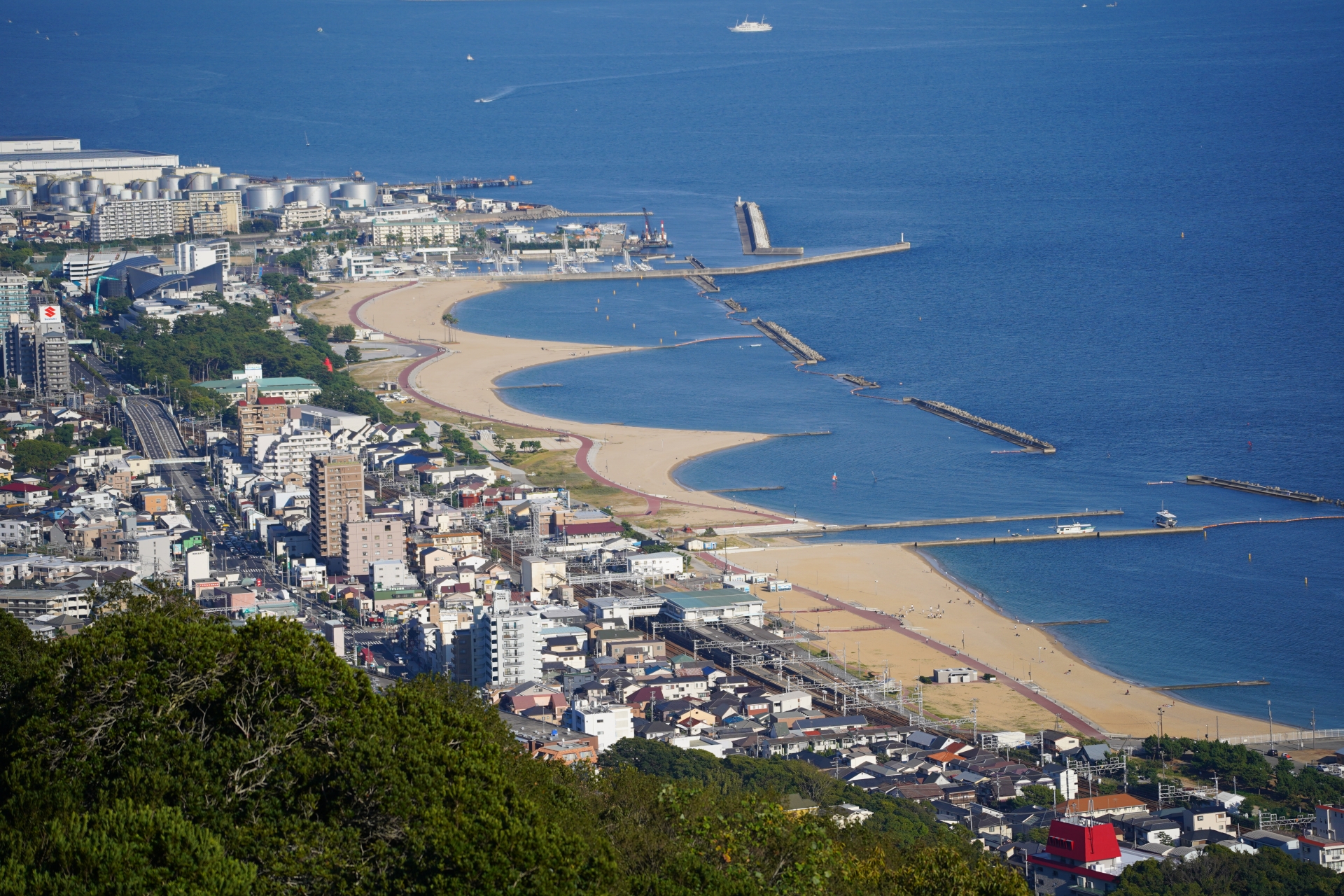
Summers are hot, but it's also the time for swimming, beer gardens, and summer festivals. Kinosaki Onsen and Arima Onsen attract visitors looking for cooler retreats.

Major events

  • Himeji Yukata Festival (June)
  • Kobe Minato Festival (July)
  • Suma and Maiko beach openings (July – August)
  • Kobe night views and beer gardens (June – September)

Autumn (September – November)

Autumn foliage in Hyogo's mountains

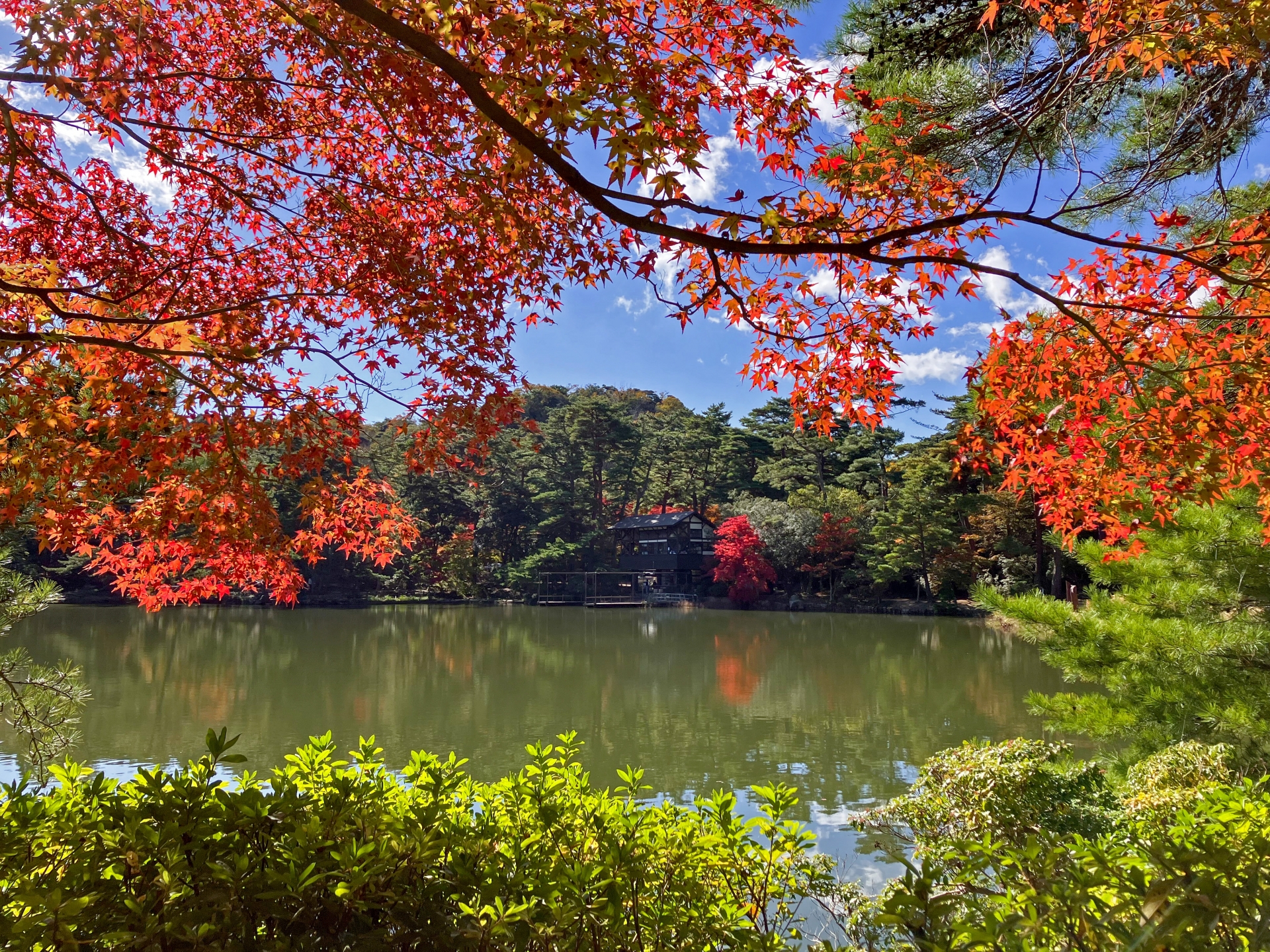
Foliage is the standout, especially in the Tajima and Tanba mountains. Various harvest festivals also happen around this time.

Major events

  • Kobe Luminarie (early to mid-December — early winter, but a continuation of late autumn programming)
  • Kobe Jazz Street (October)
  • Tanba black soybean harvest season (November – December)
  • Mt. Rokko foliage (November)
  • Best time to see the "sea of clouds" at Takeda Castle Ruins (early mornings, October – November)

Winter (December – February)

Winter scene in Hyogo

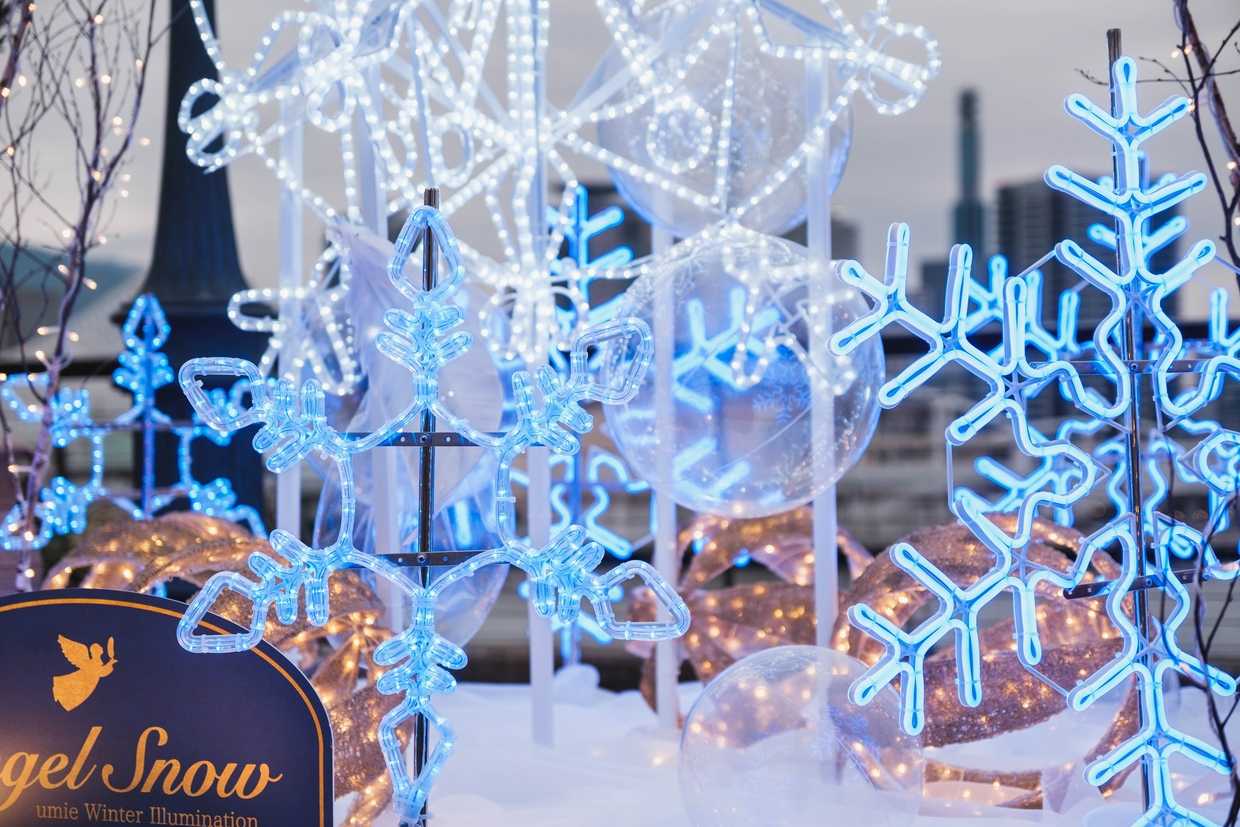
Winter conditions vary dramatically by region. The Seto Inland Sea coast around Kobe and Akashi stays relatively mild, while Tajima sees significant snowfall and winter sports activity.

Major events

  • Kobe Illuminage (October – February)
  • Kinosaki Onsen "Yuki Hatago" (around February)
  • Tajima ski resorts open (December – March)
  • Hina-matsuri displays around the prefecture (February – March)

Useful Information for International Visitors

Travel information desk for tourists

Free Wi-Fi Spots

Free Wi-Fi is available at major sightseeing spots, stations, and public facilities across Hyogo:

  • Kobe Free Wi-Fi (within Kobe)
  • Himeji Free Wi-Fi (within Himeji)
  • Public facilities, major shopping malls, and café chains also offer Wi-Fi

Multilingual Tourist Information Centers

  • Kobe Tourist Information Center (inside JR Sannomiya Station): English, Chinese, Korean
  • Himeji Tourist Information Center (inside JR Himeji Station): English
  • Arima Onsen Tourist Information Center: English and Chinese (limited hours)

Tax-Free Shopping

Hyogo has many tax-free shops, especially in central Kobe. Major shopping areas:

  • Kobe Sannomiya Center Gai and Motomachi Shopping Street
  • Kobe Harborland umie
  • The shopping street in front of Himeji Station
  • Mitsui Outlet Park Kobe Tarumi

Tax-free purchases apply when your total at a single store on the same day exceeds ¥5,000 (excluding consumption tax).

Emergency Contacts

  • Police: 110
  • Ambulance and fire: 119
  • Emergency phone with translation services for non-Japanese speakers: 03-5285-8185
  • Hyogo Emergency Medical Information Center: 078-825-1199

GTN Prepaid SIM

Overview in 30 seconds

GTN Prepaid SIM is a prepaid SIM for short to medium-term visitors, offering data-only plans for a minimum of 7 days to a maximum of 90 days, and voice + data plans that allow immediate acquisition of a Japanese phone number.

Not sold at convenience stores

Available for purchase at:

  • Web application (home delivery / eSIM)
  • GTN directly managed stores (Tokyo - Shin-Okubo / Osaka)
  • Chubu Centrair International Airport Station Meitetsu Travel Plaza
  • GTN Korea Seoul Branch

Application possible with passport only

  • No residency period conditions, available for foreign visitors to Japan

Customer support in 13 languages

  • Including Japanese, English, Chinese, Korean, Vietnamese, Indonesian, Nepali, Mongolian, etc.

*Data-only eSIM also supports online applications before arriving in Japan.

運営会社 Global Trust Networks Co., Ltd.
料金

Pricing & Plans

Data-Only SIM / eSIM

For those prioritizing internet connectivity for streaming, navigation, and social media.

Data CapacityDurationPrice (Tax Incl.)
30 GB7 Days¥3,000
10 GB30 Days¥3,000
50 GB30 Days¥5,000
135 GB90 Days¥10,000

Voice + Data SIM

Ideal for those who need a local phone number for calls and SMS authentication.

Data Capacity30-Day Plan90-Day Plan
5 GB¥6,500¥15,980
15 GB¥9,500¥22,980
25 GB¥12,500¥28,980

Note on Voice Plans: > * Domestic Calls: ¥22 per 30 seconds.

SMS (Domestic): ¥3.3 to ¥33 per message.

Additional charges apply for these services.

Information as of February 2026.

公式HP https://www.gtn-mobile.com/

Four Features

Flexible Plan Structure Supporting Short to Medium Term Stays 

Data-only plans are available for 7 to 90 days, and Voice + Data plans for 30 to 90 days. You can choose a plan that matches your stay duration, from a one-week business trip to a three-month medium-term stay.

Application Possible with Just One Passport 

No credit card, bank account, or residence card is required. There are no restrictions based on the period of stay, so it can be used by foreign visitors to Japan, short-term visitors, and foreign residents in Japan.

Multilingual Customer Support 

Supports languages including Japanese, English, Chinese, Korean, Vietnamese, Indonesian, Nepali, and Mongolian. Even those who are not confident in Japanese can consult in their native language.

Supports Online Application Before Arriving in Japan (Data-only eSIM) 

Data-only eSIM plans allow online application and activation preparation before arriving in Japan. You can secure communication from the moment you arrive at the airport.

Recommended Plans by Use Case

For These PeopleRecommended PlanReason
Want to use large data for a one-week business trip or tourismData-only 7 days 30GB (3,000 yen)Enough data for short-term use of videos and maps without worries
One-month medium-term stay, mainly for communicationData-only 30 days 10GB (3,000 yen)Sufficient for 30 days if used lightly
One-month stay using video streaming and tetheringData-only 30 days 50GB (5,000 yen)Reliable data for remote work and business trips
3-month working holiday or waiting for a visaData-only 90 days 135GB (10,000 yen)90-day support, approximately 111 yen per day
Need a Japanese phone number or SMS authenticationVoice + Data Plan (in-store purchase)Supports banking, administrative procedures, and SMS authentication


Where to Purchase

Purchase ChannelReceiving MethodFor These People
Web Application (GTN Mobile Official Site)Home delivery / Instant eSIMThose who want to arrange systematically / Those who want to prepare before arrival
GTN Directly Managed Store Shin-Okubo (Tokyo)In-store immediateThose who wish for multilingual face-to-face consultation
GTN Directly Managed Store OsakaIn-store immediateThose residing or staying in Kansai
Chubu Centrair International Airport Station Meitetsu Travel PlazaReceive upon arrivalForeign visitors entering Japan via Chubu Airport
GTN Korea Seoul BranchReceive before departureThose coming to Japan via Korea


Tips for Getting the Most Out of Hyogo

Travel planning in Hyogo

Travel Tips

Hyogo is large, so route planning matters. JR is the easiest way to move between major cities, but for harder-to-reach areas a rental car may be needed — especially in Tajima and Tanba, where public transit is sparse.

For frequent travel, consider day passes from JR, Hankyu, or Hanshin, or a regional pass like the "Kansai Area Pass."

Cultural Pointers

  • At an onsen, wash before getting in the bath, and don't put your towel in the water
  • At shrines and temples, keep voices down. Photography is restricted in some areas — check the signs
  • On Japanese public transit, keep phone calls to a minimum

Recommended Photo Spots

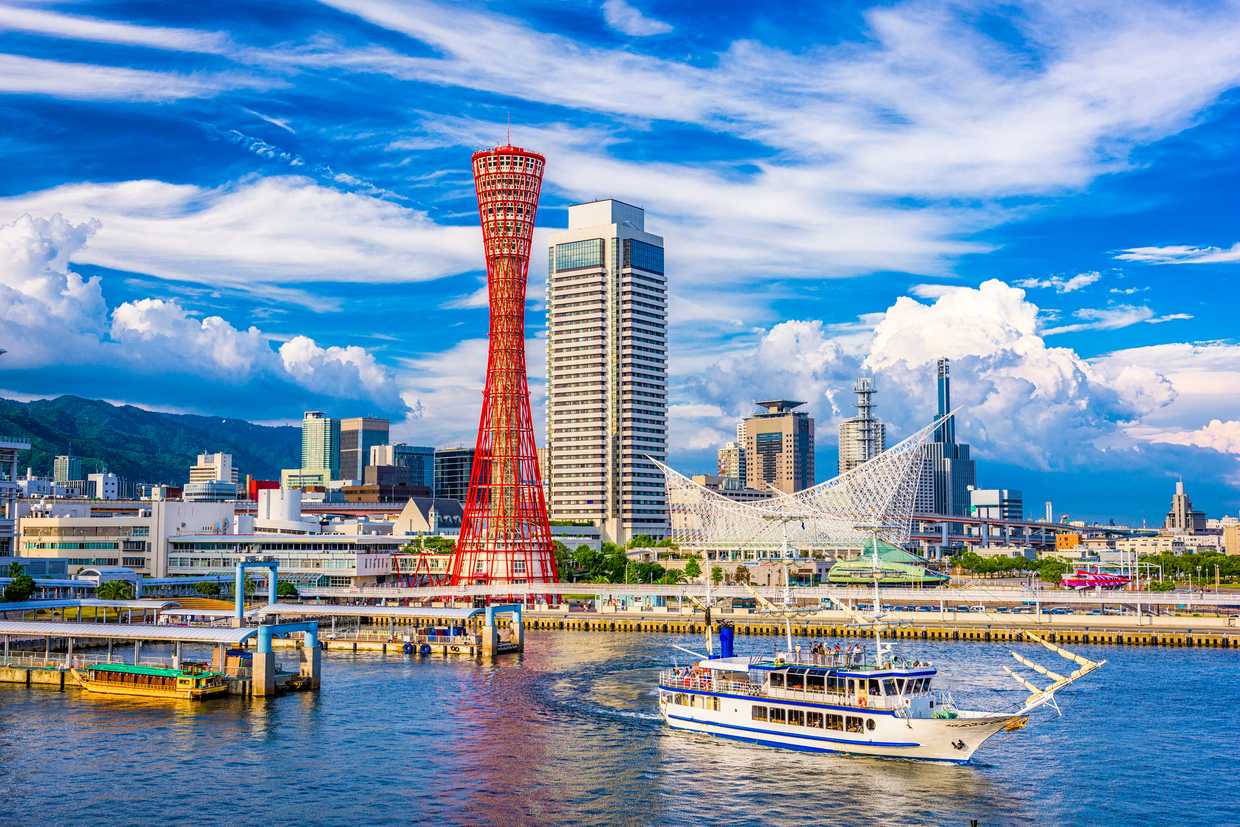
  • Night views of Harborland from the Kobe Port Tower
  • The main keep of Himeji Castle, looking up from the front gate
  • Akashi Kaikyo Bridge silhouetted at sunset (from Maiko Park)
  • Kin no Yu and Gin no Yu in Arima Onsen
  • The "sea of clouds" at Takeda Castle Ruins (early autumn mornings only)

Summary

Hyogo Prefecture spans the World Heritage Himeji Castle, the international atmosphere of Kobe, the historic Arima Onsen, and the dramatic Akashi Kaikyo Bridge — all within a single region.

The diversity of the old five provinces still shows up today: stunning natural landscapes, deep regional food cultures, and major historical landmarks all in one prefecture. With more to see than a single trip can hold, Hyogo gives you plenty of reasons to come back.

Each season brings something different — cherry blossoms in spring, beach days in summer, foliage in autumn, hot springs and snow in winter. The food alone — Kobe beef, Akashi-yaki, and the rest — is reason enough to plan a trip.

関連記事

おすすめ記事