目次
- Mt. Fuji
- Mt. Fuji Basics
- What Is Mt. Fuji?
- Geographic Features
- Climate Conditions
- Access Overview
- Mt. Fuji's History and Its Value as a World Heritage Site
- Mt. Fuji and Japanese Culture
- Mt. Fuji as a World Cultural Heritage Site
- Mt. Fuji's Eruptions and History
- How to Get to Mt. Fuji
- From Tokyo
- From Osaka and Kyoto
- From Nagoya
- Bus Tours for Foreign Tourists
- Making the Most of the Japan Rail Pass
- Top Sights Around Mt. Fuji
- Mt. Fuji 5th Station
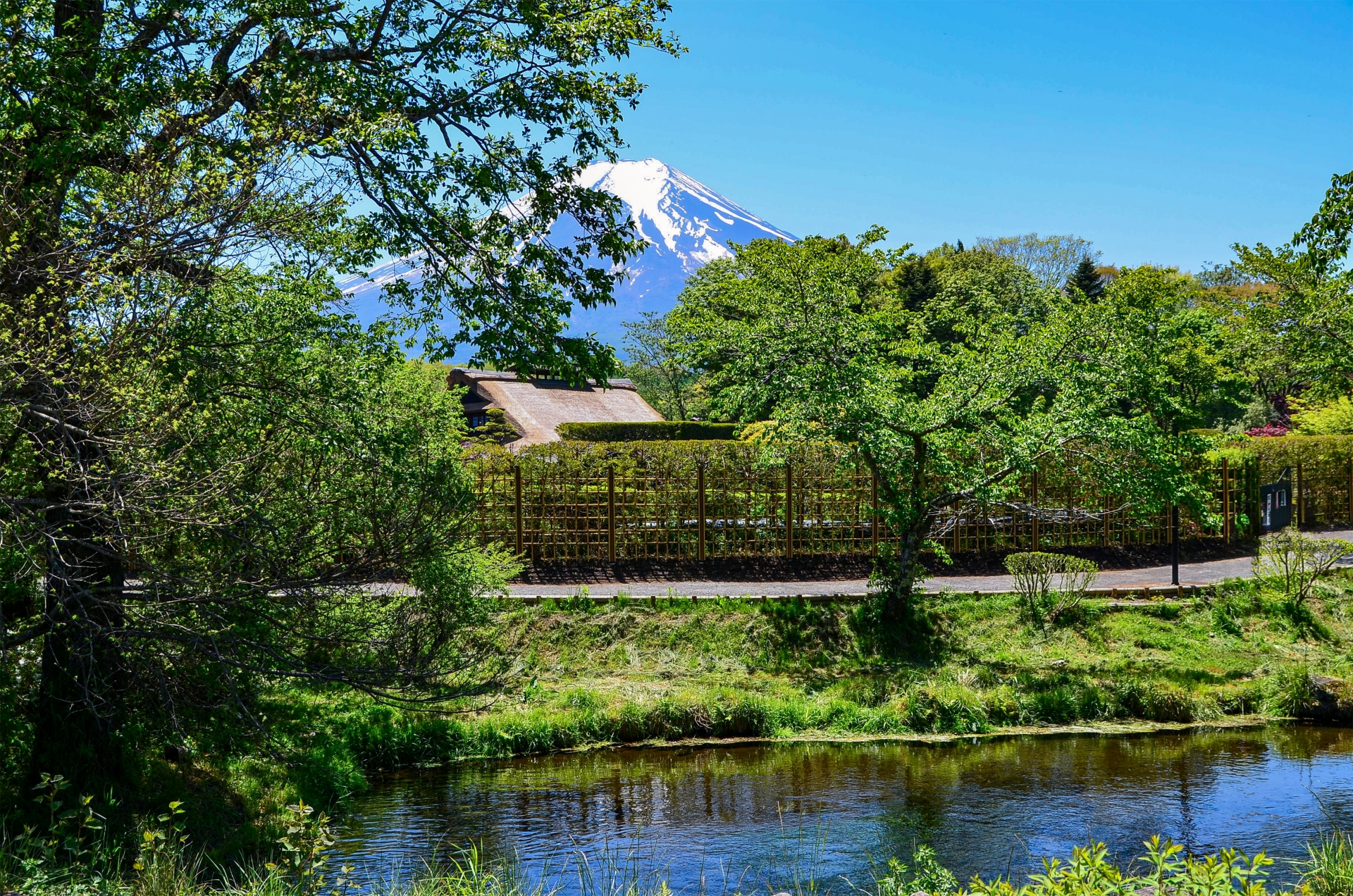
- Oshino Hakkai
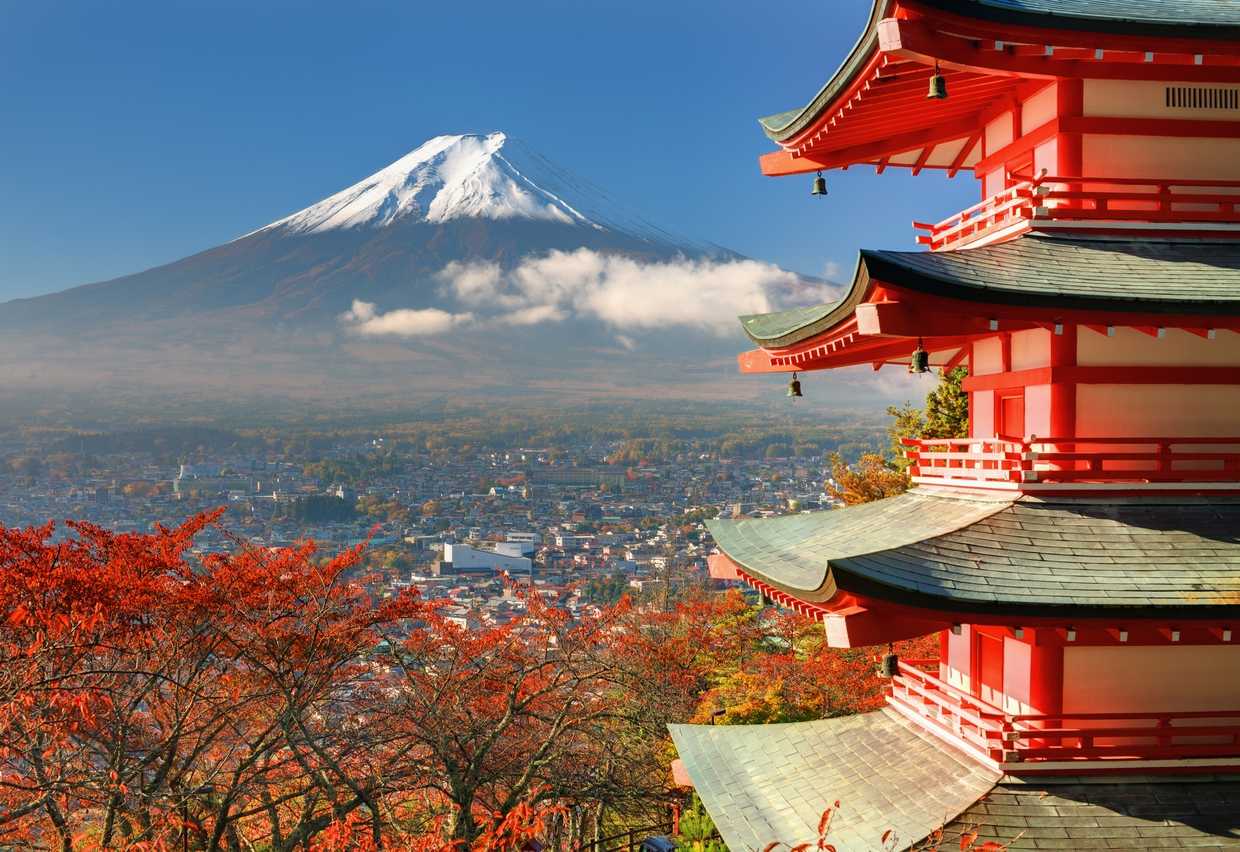
- Arakurayama Sengen Park
- Mt. Fuji World Heritage Centers
- Miho no Matsubara
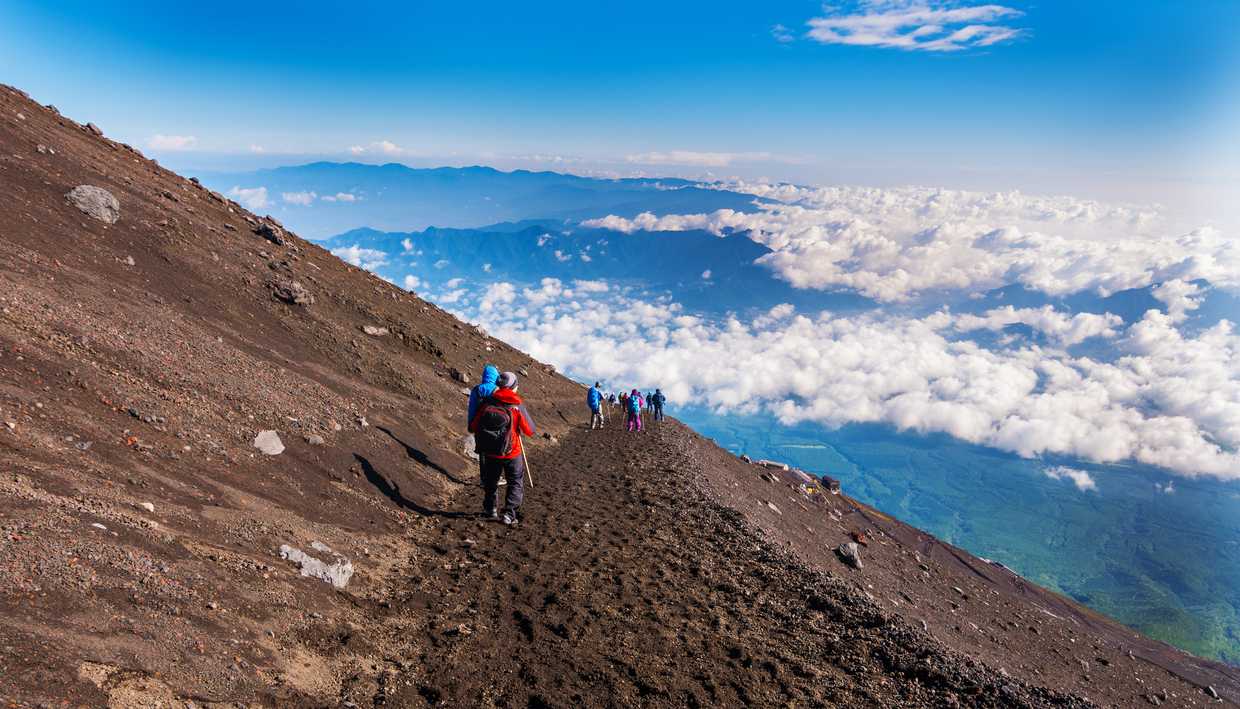
- Mt. Fuji Climbing Guide
- Climbing Season and Regulations
- Entry Restrictions and Fees
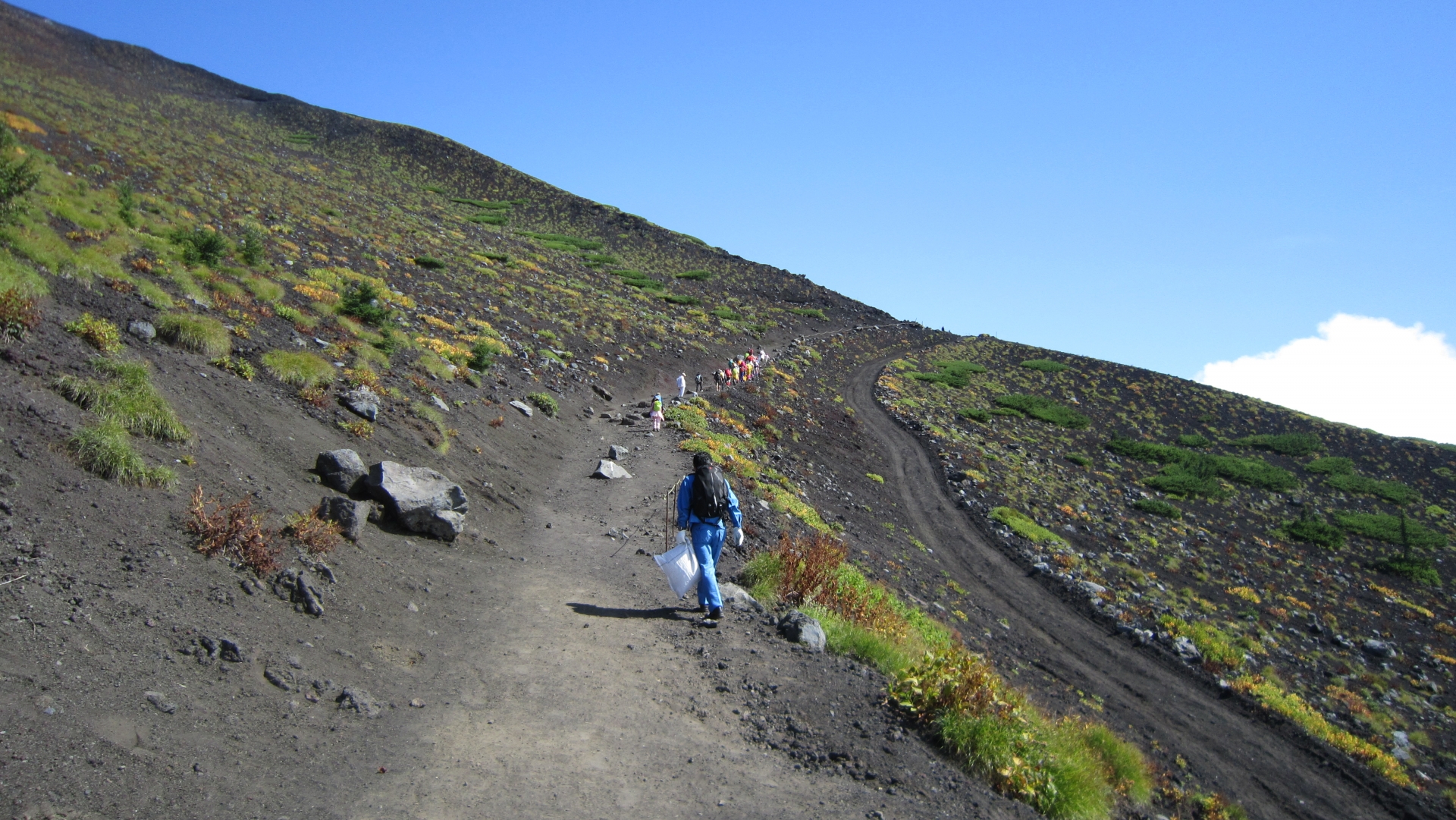
- Features of the Main Climbing Routes
- Using and Booking Mountain Huts
- Climbing Gear Checklist
- Altitude Sickness Prevention and Safety Information
- The Fuji Five Lakes and Nearby Attractions
- Fuji Five Lakes Overview
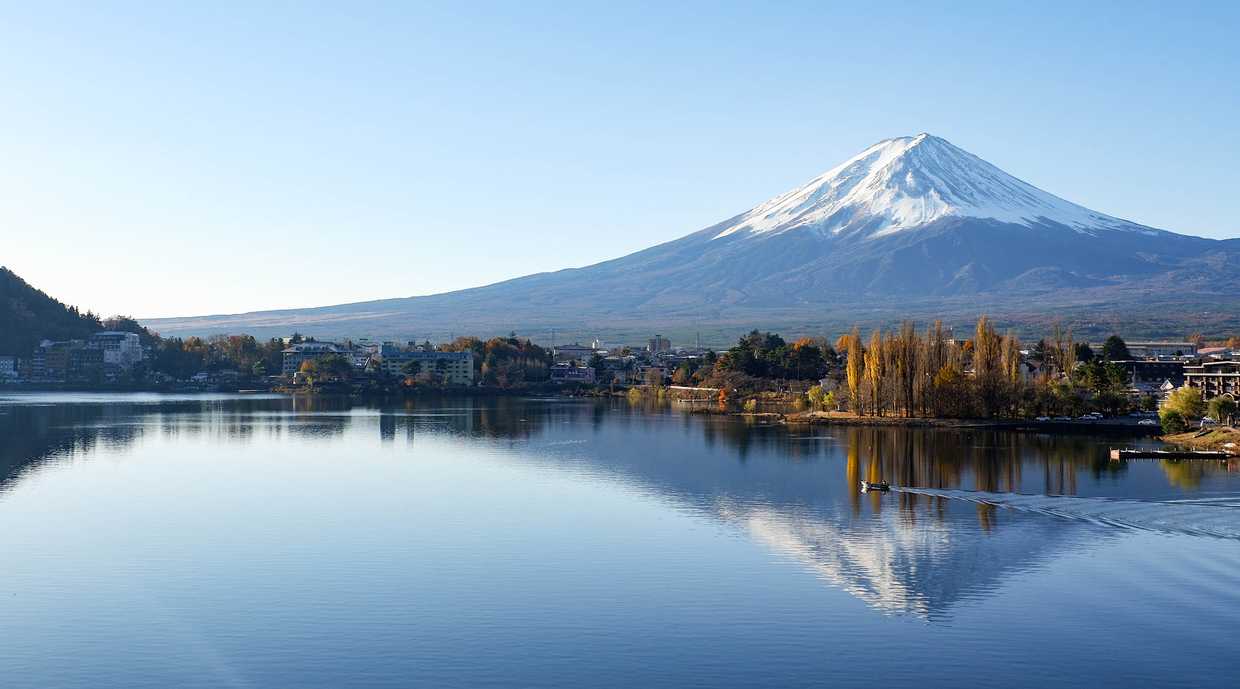
- Highlights of the Lake Kawaguchi Area
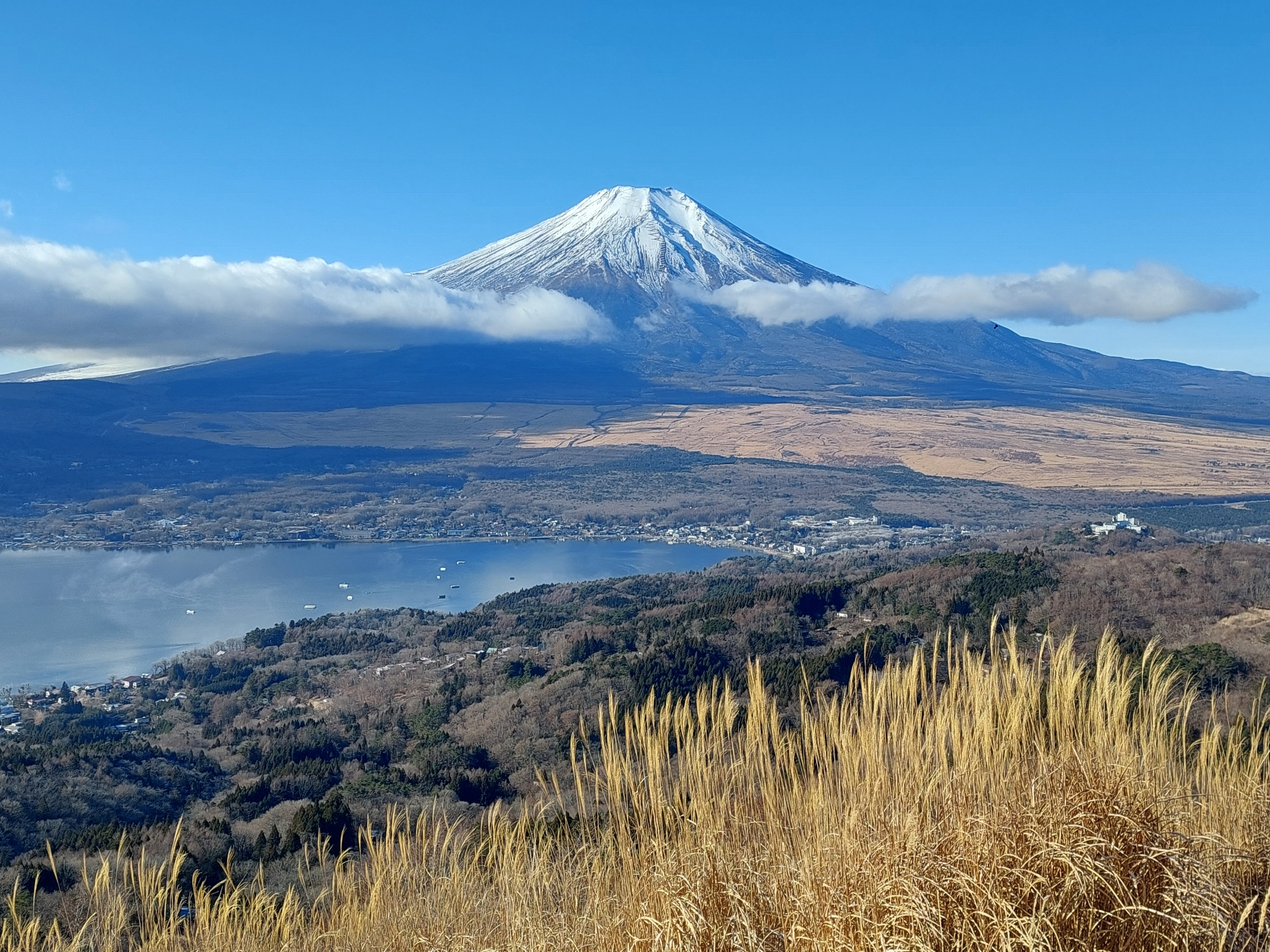
- Highlights of the Lake Yamanaka and Oshino Area
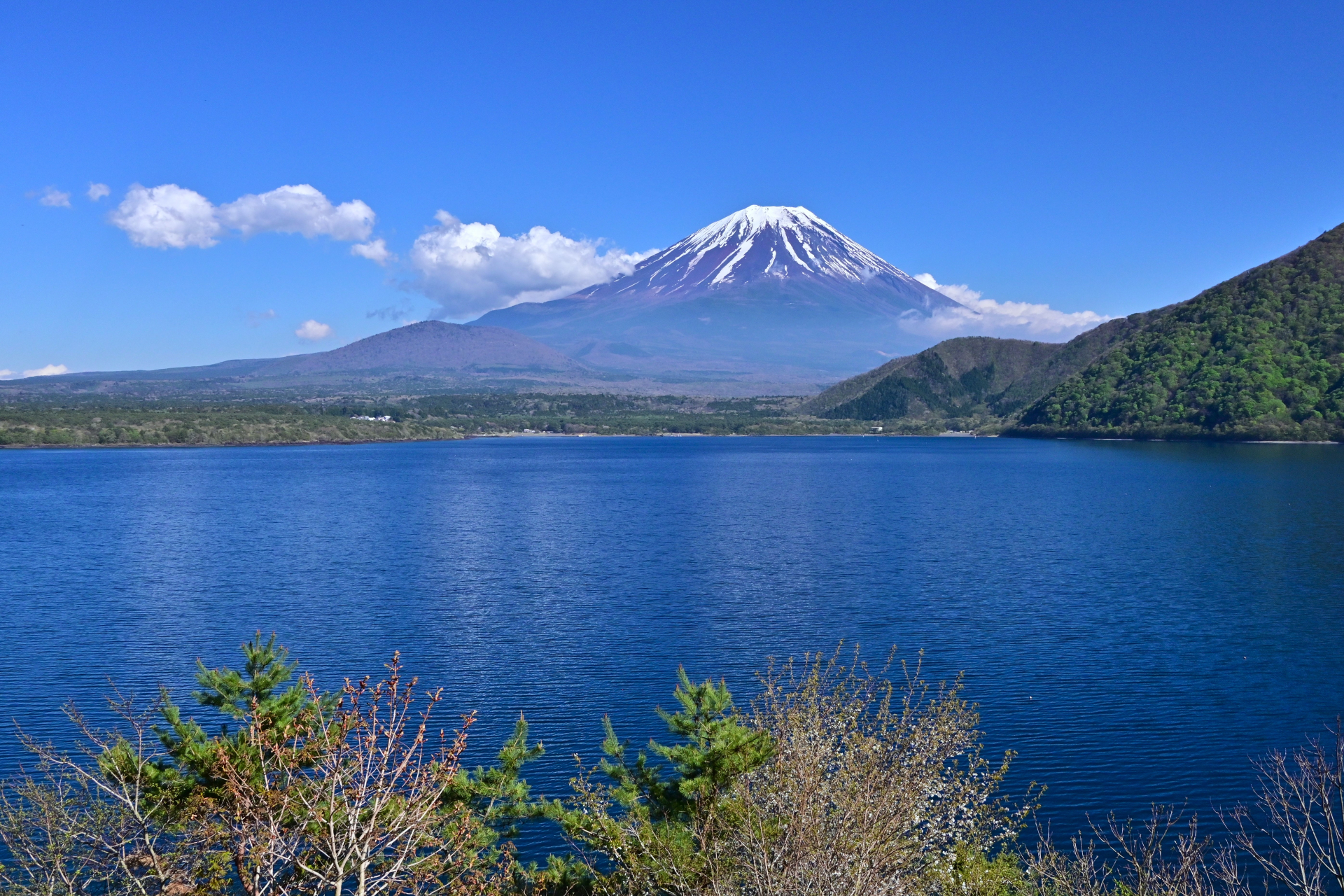
- Highlights of the Lake Shoji and Lake Motosu Area
- Highlights on the Fujinomiya and Shizuoka Side
- How to Enjoy Mt. Fuji by Season
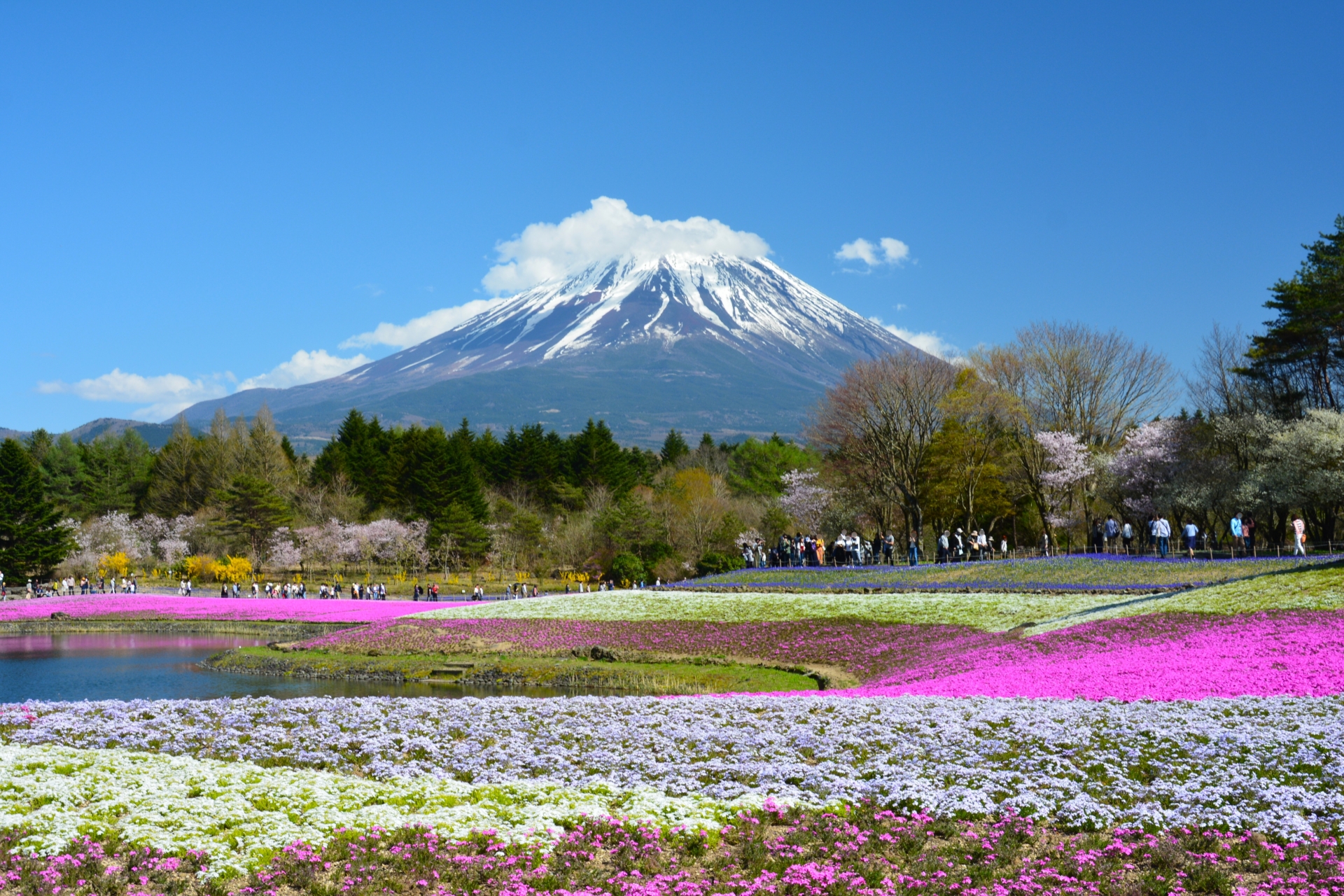
- Mt. Fuji in Spring (March–May)
- Mt. Fuji in Summer (June–August)
- Mt. Fuji in Autumn (September–November)
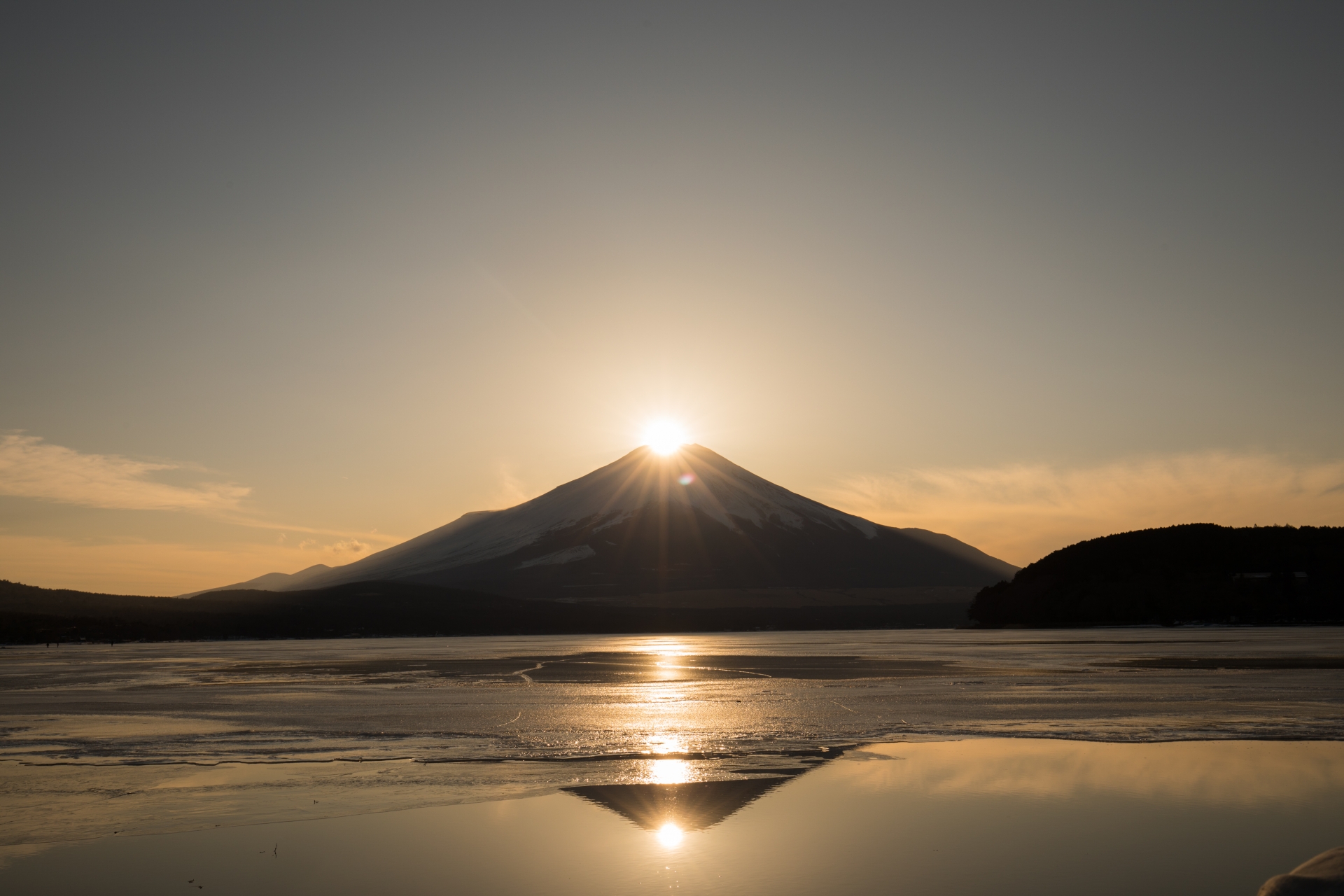
- Mt. Fuji in Winter (December–February)
- Tips and Advice for Foreign Tourists
- Language Support and Finding Information
- Cultural Etiquette and Customs
- Payment and Budget Planning
- Safety Measures and Emergency Contacts
- Photography and Sharing on Social Media
- Sample Mt. Fuji Itineraries
- One-Day Course: Mt. Fuji Scenic Tour
- Three-Day, Two-Night Course: Fuji Five Lakes Tour
- Two-Day, One-Night Mt. Fuji Climb
- Recommended Plans by Season
- Conclusion: For an Unforgettable Mt. Fuji Experience
- Tips for Making the Most of Mt. Fuji
- What Mt. Fuji Teaches Us
- Sustainable Mt. Fuji Tourism
- About the Information in This Article (Please Note)