Private Onsen in Tokyo | The Best Private Hot Springs in and Around Tokyo - GTN MAGAZINE
日本語
日本語
English

Private Onsen in Tokyo | The Best Private Hot Springs in and Around Tokyo

Japan's onsen culture attracts visitors from around the world. However, for first-time visitors or those unfamiliar with Japanese bathing customs, public hot springs can sometimes feel a little intimidating. That's where private onsen come in. Tokyo and its surrounding areas are home to many high-quality hot spring facilities with private baths and reservable onsen, allowing you to relax in complete privacy. In this article, we'll introduce the appeal of private onsen in and around Tokyo, how to choose the right one, and some of the best facilities to visit.

目次


Japan's Onsen Culture and the Appeal of Private Hot Springs

Steam rising from an outdoor Japanese hot spring

The Deep Connection Between Japanese People and Onsen

For Japanese people, an onsen is far more than a place to bathe — it's a special space to heal both body and mind. Soaking in the hot water to wash away the day's fatigue and recharge for tomorrow is a habit that has become an important part of Japanese culture. Japan is a volcanic country with more than 3,000 hot spring areas across the nation. Among them, the Tokyo area is home to many wonderful facilities that let you forget the bustle of the city.

What Makes Private Onsen Special

Private onsen (also called kashikiri-buro, or "reserved private baths," and kazoku-buro, or "family baths," in Japanese) offer several special advantages:

  • Guaranteed privacy: Relax completely without worrying about other guests.
  • A lower cultural hurdle: Use the bath without stressing over public-bath etiquette.
  • A solution to the tattoo issue: Bathe freely without worrying about the tattoo restrictions you often run into at regular public onsen.
  • Special time with the people who matter: Enjoy the onsen together with family or your partner.
  • Bathe at your own pace: Get in and out as you like within your booked time.

For visitors to Japan in particular, a private onsen is a perfect chance to experience Japanese hot spring culture with ease.

Types of Private Onsen and Their Features

A traditional Japanese wooden hot spring bath

Private onsen fall into three main types.

Reserved Private Bath (Kashikiri-buro)

This type lets you book a private bath all to yourself for a set period of time. Reservations are usually required, with sessions typically lasting around 30 to 60 minutes. You'll often find these baths attached to onsen ryokan (Japanese inns) or day-trip onsen facilities, and some charge an additional fee.

Features:

  • Usually requires a separate fee on top of the standard bathing charge
  • Often requires an advance reservation
  • Comes with a time limit of about an hour
  • Ideal for families or couples

Room with a Private Onsen

With this type, your guest room comes with its own private hot spring bath (often an open-air one). It's a luxurious experience that lets you bathe as many times as you like during your stay, with no need to watch the clock.

Features:

  • Included in the room rate (no extra charge)
  • Use it as often as you like throughout your stay, anytime
  • Enjoy the onsen without ever leaving your room
  • Tends to come with a relatively high room rate

Family Bath

A family bath is a small private bathroom for families or small groups, set up inside a large onsen complex such as a "super sento" (large public bathhouse). It's usually first-come, first-served and kept separate from the public areas.

Features:

  • Located inside a day-trip onsen facility
  • Relatively affordable pricing
  • Typically used for a short time (around 30 minutes)
  • Often available same-day with no reservation needed

Recommended Private Onsen and Sauna Facilities in Tokyo

TSUKI Tokyo

Private cypress bath at TSUKI Tokyo

TSUKI Tokyo's "YUUYA / Yuya" offers reservation-only private bathrooms. Its Aomori hinoki (Japanese cypress) tubs are sure to wrap you in a soothing space. The bath is by reservation, and afterward you can relax at your leisure in a dedicated lounge. You can also try the latest massage equipment free of charge. Soak slowly in the spacious tub and savor Japanese bathing culture to the fullest.

Address1-9-4 Tsukiji, Chuo-ku, Tokyo
AccessA 3-minute walk from Tsukiji Station (Tokyo Metro Hibiya Line).
A 4-minute walk from Shintomicho Station (Tokyo Metro Yurakucho Line).
Hours6:00 AM – 12:00 PM / 3:00 PM – 12:00 AM (midnight)
Price¥3,300 / 60 minutes (tax included)
Official sitehttps://www.tsukihotel.com/privatebath/

Maenohara Onsen Sayano Yudokoro

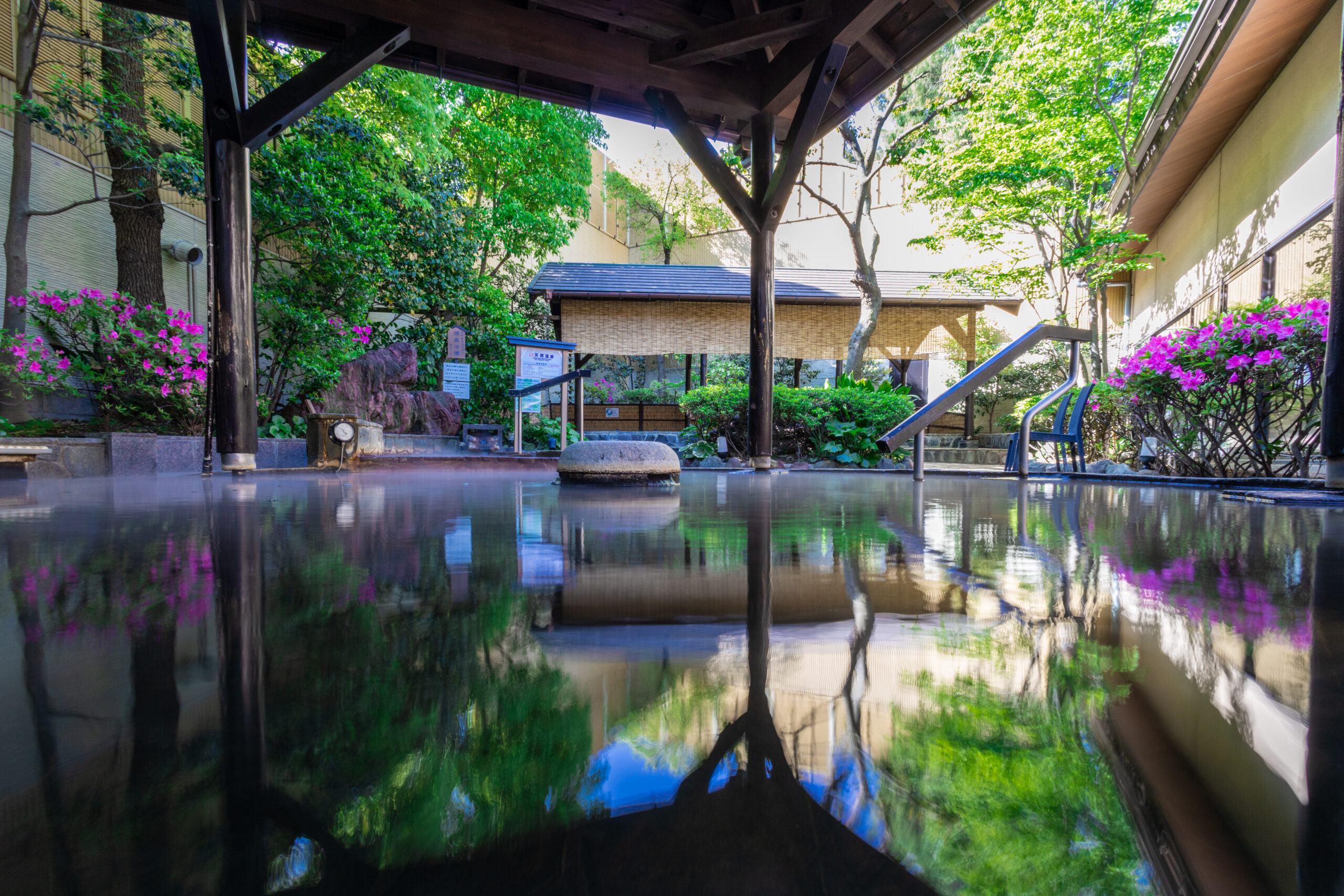
Natural hot spring bath at Maenohara Onsen Sayano Yudokoro

Maenohara Onsen Sayano Yudokoro is a day-trip onsen facility where you can enjoy free-flowing natural hot spring water (gensen kakenagashi) right in the city. The pale yellow-green water — the color of a Japanese bush warbler (uguisu) — is gentle on the skin and soothes both body and mind. A karesansui (dry landscape) Japanese garden and buildings with a Showa-era atmosphere create a calm, relaxed mood, and the facility offers a wide range of relaxation options including stone-sauna bathing (ganban'yoku), aromatherapy, and a skin-care area. Tucked away in the garden, the reserved semi-open-air bath "the reserved semi-open-air bath" lets you unwind in a private, leisurely space. At the dining area you can savor juwari soba (100% buckwheat noodles) made with domestic buckwheat flour. It's a place to forget the noise of the city and spend a slow, relaxing day.

Address3-41-1 Maeno-cho, Itabashi City, Tokyo 174-0063
AccessAbout 8-minute walk from Exit A2 of Shimura-sakaue Station on the Toei Mita Line / right off the Kokusai Kogyo bus stop "Maeno-cho 3-chome"
Official sitehttps://www.sayanoyudokoro.co.jp/

Tokyo Toyosu Manyo Club

Tokyo Toyosu Manyo Club is a bathing facility whose star attraction is its stunning open-air bath overlooking Tokyo Bay. Here in the heart of the city, you can enjoy natural hot spring water brought in fresh every day from Hakone and Yugawara. The facility is packed with relaxation options, including the "Shinsekian" stone-sauna area and the "Nanokura" nano-mist sauna. From the observation foot-bath garden you can take in sweeping views of the Rainbow Bridge and the Odaiba night skyline for a truly extraordinary moment. With lodging and dining on site and 24-hour operation, it's an easy place to drop by between sightseeing or business.

Address6-5-1 Toyosu, Koto City, Tokyo 135-0061
AccessAbout 4-minute walk via the pedestrian deck directly connected to "Shijo-mae" Station on the Yurikamome line / direct buses available to and from Haneda and Narita airports
Official sitehttps://tokyo-toyosu.manyo.co.jp/


Day-Trip Private Onsen Near Tokyo

Here are some day-trip onsen facilities that are easy to reach from Tokyo. You can get to each in about one to two hours by train — perfect for a day trip.

Hakone Yuryo

Hakone Yuryo, in Hakone Town, Kanagawa Prefecture, is a day-trip onsen facility that's easy to reach from Hakone-Yumoto Station. Set in a building styled after an old farmhouse (kominka), it lets you enjoy bathing while taking in Hakone's nature from its spacious open-air and indoor baths. It also has reserved private baths, so you can spend private time here too. The dining area serves dishes made with local ingredients, letting you savor Hakone's flavors alongside the hot springs.

Address4 Tonosawa, Hakone Town, Ashigarashimo District, Kanagawa Prefecture 250-0315
AccessAbout 3 minutes by free shuttle bus from Hakone-Yumoto Station
Official sitehttps://www.hakoneyuryo.jp/

Chichibu Kawabata Onsen Bon no Yu

FTatami-floored hot spring facility at Chichibu Kawabata Onsen Bon no Yu

Bon no Yu, in Chichibu City, Saitama Prefecture, is a day-trip onsen facility boasting one of the Kanto region's finest sodium bicarbonate springs. The water is a sodium chloride–bicarbonate cold mineral spring, prized for its skin-beautifying effects. The entire interior is tatami-matted, lending a calm, settled atmosphere. With a wide range of facilities — open-air and indoor baths, stone-sauna bathing, and a sauna — it's a great place to pursue deep relaxation. An adjoining dog run and auto-camping ground make it popular with families, too.

Address309-1 Kobashira, Chichibu City, Saitama Prefecture 368-0061
AccessAbout 1 minute by car from "Shin-Minano-bashi" on the Minano-Yorii Bypass / about 5 minutes by taxi from Bushu-Nakagawa Station on the Chichibu Railway
Official sitehttps://www.bon-chichibu.jp/

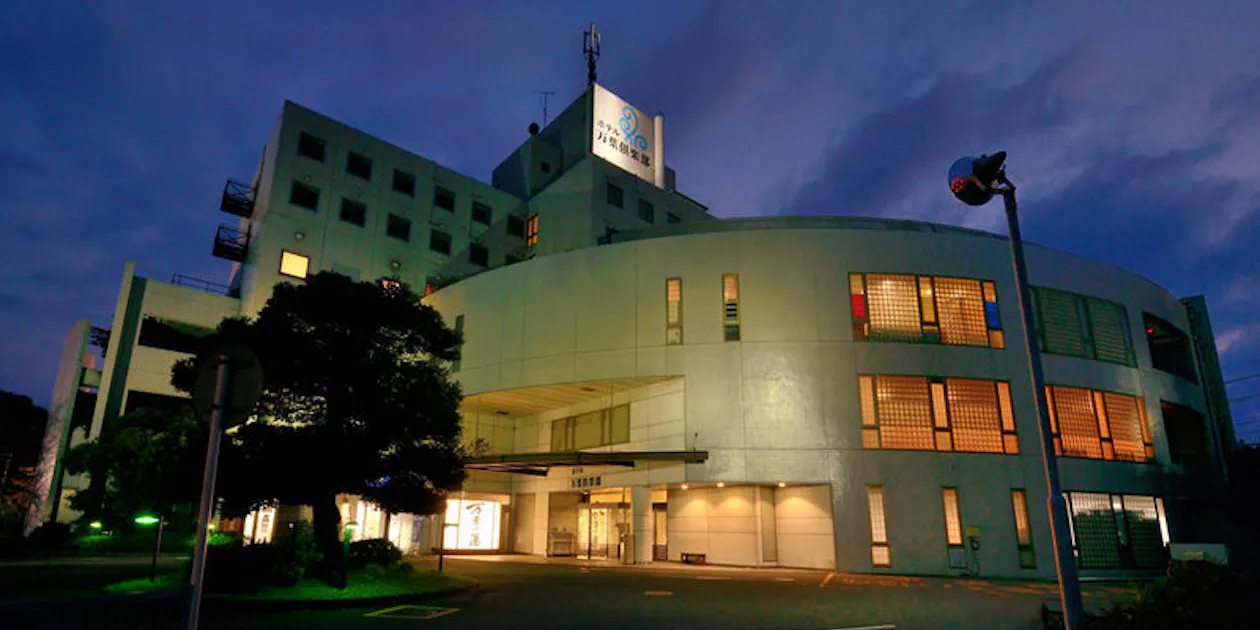
Hadano Manyo Club

Hot spring baths at Hadano Manyo Club

Hadano Manyo Club, in Hadano City, Kanagawa Prefecture, is a bathing facility that uses hot spring water from the source at Yugawara Onsen. Open 24 hours, it accommodates everything from day trips to overnight stays. Inside you'll find a wide range of bathing options — open-air baths, saunas, and stone-sauna bathing — making it ideal for visitors to Japan seeking relaxation. The dining area serves Japanese cuisine that highlights local ingredients. English-speaking staff are also on hand, so foreign travelers can use the facility with peace of mind. With good access from central Tokyo, it's also a convenient base for sightseeing in the Hakone and Shonan areas. It's a great place for visitors to Japan to experience hot spring culture with ease.

Address2-54 Kawara-machi, Hadano City, Kanagawa Prefecture 257-0032
AccessA 13-minute walk (1.2 km) from Hadano Station on the Odakyu Line. / 1.5 km from the Hadano-Nakai IC on the Tomei Expressway, heading toward Hadano.
Official sitehttps://www.manyo.co.jp/hadano/

Onsen Ryokan Near Tokyo Where You Can Stay Overnight

If you'd like to enjoy a private onsen in even greater luxury, we recommend an onsen ryokan with a private open-air bath in the guest room. Here is our handpicked selection of inns you can reach within two hours of Tokyo.

Bessho Sasa

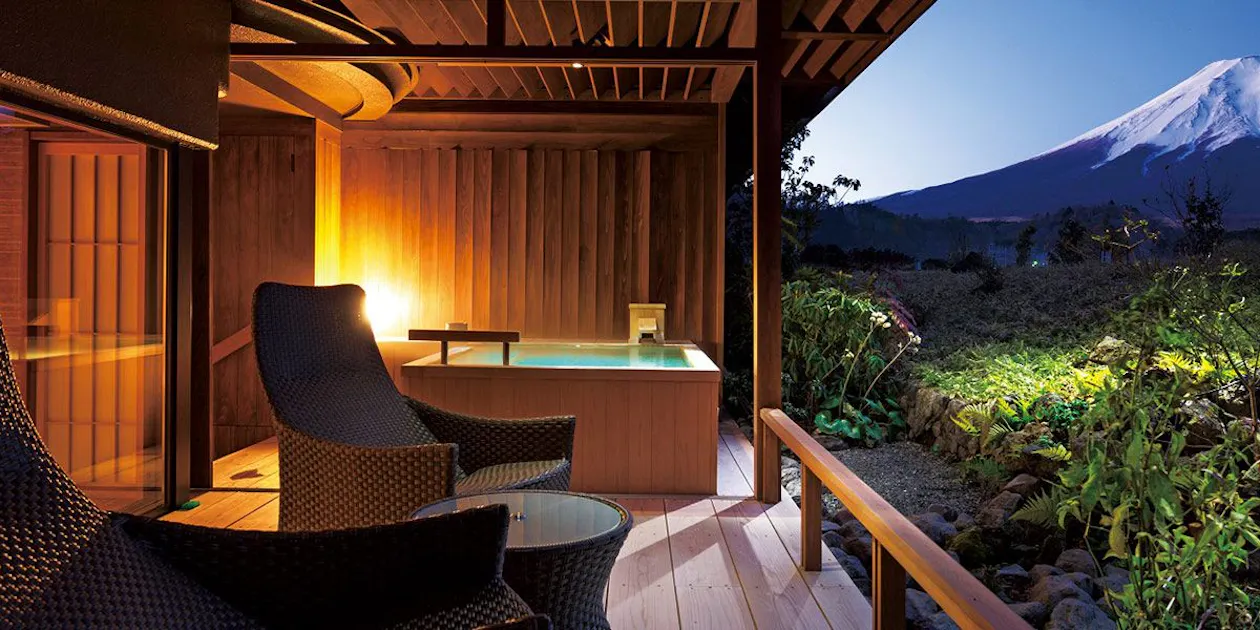
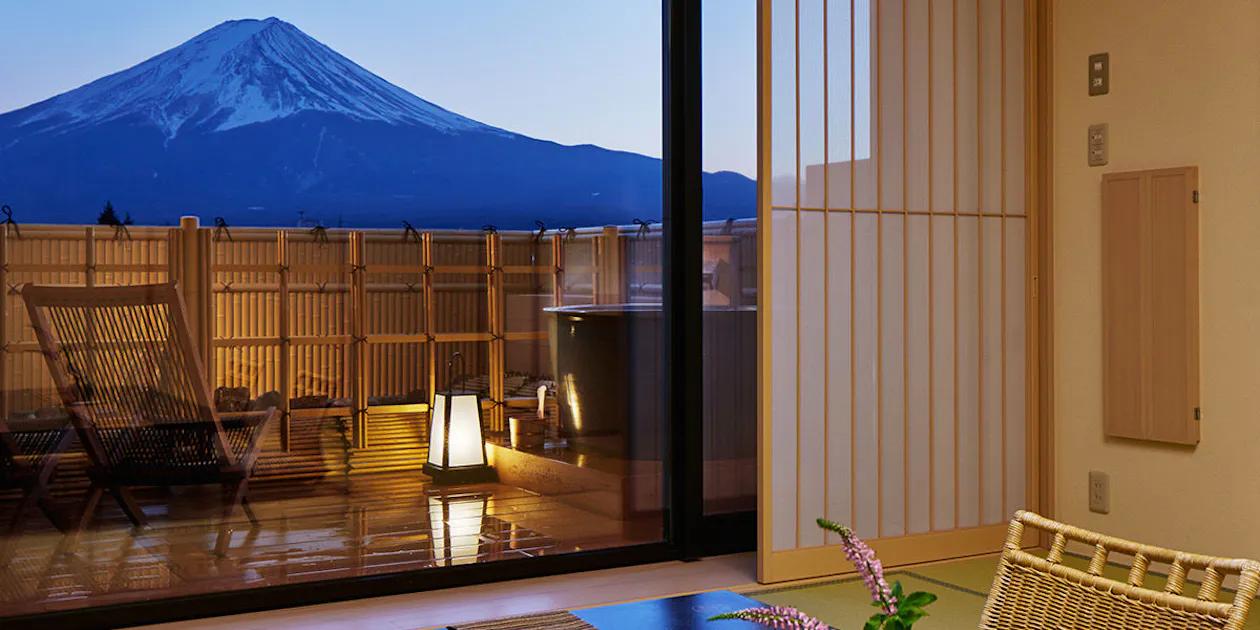
In-room cypress open-air bath with a view of Mount Fuji at Bessho Sasa

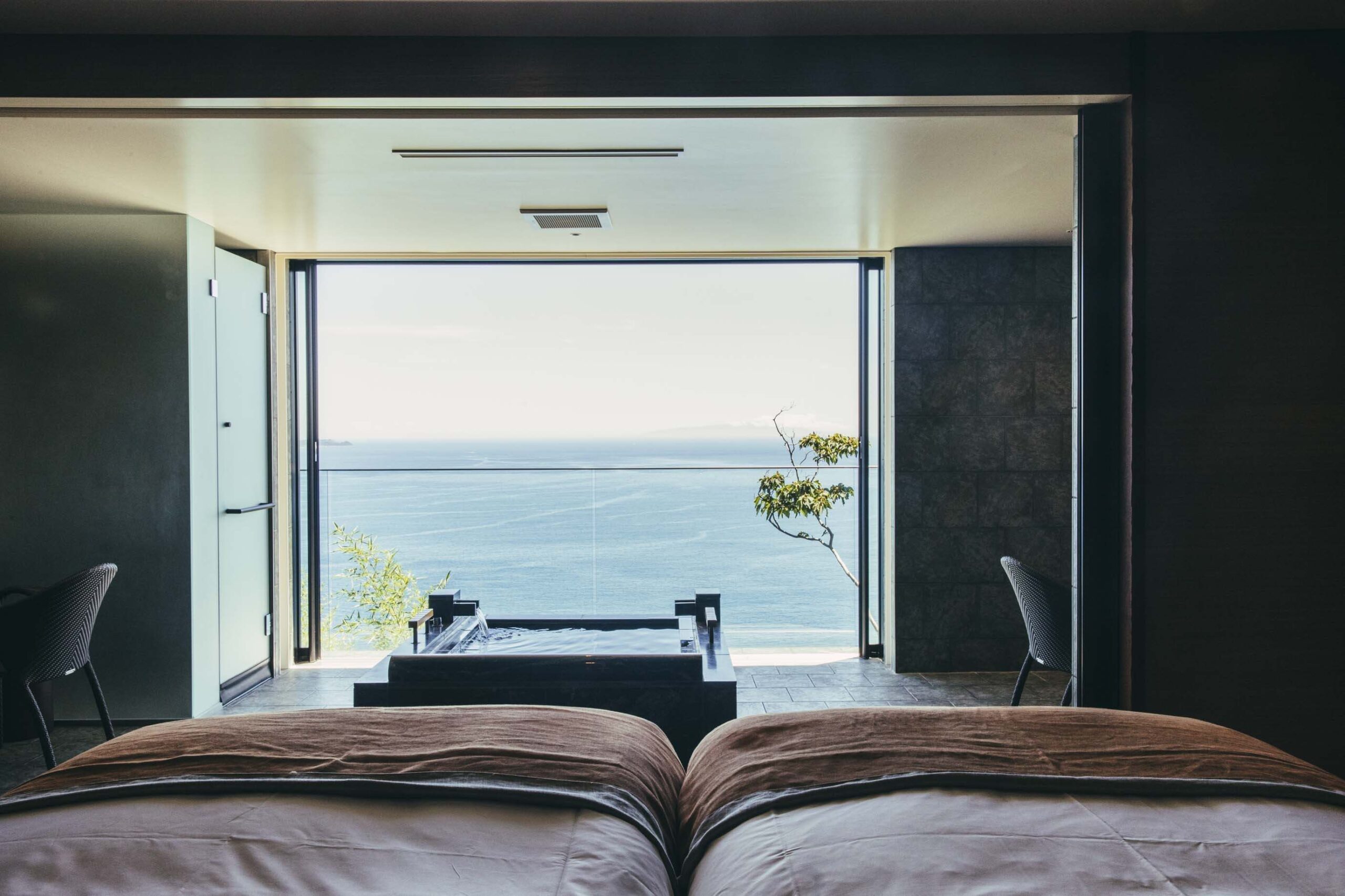
Bessho Sasa is an all-suite onsen retreat set on a special floor of the long-established "Hotel Kaneyamaen" in Fujiyoshida. Each room comes with its own private open-air bath built of hinoki cypress, and through the large windows you can gaze straight at the sacred peak of Mount Fuji. The spacious rooms blend Japanese design with comfortable beds — ideal for everyone from couples to three-generation trips. In the private lounge you can enjoy Yamanashi wine and Japanese sweets free of charge, while the 25,000-tsubo (about 82,600 sq m) Japanese garden features taiko drum shows and seasonal flowers. Dinner is a kaiseki course of local ingredients served in a private dining room, and breakfast is served in your room. With a free shuttle from Fujisan Station and a direct train from Tokyo, access is excellent. English guidance and building-wide Wi-Fi are also available, making it convenient even for a working stay. It's well located for Fuji-Q Highland and Lake Kawaguchi sightseeing, too. Strolling the garden in a yukata and watching the sunset over Mount Fuji from the foot bath is an experience like no other.

AddressInside Hotel Kaneyamaen, 9-1-18 Kamiyoshida-higashi, Fujiyoshida City, Yamanashi Prefecture 403-0032
Access

By Bus

  • Shinjuku → Fujisan Station via the Chuo Expressway Bus (approx. 2 hours). A free shuttle bus is available from Fujisan Station (formerly Fujiyoshida Station).

By Train

  • Shinjuku → Otsuki → Fujisan Station (JR Chuo Line / Fujikyuko Line, approx. 2 hours). A free shuttle bus is available from Fujisan Station (formerly Fujiyoshida Station).

By Car

  • Shinjuku → Kawaguchiko IC (Chuo Expressway): approx. 1 hr 30 min
  • Nagoya (Komaki) → Ichinomiya-Misaka IC → Route 137 → Hotel Kaneyamaen (Chuo Expressway): approx. 4 hrs 10 min
  • Nagoya → Gotemba IC → Higashi-Fuji Five Lakes Toll Road → Yamanakako IC → Route 138 → Hotel Kaneyamaen (Tomei Expressway): approx. 4 hours
  • Tokyo → Gotemba IC → Higashi-Fuji Five Lakes Toll Road → Yamanakako IC → Route 138 → Hotel Kaneyamaen (Tomei Expressway): approx. 1 hr 50 min
Official sitehttps://bessho-sasa.com/

Fuji Kawaguchiko Onsen Konanso

Hot spring inn overlooking Mount Fuji and Lake Kawaguchi at Konanso

source:Yahoo travel

Konanso, with its spectacular views of Mount Fuji and Lake Kawaguchi, is an onsen inn that blends Japanese charm with modern comfort. It offers a variety of hot spring options — guest rooms with open-air baths, reserved private baths, and a foot bath — letting you enjoy the scenery through every season. Cuisine that makes the most of local ingredients and quiet moments in a lounge overlooking Mount Fuji are part of the appeal as well.

Address4020 Funatsu, Fujikawaguchiko Town, Minamitsuru District, Yamanashi Prefecture 401-0301
Access

By Car

10 minutes from Kawaguchiko IC on the Chuo Expressway.

By Train

A 10-minute walk from Kawaguchiko Station on the Fujikyuko Line.

By Highway Bus

1 hour 45 minutes from Busta Shinjuku (Shinjuku Expressway Bus Terminal).

Official sitehttps://www.konansou.com/

Koraku Onyado Fuji Ginkei

Open-air bath with a view of Mount Fuji at Koraku Onyado Fuji Ginkei

source:Yahoo travel

Koraku Onyado Fuji Ginkei, on the shore of Lake Kawaguchi in Yamanashi Prefecture, is an inn where every guest room offers a spectacular view of Mount Fuji and the lake. The view from the open-air bath is especially superb, letting you enjoy the many faces of Mount Fuji through the seasons. The cuisine is kaiseki fare that highlights local ingredients in season, with dishes that are as beautiful to look at as they are to eat.

Address132 Asakawa, Fujikawaguchiko Town, Minamitsuru District, Yamanashi Prefecture 401-0303
Access

From Kawaguchiko Station

  1. On foot: approx. 30 minutes
  2. By car/taxi: approx. 5 minutes
  3. By Kawaguchiko Sightseeing Bus (Retro Bus / Omnibus): approx. 20 minutes
Official sitehttps://www.fujiginkei.jp/

Kaze no Terrace KUKUNA

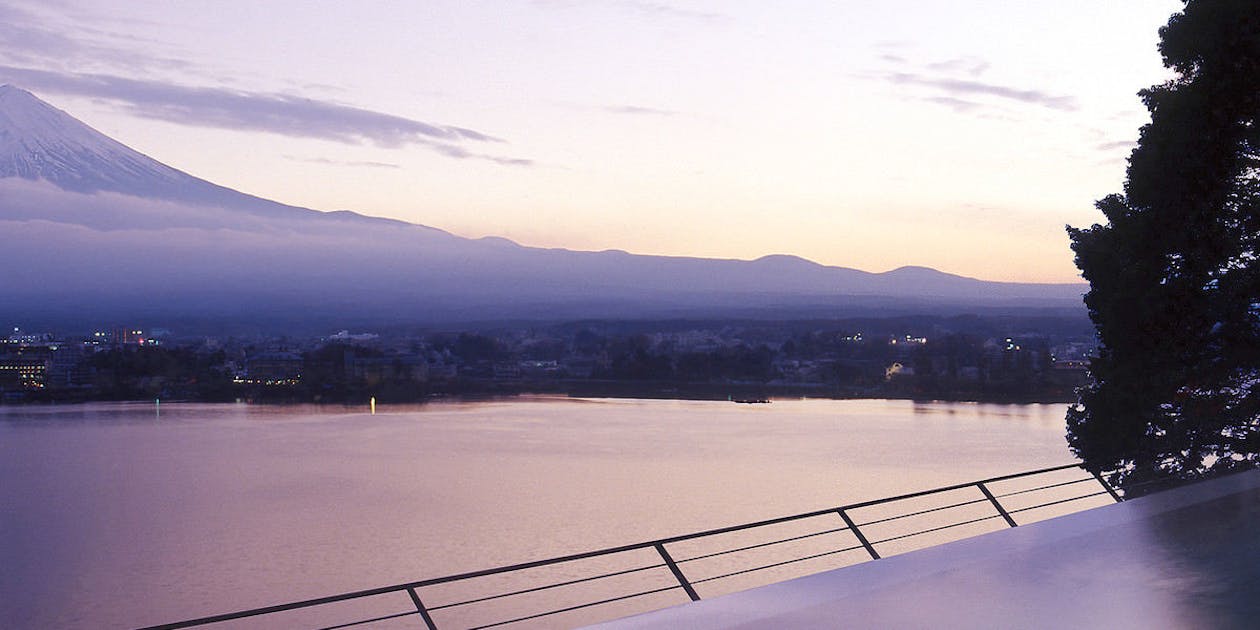
Infinity spa overlooking Lake Kawaguchi at Kaze no Terrace KUKUNA

Kaze no Terrace KUKUNA is a resort hotel where every room commands a view of Mount Fuji and Lake Kawaguchi. Rooms in the observation wing come with an open-air hot spring bath, and the infinity-design spa makes you feel as though you're merging with the lake. At the restaurant you can enjoy a buffet and teppanyaki featuring local ingredients.

Address70 Asakawa, Fujikawaguchiko Town, Yamanashi Prefecture 401-0303
Access

By Car

  • Tokyo → Shinjuku → Kawaguchiko IC (Chuo Expressway, approx. 1 hr 15 min) → 10 min to destination
  • Nagoya → Komaki → Ichinomiya-Misaka IC (Chuo Expressway, approx. 3 hrs) → Route 137 (approx. 30 min)
  • Osaka → Komaki (Meishin Expressway, approx. 1 hr 30 min) → Ichinomiya-Misaka IC (Chuo Expressway, approx. 3 hrs) → Route 137 (approx. 30 min)

By Train

  • Shinjuku → Otsuki (JR Chuo Line, approx. 1 hr 20 min) → Kawaguchiko Station (Fujikyuko Line, approx. 45 min) → Free shuttle (5 min)
  • Nagoya → Mishima (Shinkansen, approx. 1 hr 45 min) → Kawaguchiko Station (Fujikyu Bus, approx. 1 hr 40 min) → Free shuttle (5 min)
  • Shin-Osaka → Mishima (Shinkansen, approx. 3 hrs) → Kawaguchiko Station (Fujikyu Bus, approx. 1 hr 40 min) → Free shuttle (5 min)
Official sitehttps://kukuna.jp/

Yuen Bettei Daita

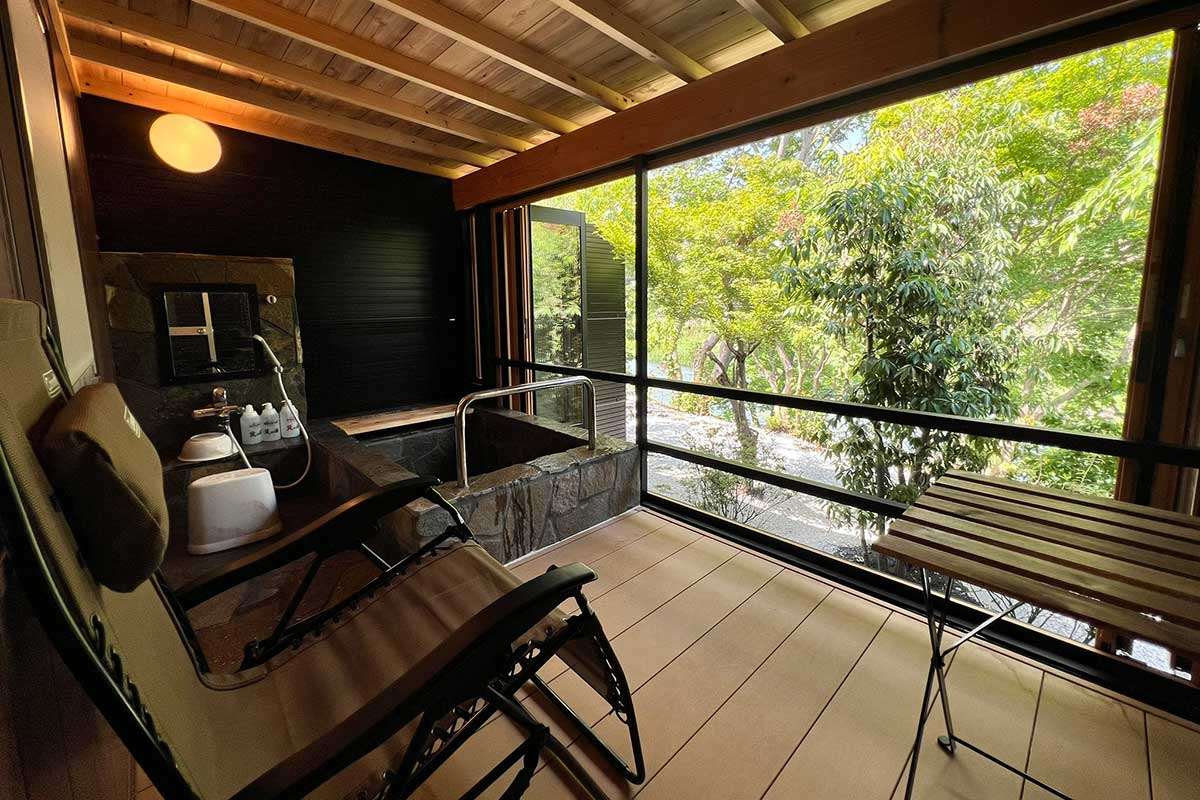
Indoor onsen bath at Yuen Bettei Daita in Tokyo

Yuen Bettei Daita, in Setagaya-Daita in Tokyo, is an inn that lets you soak up the atmosphere of an onsen ryokan while staying right in the city. Located a 1-minute walk from Setagaya-Daita Station on the Odakyu Line, it's the onsen ryokan closest to central Tokyo. It features indoor and semi-open-air baths using alkaline simple hot spring water carried in from the source at Hakone Ashinoko Onsen; the women's bath has an original-aroma mist sauna, and the men's bath has a dry sauna. The guest rooms cherish a sense of Japanese tranquility, so you can spend calm, settled time here.

Address2-31-26 Daita, Setagaya City, Tokyo 155-0033
Access1minute on foot from Setagaya-Daita Station on the Odakyu Line / 8-minute walk from Shimokitazawa Station on the Keio Inokashira Line
Official sitehttps://www.uds-hotels.com/yuenbettei/daita/

Onsen Bathing Etiquette Every Foreign Visitor Should Know

To enjoy Japan's onsen culture to the fullest, it helps to know the basic etiquette. Here's the hot spring bathing etiquette that foreign visitors in particular should know.

Basic Etiquette Before You Bathe

1.Getting ready in the changing room

  • In the changing room, take off all your clothing — you bathe completely nude.
  • Put valuables in a locker, or leave them at the front desk.
  • Don't bring your bath towel into the bathing area; take only a small towel with you.

2.Using the washing area before bathing

  • Always wash your body before getting into the bath.
  • The washing area has stools and a shower or a basin.
  • Use soap and shampoo to wash your whole body, then rinse off thoroughly.

How to Behave in the Bath

1.Bringing a towel into the bath

  • You can bring in a small hand-towel-sized towel, but never put it in the bath water.
  • Set it on top of your head or on the edge of the bath.

2.Manners in the bath

  • Don't swim or talk loudly in the bath.
  • Stay quiet so you don't disturb other bathers.
  • Try not to occupy the same spot for a long time.

Other Points to Keep in Mind

Tattoos

  • Traditionally, Japanese culture has associated tattoos with antisocial organizations, and many onsen facilities prohibit bathing for people with tattoos.
  • Lately, a growing number of facilities have relaxed their rules for foreign visitors, but we recommend checking in advance.

Advice for people with long hair

  • Tie up long hair before getting into the bath.
  • Keeping your hair out of the bath water is part of the etiquette.

How to Choose a Foreigner-Friendly Facility

When you're a visitor to Japan enjoying an onsen, it's a good idea to choose a facility with the following points in mind.

  1. Language support: Choose a facility with English-speaking or multilingual staff.
  2. Tattoo policy: Check the facility's tattoo policy in advance.
  3. Access: Choose a facility with good access from major stations.
  4. Pricing: Choose a facility that fits your budget. (As a rough guide, expect around ¥1,000 for a sento and about ¥2,000 to ¥3,000 for a day-trip onsen. Prices vary by facility and area.)
  5. Privacy: A facility with a family bath or reserved private bath lets you enjoy the onsen in a more private setting.

If this is your first time experiencing a Japanese onsen, it's a good idea to stay at a ryokan or hotel that's used to welcoming foreign guests, or to start with a large onsen complex. With staff to guide you and multilingual signs and instructions, you'll never be unsure about the etiquette and can relax and enjoy your visit.

Enjoy Japan's Onsen Culture Through Private Hot Springs

Tokyo and its surroundings are home to many private onsen that even foreign visitors can enjoy with ease. For anyone hesitant about public baths, anyone with a tattoo, or anyone who wants to spend time with someone special, a private onsen is the perfect choice.

A Japanese onsen isn't just a place to bathe — it has a long history as a place to heal body and mind, ease fatigue, and restore your energy. Through a private onsen, we hope you'll experience the wonder of this Japanese hot spring culture.

Forget the urban bustle and step into the world of the onsen, where time flows slowly. Why not add a private onsen experience to your plans as a special memory of your stay in Tokyo?

Onsen offer not only relaxation but also a range of health benefits. Be sure to add an authentic hot spring experience to the memories of your trip to Japan. With a private onsen, you can enjoy the hot springs from the heart, without worrying about language or cultural barriers.

The spirit of Japanese omotenashi (hospitality) and the healing of hot springs cherished since ancient times — come enjoy a special Japanese experience at a private onsen in Tokyo.

About the Information in This Article (Please Note)

*Prices commonly fluctuate depending on the season and the plan.

In particular, as the environment surrounding tourism changes — including recent economic conditions and the recovery of inbound demand — pricing may be under review.

Please treat the prices in this article as rough guides only, and be sure to check each facility's official website or other sources for the latest information when making a reservation.

*It's commonly known that people with tattoos can still use a reserved private onsen, but not every reserved private onsen facility permits tattoos. Some facilities set their own rules, so to make sure you can use the bath with peace of mind, we recommend checking with each facility in advance.

*Not all hotel reservation sites are affiliated with the facilities.

In particular, smaller, traditional facilities may still rely mainly on direct phone reservations, so please keep this in mind.

Frequently Asked Questions (FAQ)

Q: Which private onsen in Tokyo is the easiest to get to?

A: TSUKI Tokyo (Asakusa) and Toyosu Manyo Club are private onsen facilities you can reach easily by train from the city center. The Asakusa area in particular sits in a tourist district, making it easy to combine with sightseeing.

Q: How do I make a reservation for a private onsen in Japan?

A: Many facilities can be booked in the following ways:

  • Official website (often Japanese only)
  • Phone reservation (English support varies by facility)
  • Hotel reservation sites (such as Booking.com)
  • Hotel concierge service (ask the hotel where you're staying to book on your behalf)

If you're worried about handling a foreign language, the surest option is to ask the staff at your hotel to make the reservation for you.

Q: What is the average price for a private onsen?

A: It varies by type:

  • Reserved private bath (time-based): ¥2,000 to ¥5,000 per 30–60 minutes
  • Room with a private open-air bath: from ¥25,000 per person (one night with two meals)
  • Family bath (inside a day-trip facility): ¥1,000 to ¥3,000 per 30–60 minutes

Q: If I have a tattoo, which type of private onsen do you recommend?

A: If you have a tattoo, a private-room onsen is your best bet. The following options are especially recommended:

  • An inn with an onsen in the guest room (fully private)
  • A day-trip facility with a reserved private bath
  • A facility that explicitly states it is tattoo-friendly

Lately, a growing number of hot spring areas — such as Kinosaki Onsen — welcome tattoos.

Q: Are there private onsen I can use with children?

A: Yes. Many private onsen welcome family use. The type known as a "family bath" is especially well suited to families with children. Pricing is also often split between adults and children.

よくある質問と回答(FAQ)

Q: 東京で一番アクセスしやすいプライベート温泉はどこですか?

A: TSUKI東京(浅草)や豊洲万葉倶楽部は、都心部から電車で簡単にアクセスできるプライベート温泉施設です。特に浅草エリアはツーリストエリアに位置し、観光と組み合わせやすい立地です。

Q: 日本でプライベート温泉の予約はどうすればよいですか?

A: 多くの施設では以下の方法で予約可能です:

  • 公式ウェブサイト(多くは日本語のみ)
  • 電話予約(英語対応は施設による)
  • ホテル予約サイト(Booking.comなど)
  • ホテルのコンシェルジュサービス(滞在しているホテルから予約代行を依頼)

外国語対応が不安な場合は、宿泊するホテルのスタッフに予約代行を依頼するのが確実です。

Q: プライベート温泉の平均的な料金はいくらですか?

A: タイプによって異なります:

  • 貸切風呂(時間制): 2,000円〜5,000円/30〜60分
  • 客室露天風呂付き宿: 25,000円〜/人(1泊2食付き)
  • 家族風呂(日帰り施設内): 1,000円〜3,000円/30〜60分

Q: タトゥーがある場合、どのようなプライベート温泉がおすすめですか?

A: タトゥーがある場合は、個室のプライベート温泉が最適です。特に以下の選択肢がおすすめです:

  • 客室に温泉が付いた宿(完全プライベート)
  • 貸切風呂のある日帰り施設
  • タトゥーフレンドリーを明示している施設

最近ではキノサキ温泉など、タトゥーを歓迎する温泉地も増えています。

Q: 子供連れでも利用できるプライベート温泉はありますか?
A: はい、多くのプライベート温泉は家族での利用を歓迎しています。特に「家族風呂」と呼ばれるタイプは、子供連れに最適です。料金設定も大人と子供で分かれていることが多いです。

関連記事

おすすめ記事