Tokyo Onsen Guide | Recommended Hot Springs and Day-Use Baths in the City - GTN MAGAZINE
日本語
日本語
English

Tokyo Onsen Guide | Recommended Hot Springs and Day-Use Baths in the City

Enjoying an onsen in the middle of Tokyo may come as a surprise to many international visitors.

However, Japan’s capital is actually home to a wide variety of appealing hot spring facilities. Experiencing onsen, one of the symbols of Japanese culture, in Tokyo is not only a refreshing break between sightseeing, but also a valuable opportunity to deepen your understanding of Japanese culture.

In this article, we’ll introduce places in Tokyo where you can enjoy a truly rewarding onsen experience, covering everything from spring quality, features, and access to the appeal of each facility. Whether you are planning a trip to Japan or already staying in Tokyo, we hope this guide will help you find the right onsen experience.

目次

Features and Appeal of Tokyo's Hot Springs

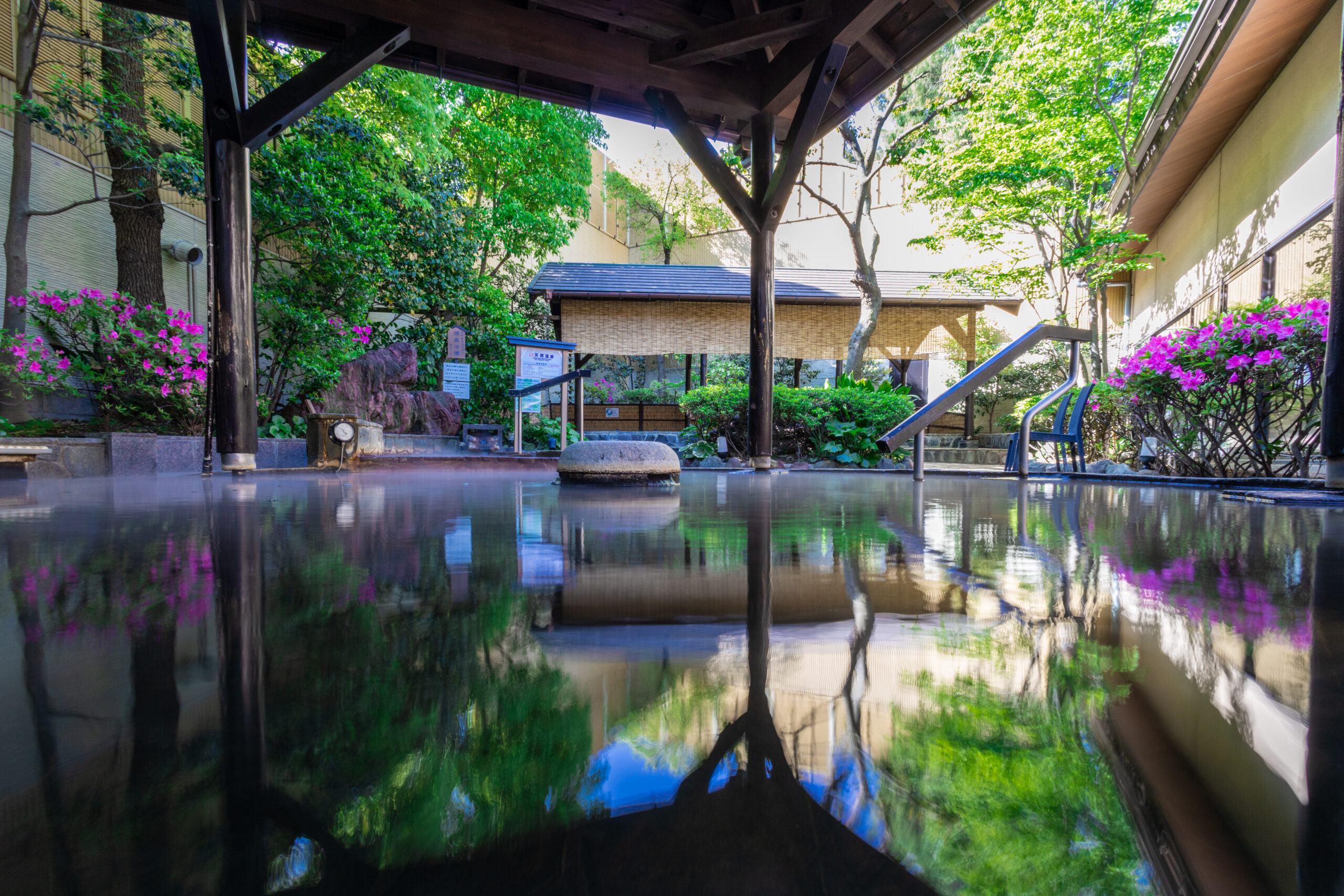
A natural hot spring bath surrounded by greenery

Among the more than 3,000 hot spring areas across Japan, Tokyo's onsen have their own distinct character. When people think of "onsen," they tend to picture mountainous regions or hot spring towns — but in Tokyo, the mainstream is the "urban onsen," which combines the convenience of the city with the healing power of a hot spring.

Ota Ward in particular is home to many springs of the distinctive "kuroyu" (black hot spring water), letting you enjoy an authentic onsen without leaving the city. From facilities that truck in natural hot spring water to those drawing on a source welling up from 1,700 meters underground, the diversity of onsen on offer is part of what makes Tokyo so appealing.

Characteristics of Urban Onsen

Many of Tokyo's hot spring facilities take the form of a "day-use onsen" or "super sento" (large public bathhouse), where you can casually enjoy a hot spring without staying overnight. Compared with a typical hot spring town, they stand out in the following ways:

  • Great access: reachable on foot or with a short ride on public transport from major stations
  • Long opening hours: many stay open late into the night, or even 24 hours
  • A wide range of extra facilities: dining, massage, and rest areas are all well provided for
  • A theme-park-like element: not just a place to bathe, but a complex where you can enjoy a variety of experiences

The Most Popular Hot Spring Facilities in Tokyo

Among Tokyo's many hot spring facilities, here are the ones that are especially popular. These consistently rank near the top in reviews and rankings.

Tokyo Toyosu Manyo Club

Tokyo Toyosu Manyo Club is a bathing facility whose highlight is a stunning open-air bath overlooking Tokyo Bay. Here in the heart of the city, you can enjoy natural hot spring water brought in fresh every day from Hakone and Yugawara. Inside, there's a wealth of relaxation facilities, including the "Shinsekian" ganban'yoku (heated stone bathing) and the "Nanokura" nano-mist sauna. From the observation footbath garden, you can take in sweeping views of the Rainbow Bridge and the Odaiba night scenery for a truly out-of-the-ordinary experience. With lodging and dining facilities on site and 24-hour operation, it's an easy place to drop by between sightseeing or business.

Address6-5-1 Toyosu, Koto-ku, Tokyo 135-0061
AccessAbout a 4-minute walk directly connected via the pedestrian deck from Shijo-mae Station on the Yurikamome line / direct buses available from Haneda and Narita airports
Official websitehttps://tokyo-toyosu.manyo.co.jp/

Maenohara Onsen Sayanoyudokoro

Maenohara Onsen Sayanoyudokoro

Maenohara Onsen Sayanoyudokoro is a day-use onsen where, despite being right in the city, you can enjoy free-flowing natural spring water (gensen kake-nagashi). The olive-green (uguisu) water is gentle on the skin and soothes both body and mind. A dry-landscape (karesansui) Japanese garden and a building with a nostalgic Showa-era feel create a calm atmosphere, while inside you'll find a range of relaxation facilities such as ganban'yoku, aromatherapy, and a beauty treatment area. Tucked away in the garden is the private semi-open-air bath "Akari," where you can unwind in a quiet, private space. The dining area serves juwari soba (100% buckwheat noodles) made with domestic buckwheat flour. It's a place to forget the bustle of the city and spend time at a leisurely pace.

Address3-41-1 Maeno-cho, Itabashi-ku, Tokyo 174-0063
AccessAbout an 8-minute walk from Exit A2 of Shimura-sakaue Station on the Toei Mita line / right by the "Maeno-cho 3-chome" stop on the Kokusai Kogyo bus
Official websitehttps://www.sayanoyudokoro.co.jp/

Tokyo Dome Natural Hot Spring Spa LaQua

Tokyo Dome Natural Hot Spring Spa LaQua

Spa LaQua is a natural hot spring facility within Tokyo Dome City. Its appeal lies in a wide range of bathing facilities, including an open-air bath using mineral-rich water that wells up from 1,700 meters underground, various saunas, and the "Healing Baden" ganban'yoku. It also has plenty of relaxation spaces, esthetic treatments, and restaurants, making it a popular spot to refresh in the city center. With rental indoor wear and towels available, you can drop by empty-handed and at ease.

AddressLaQua Building 5–9F, 1-1-1 Kasuga, Bunkyo-ku, Tokyo 112-0003
AccessDirectly connected to Korakuen Station on the Tokyo Metro Marunouchi and Namboku lines / Kasuga Station on the Toei Mita and Oedo lines; a 3-minute walk from Suidobashi Station on the JR line
Official websitehttps://www.laqua.jp/spa/

Free-Flowing Natural Spring Water (Gensen Kake-nagashi)

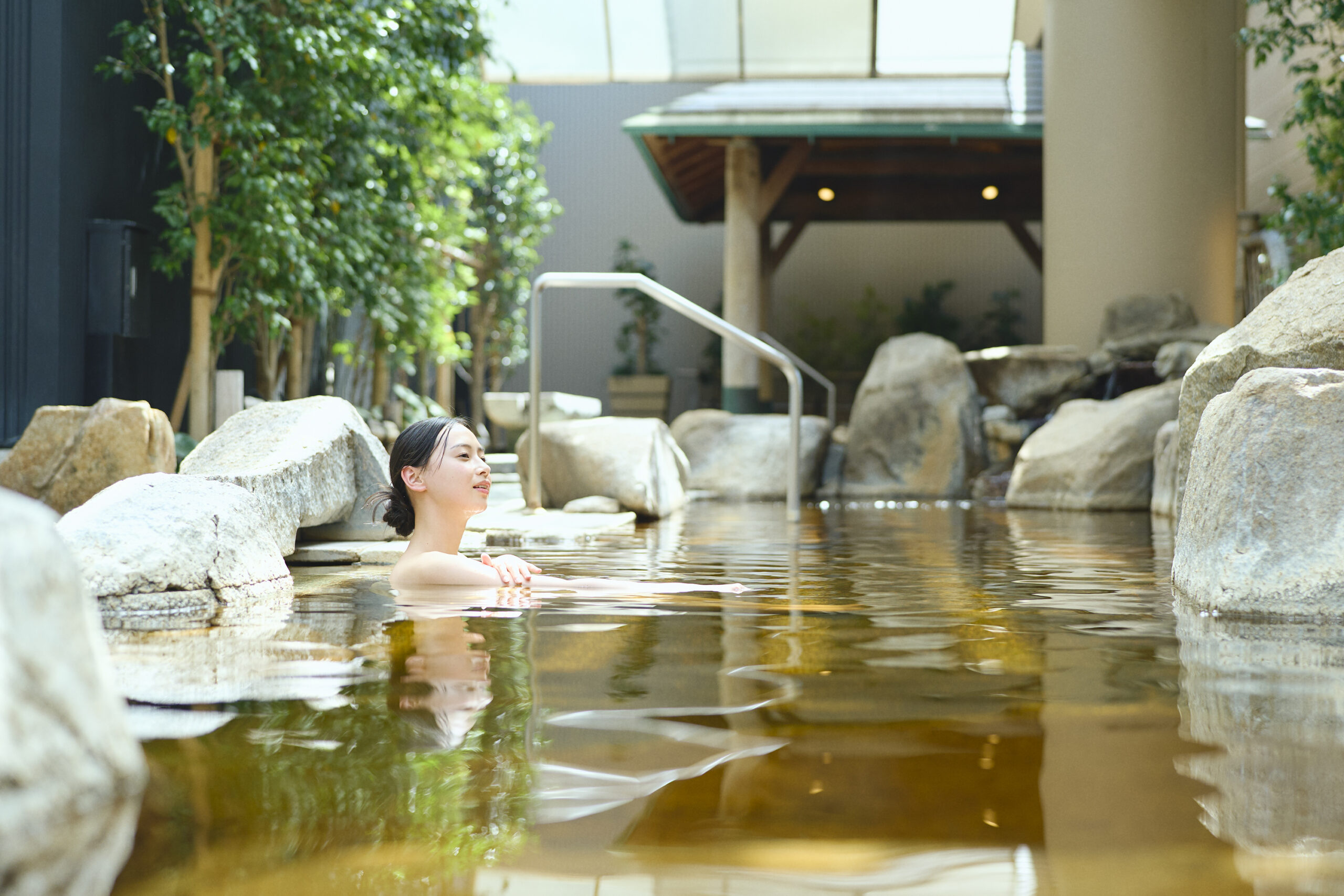
An open-air free-flowing spring bath

Especially prized among onsen connoisseurs is "gensen kake-nagashi" — free-flowing spring water. This is a luxurious bathing style in which water drawn straight from the source flows continuously through the bath. Though they are few in number, Tokyo does have facilities where you can enjoy genuine free-flowing spring water.

What Is Gensen Kake-nagashi?

Gensen kake-nagashi is a method in which spring water drawn from the source is poured directly into the bath and drained away after a single use. With no added water, reheating, or recirculating filtration, it preserves the hot spring in its original form and is regarded as a way of bathing that makes the most of the water's natural components and benefits.

Free-Flowing Spring Water Onsen in Tokyo

Here are some of the leading facilities where you can enjoy free-flowing spring water within Tokyo.

Maenohara Onsen Sayanoyudokoro

Maenohara Onsen Sayanoyudokoro

Maenohara Onsen Sayanoyudokoro is a day-use onsen where, despite being right in the city, you can enjoy free-flowing natural spring water. The olive-green (uguisu) water is gentle on the skin and soothes both body and mind. A dry-landscape (karesansui) Japanese garden and a building with a nostalgic Showa-era feel create a calm atmosphere, while inside you'll find a range of relaxation facilities such as ganban'yoku, aromatherapy, and a beauty treatment area. Tucked away in the garden is the private semi-open-air bath "Akari," where you can unwind in a quiet, private space. The dining area serves juwari soba (100% buckwheat noodles) made with domestic buckwheat flour. It's a place to forget the bustle of the city and spend time at a leisurely pace.

Address3-41-1 Maeno-cho, Itabashi-ku, Tokyo 174-0063
AccessAbout an 8-minute walk from Exit A2 of Shimura-sakaue Station on the Toei Mita line / right by the "Maeno-cho 3-chome" stop on the Kokusai Kogyo bus
Official websitehttps://www.sayanoyudokoro.co.jp/

Natural Hot Spring Nagomi no Yu

Natural Hot Spring Nagomi no Yu is a day-use onsen in a prime location, just a 1-minute walk from JR Ogikubo Station. It uses "Tsurutsuru Onsen," a spring known as a "beauty bath" sourced from Hinode-machi in Nishitama District. There's a wide variety of baths, including an open-air bath using the dark brown natural spring water, a carbonated bath, and a vibra (bubbling) bath. On the fifth floor, a ganban'yoku and a healing patio let you spend time at a relaxed pace. The facility also has esthetic treatments, massage, and a dining area, creating a space where you can fully relax in body and mind. It's a great choice for anyone who wants to casually enjoy an onsen in the city center.

Address1-10-10 Kamiogi, Suginami-ku, Tokyo 167-0043
AccessAbout a 2-minute walk from the west exit of Ogikubo Station on the JR Chuo line and Tokyo Metro Marunouchi line
Official websitehttps://www.nagomino-yu.com/

Natural Hot Spring Roten Garden

Natural Hot Spring Roten Garden is a day-use onsen in Machida, Tokyo. Its natural spring water — a sodium chloride–bicarbonate spring welling up from 1,381 meters underground — is characterized by an amber-colored bath and is said to have skin-beautifying effects. It offers a wide range of facilities including open-air baths, indoor baths, ganban'yoku, and saunas, along with relaxation services and a dining area. With a free reclining room and a multi-room where you can enjoy 10,000 manga volumes, you can spend a whole day at your leisure.

Address358 Aihara-machi, Machida-shi, Tokyo 194-0211
AccessAbout a 10-minute ride on the free shuttle bus from the south exit of Hashimoto Station on the JR Yokohama line
Official websitehttps://roten-garden.com/

Distinctive Types of Onsen in Tokyo

Some of Tokyo's onsen have distinctive features you won't find in other regions. In particular, "kuroyu" is known as a hot spring that represents Tokyo.

Kuroyu (Black Hot Spring Water)

What is kuroyu? As the name suggests, it's a hot spring whose water is blackish-brown in color. It wells up mainly around Ota Ward in Tokyo and takes on its blackish-brown hue from its high content of humic matter (humic acid). It's a marine-origin spring, thought to derive from volcanic ash and humic matter that accumulated on the floor of Tokyo Bay.

Benefits of kuroyu

  • Skin-beautifying effect: humic acid helps dissolve old keratin, leaving the skin smooth after your bath
  • Heat-retention effect: it has the property of keeping you from getting cold after bathing
  • Relaxation effect: its distinctive components ease the nerves and bring deep relaxation
FeatureDetails
ColorBlackish-brown to deep brown (like coffee or tea)
ComponentsHumic acid, sodium bicarbonate, metasilicic acid, etc.
ScentThe sweet aroma of a moor spring (a faint scent)
Feel on the skinA viscous, clinging sensation
BenefitsSkin-beautifying, heat retention, fatigue recovery, etc.
TemperatureThe source is 18–20°C; heated for bathing

Representative kuroyu onsen facilities:

Kamata Onsen

Kamata Onsen

Kamata Onsen is a long-established bathhouse founded in 1937 (Showa 12), located in Ota Ward, Tokyo. It's known for its natural kuroyu spring water welling up from underground and its tinglingly hot baths. Inside, there's a large hall that can hold around 80 people, where you can enjoy meals and banquets. A "tebura set" (empty-handed set with the essentials) is also available, making it a beloved onsen facility you can drop by with ease.

Address2-23-2 Kamata-honcho, Ota-ku, Tokyo 144-0053
AccessAbout a 12-minute walk from Keikyu Kamata Station on the Keikyu main line / about a 14-minute walk from Kamata Station on the JR Keihin-Tohoku line
Official websitehttps://kamata-onsen.com/

Yu-City Kamata

Yu-City Kamata is a bathing facility in Kamata, Ota Ward, Tokyo. You can enjoy open-air baths, indoor baths, and a sauna using natural kuroyu spring water drawn up from 120 meters underground. Inside, there's also karaoke and a dining area, so you can spend a relaxed time. Just a 5-minute walk from JR Kamata Station, the access is excellent, making it convenient to drop by between sightseeing or business.

Address1-26-16 Kamata, Ota-ku, Tokyo 144-0052
AccessAbout a 5-minute walk from the east exit of Kamata Station on the JR and Tokyu lines
Official websitehttps://youcity26.com/

SPA & HOTEL Nagomi

SPA & HOTEL Nagomi is a lodging facility in Kamata, Ota Ward, Tokyo, where you can enjoy free-flowing natural black hot spring water (kuroyu). The kuroyu welling up from underground can be expected to have skin-beautifying and heat-retention effects, and the facility is also well equipped with ganban'yoku, saunas, and relaxation facilities. Just a 1-minute walk from JR Kamata Station, it offers excellent access and is conveniently located for getting to Haneda Airport.

Address7-4-12 Nishikamata, Ota-ku, Tokyo 144-0051
AccessAbout a 1-minute walk from the west exit of Kamata Station on the JR and Tokyu lines
Official websitehttps://www.spa-nagomi.com/

Onsen Guide by Area

Tokyo's onsen have different characteristics depending on the area. Here are some representative hot spring facilities by area.

Central Tokyo (Chiyoda, Chuo, Minato Wards, etc.)

Thermae-Yu Shinjuku

Thermae-Yu Shinjuku is a 24-hour bathing facility in Kabukicho, Shinjuku. Its open-air bath uses natural hot spring water brought in daily from "Jindai no Yu" in Naka-Izu — a sodium-calcium-sulfate spring (hypotonic, alkaline, high-temperature) said to be effective for neuralgia, muscle pain, sensitivity to cold, and fatigue recovery. There's also a wide range of other baths, including a high-concentration carbonated bath, jet baths, and saunas. With a women-only "Nordic Coral Light lotion bath," ganban'yoku, relaxation services, esthetics, restaurants, and cafés, the facility lets you refresh in both body and mind. The access is convenient too, making it ideal for a stop between sightseeing or shopping.

Address1-1-2 Kabukicho, Shinjuku-ku, Tokyo 160-0021
AccessAbout a 2-minute walk from Exit E1 of Shinjuku-sanchome Station on the Toei Shinjuku, Marunouchi, and Fukutoshin lines / about a 9-minute walk from the east exit of Shinjuku Station on the JR line
Official websitehttps://thermae-yu.jp/


Tokyo Bay Area (Koto, Shinagawa Wards, etc.)

Tokyo Toyosu Manyo Club

Tokyo Toyosu Manyo Club is a bathing facility whose highlight is a stunning open-air bath overlooking Tokyo Bay. Here in the heart of the city, you can enjoy natural hot spring water brought in fresh every day from Hakone and Yugawara. Inside, there's a wealth of relaxation facilities, including the "Shinsekian" ganban'yoku and the "Nanokura" nano-mist sauna. From the observation footbath garden, you can take in sweeping views of the Rainbow Bridge and the Odaiba night scenery for a truly out-of-the-ordinary experience. With lodging and dining facilities on site and 24-hour operation, it's an easy place to drop by between sightseeing or business.

Address6-5-1 Toyosu, Koto-ku, Tokyo 135-0061
AccessAbout a 4-minute walk directly connected via the pedestrian deck from Shijo-mae Station on the Yurikamome line / direct buses available from Haneda and Narita airports
Official websitehttps://tokyo-toyosu.manyo.co.jp/

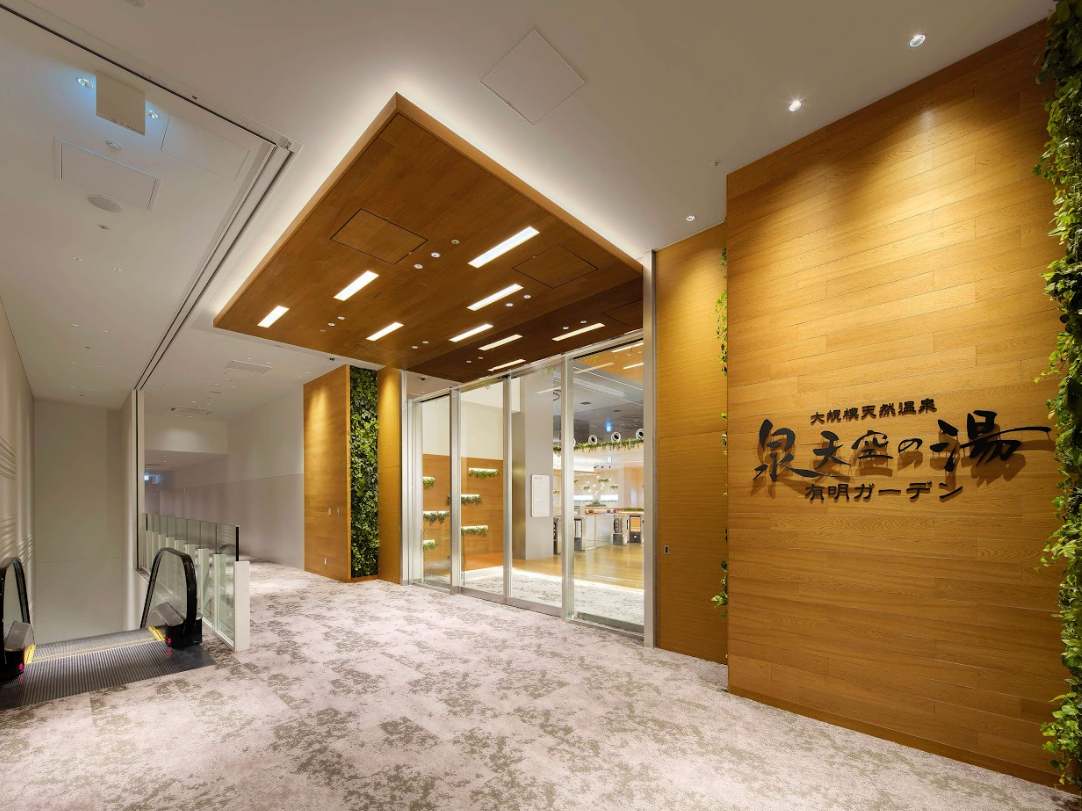
Izumi Tenku no Yu Ariake Garden

Izumi Tenku no Yu Ariake Garden

Izumi Tenku no Yu Ariake Garden is a large bathing facility in Ariake, Tokyo. It has a wide range of baths using natural hot spring water that wells up from underground, along with ganban'yoku, saunas, and relaxation facilities. Inside there are also restaurants and cafés, so you can spend a relaxed time. Directly connected to the Hotel Villa Fontaine Grand Tokyo-Ariake, it's also convenient to use in combination with an overnight stay.

AddressMall & Spa 5F, 2-1-7 Ariake, Koto-ku, Tokyo 135-0063
AccessAbout a 4-minute walk from Ariake Station on the Yurikamome line
Official websitehttps://www.shopping-sumitomo-rd.com/ariake/spa-izumi/

Natural Hot Spring Heiwajima

Natural Hot Spring Heiwajima is a 24-hour bathing facility in Ota Ward, Tokyo. It's fully equipped with a wide range of baths using natural hot spring water welling up from 2,000 meters underground, as well as ganban'yoku, saunas, and relaxation facilities. Inside there are also restaurants and rest areas, so you can spend a relaxed time. With good access from Haneda Airport, it's also convenient to drop by before or after a trip.

AddressBig Fun Heiwajima 2F, 1-1-1 Heiwajima, Ota-ku, Tokyo 143-8532
AccessAbout 10 minutes / about 3 minutes by the 100-yen "one-coin" bus from Omori Station on the JR line / Heiwajima Station on the Keikyu line
Official websitehttps://www.heiwajima-onsen.jp/

Shitamachi (Old Downtown) Area (Sumida, Taito, Arakawa Wards, etc.)

Tokyo Somei Onsen SAKURA

Tokyo Somei Onsen SAKURA is a day-use onsen with a Japanese-modern style. Its colorless, transparent natural hot spring water — welling up from 1,800 meters underground — turns amber when poured into the bath and is excellent at moisturizing and retaining heat. With a cypress indoor bath, a spacious open-air bath, a stadium-style sauna, and more, it offers a variety of baths and facilities. Inside there's also a rest area with reclining seats and a restaurant with a view of greenery. Right in the city center, it offers the calm atmosphere of a traditional ryokan inn, where you can relax in both body and mind.

Address5-4-24 Komagome, Toshima-ku, Tokyo 170-0003
AccessAbout a 7–8-minute walk from the south exit of Sugamo Station on the JR Yamanote line and Toei Mita line (free shuttle bus available)
Official websitehttps://www.sakura-2005.com/

Western Area (Shinjuku, Nerima, Suginami, etc.)

Natural Hot Spring Nagomi no Yu

Natural Hot Spring Nagomi no Yu

Natural Hot Spring Nagomi no Yu is a day-use onsen in a prime location, just a 1-minute walk from JR Ogikubo Station. It uses "Tsurutsuru Onsen," a spring known as a "beauty bath" sourced from Hinode-machi in Nishitama District. There's a wide variety of baths, including an open-air bath using the dark brown natural spring water, a carbonated bath, and a vibra (bubbling) bath. On the fifth floor, a ganban'yoku and a healing patio let you spend time at a relaxed pace. The facility also has esthetic treatments, massage, and a dining area, creating a space where you can fully relax in body and mind. It's a great choice for anyone who wants to casually enjoy an onsen in the city center.

Address1-10-10 Kamiogi, Suginami-ku, Tokyo 167-0043
AccessAbout a 2-minute walk from the west exit of Ogikubo Station on the JR Chuo line and Tokyo Metro Marunouchi line
Official websitehttps://www.nagomino-yu.com/

Foreigner-Friendly Onsen Facilities

When visitors to Japan use an onsen for the first time, it's not unusual to feel unsure because of language and cultural differences. Here, we introduce the features of onsen facilities that are easy for foreign visitors to use, along with some recommended facilities.

Onsen Facilities with Strong Support for International Visitors

Onsen facilities that are welcoming to foreign tourists tend to share the following features:

  • Multilingual support (pamphlets and signage with English, etc.)
  • Clear explanations of how to bathe (pictograms and printed instructions)
  • Tattoo-friendly policies (facilities or time slots where you can bathe even with tattoos)
  • Cashless payment support
  • Foreign staff or staff with foreign-language ability

Recommended Onsen Facilities for Foreign Visitors

Tokyo Toyosu Manyo Club

Tokyo Toyosu Manyo Club is a bathing facility whose highlight is a stunning open-air bath overlooking Tokyo Bay. Here in the heart of the city, you can enjoy natural hot spring water brought in fresh every day from Hakone and Yugawara. Inside, there's a wealth of relaxation facilities, including the "Shinsekian" ganban'yoku and the "Nanokura" nano-mist sauna. From the observation footbath garden, you can take in sweeping views of the Rainbow Bridge and the Odaiba night scenery for a truly out-of-the-ordinary experience. With lodging and dining facilities on site and 24-hour operation, it's an easy place to drop by between sightseeing or business.

Address6-5-1 Toyosu, Koto-ku, Tokyo 135-0061
AccessAbout a 4-minute walk directly connected via the pedestrian deck from Shijo-mae Station on the Yurikamome line / direct buses available from Haneda and Narita airports
Official websitehttps://tokyo-toyosu.manyo.co.jp/

Hasunuma Onsen

Hasunuma Onsen is a long-established sento in Ota Ward, founded in 1944. Renovated in 2017 under a "Taisho Roman" concept, it has a retro-modern atmosphere. All of its baths use pale yellowish-brown natural hot spring water, and its carbon-dioxide-rich water quality can be expected to promote blood circulation and beautify the skin. Touches like water flowing from a waterfall painted on the wall and stained-glass decorations create an out-of-the-ordinary space. It's a spot where you can casually savor the feeling of an onsen in the city center.

Address6-16-11 Nishikamata, Ota-ku, Tokyo 144-0051
AccessAbout a 2-minute walk from Hasunuma Station on the Tokyu Ikegami line / about a 10-minute walk from Kamata Station on the JR line
Official websitehttps://www.hasunuma-onsen.com/

Onsen Bathing Etiquette Every Foreign Visitor Should Know

To get the most out of Japan's onsen culture, it's important to know the basic etiquette. Here, we introduce the onsen bathing manners that foreign tourists in particular should be aware of.

Basic Etiquette Before Bathing

1. Getting ready in the changing room

  • In the changing room, take off all your clothing and bathe nude
  • Put valuables in a locker or have them held at the front desk
  • Don't bring a bath towel into the bathing area; take only a small towel with you

2. Using the washing area before bathing

  • Always wash your body before getting into the bath
  • The washing area has stools and a shower or a basin
  • Wash your whole body with soap or shampoo, then rinse off thoroughly

How to Behave in the Bath

1. Bringing a towel into the bath

  • A small tenugui-sized towel is fine to bring, but putting it into the bathwater is not allowed
  • Place it on top of your head or set it on the edge of the bath

2. Manners while in the bath

  • Don't swim or talk loudly in the bath
  • Spend your time quietly so as not to disturb other bathers
  • Try not to occupy the same spot for a long time

Other Points to Keep in Mind

About tattoos

  • Traditionally, Japan has a culture that associates tattoos with antisocial organizations, and many onsen facilities prohibit bathing for people with tattoos
  • Recently, more facilities have eased their rules for foreign tourists, but it's best to check in advance

Advice for people with long hair

  • Tie up long hair before getting into the bath
  • It's good manners to keep your hair from touching the bathwater

How to Choose a Foreigner-Friendly Facility

When visitors to Japan enjoy an onsen, it's a good idea to choose a facility with the following points in mind:

  1. Language support: choose a facility with English- or multilingual-speaking staff
  2. Tattoo policy: check the facility's stance on tattoos in advance
  3. Access: choose a facility with good access from major stations
  4. Pricing: choose a facility that fits your budget (as a rough guide, around ¥1,000 for a sento and around ¥2,000–3,000 for a day-use onsen. Prices vary by facility and area.)
  5. Privacy: at a facility with family baths or private baths, you can enjoy the onsen in a more private space

If you're experiencing a Japanese onsen for the first time, it's a good idea to start by staying at a ryokan or hotel that's used to welcoming foreign guests, or by visiting a large onsen facility. With staff guidance and multilingual instructions, you can use the facility with peace of mind and without getting confused about bathing etiquette.

Day-Trip Onsen Near Tokyo

Beyond central Tokyo, there are also wonderful hot springs in the surrounding areas, reachable by train in about one to two hours. They make a great day-trip onsen excursion during your stay in Tokyo.

Hakone (Kanagawa Prefecture)

Hakone is famous as the most easily accessible hot spring area from Tokyo. It's also a popular hot spring destination among foreign tourists.

  • Gora Onsen: a hot spring area at the terminus of the Hakone Tozan Railway
  • Hakone-Yumoto: the gateway to Hakone, with many day-use onsen facilities
  • Owakudani: a volcanic area that's also a hot spring source, where you can enjoy sightseeing

Access: about 85 minutes from Shinjuku on the Odakyu Romancecar (to Hakone-Yumoto Station)

Atami (Shizuoka Prefecture)

A hot spring area you can reach easily in about 45 minutes from Tokyo by Shinkansen. Its appeal is open-air baths overlooking the sea.

  • Atami Onsen: enjoy hot springs with sea views and a stroll through town
  • Taga Onsen: a quiet hot spring area in the southern part of Atami

Access: about 45 minutes from Tokyo Station by Shinkansen

Kusatsu (Gunma Prefecture)

Kusatsu Onsen consistently ranks near the top in popularity rankings of hot spring destinations chosen by foreign visitors. Its appeal is the atmosphere of a hot spring town centered on the "Yubatake" (hot water field).

  • Kusatsu Onsen: an atmospheric hot spring town centered on the "Yubatake"
  • Netsu no Yu: a public bathhouse for an authentic onsen experience

Access: about 3 hours from Tokyo Station, transferring between the Shinkansen and a limited-express bus

Making the Most of Onsen in Tokyo

An onsen experience in Tokyo can make your trip to Japan even richer. Not only can you forget the city's bustle and experience Japan's age-old bathing culture, but you can also soothe a tired body and recover the energy for your travels.

The Best Seasons for Tokyo Onsen

You can enjoy Tokyo's onsen year-round, but the most recommended seasons are as follows:

  • Winter (December–February): the cold season is when you feel the warmth of an onsen most
  • Cherry blossom season (late March–early April): some facilities let you view the blossoms from the open-air bath
  • Rainy season (June): on rainy days there are fewer crowds, so you can enjoy a relaxed visit

Recommended Onsen Plans for Visitors to Japan

1. Combining Tokyo sightseeing with an onsen

  • Asakusa sightseeing → an onsen near Asakusa (such as Tokyo Somei Onsen SAKURA)
  • A visit to Toyosu Market → Tokyo Toyosu Manyo Club
  • Tokyo Dome City → Spa LaQua

2. A kuroyu experience plan

  • A Kamata Onsen experience after arriving at Haneda Airport
  • A "Tokyo kuroyu tour," comparing several black hot springs

3. A day-trip onsen excursion plan

  • A day-trip onsen excursion to Hakone using one day of your Tokyo stay
  • A short trip to Lake Kawaguchi (Kawaguchiko Onsen) to enjoy Mt. Fuji and an onsen at the same time

Summary

The onsen is an important part of Japanese culture. During your stay in Tokyo, do try an authentic onsen experience. At Tokyo's onsen facilities, where the convenience of the city and the healing of a hot spring coexist, make some special memories.

Japan's onsen culture, which lets you feel the spirit of "omotenashi" (hospitality), is sure to soothe the hearts and bodies of those who visit, beyond any language barrier. We hope that through an onsen experience in Tokyo, you'll come to understand Japanese culture more deeply and create wonderful travel memories.

About the Information in This Article (Notes and a Request)

* Prices generally vary depending on the season and the plan.

In particular, amid changes in the environment surrounding tourism — such as recent economic conditions and the recovery of inbound demand — pricing may have been revised. Please treat the prices given in this article as a rough guide only, and be sure to check the latest information on each facility's official website when making a reservation.

* It's generally known that people with tattoos can use a private (reserved) onsen, but not all private onsen facilities permit tattoos. Some facilities have their own rules, so to use them with peace of mind, we recommend checking with each facility in advance.

* Not all hotel reservation sites are affiliated with the facilities themselves.

In particular, at small, traditional facilities, direct reservation by phone may still be the main method, so please keep this in mind.

関連記事

おすすめ記事