【This article was created in cooperation with GEO Mobile.】New to Japan? A Guide to Buying a Used iPhone and Setting Up a SIM Card - GTN MAGAZINE
日本語
日本語
English

【This article was created in cooperation with GEO Mobile.】New to Japan? A Guide to Buying a Used iPhone and Setting Up a SIM Card

If you've recently arrived in Japan, you may be thinking about switching to a smartphone that's easier to use locally—or perhaps upgrading to an iPhone.

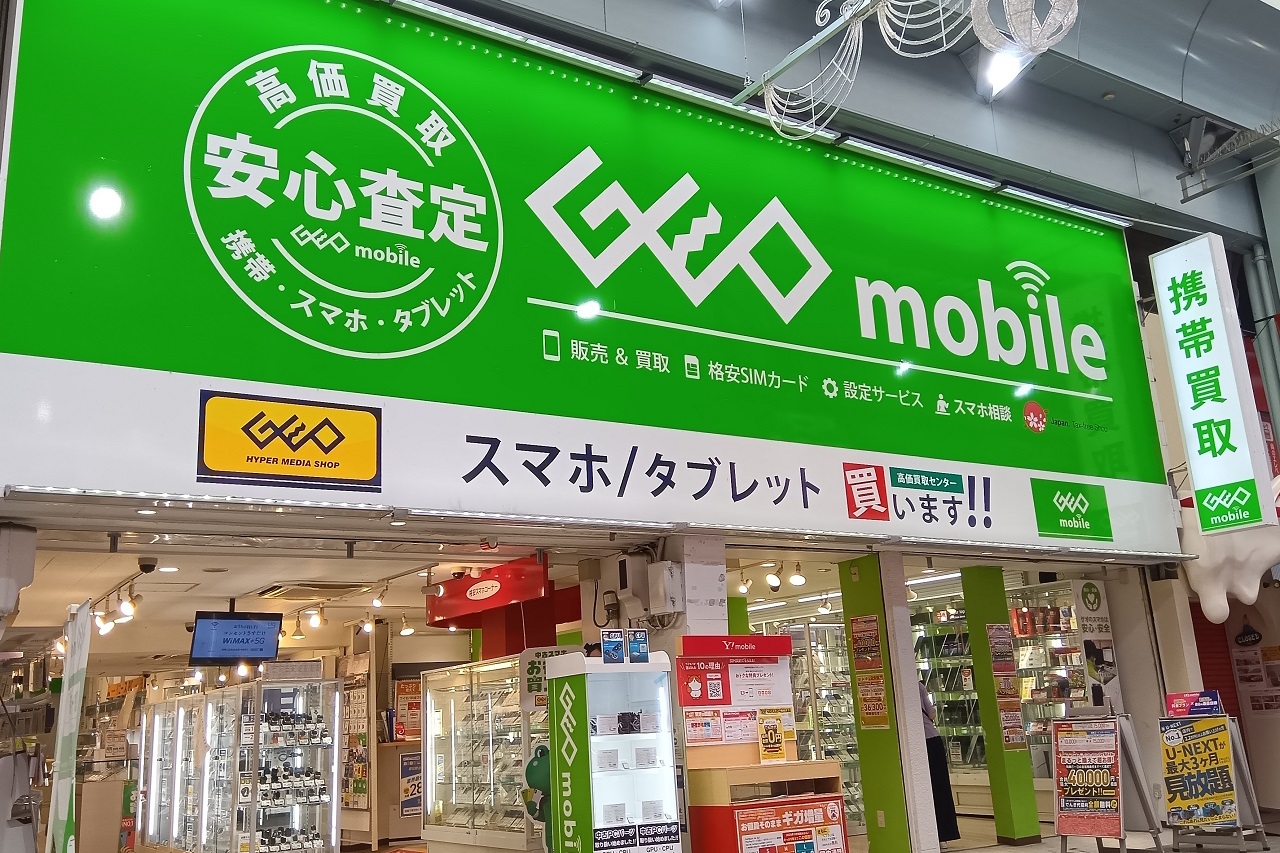
With the cooperation of Geo Mobile, one of Japan's leading retailers of used smartphones and a GTN business partner, we've put together this guide to help international residents understand the key points to consider when purchasing a used smartphone in Japan.

While a new iPhone can be expensive, a used iPhone may offer a more affordable alternative. However, it's important to check factors such as where you buy the device, its condition, and whether it is compatible with the SIM card you plan to use.

In this article, we'll explain how to buy a used iPhone in Japan, what to look out for before making a purchase, and how to prepare a SIM card so you can start using your phone right away.

目次

1. Why a Used iPhone Makes Sense When You're New to Japan

When buying a smartphone shortly after arriving in Japan, the most important thing is not necessarily having the latest model. What matters most is finding a phone that works reliably in Japan and fits comfortably within your budget.

In fact, many international residents choose to start their new life in Japan with a used iPhone. There are two main benefits to choosing a used iPhone when you're getting settled in Japan.

1-1. Starting a New Life in Japan Comes with Many Expenses—A Used iPhone Can Help Keep Costs Down

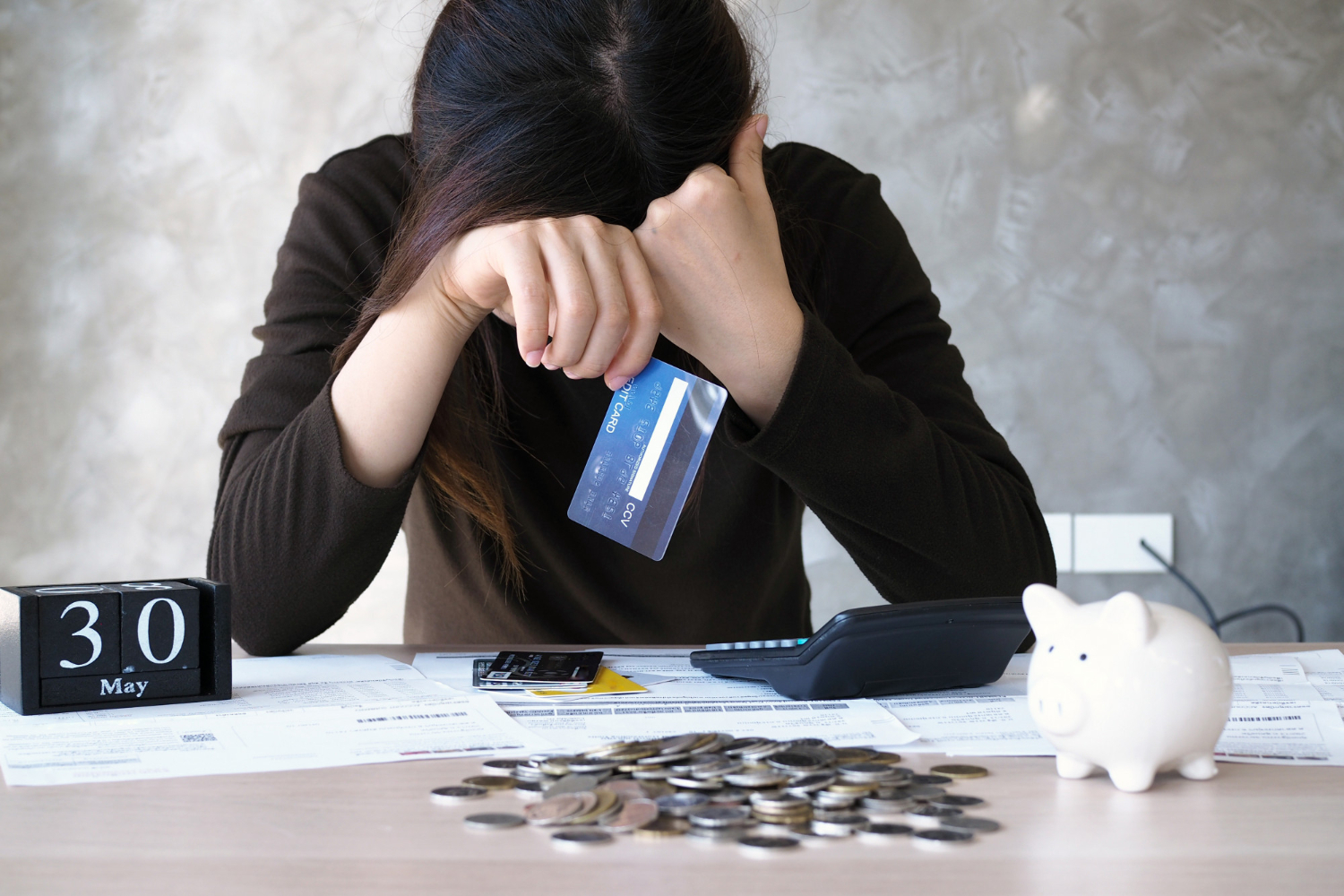
The first few weeks after arriving in Japan often come with more expenses than many people expect.

For example:

  • Initial apartment move-in costs
  • Furniture and bedding
  • Commuting or school transportation passes
  • Food and daily necessities

These expenses can add up quickly.

A brand-new iPhone can easily cost more than 120,000 yen. Spending that much money at once may put unnecessary pressure on your budget during your first month in Japan.

A used iPhone, on the other hand, can often be purchased for 10% to 50% less than the price of a new device, depending on the model and condition. The money you save can be used for rent, food, household essentials, or even set aside as emergency savings, giving you greater financial flexibility and peace of mind.


1-2. iPhones Hold Their Value Well—You May Be Able to Sell Yours for a Good Price Later

Another reason many people choose a used iPhone is its strong resale value.

iPhones remain popular not only in Japan but around the world, and demand in the secondhand market tends to stay relatively stable. As a result, iPhones often retain their value better than many other smartphones, even after several years of use.

Of course, the resale price will vary depending on factors such as the model, storage capacity, overall condition, battery health, and whether the device is SIM-free (unlocked). However, a well-maintained iPhone may still be worth a reasonable amount when it comes time to sell it.

In other words, if you purchase a used iPhone at a lower price and later sell it before returning home or upgrading to a newer device, you may be able to reduce your overall cost of ownership.

For people who want to keep expenses down when first arriving in Japan—as well as those who are already thinking ahead to a future return home or phone upgrade—a used iPhone can be a practical and cost-effective choice.

2. Where to Buy a Used iPhone in Japan

  • There are several ways to buy a used iPhone in Japan. Prices, reliability, and after-sales support can vary significantly depending on where you purchase your device, so it's important to understand the differences before making a decision.

2-1. Four Common Places to Buy a Used iPhone

① Large Retail Chains Such as Geo Mobile ★ Recommended for Most Buyers

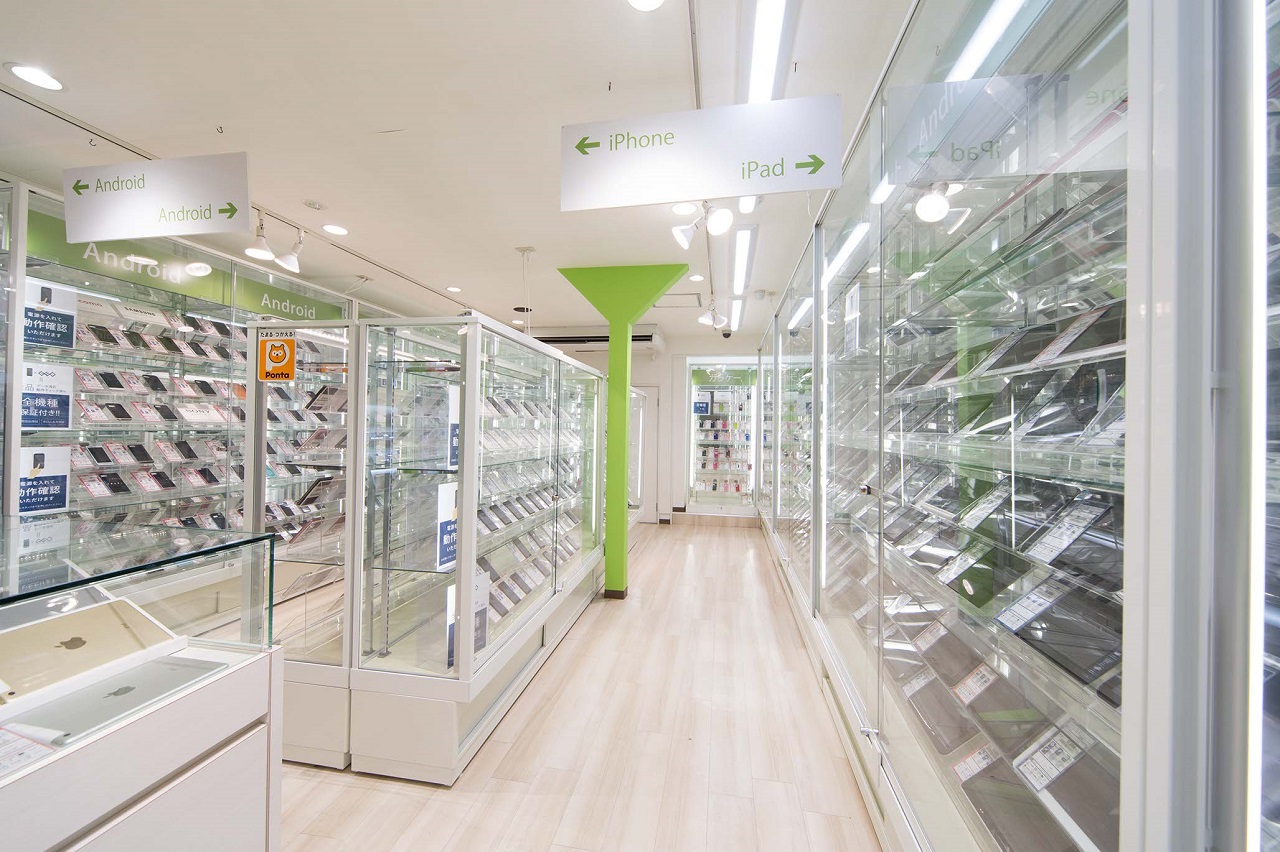
Large retail chains operate stores throughout Japan and are often one of the most accessible options for purchasing a used iPhone. Some locations may also have multilingual support or staff who can assist international customers.

 ✅Advantages:

  • You can inspect the device in person, including its condition, scratches, and screen quality
  • Devices are typically tested and data-wiped before being sold
  • Store warranties and return policies may be available, providing additional peace of mind
  • It is easier to get assistance in person if you encounter any problems after purchase

⚠️ Things to Keep in Mind: Prices may appear slightly higher than those found through person-to-person marketplaces or resale apps. However, for people who have recently arrived in Japan, the added security and support often make this a worthwhile trade-off.

② Independent Used Phone Shops

Many of these stores are located in major electronics districts such as Akihabara in Tokyo and Nipponbashi in Osaka. They often carry a wide range of brands and models, making it easy to compare different devices before deciding which one to buy.

✅ Advantages:

  • Used iPhones are often available at lower prices (especially if you already have a SIM card)
  • You may be able to find hard-to-find models, including devices originally sold outside Japan
     

⚠️Things to Keep in Mind: Warranty coverage and return policies can vary from store to store. Because explanations and support are often provided only in Japanese, this option is generally better suited for people who are comfortable using Japanese.

③ Online Stores

Many used smartphone retailers also sell used iPhones through their online stores.

✅ Advantages:

  • Easy to browse and shop from your home, dormitory, or anywhere with your smartphone
  • Makes it easy to compare models, storage capacity, prices, and device condition ratings
  • A convenient option for people who do not live near a physical store

⚠️ Things to Keep in Mind: Since you cannot inspect the device in person, scratches and signs of wear may appear more noticeable than they do in the photos.

④ Marketplace Apps and Social Media

Used iPhones are also commonly sold through marketplace apps and social media platforms.

✅ Advantages:

  • If you're lucky, you may be able to find a lower price than at retail stores
  • With so many listings available, it may be easier to find the exact model you're looking for

⚠️ Things to Keep in Mind:  This is generally the riskiest option, especially for people who are new to Japan. If the device arrives damaged or is not compatible with Japanese SIM cards, returns and warranties are often unavailable.

3. Important: 5 Risks to Consider When Buying Through Marketplace Apps or Social Media

Used iPhones sold through marketplace apps or social media platforms may sometimes appear cheaper than those sold by retail stores.

However, for people who are not yet familiar with Japan's smartphone market, this purchasing method can come with additional risks.

This is especially true for people who have recently arrived in Japan, as communicating in Japanese and evaluating a device's condition on your own can be challenging. Before choosing a device based on price alone, make sure you understand the following five risks.

① Returns and Warranties Are Often Unavailable

Purchases made through marketplace apps and social media are usually private sales rather than purchases from a retailer.

As a result, if the iPhone arrives and does not power on, or develops problems shortly after you begin using it, you may not be able to return the device or receive a refund.

While the initial purchase price may seem attractive, repair costs—or even having to purchase another phone—can end up making the device more expensive in the long run.

Things to Keep in Mind

  • Returns may not be available
  • Many listings do not include any warranty coverage
  • If problems occur, you may need to negotiate directly with the seller
  • Resolving disputes can take time

② The Risk of Buying a "Red-Romed" Device

Another important issue to be aware of when buying a used iPhone is something known in Japan as a "red-rom" device (aka-romu).

A red-rom device is a phone that has been restricted by a mobile carrier, often because the previous owner did not complete payment for the device.

If you purchase a red-rom device, it may look perfectly normal but stop working with Japanese SIM cards, leaving you unable to make calls or use mobile data.

Things to Keep in Mind

  • It is not possible to tell whether a device is red-rom based on appearance alone
  • Mobile service may stop working after purchase
  • Private sales often do not include red-rom protection or guarantees.
  • You may need to verify the device's IMEI number and network usage status before purchasing

③ Your SIM Card May Not Work Due to SIM Lock Restrictions

Some used iPhones are restricted to a specific mobile carrier and cannot be used with SIM cards from other providers.

This is known as a SIM lock.

If you purchase a SIM-locked device without realizing it, your SIM card may not work even after you insert it into the phone.

Things to Keep in Mind

  • Confirm whether the device is SIM-free (unlocked)
  • Understand the differences between major carriers such as NTT Docomo, au, and SoftBank
  • eSIM and 5G compatibility vary by device

If you plan to sign up for a SIM service such as GTN Mobile after arriving in Japan, make sure the device is compatible before purchasing.

④ Resolving Problems Often Requires Japanese Communication Skills

When buying from individual sellers, you are responsible for everything yourself, including asking questions before purchase, negotiating prices, confirming shipping details, and contacting the seller if problems arise.

Product descriptions are also often written in Japanese and may include technical terms such as "network restrictions," "SIM unlocked," "battery health," and "Activation Lock."

Things to Keep in Mind

  • You need to understand the product description accurately
  • Questions to the seller often need to be written in Japanese
  • If problems occur, you may need to negotiate directly with the seller
  • Translation apps may not be enough to fully understand detailed conditions

For people who are still getting used to Japanese, dealing with problems in a private sale can be a significant burden.

⑤ Photos Don't Always Show the Device's True Condition

On marketplace apps and social media, you generally have to judge a device's condition based only on photos and the seller's description.

However, even if a device looks good in photos, it may arrive with screen scratches, a worn battery, or issues with features such as Face ID or the camera.

Things to Keep in Mind

  • Small scratches and signs of wear can be difficult to see in photos
  • Battery condition can be difficult to assess
  • Features such as the camera, speakers, and Face ID cannot be tested in advance
  • Some issues may not become apparent until after the device arrives

Even among devices of the same model, the condition of a used iPhone can vary significantly. Not being able to inspect the device in person is one of the biggest risks of buying used electronics.

Conclusion: For New Arrivals, Buying from a Physical Store Is the Safer Choice

For people who are not yet comfortable communicating in Japanese or checking smartphone-related details such as red-rom status and SIM lock restrictions, choosing a private sale based on price alone can be risky.

To avoid potential problems, it is generally best to buy from a physical store where you can inspect the device in person before making a purchase. Large retail chains such as Geo Mobile have locations across Japan, and their devices are professionally inspected and cleaned before being sold. Many stores also provide warranty coverage and after-sales support for additional peace of mind.

To start your smartphone life in Japan with confidence—and avoid costly mistakes—consider visiting a nearby store and taking a look at the available iPhones in person.

4. Which Used iPhone Should You Choose? Comparing New and Used Prices

Once you've decided to buy a used iPhone, the next question is often: Which model should you choose?

In general, choosing a model that is too old can increase the risk of losing compatibility with newer apps and software updates. On the other hand, the latest models often remain expensive even on the used market, making them less cost-effective.

For most people, the best choice is to find a balance between affordability and performance.

In this section, we'll introduce two recommended options that offer the best value in Japan's current used iPhone market. We'll also compare Apple's original retail prices with typical prices found in Japan's used smartphone market to help you choose a model that fits your needs and budget.

4-1. Comparing New and Used iPhone Prices: iPhone 14–17

ModelOriginal Apple Store Price (Tax Included)Typical Used Price RangeEstimated Discount
iPhone 14 128GB119,800 yenApprox. 50,000–77,000 yenApprox. 36–58% off
iPhone 15 128GB124,800 yenApprox. 76,000–99,000 yenApprox. 21–39% off
iPhone 16 128GB124,800 yenApprox. 93,000–110,000 yenApprox. 12–26% off
iPhone 17 256GB129,800 yenApprox. 115,000–126,000 yenApprox. 3–11% off

*Prices are estimates based on publicly available listings in Japan's used smartphone market at the time of research. Actual prices may vary depending on availability, device condition, battery health, whether the device is SIM-unlocked, and the retailer.

Looking at current used-market prices, older models have dropped significantly in price, making them an attractive option for people who want to keep costs down.

However, devices listed at the lowest prices may have more visible wear, reduced battery health, or lower condition ratings. Rather than choosing based on price alone, be sure to check the device's condition and warranty coverage before making a purchase.

4-2. The Best Value Option: iPhones from 3–4 Years Ago

This is the option we recommend most for people who want to keep expenses down while still getting an iPhone that performs reliably.

Typical Savings: Often available for about 20–40% less than the original new price.

Why It's a Good Value: Because these models have been on the market for a few years, their prices have already dropped significantly, making them one of the best value options available. Unless you regularly play the latest graphics-intensive games, they are more than capable of handling everyday tasks such as watching videos, using social media, and running common apps smoothly. Rather than buying through a marketplace app, choosing an A- or B-grade device from a retail store can be a highly satisfying and reliable option. (As a general guideline, models such as the iPhone 14 and iPhone 15 typically fall into this category.)

4-3. For Long-Term Use and Newer Features: Models from One or Two Generations Ago

This option is ideal for people who plan to stay in Japan for several years and want a device with more up-to-date features that will remain reliable for the long term.

Typical Savings: Often available for around 20% less than the latest new model.

Why It's a Good Value: These models offer a design and feature set that is very similar to the latest iPhones, while often costing tens of thousands of yen less. They may also include newer features such as USB-C charging and highly capable camera systems. Another advantage is their strong resale value. If you decide to sell the device a few years later—such as before returning to your home country—it may still retain a relatively high resale price.

4-4. Newer Models Tend to Remain Expensive, Even on the Used Market

Because models such as the iPhone 17 are still relatively new, their prices on the used market may not be much lower than their original retail prices.

In some cases, the difference between a used device and a brand-new one is small, which reduces the cost-saving advantage of buying used.

Of course, these models can still be a good choice for people who want near-latest performance and the reassurance of a device that is likely to remain useful for many years. However, if you have recently arrived in Japan and are trying to prioritize your living expenses, there is no need to stretch your budget for the newest model.

4-5. Should You Avoid Buying the Latest Model Used?

The latest iPhone models are excellent devices. However, in today's used market, they are often only a few thousand to ten thousand yen cheaper than a brand-new device, which means there is usually little advantage to buying them used. If your goal is to get the best value from a used iPhone, models from three to four years ago or one to two generations ago are generally the better choices.

Things to Check Before Buying

  • Does it fit your budget?
  • Is the battery in good condition?
  • Is the device SIM-free (unlocked)?
  • Is there any network usage restriction on the device?
  • Are warranty coverage and return options available?
  • Can you inspect the device in person before purchasing?

Even among devices of the same model, the condition of a used iPhone can vary significantly.

For that reason, it's important to look beyond the price and carefully check the device's condition and warranty coverage before making a purchase.

5. After Buying a Used iPhone, You'll Need a SIM Card

Even if you purchase a used iPhone from a store such as Geo Mobile, you will not be able to use mobile data or make calls outside of Wi-Fi without setting up mobile service.

To use a smartphone in Japan, you will need to sign up with a mobile carrier and obtain either a SIM card or an eSIM in addition to the device itself.

5-1. Three Common Challenges Foreign Residents Face When Signing Up for a SIM in Japan

People who have recently arrived in Japan may encounter several challenges when applying for a SIM card.

Payment Challenges
If you do not yet have a Japanese credit card or bank account, you may find it difficult to meet certain payment requirements.

Identity Verification Requirements
Many mobile providers require identity verification documents, such as a residence card. Understanding the application requirements can sometimes be confusing.

Language Barriers
When contracts, pricing plans, and important information are provided primarily in Japanese, it can be difficult to fully understand the details and feel confident about the service you are signing up for.

5-2. GTN Mobile: A SIM Option Designed for International Residents in Japan

One option worth considering is GTN Mobile, a mobile service designed for international residents living in Japan.

GTN Mobile offers plans that support both SIM cards and eSIMs, along with multilingual customer support. This can make the application process and ongoing support easier for people who are not yet comfortable communicating in Japanese.

Why Consider GTN Mobile?

  • Multilingual customer support is available
  • Plans are available for both SIM cards and eSIMs
  • Applications can be completed before arriving in Japan
  • SIM cards may be delivered to the airport or your home
  • Multiple payment methods are available, including convenience store payment, automatic bank withdrawal, in-store payment, and bank transfer, in addition to credit cards

If you have recently arrived in Japan and do not yet have a Japanese credit card or bank account, GTN Mobile may offer payment options that make it easier to get started.

Before applying, be sure to check the latest information on the official website.


6. Frequently Asked Questions (FAQ)

Q. What should I do if I'm not comfortable going to the store alone?

If you're not confident in your Japanese, there's no need to force yourself to go alone.

If you're working in Japan under a program such as the Specified Skilled Worker visa, you may be able to ask your employer or support representative to accompany you. If you're attending a Japanese language school, you can also consider asking a teacher for assistance.

It may also help to prepare a few notes in advance about what you would like to ask at the store.

Useful Phrases to Show Store Staff

  • I'm looking for a SIM-free (unlocked) iPhone.
  • Is this device compatible with a GTN Mobile SIM?
  • I'd like to check the battery condition.
  • What are the warranty and return policies?

Even simply showing a translation app or a note on your phone can make it easier to communicate with store staff.

Q. Can I continue using a used iPhone purchased from Geo Mobile after returning to my home country?

A. Yes. If you choose a SIM-free (unlocked) iPhone when making your purchase, you can generally continue using the device after returning home by inserting a local SIM card from your country.

Q. Can I sign up for GTN Mobile without a Japanese bank account or credit card?

A. Yes. GTN Mobile offers payment methods such as convenience store payment and other alternatives, making it possible to apply even if you have recently arrived in Japan and do not yet have a Japanese bank account or credit card.

However, requirements may vary depending on the plan and application method. Be sure to check the latest information on the official website before applying.

Q. Can I buy a device and set up a SIM card on the same day?

A. In some cases, yes.

Normally, purchasing a used iPhone and signing up for a SIM service are separate procedures. After purchasing a device from a retailer such as Geo Mobile, you will need to apply separately for a SIM card or eSIM through your preferred mobile provider's website or store.

Some Geo Mobile locations, including the Nagoya Osu store, work with GTN Mobile and allow customers to begin the GTN Mobile SIM application process at the time of purchase.

However, first-time applications require identity verification and screening. Depending on the application process, you may not be able to start using the service until a QR code or required documents arrive by mail, even if you apply for an eSIM. For this reason, same-day activation is not guaranteed. If you need service as quickly as possible, we recommend checking with GTN Mobile in advance regarding the application process and estimated activation timeline.

7. Conclusion

When buying a used iPhone in Japan, choosing based on price alone can be risky.

In addition to price, it is important to check the device's condition, battery health, SIM-lock status, network restrictions, and warranty or return policies.

If you have recently arrived in Japan and are not yet confident in your Japanese skills or smartphone-related knowledge, purchasing from a physical store such as Geo Mobile can provide additional peace of mind by allowing you to inspect the device in person before buying.

After purchasing a used iPhone, you will also need to prepare a SIM card or eSIM. Considering a mobile service designed for international residents, such as GTN Mobile, can make it easier to get connected in Japan.

Recommended Steps

Visit a physical store such as Geo Mobile and check the condition of the used iPhone before purchasing

Confirm that the device is SIM-free (unlocked)

Apply for a SIM service designed for international residents, such as GTN Mobile

By choosing your used iPhone carefully and preparing your SIM service in advance, you can start your new life in Japan with confidence.

関連記事

おすすめ記事