Gunma Travel Guide | Highlights and Things to Do Across the Region - GTN MAGAZINE
日本語
日本語
English

Gunma Travel Guide | Highlights and Things to Do Across the Region

Located in the heart of Japan, Gunma Prefecture remains something of a hidden gem for many international travelers. Despite being only about an hour from Tokyo, the prefecture is packed with attractions, from beautiful mountain scenery and a World Heritage site to historic hot spring towns.

This guide takes an in-depth look at the highlights of Gunma Prefecture, whether you're planning a trip to Japan or are already traveling in the country.

About Gunma Prefecture

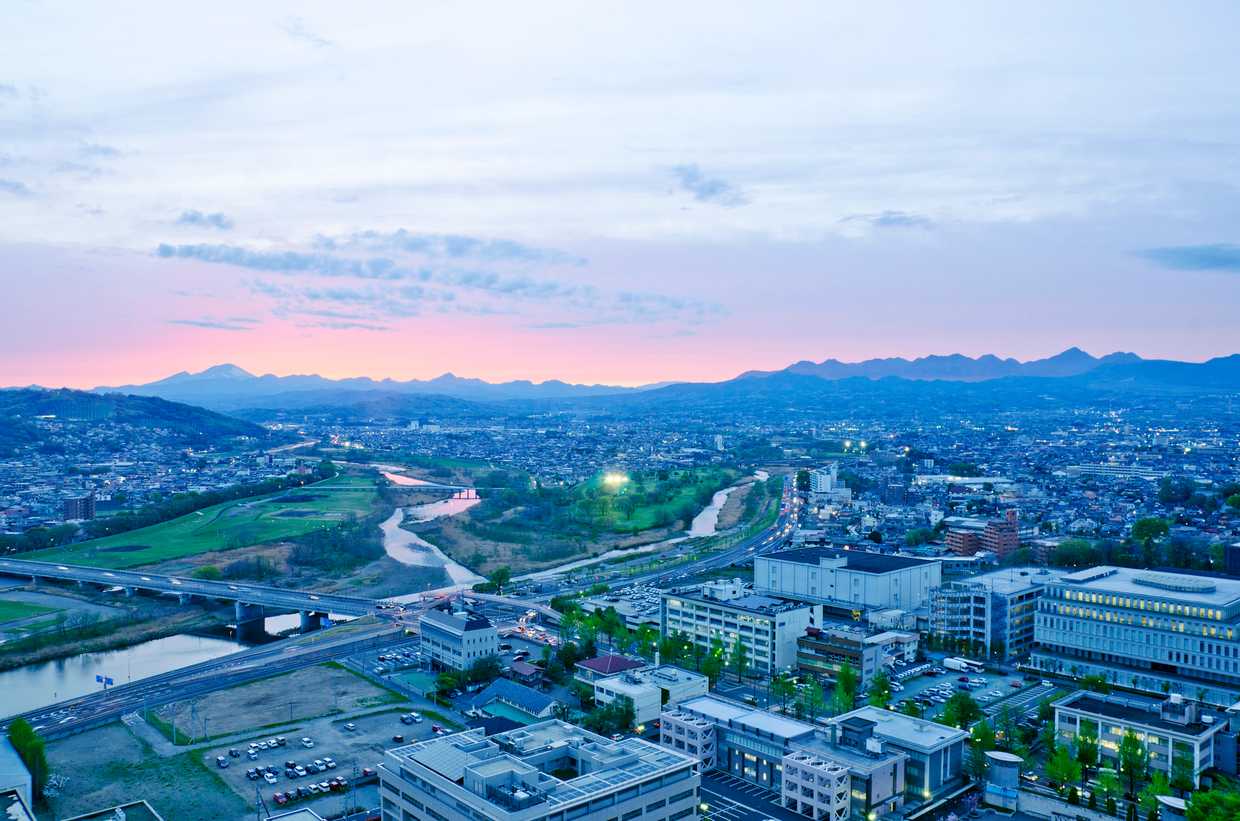
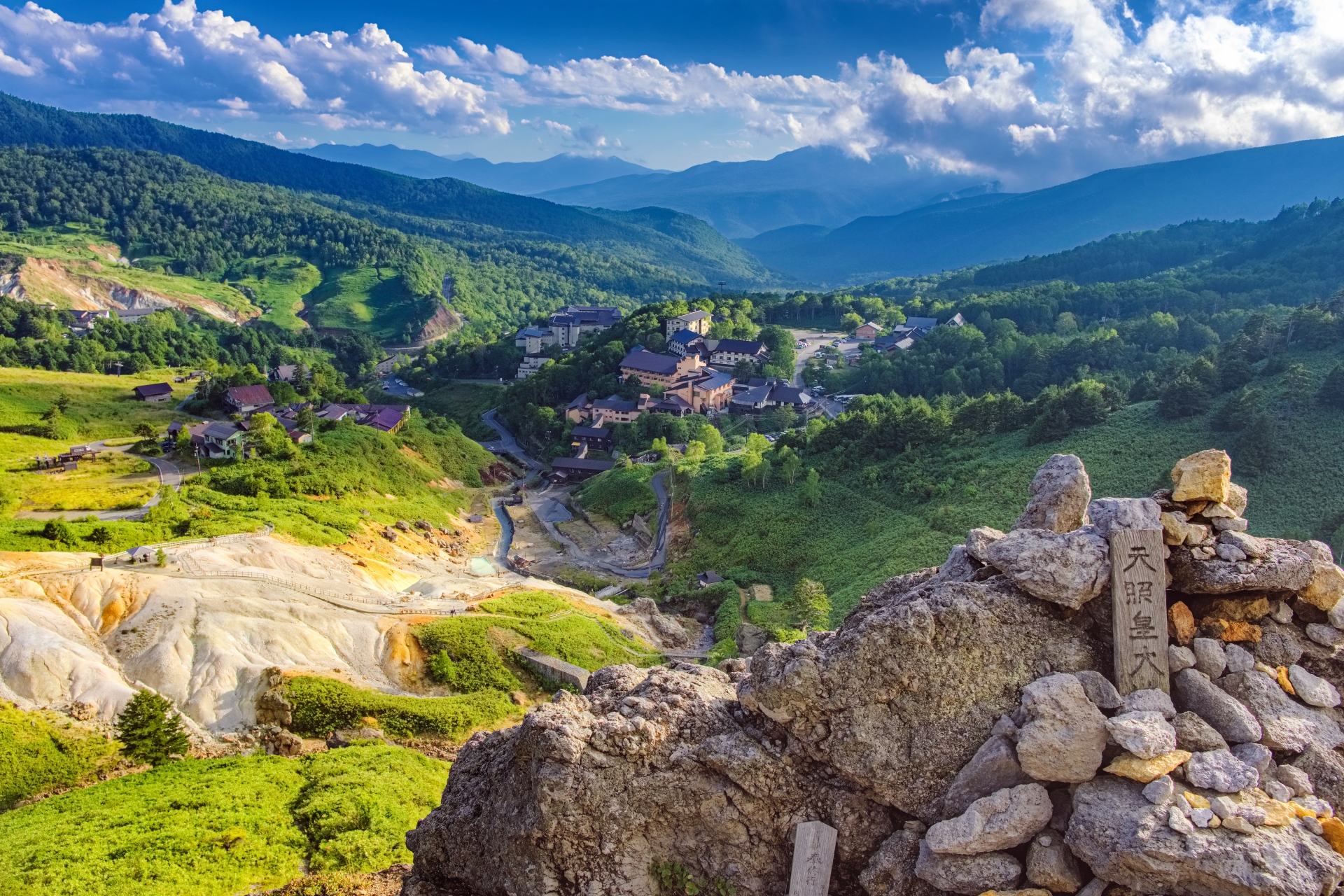
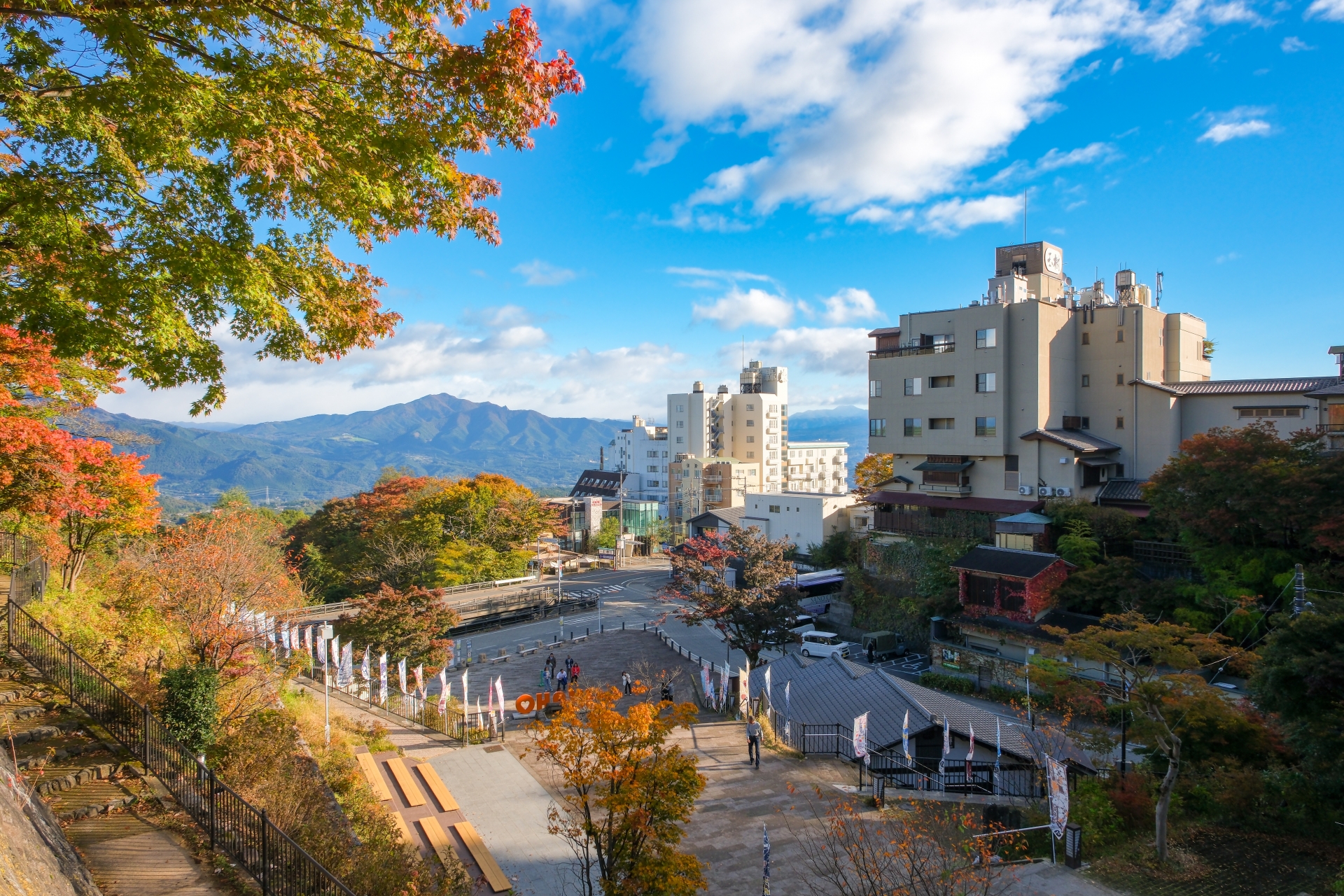
Mountain scenery in Gunma Prefecture

Geography and the Basics

Gunma is an inland prefecture in Japan's Kanto region, located about 100 km northwest of Tokyo. It covers roughly 6,362 square kilometers and is home to about 1.93 million people. Ringed by mountains, the prefecture enjoys a rich natural environment.

What Makes Gunma Distinctive

Gunma's biggest draw is its varied terrain and the way its scenery changes through the seasons. Within a single prefecture you'll find mountains like Mt. Asama and Mt. Haruna, famous hot springs like Kusatsu and Ikaho, and historic landmarks led by the World Heritage-listed Tomioka Silk Mill.

Hot springs are at the very top of the list. Gunma is home to Kusatsu Onsen — one of Japan's three most famous hot springs — along with many other resorts, each with its own water chemistry and reputed benefits. They've drawn travelers for generations.

Gunma also boasts striking natural scenery, captured in the so-called Jomo Sanzan — the trio of Mt. Akagi, Mt. Haruna, and Mt. Myogi. These mountains support hiking, climbing, fall-foliage viewing, and other activities year-round.

How to Get There

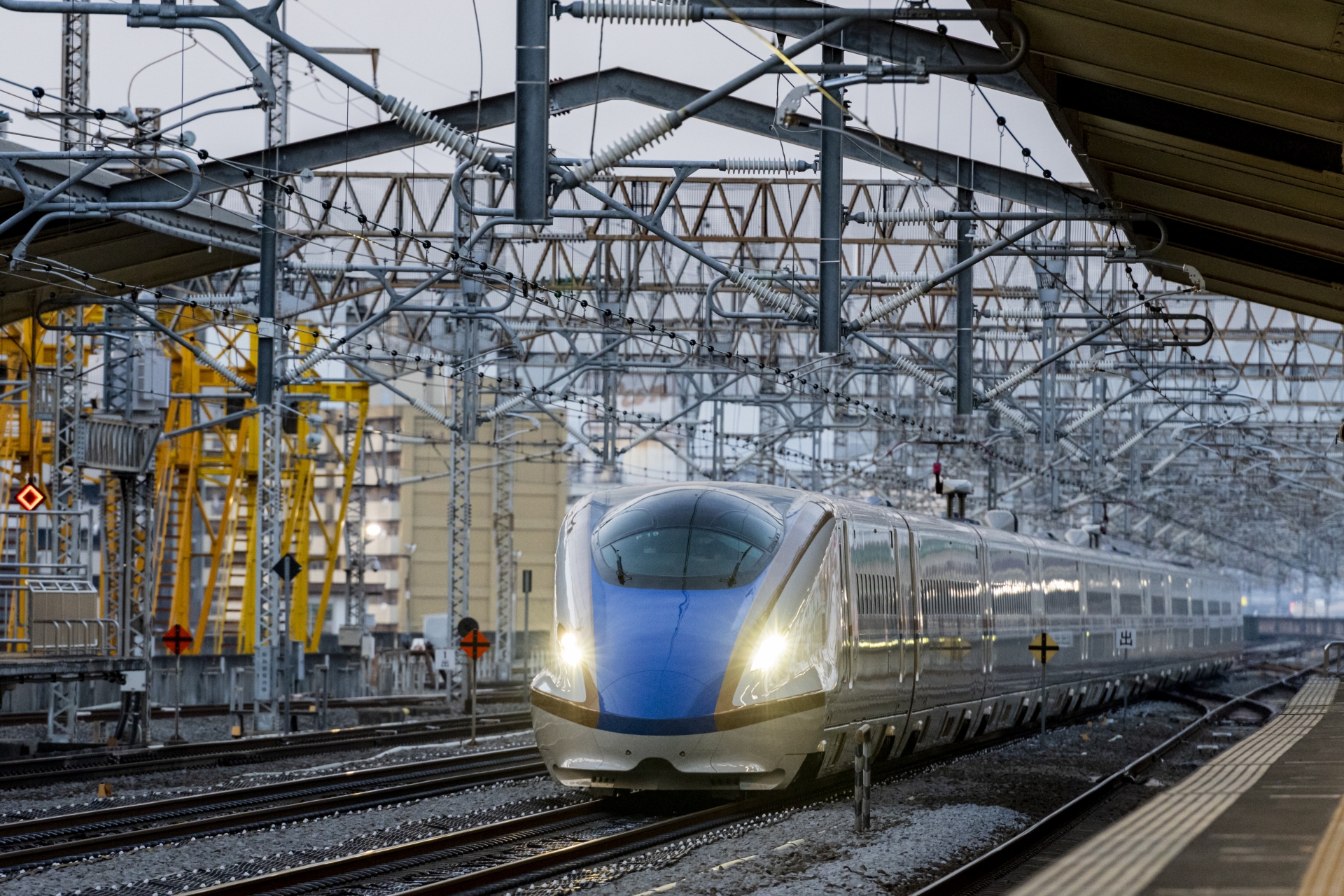
Train arriving at a Gunma station

From Tokyo

Several options will get you from Tokyo to Gunma.

Shinkansen (bullet train)

The fastest and most convenient option is the shinkansen. The Joetsu Shinkansen or Hokuriku Shinkansen takes you from Tokyo Station to Takasaki Station in about an hour. A one-way ticket runs about ¥4,490 (non-reserved) to ¥5,020 (reserved seat).

Seat typeTotal fareLimited-express surcharge
Non-reserved¥4,490¥2,510
Reserved¥5,020¥3,040
Green Car¥7,290¥5,310
Gran Class¥10,440¥8,460

Regular trains

From Tokyo Station or Ueno Station, the Ueno-Tokyo Line bound for Takasaki reaches Takasaki Station in about 1 hour 50 minutes. It's slower than the shinkansen, but cheaper.

Highway bus

Highway buses also run from Tokyo into Gunma. Services depart from Tokyo Station, Ikebukuro, and other points, going directly to major cities like Takasaki and Maebashi. Fares start at around ¥3,100, and the trip takes roughly 2 to 2.5 hours depending on traffic.

From the Airport

Gunma has no airport of its own, so visitors arriving from abroad fly into Haneda or Narita.

From Haneda Airport

  1. Take a limousine bus to Tokyo Station, then transfer to the shinkansen or a regular train
  2. Take a direct highway bus to Gunma (a limited number of services run)

From Narita Airport

  1. Take an airport limousine bus or train to Tokyo Station, then transfer to the shinkansen or a regular train
  2. Take a direct highway bus to Gunma (a limited number of services run)

Sightseeing Spots Popular with International Visitors

Here are the spots in Gunma that especially appeal to travelers from abroad.

Kusatsu Onsen

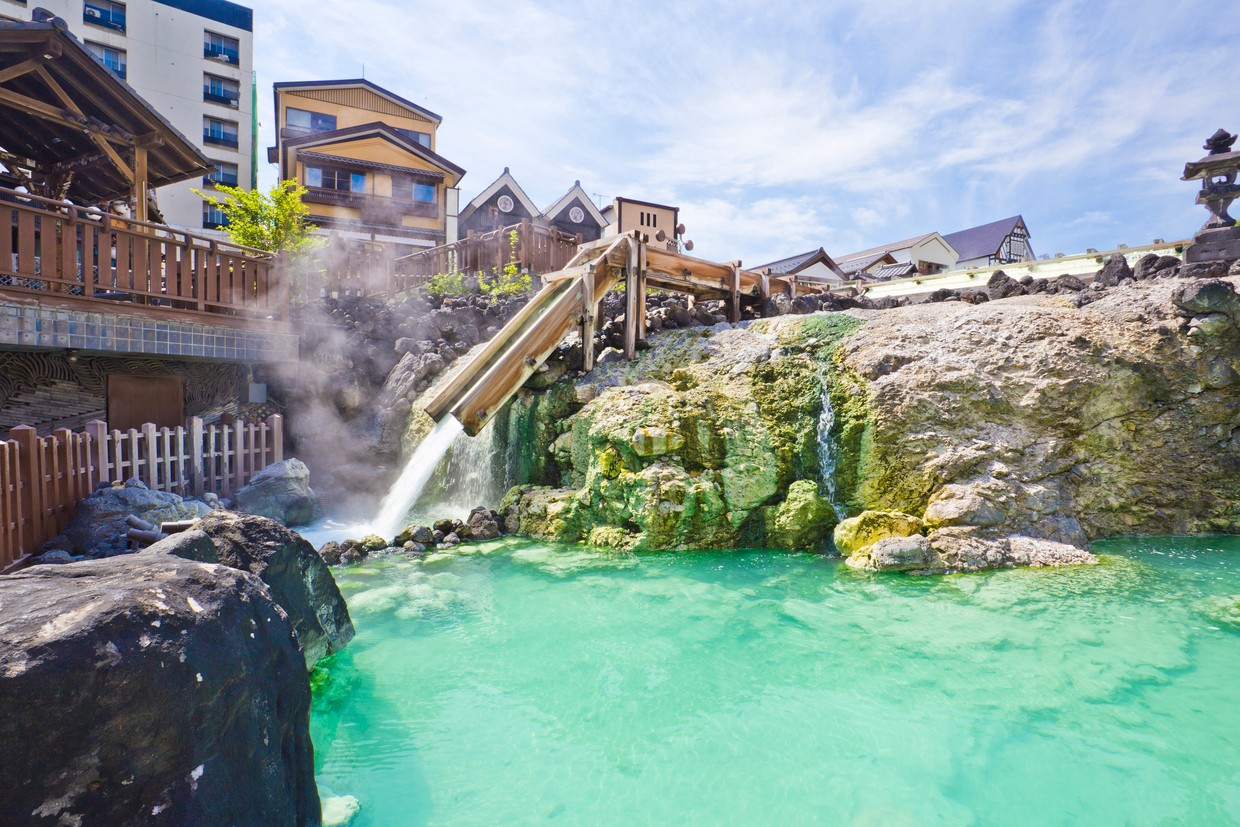
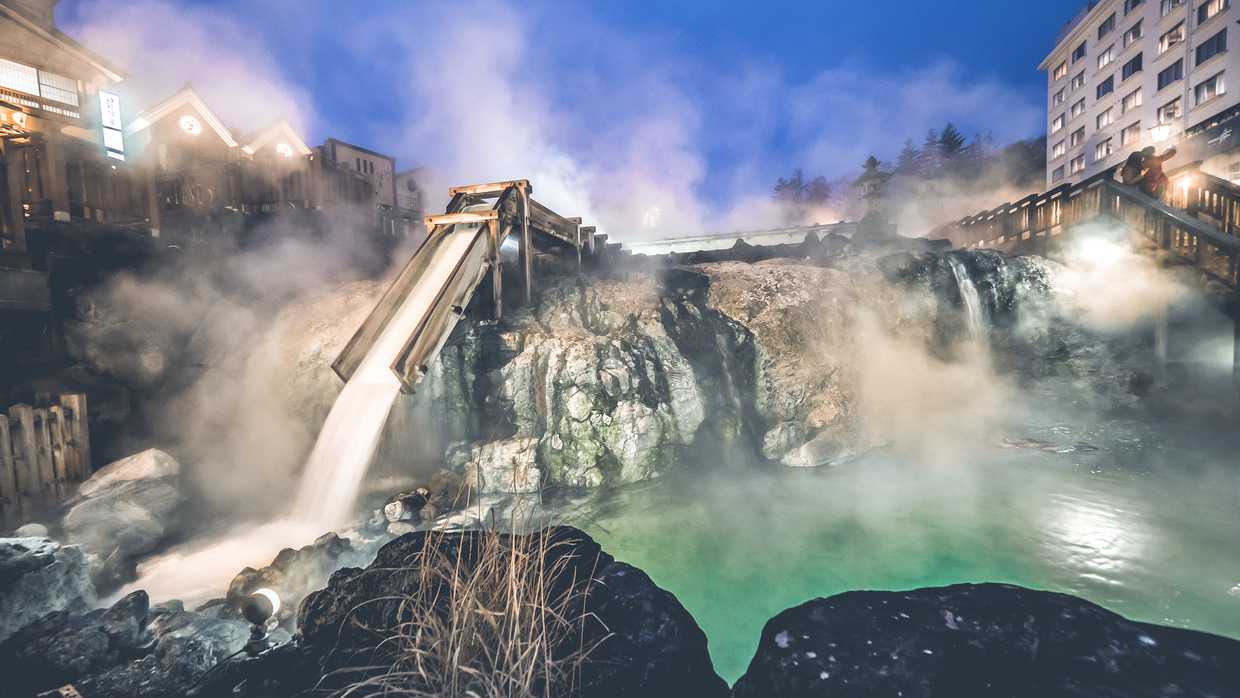
The Yubatake at Kusatsu Onsen is the top draw in Gunma for international visitors. As one of Japan's three most famous hot springs, Kusatsu is known for its strongly acidic water and enormous flow rate. At roughly 32,300 liters per minute, it's the largest naturally welling hot spring source in Japan.

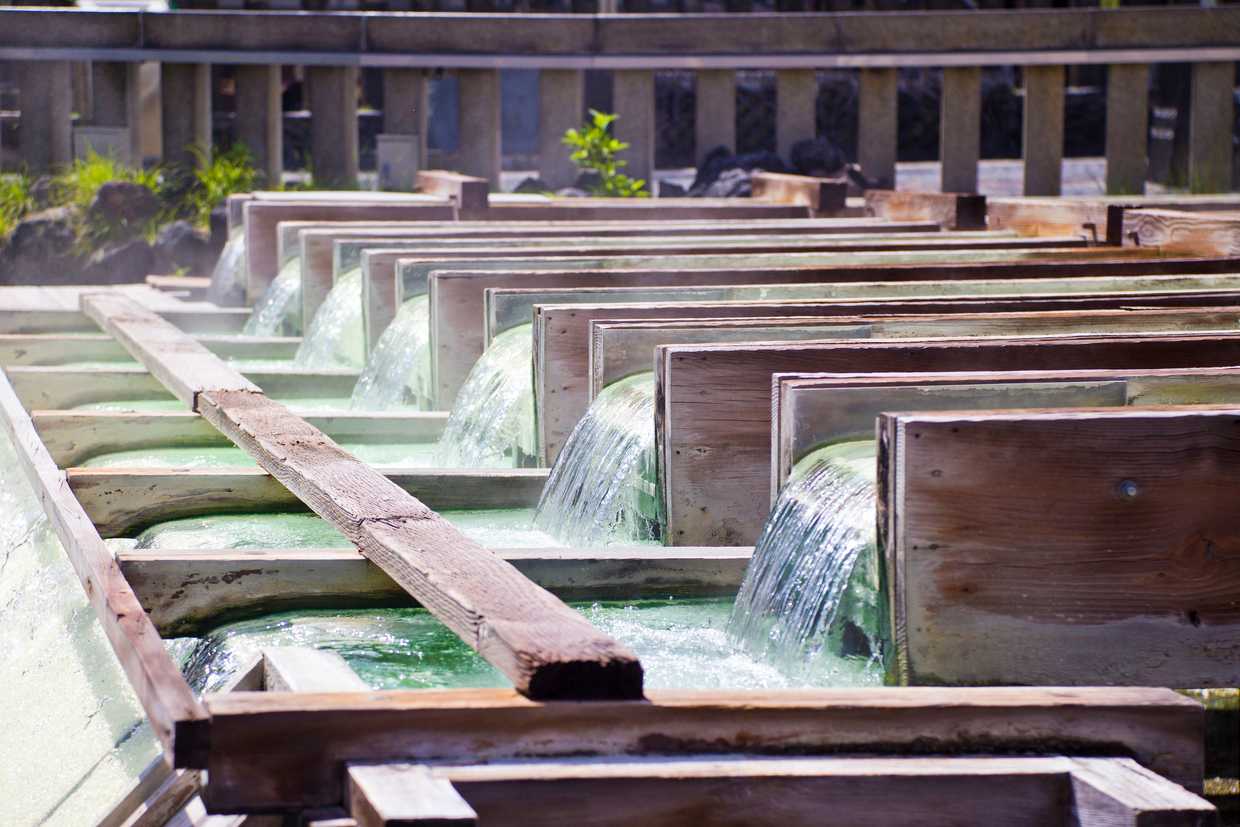
The Yubatake at Kusatsu Onsen with steam rising

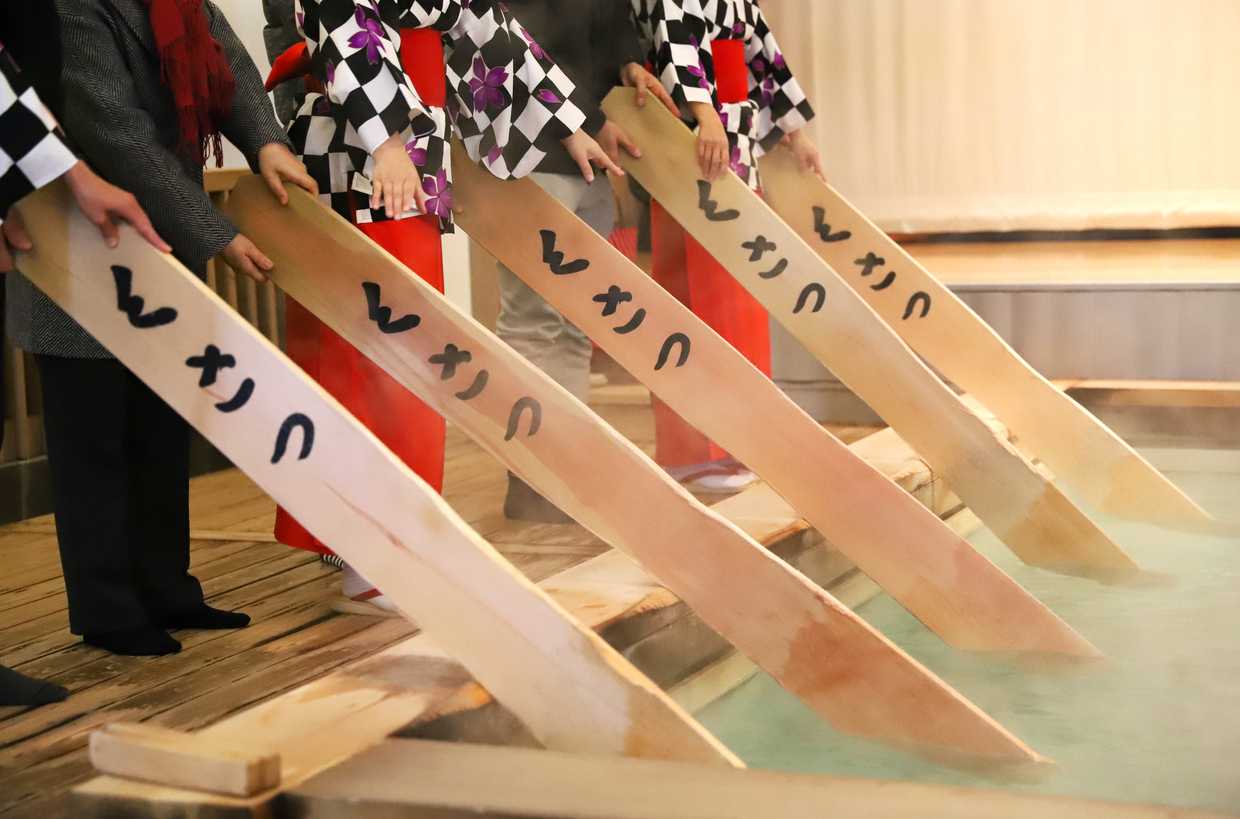
At the heart of the resort town, the Yubatake — literally "hot water field" — is a wooden channel structure that cools the searing source water to bathing temperature. Rising steam and the traditional yumomi performance — in which attendants paddle the water with wooden boards to cool it — make it a major draw for international visitors. The streets around it are lined with ryokan, souvenir shops, and restaurants, making for an inviting town to wander through.

Western visitors have surged in recent years, and Kusatsu is widely seen as one of the best places to experience Japanese onsen culture. The town has also worked to appeal to younger visitors and to build its presence on social media.

Tomioka Silk Mill (World Heritage)

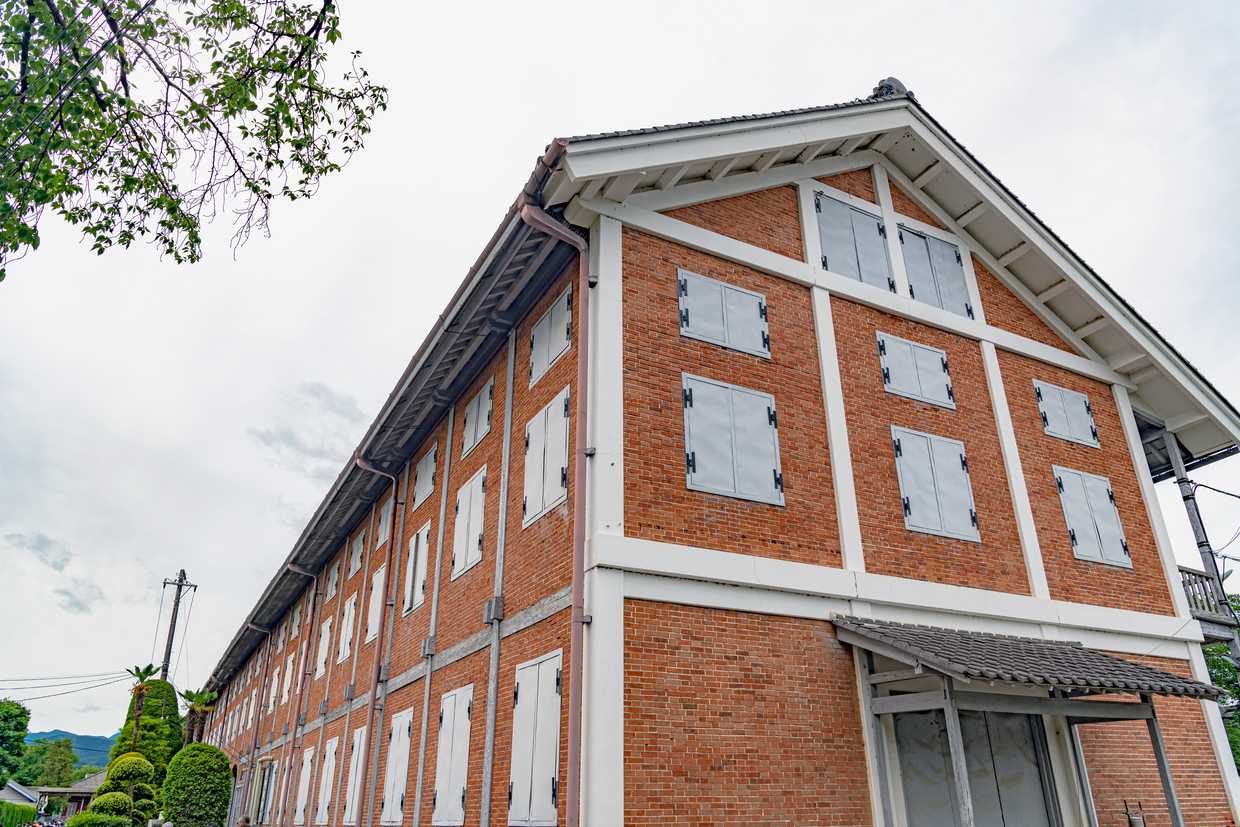
Registered as a UNESCO World Cultural Heritage site in 2014, the Tomioka Silk Mill was Japan's first government-run model silk-reeling factory, founded in the early Meiji era. Built under the guidance of a French engineer, it combines Western technology with Japanese craftsmanship — and the original buildings, more than 140 years old, remain remarkably well preserved.

The historic buildings of Tomioka Silk Mill

The "Tomioka Silk Mill and Related Sites" complex tells the story of a modern silk industry: the technological breakthroughs that made mass production possible, and the exchange of know-how between Japan and the rest of the world. By making silk — once the preserve of the elite — available worldwide, the mill helped reshape daily life and culture, and it is recognized for that historical significance.

Multilingual signage and audio guides are available, making it a worthwhile stop for anyone interested in Japan's industrial modernization.

Ikaho Onsen

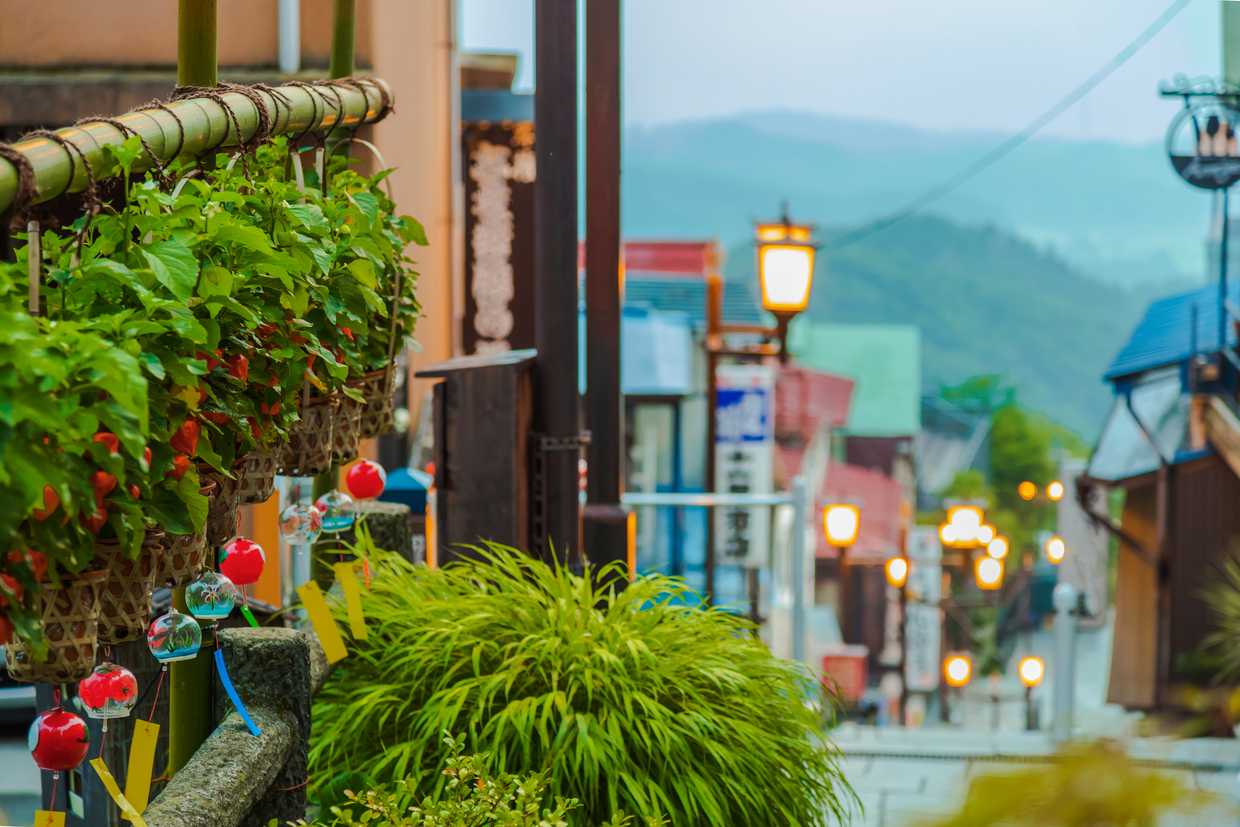
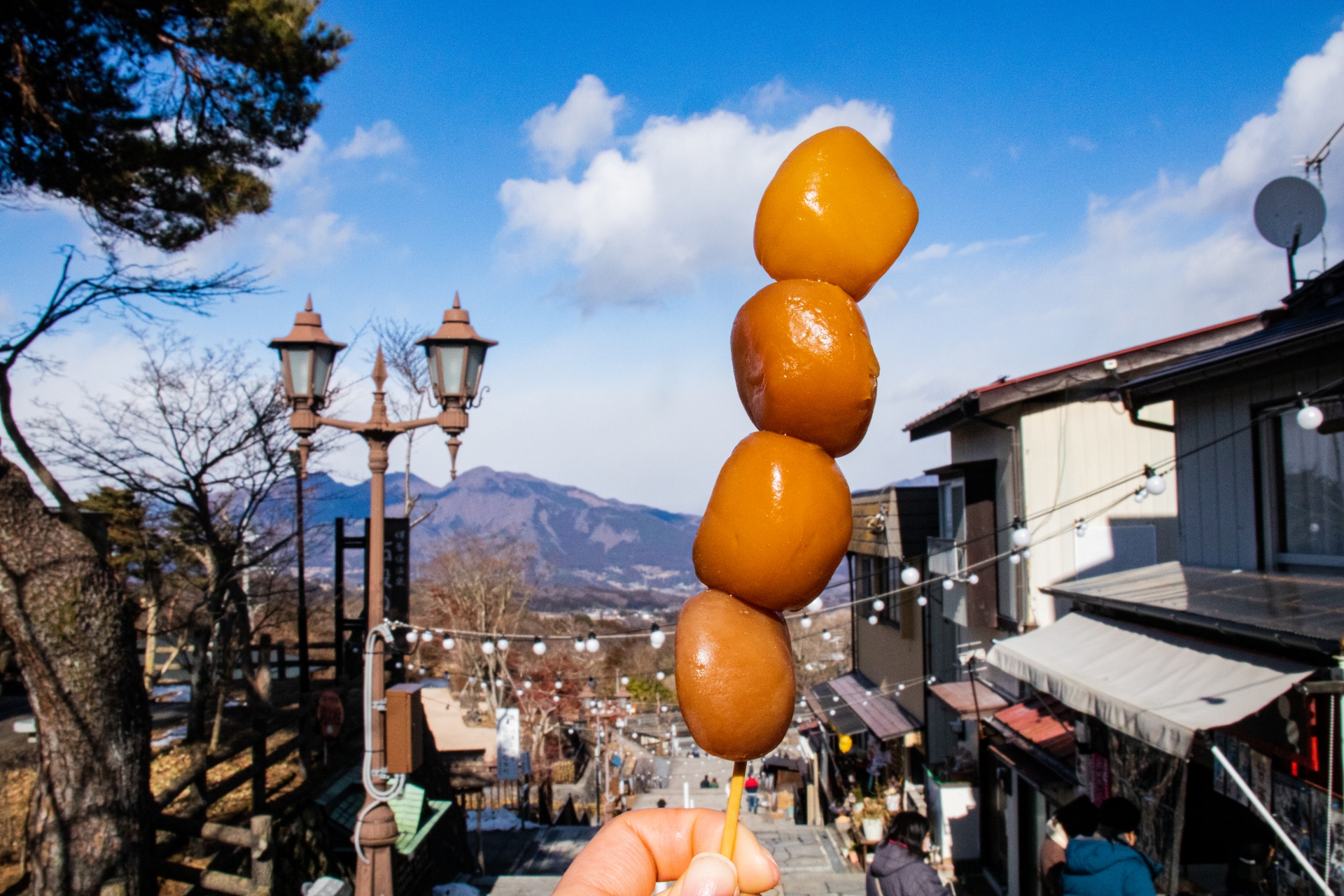
Ikaho Onsen, with its distinctive stone stairway, is another big draw for international visitors. Both sides of the 365-step stairway are lined with ryokan, souvenir shops, and restaurants — a classic Japanese onsen-town atmosphere.

The stone stairway of Ikaho Onsen

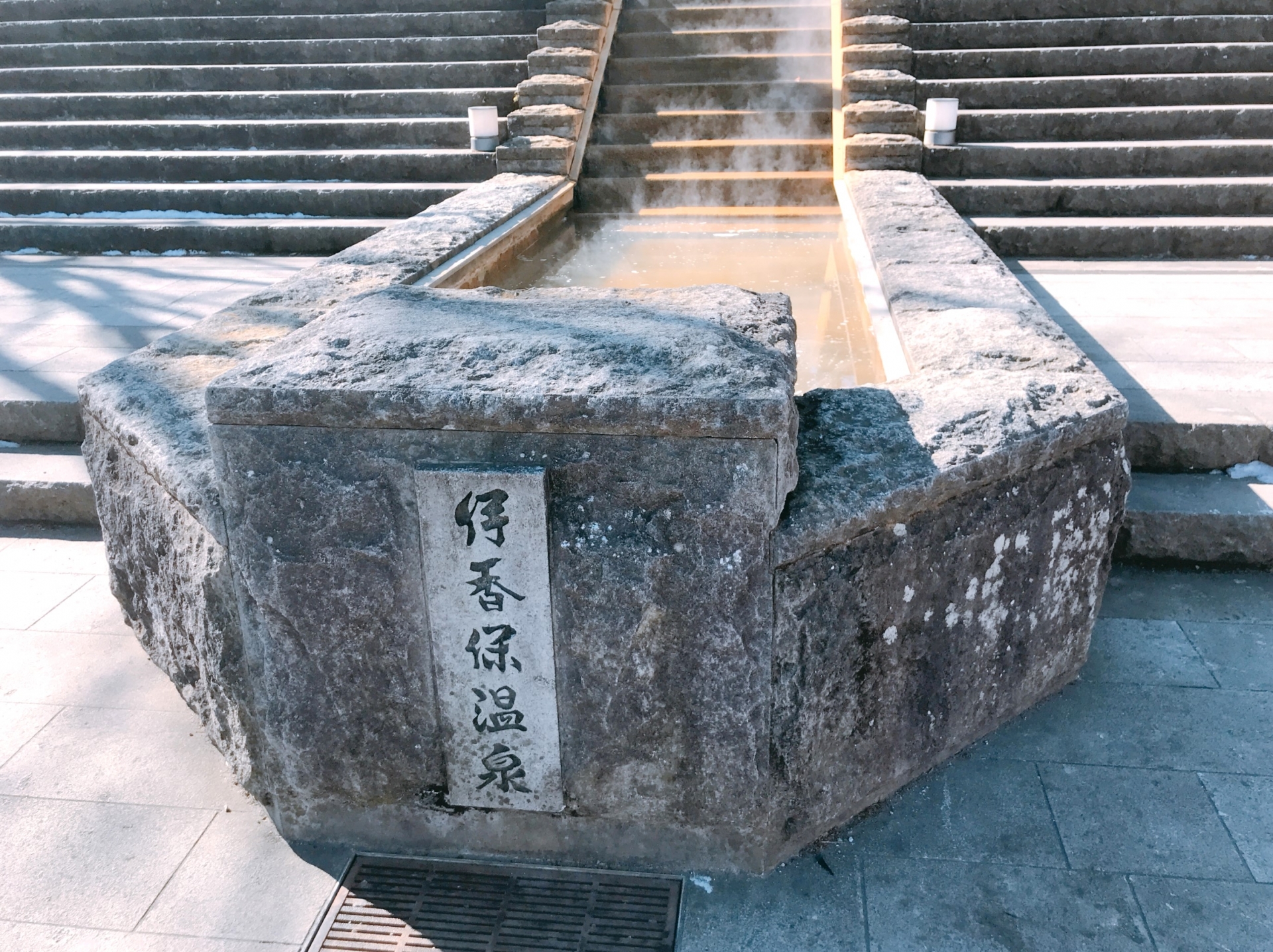
Ikaho is known for its iron-rich, reddish-brown "golden water" (Kogane-no-Yu), a soft, skin-friendly source. There's also a public footbath along the stairway, so you can dip in during your walk.

Shima Onsen

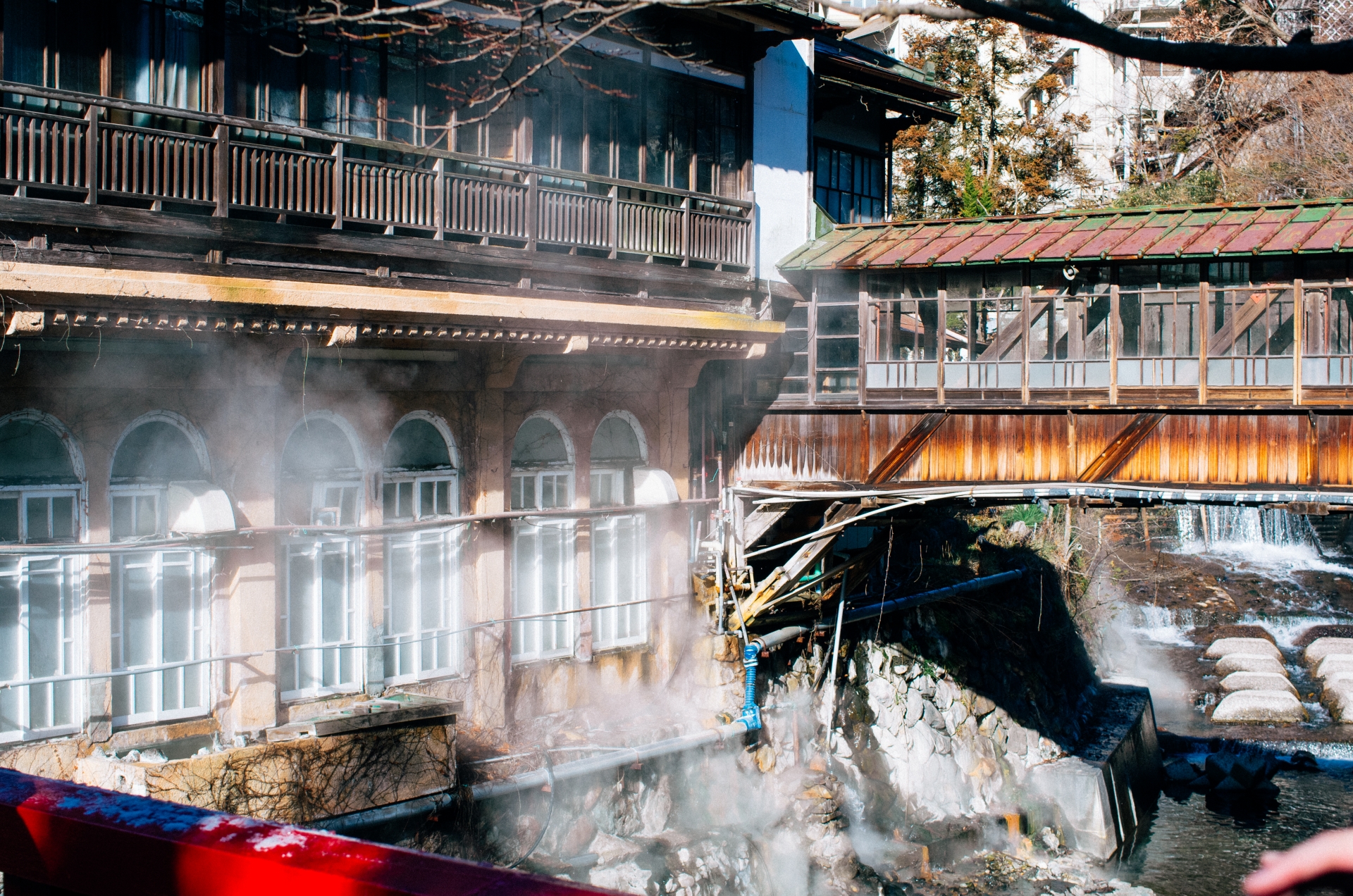
Shima Onsen sits in a quiet valley ringed by mountains. Its name puns on shima, meaning "forty thousand," and it has long been said the springs can cure forty thousand ailments. The hot spring has been a favorite of writers and artists across generations.

The vivid blue water of Shima Onsen

Kawara-no-Yu, a free open-air bath along the Shima River, is a special favorite of international visitors — a casual way to try Japanese onsen culture in a natural setting. The surrounding scenery is striking too: the rivers and lakes here show off the famously vivid "Shima Blue."

Haruna Shrine and Lake Haruna

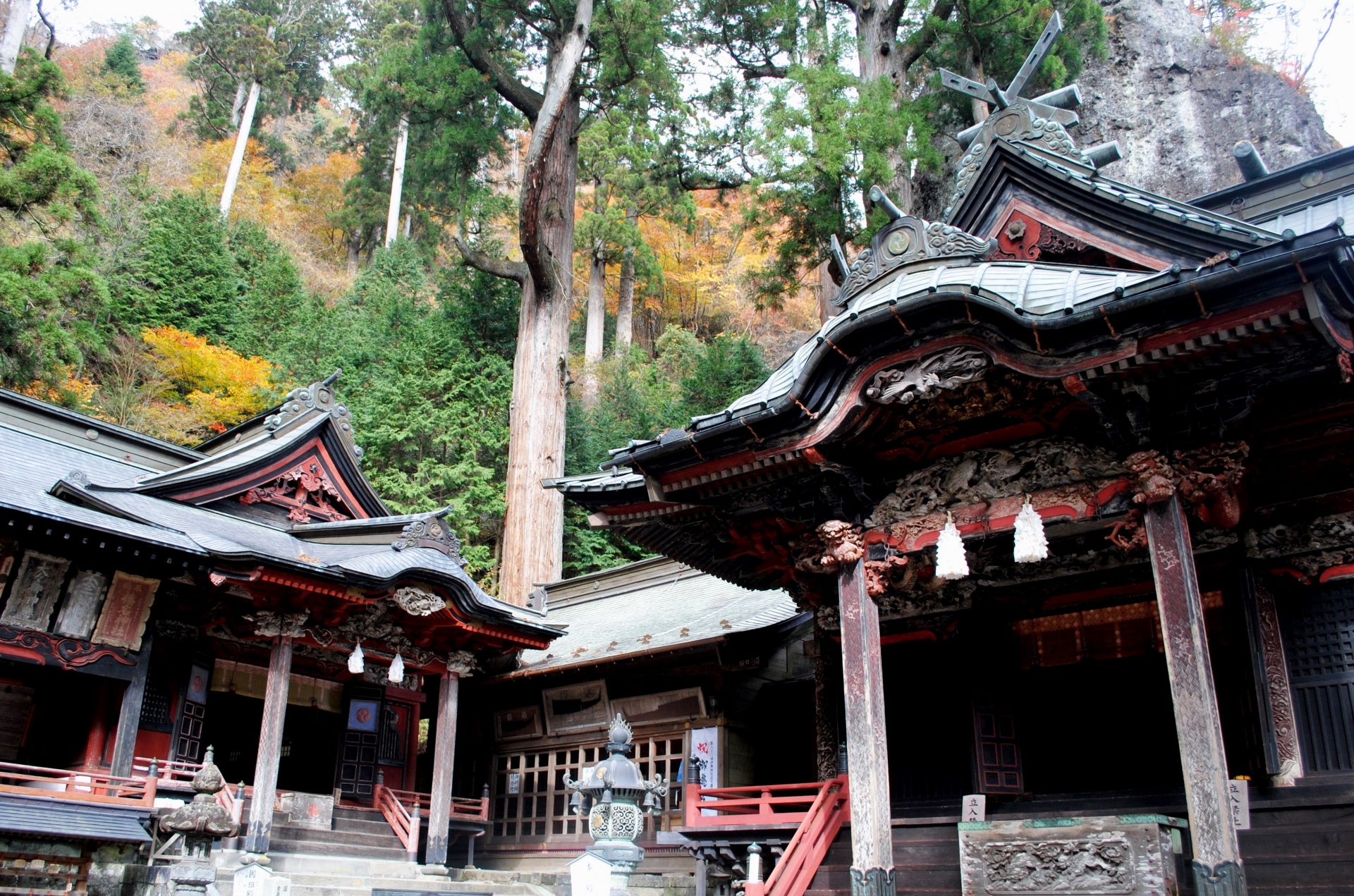
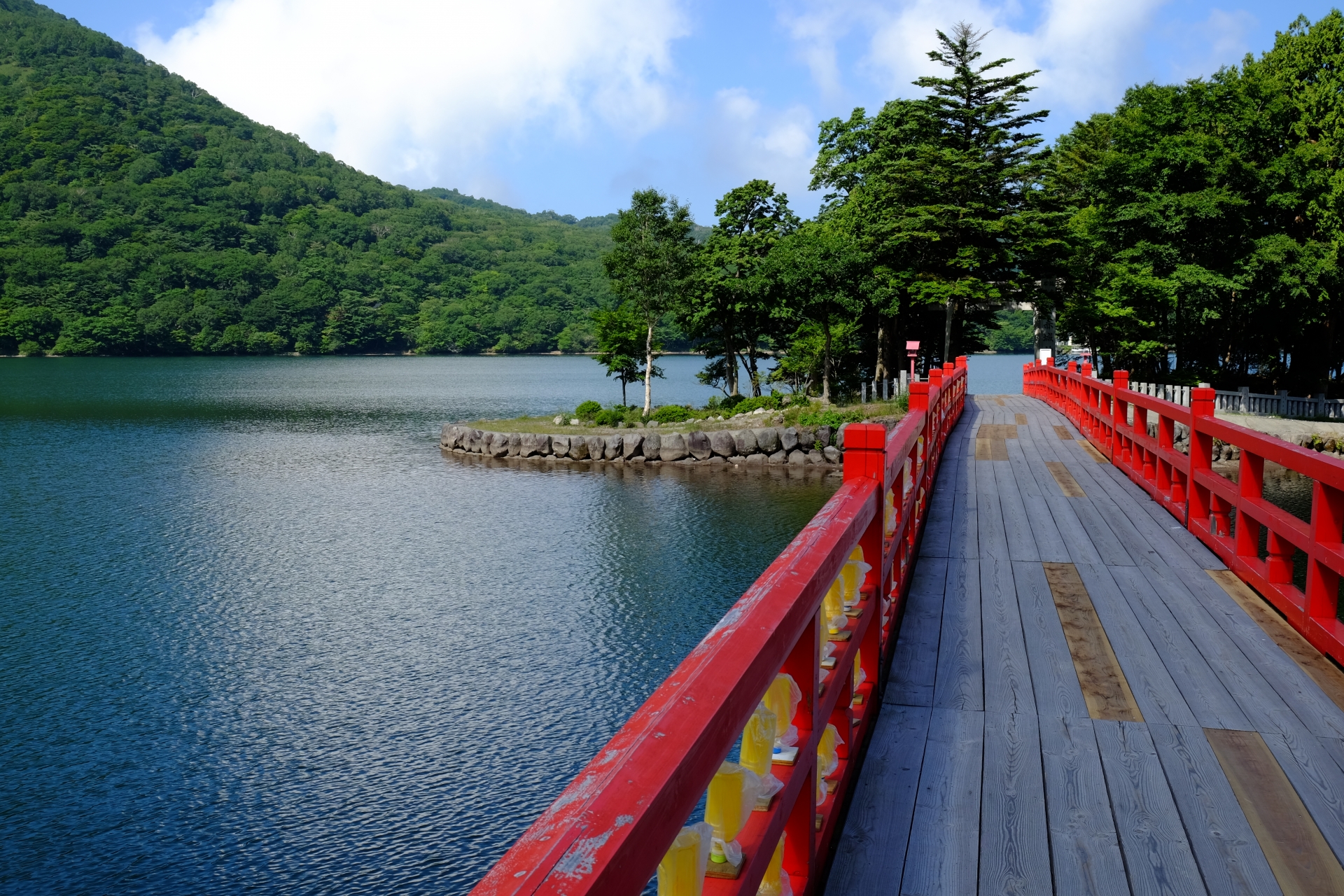
Haruna Shrine, located on Mt. Haruna, is an ancient and venerable shrine in beautiful harmony with its natural surroundings. The vermilion buildings stand out vividly against the greenery.

Haruna Shrine surrounded by greenery

Nearby Lake Haruna, a caldera lake formed by volcanic activity, and the peak known as Haruna-Fuji make for stunning scenery. A ropeway runs near the summit of Mt. Haruna for panoramic seasonal views.

Fukiware Falls

Sometimes called the "Niagara of the East," Fukiware Falls is a spectacular sight: the Katashina River, about 30 m wide, pours into a V-shaped cleft in the rock with tremendous force. Walking paths around the falls let you take them in from several angles.

Gunma's Scenery Through the Seasons

Gunma's nature wears a different face in each season. Below are recommended scenic spots for each one.

Spring Highlights

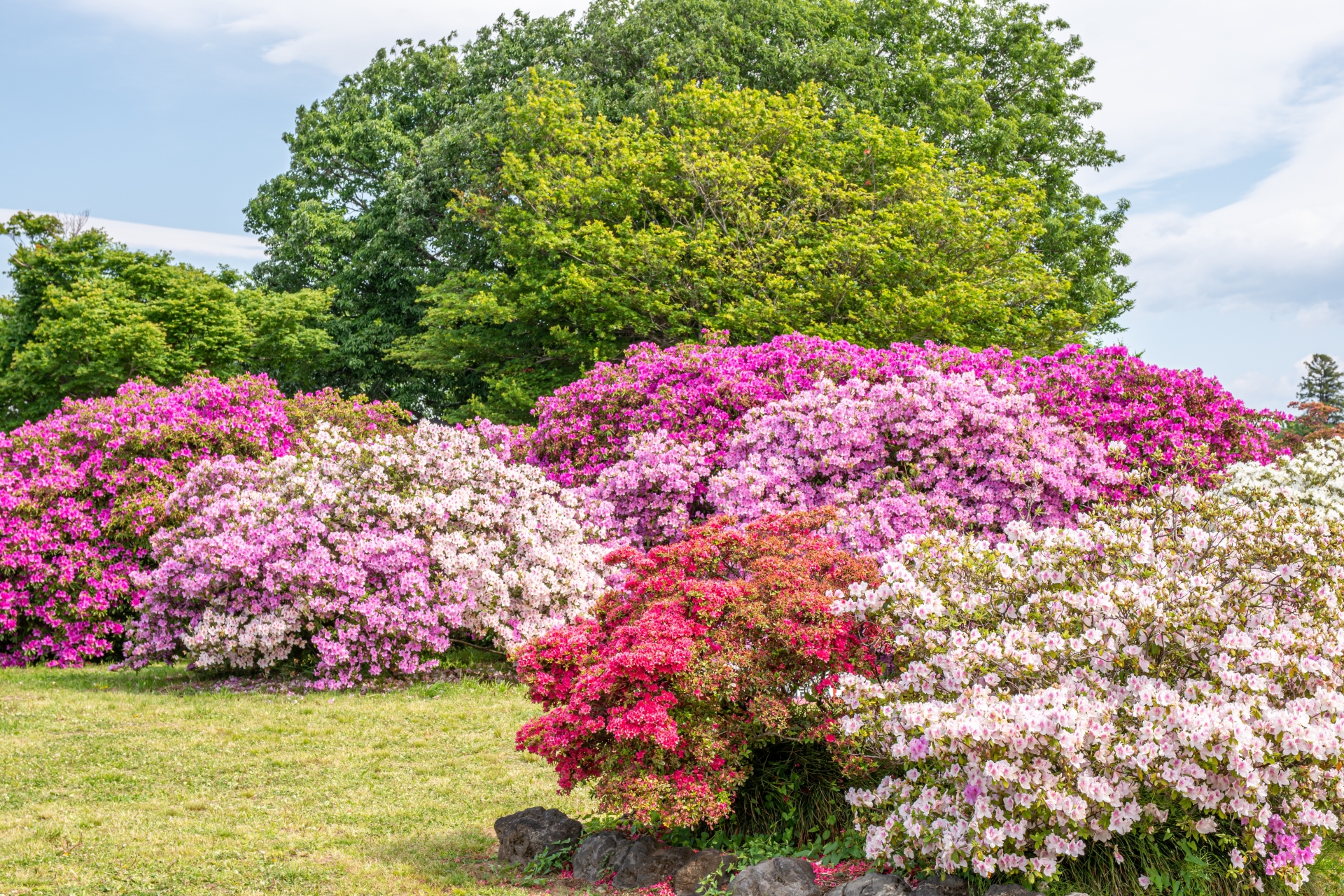
Spring flowers blooming in Gunma

Famous flower spots

  • Tsutsujigaoka Park (Tatebayashi City): one of Japan's best azalea spots, with around 10,000 plants of more than 100 varieties blooming from late April to early May
  • Misato Shibazakura Park (Minakami Town): about 400,000 moss phlox plants carpet the ground from mid-April to early May

Summer Highlights

A cool summer scene in the Gunma highlands

Highlands and lakes

  • Oze (Katashina Village): from June through July, alpine flowers like skunk cabbage and day lily come into bloom
  • Mt. Akagi (Maebashi City): Lake Ono on Mt. Akagi is a great spot for boating and lakeside strolls in the cooler summer breezes
  • Mt. Asama (Tsumagoi Village): sweeping views of Mt. Asama and the highland vegetable fields make for striking summer scenery

Autumn Highlights

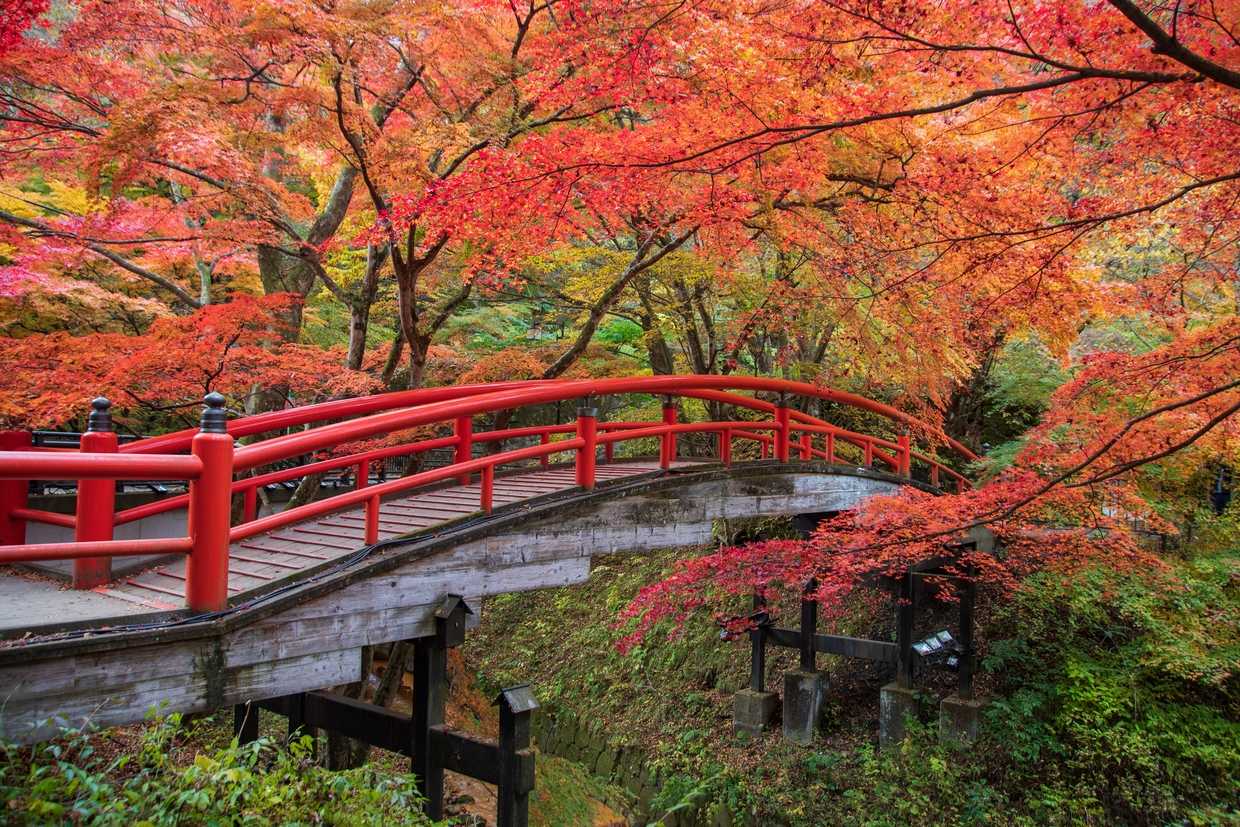
Autumn foliage in Gunma

Fall foliage spots

  • Mt. Myogi (Tomioka City): a striking contrast between unusual rock formations and autumn leaves
  • Mt. Tanigawa (Minakami Town): take the ropeway up for sweeping views and fall colors near the summit
  • Lake Haruna (Takasaki City): the autumn leaves and Haruna-Fuji reflected on the lake make for a breathtaking sight

Winter Highlights

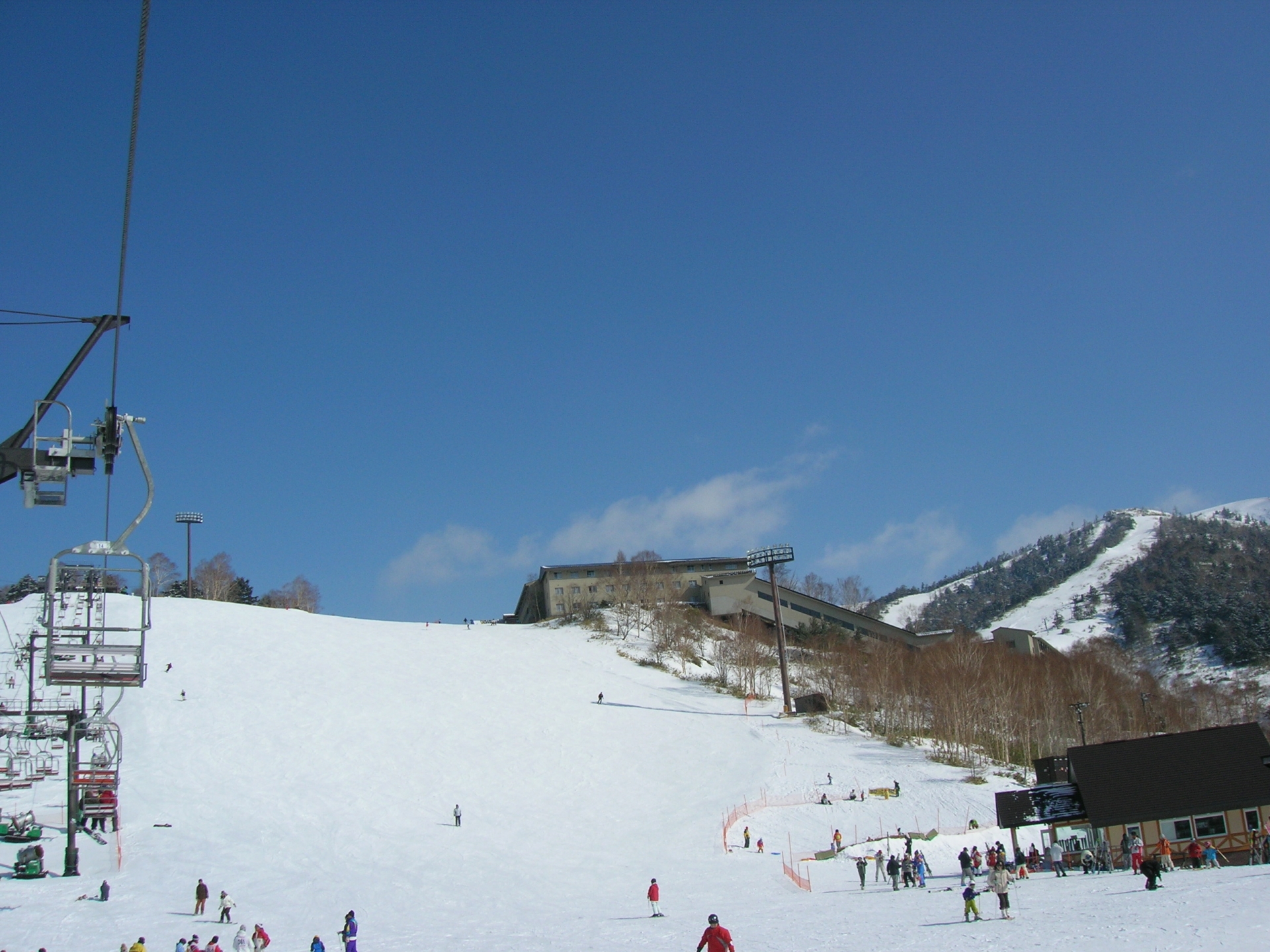
A snowy winter scene in Gunma

Snowscapes

  • Manza Onsen (Tsumagoi Village): a high-altitude resort at 1,800 m, where snow-covered scenery and rising steam create a dreamlike scene
  • Kusatsu Onsen (Kusatsu Town): wander a snow-dusted Yubatake or soak in a yukimi (snow-viewing) bath
  • Minakami Kogen Ski Resort (Minakami Town): a ski area known for quality powder, combining winter sports with snowy landscapes

Onsen Culture in Gunma

A traditional Gunma onsen scene

What Sets Gunma's Onsen Apart

Gunma is sometimes called Japan's "onsen kingdom," and the title is well earned. The prefecture has 96 hot-spring resorts — the most of any Kanto-region prefecture, and the 8th-most nationwide — each with its own water chemistry and benefits. Below are the headline resorts, with what to do at each.

Headline Onsen Resorts: Features and Highlights

Kusatsu Onsen

  • Water type: strongly acidic sulfur spring
  • Reputed benefits: rheumatism, skin conditions, neuralgia
  • Standout features: the very hot baths and the Yubatake, along with the traditional yumomi water-paddling practice and the jikan-yu timed bathing method

A traditional bath at Kusatsu Onsen

What to do at Kusatsu Onsen:

  • See the Yubatake and wander the surrounding streets
  • Watch — or take part in — a yumomi show
  • Try the open-air baths at Sai-no-Kawara Park
  • Sample onsen manju, steamed using heat from the hot springs themselves

Ikaho Onsen

  • Water type: iron-rich sodium bicarbonate spring (known as Kogane-no-Yu, "golden water")
  • Reputed benefits: anemia, neuralgia, muscle soreness
  • Standout features: the old onsen town and its iconic 365-step stone stairway

The stone stairway at Ikaho Onsen lined with shops

What to do at Ikaho Onsen:

  • Wander the stairway and snack as you go
  • Stop at a footbath while you stroll
  • Stay overnight at a traditional ryokan and bathe in the springs
  • Visit nearby attractions such as Mizusawa Kannon and Kajika-bashi Bridge

Shima Onsen

  • Water type: simple alkaline hot spring
  • Reputed benefits: neuralgia, gastrointestinal issues, skin conditions
  • Standout features: a quiet valley setting and the striking "Shima Blue" river

The Shima Blue river running through Shima Onsen

What to do at Shima Onsen:

  • Take in the Shima Blue river and Lake Shima
  • Try Kawara-no-Yu, a free public open-air bath
  • Wander the town and stay at a historic ryokan
  • Hike one of the trails around the resort

Manza Onsen

  • Water type: sulfur spring
  • Reputed benefits: rheumatism, neuralgia, skin conditions
  • Standout features: a high-altitude resort at 1,800 m, said to have the highest sulfur content in Japan

Manza Onsen at high altitude

What to do at Manza Onsen:

  • Experience the strong sulfur scent and milky-white water
  • Enjoy the fresh highland air
  • In winter, try a snow-viewing bath or hit the ski slopes

Onsen Etiquette

Some basic etiquette to keep in mind at a Japanese hot spring:

  1. Wash your body before getting in, and don't bring soap or shampoo into the bathtub
  2. Keep your towel out of the water — rest it on your head or beside the tub
  3. Keep voices low
  4. Avoid bathing after heavy drinking
  5. Check ahead if you have tattoos — some facilities won't allow them, though others provide cover-up stickers
  6. Keep your soak short enough to avoid overheating

Gunma's Food Culture and Local Specialties

Gunma's rich natural environment supports a distinctive food culture. Here are some of the dishes and specialties that international visitors enjoy most.

Local Gunma Dishes

Udon culture

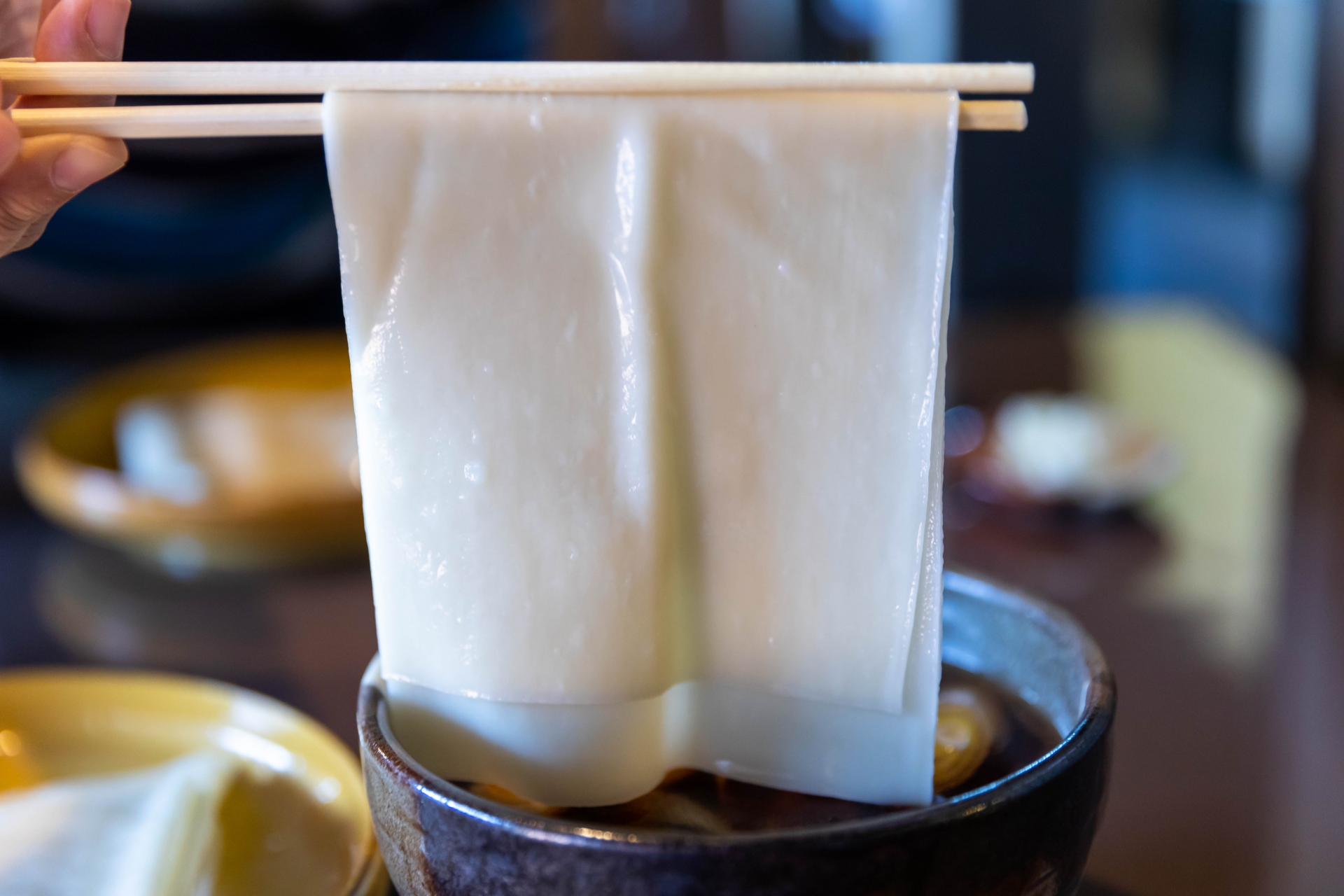
A bowl of regional Gunma udon

Gunma is one of Japan's top wheat-producing regions, and a wide range of flour-based dishes has developed here. Several distinctive types of udon stand out.

Himokawa udon: known for its remarkably wide, flat noodles — up to about 5 cm across — and a one-of-a-kind texture. It's said to have originated around Kiryu City, and is a popular casual specialty for international visitors.

Mizusawa udon: served in the Mizusawa area near Ikaho Onsen, these udon are firm and chewy with a smooth finish. They're eaten in broth, but also rinsed in cold water for a different take on the dish.

Okkirikomi: a regional stew of wide, flat noodles simmered with vegetables and wild mountain greens. Because the ingredients change with the seasons, you taste whatever's freshest.

Other signature dishes

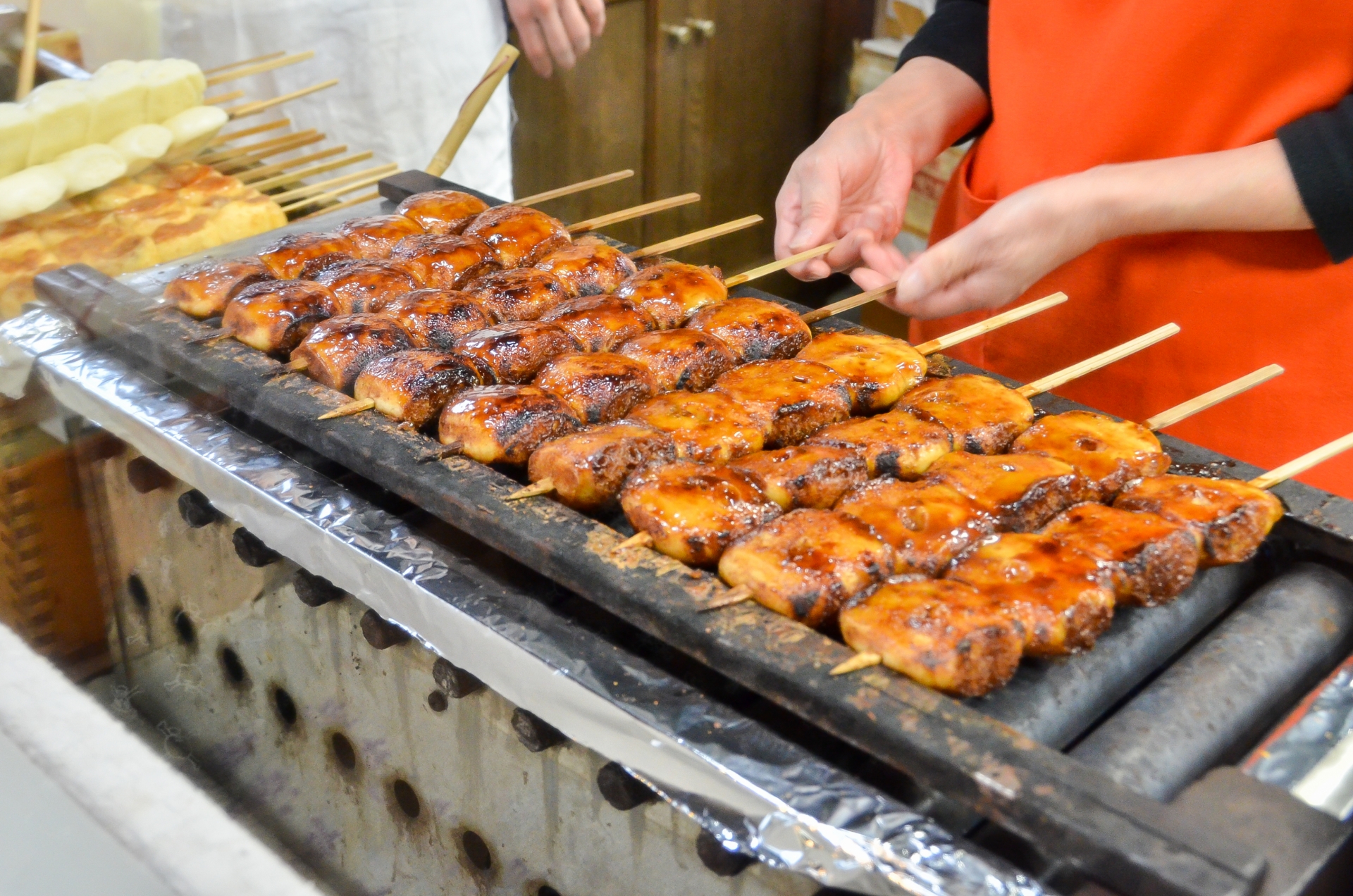
A skewer of Gunma yaki-manju

Yaki-manju: a Gunma soul food. Steamed manju buns are slathered with a sweet-and-savory miso sauce and grilled over charcoal until aromatic.

Takasaki pasta: Takasaki bills itself as "the pasta city," with countless Italian restaurants and creative pasta dishes built around local ingredients.

Sauce katsudon: thinly sliced pork cutlets generously coated in sauce and served over rice. In Gunma each shop has its own house sauce, so it's fun to compare versions.

Joshu beef and Akagi beef: Gunma's premium beef brands, prized for fine marbling and high-quality fat. They show up in sukiyaki, yakiniku, steak, and more.

Specialty Products and Souvenirs

Gunma specialty products and souvenirs

Agricultural products

Konnyaku: Gunma produces more konnyaku potato than anywhere else in Japan, with more than 90% of the national share. Sashimi konnyaku, seasoned konnyaku, and konnyaku jelly are all popular.

Shimonita negi: a premium leek with strong sweetness and a tender texture. It's at its best in winter and a top choice for sukiyaki and other hot pots.

Tsumagoi cabbage: Tsumagoi Village leads Japan in summer-autumn cabbage production. Grown in the cool highland climate, these cabbages are sweet and crisp.

Souvenirs to bring home

Onsen manju: steamed buns sold throughout the onsen towns. The version at Kusatsu Onsen is steamed using heat from the springs themselves — a traditional method that gives it a distinctive character.

Okkirikomi sets: take-home kits for Gunma's local stew. Many come with dried noodles and a soup base, so you can recreate the dish at home.

Konnyaku products: konnyaku is sold in many forms and flavors. Sashimi konnyaku and seasoned konnyaku keep well, making them practical souvenirs to take overseas.

Gateau Festa Harada rusks: from a Takasaki-based bakery, these rusks are rich with butter and have a satisfying crunch. They're a hit both in Japan and abroad.

Recommended Places to Stay

Here are accommodation picks across Gunma, organized by area.

Onsen-Town Inns

Kusatsu Onsen

Kusatsu has everything from traditional ryokan to modern hotels.

A traditional ryokan at Kusatsu Onsen

Recommended stays:

  • Kusatsu Hotel 1913: a longstanding hotel dating to the Meiji era, with a classical atmosphere and excellent hot springs. Some staff speak foreign languages.
  • Boun: a popular ryokan among international visitors, known for its scenic open-air baths
  • Mukashi-kokoro-no-Yado Kanemidori: a traditional Japanese-style ryokan with attentive service and well-regarded cuisine

Ikaho Onsen

Many historic ryokan line the stone stairway here, capturing the feel of a traditional Japanese hot-spring inn.

A historic ryokan at Ikaho Onsen

Recommended stays:

  • Yokotekan: a 400-year-old ryokan with atmospheric architecture and beautiful gardens
  • Fukuichi: a welcoming ryokan with easy access, located close to the stone stairway

Shima Onsen

The inns here tend to favor a quiet setting for slow-paced stays.

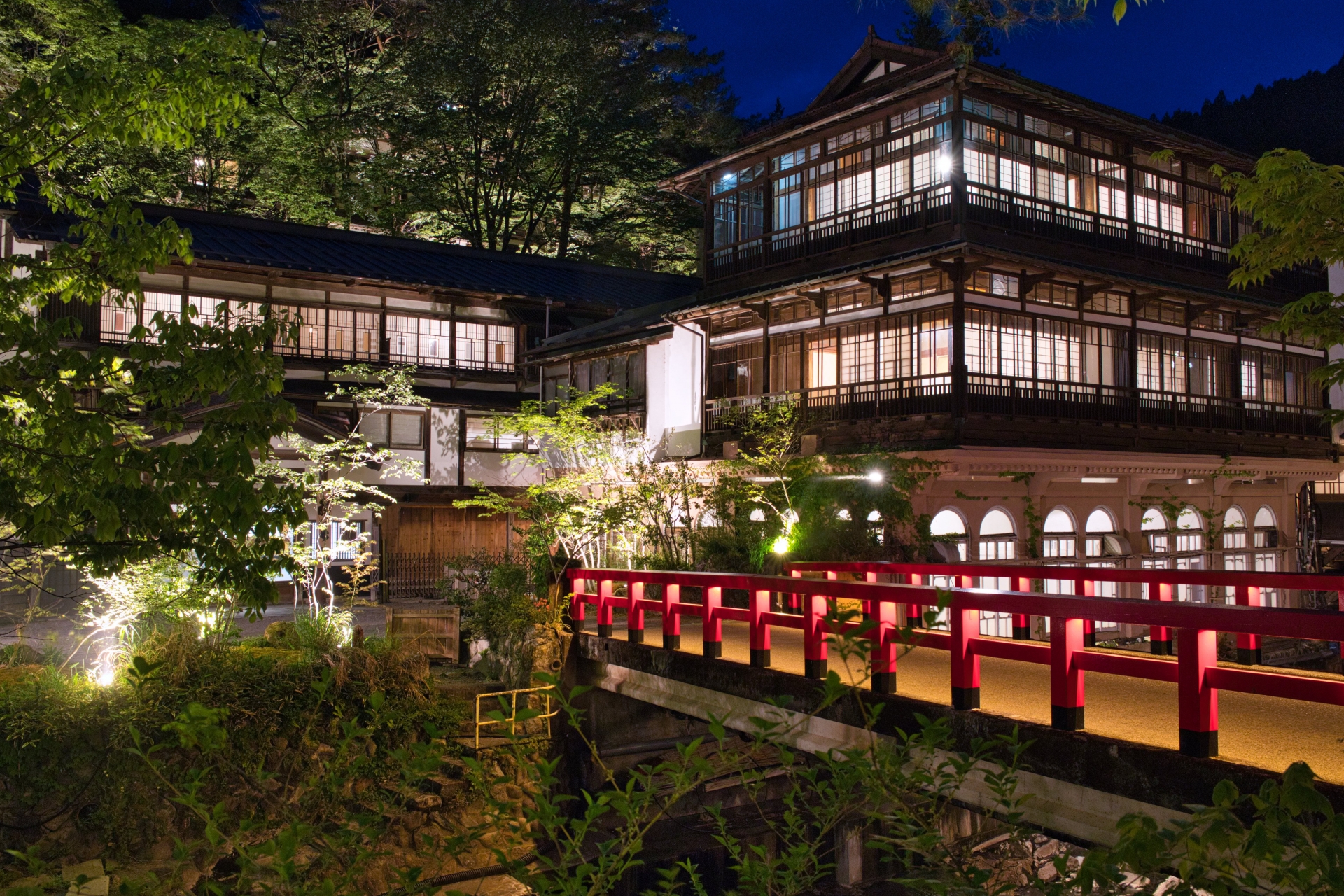
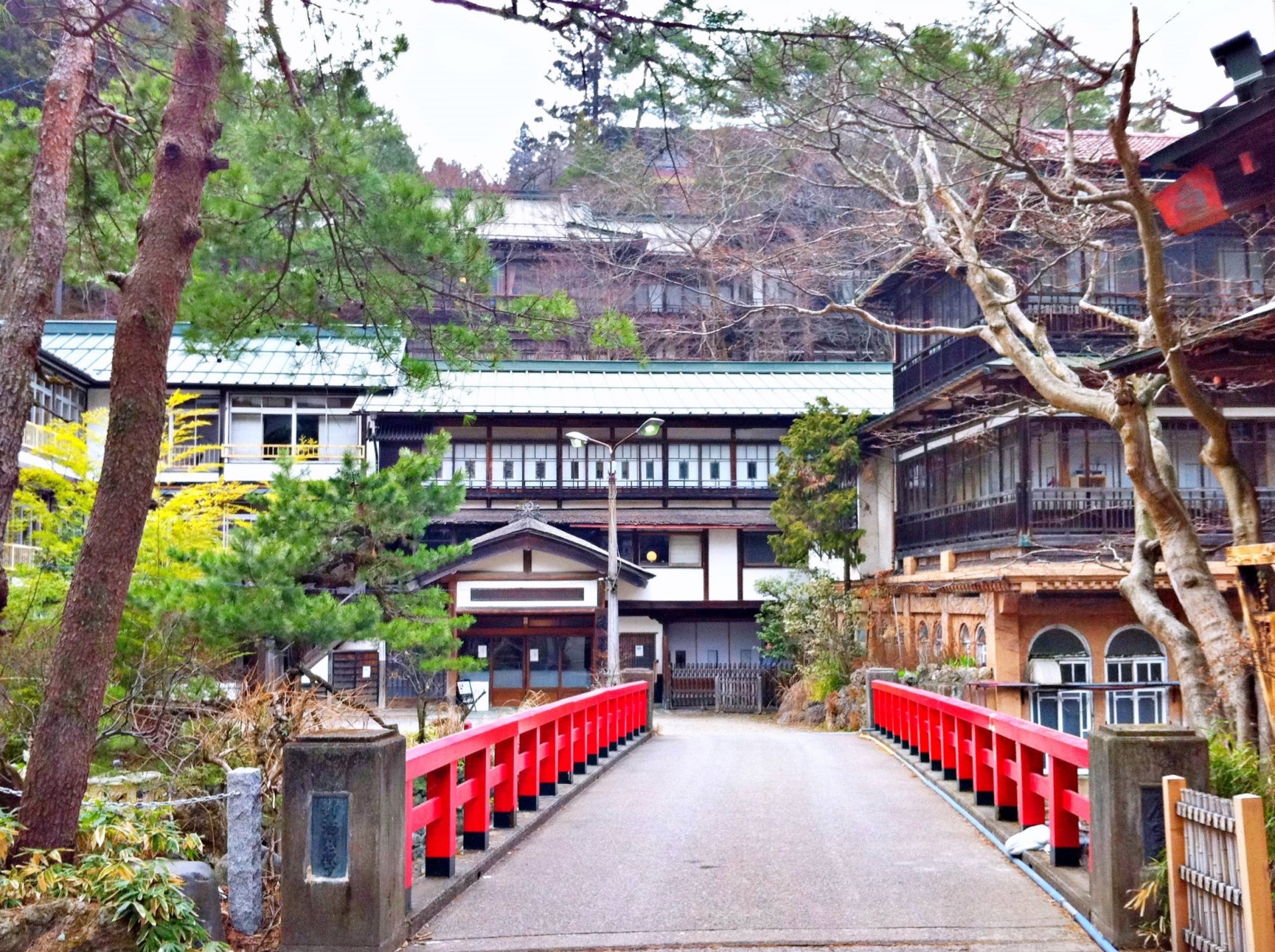
A historic ryokan at Shima Onsen

Recommended stays:

  • Sekizenkan: a venerable ryokan with a Meiji-era main building (a designated Important Cultural Property), letting you experience historic architecture and hot springs together
  • Kashiwaya Ryokan: along the Shima River, with open-air baths to the sound of the stream

City Hotels

Takasaki City

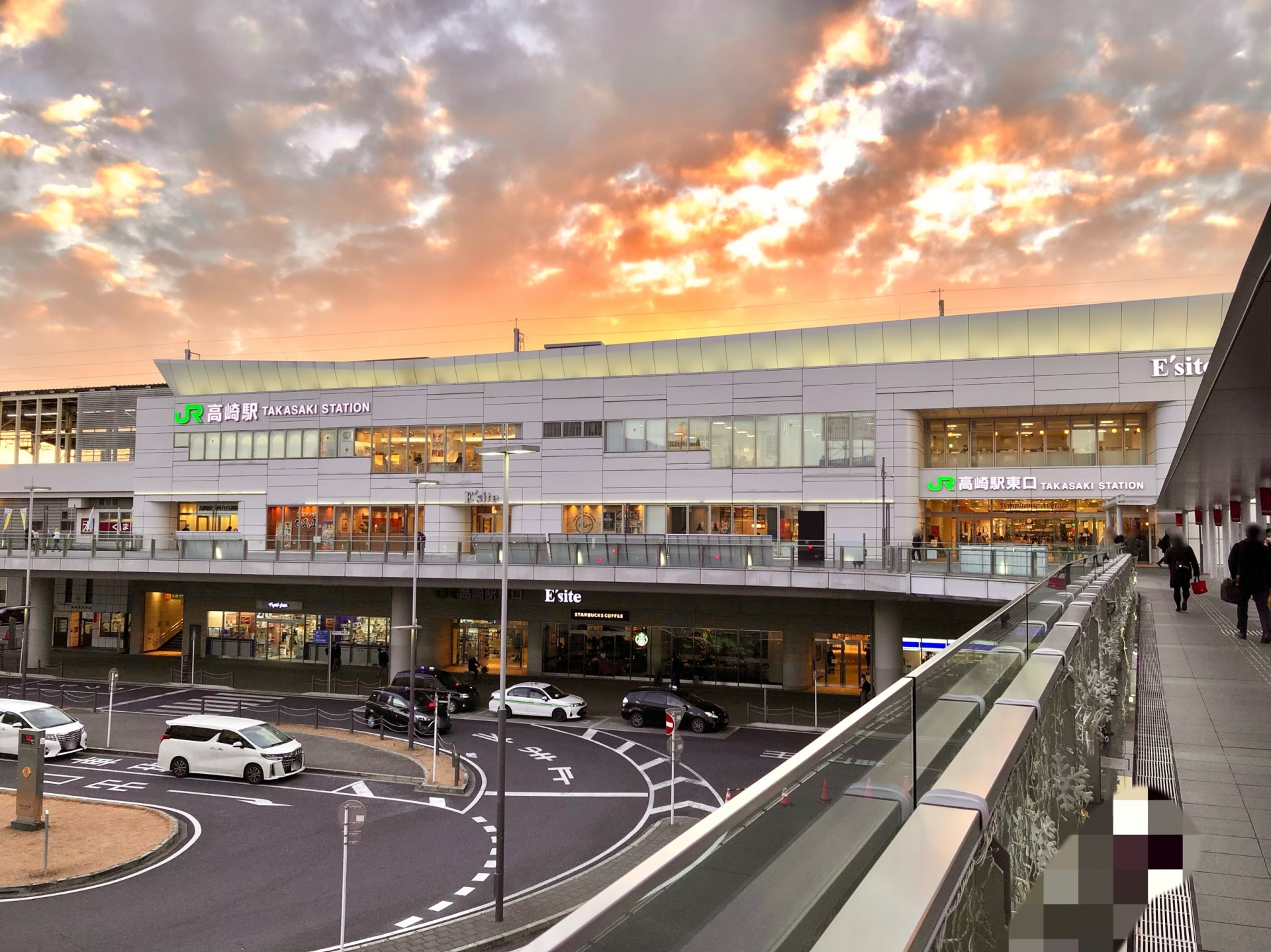
The area around JR Takasaki Station has accommodation across the spectrum, from business hotels to upscale options. With easy shinkansen access, it makes a convenient base for exploring Gunma.

The cityscape around Takasaki Station

Recommended hotels:

  • Hotel Metropolitan Takasaki: directly connected to the station, with comfortable rooms
  • Takasaki Washington Hotel Plaza: within walking distance of the station and great value for money

Maebashi City

The prefectural capital is mainly home to business hotels, with a calm overall atmosphere.

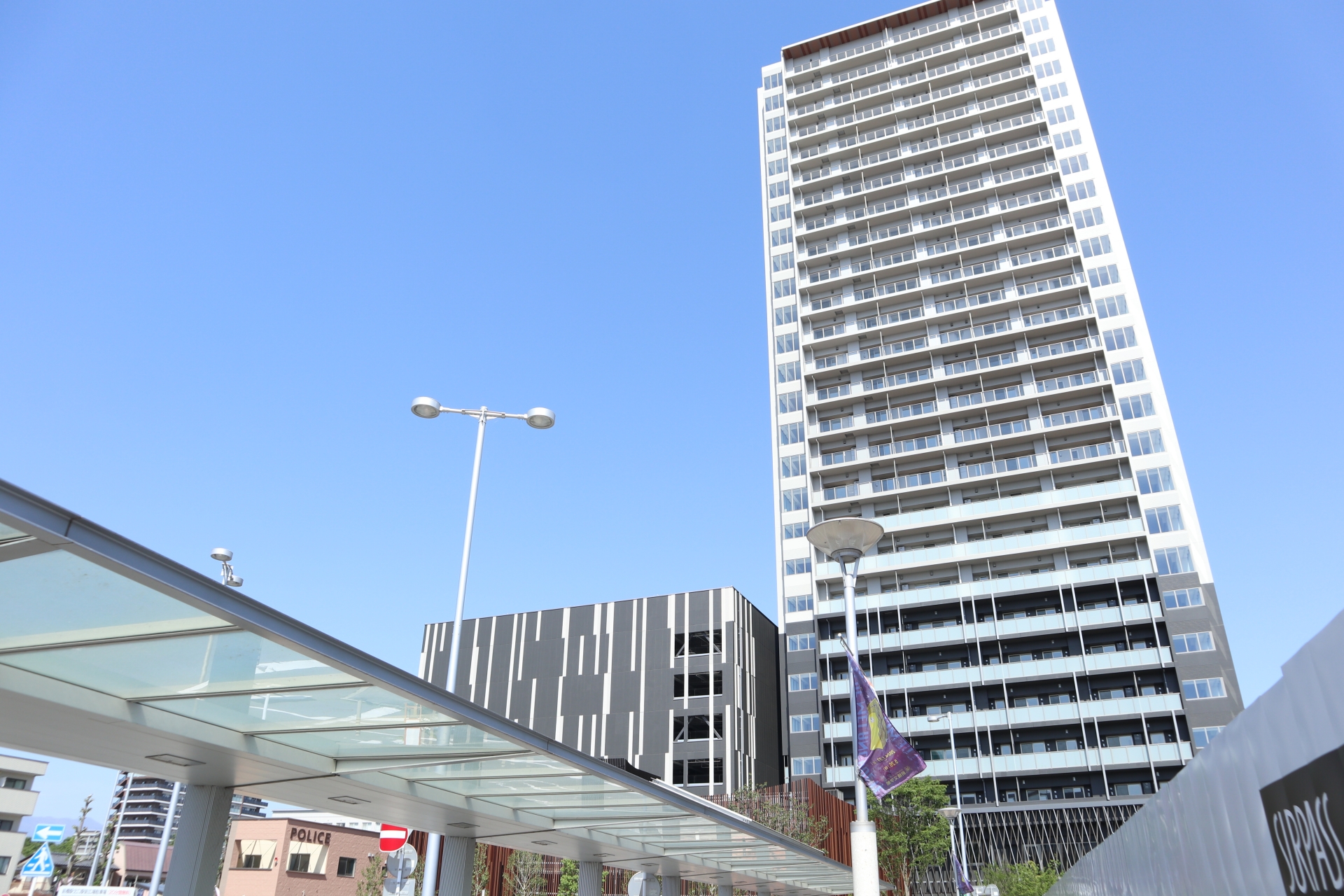
The Maebashi cityscape

Recommended hotels:

  • Maebashi Marriott Hotel: in the city center, with comfortable rooms and well-regarded restaurants
  • Sun Hotel Maebashi: strong value for money and a good fit for longer stays

Tips for Booking Accommodation

  • When picking a ryokan, check whether bathing is in shared facilities or in a private bath attached to the room
  • Most ryokan include meals — typically a traditional kaiseki dinner. Let them know in advance about any dietary restrictions
  • Book early for peak periods (Golden Week, the Obon holiday, fall foliage season)
  • Larger ryokan generally take credit cards, but smaller inns may be cash-only — confirm ahead of time
  • Kusatsu and other onsen towns popular with Western visitors increasingly have English-speaking inns; if your inn doesn't, a translation app on your phone goes a long way

Sample Itineraries

Below are model itineraries for getting the most out of Gunma, organized by trip length.

Two-Day Trip: Onsen and World Heritage

Day 1

  • Tokyo to Takasaki Station (about 1 hour by shinkansen)
  • Takasaki Station to Tomioka Silk Mill (about 40 minutes by bus)
  • Tour the Tomioka Silk Mill (about 2 hours)
  • Lunch: try local Gunma cuisine in Tomioka
  • Tomioka to Kusatsu Onsen (about 2 hours by bus and train)
  • Wander the Yubatake and watch a yumomi show
  • Check into a ryokan at Kusatsu
  • Dinner and a soak in the hot springs

Day 2

  • Take a morning bath
  • After breakfast, walk through Sai-no-Kawara Park (about 1 hour)
  • Kusatsu to Ikaho Onsen (about 2 hours by bus and train)
  • Walk the stone stairway at Ikaho and have lunch
  • Ikaho Onsen to Takasaki Station (about 1 hour by bus)
  • Takasaki Station back to Tokyo (about 1 hour by shinkansen)

Three-Day Trip: Nature and Onsen Tour

Day 1

  • Tokyo to Takasaki Station (about 1 hour by shinkansen)
  • Takasaki Station to Mt. Haruna (about 1 hour by bus)
  • Visit Haruna Shrine and walk around Lake Haruna (about 2 hours)
  • Mt. Haruna to Minakami Town (about 1.5 hours by bus and train)
  • Try river activities like rafting in Minakami
  • Check into a hot-spring inn in Minakami
  • Dinner and a soak in the hot springs

Day 2

  • Walk around Lake Shima (about 1 hour)
  • Check into a ryokan at Shima Onsen
  • Dinner and a soak in the hot springs

Day 3

  • After breakfast, travel from Shima Onsen to Fukiware Falls (about 1.5 hours by bus and taxi)
  • Walk around Fukiware Falls (about 1 hour)
  • Lunch near Fukiware Falls
  • Fukiware Falls to Takasaki Station (about 2 hours by bus)
  • Takasaki Station back to Tokyo (about 1 hour by shinkansen)

Four-Day Trip: The Full Gunma Experience

Day 1

  • Tokyo to Takasaki Station (about 1 hour by shinkansen)
  • Takasaki Station to Tomioka Silk Mill (about 40 minutes by bus)
  • Tour the Tomioka Silk Mill (about 2 hours)
  • Lunch: try himokawa udon in Tomioka
  • Scenic drive and walk at Mt. Myogi (about 2 hours)
  • Check into a hotel in Takasaki
  • Dinner: try Takasaki pasta

Day 2

  • After breakfast, Takasaki Station to Kusatsu Onsen (about 2 hours by bus and train)
  • Wander the Yubatake and watch a yumomi show
  • Lunch: try onsen manju and local dishes around the resort
  • Walk through Sai-no-Kawara Park (about 1 hour)
  • Check into a ryokan at Kusatsu
  • Dinner and a soak in the hot springs

Day 3

  • After breakfast, Kusatsu Onsen to Tsumagoi Village (about 30 minutes by bus)
  • Scenic drive and walk around Mt. Asama (about 2 hours)
  • Lunch: try cabbage-based dishes in Tsumagoi
  • Tsumagoi to Ikaho Onsen (about 1.5 hours by bus)
  • Walk the stone stairway at Ikaho
  • Check into a ryokan at Ikaho
  • Dinner and a soak in the hot springs

Day 4

  • After breakfast, Ikaho Onsen to Mizusawa Kannon (about 15 minutes by taxi)
  • Visit Mizusawa Kannon (about 30 minutes)
  • Have Mizusawa udon for lunch
  • Ikaho Onsen to Takasaki Station (about 1 hour by bus)
  • Takasaki Station back to Tokyo (about 1 hour by shinkansen)

Travel Tips and Advice

Best Time to Visit

Gunma has something to offer in every season, but these are particularly rewarding times for international visitors:

SeasonCharacteristicsWhy visit then
Spring (April–May)Cherry blossoms and moss phlox in full bloom; mild, comfortable weatherIdeal for hanami and highland walks; the hot springs are pleasant too
Summer (July–August)Cool, comfortable highlands and plenty of water-based activitiesTsumagoi Village, Mt. Akagi, and other places make great summer escapes
Autumn (October–November)Fall-foliage season with stable weather — ideal sightseeing conditionsThe pairing of fall colors and onsen is hard to beat, and the food's at its best
Winter (December–February)Snowscapes and winter sports like skiingSnow-viewing baths and snow-dusted onsen towns make for a special experience

Getting Around

Rental car: a rental car is the most efficient way to cover Gunma. That said, winter brings snow in mountainous areas — if you're unsure about driving in those conditions, stick to public transport.

Public transport: trains and buses reach the major sightseeing spots, but services to mountain areas and onsen towns can be infrequent. Check timetables ahead of time and leave yourself extra buffer.

Sightseeing taxis: many onsen towns offer sightseeing taxi services. Having a local driver as guide is an efficient way to cover ground.

Loop sightseeing buses: in major destinations like Kusatsu Onsen and Tomioka, loop buses are sometimes available. They're a handy option when running.

Language Support

Major attractions and onsen towns increasingly offer English signage and brochures. Kusatsu Onsen, which draws a lot of international visitors, has particularly good English-language services.

Translation apps are now widely used for communication — installing one on your phone is well worth it.

Audio guides in multiple languages are available at places like Kusatsu Onsen and the Tomioka Silk Mill.

Budget and Payments

Typical budget:

  • Lodging: a ryokan stay with two meals runs ¥15,000–30,000 per person per night
  • Food: lunch ¥1,000–2,000 per person
  • Transport: rental car from ¥5,000 per day; buses and trains ¥1,500–3,000 per day
  • Admissions: ¥500–2,000 per attraction

Payments:

  • Larger hotels and attractions take credit cards, but small shops and ryokan may be cash-only
  • ATMs near onsen towns and tourist areas may have limited hours — pull out cash in advance
  • Digital wallets like PayPay and Rakuten Pay are increasingly accepted, but rarely at small shops

Cultural Tips

Onsen etiquette:

  • Wash before entering the bath, and don't bring towels into the tub
  • If you have tattoos, check in advance — some facilities don't allow them
  • Most onsen are gender-separated; mixed-bathing facilities are rare

Meals:

  • Ryokan dinners are typically traditional kaiseki. If you're unsure how to eat a dish, just ask the staff
  • If you have dietary restrictions or strong dislikes, let the inn know when booking — they can usually accommodate

Shoes:

  • You'll usually take your shoes off at ryokan and some restaurants. Where to do so is clearly marked — follow the signs

Summary

Gunma is an appealing destination — about an hour from Tokyo, yet packed with vast natural scenery, deep cultural history, and some of Japan's most famous hot springs. For international visitors, it's a rare chance to experience traditional onsen culture, visit a World Heritage site, and take in the changing scenery of the seasons all in one trip.

Kusatsu Onsen, the most popular spot in Gunma for visitors from abroad, lets you walk the Yubatake-centered town, watch the yumomi show, and soak in pure source water. The Tomioka Silk Mill, meanwhile, offers a window onto Japan's industrial modernization.

And hot springs are just the start. Distinctive dishes like himokawa udon, the changing scenery of each season, and warm encounters with locals all add up to a memorable trip.

For travelers who want to experience the real Japan beyond well-trodden stops like Tokyo, Kyoto, and Osaka, Gunma is an ideal destination. Come and enjoy an unforgettable Japan trip, where nature, hot springs, history, and culture all meet.

関連記事

おすすめ記事