Hokkaido Travel Guide | Top Attractions and Things to Do - GTN MAGAZINE
日本語
日本語
English

Hokkaido Travel Guide | Top Attractions and Things to Do

Hokkaido — Japan's northernmost main island — draws travelers from around the world with its spectacular natural scenery, rich food culture, and unique seasonal attractions. From magical snow-covered landscapes in winter to colorful flower fields in summer, Hokkaido is a destination worth visiting year-round.

This guide introduces everything international visitors should know about Hokkaido, from essential travel information to lesser-known attractions.

About Hokkaido

Aerial view of Hokkaido's natural landscape

Hokkaido is Japan's northernmost and largest island, separated from Honshu by the Tsugaru Strait. At about 83,000 square kilometers, it makes up around 22% of Japan's total land area. The island is rich in nature, with national parks, vast wetlands, active volcanoes, and beautiful lakes.

Climate and Geography

Hokkaido is generally cooler than Honshu and has clearly defined seasons. Inland and coastal areas have notably different climates, so what you'll need to bring depends heavily on when you visit and where you're going.

Hokkaido's Climate at a Glance

SeasonAverage temperatureConditionsWhat to wear
Spring (April – May)5 – 15°CSnow melts, cherry blossoms open, fresh greeneryLight coat, sweater, long sleeves
Summer (June – August)17 – 25°CMild and pleasant, cooler than HonshuShort sleeves, light long sleeves, insect repellent
Autumn (September – October)8 – 20°CFoliage; cool mornings and eveningsLayers, light coat
Winter (November – March)-8 – 5°CHeavy snow, strong winds, severe coldHeavy coat, full winter gear, anti-slip footwear

Trends in International Visitors

Recent statistics show that East Asian travelers — from China, Taiwan, South Korea, and Hong Kong — make up the largest share of Hokkaido's international visitors, followed by growing numbers from Southeast Asia and from Europe, North America, and Australia. In 2023, foreign overnight stays in Hokkaido totaled around 6.78 million, with South Korea, Taiwan, and Hong Kong topping the list by nationality.

The Best Time to Visit

Each season has its own strengths. The right time depends on what you want to do.

Spring (April – May): Cherry Blossoms and the Thaw

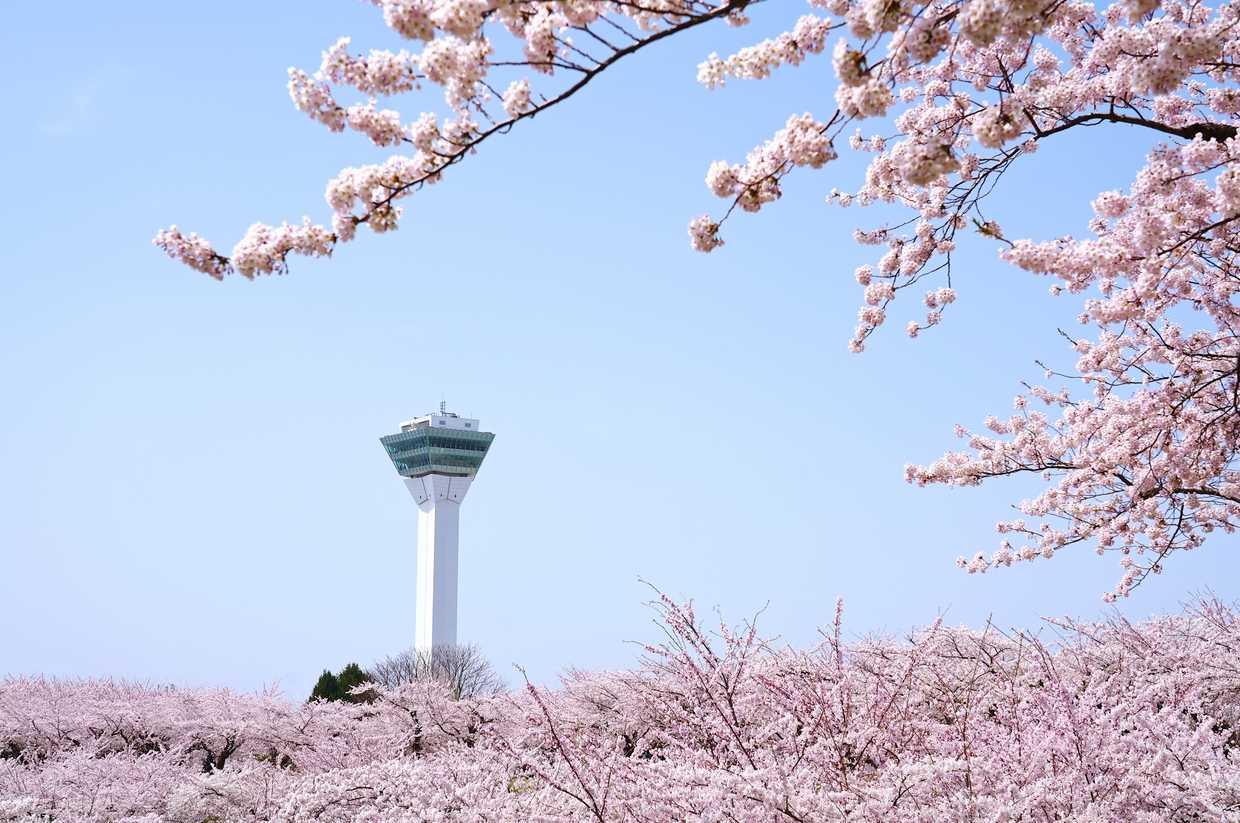
Cherry blossoms in spring Hokkaido

Hokkaido's spring arrives about a month later than on Honshu. As the snow recedes and life returns to the landscape, cherry blossoms open at popular spots like Goryokaku Park in Hakodate and Matsumae Park. In the mountains, you can still ski well into spring — a rare combination.

Spring highlights

  • Goryokaku Park (Hakodate): cherry trees ringing the star-shaped fortress
  • Takino Suzuran Hillside Park (Sapporo): around 3,000 cherry trees and 2 million tulips
  • Matsumae Park (Matsumae): Hokkaido's oldest cherry blossom destination, with about 10,000 trees

Summer (June – August): Flower Fields and Cool Retreats

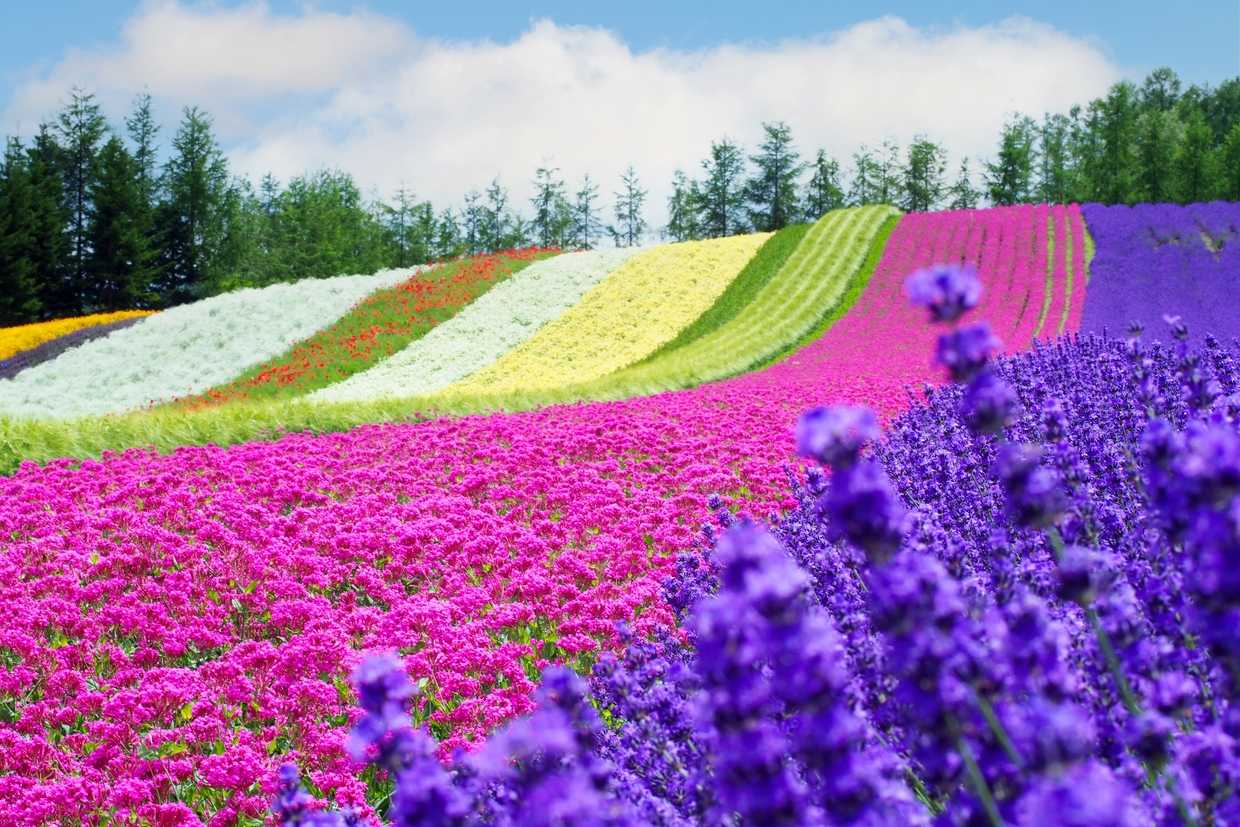
Lavender field in Furano during summer

Summer in Hokkaido is cooler and less humid than on Honshu, making it a comfortable season to be outdoors. Lavender and other flower fields paint the countryside in color — perfect for outdoor activities.

Summer highlights

  • Farm Tomita (Naka-Furano): the iconic lavender fields
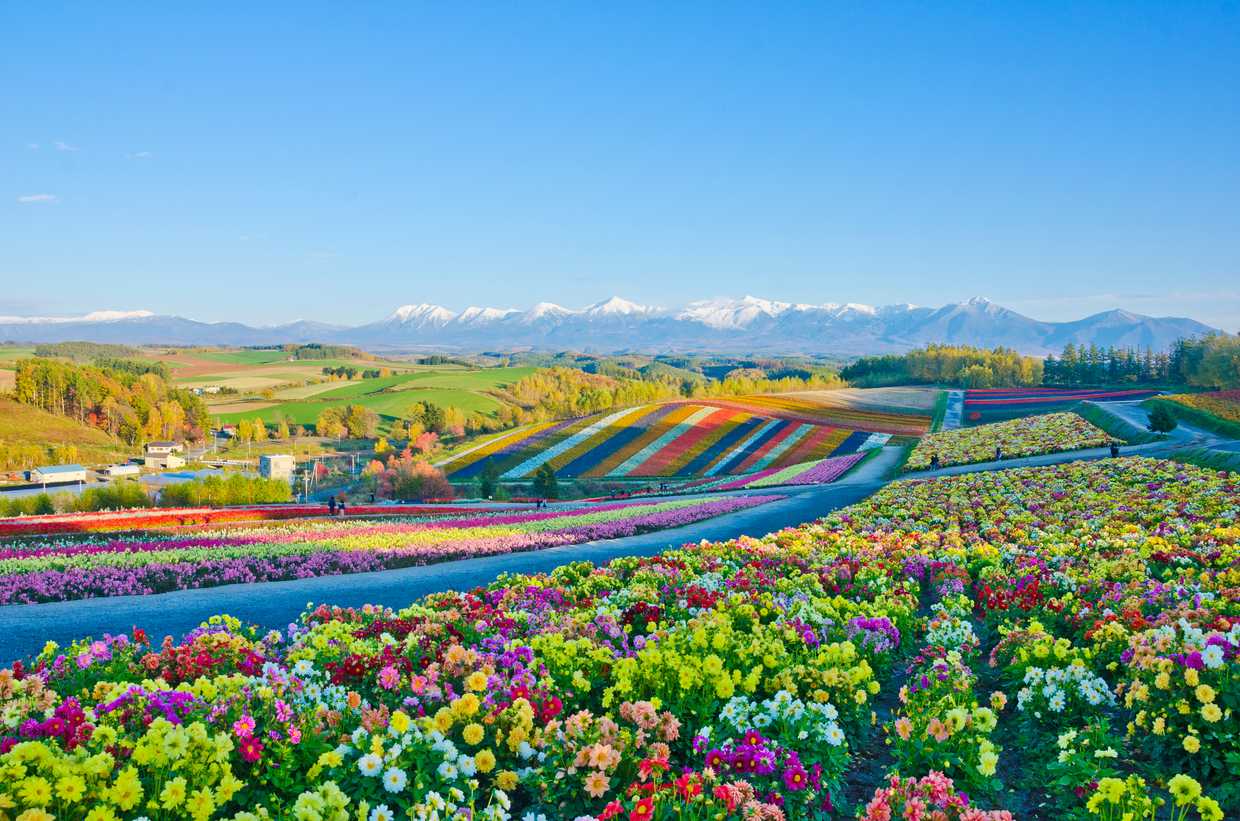
  • Shikisai-no-oka (Biei): rolling hillsides packed with colorful blooms
  • Shiretoko Peninsula (Shari and Rausu): UNESCO World Natural Heritage forests and wildlife

Autumn (September – October): Foliage and Harvests

Autumn foliage in Hokkaido

Autumn is short but stunning. The mountains start changing color in mid-September. It's also harvest season, with abundant fresh produce and seafood.

Autumn highlights

  • Daisetsuzan National Park: where Japan's foliage season starts earliest
  • Lake Shikotsu (Chitose): brilliant fall reflections on the water
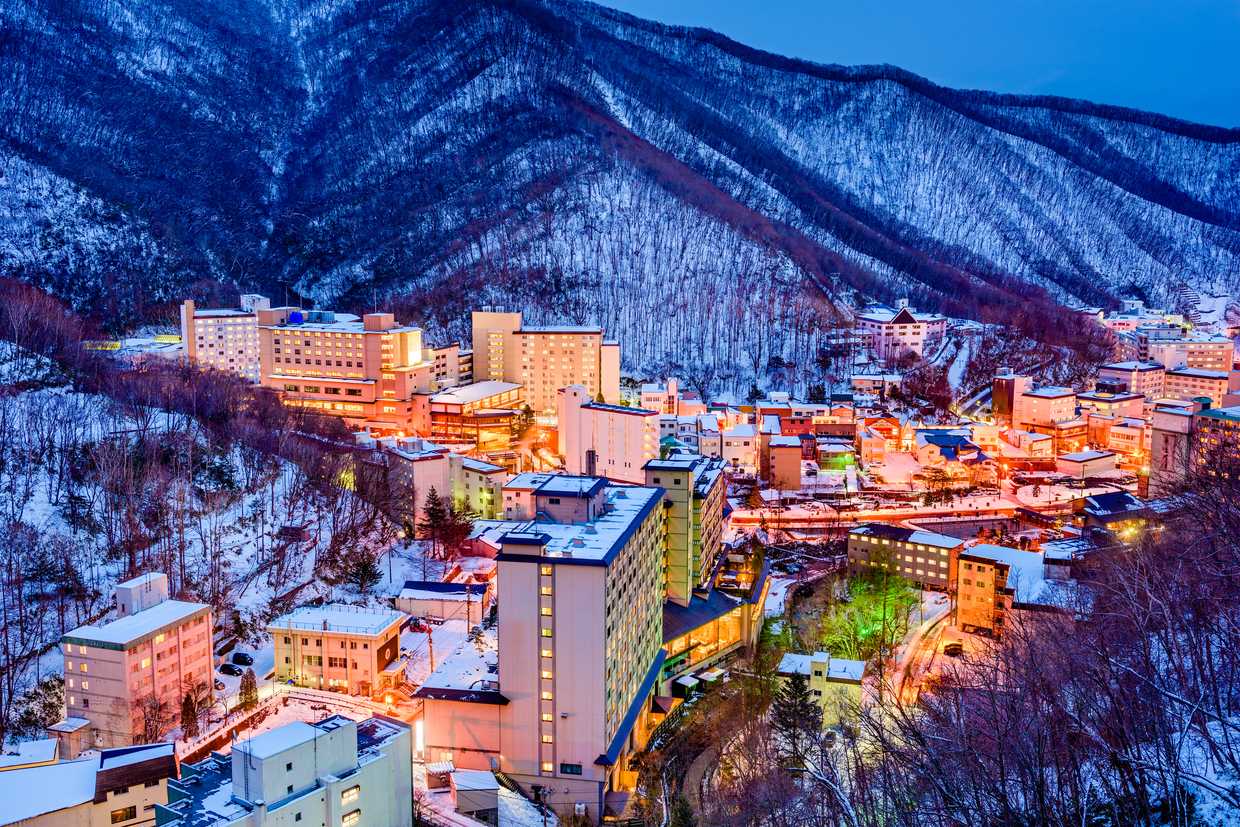
  • Jozankei (Sapporo): hot springs paired with autumn color

Winter (November – March): Snow and Ice

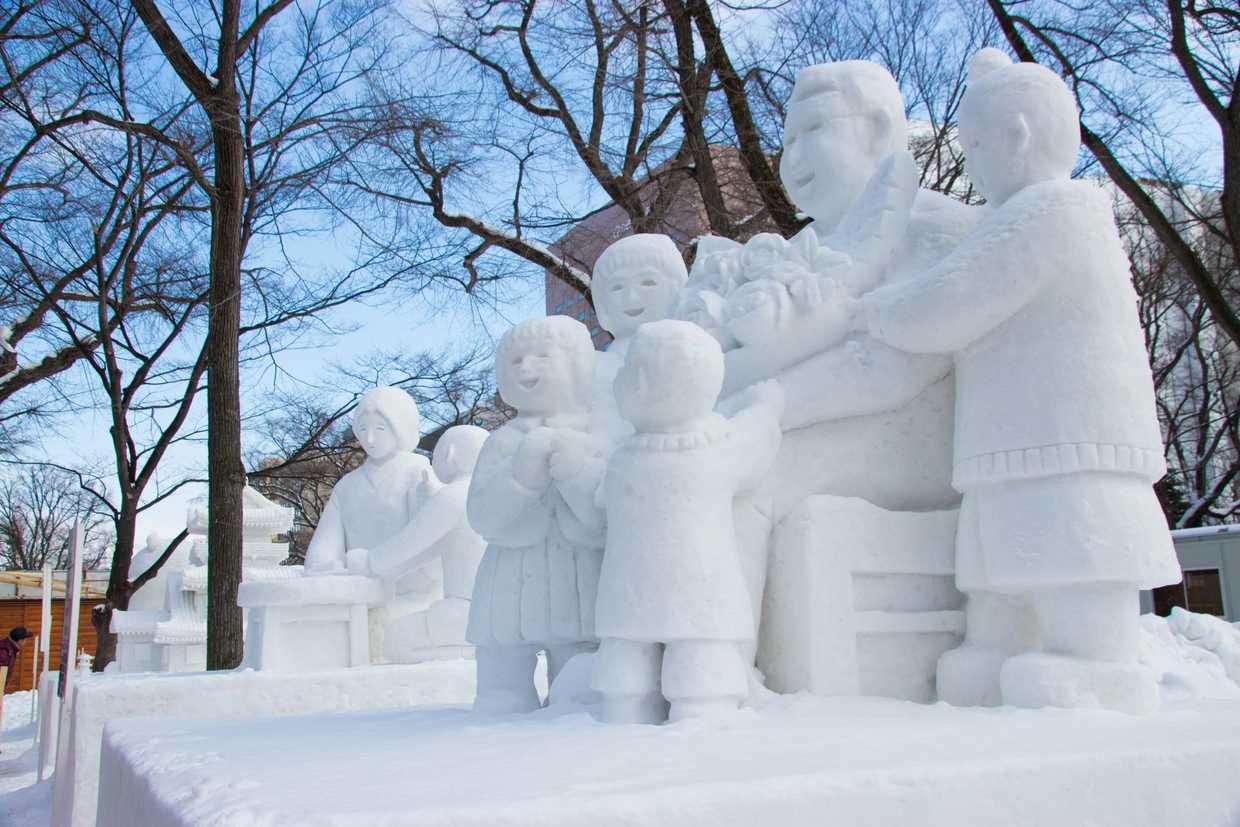
Sapporo Snow Festival ice sculptures

Hokkaido's winters are brutal — but they produce snow and ice scenery you won't find anywhere else. The Sapporo Snow Festival, drift ice tours, and other winter-only experiences make this the peak season for international visitors.

Winter highlights

  • Sapporo Snow Festival (Sapporo): a globally famous snow festival held in early February
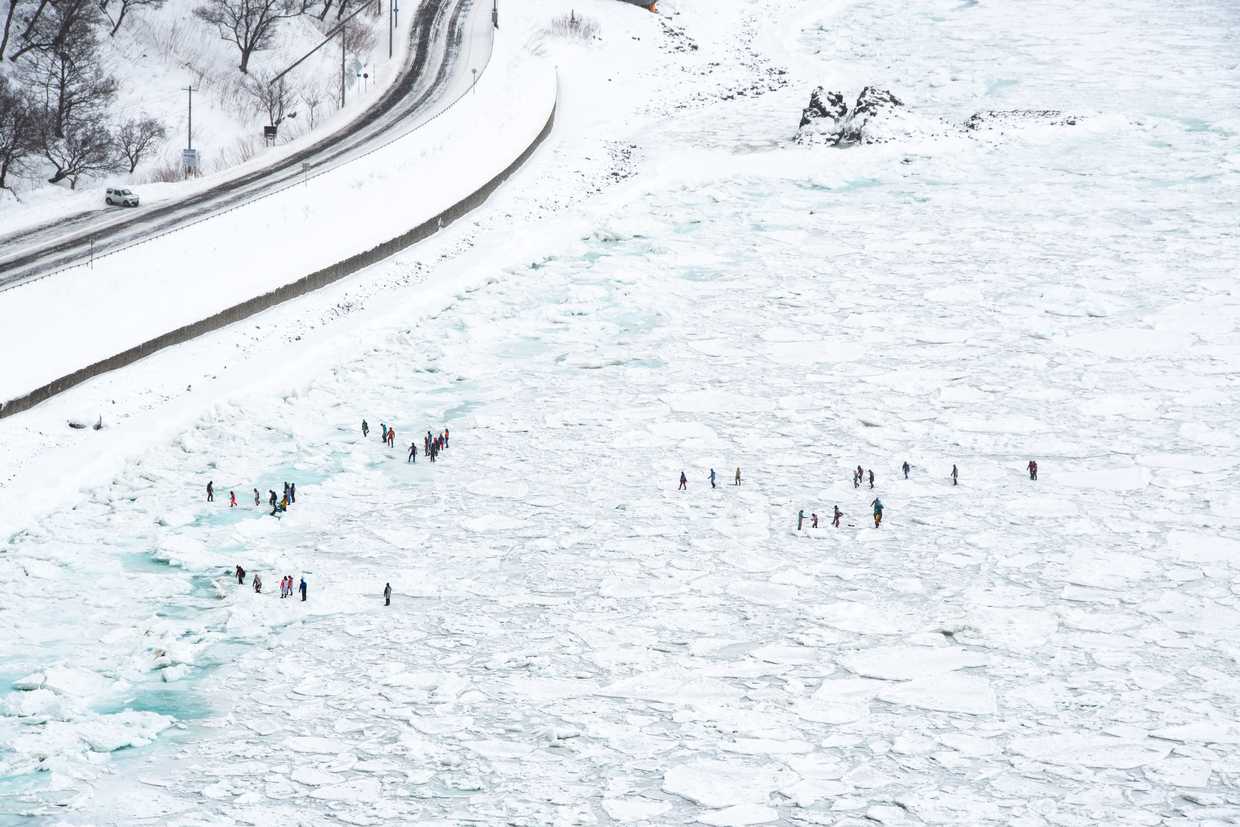
  • Drift ice walks (Abashiri, Monbetsu): walk on actual sea ice in special insulated suits
  • Niseko: an internationally renowned ski resort known for its powder snow

Highlights by Region

Central Hokkaido (Sapporo, Otaru, Niseko)

Sapporo

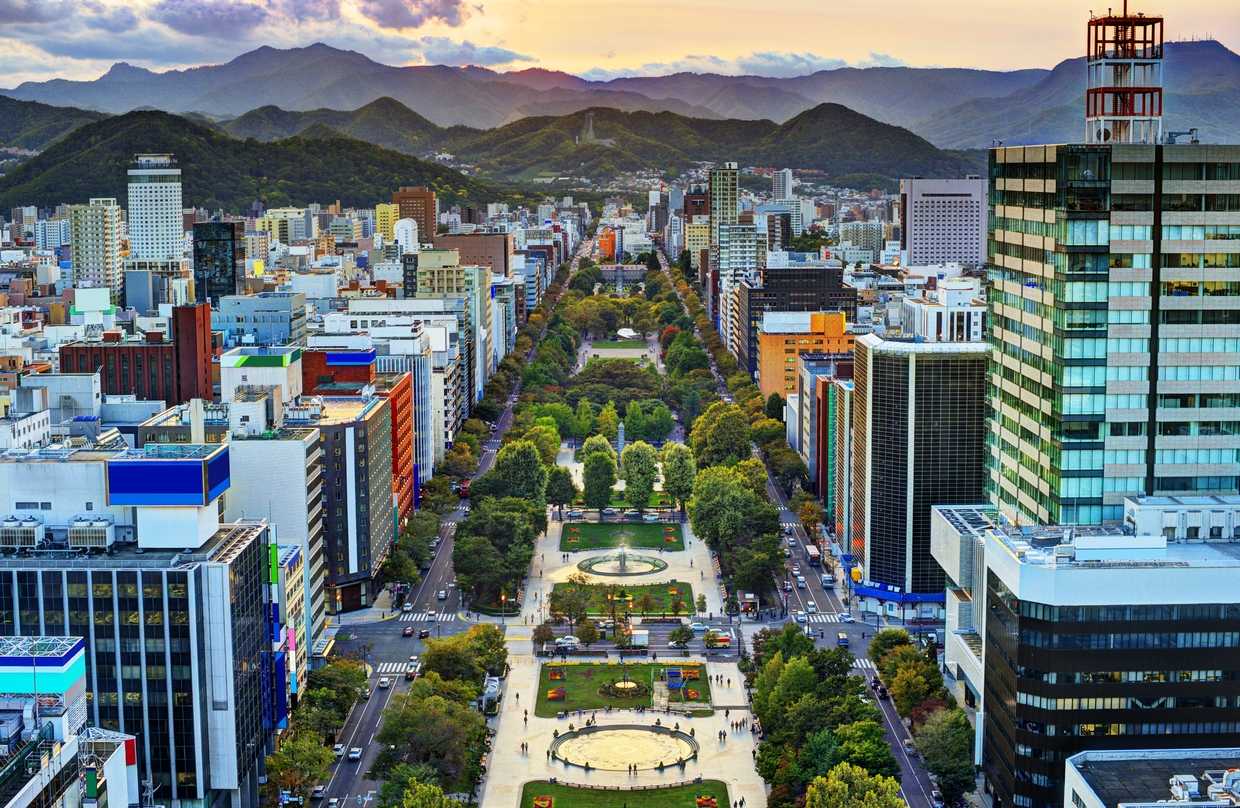
Sapporo cityscape with Odori Park

Sapporo is Hokkaido's political, economic, and cultural center — a planned city where order and nature live side by side.

Top Sapporo sights

  • Odori Park: the linear park at the city's center, and the main venue for the Snow Festival
  • Sapporo Clock Tower: built in 1878 and a national historic landmark
  • Hokkaido Shrine: dedicated to the guardian deity of Hokkaido's pioneers
  • Sapporo TV Tower: observation deck overlooking Odori Park
  • Sapporo Beer Museum: a museum walking through the brewing process

Otaru

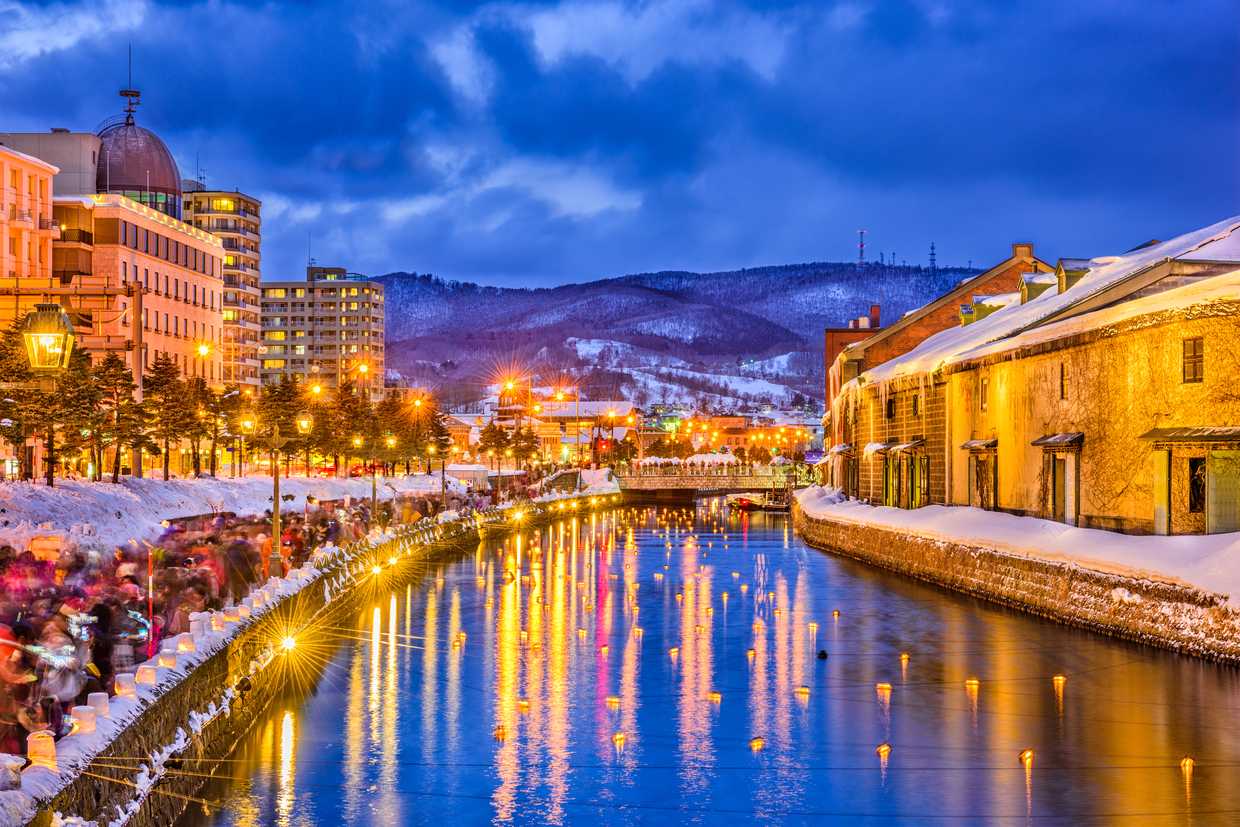
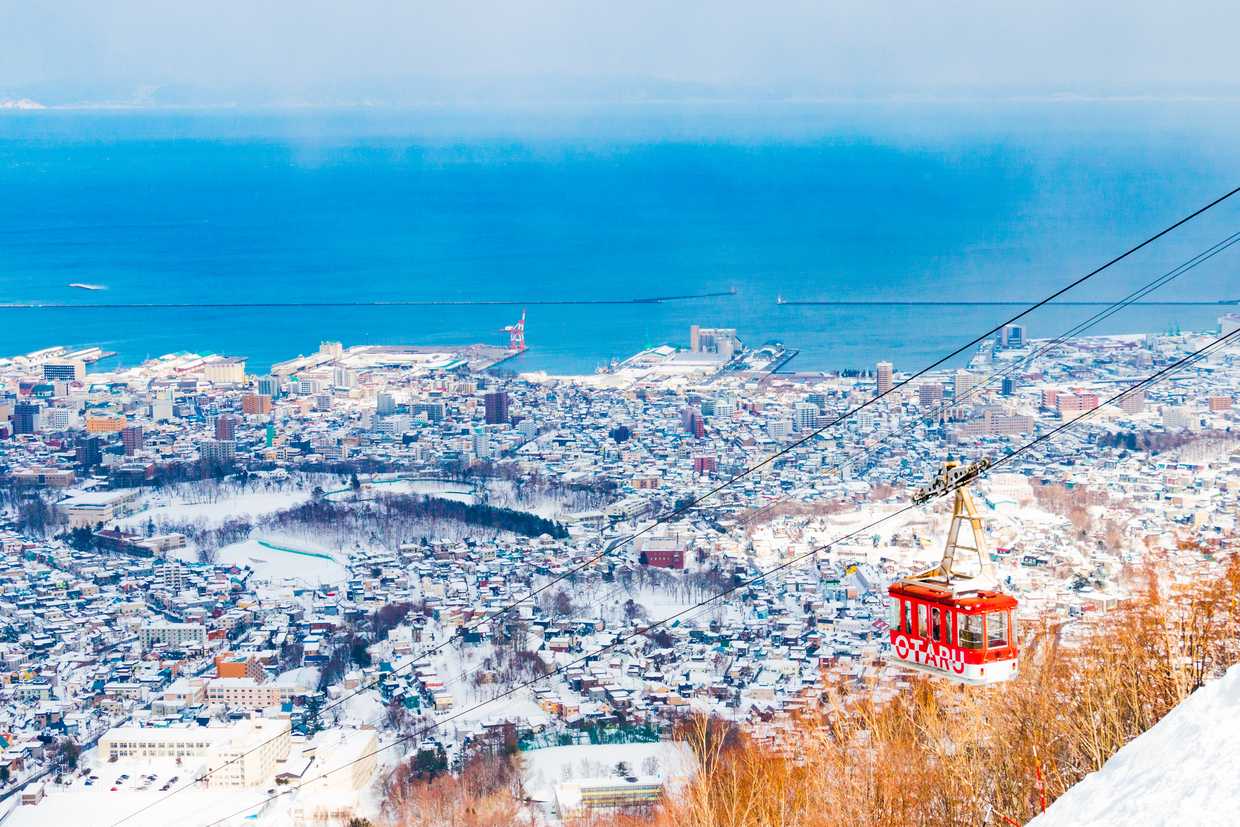
Otaru Canal in winter

Once a thriving trading port, Otaru is a historic city defined by its romantic canal and old stone warehouses.

Top Otaru sights

  • Otaru Canal: the gas lamps lining the canal at dusk are a signature scene
  • Kitaichi Glass: glassware shops and a museum
  • Otaru Music Box Museum: a sales-and-display museum of music boxes from around the world
  • Blue Cave Cruise: a summer-only sea cave tour

The Niseko Area

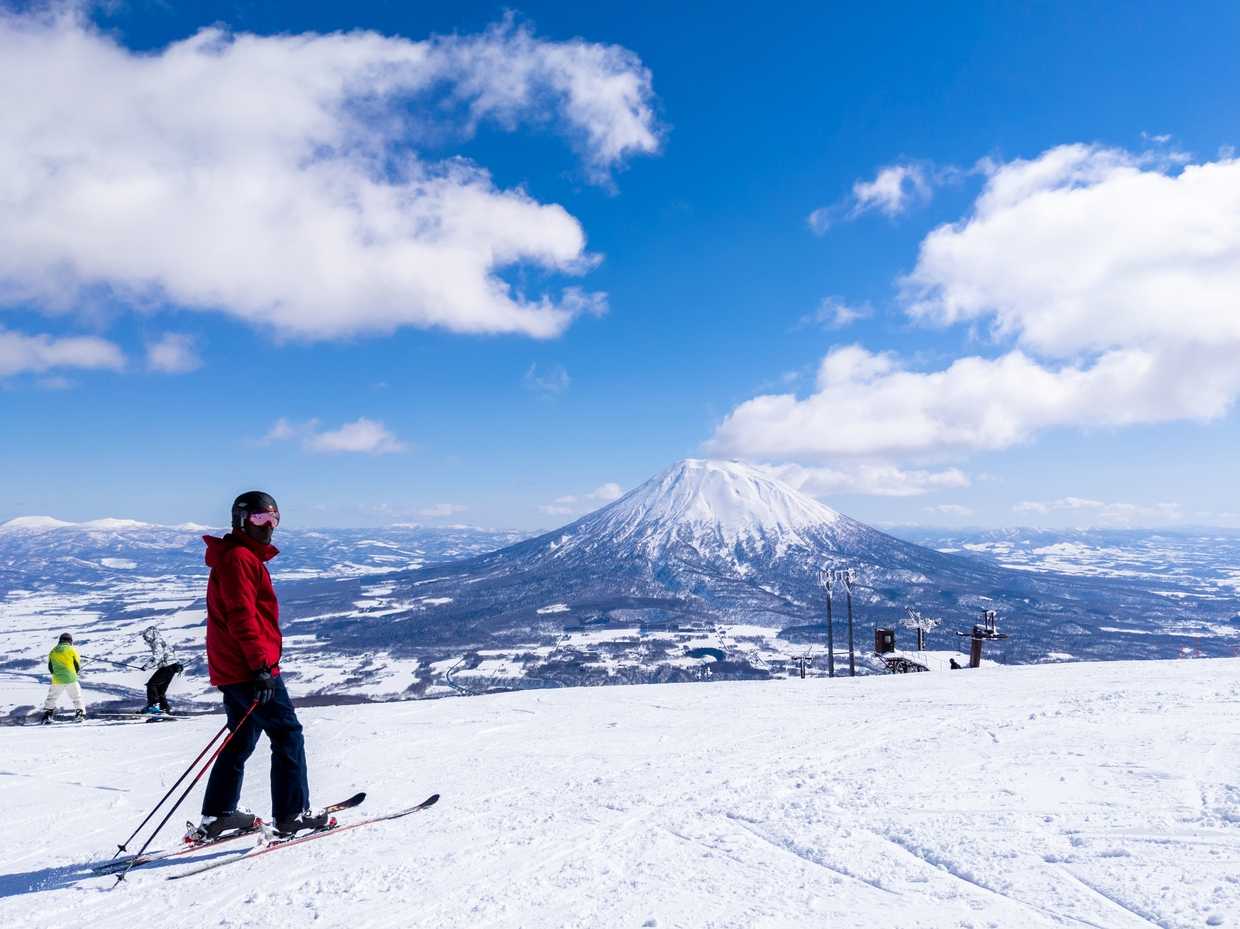
Niseko ski resort with powder snow

Niseko is one of the world's most famous ski destinations, drawing international visitors in winter for its legendary powder snow.

Top Niseko sights

  • Niseko Annupuri: skiing in winter, trekking and mountain biking in summer
  • Niseko Village: an upscale resort area
  • Konbu Onsen: a hot spring with abundant water flow

Southern Hokkaido (Hakodate, Onuma, Matsumae)

Hakodate

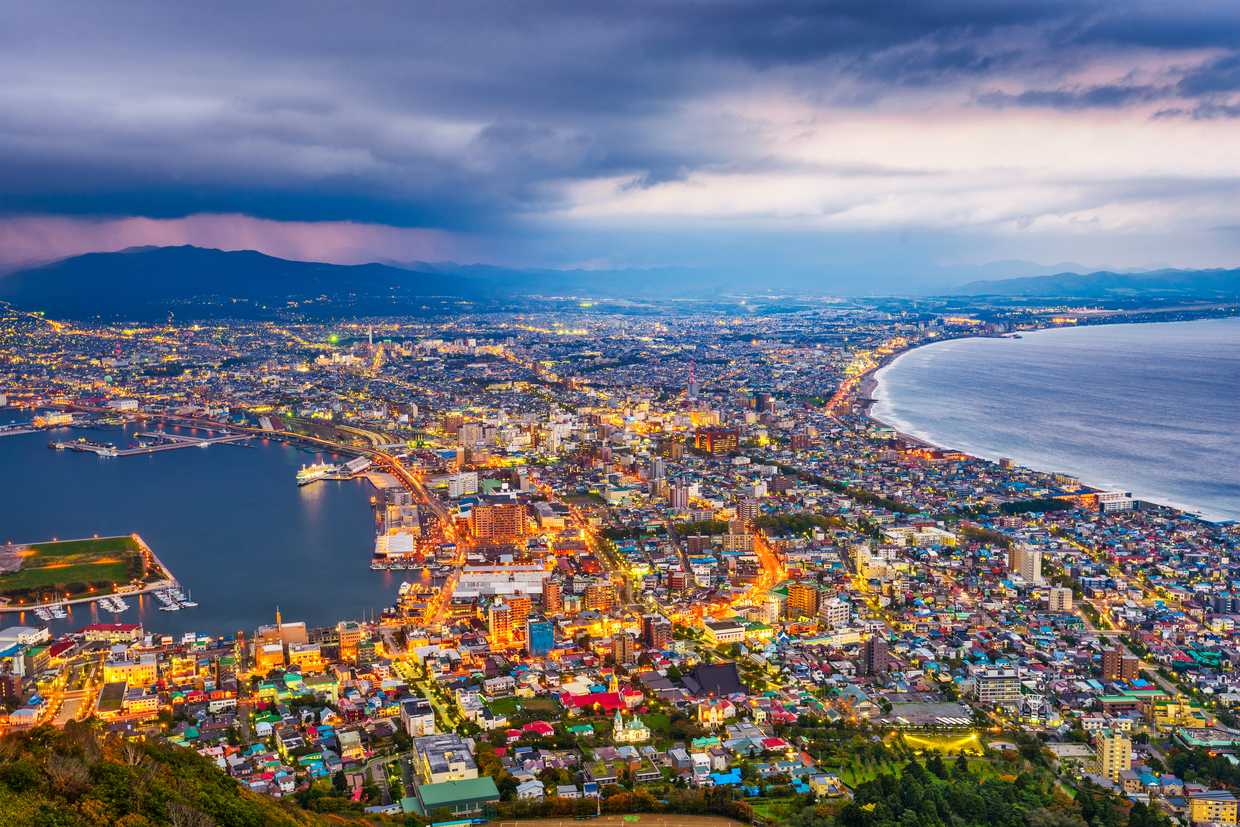
Hakodate night view from Mt. Hakodate

Hakodate is known for its international atmosphere and the night view from Mt. Hakodate — one of the world's three great night views.

Top Hakodate sights

  • Mt. Hakodate: ride the ropeway up to the observation deck for panoramic city views
  • Goryokaku: the star-shaped fortress and a famous cherry blossom destination
  • Motomachi District: a historic neighborhood lined with Western-style buildings
  • Hakodate Morning Market: a lively market for fresh seafood
  • Yunokawa Onsen: hot springs with views of the sea

Eastern Hokkaido (Kushiro, Abashiri, Shiretoko)

Shiretoko Peninsula

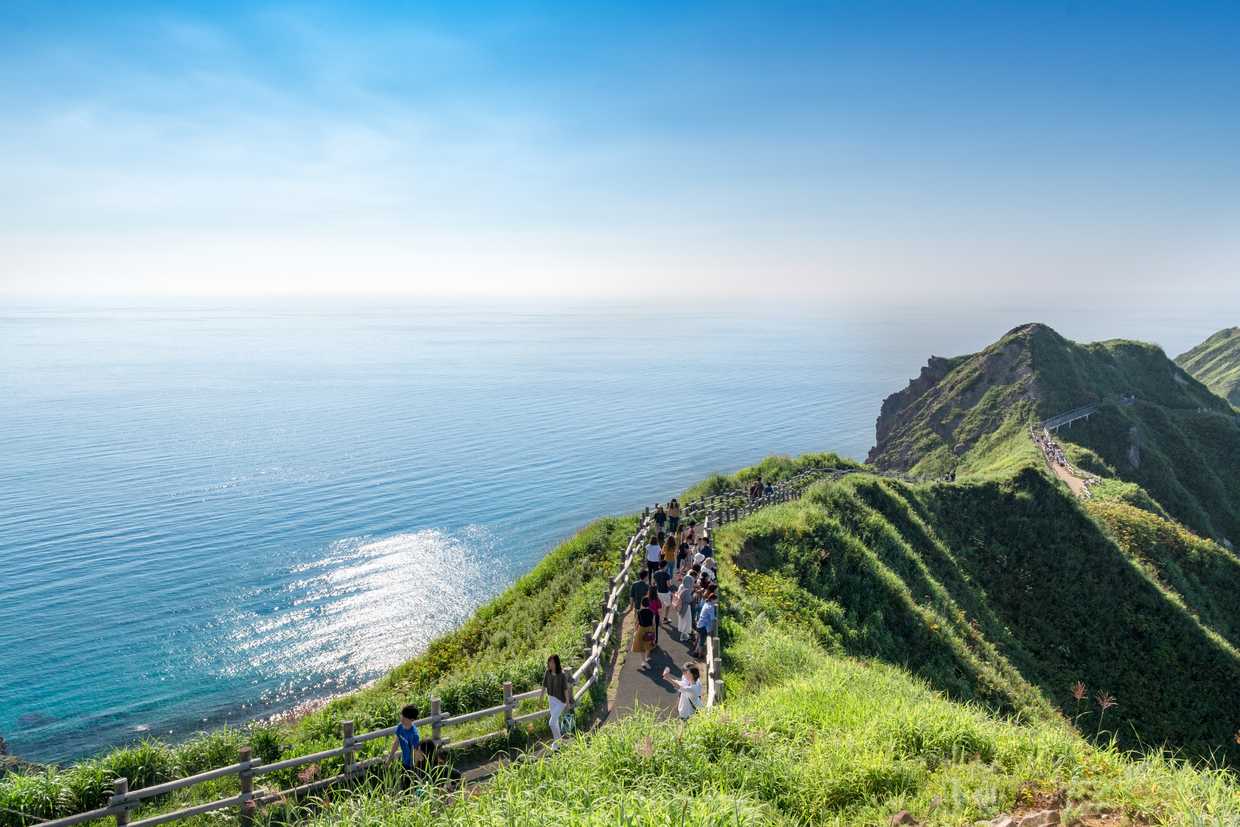
Shiretoko Peninsula UNESCO World Heritage Site

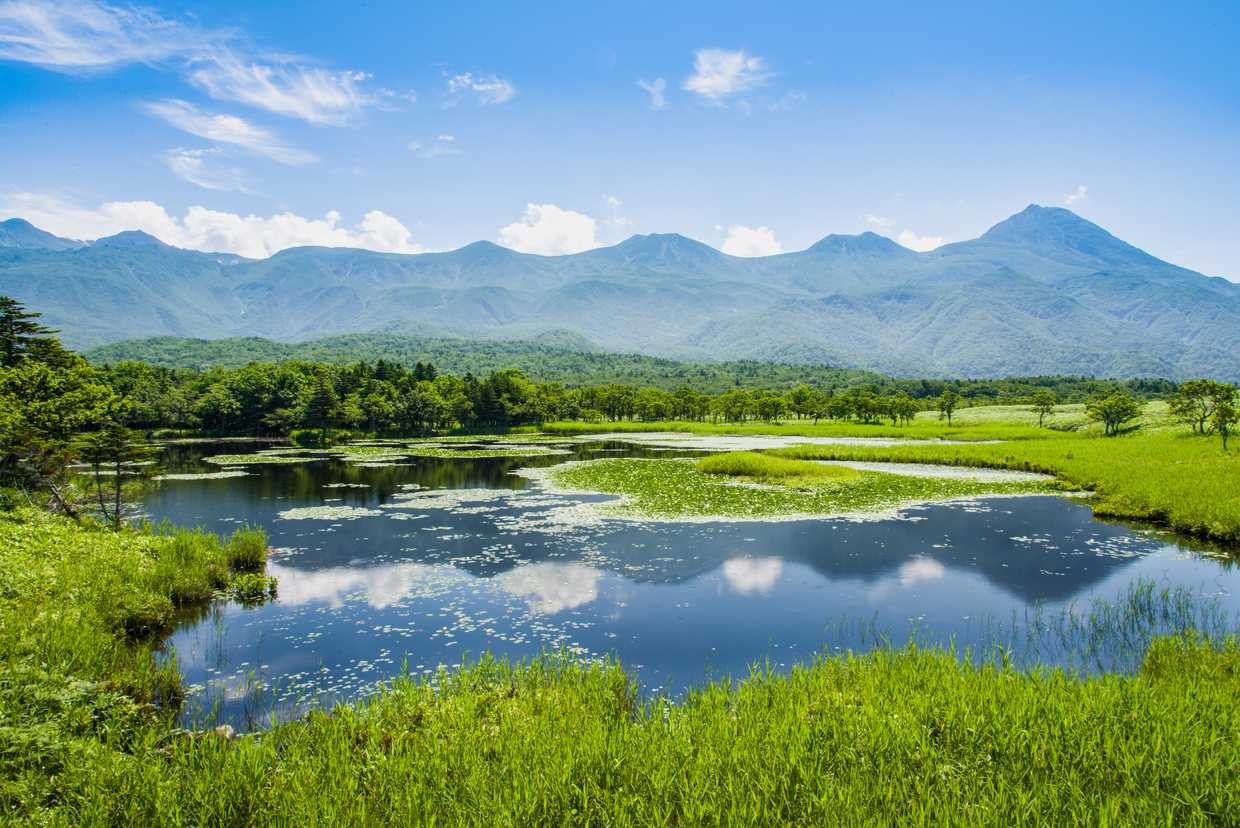
A UNESCO World Natural Heritage Site, Shiretoko's untouched wilderness is one of Japan's richest wildlife areas.

Top Shiretoko sights

  • Shiretoko Goko (Five Lakes): a chain of lakes ringed by old-growth forest
  • Shiretoko Pass: a viewpoint overlooking Kunashiri Island
  • Utoro Onsen: hot springs with views of the Sea of Okhotsk

Kushiro and Akan

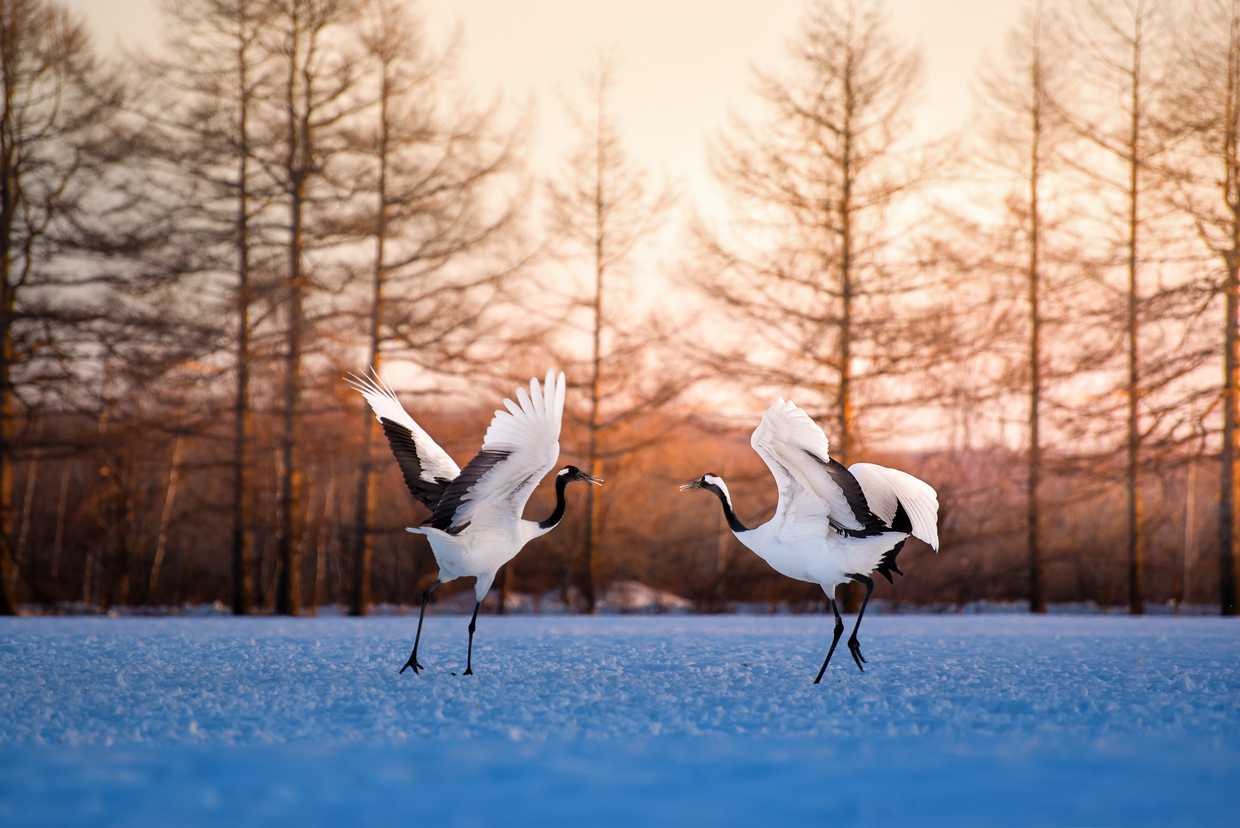
Kushiro wetlands with red-crowned cranes

This area features expansive wetlands, beautiful lakes, and a chance to engage with Ainu culture.

Top Kushiro and Akan sights

  • Kushiro Shitsugen National Park: Japan's largest wetland and home to the red-crowned crane
  • Lake Akan: home to the rare and revered marimo green algae balls
  • Akan Ainu Kotan: experience the traditional culture of the Ainu people

Northern Hokkaido (Asahikawa, Furano, Biei)

Asahikawa

Asahiyama Zoo in Asahikawa

Located in the center of Hokkaido, Asahikawa is home to a globally famous zoo.

Top Asahikawa sights

  • Asahiyama Zoo: known for its "behavioral exhibition" approach
  • Otokoyama Sake Museum: one of Hokkaido's most prominent sake breweries
  • Asahikawa Ramen Village: a complex of leading Asahikawa ramen shops

Furano and Biei

Rolling fields in Biei and Furano

Sometimes called the "navel of Hokkaido," this central region is famous for its postcard-perfect rolling farmland.

Top Furano and Biei sights

  • Shikisai-no-oka: hillsides covered in colorful flowers
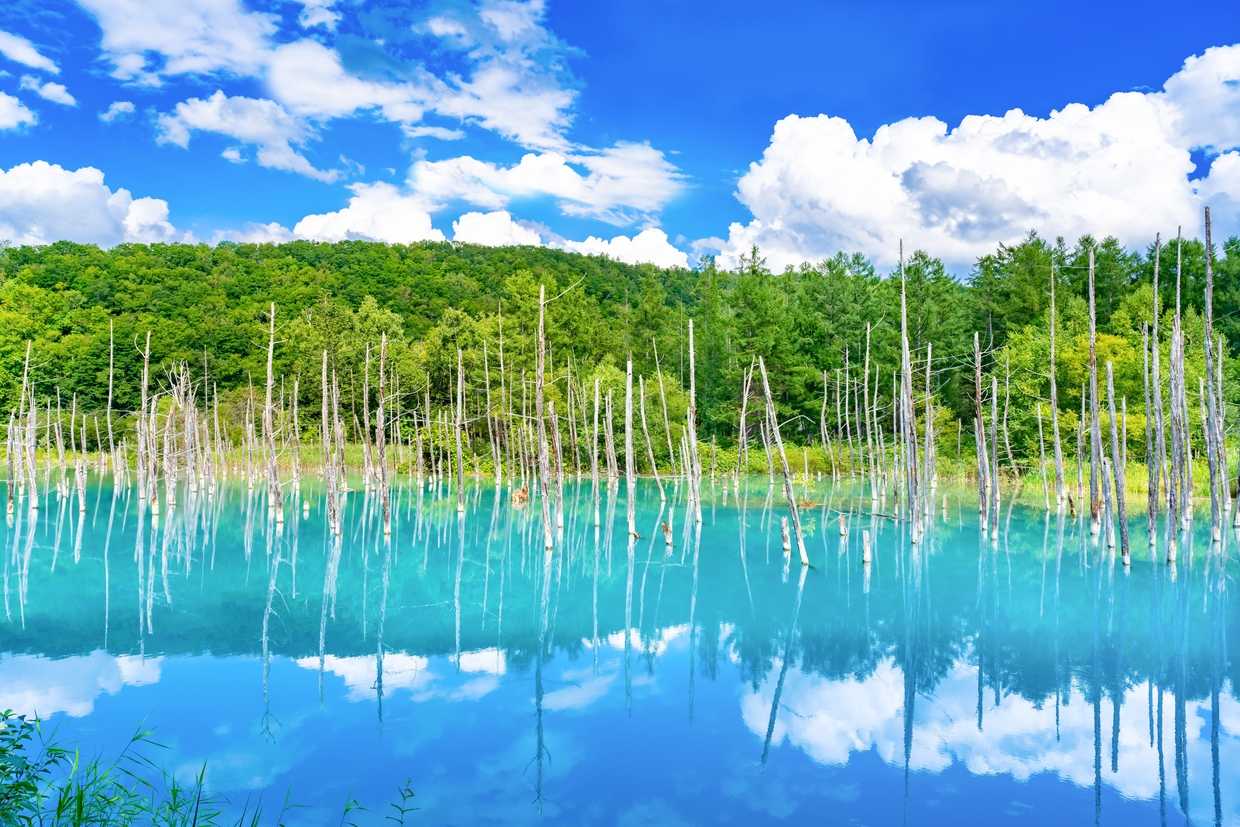
  • Aoiike (Blue Pond): a man-made pond with an otherworldly blue color
  • Farm Tomita: lavender-focused flower fields
  • Shirogane Aoiike: a viral pond, often featured on social media
  • Patchwork Road: scenic farmland that looks stitched together

Getting To and Around Hokkaido

Hokkaido transportation network

Getting to Hokkaido

By Air

Flying is the standard option. New Chitose Airport is the main gateway, with direct flights from major Japanese cities and many international destinations. Hakodate, Asahikawa, and Kushiro airports also handle a mix of domestic and international flights.

By Train

Since the Hokkaido Shinkansen opened, you can travel from Tokyo to Hakodate in about 4 hours. The route to Hokkaido by rail goes through the Seikan Tunnel.

By Ferry

Ferries from Sendai, Niigata, and other ports are useful if you're bringing a car or motorcycle to tour the island.

Getting Around Hokkaido

Hokkaido is enormous, so route planning matters.

Rental Car

Renting a car gives you the most flexibility. International driving permits are accepted, and English-language car navigation systems are available. Just keep in mind that winter driving can be hazardous if you're not used to it.

Train

JR Hokkaido operates limited express trains and local lines linking destinations across the island. The "JR Hokkaido Rail Pass" is convenient for international visitors — a 7-day unlimited pass within the designated area.

Bus

Inter-city buses connect major cities and provide access to more rural areas. The "Hokkaido Budget Bus Pass" is sold to international travelers and offers discounted fares on bus routes within Hokkaido.

Sightseeing Taxi

English-friendly sightseeing taxis are increasingly available — useful when you want to hit several spots efficiently or reach somewhere that public transit doesn't cover well.

Travel notes

  • From November through March, roads can be icy and snow-covered. Drive carefully
  • Local public transit runs infrequently — check schedules in advance
  • Distances between major sights are long, so build buffer time into your itinerary

A Hokkaido Food Guide

Hokkaido has earned the nickname "Japan's pantry" — it's no exaggeration to say that half the joy of a Hokkaido trip is the food. Fresh seafood, agricultural products from the wide-open land, and distinctive regional dishes are everywhere.

Seafood

Fresh Hokkaido seafood platter

Crab

Crab defines the Hokkaido winter table. Hairy crab, king crab, and snow crab all have distinct flavors worth comparing.

Salmon Roe and Sea Urchin

Salmon roe (ikura) is at its best from autumn through winter, and sea urchin (uni) peaks in summer. Both are noticeably more affordable here than elsewhere in Japan.

Sushi and Seafood Bowls

Sushi and kaisendon built on the day's catch are a must. Morning markets and fishermen's wharves are great places to dive into a fresh seafood bowl on the spot.

Local Specialties

Jingisukan grilled mutton dish

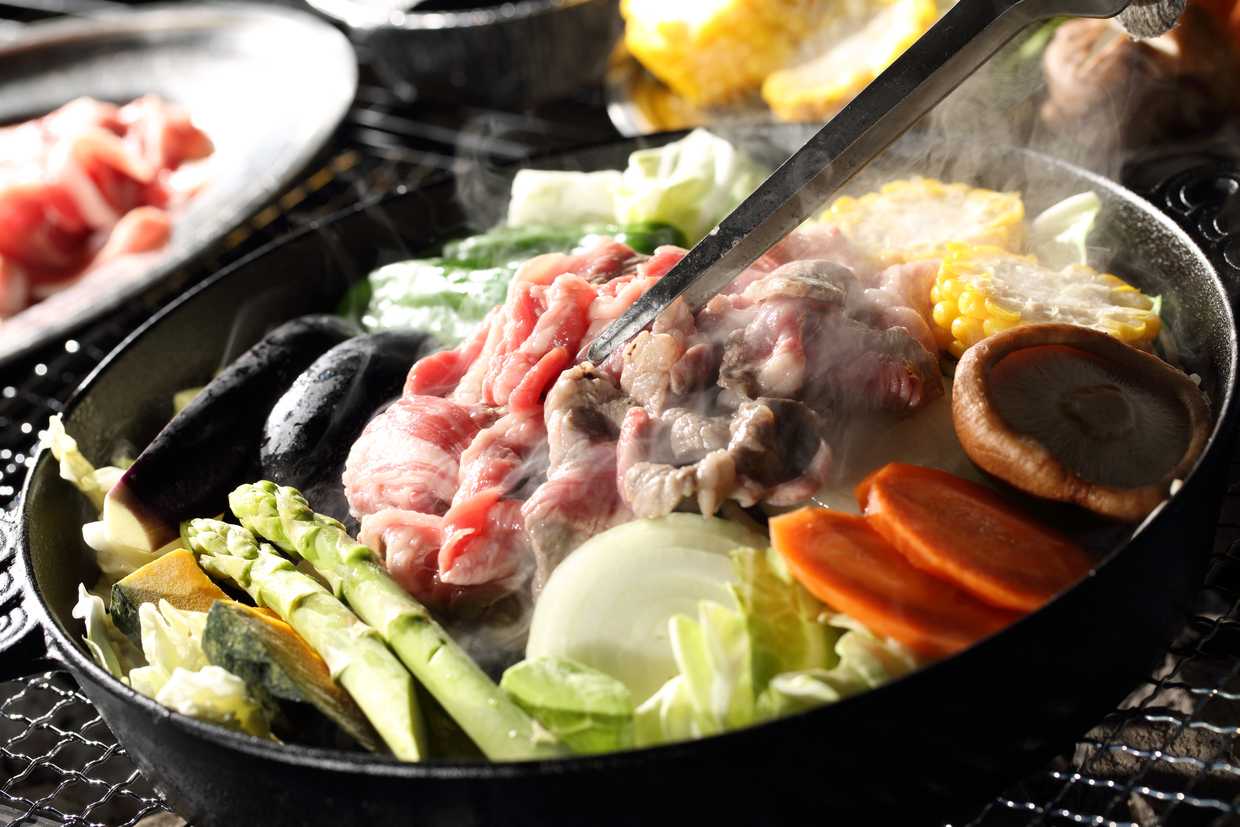
Jingisukan

Hokkaido's signature dish — mutton or lamb grilled on a distinctive dome-shaped iron pan. Sapporo's Susukino district and the Hitsujigaoka Observation Hill are particularly known for it.

Soup Curry

Originating in Sapporo, soup curry features a spicy, brothy curry served with chunky vegetables and meat. Popular among health-conscious diners.

Zangi

Hokkaido's distinctive take on fried chicken. The seasoning is bolder than typical karaage, with a crisp exterior and juicy interior.

Ishikari Nabe

A traditional Hokkaido hot pot built around salmon — especially popular in the cold months from autumn into winter.

Sanpei-jiru

A simple, fishing-village soup made with salmon trimmings — a humble dish that gives you a real taste of regional food culture.

Ramen Culture

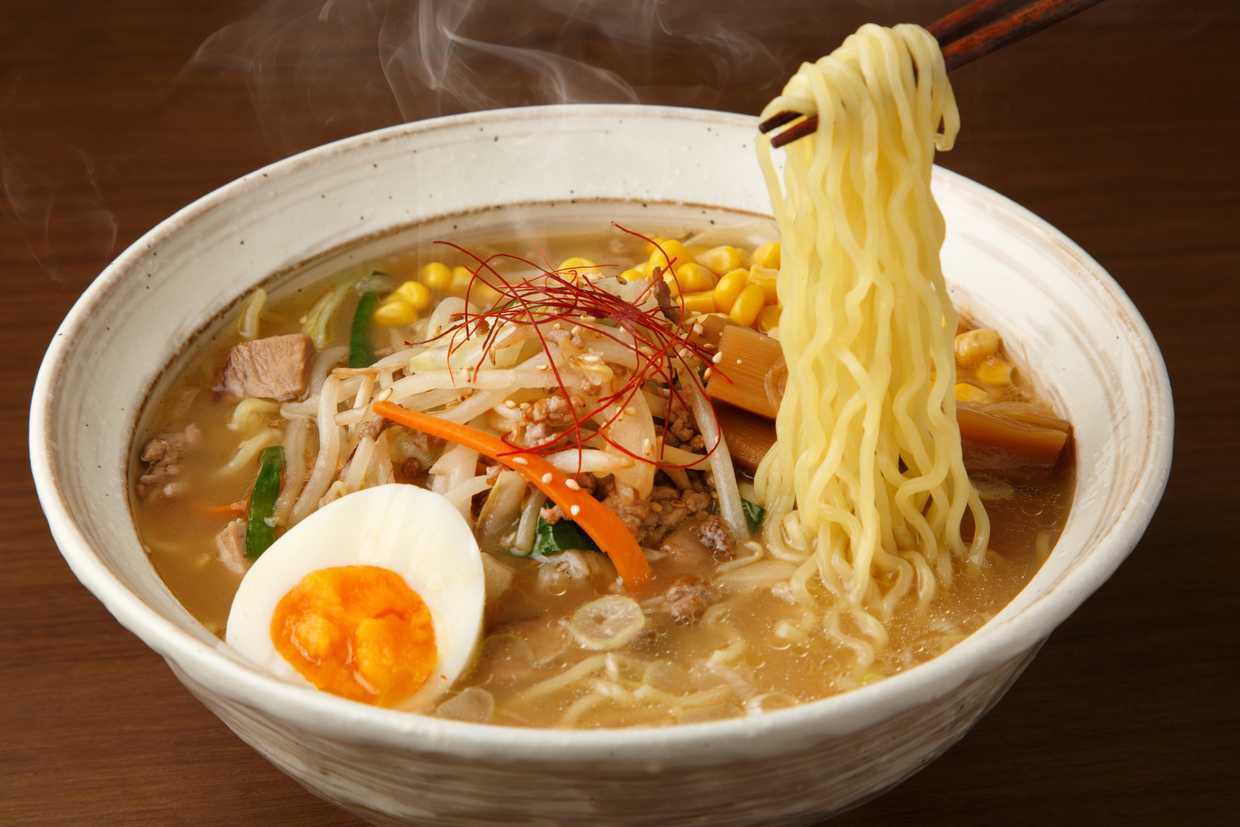
Bowl of Hokkaido ramen

Hokkaido is one of Japan's great ramen battlegrounds. Each region developed its own style, with the "big three" being Sapporo, Asahikawa, and Hakodate.

Sapporo Ramen

A miso-based broth with thick, curly noodles. Common toppings include butter and sweet corn.

Asahikawa Ramen

A clear soy-sauce-based broth topped with a layer of lard to retain heat. Pairs well with medium-thick curly noodles.

Hakodate Ramen

A light, salt-based broth with thin straight noodles. Simple but satisfying.

Sweets and Dairy

Hokkaido dairy desserts

Soft-Serve Ice Cream

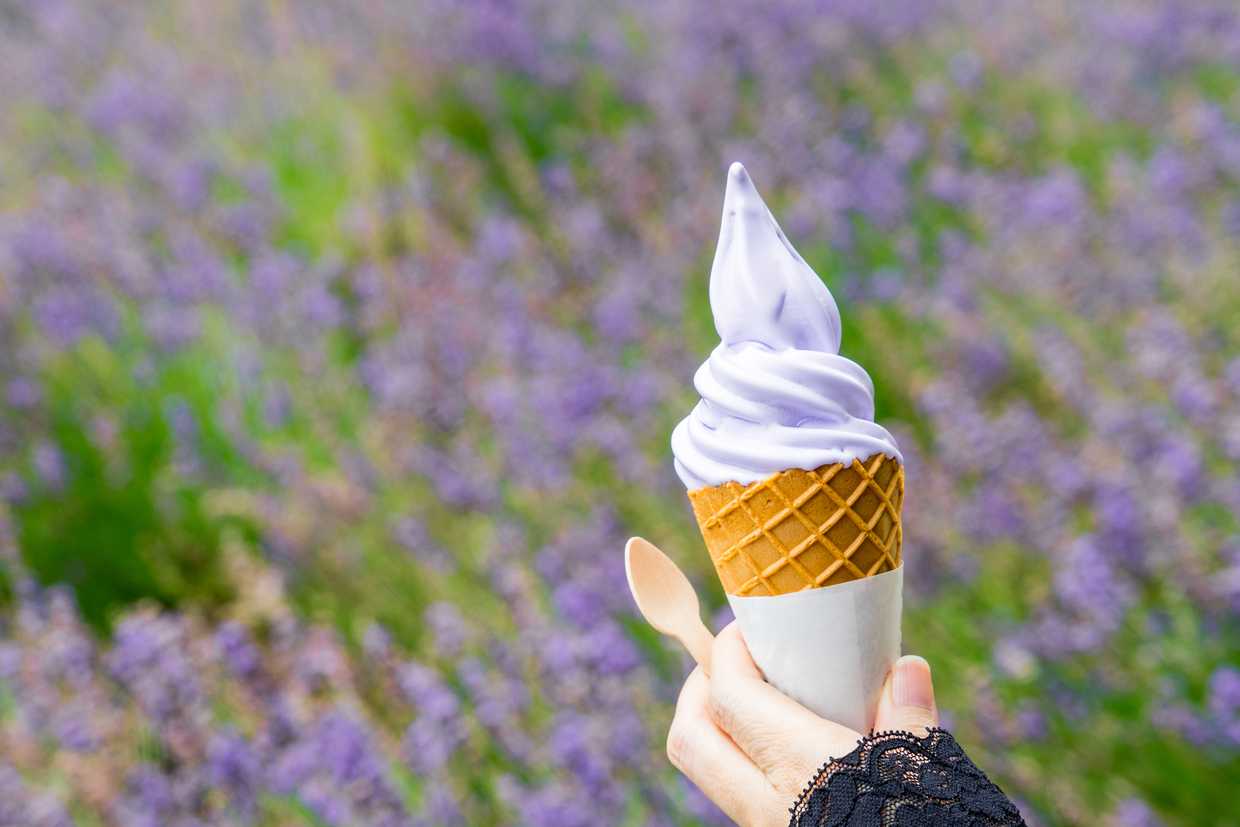
Hokkaido's fresh milk produces some of the richest, creamiest soft-serve in Japan. Local variations like Furano's lavender soft-serve are worth seeking out.

Cheesecake

Cheesecake made with Hokkaido cheese is exceptional. Brands like Rikubetsu and Hanabatake Bokujo are particularly well-regarded.

Shiroi Koibito

The classic Hokkaido souvenir: white chocolate sandwiched between langues de chat cookies.

Melons and Strawberries

Summer to early autumn brings outstanding fruit, including red-fleshed melons and watermelons. Yubari melons are especially prized for their high sugar content and intense aroma.

Edible Souvenirs

  • Shiroi Koibito: the iconic Ishiya cookie sandwich
  • Marusei Butter Sandwich: a buttercream-filled cookie from Rokkatei
  • Jagapokkuru: a potato snack from Calbee
  • Royce' Nama Chocolate: smooth, melt-in-your-mouth chocolate
  • Yubari Melon Jelly: a jelly that captures the flavor of the famous melon

Activities and Experiences

Hokkaido offers a packed slate of experiences across all four seasons.

Winter (November – March)

Skier on Hokkaido powder snow

Skiing and Snowboarding

Hokkaido's powder snow draws skiers and snowboarders from around the world. Niseko, Furano, Tomamu, and others lead the list of top resorts. Beginner lessons and English-speaking instructors are widely available.

Drift Ice Tours

Along the Sea of Okhotsk coast, drift ice walks and cruises run during the winter months. Walking on actual sea ice in a specialized insulated suit is a rare experience worldwide.

Snowmobiling

Snowmobile tours let you cover open snow country at speed. Many guided tours cater to beginners.

Snow Festivals

Beyond the Sapporo Snow Festival in early February, smaller snow and ice festivals run throughout Hokkaido during the winter months.

Spring, Summer, and Autumn (April – October)

Hiking in Hokkaido national park

Trekking and Hiking

Daisetsuzan National Park, the Shiretoko Peninsula, and other untouched mountain areas offer hiking with a different look in every season. Routes range from beginner to advanced, and guided tours are widely available.

Canoeing and Rafting

Rivers like the Kushiro and Shiribetsu are excellent for canoeing and rafting. Canoeing through the Kushiro wetlands is a particularly quiet way to spot birds and wildlife.

Cycling

Hokkaido is a paradise for cyclists. Central and Eastern Hokkaido in particular have well-maintained cycling paths and scenic routes. Rental shops and guided cycling tours are easy to find.

Farm Stays and Agricultural Experiences

Hokkaido's vast farms offer harvest experiences, dairy work, and more. Try milking cows or making butter; in season, pick strawberries or dig up potatoes — a hands-on way to experience Japanese food production.

Year-Round Experiences

Hokkaido onsen relaxation

Onsen Hopping

Hokkaido has roughly 250 hot spring areas, each with different water and atmosphere. Major onsen towns like Jozankei, Noboribetsu, and Yunokawa have many ryokan and hotels prepared for international guests.

Ainu Culture

Engage with the culture of Hokkaido's indigenous Ainu people. At Upopoy (the National Ainu Museum and Park) in Shiraoi, you can experience traditional dance, hands-on craft workshops, and Ainu food culture.

Factory Tours and Theme Parks

Tours of Hokkaido's food and beverage producers, including the Sapporo Beer Garden and the Nikka Whisky Yoichi Distillery, are popular. Sapporo also has theme parks like Shiroi Koibito Park, fun for kids and adults alike.

Recommended Accommodations

Luxury Hokkaido resort

Hokkaido has lodging for every budget and style.

Luxury Resorts

Hot spring areas like Niseko and Jozankei host international brand hotels and luxury resorts. Niseko especially fills with international ski guests in winter, with strong English support.

Recommended luxury resorts

  • The Lake Suite Koshinosumika (Lake Shikotsu): a luxury resort by the lakeshore
  • HOTEL & SPA Century Marina Hakodate: sweeping views of Hakodate Bay
  • Zaborin (Niseko): a high-end ryokan that integrates with its natural surroundings

Onsen Ryokan

For a quintessentially Japanese experience, traditional onsen ryokan are a great choice. Wearing yukata, relaxing on tatami, and eating multi-course Japanese meals is something you'll remember.

Recommended onsen ryokan

  • Akan Yuku no Sato Tsuruga (Lake Akan): a hot spring ryokan that integrates Ainu cultural elements
  • Jozankei Tsuruga Resort Spa Mori no Uta (Jozankei): a Japanese-modern ryokan in the woods
  • Yunokawa Onsen Borou Noguchi Hakodate: a hot spring ryokan with views of Hakodate's night skyline

Business Hotels

Cities like Sapporo and Hakodate have many clean, functional business hotels at reasonable prices — practical bases for sightseeing.

Recommended business hotels

  • Richmond Hotel Sapporo Odori: well-located in central Sapporo
  • Hakodate Richmond Hotel: walking distance from Hakodate Station
  • Dormy Inn Asahikawa: a business hotel with an onsen-style large bath

Guesthouses and Hostels

Younger travelers and backpackers can find good guesthouse and hostel options. They're also natural meeting points with other travelers and locals.

Recommended guesthouses

  • Ten to Ten Hokkaido Hostel (Sapporo): an internationally minded hostel
  • HakoBA Hakodate (Hakodate): a renovated traditional Japanese house
  • Grids Sapporo (Sapporo): a modern, design-focused hostel

Vacation Rentals and Farm Stays

If you want a closer look at local life, vacation rentals and farm stays are a good fit. In rural areas especially, you can interact with host families and get a more authentic sense of Hokkaido.

Booking Tips

  • For peak periods (lavender season in July and August, the snow festival in February, weekends during ski season), reserve at least 3 months in advance
  • Popular luxury ryokan and resorts can fill up more than 6 months ahead
  • Always check the cancellation policy — seasonal properties often have strict ones
  • Online booking sites are the standard, but booking direct on the official site sometimes comes with extra perks

Travel Notes and Tips

Travel tips for visiting Hokkaido

Language

English support is gradually expanding at Hokkaido's tourist destinations. Major destinations like Sapporo, Hakodate, and Niseko have plenty of English menus and signage. Outside the main hubs, English support thins out — basic Japanese phrases will help.

Climate and Clothing

Winter Clothing

Hokkaido's winters are dramatically harsher than Honshu's. Proper cold-weather gear is essential.

Must-haves

  • Waterproof, windproof down jacket or heavy coat
  • Anti-slip shoes (with grippy soles)
  • Hat, gloves, scarf
  • Layerable clothing
  • Hand warmers (disposable types are widely available)

Summer Notes

Even in summer, mornings and evenings can get chilly — pack a light jacket or cardigan. Insect repellent is also useful in nature areas.

Currency and Payments

Japanese yen in cash is the baseline. Major sights accept credit cards and electronic money, but smaller restaurants and shops outside the main areas often take cash only. Keep enough cash on hand.

Wi-Fi and Connectivity

Free Wi-Fi is available in major cities and at tourist facilities, but coverage is patchier in rural areas. A rental Wi-Fi router or a prepaid SIM card is worth considering.

Tipping

Tipping isn't a custom in Japan. Service charges at restaurants and hotels are already built into the bill — no need to leave anything extra.

Hours and Closing Days

  • Many shops close for the New Year period (December 29 – January 3)
  • Restaurant hours vary, but many close around 9:00 p.m.
  • Onsen facilities and tourist sites may operate on different schedules by season

Sample Itineraries

Three-Night, Four-Day Sapporo and Otaru Course

Day 1: Arrival in Sapporo

  • Arrive at New Chitose Airport
  • Check into a Sapporo hotel
  • Visit Odori Park and the Sapporo Clock Tower
  • Dinner in Susukino (jingisukan)

Day 2: Sapporo Sightseeing

  • Morning: visit Hokkaido Shrine
  • Afternoon: Sapporo Beer Garden tour and lunch
  • Evening: night view from Mt. Moiwa observation deck

Day 3: Day Trip to Otaru

  • Morning: Otaru Canal and Kitaichi Glass
  • Afternoon: Otaru Music Box Museum and lunch on Sushi Street
  • Evening: return to Sapporo, dinner of soup curry

Day 4: Departure

  • Last-minute souvenir shopping
  • Return home from New Chitose Airport

Five-Night, Six-Day Eastern Hokkaido Loop

Day 1: Arrival in Sapporo

  • Arrive at New Chitose Airport, pick up rental car
  • Sapporo sightseeing and overnight

Day 2: Sapporo to Kushiro

  • Morning: depart Sapporo
  • Afternoon: visit Kushiro Shitsugen National Park
  • Overnight in Kushiro

Day 3: Kushiro to Lake Akan

  • Morning: canoe on the Kushiro River
  • Afternoon: travel to Lake Akan, visit Akan Ainu Kotan
  • Overnight at Lake Akan Onsen

Day 4: Lake Akan to Shiretoko

  • Morning: depart Lake Akan
  • Afternoon: walk Shiretoko Goko
  • Overnight at Utoro Onsen

Day 5: Shiretoko to Abashiri

  • Morning: Shiretoko Peninsula sightseeing cruise
  • Afternoon: travel to Abashiri, visit the Drift Ice Museum
  • Overnight in Abashiri

Day 6: Abashiri to New Chitose Airport

  • Morning: depart Abashiri
  • Afternoon: arrive at New Chitose Airport, return home

Summary

A trip to Hokkaido lets you take in the natural beauty, the food, and the genuine warmth of the people. Each season transforms the landscape, and there's always something new to discover — which is why so many travelers come back.

If you're picking your next destination, give Hokkaido a serious look. The combination of experiences this island offers will likely exceed anything you were expecting.

関連記事

おすすめ記事