Beaches in Japan | Popular Beach Destinations and Tips for Your Visit - GTN MAGAZINE
日本語
日本語
English

Beaches in Japan | Popular Beach Destinations and Tips for Your Visit

With beautiful white sand and crystal-clear blue waters, Japan’s beaches can be a surprising discovery for many international visitors. As an island nation surrounded by the sea, Japan offers an incredible variety of beaches, from the southern islands of Okinawa to beaches within easy reach of major cities on Honshu.

This guide introduces some of Japan’s most popular beach destinations, important things to keep in mind when visiting, and the country’s unique beach culture.

What Makes Japan's Beaches Special

Japan's beaches draw visitors from around the world with their beauty and variety. Here are some of the things that set them apart.

A Wide Range of Scenery

Japan's coastline stretches roughly 35,000 km, offering scenery of every kind — from the tropical beaches of Okinawa to coves hemmed in by sheer cliffs, like Jodogahama in Iwate Prefecture. Emerald-green water so clear you can see straight through it, white sandy shores, black volcanic sand beaches — each part of the country has its own distinct charm.

Cleanliness and Facilities

Many of Japan's beaches are kept remarkably clean and come well equipped with showers, changing rooms, restaurants, and more. Beaches that are officially designated swimming areas are especially well managed for safety.

Easy Access

Thanks to Japan's excellent public transit network, many beaches are easy to reach. You can take a day trip to the coast even from big cities like Tokyo or Osaka, getting there easily by train or bus.

A Blend with Culture

Japan's beaches offer more than just natural beauty — you can pair a visit with nearby historic temples, shrines, or hot spring towns, enjoying a swim and a cultural experience in one trip. The beaches around Enoshima and Kamakura in Kanagawa Prefecture sit close to historic sights, so you can fit a lot into a single day.

Recommended Beaches by Region

Beaches in Okinawa

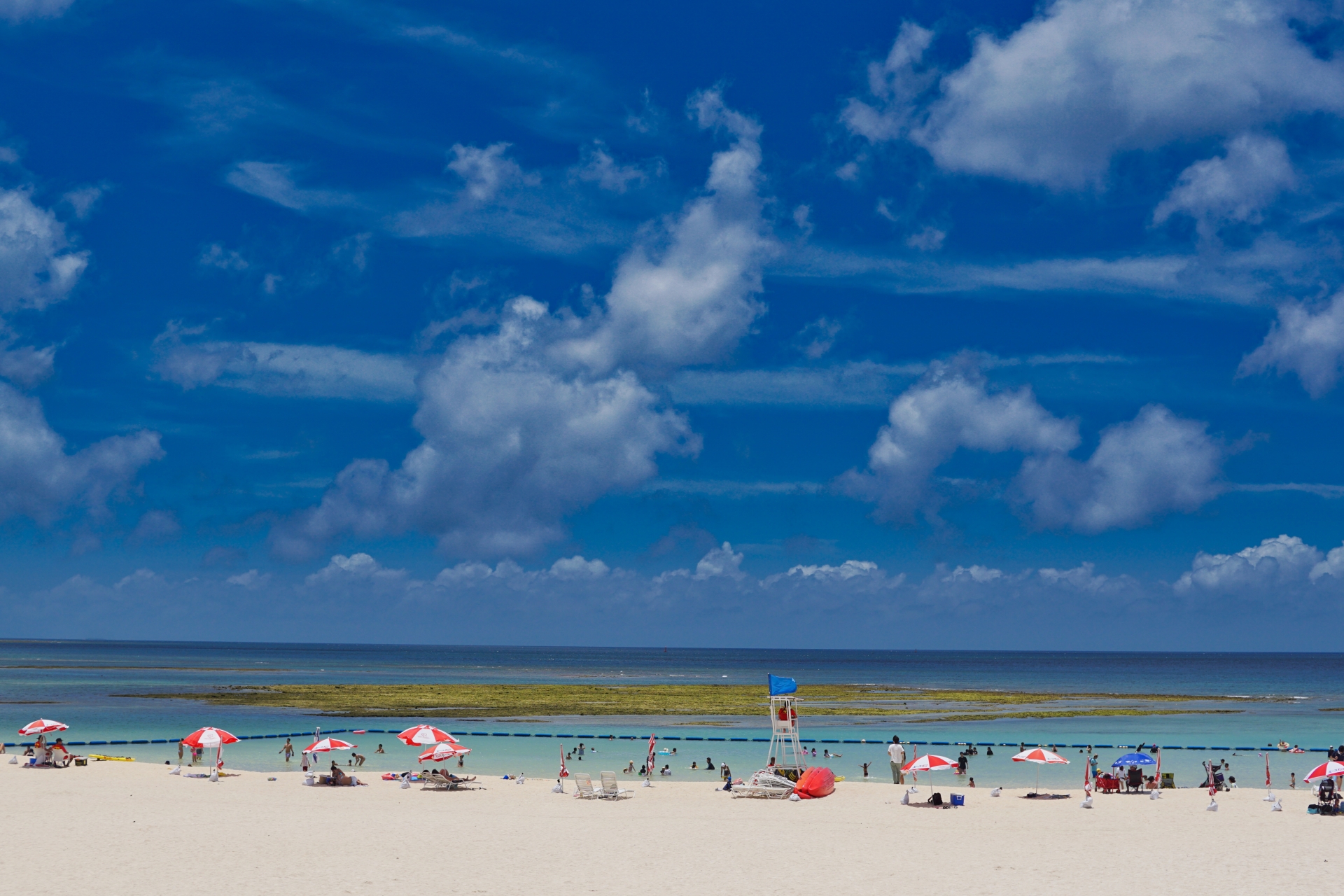
Japan's most popular swimming destination is subtropical Okinawa. Here are some of the standout beaches on the main island and the outer islands.

Yonaha Maehama Beach (Miyakojima)

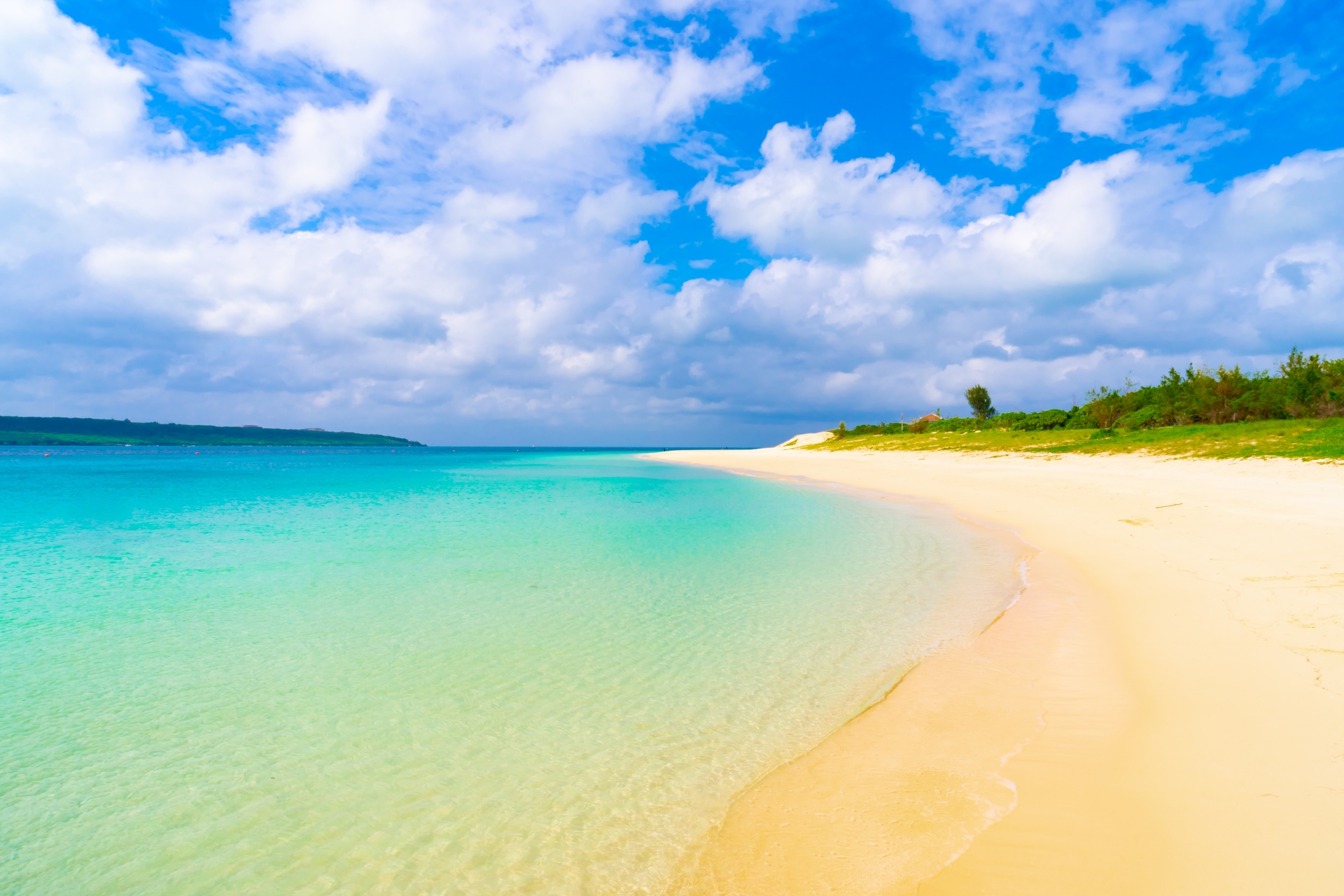
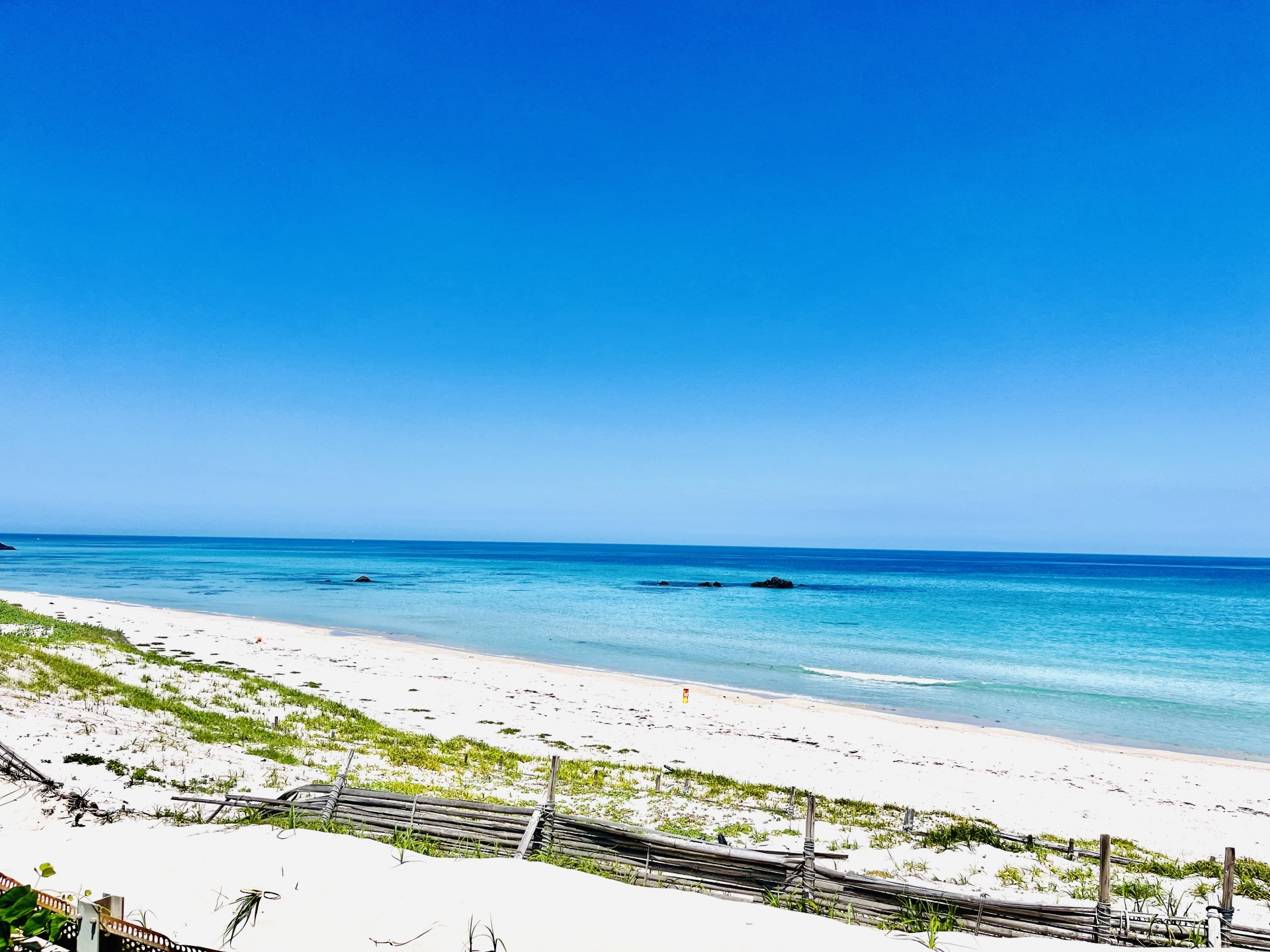
Sometimes called "the most beautiful beach in the East," this stretch of pure white sand runs for a full 7 km. The contrast between the crystal-clear blue water and the white sand is stunning, and the water quality is exceptional. The sunsets are spectacular too, making it a favorite with visitors.

Emerald Beach (Okinawa Main Island)

As the name suggests, this beach is known for its beautiful emerald-green water. Located near the Okinawa Churaumi Aquarium, it's popular with families. The water is clean and there are shallow areas, so children can swim safely.

Sunayama Beach (Miyakojima)

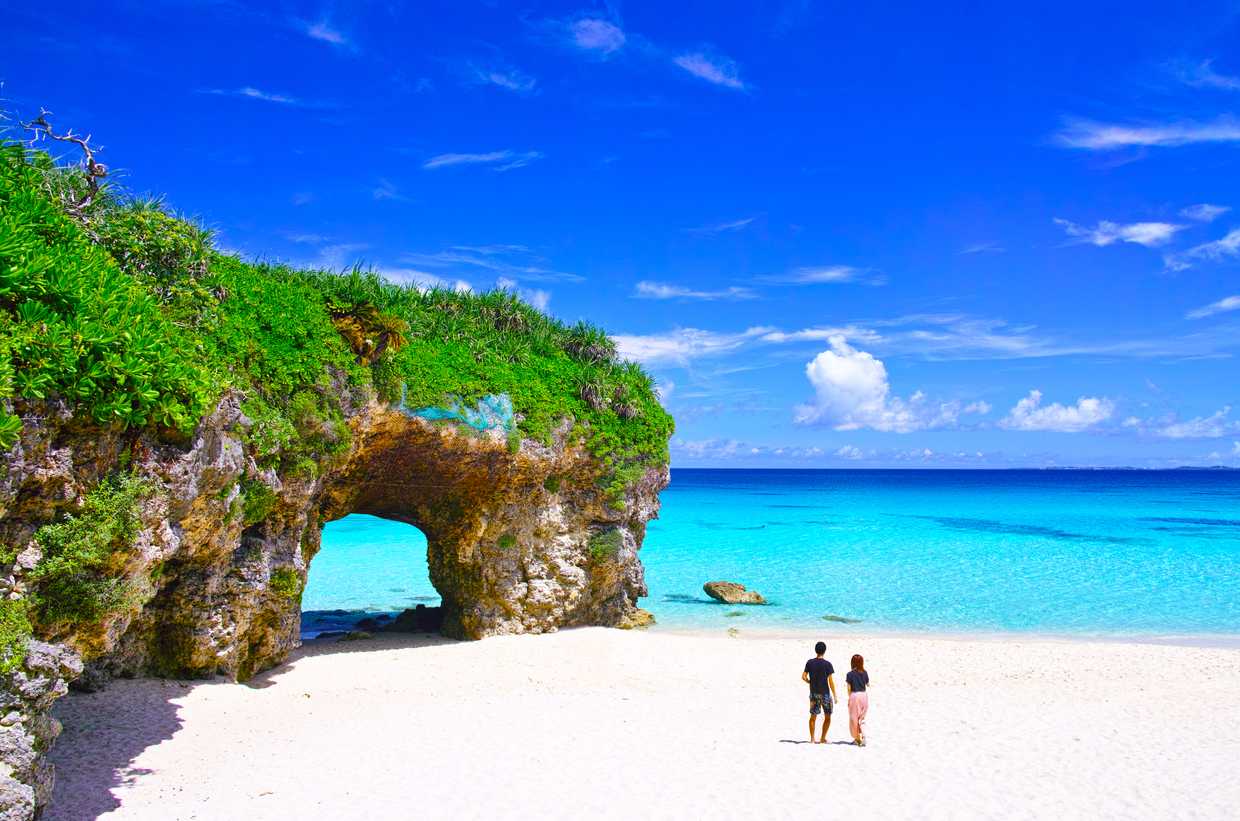
With its small caves and distinctive rock formations, Sunayama is known as a photogenic spot. The contrast against the blue sea is beautiful, making it popular with younger visitors looking for Instagram-worthy shots.

Aharen Beach (Kerama Islands, Tokashiki Island)

This beach earned attention after ranking 13th in the 2024 World's 50 Best Beaches. Known for its clear water and white sand, it's a great place to snorkel and spot brightly colored fish and coral. You can even make it a day trip from Tokyo by plane and ferry.

Beaches on Ishigaki and Taketomi Islands

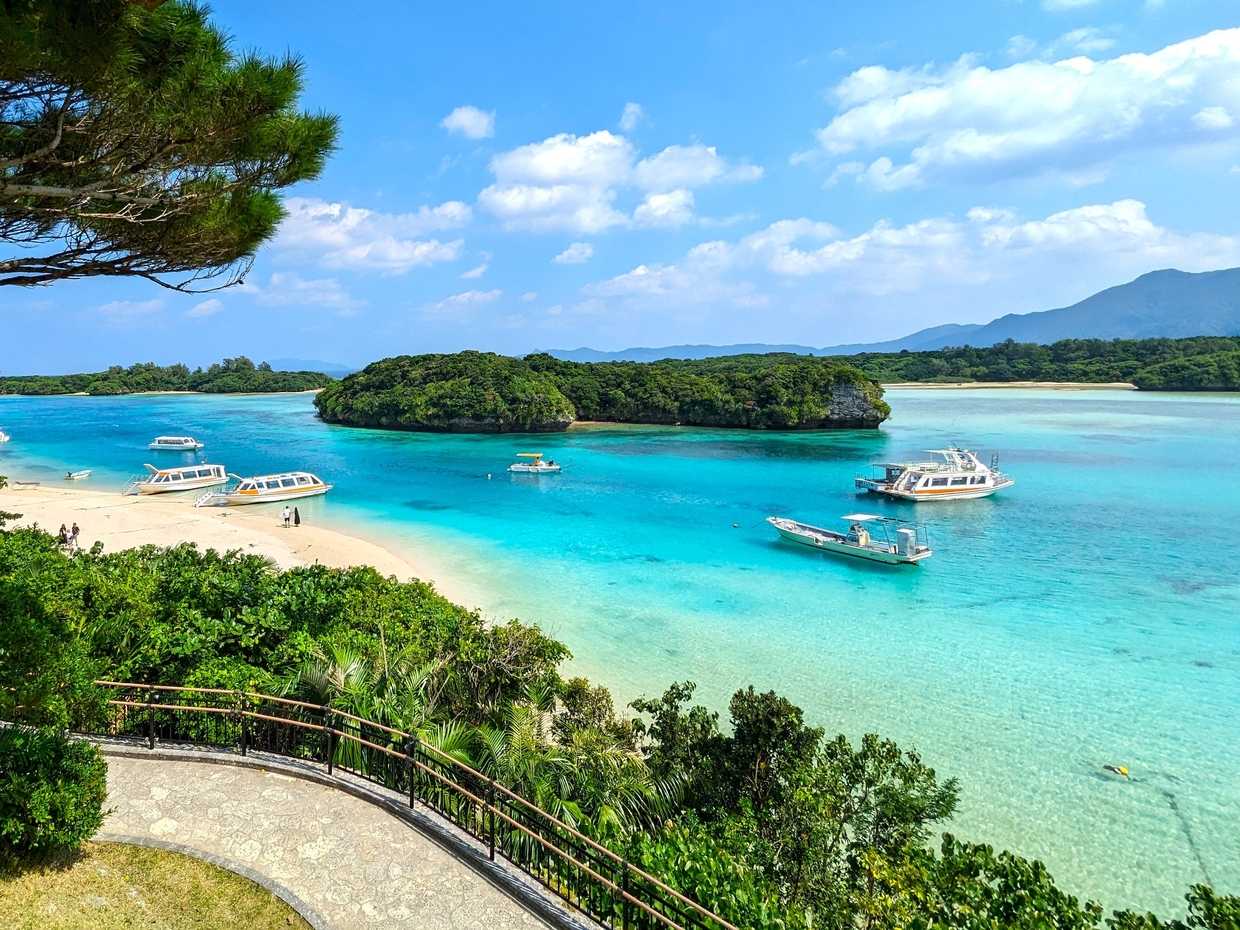
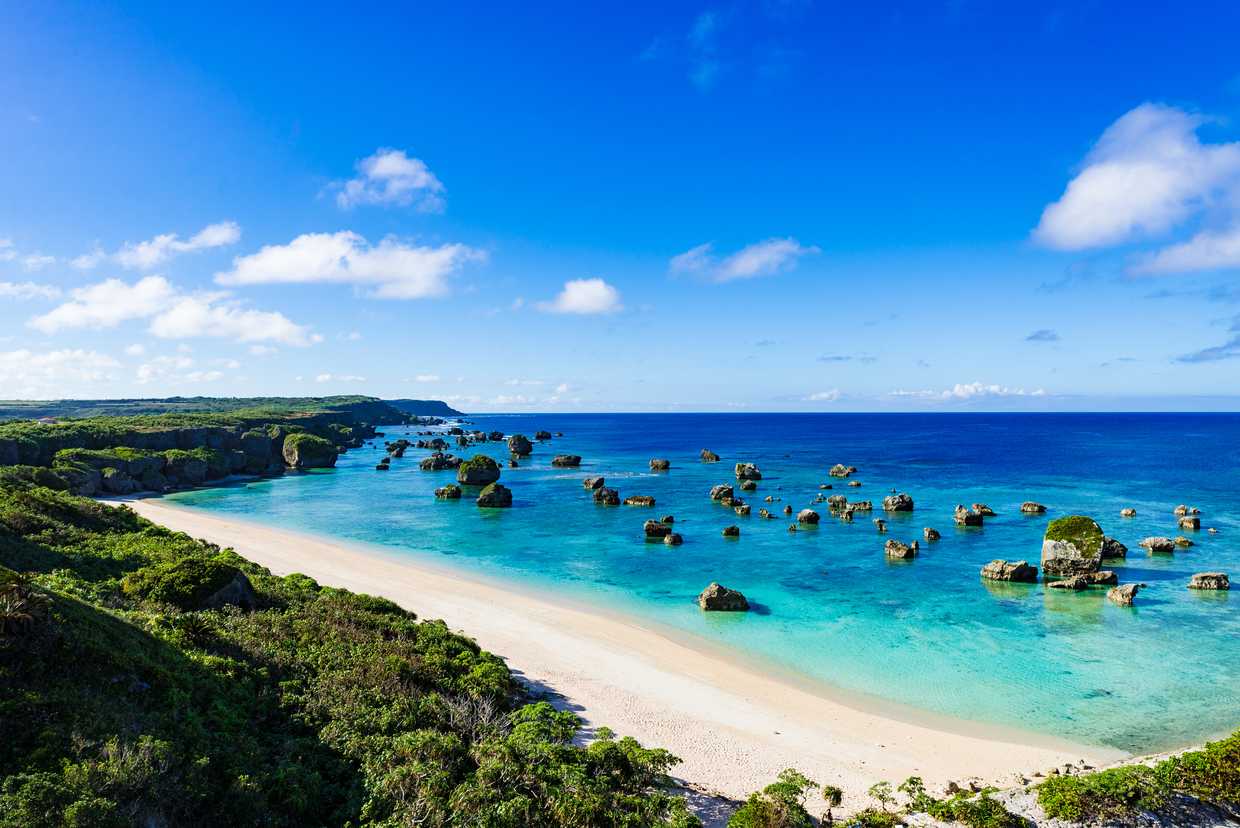
Kabira Bay on Ishigaki Island is known as one of the most beautiful beaches in Japan. On Taketomi Island, you can find star-shaped sand ("star sand"), which makes for a special memory.

Beaches on Honshu

The Kamakura and Enoshima Area (Kanagawa Prefecture)

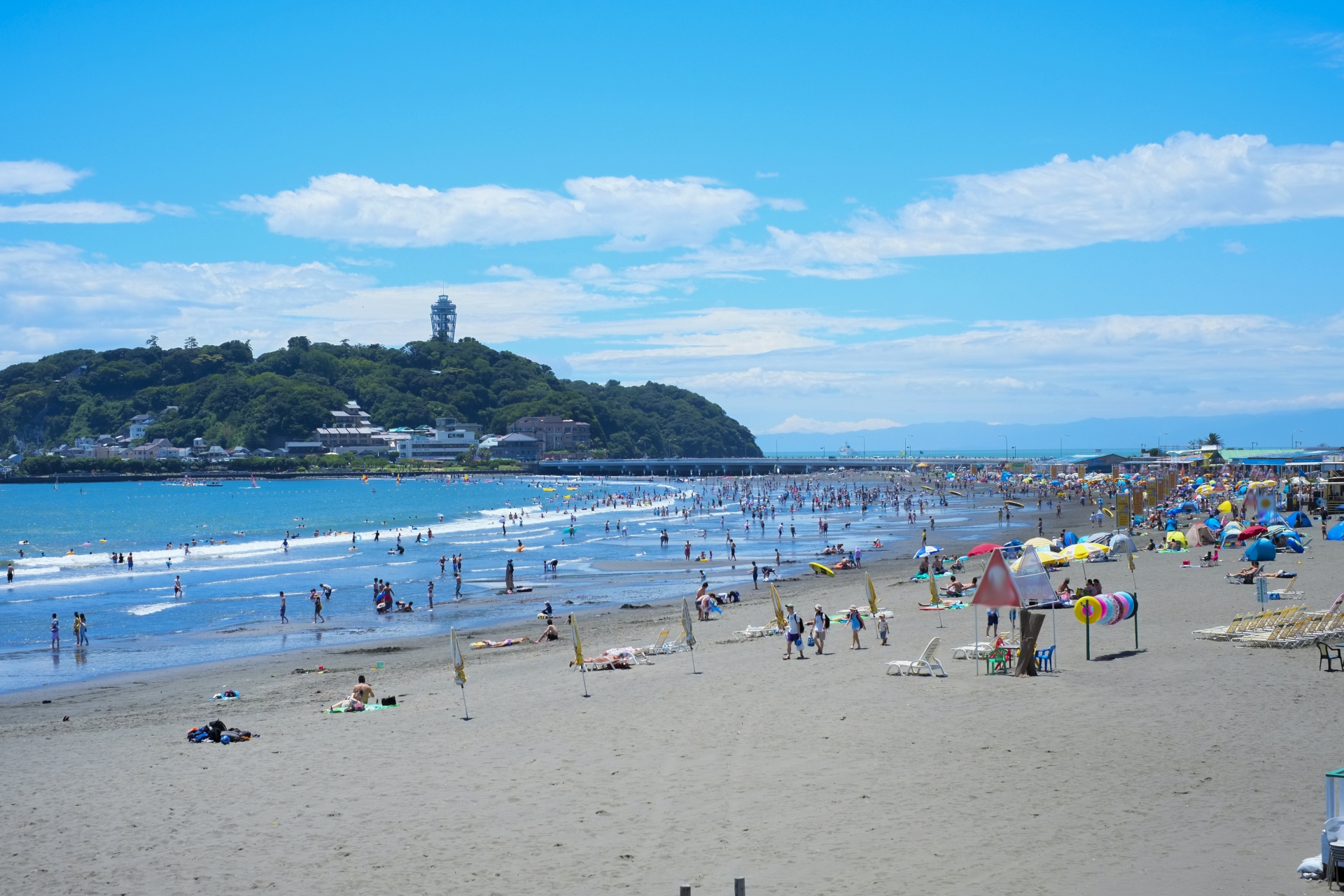
This popular beach area is about an hour from Tokyo. In summer, Zaimokuza Beach and Yuigahama draw large crowds of swimmers. Part of the appeal is that you can combine a beach visit with historic temples, shrines, and the sights of Enoshima. It's popular with foreign visitors too, and you can enjoy it relatively quietly during the shoulder seasons (May–June and September–October).

Shirahama (Wakayama Prefecture)

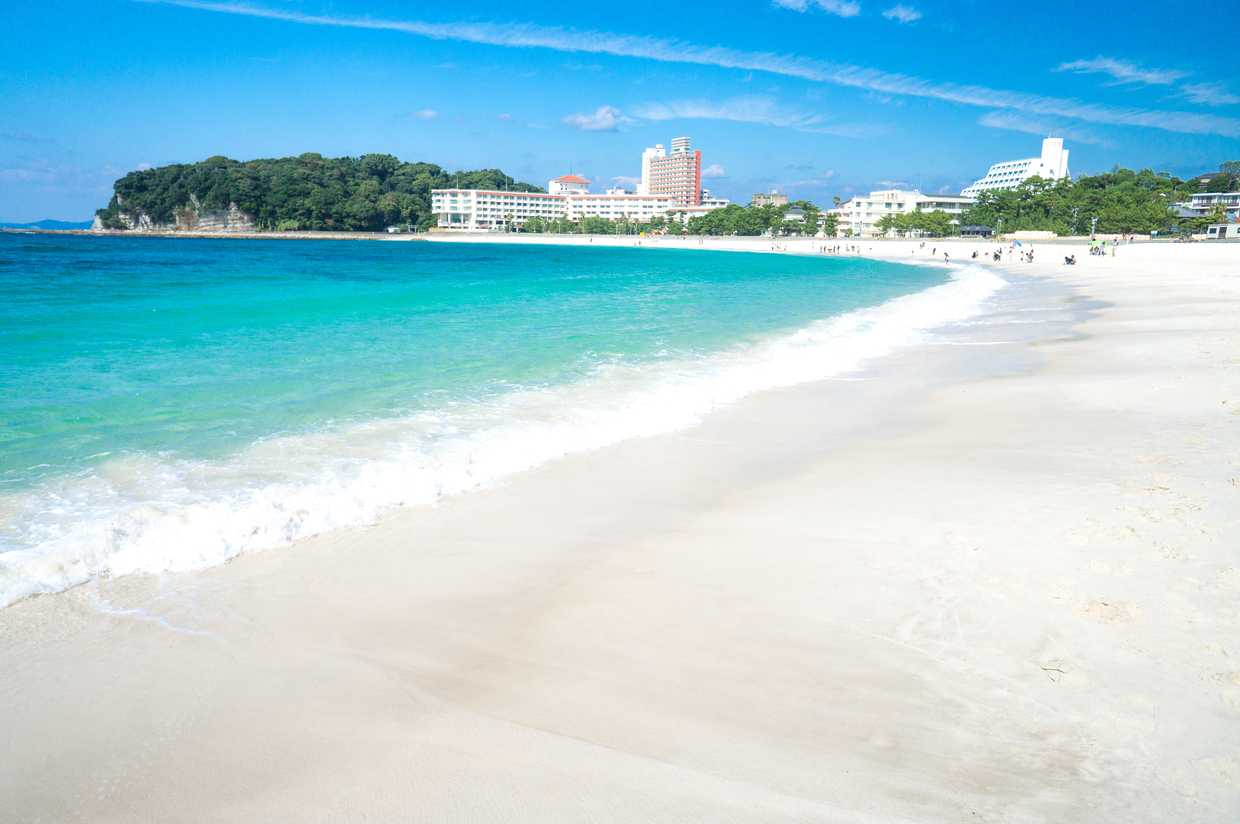
The beach known as Shirarahama lives up to its name with its white sand, and it's the most popular beach resort in the Kansai region. The area is also famous for its hot springs, so you can enjoy a swim and a soak in one trip. Shirarahama is counted among Japan's three great white-sand beaches and forms a beautiful arc about 620 m long.

Jodogahama (Iwate Prefecture)

A scenic highlight of the Tohoku region, this beach is known for the striking contrast between its white rocks and blue water. True to its name — jodo means "Pure Land" — it's said to be as beautiful as the Buddhist paradise. Part of Sanriku Fukko National Park (Sanriku Reconstruction National Park), it has a calm cove where you can swim.

Kujukuri Beach (Chiba Prefecture)

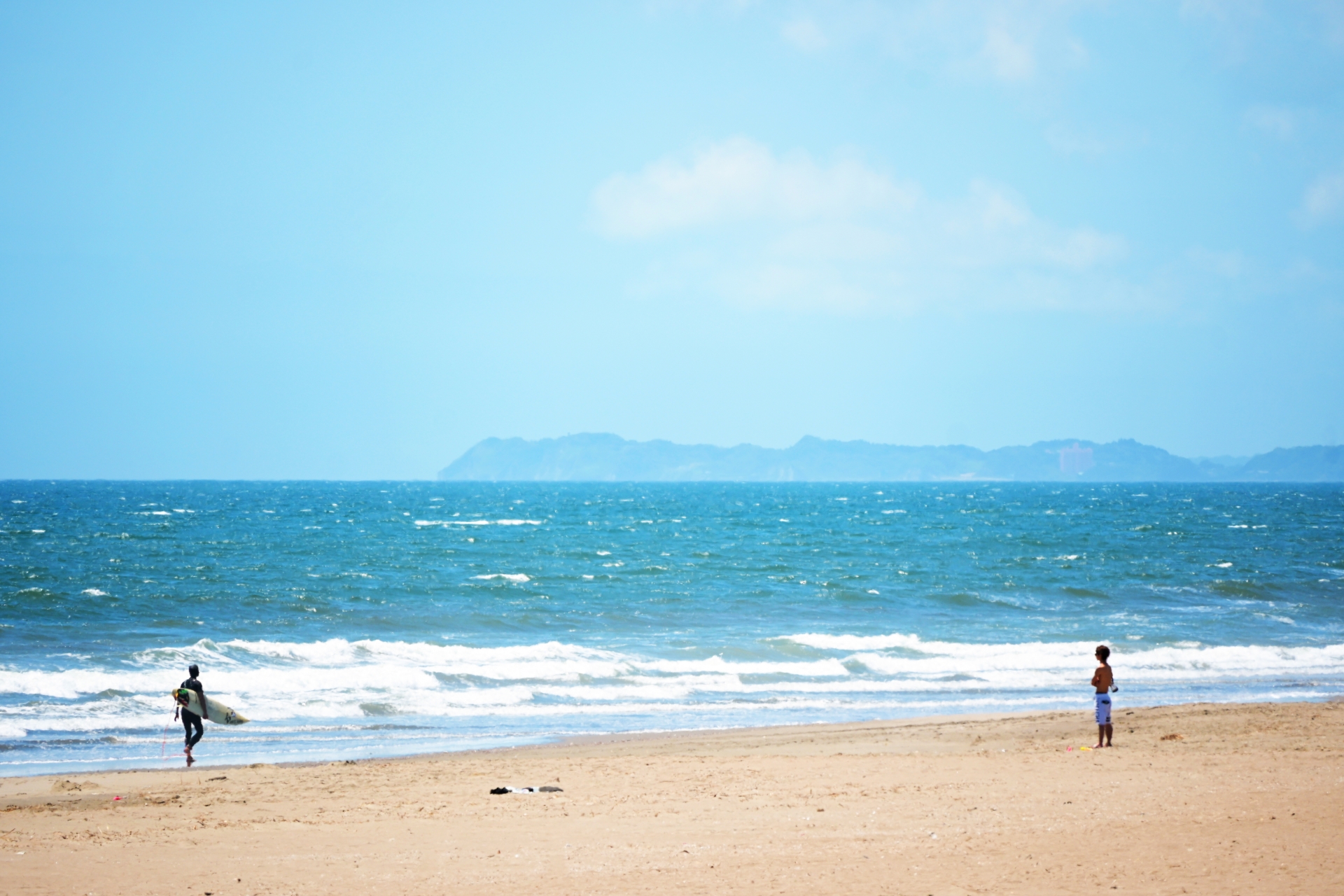
This vast stretch of sand in the Kanto region runs for a full 66 km. Known as a mecca for surfing, it draws many surfers. With easy access from Tokyo, it's perfect for a day at the beach.

Beaches in Shikoku and Kyushu

Katsurahama (Kochi Prefecture)

A crescent of white sand facing the Pacific, Katsurahama is popular for pairing with nearby attractions such as the Sakamoto Ryoma Memorial Museum, home to a statue of the historical figure Sakamoto Ryoma. It's known more as a beach for taking in the scenery than for swimming.

Tsunoshima (Yamaguchi Prefecture)

Tsunoshima is home to a beautiful beach sometimes called "Japan's Maldives." It's known for its emerald-green water and white sand, and the view of the 1,780 m Tsunoshima Ohashi bridge linking Honshu to the island is a draw in itself.

Beaches in Fukuoka and Miyazaki

Kyushu has many beautiful beaches. Shikanoshima in Fukuoka Prefecture and Aoshima Beach in Miyazaki Prefecture are two of the best known, and the warm climate means a long swimming season.

Japan's Beach Season and Climate

Japan's beach season varies by region, but here's a general overview.

Beach Season by Region

RegionBeach SeasonWater TemperatureNotes
OkinawaApril–October20–30°CJapan's longest season; beaches open from April
Kyushu and ShikokuJune–September18–28°CFull season begins in mid-July, after the rainy season ends
Pacific side of HonshuJuly–September16–26°CFrom the mid-July beach opening (around Marine Day) to early September
Sea of Japan side of HonshuLate July–August15–24°CA short season, but dotted with beautiful beaches

Umibiraki (the Beach Opening)

Japan's distinctive umibiraki ("sea opening") is a traditional ceremony held each year to mark the official start of the beach season. It includes a Shinto rite for safe swimming, often with prayers for safety at sea. From the day of the opening, lifeguards are stationed and the beach officially opens as a designated swimming area.

The Best Time to Go

The ideal times for visitors to hit the beach are:

  • Okinawa: May–June and September–October (July and August are crowded with Japan's summer holidays)
  • Honshu: early July and early September (mid-August around the Obon holiday is extremely crowded)

The stretch from mid-July, after the rainy season ends, through the end of August offers the best water and air temperatures for swimming. That said, this period overlaps with the Japanese summer holidays, so the major beaches get very crowded.

Japan's Beach Culture and Its Unwritten Rules

Japan's beaches come with their own culture and etiquette, a little different from what you may be used to. Here are a few things worth knowing so your beach trip goes smoothly.

Beach Etiquette

The Parasol and Tent Culture

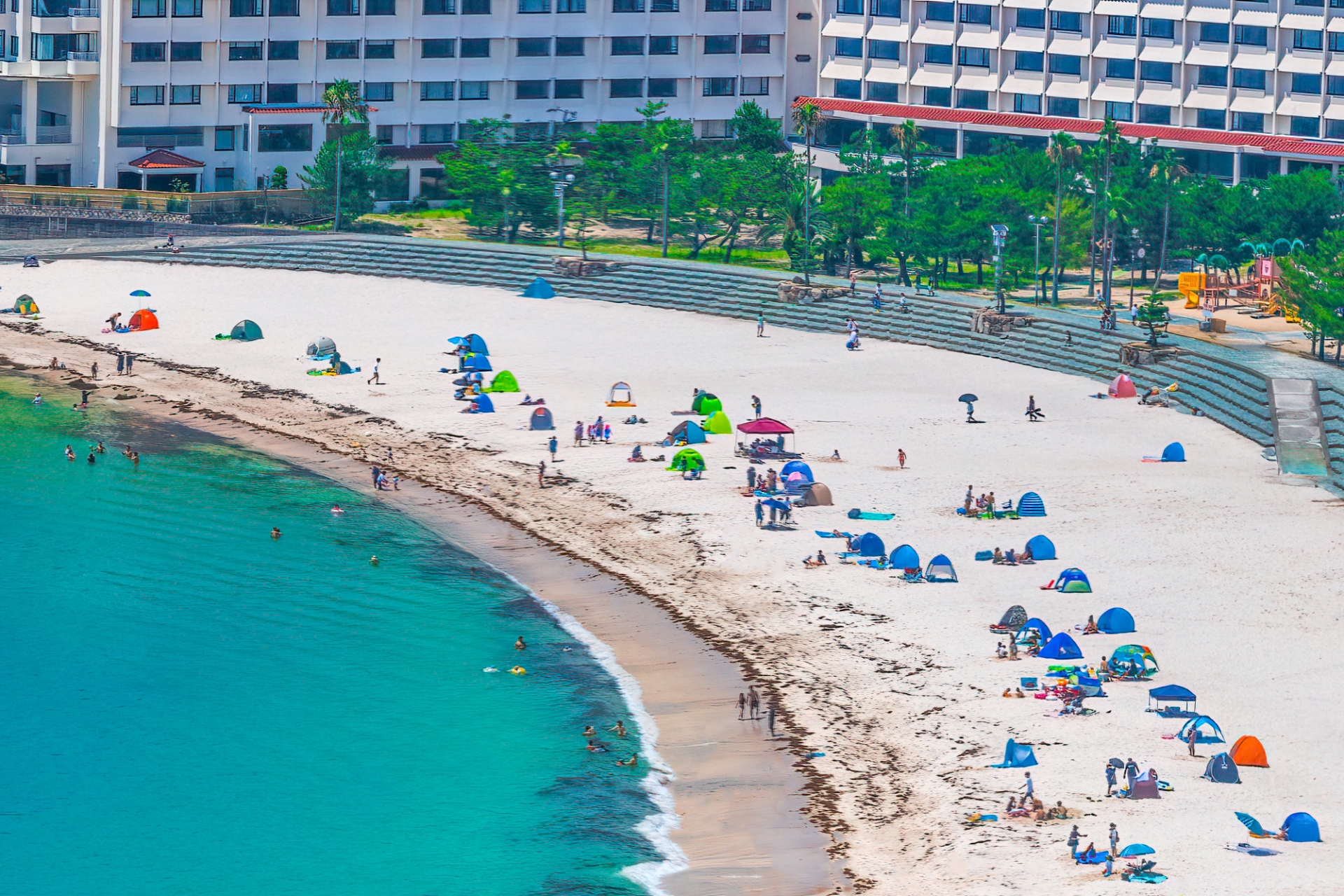
At Japanese beaches, people set up parasols and tents to stake out a "spot." At popular beaches, people may start claiming spots from early in the morning. You can also use rental services, but when it's busy, arriving early is a good idea.

Keeping It Clean

Many beaches in Japan don't have trash cans. This reflects the Japanese custom of "take your own trash home with you." When you visit, bring a trash bag and take everything you generate back with you.

Manners in Public Spaces

In Japan, people generally avoid being loud. On crowded beaches in particular, hold off on playing music at high volume. Drinking is allowed at many beaches, but you should avoid drinking to excess or being rowdy.

About Tattoos

In Japan, tattoos have traditionally been viewed negatively because of their association with organized crime (the yakuza). Some beaches and swimming areas prohibit visible tattoos, and rules can be especially strict at public facilities.

If you have tattoos, here are some options:

  • Cover them with a rash guard or similar
  • Hide small tattoos with waterproof bandages
  • Research tattoo-friendly beaches in advance (beaches in Okinawa and tourist areas tend to be relatively relaxed)

Swimwear Culture

Swimwear at Japanese beaches tends to be more modest than in the West. Among local Japanese in particular, women commonly wear one-piece suits or pair their swimwear with a rash guard. There's no real problem with foreign visitors wearing the kind of swimwear they'd wear back home, but at more rural beaches especially, it's good to be mindful of local customs.

Getting There and Transportation

Getting to Japan's beaches is surprisingly easy. With the country's well-developed public transit network, you can travel comfortably from the major cities to almost any beach area.

How to Reach the Major Beaches

BeachNearest Airport/StationHow to Get ThereTravel Time
Beaches around Naha, OkinawaNaha AirportRental car / bus30 min–1 hr
Beaches on MiyakojimaMiyako AirportRental car30–40 min
Beaches on Ishigaki IslandIshigaki AirportRental car / bus30 min–1 hr
Beaches in Kamakura and EnoshimaJR Kamakura Station / Enoden Enoshima StationWalk / bus10–15 min
Shirarahama (Wakayama)JR Shirahama StationBus / walk10 min
Kujukuri Beach (Chiba)Stations on the JR Sobu Main LineBus / walkDepends on the station

Transportation Tips

Getting Around the Beaches in Okinawa

On Okinawa's islands, a rental car is the most convenient way to get around. If you have an international driving permit, renting one is easy. Public transit exists, but service is infrequent even on the main island and limited on the outer islands. Taxis are available too, but they get expensive over long distances.

Getting to the Beaches on Honshu

Beaches you can reach on a day trip from big cities like Tokyo or Osaka are easy to get to with a combination of trains and buses. From Tokyo, for example, the Kamakura and Enoshima area is about an hour away by train, which makes it very convenient. Travelers with a Japan Rail Pass can use it to visit several beach areas.

Luggage While Traveling

If you have large bags with you on the way to the beach, coin lockers are a good option. Major stations have coin lockers in a range of sizes, so you can spend your time at the beach comfortably.

Things to Do at the Beach

Japan's beaches offer more than just sunbathing and swimming — there's a whole range of activities to try.

Marine Sports

Snorkeling and Diving

Okinawa's clear waters and colorful coral reefs full of tropical fish make it ideal for snorkeling and diving. The Kerama Islands in particular are known for the beautiful sea color called "Kerama Blue," which draws divers from around the world. Options range from beginner trial dives to fun dives for certified divers.

Surfing

Japan has plenty of great surf spots. Ichinomiya in Chiba Prefecture, where the surfing events of the 2021 Tokyo Olympics were held, is popular with many surfers. The Shonan area in Kanagawa Prefecture is also known as a historic surfing spot.

SUP (Stand-Up Paddleboarding) and Sea Kayaking

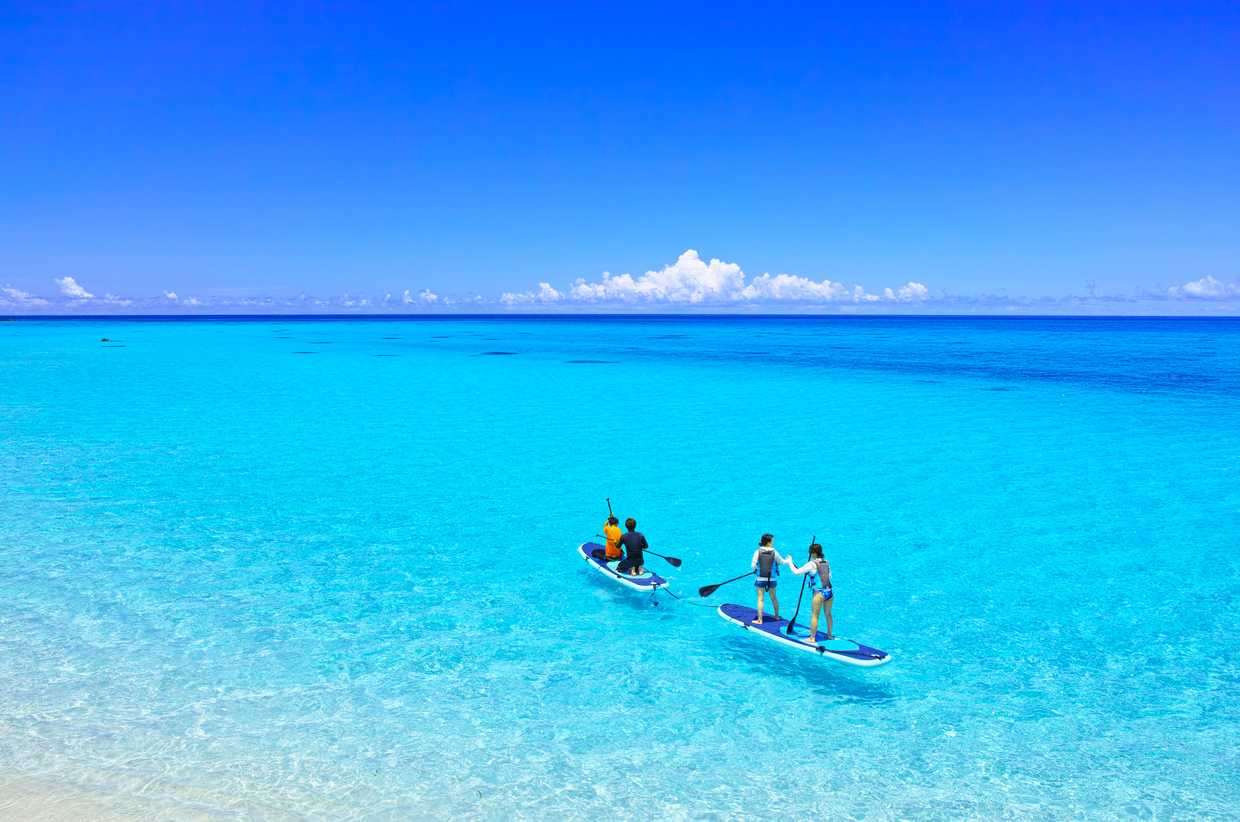
In calm coves and beaches, you can enjoy SUP and sea kayaking. Both are relatively easy for beginners to try, letting you take in the coastal scenery at your own pace. Many places in Enoshima, Miyakojima, and elsewhere offer rentals and instruction.

Beach Activities

Beach Volleyball and Beach Soccer

Many beaches have courts for beach volleyball and beach soccer. Some places rent out gear, so you and your friends can play with ease.

Fireworks and Summer Festivals

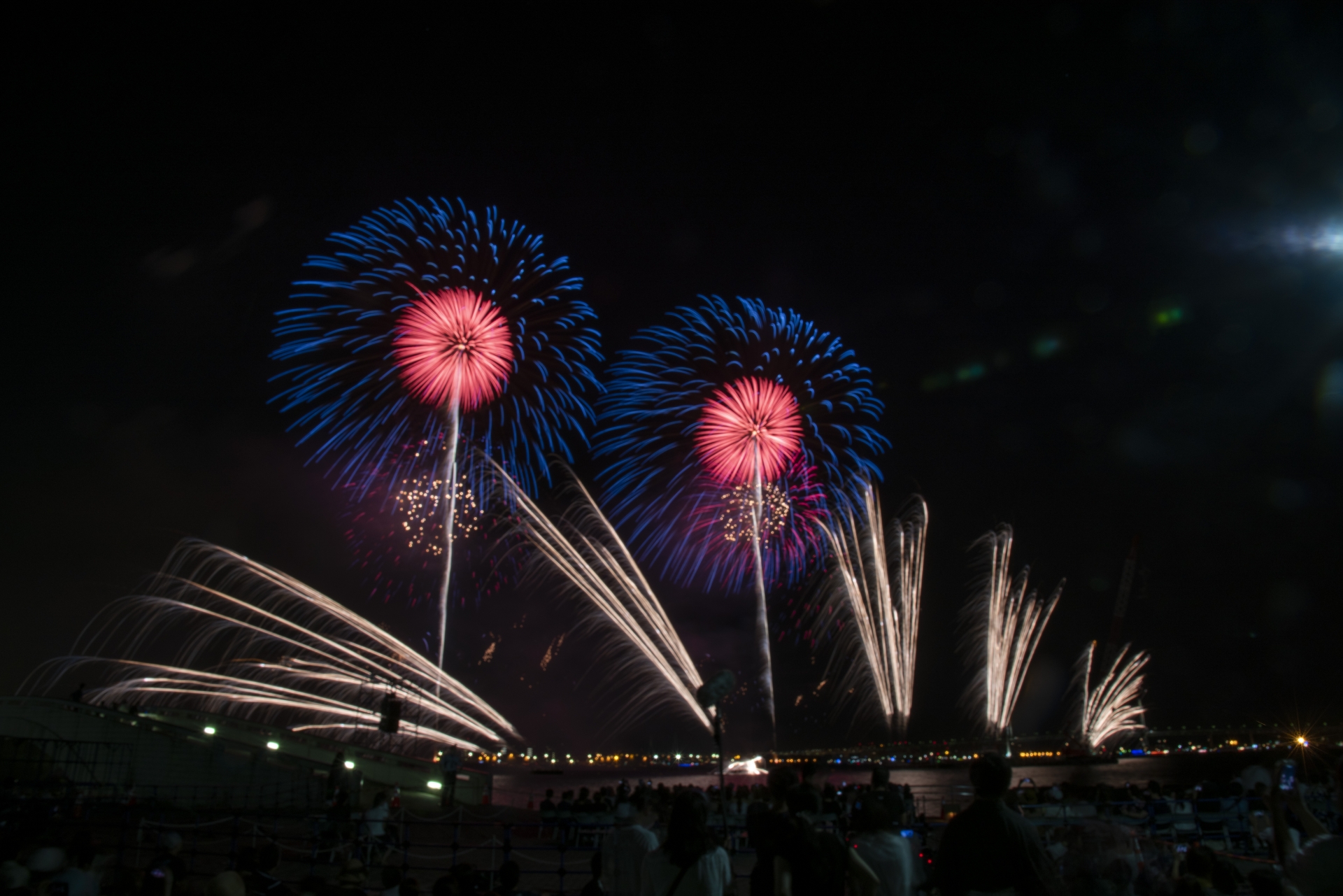
On Japan's beaches in summer, you'll often see people enjoying small handheld fireworks. Many coastal areas also hold summer festivals, sometimes with food stalls and large fireworks displays. These are quintessential sights of a Japanese summer and popular with visitors too.

Barbecue

Some beaches allow barbecuing. A few even have well-equipped barbecue areas where you can enjoy a meal with family or friends. Just be sure to check the rules in advance and clean up properly when you're done.

Recommended Beach Resorts for Visitors to Japan

Japan has wonderful resorts that combine a beach with accommodation. Here are a few beach resorts that are especially recommended for foreign visitors.

Luxury Beach Resorts in Okinawa

Hyatt Regency Seragaki Island Okinawa

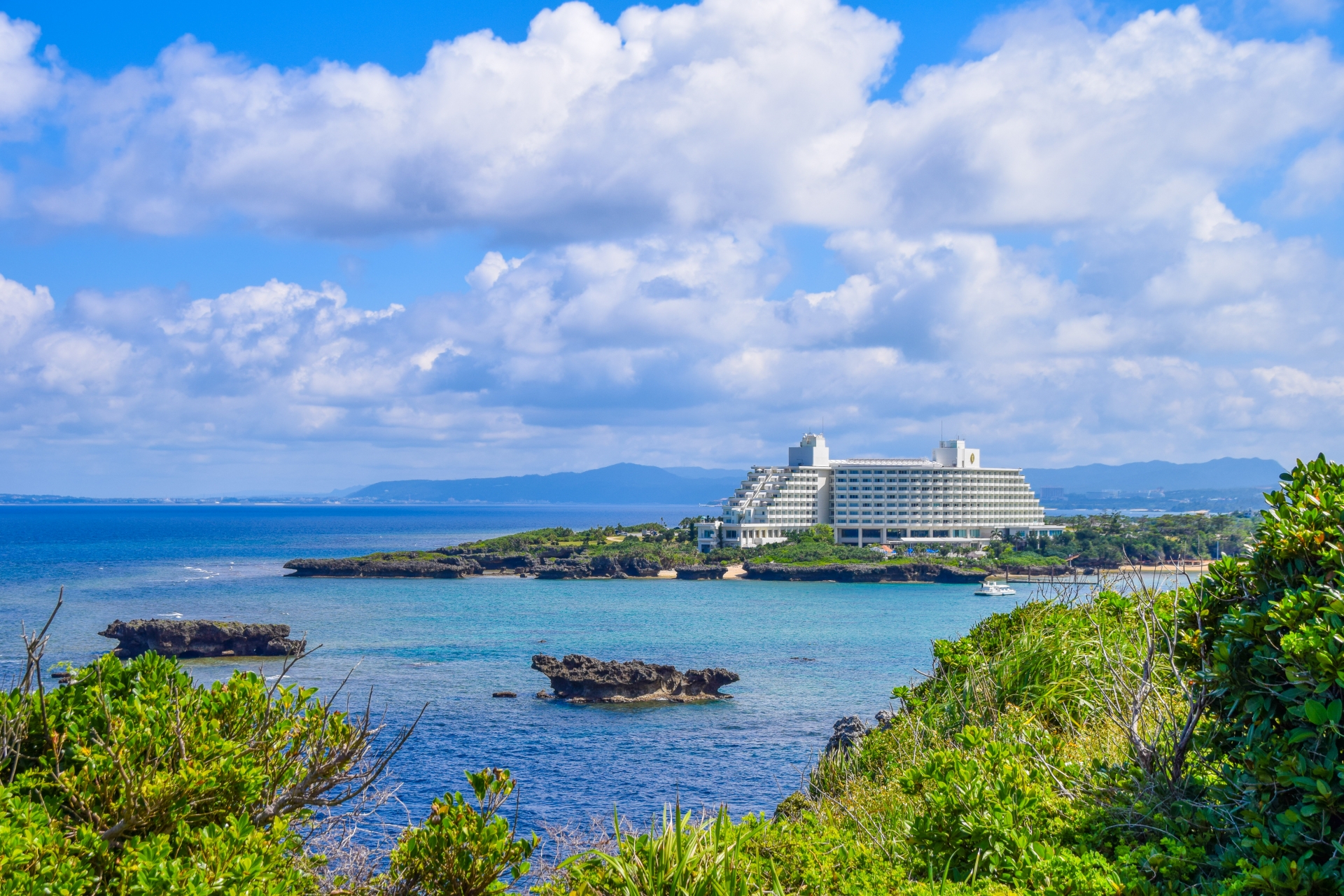
Located in the northern part of Okinawa's main island, this upscale hotel occupies an entire island turned into a resort. It offers direct access to a private beach, where you can snorkel and paddleboard in crystal-clear water. The hotel's facilities are extensive, with restaurants using Okinawan ingredients, a spa, and more.

The Busena Terrace

One of Okinawa's premier luxury resorts, The Busena Terrace has a beautiful private beach. You can watch the sea change color throughout the day, and the property's infinity pool offers spectacular ocean views.

Beach Resorts on Honshu

Shirahama Onsen Resort Hotels (Wakayama Prefecture)

The resort hotels near Shirarahama offer a luxurious stay with both beach and hot springs. You can spend the day on beach activities and unwind in an onsen come evening — a quintessentially Japanese experience.

Beach Resorts in Izu (Shizuoka Prefecture)

The Izu Peninsula, about an hour from Tokyo by bullet train, has resorts that combine beautiful beaches with hot springs. A historic hot spring destination where you can also swim in summer, it's a popular area year-round.

Budget-Friendly Beach Accommodation

Guesthouses and Hostels

Guesthouses and hostels in beach areas are especially popular with younger travelers. Popular beach areas like Kamakura and Shonan, Izu, and Okinawa have a growing number of reasonably priced places to stay. You can enjoy beach life while meeting locals and other travelers.

Vacation Rentals and Airbnb

Japan also has plenty of vacation rentals, with many properties listed near the beach. For family or group trips in particular, a rental with a kitchen is both convenient and economical.

Useful Things to Know

Safety Tips

Lifeguards and Swimming Zones

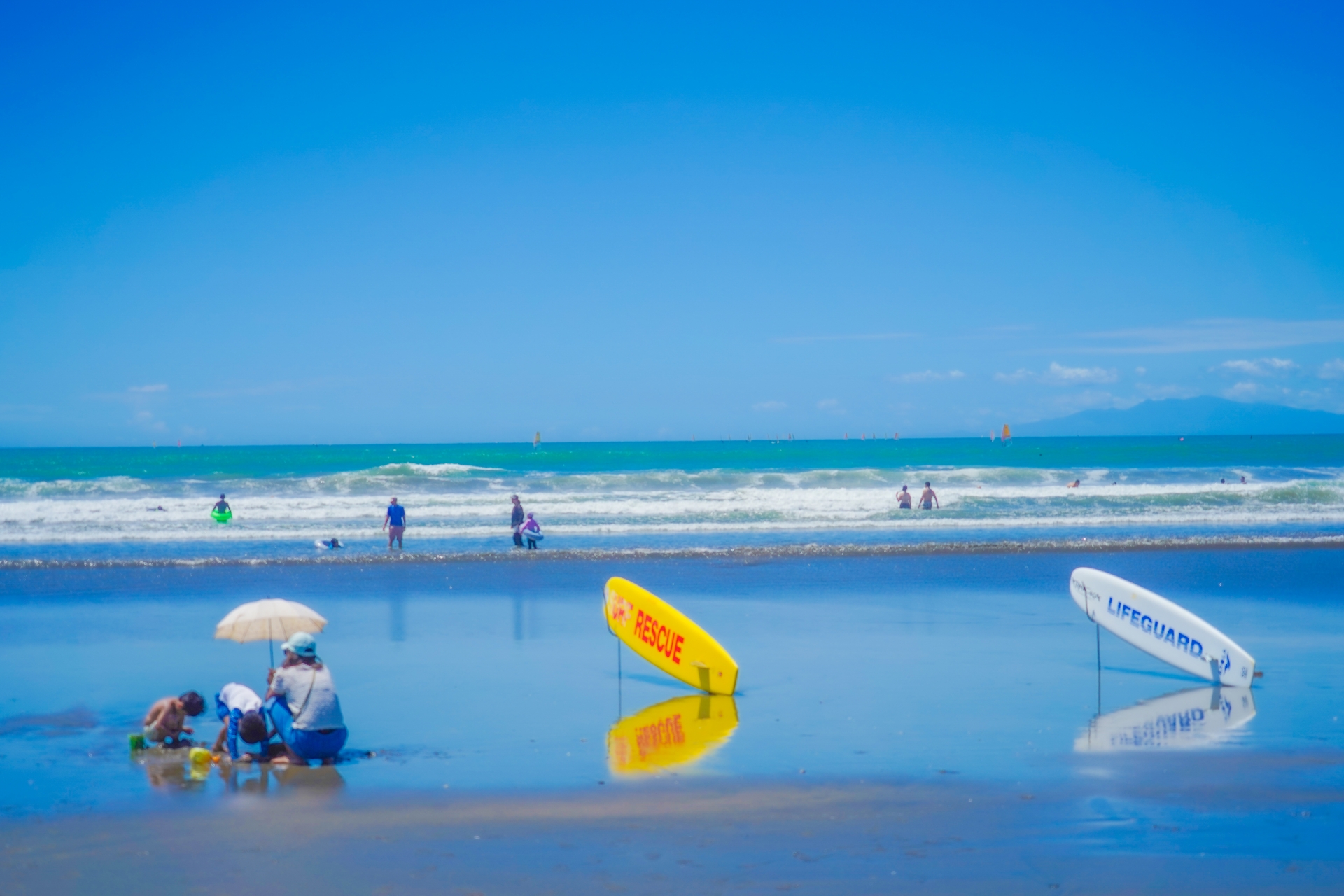
Japan's official swimming beaches station lifeguards during the open season. For your safety, always swim within the designated swimming areas. Check the boundaries marked by flags or buoys — a red flag means swimming is prohibited.

Currents and What to Watch For

At some beaches in Japan, rip currents can occur. This is when a strong current flows from the shore out to sea. Rather than fighting your way straight back to the shore, it's important to know how to escape by swimming parallel to the shoreline.

Watching Out for Marine Life

Jellyfish can appear especially in late summer. Watch out for dangerous species like the Portuguese man o' war (katsuonoeboshi). Some beaches are also home to sea snakes, though they rarely attack people. If you're worried, check with the local lifeguards.

Handy Beach Facilities

Showers and Changing Rooms

Many official swimming beaches have showers and changing rooms, either free or for a fee. At popular beaches in particular, using the showers may cost a small amount (around ¥100–300).

Rental Services

It's common to find services renting out beach gear like parasols, beach chairs, and inner tubes. At beaches with lots of visitors, you'll also find a good selection of marine sports gear for rent, such as snorkeling equipment and SUP boards.

Food and Drink

Japanese beaches often have seasonal food stands called umi no ie ("sea houses") that serve light meals and drinks. You can enjoy local seafood dishes and summer staples like shaved ice.

Packing Checklist

Here's a packing list to help foreign visitors heading to the beach:

  • Sunscreen (SPF 50+ recommended)
  • Swimwear (a modest design is a good idea)
  • Rash guard (handy for sun protection and covering tattoos)
  • Beach sandals (for rocky areas and hot sand)
  • Waterproof pouch (to protect valuables)
  • Towel
  • Hat and sunglasses
  • Beach mat
  • Trash bag (to take your own trash home)
  • Cash, including coins — many facilities near beaches may not accept cards
  • A water bottle to stay hydrated

Conclusion

Japan's beaches have long captivated visitors with their beauty and variety. From beaches set against the historic landscapes of Honshu to the white-sand tropical shores of Okinawa, the chance to enjoy such a range of experiences is their greatest appeal.

Planning Your Visit

  • Timing: To avoid the crowds, early July or September is ideal. In Okinawa, you can swim from May through October.
  • Location: If you only have limited time, the Kamakura and Enoshima area is easy to reach from Tokyo, and Shirahama is easy to reach from Osaka and Kyoto. For a full-on beach resort experience, the islands of Okinawa are your best bet.
  • Combining with cultural experiences: The real joy of a Japanese beach trip lies in pairing your swim with nearby historic sights, hot springs, and local food culture.

Choosing a Beach to Match Your Travel Style
  • Family trips: Well-equipped beaches on Okinawa's main island, or safe beaches on Honshu like Shirarahama, are good choices.
  • Active trips: For surfing, Ichinomiya in Chiba or the Shonan area; for snorkeling and diving, the Kerama Islands or Miyakojima in Okinawa are ideal.
  • Trips in search of quiet: Even at popular spots, choose the off-season, or look for hidden beaches that only locals know.

関連記事

おすすめ記事