Japan’s Winter Festivals | Magical Traditional Events Every Visitor Should Experience - GTN MAGAZINE
日本語
日本語
English

Japan’s Winter Festivals | Magical Traditional Events Every Visitor Should Experience

Snow-covered temples and shrines, the scent of incense drifting through the icy air, and warm red lights glowing against the night sky—winter in Japan is a season filled with its own unique beauty and magical atmosphere. Japan’s winter festivals, in particular, attract travelers from around the world as cultural experiences that bring together long-standing history and tradition, artistic beauty, and local customs unique to each region.

From snow festivals that brighten the harsh winters of Japan’s snow country to sacred rituals that pray for abundant harvests, winter festivals held across Japan are more than just sightseeing events. They offer a valuable opportunity to experience the Japanese appreciation for living in harmony with nature and cherishing the changing seasons.

 

The Origins and Character of Japan's Winter Festivals

The Historical Background of Winter Festivals

Many of Japan's winter festivals are traditional events rooted deeply in farming culture, handed down over centuries. A great number of them took shape as prayers for a good harvest in the coming year, or as a way to endure the severity of winter. In regions with especially heavy snowfall, a variety of snow festivals were born as celebrations of coexisting with the snow.

Quite a few also developed into distinctive rituals and ceremonies by blending religious elements from Buddhism and Shinto. One of their defining features is the rich variety of winter festivals seen all over Japan, shaped by the differing climates and cultural backgrounds of each region.

The Meaning of Winter Festivals Today

Today, alongside their role as traditional religious events, these festivals have grown in value as tourism resources. In recent years especially, beautiful snowscapes and dreamlike festivals of light have been shared with the world through social media, making them one of the main reasons foreign visitors travel to Japan in winter.

Some regions have begun to serve as venues for international exchange. While preserving their traditions, they introduce features that make it easier for foreign visitors to join in and expand their multilingual guidance.

Type of Winter FestivalMain FeaturesRepresentative Festivals
Snow and ice festivalsDisplays of snow sculptures and ice carvings, illuminationsSapporo Snow Festival, Otaru Snow Light Path
Traditional Shinto ritesPrayers for a bountiful harvest, warding off misfortuneNamahage Sedo Festival, Chichibu Night Festival
Festivals of lightDisplays of candles and lanternsNagasaki Lantern Festival
Kamakura festivalsBuilding snow huts to enshrine the water deityYokote Kamakura Festival

Winter Festivals of Hokkaido

Sapporo Snow Festival

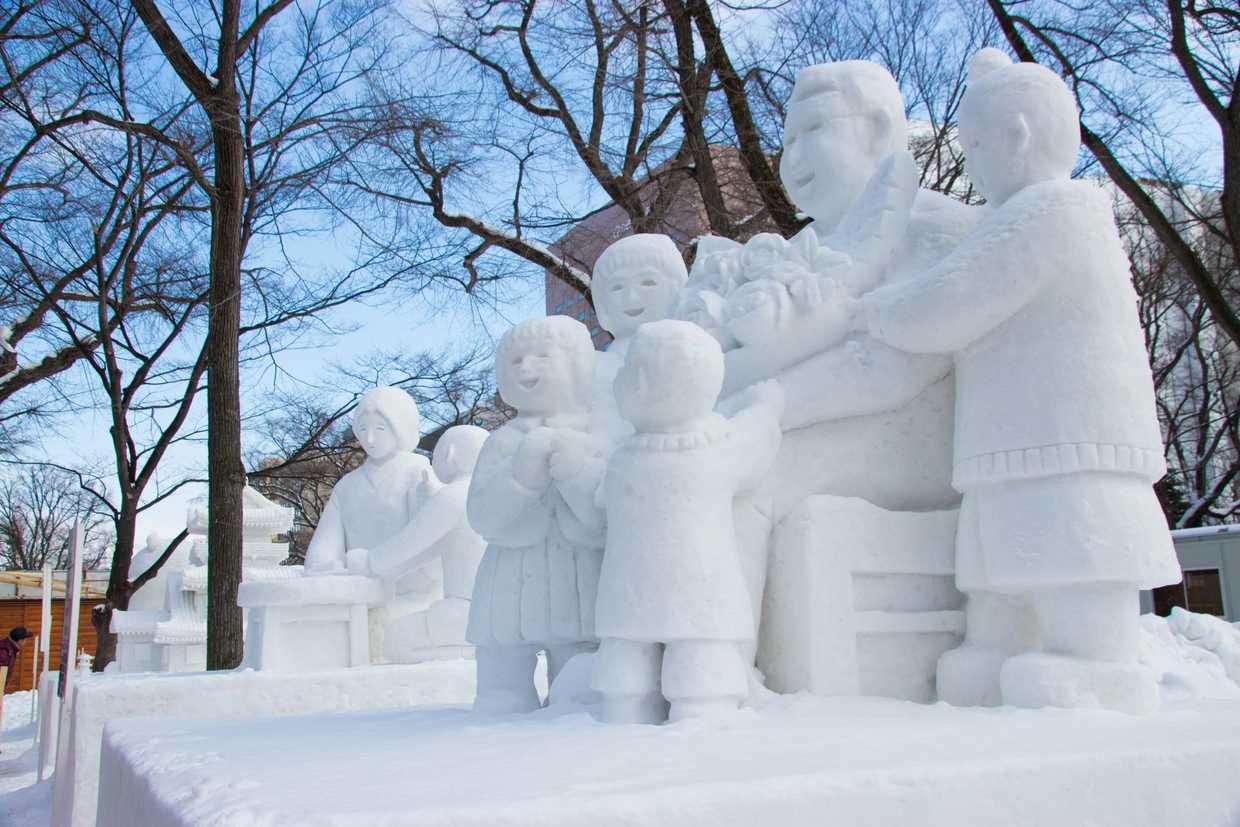
Held every year in early February in Sapporo, Hokkaido, the Sapporo Snow Festival is one of Japan's signature winter festivals. The event draws some 2 million visitors, with massive snow sculptures and ice carvings displayed on a stunning scale, centered on Odori Park.

The festival began in 1950, when local junior and senior high school students built six snow statues. It has since grown into a world-class event that now includes an International Snow Sculpture Contest. The nighttime illuminations are especially worth seeing, revealing a different face of the sculptures than they show by day.

What foreign visitors love most are the large-scale snow sculptures modeled on famous buildings from around the world and on popular characters. A 2019 survey found the festival so popular that 94.8% of foreign visitors staying in Sapporo named the Sapporo Snow Festival as a reason for their trip.

The Sapporo Snow Festival has steadily built up its infrastructure for foreign visitors—language support, cashless payment, Wi-Fi, and more—so you can enjoy the festival in comfort.

Otaru Snow Light Path

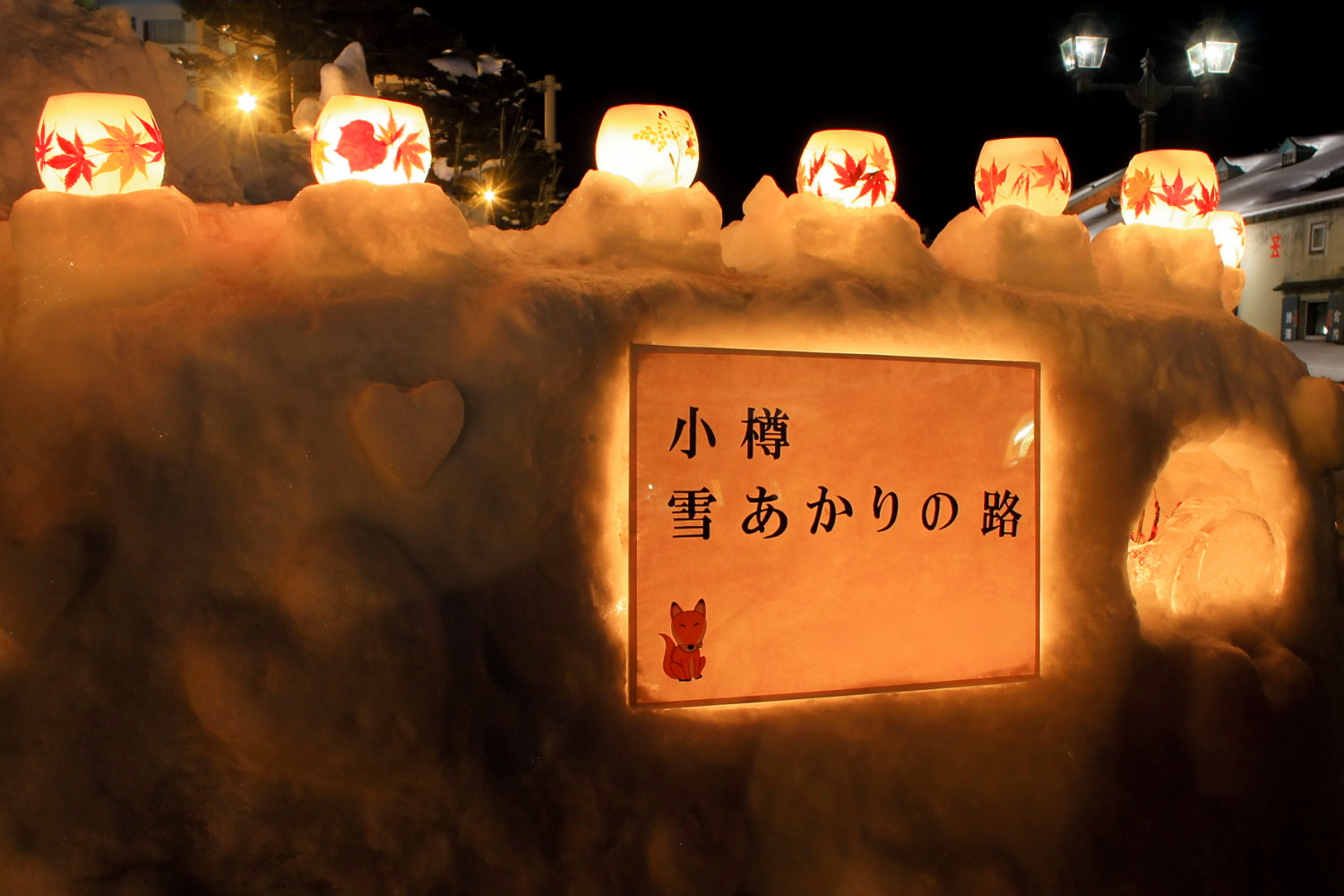
Launched in 1999, the Otaru Snow Light Path is an event where you can take in a winter Otaru aglow with beautiful candlelight. Candles are lit inside small snow figures along the Otaru Canal and the former JNR Temiya Line, creating a romantic, dreamlike scene.

Where the Sapporo Snow Festival impresses with the grandeur of its huge sculptures, the Otaru Snow Light Path is defined by its quiet, its handmade feel, and the warmth of candlelight. Sixty-three gas lamps line the canal, and the dreamlike scenery woven from snow and light is popular with photography enthusiasts.

This event grew from the voices of local residents—a grassroots gathering rather than something imposed by officials—and its charm lies in the human warmth of lighting each candle by hand, one by one. When you visit Hokkaido in winter, we recommend pairing it with the Sapporo Snow Festival.

Asahikawa Winter Festival

The Asahikawa Winter Festival, held in Asahikawa, Hokkaido, is another of the festivals that define winter in Hokkaido. The grounds, lined with enormous snow sculptures, are a spectacular sight, and the festival is also known for the many snow-based activities you can enjoy, such as ice slides and snow rafting. Many foreign visitors come as well, making it a vibrant, international gathering.

Winter Festivals of the Tohoku Region

Namahage Sedo Festival

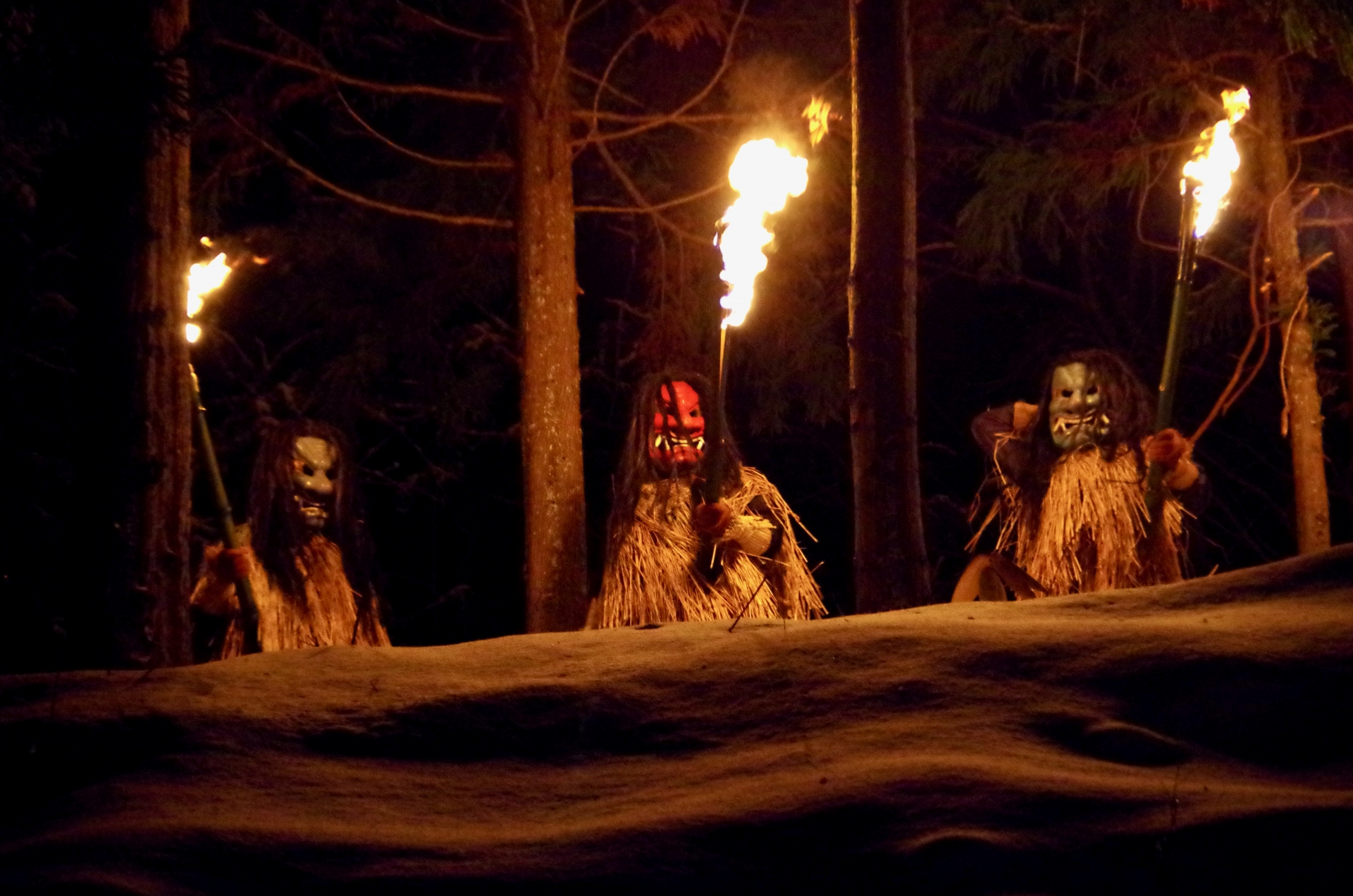
Held every year on the second Friday, Saturday, and Sunday of February in Oga City, Akita Prefecture, the Namahage Sedo Festival is a dreamlike yet powerful winter festival that combines the Shinto rite "Sedo Festival" with the folk custom "Namahage."

The Namahage is a traditional custom of the Oga Peninsula in Akita Prefecture. Young men wearing ogre-like masks and straw capes visit each home, shouting "Are there any crybabies here?!" as they admonish the lazy and pray for good health and family safety. This tradition has a history of more than 200 years and can be seen as the fruit of the wisdom and faith of people living in a harsh winter environment.

At the Namahage Sedo Festival, sacred bonfires are lit in the precincts of Shinzan Shrine, and the Namahage perform a wild dance to the beat of Namahage taiko drums. With sparks flying through the air, the Namahage silhouetted against the blazing red fire make for a thrilling sight, wrapping spectators in a heat that makes them forget the cold.

Known as one of the "Five Great Snow Festivals of Michinoku," this festival is sure to be a precious experience for foreign visitors interested in Japan's traditional culture.

Yokote Kamakura Festival

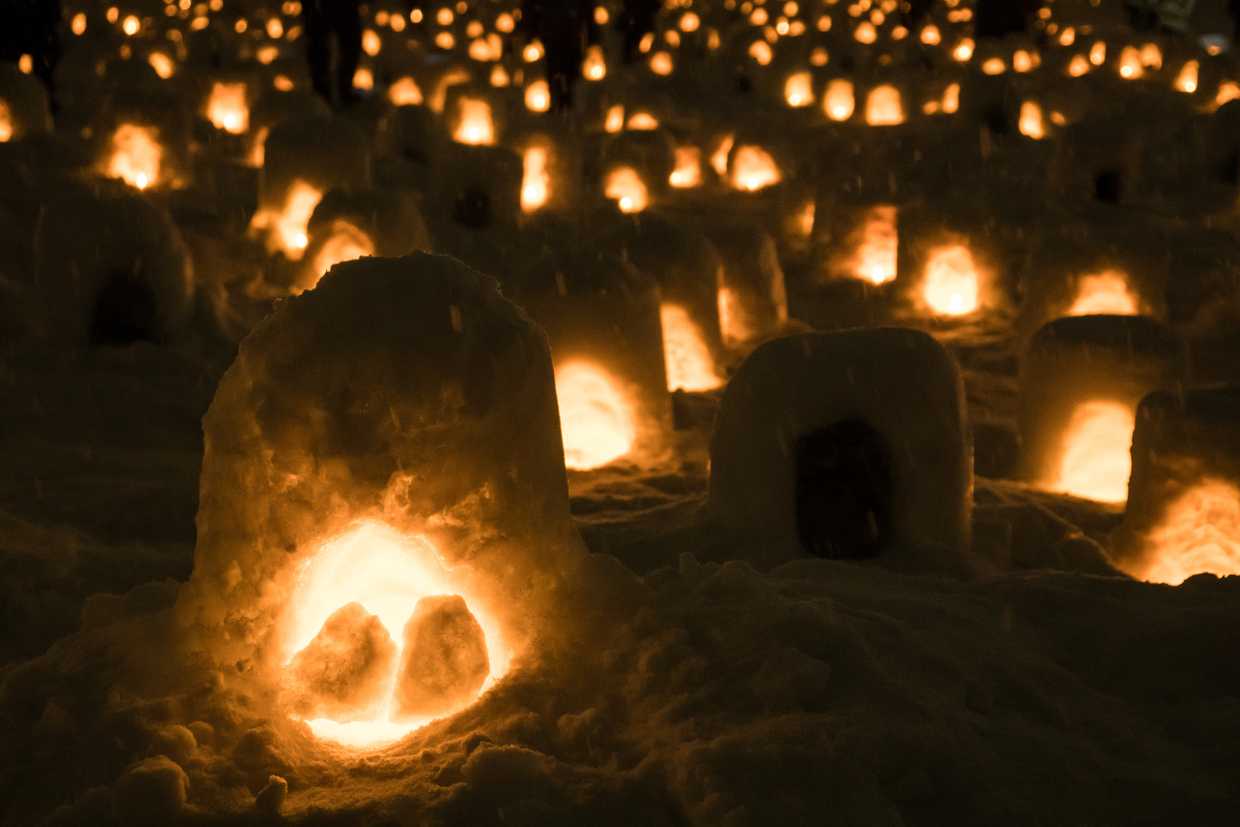
The Yokote Kamakura Festival in Yokote City, Akita Prefecture, is a Little New Year event with a history of about 450 years. Inside snow huts called kamakura, people enshrine the water deity, and children call out "Haitte tanse" ("Please come into the kamakura") as they welcome visitors—a tradition of hospitality.

The origin of these kamakura is fascinating. It is said that the prototype of today's kamakura took shape when the fire festival of the samurai families living on the inner side of the Yokote River (the inner town) merged with the water-deity festival of the merchants living on the outer side (the outer town), incorporating the children's snow play.

Today, kamakura of all sizes are built throughout the city, and at night candles are lit inside them, letting you enjoy a dreamlike snowscape. There is also a kamakura experience for visitors, where you can savor sweet amazake and mochi inside a snow hut.

This festival is popular with foreign visitors as a precious cultural experience that blends the wisdom of brightly enjoying snow country's harsh winter with an age-old faith that treasures water.

Hirosaki Castle Snow Lantern Festival

Held in Hirosaki City, Aomori Prefecture, the Hirosaki Castle Snow Lantern Festival is a winter festival whose beauty lies in the collaboration of an old Japanese castle and the snow. About 150 snow lanterns and around 300 mini kamakura line Hirosaki Park, and at night candles are lit to create a dreamlike atmosphere.

Hirosaki Castle, famous as a cherry blossom spot, takes on a charm all its own when wrapped in snow—quite different from spring. Various events are also held, such as a snow sculpture contest and performances of traditional arts, making it a beloved seasonal tradition of the Tohoku winter for many visitors.

Winter Festivals of the Kanto Region

Chichibu Night Festival

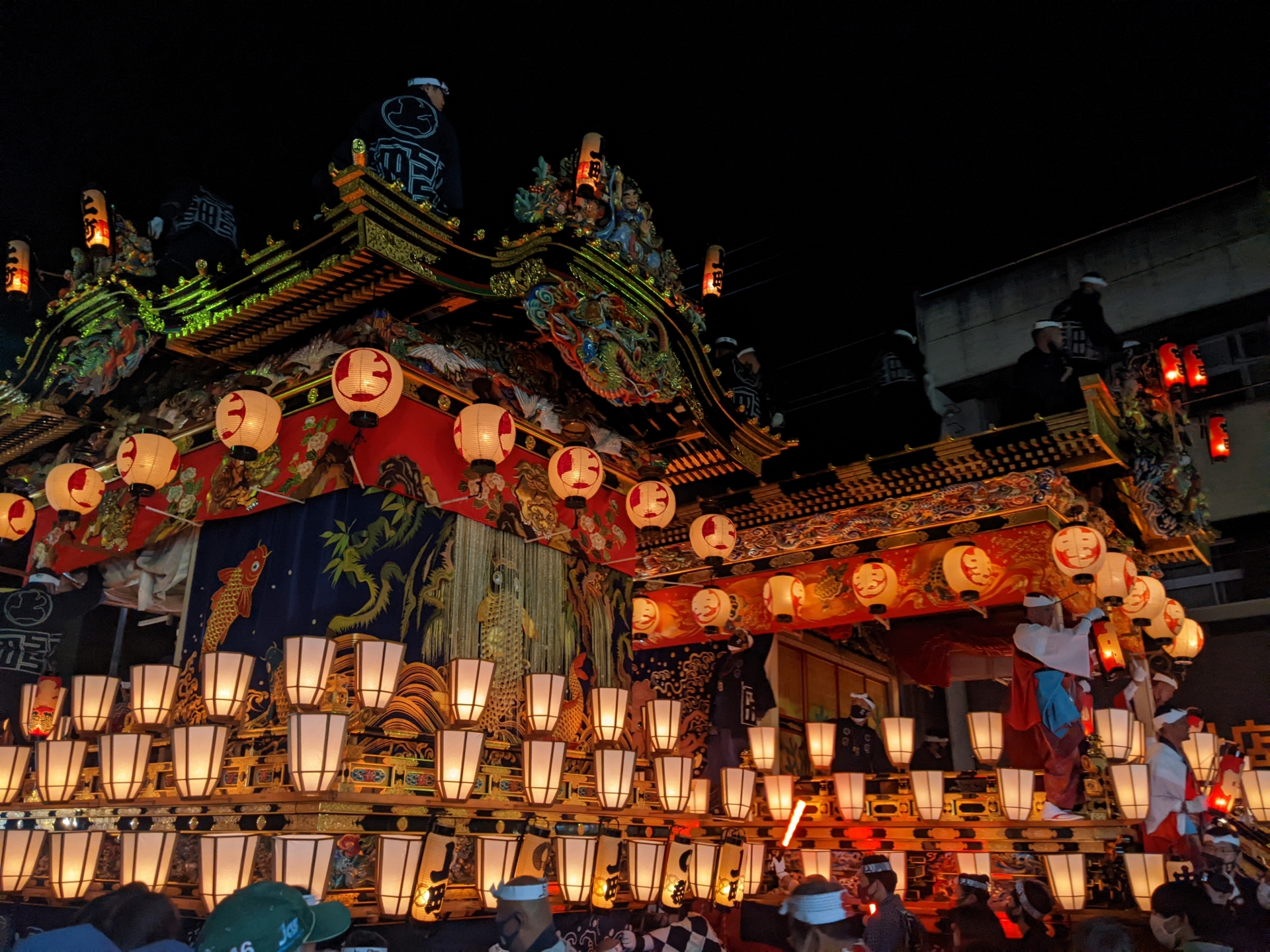
Held every year on December 2 and 3 in Chichibu City, Saitama Prefecture, the Chichibu Night Festival is one of the Kanto region's signature winter festivals. A festival of great pedigree, it is designated an Important Intangible Folk Cultural Property of Japan and was inscribed on UNESCO's Intangible Cultural Heritage list in 2016.

The festival's hallmark is the combination of gorgeously ornate floats called kasaboko and yatai being pulled through the streets, followed by a fireworks display that lasts more than two hours. The sight of townspeople hauling floats weighing about 12 tons to chants of "Wasshoi!" gives a real sense of the community's bonds.

The contrast between fireworks bursting in the winter night sky and the snowy scenery has a distinctive appeal you won't find at other festivals. Since 2023, a float-pulling experience for foreign visitors has also been revived, making the event even more international. Multilingual guides for visitors to Japan are well prepared, making it a perfect chance to experience Japan's traditional culture.

Winter Festivals of the Kansai and Kyushu Regions

Kyoto's Winter Traditions

In the ancient capital of Kyoto, various traditional events take place even in winter. The events welcoming the New Year, in particular, are ideal for gaining a deeper understanding of Japanese culture.

The Setsubun Festival at Yoshida Shrine is a fire festival held on Setsubun, February 3. Goma prayer sticks are burned in a fire hearth on the grounds in a prayer to drive away evil spirits. Afterward, worshippers perform the tsuina-shiki rite, and the bean-throwing to chase away ogres makes for a fascinating experience for foreign visitors.

Kyoto's own winter events—such as the Mibu Kyogen at Mibu-dera Temple and the Oniyarai at Hokai-ji Temple—make winter, when there are fewer tourists, the perfect time to touch the deep culture of Kyoto.

Miyama Kayabuki no Sato Snow Lantern Festival

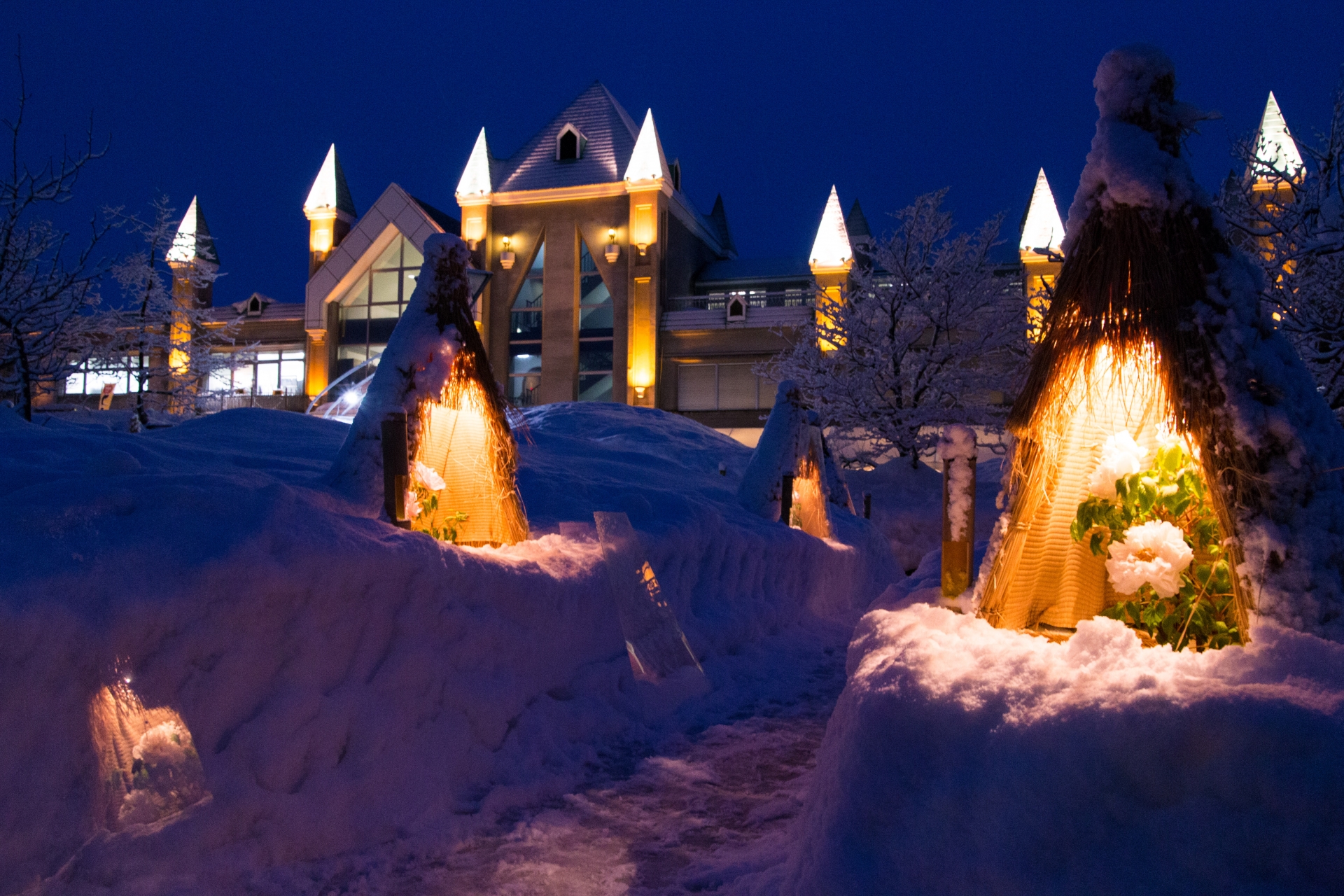
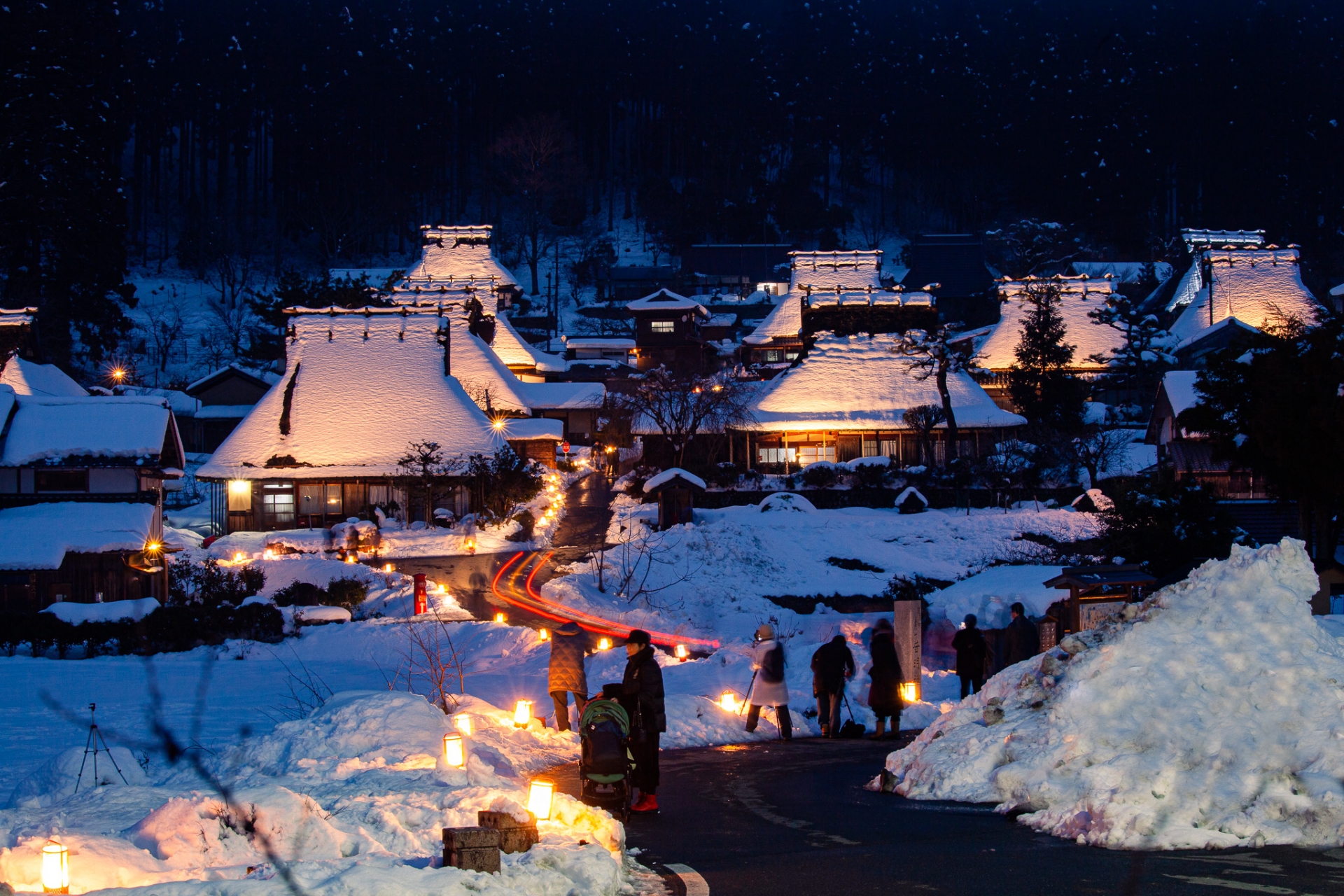
Held in the village of Miyama Kayabuki no Sato in Nantan City, Kyoto Prefecture, the Snow Lantern Festival (Yuki-Toro) is a beautiful event in which a hamlet of thatched-roof houses—designated an Important Preservation District for Groups of Traditional Buildings—is adorned with snow and light.

Snow lanterns line the fronts of the thatched houses, and once they are lit at dusk, a dreamlike scene unfolds, as if you have wandered into the world of an old folktale. Unlike modern snow festivals, the atmospheric scenery woven from Japan's good old rural landscape and the snow is especially popular with foreign visitors looking for a sense of traditional Japan.

Nagasaki Lantern Festival

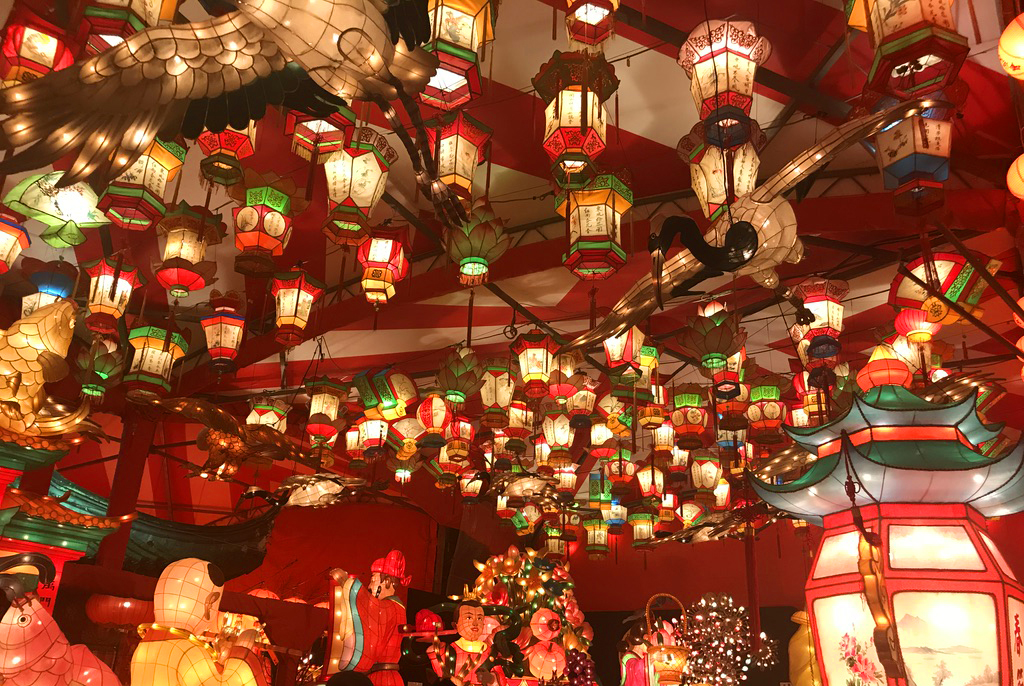
Held in Nagasaki City each year to coincide with the Lunar New Year (Spring Festival), the Nagasaki Lantern Festival is a winter festival unique to Kyushu, deeply influenced by Chinese culture. About 15,000 lanterns (Chinese paper lanterns) decorate the city, and objects of every shape light up the night streets in dreamlike fashion.

The festival traces its origins to the Chinese festival that celebrates the Lunar New Year, and over 15 days it unfolds a wealth of distinctly Chinese events, including dragon dances, Chinese acrobatics, and Chinese lion dances. The Emperor's Parade is especially striking: it recreates how, during the Qing dynasty, the emperor and empress celebrated the New Year together with the townspeople, with about 150 people marching in lavish costumes.

This festival, where Nagasaki's historic streetscape meets Chinese culture, lets you feel the charm unique to Nagasaki—a place where the cultures of West and East come together.

Tips for Foreign Visitors Joining the Festivals

Preparation and What to Wear

Enjoying Japan's winter festivals takes the right preparation. At festivals in Hokkaido and the Tohoku region in particular, temperatures dropping below -10°C (14°F) are not unusual. Keep the following points in mind:

  • Cold-weather gear: A heavy down jacket, knit hat, scarf, and gloves are essential.
  • Footwear: Prepare winter boots that are waterproof and slip-resistant.
  • Disposable heat packs: A handy Japanese warming product, available at convenience stores and drugstores.
  • Layering: Wearing several thin layers makes it easier to regulate your body temperature.

Sunglasses and sunscreen also come in handy, since the glare off the snow can make UV rays stronger.

Language Support and Visitor Services

Many winter festivals provide multilingual services for the growing number of foreign visitors:

  • Multilingual brochures: Major festivals offer brochures in English, Chinese, Korean, and other languages.
  • Volunteer interpreters: At large festivals such as the Sapporo Snow Festival and the Nagasaki Lantern Festival, volunteer staff who speak foreign languages may be on hand to help.
  • Multilingual apps: It's convenient to download a multilingual app that provides festival information and transit details.

Especially if it's your first visit, we recommend checking the official website in advance for details on language support.

Cultural Etiquette and How to Take Part

When taking part in Japan's traditional events, knowing a few points of cultural etiquette will make for a richer experience:

  • At festivals held at shrines or temples, it's customary to give a light bow at the entrance.
  • Some areas prohibit photography, so check before you shoot.
  • At crowded festivals, take care with your valuables and hold your bag in front of you.
  • Joining in chants like "Wasshoi!" along with the locals lets you feel the unity of the festival.

Lately, more programs let foreign visitors take part directly. Some require advance reservations—such as the float-pulling experience at the Chichibu Night Festival or trying on Namahage costumes at the Namahage Sedo Festival—so it's a good idea to look into them early.

Planning Your Winter Festival Trip and What to Watch For

The Best Time to Visit and How to Plan Your Stay

Japan's winter festivals are held mainly from December through February. The dates of some of the most popular festivals are as follows:

FestivalDatesLocation
Sapporo Snow FestivalEarly February (about one week)Sapporo, Hokkaido
Otaru Snow Light PathEarly to mid-FebruaryOtaru, Hokkaido
Namahage Sedo FestivalSecond Fri., Sat., Sun. of FebruaryOga, Akita
Yokote Kamakura FestivalFebruary 15–16Yokote, Akita
Chichibu Night FestivalDecember 2–3Chichibu, Saitama
Nagasaki Lantern FestivalAround the Lunar New Year (Spring Festival)Nagasaki, Nagasaki

If you'd like to visit several festivals, it helps to plan around how close they are to one another. For example, the Sapporo Snow Festival and the Otaru Snow Light Path are near each other, so you can enjoy both using Sapporo as your base.

Also, since lodging for popular festivals can book up early, we recommend securing your accommodation at least three to six months in advance.

Getting Around and Transportation

Take care when traveling in winter in Japan, especially to areas with heavy snow:

  • By air: Major snow-festival locations have an international or regional airport nearby (New Chitose Airport, Akita Airport, and others).
  • By rail: JR lines connect the major cities, but keep in mind that delays can occur in heavy-snow areas.
  • Rental cars: If you have no experience driving on snowy roads, avoid them and use public transportation instead.
  • Taxis: Ride-hailing apps are convenient near festival venues, but booking gets difficult during peak periods.

At Tohoku's snow festivals in particular, public transportation can be limited, so it's important to check bus timetables and information on special shuttle buses in advance.

Advice on Lodging and Dining

Demand for accommodation rises during the winter festival season. Keep these points in mind when booking:

  • Early booking: For popular festival periods, we recommend booking at least six months ahead.
  • Type of lodging: You can choose to suit your budget and taste, from traditional ryokan to modern hotels.
  • Location: Lodgings close to the festival venue are convenient, but tend to cost more.
  • Hot springs: Pairing a snow festival with a hot spring lets you savor winter in Japan all the more.

When it comes to food, the winter festival season is also a chance to enjoy local specialties:

  • Street-stall food: Many festivals line up stalls serving local dishes.
  • Regional winter cuisine: Try winter flavors unique to the area, such as hot pots and warm noodle dishes.
  • The value of reservations: Popular restaurants get extremely busy during festival periods, so booking ahead gives you peace of mind.

Conclusion: An Unforgettable Japanese Winter

Japan's winter festivals are a cultural experience that distills the wisdom born of overcoming the bitter cold of winter and the aesthetic sense of a people who live alongside nature. Magnificent snow sculptures, countless dreamlike lights, and spirited traditional rites—each festival's distinctive charm leaves a deep impression on those who visit.

From the dreamlike art of snow and light at Hokkaido's Sapporo Snow Festival and Otaru Snow Light Path, to the age-old tradition and faith seen in Akita's Namahage Sedo Festival and Yokote Kamakura Festival, to the grandeur of the Kanto region's Chichibu Night Festival, to the history of multicultural exchange alive in Kyushu's Nagasaki Lantern Festival—the winter festivals across Japan each hold a charm of their own.

With the right preparation and planning, foreign visitors can fully enjoy Japan's winter festivals. The warm hospitality of people who make you forget the cold, and an encounter with traditional culture handed down over centuries, are sure to become unforgettable memories of your trip.

Each of Japan's four seasons has its own beauty, but the dreamlike scenery and traditional culture that winter festivals create are something special you can't experience in any other season. Do visit Japan's winter festivals at least once and discover their charm for yourself.

The experience of a Japanese winter festival is sure to bring you something more than mere sightseeing. You'll feel firsthand the wisdom and skill of snow country, the bonds of community, and the depth of a Japanese culture that cherishes the four seasons.

関連記事

おすすめ記事