Finding Pet-Friendly Apartments in Japan | A Complete Guide for Foreign Residents - GTN MAGAZINE
日本語
日本語
English

Finding Pet-Friendly Apartments in Japan | A Complete Guide for Foreign Residents

For those who want to start a new life in Japan with their beloved pets, finding pet-friendly apartments is often the first major hurdle. In Japan's rental market, properties that allow pet ownership are limited, so finding your ideal home requires understanding Japan-specific rules and search methods. This article provides detailed information to help foreign visitors efficiently find rental properties where they can live with their pets.

目次

Current State of Pet-Friendly Apartments in Japan

Happy woman with Maltese dog on bed

Pet Situation in Japan's Rental Market

In Japan, only about 15-20% of all rental properties allow pet ownership. This is a significantly lower percentage compared to Western countries. Why are there so few pet-friendly properties?

The main reasons include:

  • Damage to buildings from pets, including scratches, stains, and odors
  • Noise problems from barking
  • Issues with restoration costs when moving out
  • Consideration for other tenants' allergies and discomfort

However, in recent years, the mindset of considering pets as family members has become more widespread, leading to increased demand for pet-friendly properties. Particularly in urban areas, new types of housing such as luxury pet-coexistence condominiums are beginning to emerge.

Relationship Between Foreign Tenants and Pet-Friendly Properties

When foreigners search for properties where they can live with pets, they face a double hurdle: one is the "foreigner-friendly" condition, and the other is the "pet-friendly" condition. Properties that meet both conditions are even more limited.

However, real estate services for foreign visitors are increasing, and multilingual property information websites are becoming more comprehensive. YOLO HOME, wagaya Japan, and Best-Estate are known as sites that provide pet-friendly property information for foreigners.

Types and Characteristics of Pet-Friendly Properties

View of cats and dogs showing friendship

There are several types of pet-friendly properties in Japan. Understanding the characteristics of each will help you choose a property that suits your needs.

Pet-Allowed Properties

This is the most common type, where pet ownership is permitted under certain conditions. Specific conditions vary by property and are often detailed, such as "small dogs only, up to one," "cats only," or "dogs under 10kg only."

Pet-Consultation Properties

When a property listing states "pets negotiable," pet ownership may be permitted depending on conditions. Through negotiations with landlords or management companies, pets beyond normal conditions may sometimes be allowed.

Pet-Coexistence Properties

This is an increasingly popular type designed with pet coexistence in mind. These properties have pet-friendly facilities such as dog runs, paw washing stations, and grooming rooms. Since other residents are also pet owners, you can live without worry. However, rent tends to be higher than regular pet-friendly properties.

Types of Pets Allowed and Conditions

Here's a summary of common conditions for allowed pets:

Pet TypeGeneral ConditionsNotes
Small DogsUnder 10kg, up to 1 petChihuahua, Toy Poodle, Pomeranian, etc.
Medium DogsUnder 25kg, with restrictionsFrench Bulldog, Shiba Inu, etc. (depends on property)
Large DogsVery limitedMay be possible in suburbs or houses
Cats1-2 petsSometimes more accepted than small dogs
Small AnimalsCage-dwelling petsHamsters, small birds, etc.
Reptiles/AmphibiansAquarium-dwelling petsTurtles, tropical fish, etc.

Actual conditions vary greatly by property, so always check in advance.

Regional Characteristics of Pet-Friendly Properties

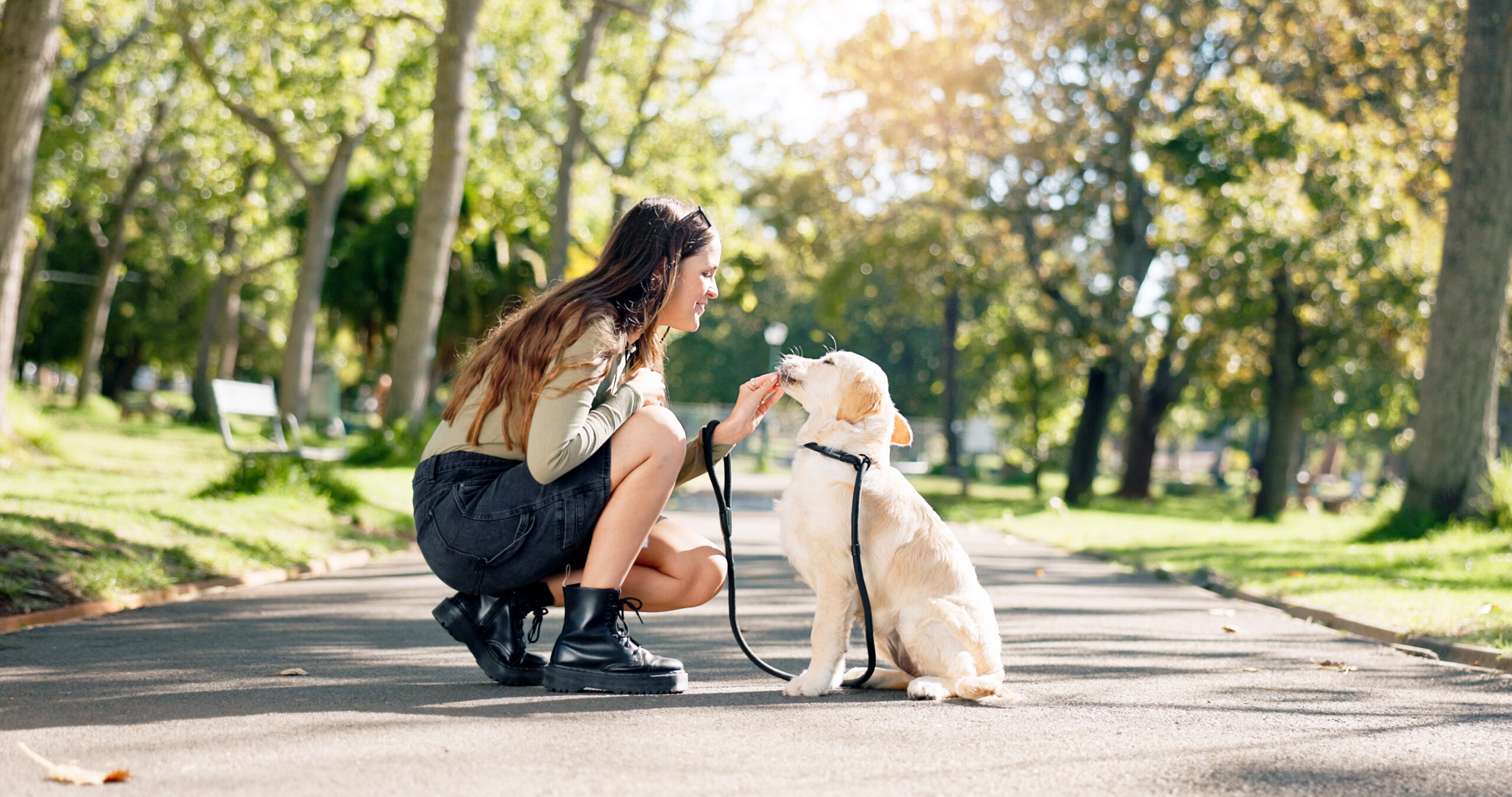
Happy woman with dog in park

The situation for pet-friendly properties varies greatly by region in Japan. Let's look at the characteristics of major areas.

Tokyo and Surrounding Areas

Tokyo has very high demand for pet-friendly properties, with fierce competition especially in central areas. However, luxury condominiums and new properties are increasingly offering pet-coexistence facilities. Residential areas slightly away from stations, such as Setagaya Ward, tend to have more available pet-friendly properties.

In Tokyo suburbs (Tama area) and surrounding prefectures like Saitama, Chiba, and Kanagawa, pet-friendly property consultations are also possible. Since noisy environments may not be ideal for pets, consider quiet areas away from stations or locations farther from city centers.

Kansai Region (Osaka, Kyoto, etc.)

In the Kansai region, pet-friendly properties are also limited in city centers. However, in Osaka's Hokusetsu area (Minoo City, Suita City, etc.) and suburban areas of Kyoto Prefecture, pet-friendly properties are relatively easier to find. While Kyoto City has many student-oriented properties, pet-friendly properties for foreign residents are also increasing.

Regional Cities

In regional cities, there tends to be a higher proportion of pet-friendly properties due to more available land compared to urban areas. Particularly, rental houses and apartments with gardens are easier to find, creating environments suitable for large dogs. However, since property information for foreigners is less available than in urban areas, direct consultation with real estate companies is effective.

Regional Comparison of Pet-Friendly Properties

RegionPet-Friendly Property RatioRent Average (1LDK)Large Dog AcceptanceForeign Acceptance
Central Tokyo10-15%¥150,000-250,000Very limitedRelatively high
Tokyo Suburbs15-20%¥80,000-150,000LimitedSomewhat high
Osaka City15-20%¥80,000-150,000LimitedSomewhat high
Kyoto City10-15%¥70,000-130,000Very limitedHigh
Regional Cities20-30%¥50,000-100,000Relatively acceptedLimited

*The above figures show general trends and may vary significantly depending on area and property grade.

Costs and Initial Expenses for Pet-Friendly Properties

Interior with pets

Pet-friendly properties have various cost differences compared to regular properties. Understanding these in advance will help you plan your budget.

Rent Rates

Rent for pet-friendly properties is generally set about 10-20% higher than regular properties in the same area with the same conditions. This accounts for the risk of building deterioration from pets and expected restoration costs when moving out.

For example, if a regular property costs ¥80,000 per month, similar pet-friendly properties typically cost around ¥88,000-96,000. Luxury pet-coexistence properties tend to be even more expensive.

Differences in Initial Costs

When contracting pet-friendly properties, initial costs are often higher than regular properties. Costs to particularly note include:

Security Deposit

While regular properties typically require 1-2 months' rent as a security deposit, pet-friendly properties commonly require one additional month (2-3 months' rent). This covers repair costs for pet-related damage upon moving out.

Pet Deposit

Some properties require a separate "pet deposit" in addition to the regular security deposit. The amount is typically equivalent to 1-2 months' rent, with refunds depending on room condition upon moving out.

Pet Key Money

Some properties require "pet key money" of 0.5-1 month's rent in addition. This is a non-refundable fee.

Example of Initial Costs (¥80,000 rent)

Here's an example of initial costs when renting a pet-friendly property (1LDK, ¥80,000 rent) in Tokyo:

Cost ItemRegular PropertyPet-Friendly Property
Security Deposit¥80,000 (1 month)¥160,000 (2 months)
Key Money¥80,000 (1 month)¥80,000 (1 month)
Pet Deposit-¥80,000 (1 month)
Pet Key Money-¥40,000 (0.5 months)
Brokerage Fee¥88,000 (1 month + tax)¥88,000 (1 month + tax)
Advance Rent¥80,000¥80,000
Fire Insurance¥15,000¥20,000
Key Replacement¥15,000¥15,000
Guarantor Company Fee¥40,000 (0.5 months)¥40,000 (0.5 months)
TotalApprox. ¥398,000Approx. ¥603,000

*The above is an example and may vary significantly depending on property and real estate company.

Moving-Out Costs

When moving out of pet-friendly properties, cleaning costs may be higher than regular properties. Additional costs may occur especially for carpet or tatami replacement and deodorizing/disinfecting work.

Typical cleaning costs when moving out of pet-friendly properties:

Room TypeCleaning Cost Range
Studio/1K¥20,000-50,000
1DK/1LDK¥40,000-60,000
2DK/2LDK¥40,000-90,000
3DK/3LDK¥60,000-100,000

If there's obvious damage from pets, repair costs will likely be deducted from the security deposit. Regular cleaning and maintenance can help reduce moving-out costs.

Conditions and Required Documents for Renting Pet-Friendly Properties

Person signing documents

When foreigners rent pet-friendly properties, several additional conditions and documents are required beyond regular rental contracts. Preparing these in advance will ensure a smooth contract process.

Basic Occupancy Conditions

Basic conditions for foreigners moving into pet-friendly properties include:

  1. Residence Status and Period: Valid residence card with sufficient remaining residence period
  2. Stable Income: Monthly income preferably 3 times the rent or more
  3. Japanese Communication: Basic Japanese ability or interpreter accompaniment
  4. Guarantor or Guarantor Company: Japanese guarantor or guarantor company membership
  5. Pet-Related Commitments: Compliance with restrictions on pet types, numbers, and sizes

Required Documents List

DocumentDescriptionNotes
Residence CardProof of valid residence status and periodOriginal required, not copy
PassportIdentity verification documentMust be within validity period
Income CertificateProof of stable incomeTax withholding slip or pay stubs (3 months)
Employment CertificateCertificate of employmentIncluding company name, address, contact
Bank Balance CertificateProof of sufficient fundsJapanese bank account preferred
Guarantor DocumentsSeal certificate, income proof, etc.For domestic Japanese guarantors
Pet InformationType, size, photos, etc.Fill out pet ownership application
Pet Vaccination CertificateProof of current vaccination statusEspecially rabies vaccination for dogs

Using Guarantor Companies

Foreigners who have difficulty finding guarantors in Japan often use guarantor companies. These companies provide guarantee services for rent arrears and building damage.

Typical costs when using guarantor companies:

  • Initial guarantee fee: 30-100% of rent (varies by property and company)
  • Renewal fee: 10-30% of rent every 1-2 years

Some guarantor companies offer multilingual support for foreigners, so consult with real estate companies.

Special Clauses for Pet Ownership

Contracts typically include "special clauses for pet ownership" in addition to regular rental agreements. Main clause contents include:

  • Restrictions on pet types, numbers, and sizes allowed
  • Pet health management obligations (vaccinations, disease prevention)
  • Consideration for neighbors (noise and odor countermeasures)
  • Pet handling in common areas (leash requirements, etc.)
  • Agreements on restoration when moving out

Violations of these clauses may lead to contract termination or additional charges, so understanding them thoroughly before signing is crucial.

Effective Ways to Find Pet-Friendly Properties

Campaign image

Here are key points for foreigners to efficiently find pet-friendly properties.

Foreign-Friendly Real Estate Sites and Services

Using multilingual real estate sites for foreigners helps overcome language barriers when searching for pet-friendly properties.

Recommended Foreign-Friendly Real Estate Sites

Site NameFeaturesLanguage Support
YOLO HOMEFor students/foreigners, many pet-friendly propertiesEnglish, Chinese, Korean, Vietnamese, etc.
wagaya JapanCovers foreign-friendly properties nationwideEnglish, Chinese, Korean, etc.
Best-EstateMultilingual support, pet-friendly property search available7 languages supported
Plaza HomesFocus on luxury properties, pet-friendly options availableEnglish, Chinese, Korean, etc.

General Real Estate Search Sites (Japanese)

For those who can read Japanese, these general real estate sites also offer pet-friendly property searches:

  • SUUMO
  • HOME'S
  • At Home
  • Pet Home Web (pet-friendly property specialist)

Consulting with Real Estate Companies

In addition to internet searches, consulting directly with real estate companies is also effective. Choosing real estate companies with experience serving foreigners is especially recommended.

Points for Finding Foreign-Friendly Real Estate Companies

  • Have English or other language websites
  • Display "Foreigners Welcome" or similar messages
  • Have past experience serving foreign tenants
  • Major real estate companies with foreign service desks

Timing for Property Search

In Japan, moving concentrates in March-April due to job transfers and new employment timing. Competition is fierce during this period, so if possible, searching during relatively available periods like May-July or October-December is recommended.

Tips for Efficient Property Search

  1. Prioritize desired conditions: Clearly define what to prioritize and what to compromise on for living with pets
  2. Expand area search: Consider areas slightly away from stations or adjacent to popular areas
  3. Relax building age conditions: Older properties tend to have higher pet-friendly ratios
  4. Budget with margin: Set budgets with room for initial and additional costs
  5. Use multiple real estate companies: Consult with multiple companies, not just one

Important Points When Contracting Pet-Friendly Properties

Contract signing scene

After finding a pet-friendly property, here are key points and precautions when proceeding with the contract.

Pre-Contract Confirmation Items

Before signing, always confirm the following:

  1. Detailed pet ownership conditions: Types, numbers, and sizes of pets allowed
  2. Additional fees: Pet deposits, pet key money, monthly additional fees
  3. Common facility usage rules: Pet handling in elevators, lobbies, etc.
  4. Neighbor consideration requirements: Noise and odor precautions
  5. Moving-out conditions: Scope and cost responsibility for restoration

Important Contract Points

Contracts typically include special clauses for pet ownership. Pay special attention to the following:

  • Are pet registration details (type, size, number) accurate?
  • Are pet-related prohibitions and obligations clearly defined?
  • Are restoration obligation scope and cost responsibility upon moving out clear?
  • Is there possibility of pet-related condition changes during contract renewal?

Checking Pet-Living Environment in Properties

Before contracting, check the actual living environment for pets:

  • Are floor materials suitable for pets (flooring, carpet, etc.)?
  • Balcony and window safety (especially for cats)
  • Nearby walking environment (for dogs)
  • Availability of emergency veterinary hospitals nearby

Pre-Move-In Preparation

Once the contract is decided, prepare the following for comfortable living with pets:

  • Floor protection mats
  • Scratching post measures (for cats)
  • Soundproofing and odor prevention measures
  • Pet stress reduction measures (adaptation to new environment)

These preparations help prevent troubles and reduce restoration costs when moving out.

Preventing Post-Move-In Troubles

When living with pets in Japan, paying attention to Japan-specific manners and customs helps prevent troubles and build good relationships with neighbors.

Pet Ownership Manners in Japan

Japan tends to require particularly strict manners regarding pet ownership. Pay attention to the following points:

Dog Ownership Manners

  • Always use a leash when walking
  • Always take home feces (carry dedicated bags)
  • Be careful of excessive barking; walk quietly during early morning/late night
  • Let dogs play only in designated areas in parks
  • Don't let strangers touch your dog without permission

Cat Ownership Manners

  • Indoor keeping is basic (many rentals prohibit outdoor access)
  • Keep litter boxes clean and prevent odors from escaping
  • Be careful of nighttime disturbances
  • Take escape prevention measures when sunbathing on balconies

Building Community Relationships

When living with pets, building good relationships with neighbors is important:

  1. Move-in greetings: If possible, greet neighbors and inform them you have pets
  2. Follow management rules: Always follow condominium or apartment management rules
  3. Quick response to complaints: If complaints arise, respond sincerely
  4. Regular communication: Communicate with neighbors as needed

Handling Troubles When They Occur

If troubles occur, handle them with these steps:

  1. Understand the situation: Accurately grasp what problems are occurring
  2. Apologize and provide countermeasures: Apologize as needed and communicate specific measures
  3. Report to management/landlord: For serious problems, consult with management companies or landlords
  4. Consult experts: If problems don't resolve, consult real estate specialists or interpreters

Pet Health Management and Registration

Japan has laws regarding pet registration and health management, especially for dogs:

  • Dog registration: Dogs over 91 days old must be registered with municipalities by law
  • Rabies vaccination: Annual rabies vaccination is legally required
  • Microchips: Pet microchip implantation became mandatory from June 2022 (some exceptions apply)

Proper registration and health management ensures smooth handling in emergencies.

Interior scene

Frequently Asked Questions and Answers

Q: Is it difficult for foreigners to rent pet-friendly properties?

A: The combination of being foreign and having pets limits options more than regular properties. However, using foreign-friendly real estate services and pet-friendly specialized sites makes finding suitable properties possible. Choosing real estate companies with language support is also important.

Q: Can I negotiate with properties not listed as pet-friendly?

A: Properties clearly marked "pets not allowed" are difficult, but properties marked "pets negotiable" or with no specific mention may have negotiation room. Consult with landlords through real estate companies. However, keeping pets without contract mention constitutes contract violation, so be careful.

Q: How much should I prepare for initial costs of pet-friendly properties?

A: Pet-friendly properties typically cost about 1.5-2 times more in initial costs than regular properties. Preparing funds equivalent to about 6 months' rent (including pet deposits and key money) provides peace of mind. Costs differ between urban and rural areas, so plan budgets according to location.

Q: What should I do if I want to keep a large dog?

A: Rental properties allowing large dogs are very limited. Searching suburban areas and rental houses makes finding easier. Also, negotiating with landlords for "pets negotiable" properties is one method. Properties accepting large dogs often have higher initial costs, so maintain budget flexibility.

Q: What if I want to get a pet after moving in?

A: Even if you moved in under "pets not allowed" conditions, consulting with management companies or landlords has value. However, since this involves contract changes, additional deposits, key money, or rent increases are often conditions. Never keep pets without permission; always obtain approval in advance.

Q: How can I search for properties if I don't speak much Japanese?

A: Use multilingual real estate sites (YOLO HOME, wagaya Japan, Best-Estate, etc.) or find real estate companies capable of native language support. English-speaking real estate companies are also increasing in major cities. Having Japanese-speaking friends or colleagues accompany you is also effective.

Q: What should I be careful about when moving out of pet-friendly properties?

A: Consider professional cleaning before moving out. Pet odors and scratches often can't be removed with regular cleaning. Also, when notifying of moving intentions, confirm specific restoration scope and costs in advance. Understanding amounts to be deducted from security deposits provides peace of mind.

Q: I heard UR rental housing has many pet-friendly properties. Is this true?

A: UR rental housing has a "pet coexistence housing" category where pets can be kept under certain conditions. Benefits include lower security deposits and no renewal fees. However, property numbers are limited, and competition rates are high in popular areas.

Q: What content is typically included in pet-friendly contracts?

A: Generally includes restrictions on pet types/sizes/numbers allowed, common area rules, noise/odor countermeasure obligations, regular vaccination requirements, and moving-out restoration conditions. Always review content carefully before contracting and ask about unclear points.

Q: Which is easier to keep in rental properties - cats or dogs?

A: Cats tend to be more accepted in rental properties generally. However, wall scratches require attention and countermeasures.


関連記事