Asakusa Travel Guide | Where Old Tokyo Meets the Modern City - GTN MAGAZINE
日本語
日本語
English

Asakusa Travel Guide | Where Old Tokyo Meets the Modern City

Asakusa is a historic district in Tokyo where traditional Japanese culture and modern city life come together. Home to iconic landmarks such as the giant red lantern of Kaminarimon, the impressive grounds of Senso-ji Temple, and the lively Nakamise shopping street, Asakusa remains one of Tokyo's most popular destinations.

This guide introduces Asakusa's history, major attractions, local food, cultural experiences, transportation options, accommodation information, and other useful tips for international visitors.

Asakusa: History and Overview

Historic Asakusa scene

The Long History of Asakusa

Asakusa's history stretches back about 1,400 years. According to legend, in 628 AD two brothers named Hinokuma Hamanari and Hinokuma Takenari were fishing in what is now the Sumida River when they pulled up a small statue of the bodhisattva Kannon. A local notable, Haji no Nakatomo, converted his home into a hall to enshrine the image — and that became the foundation of Senso-ji.

When Tokugawa Ieyasu set up his castle in Edo in the 17th century, Senso-ji came under shogunal patronage. As Edo grew rich and its population expanded, more and more people came to worship at the temple, and the surrounding area filled with shops. The approach to the temple eventually became today's Nakamise-dori.

In the Meiji era, Asakusa developed into Tokyo's main entertainment district. The area known as Asakusa Rokku was packed with theaters and movie halls, and the era saw the rise of "Asakusa Opera" and other distinctive cultural movements.

Much of Asakusa burned in the firebombing of Tokyo during World War II, but it recovered after the war and reclaimed its place as a major destination. Today, around 30 million visitors come to Asakusa each year — a top sightseeing spot in Tokyo.

Why International Visitors Love Asakusa

A few reasons stand out.

First, Senso-ji and Nakamise-dori embody the visual idea of "traditional Japan." For many international visitors, this is one of the rare neighborhoods where you feel like you're seeing the "real" Japan — Edo-period shops, traditional architecture, all packed into a walkable area.

Second, Asakusa is rich in hands-on cultural experiences — kimono rental, wagashi-making workshops, and more. Today's travelers want to do, not just see, and Asakusa is well-set-up to deliver.

Third, the location is excellent. Tokyo Skytree, the Sumida River, and other nearby attractions are easy to combine into a single efficient day. Public transit access is also strong, making Asakusa an approachable starting point for first-time visitors to Tokyo.

Top Sightseeing Spots

Kaminarimon and Senso-ji

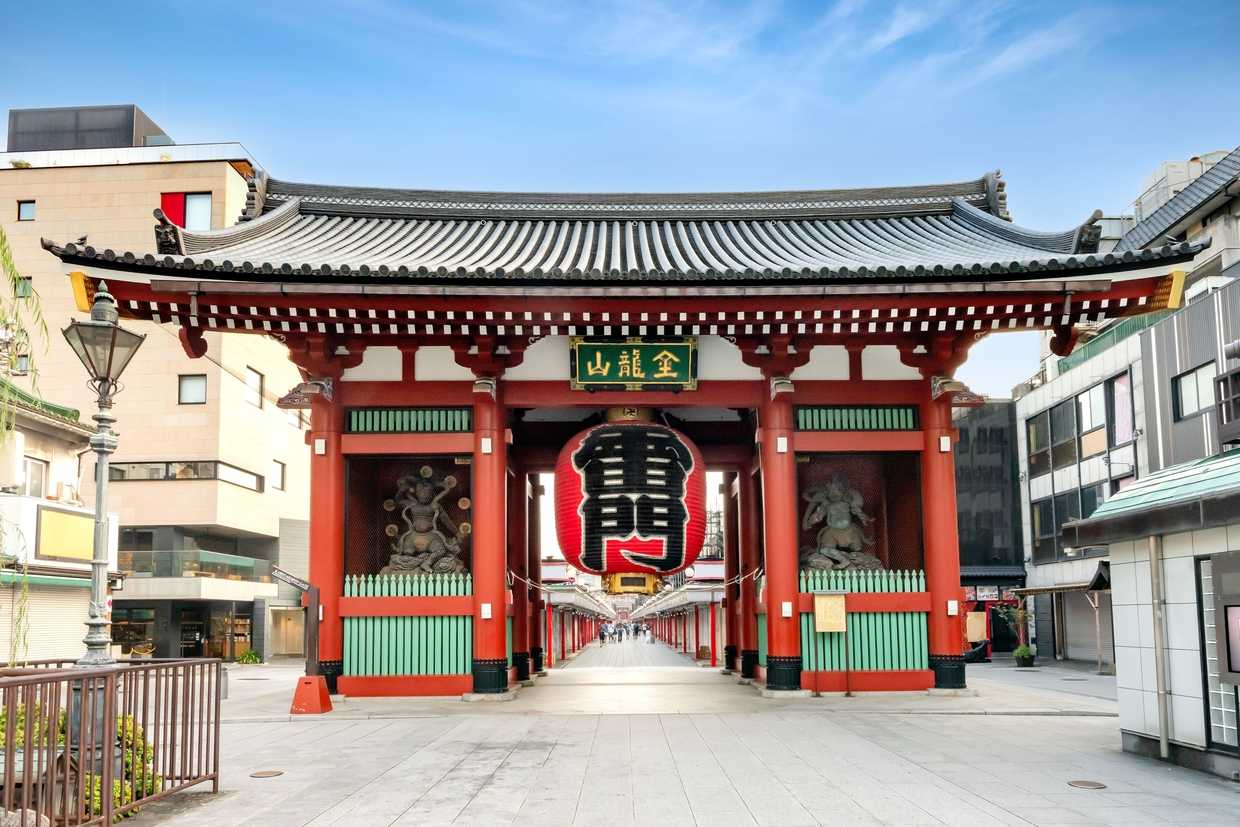
Kaminarimon Gate with the giant red lantern

Kaminarimon — the "Thunder Gate" — is the symbol of Asakusa. Officially called Furaijinmon, the gate stands about 11.7 meters tall and 11.4 meters wide, dominated by an enormous lantern bearing the characters "雷門." The lantern weighs roughly 700 kg, and it's the most-photographed spot in Asakusa.

Through the gate, Nakamise-dori stretches about 250 meters to the temple. Around 90 shops line the street, selling traditional sweets, folk crafts, yukata, and more. Many of these shops have been here since the Edo period — a chance to shop while soaking up the area's history.

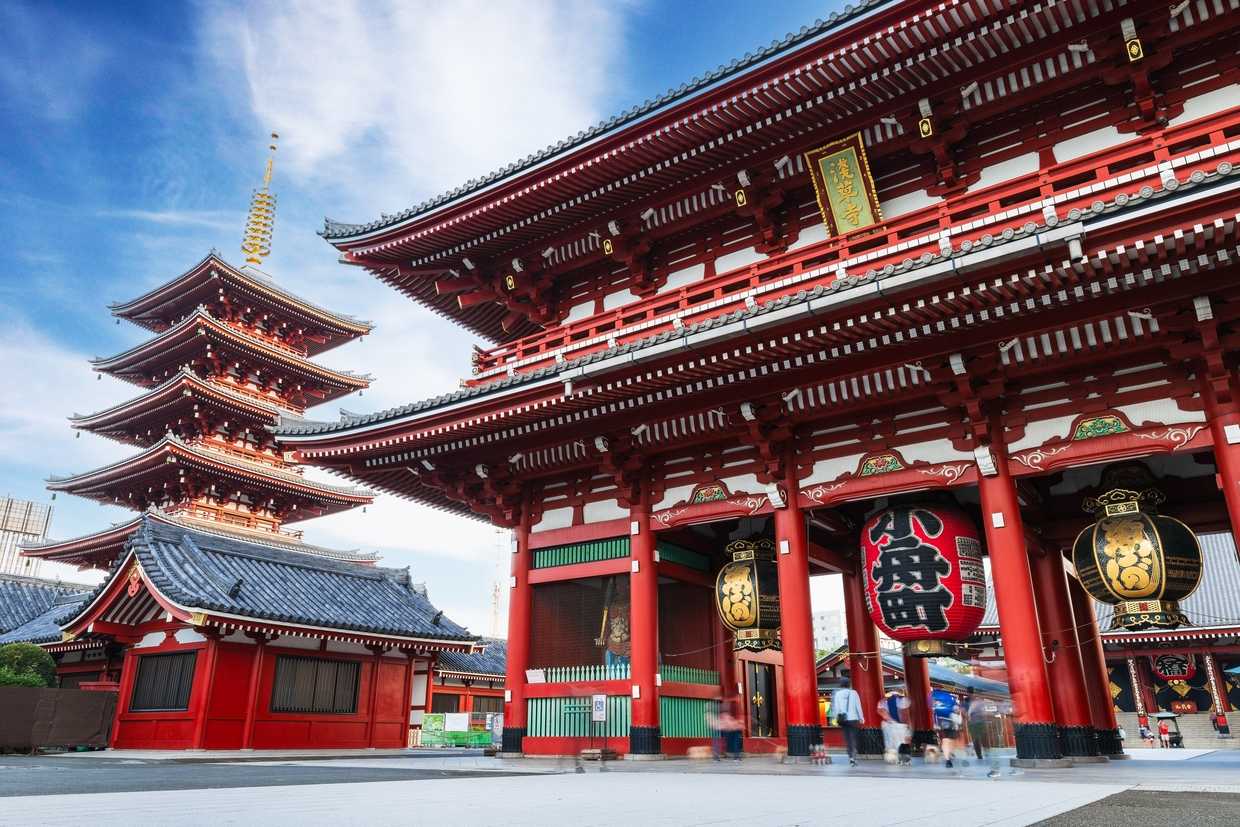
Past Nakamise-dori is Hozomon, the gate that opens onto Senso-ji's main hall. A pair of giant straw sandals (waraji) is dedicated here, said to ensure safe travels.

At the main hall, you'll see visitors fanning incense smoke onto themselves — the belief is that running the smoke over an ailing part of the body promotes healing. The five-story pagoda standing to the left of the main hall is another Asakusa icon.

Asakusa Shrine

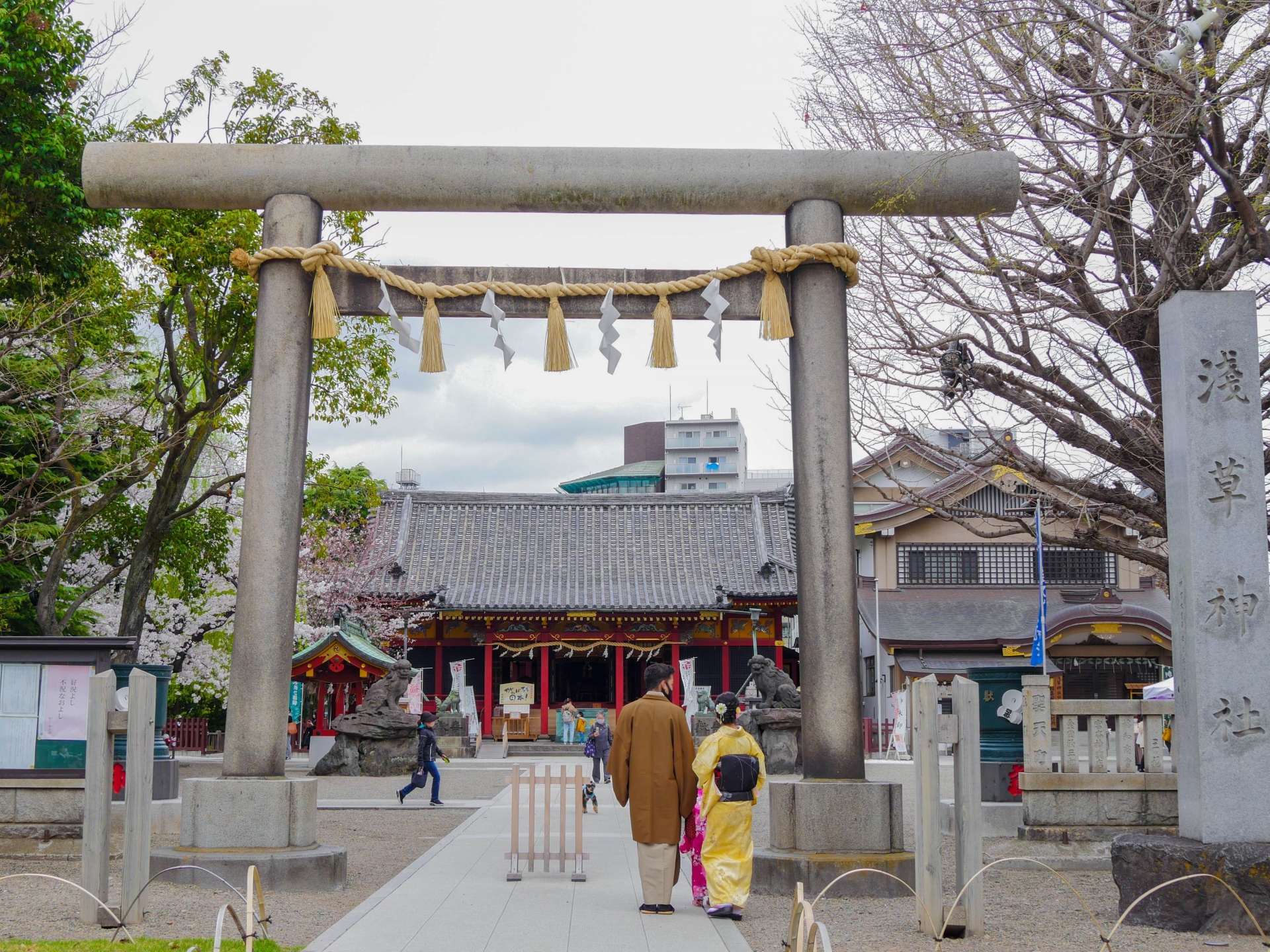
Asakusa Shrine on the temple grounds

Tucked into the northeast corner of the Senso-ji grounds, Asakusa Shrine is also called Sanja-sama. It's dedicated to the three figures connected to Senso-ji's founding: the Hinokuma brothers and Haji no Nakatomo. The shrine's annual Sanja Matsuri, held in mid-May, is one of Tokyo's biggest festivals — about 100 portable shrines (mikoshi) parade through the streets.

The main hall is a designated National Important Cultural Property, with intricate carvings and bright vermillion lacquer. The grounds also include a wedding hall, a kagura stage, and an area for dedicating ema (votive plaques) — a good chance to study traditional shrine architecture up close.

Nakamise-dori and Surrounding Streets

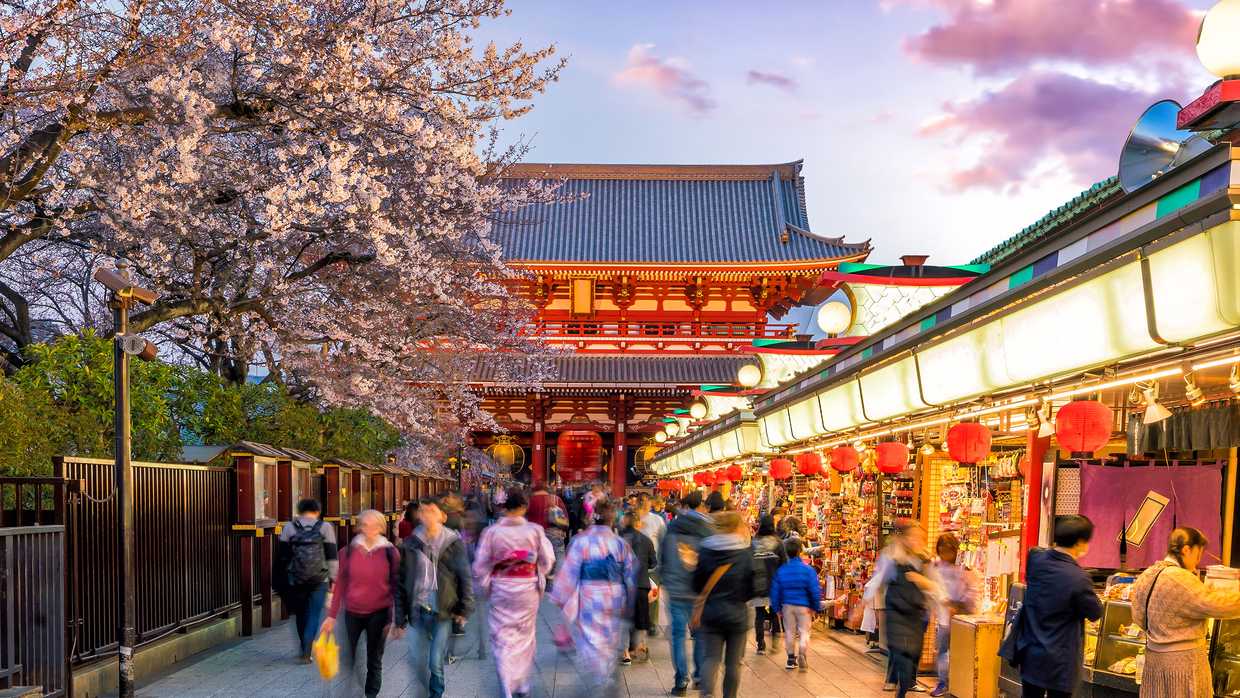
Nakamise-dori shopping street in Asakusa

Nakamise-dori is among the oldest shopping streets in Japan. It officially opened on December 27, 1885 — a date still commemorated as "Asakusa Nakamise Day."

The shops sell Asakusa specialties like ningyo-yaki (small cake-like sweets) and agemanju (deep-fried sweet buns), plus traditional crafts like Edo Kiriko cut glass and Edo wind chimes, as well as kimono and yukata.

Just off Nakamise-dori, side streets like Denboin-dori and Orange-dori have a more local feel. Denboin-dori in particular is lined with shops that locals actually use day to day, with fewer tourists and a more genuine downtown atmosphere.

Sumida Park and Tokyo Skytree

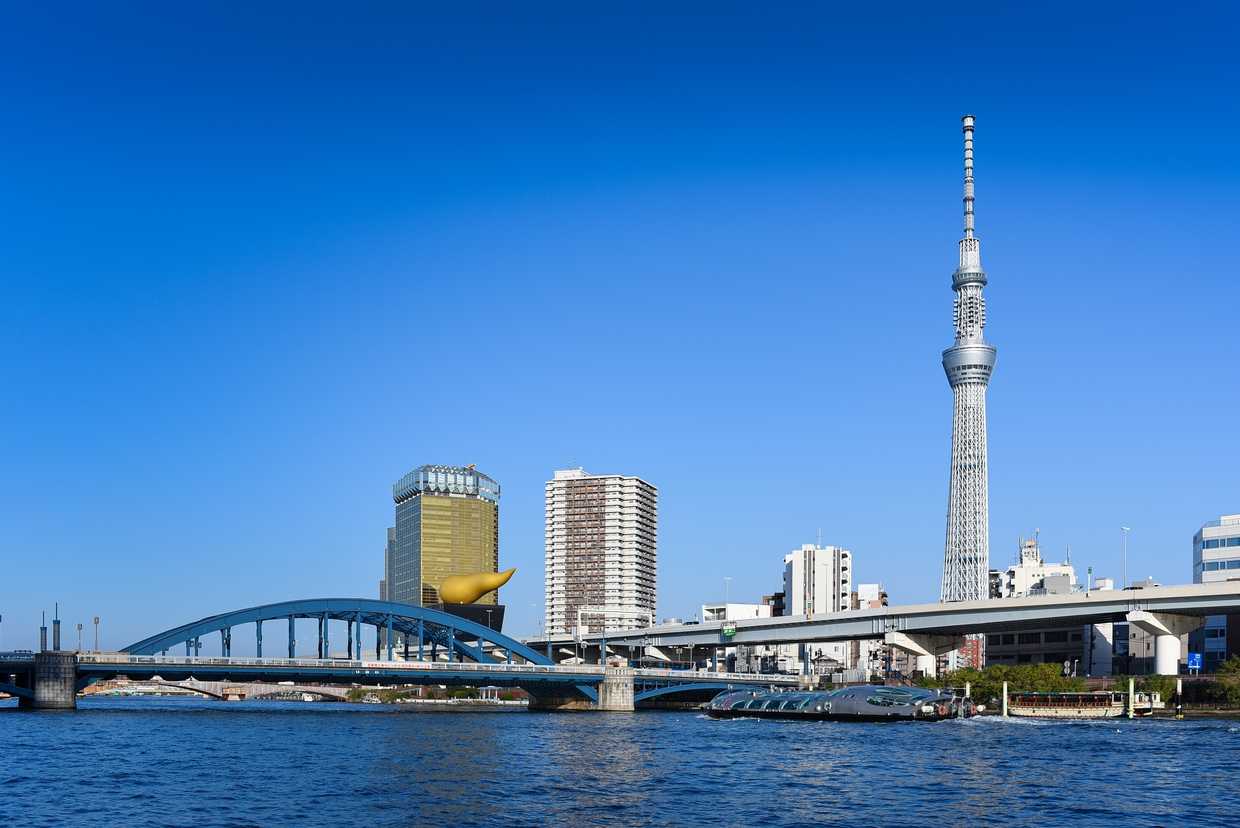
Tokyo Skytree viewed from across the Sumida River

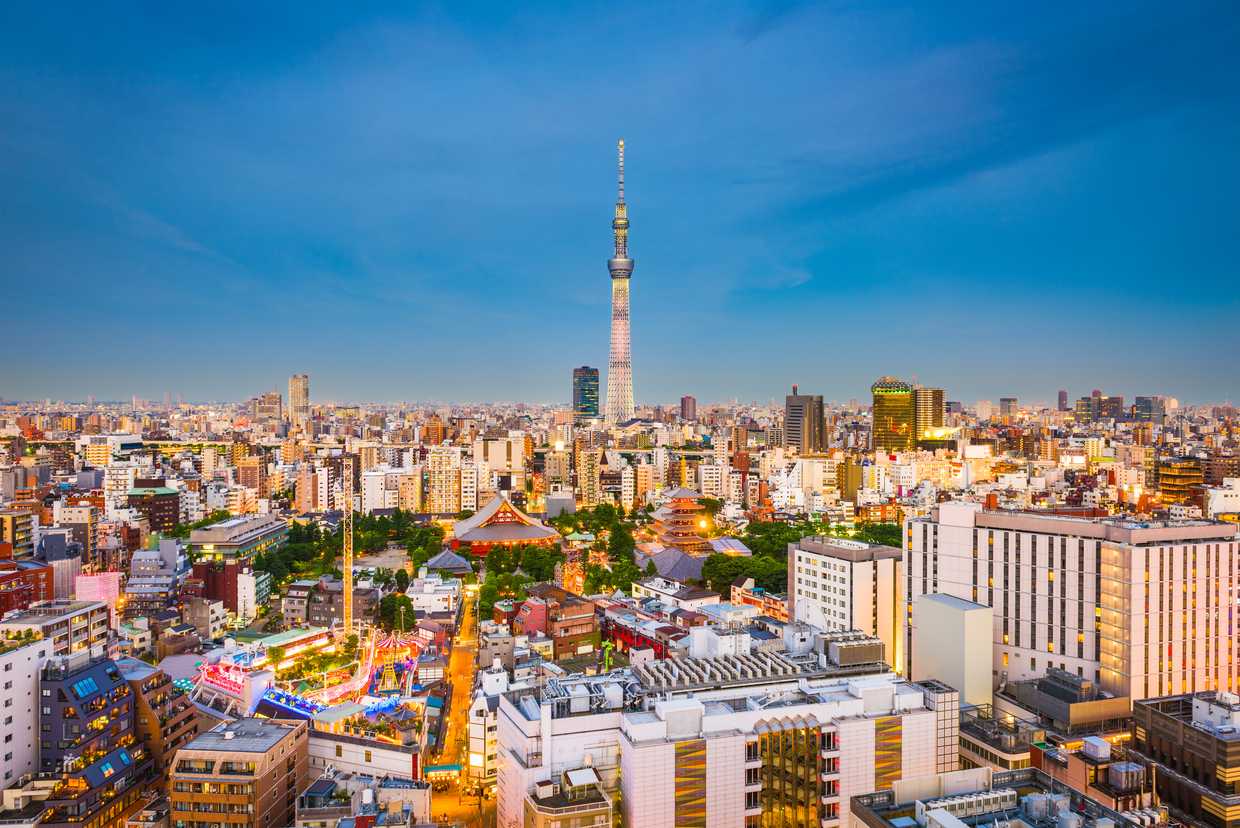
Across the Sumida River from Asakusa stands the 634-meter Tokyo Skytree, a free-standing broadcasting tower that has been a landmark of the area since it opened in 2012. Its observation decks deliver sweeping views of Tokyo, especially at night.

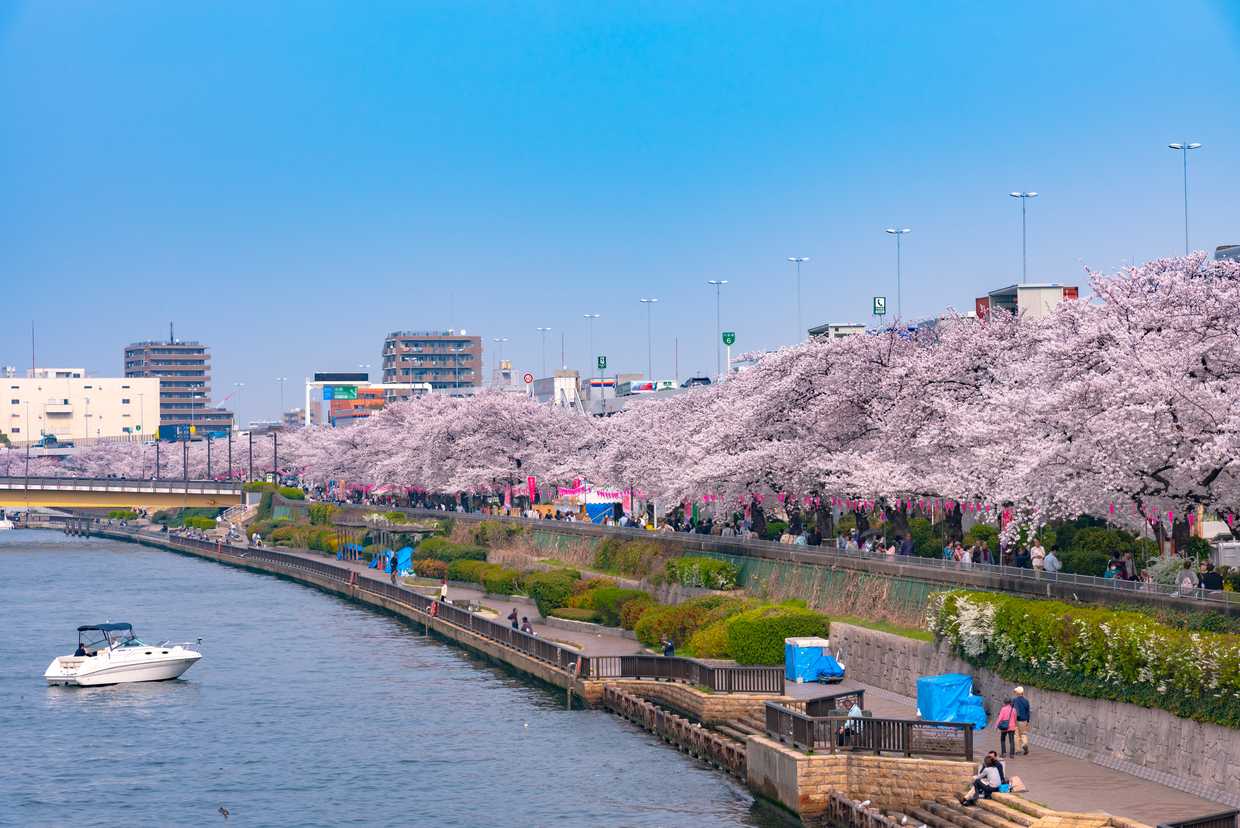
Sumida Park stretches along the riverbank between Asakusa and the Skytree. About 640 cherry trees line the park, making it a popular hanami spot in spring. The Sumida River Fireworks Festival in late July sends up about 20,000 fireworks — one of Tokyo's signature summer events.

The river itself hosts traditional yakatabune dinner boats and a public water bus that runs between Asakusa and Odaiba. A cruise at sunset is one of the more memorable ways to see the city's evening skyline.

Asakusa Hanayashiki

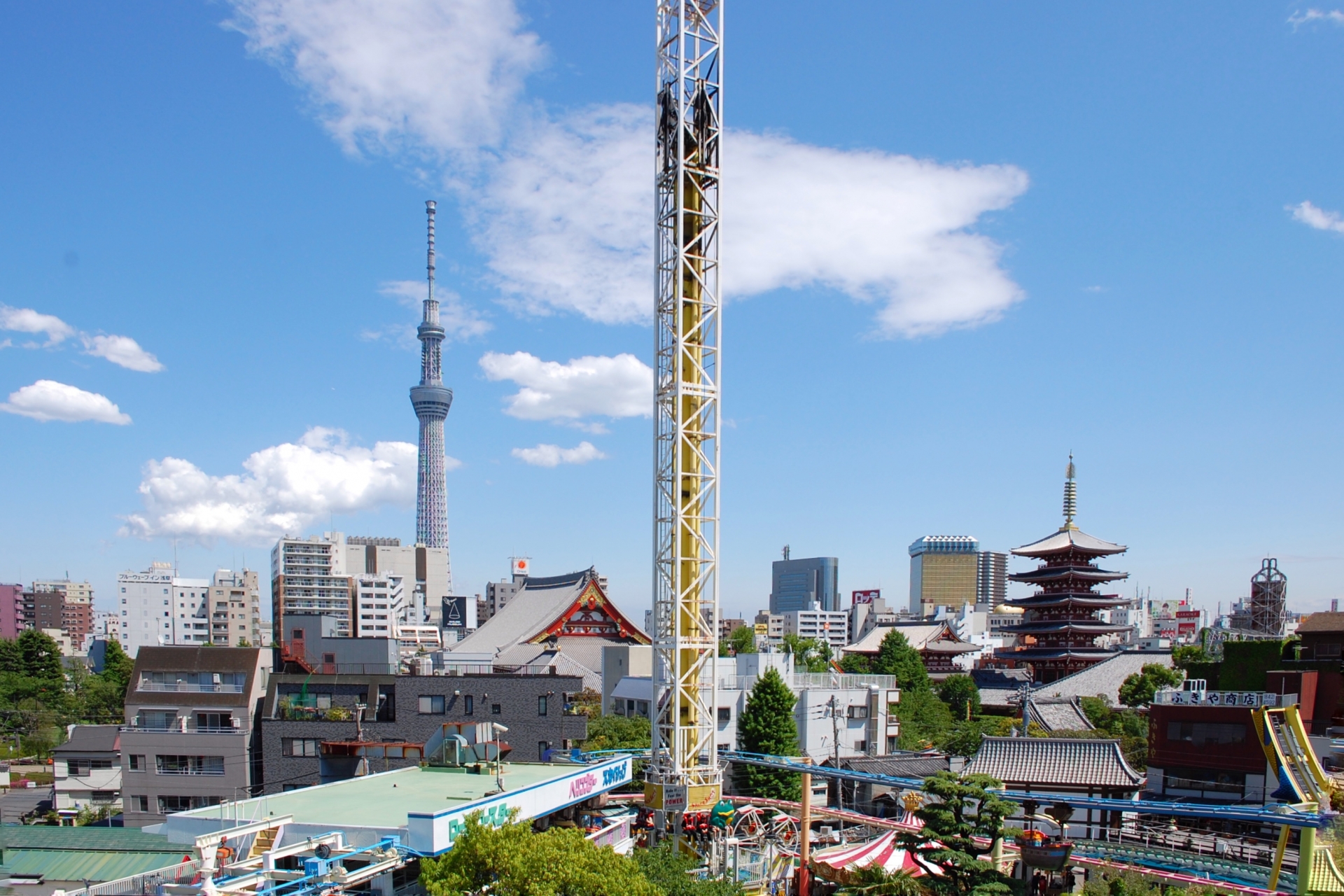
Asakusa Hanayashiki amusement park

Hanayashiki opened in 1853 and is the oldest amusement park in Japan. It's compact, but the retro design and old-school rides give you a feel for the Showa-era amusement parks of Japan's mid-20th century.

About 20 attractions are crammed into the park, including the country's oldest active wooden roller coaster, the "Space Shot," and a haunted house. Seasonal events run year-round, so there's almost always something happening.

Admission is reasonable: ¥1,200 for adults (13–64), ¥600 for children (5–12). Each ride is a separate fee (roughly ¥200 to ¥800 per ride).

Asakusa Food and Snacking

Asakusa Specialties and Long-Established Restaurants

Traditional Japanese dishes in Asakusa

Asakusa is full of long-running specialty restaurants.

Dozeu is a traditional local dish — loach simmered in a miso- or soy-based broth as a hot pot. Komagata Dozeu, founded in 1801, has been serving it the same way since the Edo period.

Eel (unagi) is another Asakusa specialty. Una-tetsu, next to Kamiya Bar, is a popular spot, as is Izuei, which has more than 200 years of history. The midsummer "Doyo no Ushi no Hi" tradition draws particularly big crowds.

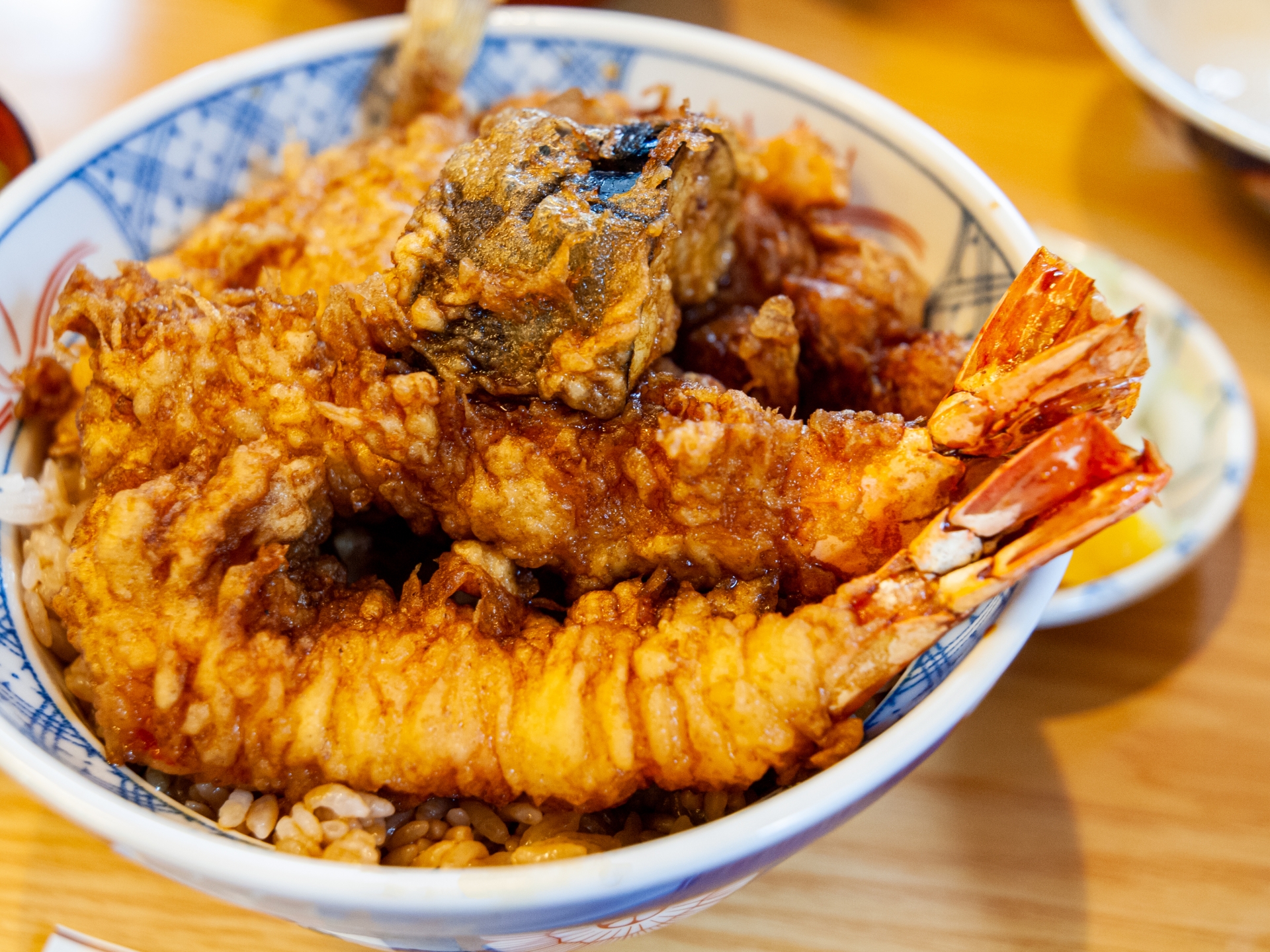
For tendon (tempura over rice), the Asakusa branch of Kanda Matsuya — founded in 1839 — serves crisp tempura with a house tare sauce in classic balance.

Asakusa Imahan, founded in 1895, is a long-running sukiyaki restaurant known for marbled beef in a sweet-savory sauce. It's high-end, but lunch can be relatively affordable.

Spots for Snacking on the Go

Asakusa snacks and food stalls

Asakusa is one of Tokyo's best snacking destinations. One thing to note: eating while walking is officially discouraged here for hygiene, litter, and crowding reasons. Eat in the shop's seating area or on a nearby bench.

Asakusa Mince Cutlet (Sekine)

Sekine on Nakamise-dori serves a famous menchi katsu — crispy on the outside, juicy in the middle.

Ningyo-yaki (Kimuraya)

Kimuraya, on the approach to Senso-ji, makes traditional ningyo-yaki — soft cakes with a lightly sweet bean filling.

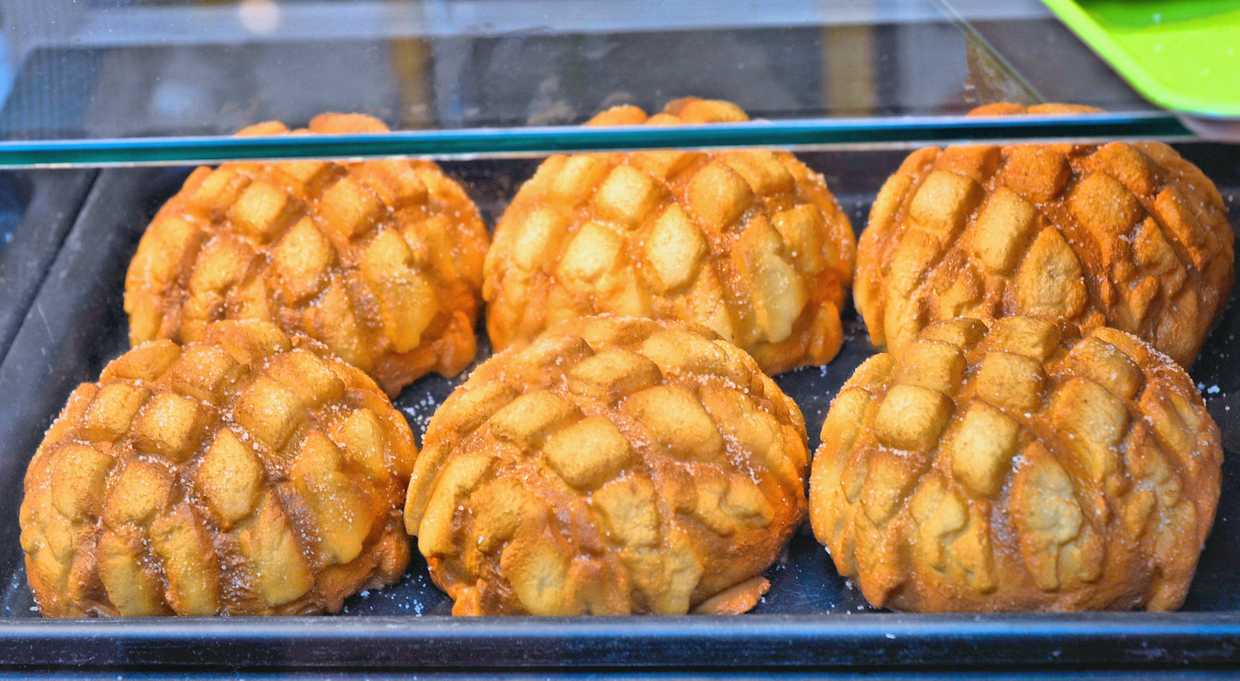
Jumbo Melon Bread (Kagetsudo)

Kagetsudo, founded in 1945, is credited with kicking off Japan's melon bread boom. The jumbo version is crisp on the outside, fluffy inside.

Strawberry Castella Skewer (Kikusuido)

Fresh strawberries wrapped in castella sponge cake and dipped in chocolate — a social-media favorite.

Takoyaki (Asakusa-tacotaco-koromo-bro)

Made to order — described as having a "three-minute shelf life" — these takoyaki are crisp outside and molten inside.

Eel Onigiri (Asakusa Unana)

Rice balls stuffed with domestic Japanese eel, served piping hot — a luxurious take on a simple snack.

Ice Monaka (Asakusa Chochin Monaka)

Ice cream sandwiched between thin monaka wafers — perfect for a hot day.

Cafés and Sweets

Café and sweets in Asakusa

Beyond traditional wagashi shops, Asakusa has plenty of modern cafés and dessert spots.

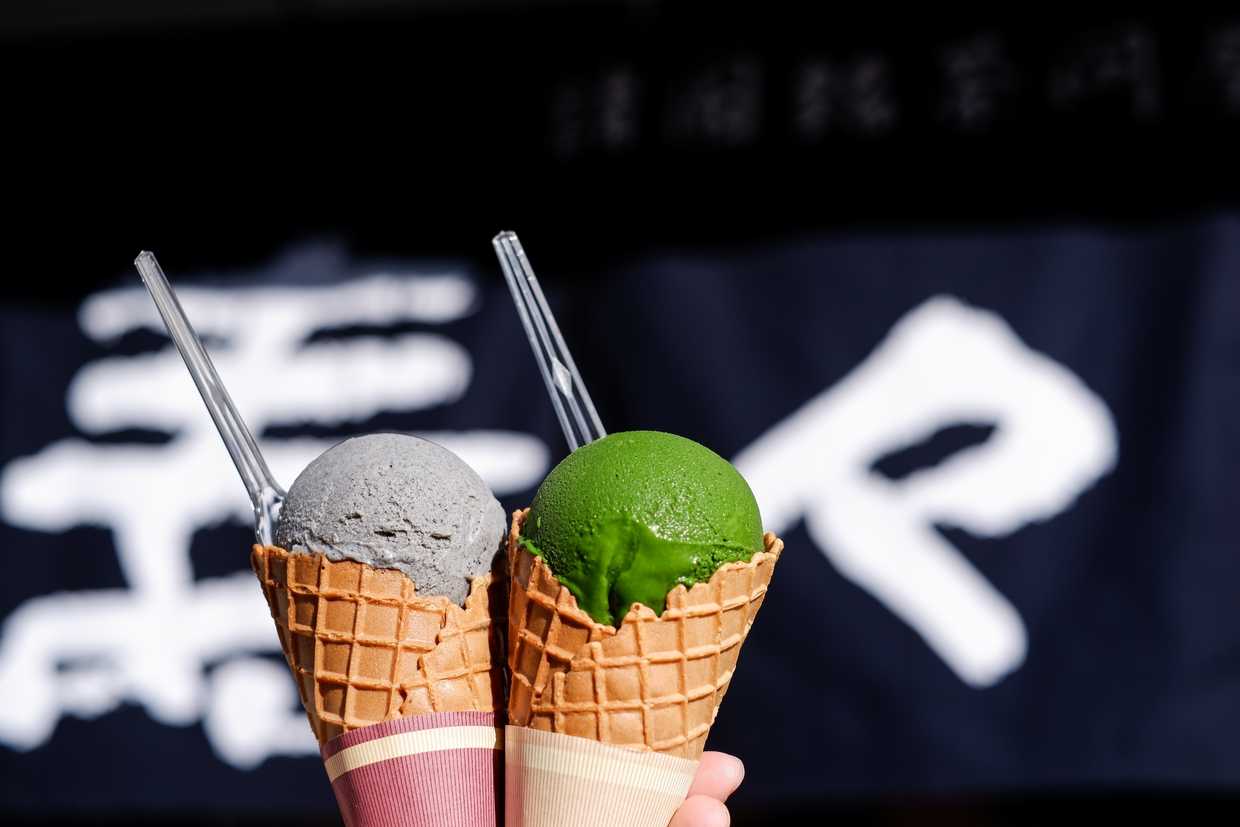
Suzukien Asakusa Honten, a tea shop founded in 1898, is famous for its matcha gelato available in seven intensity levels. The shop also serves a range of matcha desserts in a quiet, traditional setting.

RAAGSA, a hidden café about 5 minutes' walk from Senso-ji, serves Indian chai and original sweets in a space decorated with Indian goods.

Kinsuitei (Marugoto Nippon 3F) offers seasonal wagashi and matcha sets at window seats with full views of Tokyo Skytree. Especially nice from late afternoon into the evening.

Asakusa Silk Pudding is a pudding specialty shop with a famously silky texture. Plain, matcha, hojicha, and other flavors are available — popular as a gift, too.

Cultural Experiences

Cultural experiences in Asakusa

Kimono Rental and Strolling

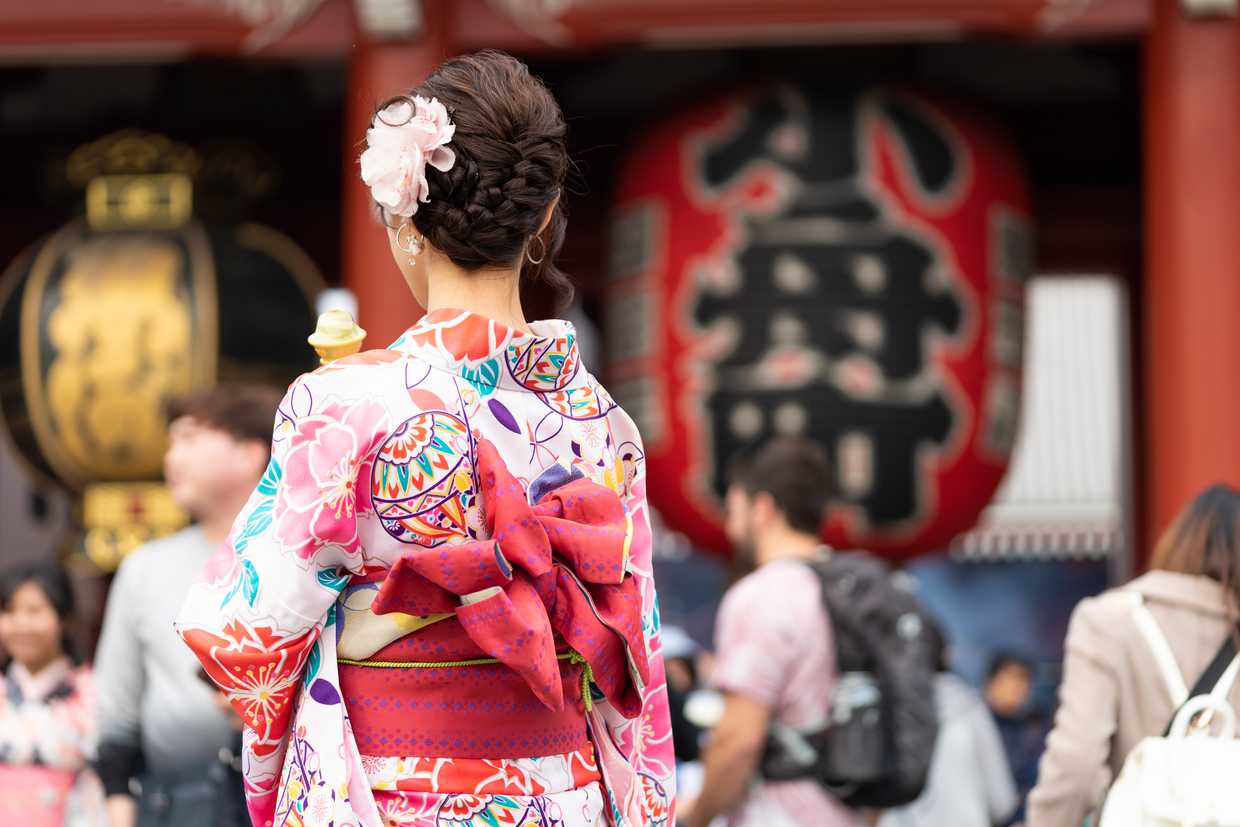
Asakusa has lots of kimono rental shops, and you'll often see international visitors strolling the streets in traditional dress. Walking through Asakusa's older alleys in a kimono really does feel like stepping into a period drama.

Hanayaka, 3 minutes from Senso-ji, stocks more than 500 kimono and yukata. Dressing and hair styling are included, and there's a popular package that combines the rental with a tea ceremony experience.

Hana no Wafuku has staff who speak English, Chinese, and Korean — well-suited to international visitors. You can show up empty-handed; everything you need can be rented on-site.
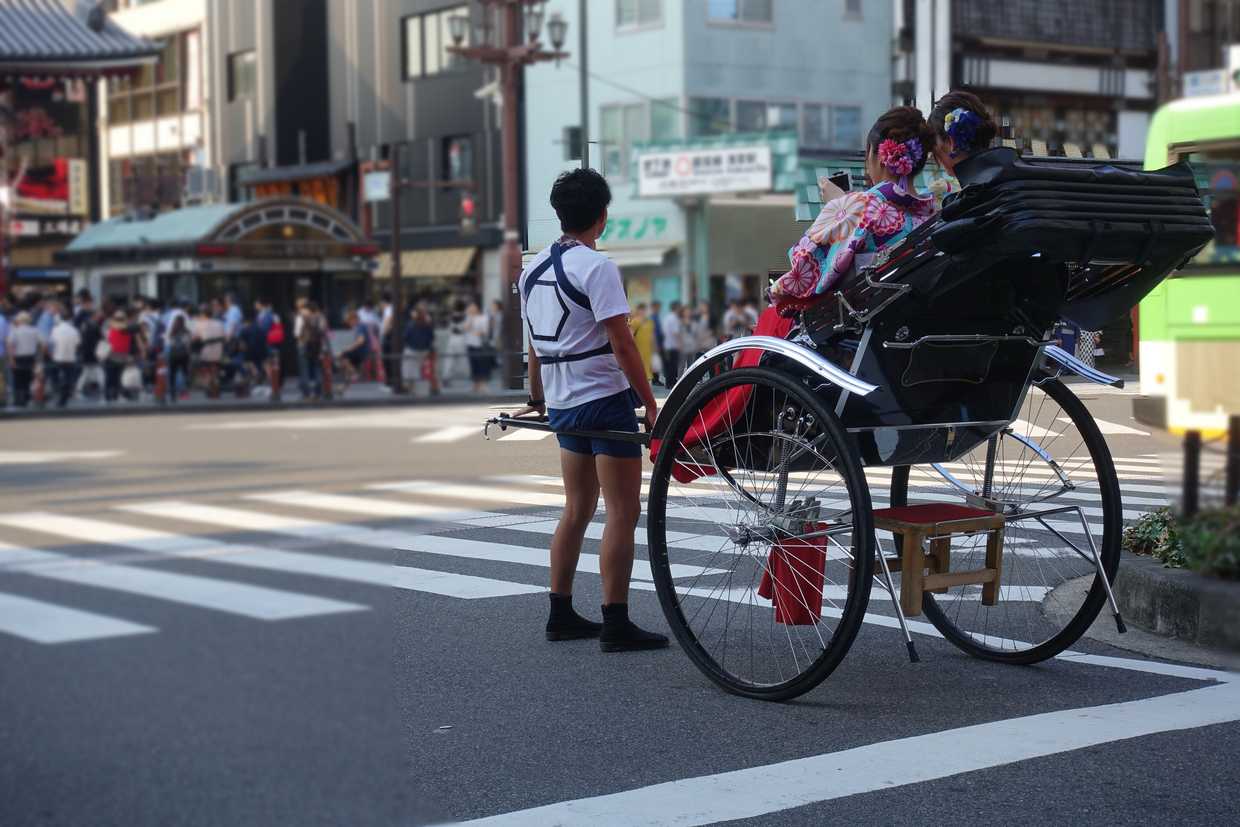
Jidaiya bundles kimono rental with other cultural experiences like rickshaw rides and samurai armor try-ons. The rickshaw drivers double as guides and know all the back streets and hidden corners of Asakusa.

Kimono rentals typically run from about ¥3,000 to ¥10,000, with rentals lasting half a day to a full day. Booking ahead is best, but many shops can also accommodate same-day rentals if there's availability.

Traditional Crafts

You can try various Japanese crafts in Asakusa.

Asakusa Japanese Cultural Experience Salon Ouei hosts workshops in mizuhiki (decorative cord knotting) and kumihimo (traditional braiding). Many programs run as short as 30 minutes — easy to slot in mid-trip.

Jidaiya Japanese Cultural Experience offers wagashi-making, tea ceremony, and folding-fan painting, among other programs. English-speaking staff are on hand, so international visitors can join with confidence.

The Food Sample Workshop Café lets you try making the eerily realistic plastic food samples found in restaurant windows across Japan. The result makes a one-of-a-kind souvenir.

Performing Arts and Cultural Venues

Asakusa is also a good place to dip into traditional performing arts.

Asakusa Engei Hall stages traditional rakugo (comic storytelling) and manzai (comedic dialogue) performances twice daily, both afternoon and evening. Some programs include English explanations, so the language barrier doesn't have to be an issue.

The Edo-Tokyo Museum, near Ryogoku Station one stop from Asakusa, traces Tokyo's history from the Edo period to the present. The full-scale recreations of Edo-era streets are particularly impressive.

Asakusa Culture Tourist Information Center serves as both an information desk and an observation platform. The 8th-floor deck has views over Senso-ji and Tokyo Skytree. Multilingual staff are on hand, and free maps and materials are available in several languages.

Seasonal Events

Spring (March – May)

Cherry blossoms in Sumida Park

Sumida Park Sakura Matsuri (late March to early April)

The cherry blossom festival lights up the 640 trees of Sumida Park, with food stalls and crowds of hanami-goers. The contrast between the trees and Tokyo Skytree makes for some of the area's best photos.

Asakusa Yabusame (mid-April)

This traditional mounted archery event takes place at Sumida Park each April. Riders in elaborate costumes gallop down a course while shooting at targets — a rare chance to see classical Japanese horseback archery up close.

Sanja Matsuri (third Friday, Saturday, and Sunday of May)

Asakusa Shrine's grand festival is the area's biggest event of the year, running three days from the third Friday in May. About 100 mikoshi parade through the streets; the Saturday morning miyade procession and Sunday's main shrine procession both draw enormous crowds. The aggressive shaking and bouncing of the mikoshi during the "momiai" is genuinely overwhelming.

Summer (June – August)

Sumida River Fireworks Festival

Hozuki-ichi (July 9 – 10)

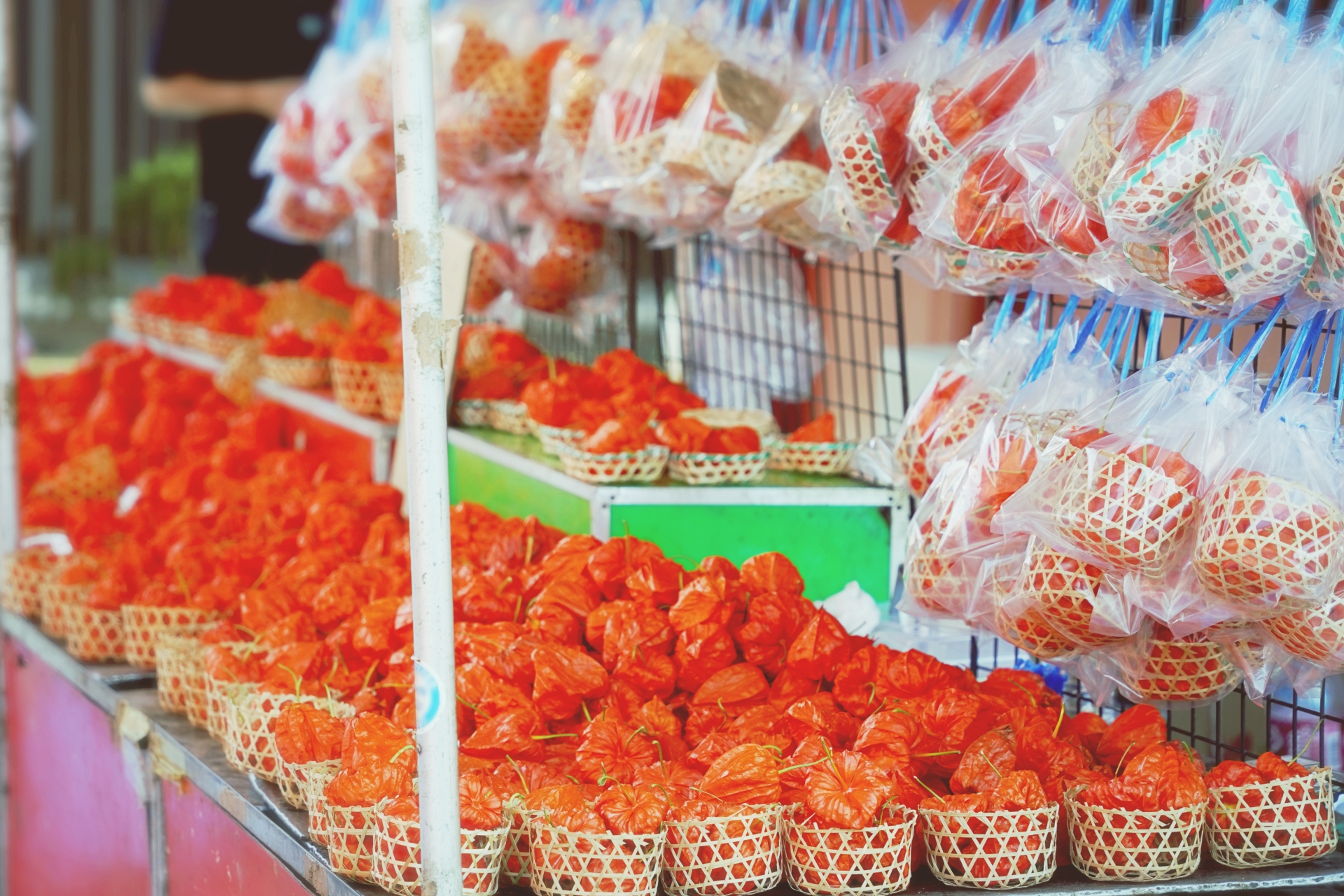
About 200 stalls selling potted Chinese lantern plants (hozuki) and summer goods fill the Senso-ji grounds. After dark, the bright orange fruits glow against the temple walls — an atmospheric scene.

Sumida River Fireworks Festival (last Saturday in July)

This fireworks festival traces back to the Edo period. About 20,000 fireworks light up the sky between Ryogoku Bridge and Kototoi Bridge — a defining Tokyo summer event. Spectators in yukata complete the picture.

Asakusa Samba Carnival (last Saturday in August)

A Brazilian-style carnival parade takes over the streets of Asakusa for one Saturday in late August. The dancers' costumes, choreography, and energy make it feel like a Latin American festival has parachuted into central Tokyo.

Autumn (September – November)

Autumn festival in Asakusa

Asakusa Geisha Kabuki (September)

Asakusa's geisha perform kabuki productions in September. It's an accessible window into traditional Japanese performing arts — a longtime favorite of international visitors.
Tori-no-Ichi (Days of the Rooster in November)

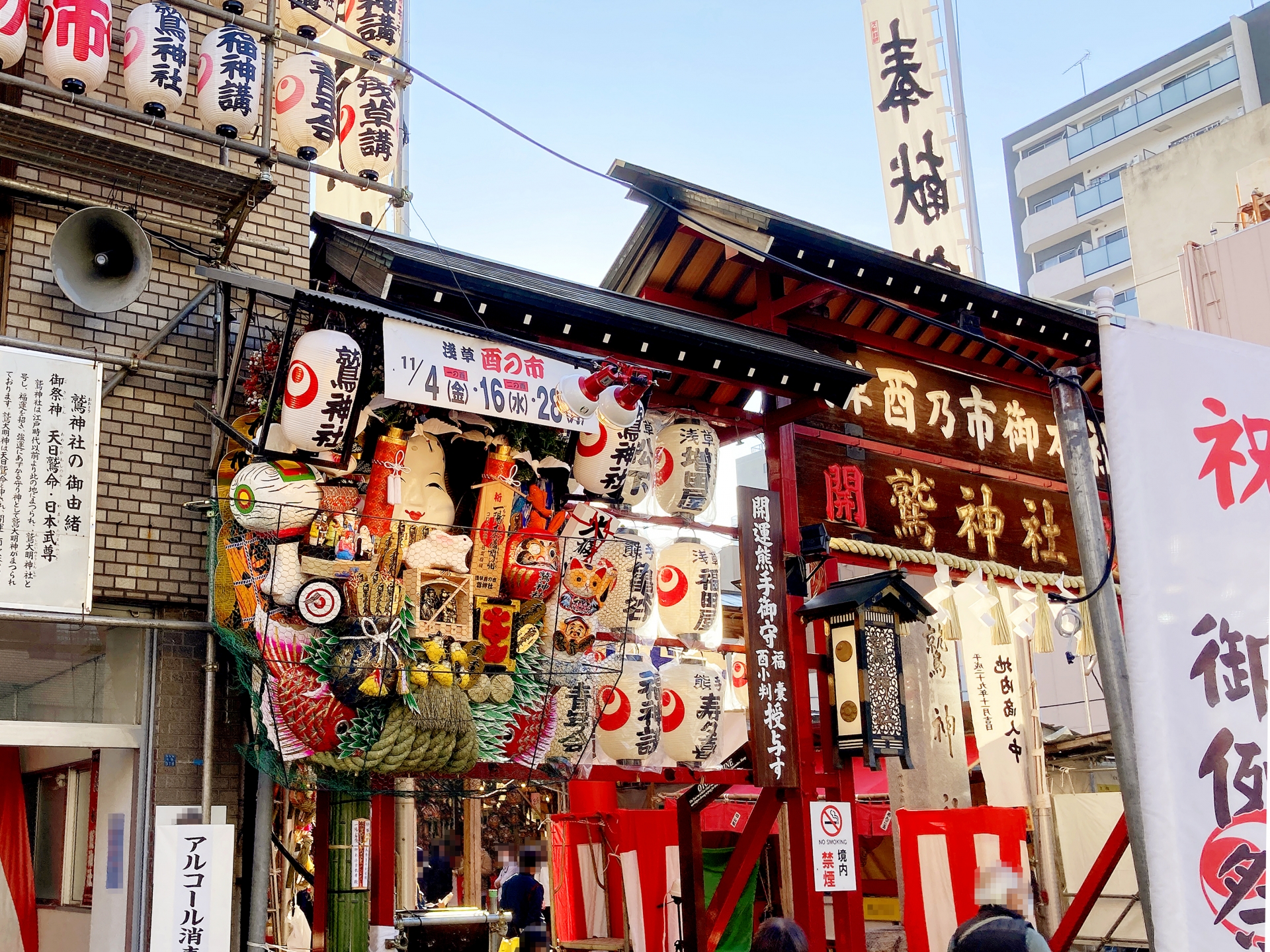
Tori-no-Ichi is a market held on each "rooster day" in November to pray for business prosperity. Otori Shrine and the surrounding streets host the festivities, with crowds buying decorative kumade rakes for good luck. Tradition holds that buying a slightly larger kumade than the previous year strengthens your fortune.

Sumida River Seven Lucky Gods Pilgrimage (November)

The pilgrimage links seven shrines and temples around Asakusa, with prayers for health and good fortune. Each site offers its own goshuin (stamp seal) and small commemorative items — a way to engage with traditional folk belief.

Winter (December – February)

Asakusa winter event

Toshi-no-Ichi and Hagoita-Ichi (December 17 – 19)

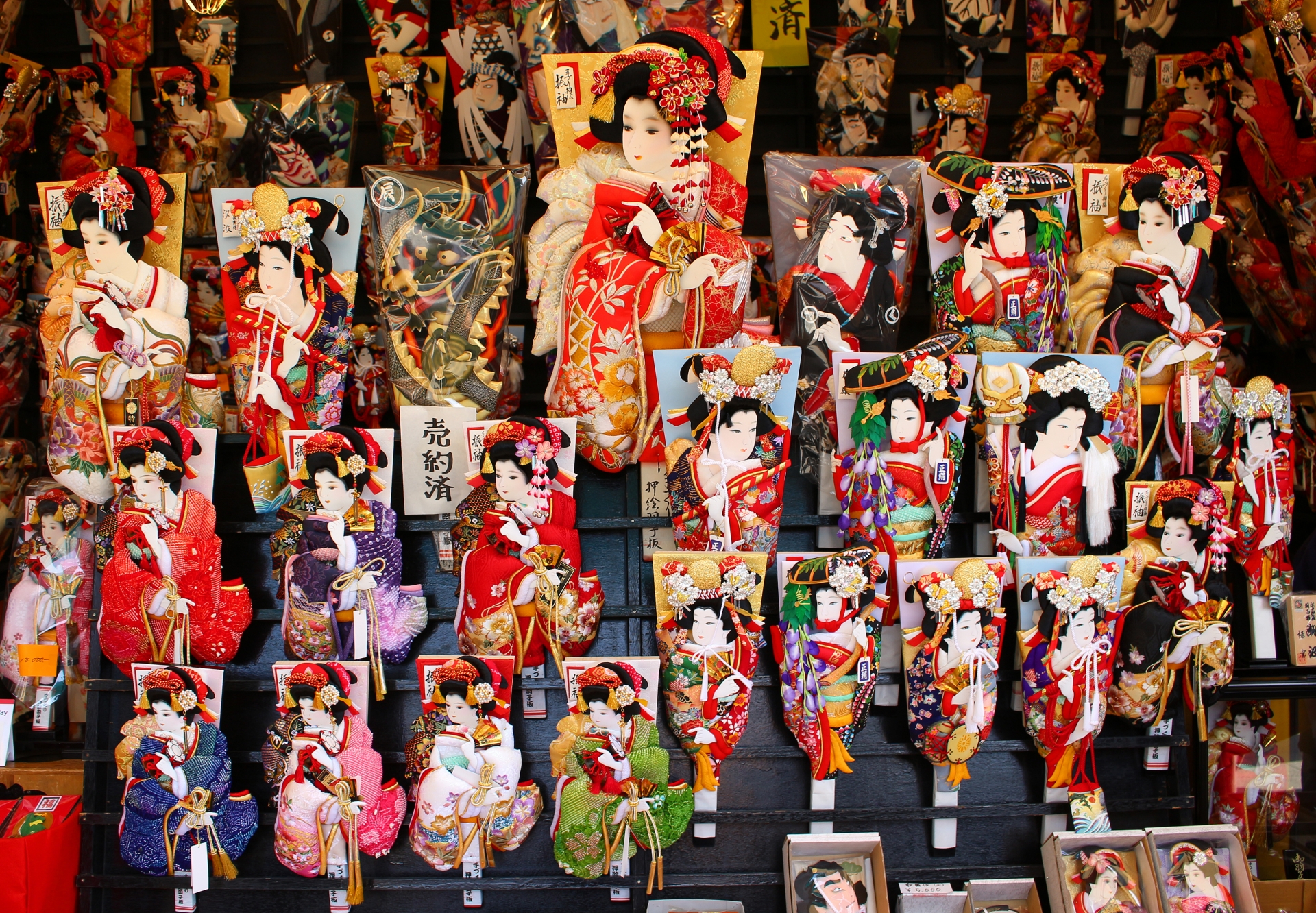
This three-day market on the Senso-ji grounds sells decorative hagoita (paddles) and New Year's ornaments. The most ornate hagoita are bought as good-luck charms, ward against evil, or as gifts to wish for a young girl's healthy growth.

Senso-ji New Year's Bell (December 31)

On New Year's Eve, the Senso-ji bell rings 108 times to symbolically dispel the 108 worldly desires before the new year begins. The line is long, but ordinary visitors can ring the bell themselves — an unusual experience.

Senso-ji Hatsumode (January 1 – 3)

Senso-ji is one of Tokyo's biggest hatsumode (first shrine visit of the year) destinations, drawing more than 3 million visitors over the first three days of the year. The approach gets very crowded, but it's a direct way to experience Japan's most significant New Year tradition. In the early hours of January 1, traditional hozuki lanterns light the area.

Getting to Asakusa

Access From Major Stations

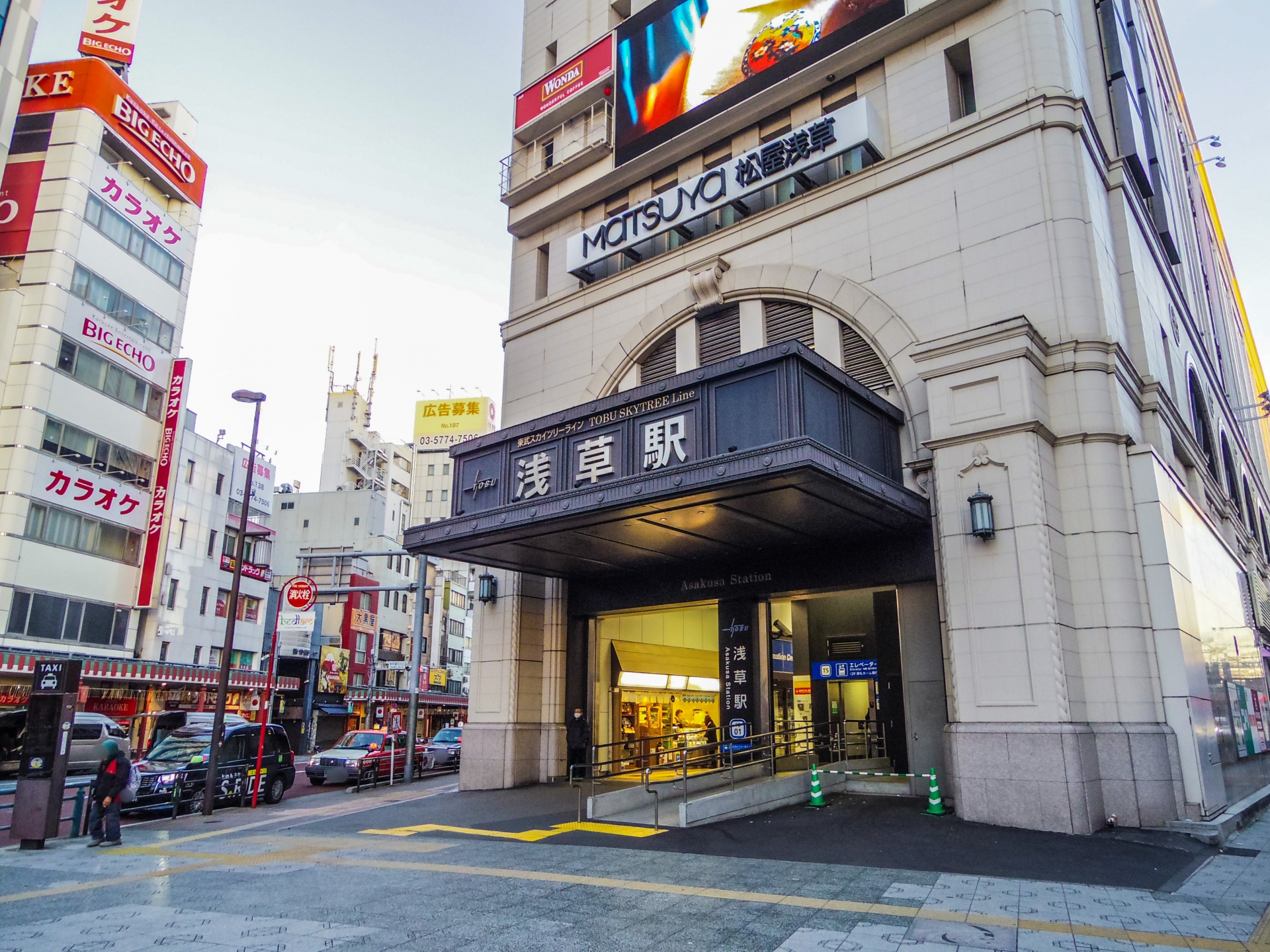
Asakusa station and transportation

From Narita Airport

  • Keisei Skyliner: Narita Airport → Nippori Station (about 40 min) → transfer to Tokyo Metro Ginza/Hibiya Line or Tsukuba Express → Asakusa Station (about 10 min)
  • Narita Express: Narita Airport → Tokyo Station (about 55 min) → transfer to Tokyo Metro Ginza Line → Asakusa Station (about 20 min)

From Haneda Airport

  • Keikyu Line / Toei Asakusa Line: Haneda Airport → through service to Toei Asakusa Line → Asakusa Station (about 40 min)
  • Limousine Bus: Haneda Airport → Asakusa View Hotel (about 30 – 50 min depending on traffic)

From Tokyo Station

  • Tokyo Metro Ginza Line: Tokyo Station → Ueno Station → Asakusa Station (about 20 min)
  • JR + Toei Subway: Tokyo Station → JR Yamanote Line → Ueno Station → transfer to Ginza Line → Asakusa Station (about 25 min)

From Shinjuku Station

  • Tokyo Metro: Shinjuku Station → Tokyo Metro Fukutoshin Line → Oshiage Station → transfer to Toei Asakusa Line → Asakusa Station (about 30 min)
  • JR + Tokyo Metro: Shinjuku Station → JR Yamanote Line → Ueno Station → transfer to Ginza Line → Asakusa Station (about 35 min)

Getting Around Asakusa

Rickshaw in Asakusa

Asakusa is fairly compact, so most visitors get around on foot. For broader exploration, a few options are worth considering.

Toei Bus and Metro Link Asakusa: bus services connect Asakusa to Ueno and Tokyo Skytree. Fare is ¥220 per ride; IC cards (Suica, PASMO) work too. Useful for longer hops between sights.

Rickshaw: traditional rickshaws still operate in Asakusa. The drivers double as guides, taking you down side streets you wouldn't otherwise find. Rates start around ¥8,000 for 30 minutes and ¥12,000 for 60 minutes. Photo-friendly and uniquely memorable.

Water Bus: the Sumida River water bus connects Asakusa with Hinode Pier (Hamamatsucho), Odaiba, and Kasai Rinkai Park. Cruising in instead of taking the train is part of the appeal. The Asakusa-to-Odaiba one-way fare is ¥1,720 for adults.

Rental Bicycle: rental services around Asakusa let you cover more ground. Daily rates run around ¥1,000 — handy for combining Asakusa with Ueno Park, Yanaka, and Nezu.

Sightseeing Taxi: tour taxis with multilingual drivers are also available. Most require advance booking, but they're efficient if you don't want to deal with public transit. Two-hour packages start around ¥15,000.

Where to Stay

Hotel near Asakusa

Hotel Options Around Asakusa

Asakusa offers a wide range of accommodations to fit different budgets and styles.

Luxury Hotels

Asakusa View Hotel sits right beside Senso-ji, with upper floors offering full views of the temple and Tokyo Skytree. Restaurants and bars on-site make it a comfortable home base.

The Gate Hotel Kaminarimon by HULIC has one of the best locations in Asakusa, just steps from Kaminarimon. Modern rooms and a rooftop terrace with views over the area's rooftops.

Mid-Range Hotels

Richmond Hotel Asakusa, 3 minutes' walk from Asakusa Station, is a clean, functional business hotel. The breakfast buffet has a good reputation. Rates from about ¥12,000 per night.

Hotel MyStays Asakusa, 7 minutes' walk from Senso-ji, has compact but well-equipped rooms. Some have kitchenettes, making them workable for longer stays.

Guesthouses and Hostels

BUNKA HOSTEL TOKYO is a design hostel that doubles as a culture experience: the ground floor is a sake bar. Both dormitory-style and private rooms are available.

Nagisa Hostel Asakusa, 10 minutes from Senso-ji, is a women-only hostel known for safety, cleanliness, and attentive female staff.

Ryokan and Apartment-Style Stays

Asakusa Shigetsu Ryokan has been operating for over 100 years, with traditional Japanese rooms and a communal bath. A favorite among international visitors who want to experience a real ryokan stay.

MIMARU Tokyo Asakusa STATION offers apartment-style rooms aimed at families and groups, with kitchens, washers, and other features that work well for longer stays.

Booking Tips

Asakusa hotels are popular and fill up quickly. Booking 2 to 3 months ahead is recommended for high seasons: cherry blossom season (late March to early April), Golden Week (late April to early May), summer holidays (late July to August), the autumn foliage season (November), and the New Year period (late December to early January).

Demand also spikes around Sanja Matsuri (May) and the Sumida River Fireworks Festival (late July). Reserve early for those weekends.

If budget is a priority, weeknight stays and off-peak dates can bring rates down significantly. Comparing multiple booking platforms can also surface meaningful price differences for the same hotel.

Planning Your Asakusa Visit

One-Day Asakusa Itinerary

Morning

  • 9:00 — Arrive at Tokyo Metro Asakusa Station
  • 9:15 — Walk through Kaminarimon and Nakamise-dori to Senso-ji
  • 10:00 — Visit the main hall of Senso-ji and the five-story pagoda
  • 10:30 — Visit Asakusa Shrine
  • 11:00 — Take in views from the Asakusa Culture Tourist Information Center observation deck
  • 11:30 — Shop along Denboin-dori

Lunch

  • 12:30 — Tendon or unagi at one of the long-running specialty restaurants

Afternoon

  • 14:00 — Rent a kimono or take a rickshaw tour
  • 16:00 — Try the retro rides at Asakusa Hanayashiki
  • 17:30 — Walk through Sumida Park with views of Tokyo Skytree

Evening and Night

  • 18:30 — Dinner at a local izakaya or along Hoppy-dori for the local atmosphere
  • 20:00 — See Senso-ji lit up at night
  • 21:00 — Head back

Tips for International Visitors

Language support

Asakusa is well-equipped for international visitors, with English signage at the major sights. The Asakusa Culture Tourist Information Center has multilingual staff and free multilingual maps. The Tourist Information Desk Asakusa, opened in August 2023, provides additional support specifically for international travelers.

Wi-Fi

Free Wi-Fi is available around Senso-ji and at the Asakusa Culture Tourist Information Center. Apps like "JAPAN CONNECTED-FREE Wi-Fi" and "Free Wi-Fi & TOKYO" are useful to download. Renting a pocket Wi-Fi or buying a SIM card for your stay is also a good option.

Payments

Most shops accept credit cards, but some smaller restaurants and food stalls remain cash-only. Carry some Japanese yen just in case. Mobile and QR-code payments have grown, but the services available to overseas visitors are still limited.

Manners and cultural differences

Eating while walking is officially discouraged in Asakusa. Buy what you want, then eat at the shop's seating or a nearby bench. At Senso-ji and Asakusa Shrine, keep voices down, and be considerate of other worshippers when taking photos.

Beating the crowds

Asakusa is busy on weekdays, but truly packed on weekends and holidays. Visiting around 8:00 a.m. tends to be much quieter — you can take your time. Public restrooms near Senso-ji also get busy; the bathrooms at convenience stores or department stores can be a useful alternative.

Summary

Asakusa packs 1,400 years of history into a compact downtown Tokyo neighborhood, where Japanese tradition and the modern city overlap seamlessly. Around the anchor of Kaminarimon and Senso-ji, you've got Nakamise-dori shopping, an enormous range of street snacks, year-round festivals, and hands-on cultural experiences.

While you're there, do more than tick off the famous spots. Walk the area in a kimono. Try a traditional craft. Catch a seasonal event. And visit Senso-ji at different hours — quiet early-morning visits and dusk along the Sumida River both reveal a different Asakusa than the daytime crowds will.

関連記事

おすすめ記事