Kameido Tenjin Shrine | Beautiful Gardens and Historic Architecture - GTN MAGAZINE
日本語
日本語
English

Kameido Tenjin Shrine | Beautiful Gardens and Historic Architecture

Located quietly in Tokyo’s old downtown area, Kameido Tenjin Shrine is dedicated to Sugawara no Michizane. Close to Tokyo Skytree, this charming shrine is known for its beautiful gardens and historic architecture. With seasonal flowers, unique traditional events, and a chance to experience Japanese culture, it has become a popular spot among international visitors.

Known since the Edo period as Tokyo’s best spot for wisteria, Kameido Tenjin Shrine is also famous for its atmospheric scenery of arched bridges and a pond, which has even been depicted in ukiyo-e woodblock prints. In this article, we’ll introduce the appeal of this shrine, from its history and highlights to access information.

 

Kameido Tenjin Shrine

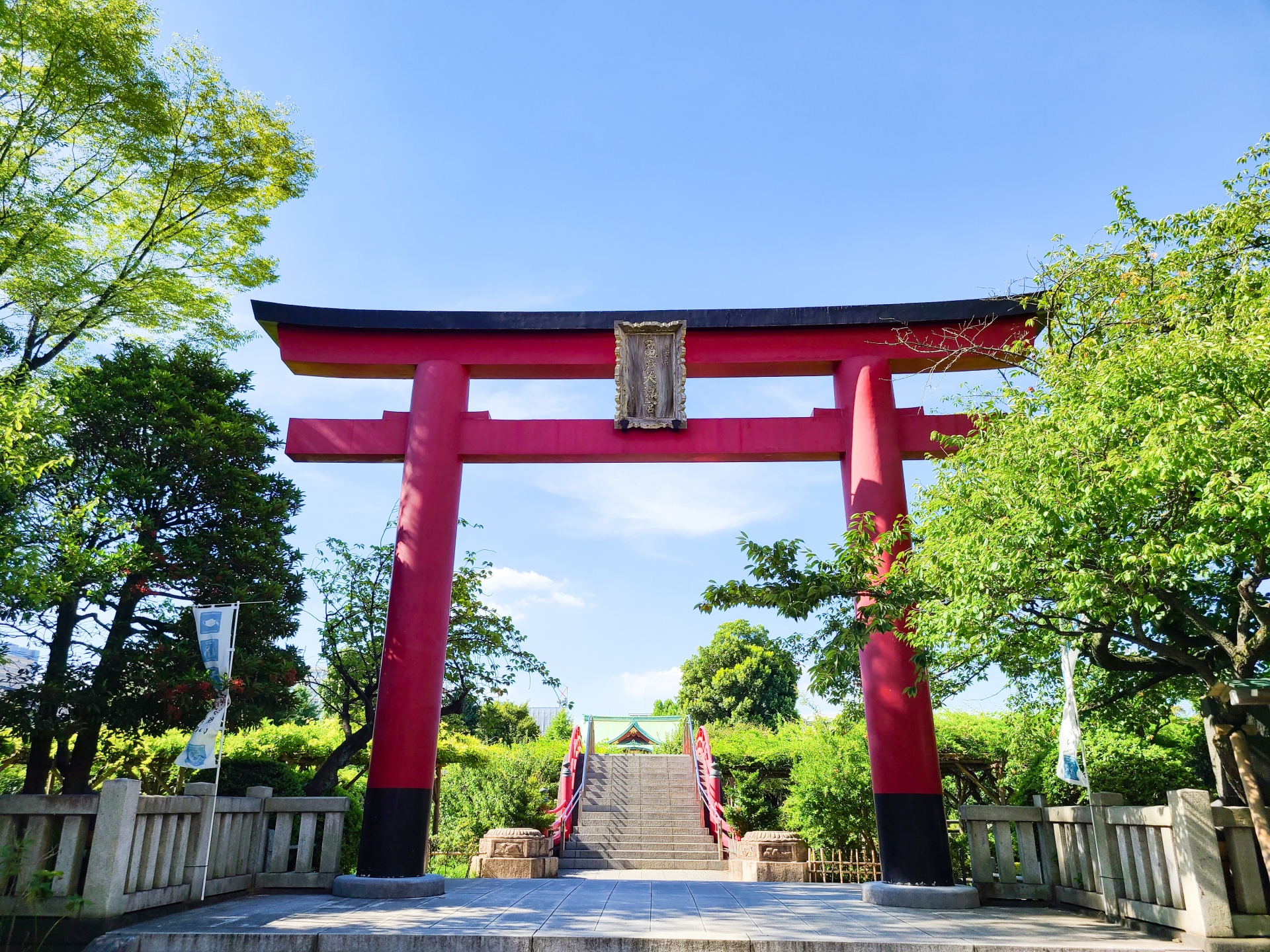
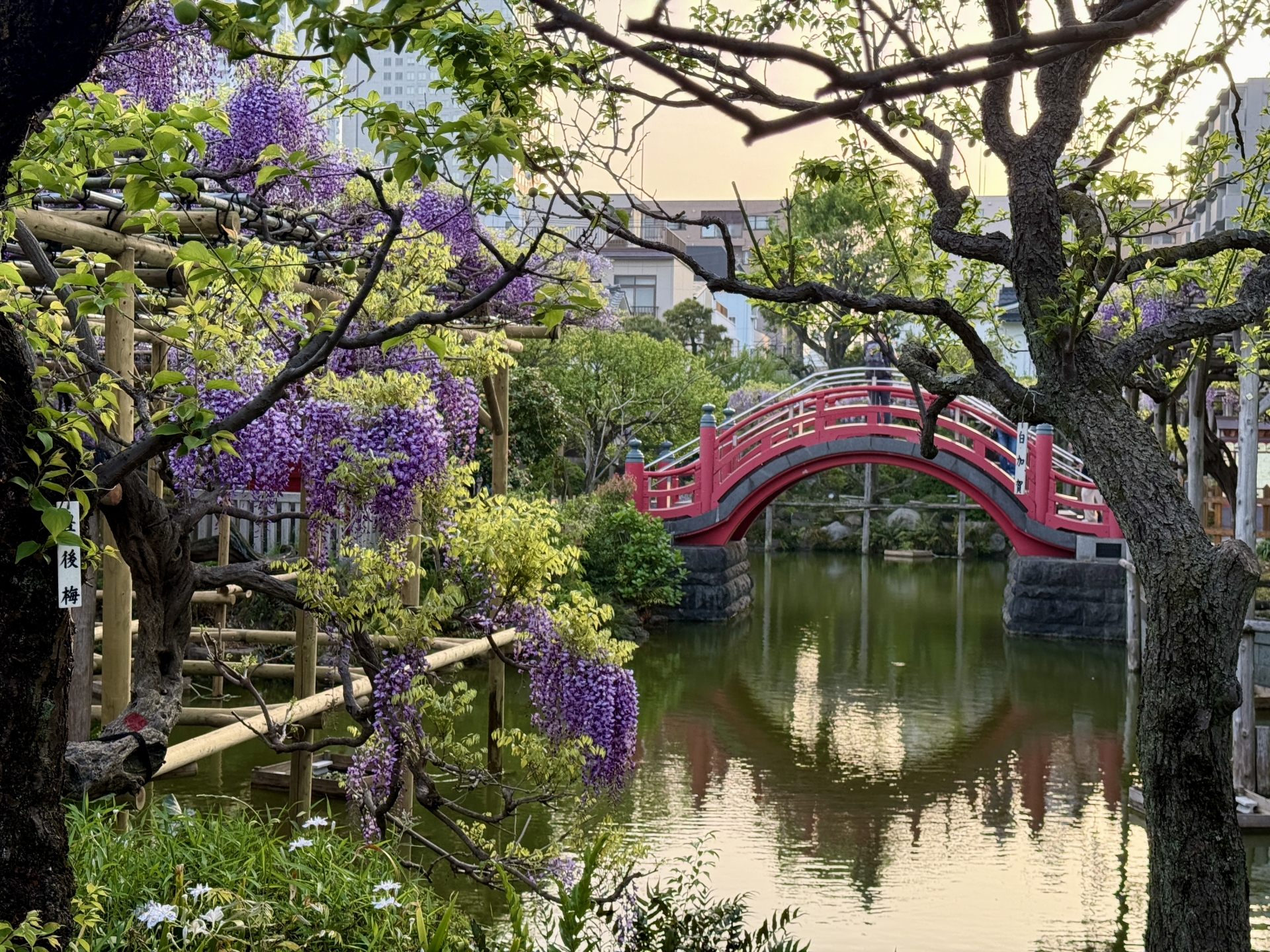
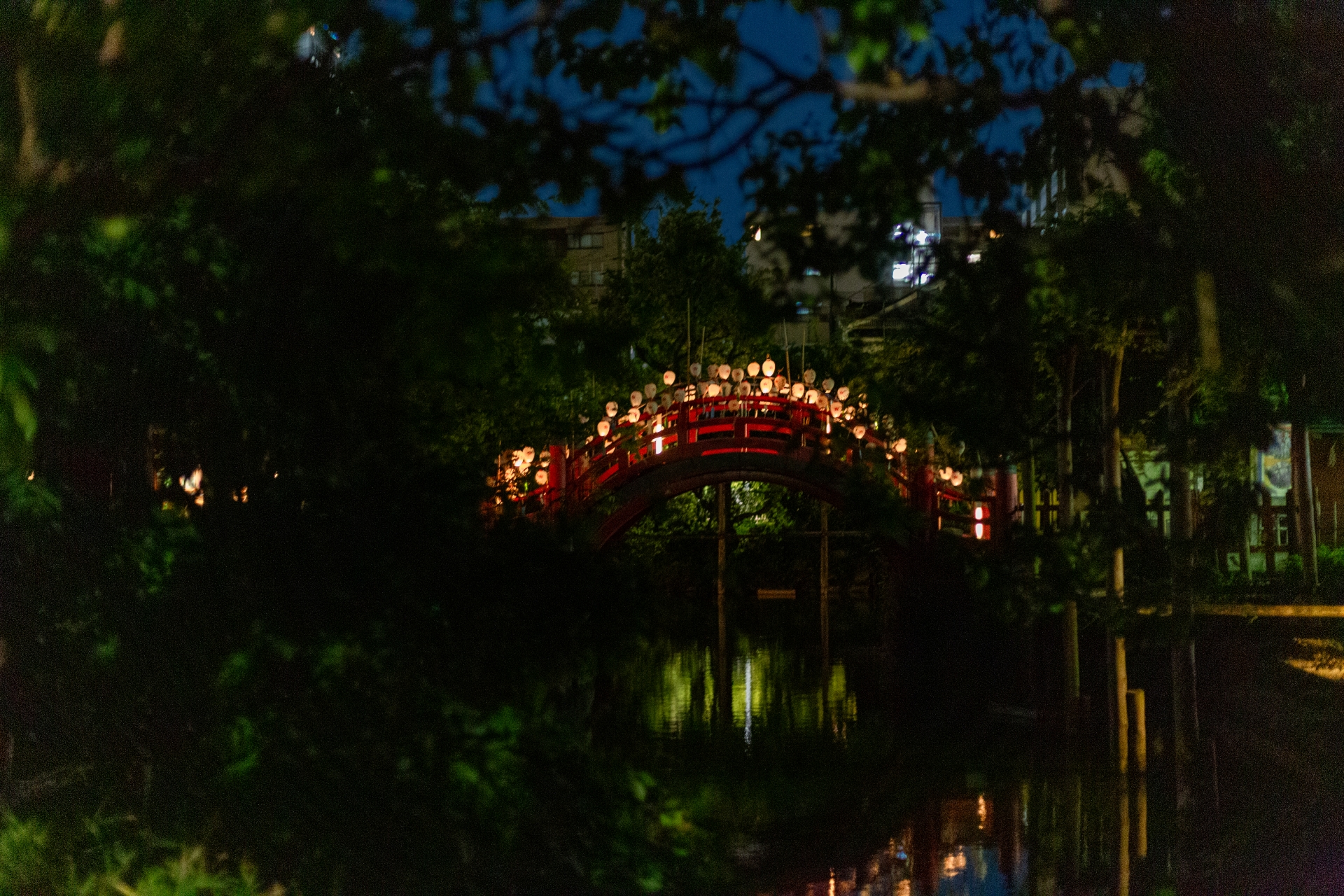
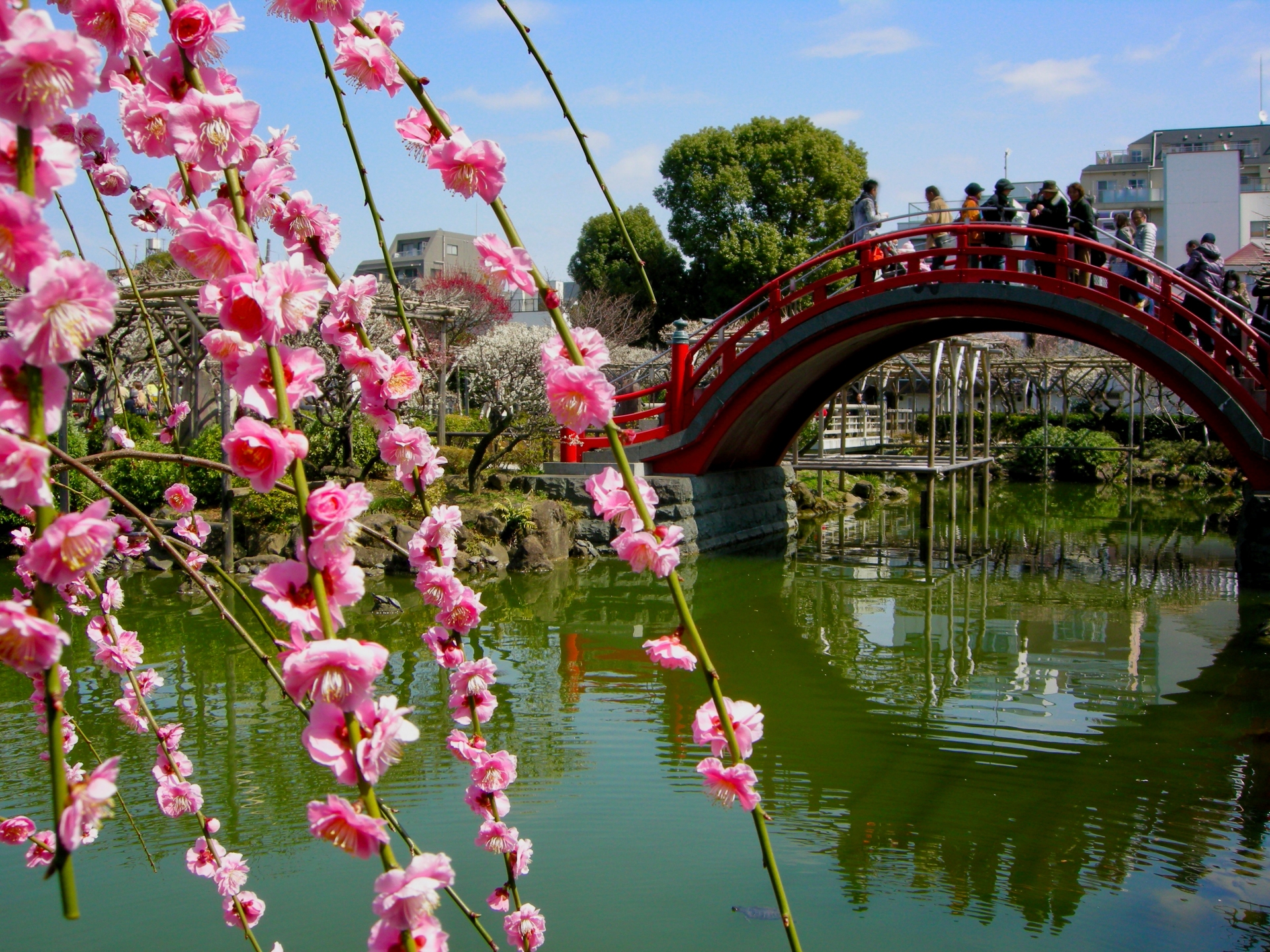
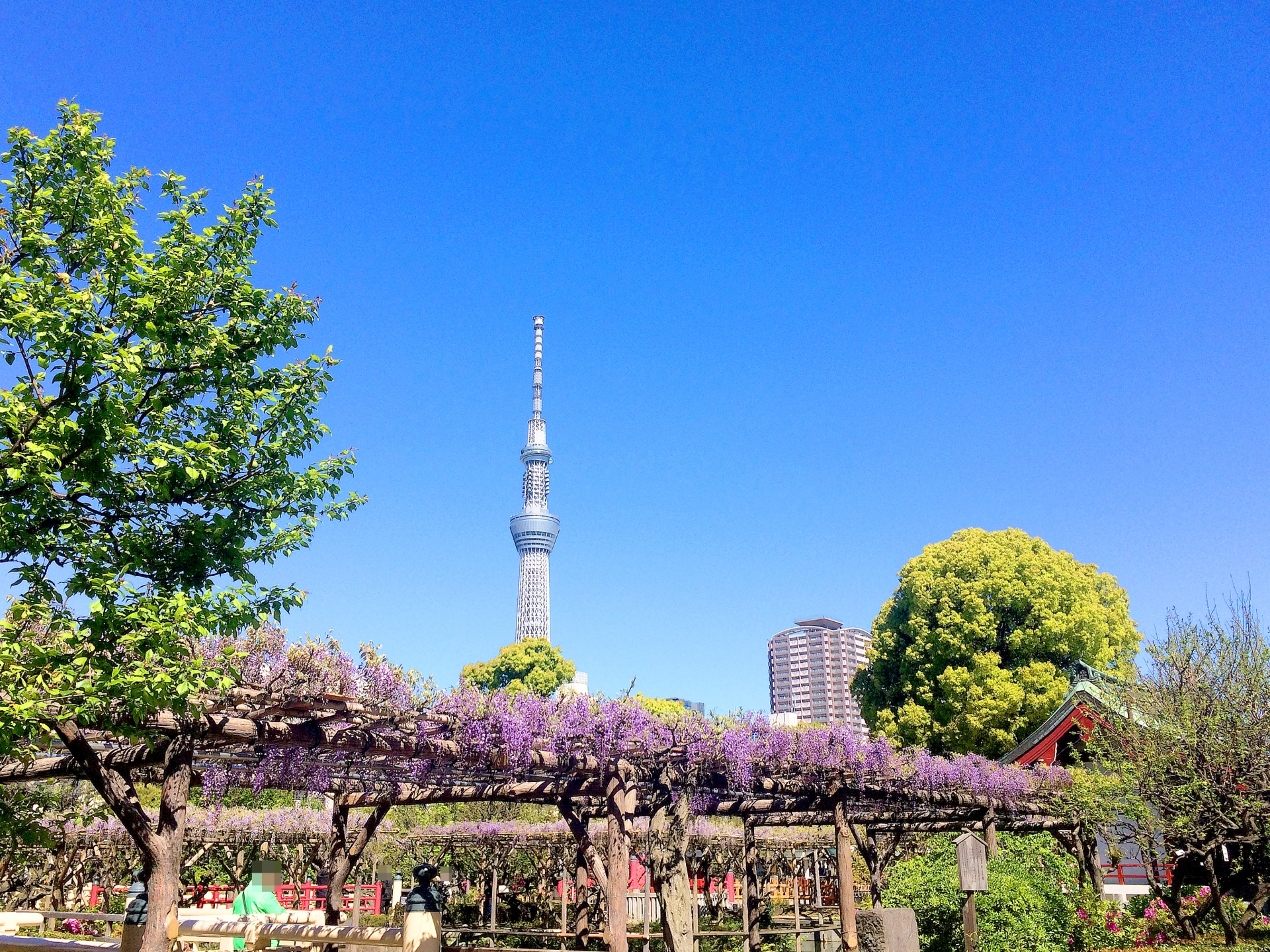
Dedicated to Sugawara no Michizane, the deity of learning, Kameido Tenjin Shrine has been a cherished part of Tokyo since the Edo period. Located in Kameido, the shrine is nestled in a district that retains much of the classic "shitamachi" (old downtown) charm.As you step onto the grounds, you are greeted by the iconic vermilion drum bridge, which reflects beautifully on the mirror-like surface of the Shinji Pond. From late April to early May, clusters of wisteria flowers hang from the trellises, filling the air with a sweet fragrance. The view of the Tokyo Skytree rising above the wisteria blossoms creates a stunning photo spot where traditional Japan meets the modern future. Throughout the year, the shrine offers changing seasonal expressions, from the Chrysanthemum Festival in autumn to the delicate plum blossoms in winter.

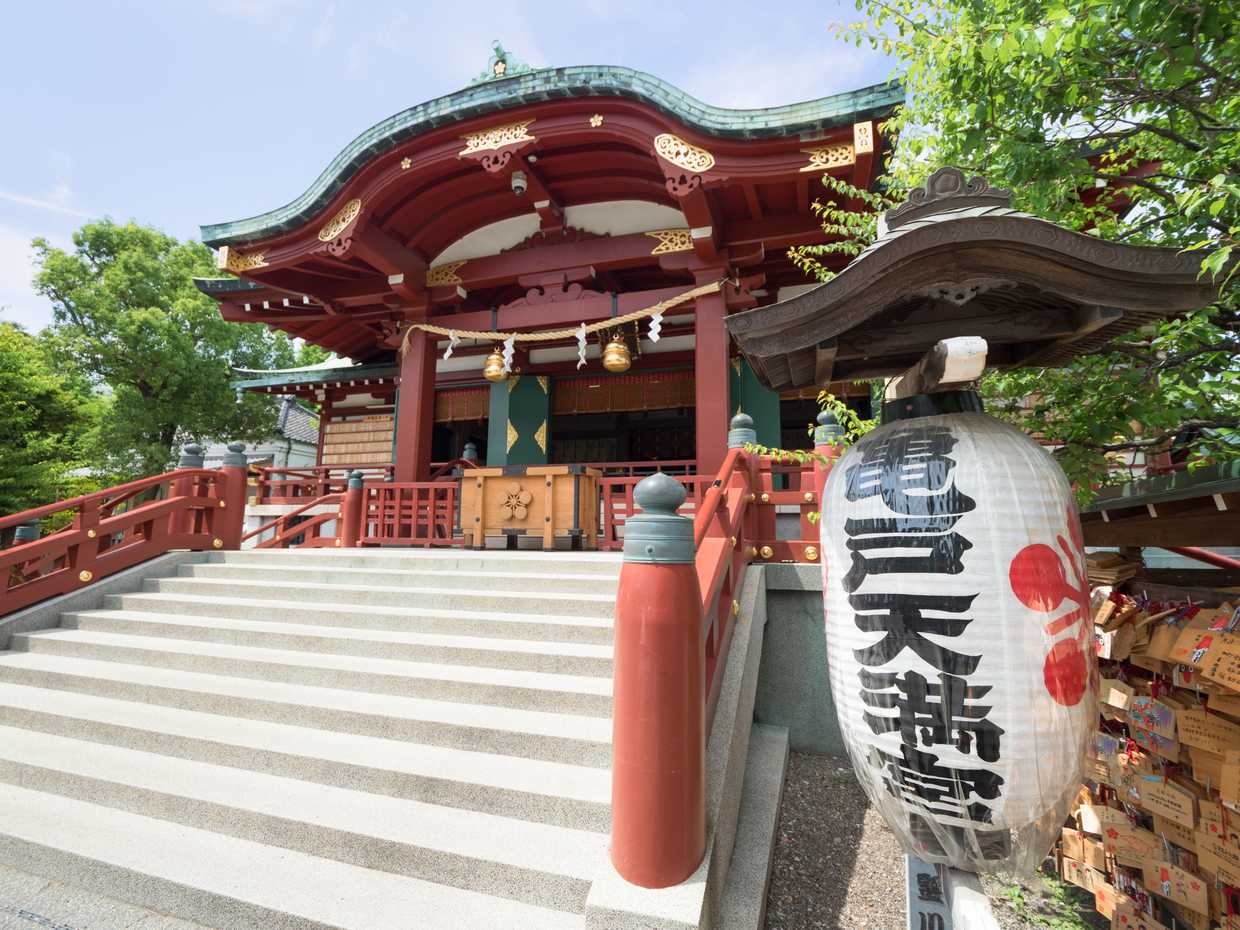
Along the approach to the shrine, you can enjoy local street food. Once you pass through the stone torii gate, a peaceful atmosphere envelops you, helping you forget the hustle and bustle of the city. Rows of votive ema tablets, filled with prayers for academic success, line the front of the main hall. With multilingual signage available, first-time visitors can explore with ease. If you look closely at the pond, you might spot the turtles swimming—the inspiration behind the shrine's name. The grounds are also equipped with free Wi-Fi, making it convenient to share your visit on social media. It is easily accessible, located just about 10 minutes by train from areas like Asakusa or Akihabara.

Address3-6-1 Kameido, Koto-ku, Tokyo 136-0071
Access15-minute walk from the North Exit of Kameido Station (JR Sobu Line)
Official Websitehttps://kaemidotenjin-sha.jp/


Kameido Tenjin Shrine: Essential Information

First, here is the basic information about Kameido Tenjin Shrine — useful details to help you plan your visit.

ItemDetails
Official nameKameido Tenjin Shrine (Kameido Tenjin-sha)
Address3-6-1 Kameido, Koto-ku, Tokyo 136-0071
Opening hoursGrounds: open 24 hours; Main hall: 6:00 a.m. to 5:00 p.m.; Prayer reception: 9:00 a.m. to 4:00 p.m.
Goshuin reception hours8:30 a.m. to 5:00 p.m.
ClosedOpen year-round (no closing days)
AdmissionFree
Nearest stationsAbout a 15-minute walk from Kameido Station (JR Sobu Line / Tobu Kameido Line); about a 15-minute walk from Kinshicho Station (JR Sobu Line)
Phone+81 3-3681-0010 (03-3681-0010 in Japan)
Official websitehttp://kameidotenjin.or.jp/ (Japanese only)

Although it sits within Tokyo's 23 wards, Kameido Tenjin Shrine has a quiet, relaxed atmosphere. It's an ideal hidden gem to visit between major Tokyo sightseeing stops, or as a destination for getting to know Japanese culture more deeply.

The History of Kameido Tenjin Shrine

Kameido Tenjin Shrine is a shrine with deep historical roots. Learning its background will deepen your appreciation of the shrine and make your visit all the more rewarding.

The Origins of Its Founding

Kameido Tenjin Shrine was founded in 1662 (Kanbun 2). Its origins trace back to Sugawara Otorii Nobusuke, a descendant of Sugawara no Michizane, who invited the deity's spirit from Dazaifu Tenmangu in Kyushu and built the shrine modeled after Dazaifu Tenmangu.

Sugawara Otorii Nobusuke was a priest at Dazaifu Tenmangu in Kyushu. Having received a divine revelation to "enshrine the Tenjin deity in the east as well," he traveled through many provinces before arriving at Kameido. There he enshrined a statue of Tenjin carved from the tobiume (the "flying plum tree") associated with Michizane in a small Tenjin shrine that already stood there — and this became the origin of Kameido Tenjin Shrine.

The Origin of the Name

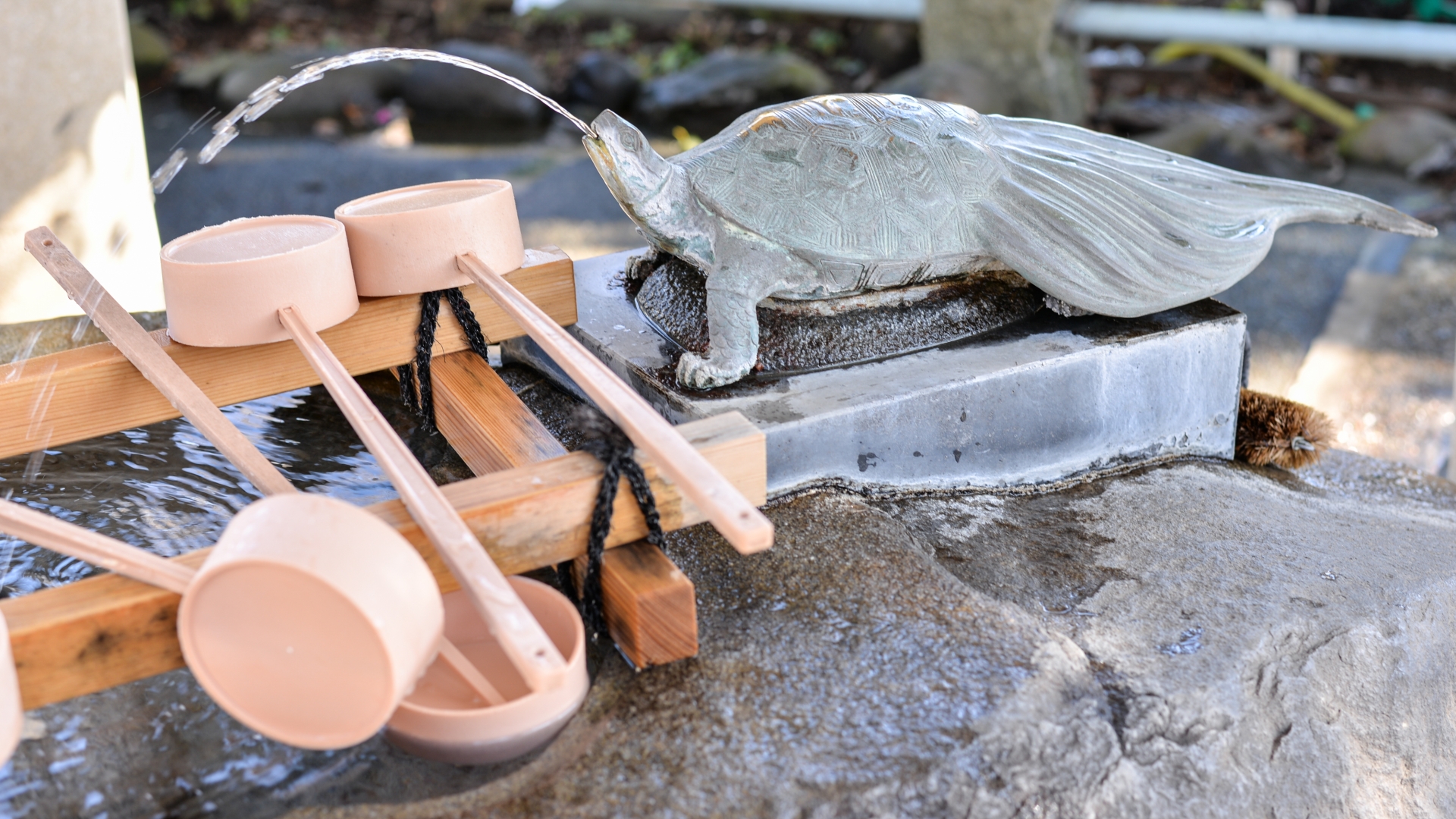
The place name "Kameido" comes from an island shaped like a turtle (kame) that once existed here in ancient times. The place name and the shrine's name became linked, giving us "Kameido Tenjin Shrine." Even today, many turtles live in the precincts, with red-eared sliders being especially common.

Faith Since the Edo Period

Since its founding, Kameido Tenjin Shrine has also been called "Kameido Saifu Tenmangu" and has flourished as a center of Tenjin worship in the Kanto region. During the Edo period in particular, it drew the faith of ordinary townspeople and attracted many visitors as a famous site.

It was depicted in Utagawa Hiroshige's ukiyo-e series "One Hundred Famous Views of Edo" and was known as a place deeply tied to Edo culture. Records show that the fifth shogun, Tokugawa Tsunayoshi, and the eighth shogun, Tokugawa Yoshimune, both visited the shrine to view the wisteria.

Blessings and Enshrined Deities of Kameido Tenjin Shrine

Here we explain the deities enshrined at Kameido Tenjin Shrine and the blessings said to come from worshipping there.

Enshrined Deities

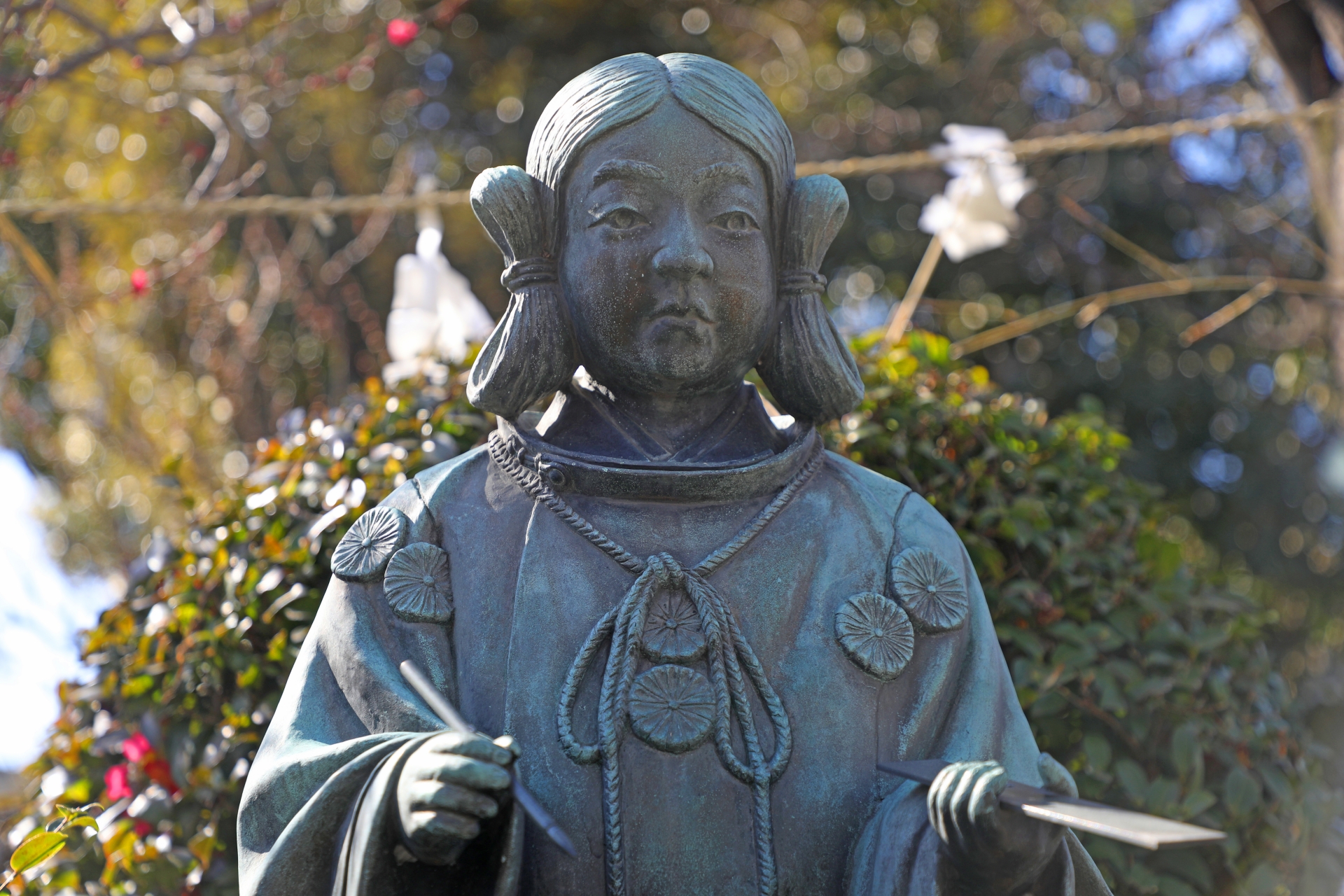
The principal deity of Kameido Tenjin Shrine is Sugawara no Michizane (the Tenjin deity), a Heian-period statesman and scholar. Widely revered as the god of learning, Michizane is associated with blessings for academic success and passing exams.

The precincts also enshrine Tenbonichi-no-Mikoto, the ancestral deity of the Sugawara family.

Main Blessings

The main blessings said to come from worshipping at Kameido Tenjin Shrine include the following:

  1. Academic success and exam passing: Sugawara no Michizane is revered as the god of learning and is especially popular with students preparing for exams.
  2. Warding off misfortune and good health: Through the sacred ox statue and the Usokae ritual, the shrine is said to offer protection from misfortune and illness.
  3. Good fortune: At the Ontake Shrine within the precincts, you can pray for good luck.
  4. Matchmaking: At the Benten Shrine within the precincts, you can receive blessings for finding a good match.

Highlights of Kameido Tenjin Shrine

Kameido Tenjin Shrine has a variety of highlights throughout the year. From beautiful structures to seasonal flowers, here are the points worth seeing.

The Drum Bridge and Shinji Pond

The vermilion drum bridge (taiko-bashi), which could be called the symbol of Kameido Tenjin Shrine, arches over Shinji Pond. This combination makes a picture-perfect Japanese scene and is a popular spot among photography enthusiasts. The view is especially beautiful during the wisteria season in spring and the autumn foliage season.

From atop the drum bridge you can also see Tokyo Skytree, making it a valuable viewpoint where you can take in both old Edo tradition and modern Tokyo at once.

The Sacred Ox Statue

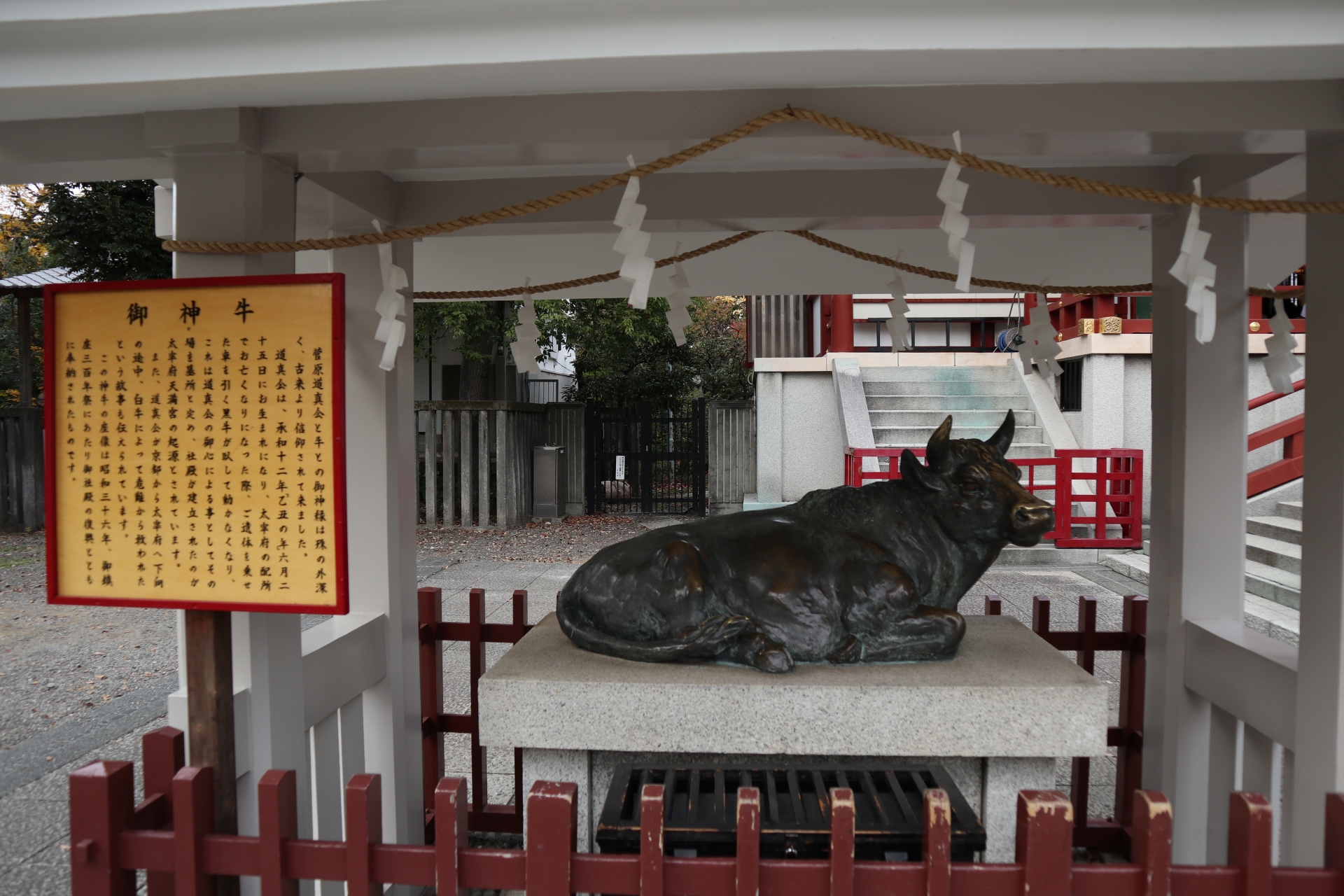
In the precincts stands a statue of the sacred ox (shingyu), regarded as the messenger of Sugawara no Michizane. This statue is also called the nade-ushi (the "stroking ox"), and tradition holds that stroking it cures illness.

It's said that stroking the statue's head or back will heal illness in the same part of your own body, and many worshippers touch the statue to pray for health. After years of being touched by worshippers, the statue's surface has been polished smooth.

Seasonal Flowers

Kameido Tenjin Shrine is known as a shrine where you can enjoy beautiful flowers throughout the four seasons.

Wisteria (Late April to Early May)

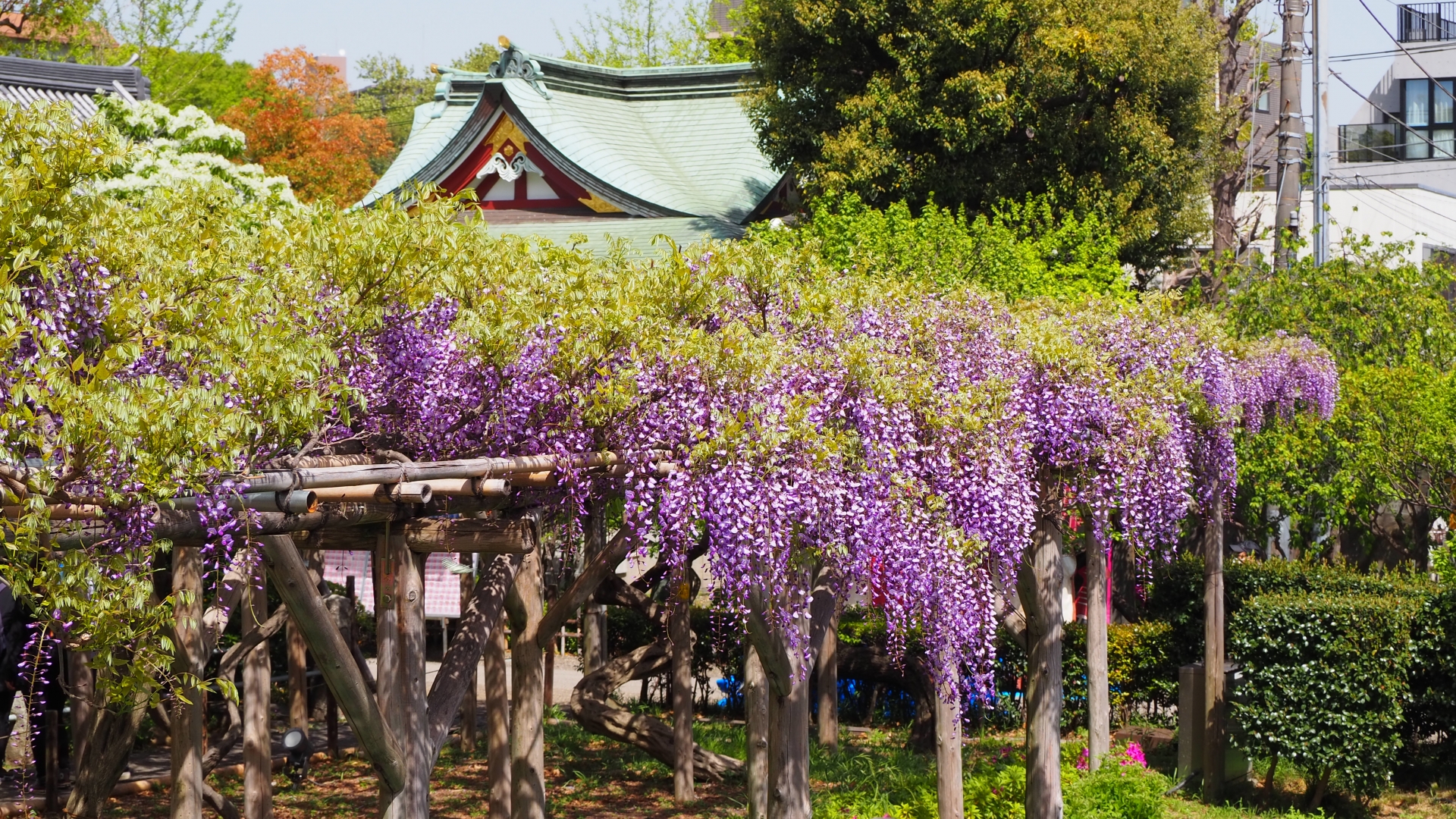
Kameido Tenjin Shrine is especially famous as "the finest place in Tokyo to see wisteria." The precincts hold more than 50 wisteria plants, and in spring the sight of purple flower clusters cascading from 17 wisteria trellises is breathtaking. Every year from early April to early May the "Wisteria Festival" is held, and this period in particular bustles with visitors.

As a seasonal feature of spring in Japan, wisteria is also extremely popular with international visitors. You can enjoy especially picturesque scenes, such as the contrast between the drum bridge and the wisteria, and the wisteria reflected on the pond.

Plum Blossoms (Early February to Early March)

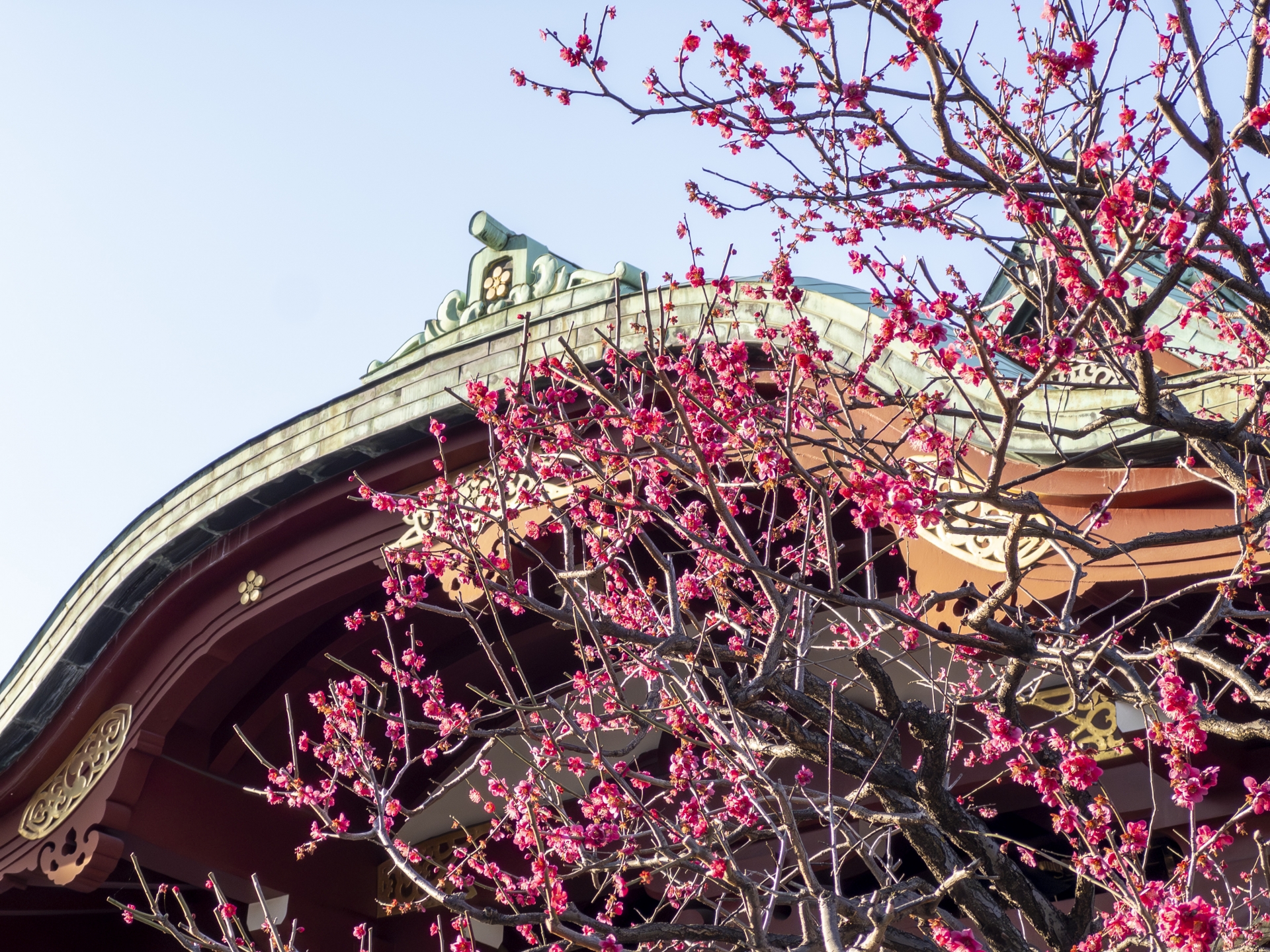
About 300 plum (ume) trees are planted at Kameido Tenjin Shrine, blooming beautifully from winter into spring. Because Sugawara no Michizane is said to have especially loved plum blossoms, Tenmangu shrines tend to have many plum trees.

From early February to early March, the "Plum Blossom Festival" is held, and white and pink plum blossoms color the precincts. It's a precious place where you can sense the arrival of early spring along with the fragrance of the plum blossoms.

Chrysanthemums (Late October to Mid-November)

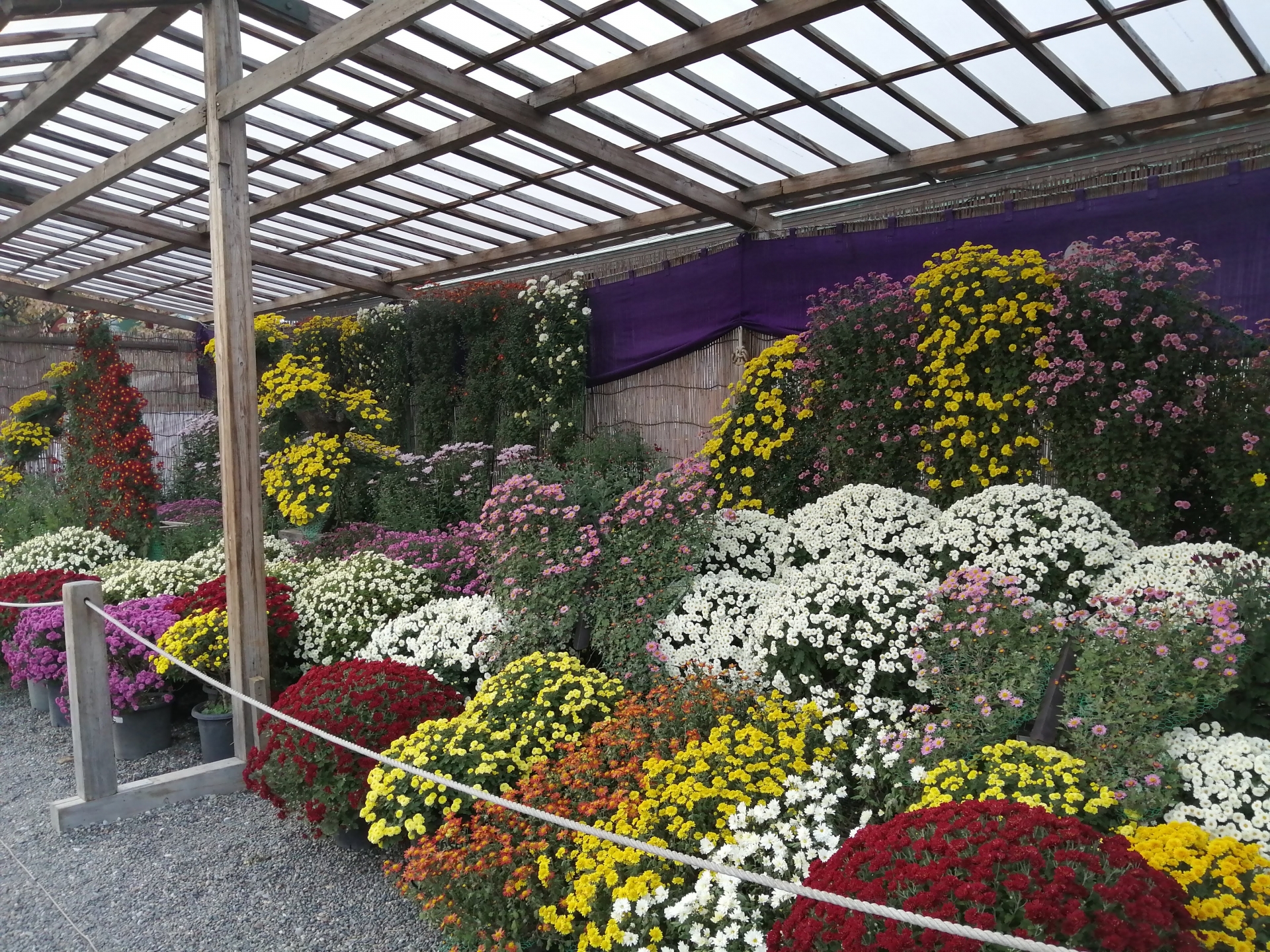
In autumn, Kameido Tenjin Shrine holds a "Chrysanthemum Festival." The many varieties of chrysanthemums displayed in the precincts evoke the atmosphere of autumn in Japan. The chrysanthemum is a flower of distinguished heritage — it's even used in the crest of Japan's Imperial family — making the display an interesting one for understanding Japanese culture.

Traditional Events at Kameido Tenjin Shrine

Various traditional events are held at Kameido Tenjin Shrine throughout the year. These events are a valuable opportunity to understand Japanese culture and a helpful reference when planning the timing of your visit.

The Usokae Ritual (January 24–25)

The "Usokae ritual," held every year on January 24 and 25, is one of Kameido Tenjin Shrine's distinctive events. By exchanging a wooden carving of a bird called the uso (bullfinch) for a new one, participants symbolically turn the previous year's misfortunes into "lies" and pray for good luck in the new year — a play on words, since uso (鷽, "bullfinch") is a homophone of uso (嘘, "lie").

The wooden uso carvings come in various sizes, large and small, with offering prices ranging widely from ¥500 to ¥7,000. Because the event is so popular, long lines form from early morning on the days of the ritual.

The Shinkisai / Torch Festival (March 25)

On March 25, the anniversary of Sugawara no Michizane's death, the "Shinkisai" is held. Also known as the "Torch Festival" (Taimatsu Matsuri), it begins in the evening when torches are lit in the precincts, and the festival commemorates Michizane in a solemn atmosphere.

At the Shinkisai, after the priests perform the rituals, a procession carrying torches winds through the precincts, creating a magical scene. It's a precious chance to experience the atmosphere of a traditional Japanese religious festival.

The Grand Festival, Reitaisai (August 24–25)

On August 24 and 25, Kameido Tenjin Shrine holds its Grand Festival (Reitaisai). Known locally and affectionately as the "Kameido Tenjin Festival," it's recognized as an event that caps the end of Tokyo's summer festival season.

During the Grand Festival, a mikoshi (portable shrine) procession takes place, with local people carrying the mikoshi through the parishioners' neighborhoods. Food stalls also line the precincts and the surrounding area, letting you enjoy the lively atmosphere of a summer festival.

How to Get to Kameido Tenjin Shrine

Kameido Tenjin Shrine is located in Tokyo and is easily accessible by public transportation. Here are the main ways to get there.

By Train

  1. From Kameido Station (JR Sobu Line / Tobu Kameido Line):
    • About a 15-minute walk from the North Exit
    • The route from the station has well-maintained sidewalks and is relatively easy to follow
  2. From Kinshicho Station (JR Sobu Line):
    • About a 15-minute walk from the North Exit
    • The North Exit of JR Kinshicho Station is the nearest exit for heading toward Kameido Tenjin Shrine

By Bus

If you take a Toei bus, get off at the "Kameido Tenjin-mae" stop and you'll find Kameido Tenjin Shrine right there.

By Taxi

If you take a taxi from JR Kameido Station or Kinshicho Station, you'll arrive in about five minutes. Just tell the driver "Kameido Tenjin Shrine" and they'll have no trouble taking you there.

Getting Around on Foot

If you walk from Kameido or Kinshicho Station to Kameido Tenjin Shrine, you can enjoy the atmosphere of Tokyo's old downtown. Heading to the shrine along streets lined with shopping arcades and local eateries is also a great chance to catch a glimpse of everyday life in Tokyo.

Worship Etiquette and Goshuin

Visiting a Japanese shrine comes with its own etiquette. Here we also explain the goshuin (shrine seal) you can receive at Kameido Tenjin Shrine.

How to Worship and Basic Etiquette

Before passing through the torii gate

  • Bow once to show that you are entering sacred ground.

How to purify yourself at the temizuya (purification fountain)

  • Hold the ladle in your right hand and rinse your left hand
  • Switch the ladle to your left hand and rinse your right hand
  • Hold the ladle in your right hand again, pour water into your left hand, and rinse your mouth
  • Rinse your left hand once more, then clean the ladle's handle and return it to its place

How to worship

  • The basic form is two bows, two claps, and one bow
  • First, bow twice
  • Next, put your hands together and clap twice
  • Finally, bow once

About Goshuin (Shrine Seals)

At Kameido Tenjin Shrine, you can receive a goshuin (shrine seal) as a memento of your visit.

  • Reception hours: 8:30 a.m. to 5:00 p.m.
  • Location: The amulet office (shamusho) to the right of the worship hall
  • Offering: ¥300
  • Goshuincho: An original goshuincho (seal book, ¥1,000) is also available for purchase at the amulet office

Limited-edition goshuin matching the seasonal flowers and events are sometimes available for a limited time. During the Wisteria Festival, Plum Blossom Festival, and Chrysanthemum Festival in particular, special goshuin featuring each flower's motif are popular.

Sightseeing Spots Near Kameido Tenjin Shrine

When you visit Kameido Tenjin Shrine, we recommend also stopping by the sightseeing spots nearby.

Kameido Umeyashiki

About a 7-minute walk from Kameido Tenjin Shrine, this is a combined tourist information center and antenna shop. In addition to buying local specialties and souvenirs, you can get tourist information about the area.

Tokyo Skytree

While not within walking distance of Kameido Tenjin Shrine, this new Tokyo landmark is just a few train stops away. You can also see Skytree from the drum bridge at Kameido Tenjin Shrine.

Funabashiya (Kuzumochi)

A long-established Japanese sweets shop near Kameido Tenjin Shrine, especially famous for its kuzumochi (a chewy, jelly-like traditional sweet). The shop has been in business since the Edo period, and you can enjoy a traditional Japanese flavor. Many tourists stop by after visiting the shrine.

A Season-by-Season Visitor's Guide

Kameido Tenjin Shrine offers different charms in each of the four seasons. Here's a summary of the highlights and visiting tips for each one.

Spring (March–May) Highlights

Spring is one of the most beautiful seasons at Kameido Tenjin Shrine. You can enjoy a procession of flowers, beginning with plum blossoms, then cherry blossoms, and on to wisteria.

  • Through early March: Plum Blossom Festival period. About 300 plum trees burst into bloom.
  • Late March to early April: Cherry blossom season. The cherry trees in the precincts bloom beautifully too.
  • Late April to early May: Wisteria Festival period. You can enjoy the spectacular views that earn the shrine its name as "the finest place in Tokyo to see wisteria."

Because the precincts are especially crowded during the Wisteria Festival, we recommend visiting early in the morning or in the evening on weekdays. Wisteria takes on a different look depending on how the sunlight hits it, so visiting at different times of day is also worthwhile.

Summer (June–August) Highlights

Summer sees relatively few visitors, making it a quiet time to worship. The exception is the Grand Festival period in August, which gets very lively.

  • June–July: A season of beautiful greenery. The reflection of the trees' green on the pond looks refreshingly cool.
  • August 24–25: Grand Festival. Enjoy the Kameido Tenjin Festival, bustling with mikoshi and food stalls.

In summer, be sure to take ample precautions against the heat. The precincts have plenty of shade, but staying hydrated and protecting yourself from the sun are essential.

Autumn (September–November) Highlights

Autumn is the season to enjoy the fall foliage and the Chrysanthemum Festival. With its relatively mild climate, it's an easy time to visit.

  • Late October to mid-November: Chrysanthemum Festival period. A wide variety of chrysanthemums is on display.
  • Mid- to late November: Autumn foliage season. The fall colors reflected on the pond create an especially beautiful scene.

During the Chrysanthemum Festival, many people come to see the chrysanthemum displays, but it doesn't get as crowded as the spring Wisteria Festival. You can enjoy a relaxed visit.

Winter (December–February) Highlights

Winter is a relatively quiet time to worship, though the Usokae ritual in January and the start of the Plum Blossom Festival in February draw many people.

  • January 24–25: Usokae ritual. Being a popular event, lines can form from early morning.
  • January 25: Hatsu-Tenjin Festival. Many people visit to pray for academic success in the new year.
  • From early February: The start of the Plum Blossom Festival. The early-blooming plums open first, followed by the rest in turn.

If you'd like to take part in the Usokae ritual, we recommend arriving early. The most popular sizes of uso can sell out.

Practical Information and Tips

Here is some practical information and a few handy tips for visiting Kameido Tenjin Shrine.

Photography

Photography in the precincts of Kameido Tenjin Shrine is generally permitted, but keep the following in mind:

  • Refrain from taking photos during rituals or prayers
  • Be considerate so as not to disturb other worshippers
  • Commercial photography requires advance permission

During crowded periods such as the Wisteria Festival, tripod use may also be restricted.

Rest Areas and Restrooms

You'll find restrooms in the precincts near the amulet office. Benches are also set up in the precincts, so you can take a break when you get tired.

Recommended Souvenirs

At Kameido Tenjin Shrine, you can buy a variety of amulets (omamori) and lucky charms:

  1. Uso (bullfinch) charms: These can sometimes be bought outside the January ritual as well.
  2. Goshuincho with wisteria or plum motifs: Some are limited editions matching the season.
  3. Kameido Tenjin Shrine ema: Votive wooden plaques with distinctive designs featuring the drum bridge and wisteria.
  4. Tenjin academic charms: Amulets popular with students preparing for exams.

Conclusion: The Appeal of Kameido Tenjin Shrine

Kameido Tenjin Shrine is a shrine with seasonal beauty and deep history, set a little apart from the bustle of Tokyo. Its reputation as a "wisteria destination" dating back to the Edo period is still going strong, and its beauty during the spring Wisteria Festival is truly remarkable.

With nearly 400 years of history and dedicated to Sugawara no Michizane — revered as the god of learning — this shrine is a place where Japan's traditional culture and natural beauty come together in harmony, making it a spot we can recommend to many international visitors.

If your schedule during your stay in Japan allows, be sure to visit not only Tokyo's major tourist sites but also beloved local places like Kameido Tenjin Shrine. You'll be able to experience the beauty of Japan's four seasons and its traditional culture more deeply.

The drum bridge and wisteria, the scenery reflected on Shinji Pond, the seasonal flowers and traditional events — Kameido Tenjin Shrine offers new discoveries and moving experiences no matter how many times you visit. Be sure to add the scenery of this beautiful shrine to the memories of your trip to Japan.


Important Note Regarding Information in This Article

Please be aware that prices are subject to change depending on the season and specific plans. Due to shifting economic conditions and the recovery of the tourism industry, pricing at many establishments may be revised frequently.The prices listed in this article are intended as estimates only. We strongly recommend checking the official website of each facility for the most up-to-date information prior to making any reservations.

関連記事

おすすめ記事