Anamori Inari Shrine | A Power Spot with a Thousand Torii Gates - GTN MAGAZINE
日本語
日本語
English

Anamori Inari Shrine | A Power Spot with a Thousand Torii Gates

Known for watching over the safety of air travel, Anamori Inari Shrine is a historic shrine located just a short distance from Haneda Airport. Its most distinctive feature is the Senbon Torii, a tunnel of vibrant red torii gates, making it a must-visit destination for international visitors to Tokyo.

In this article, we'll introduce the history of Anamori Inari Shrine, its highlights, how to get there, and other helpful information to know before your visit.

Anamori Inari Shrine

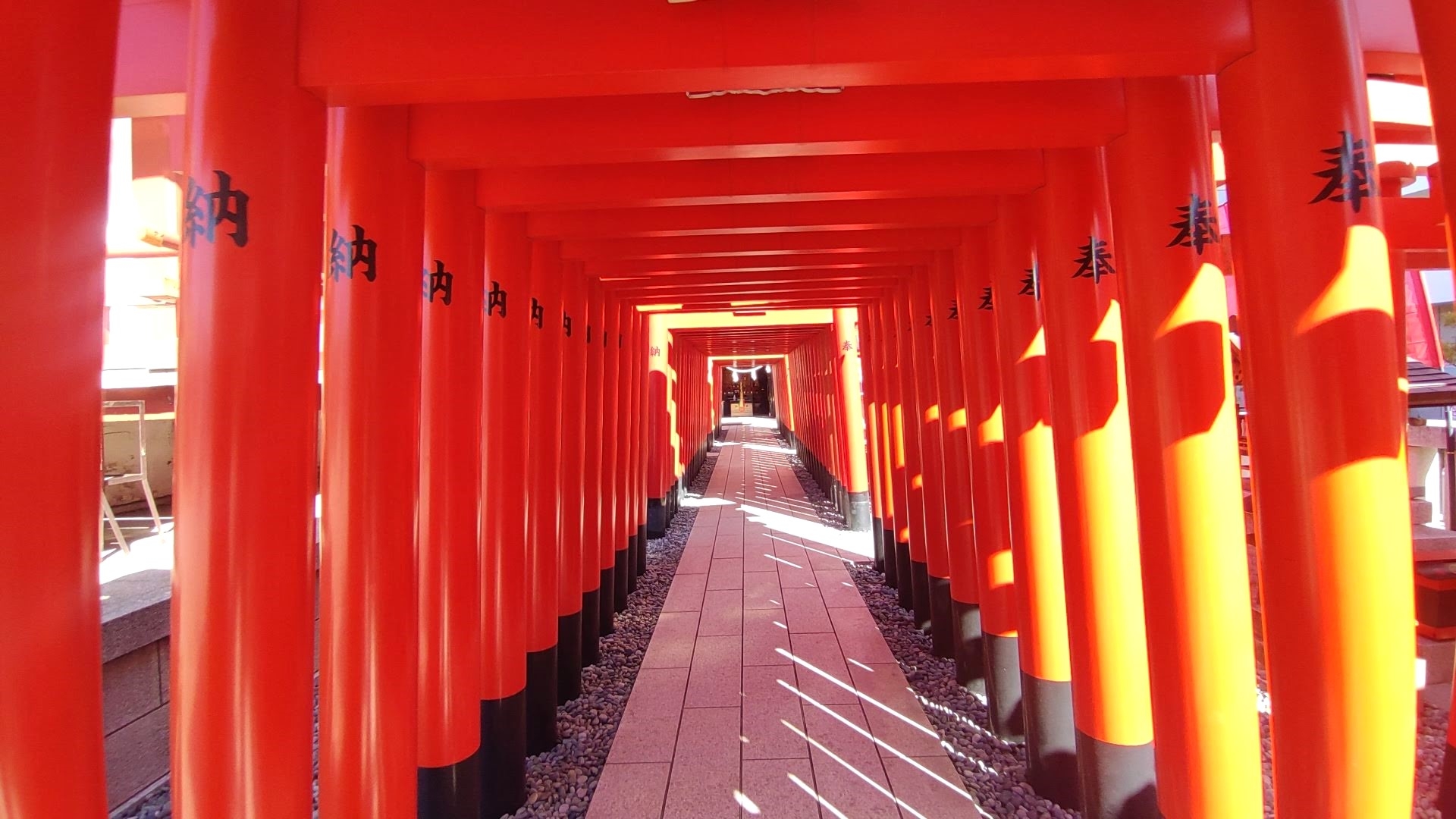
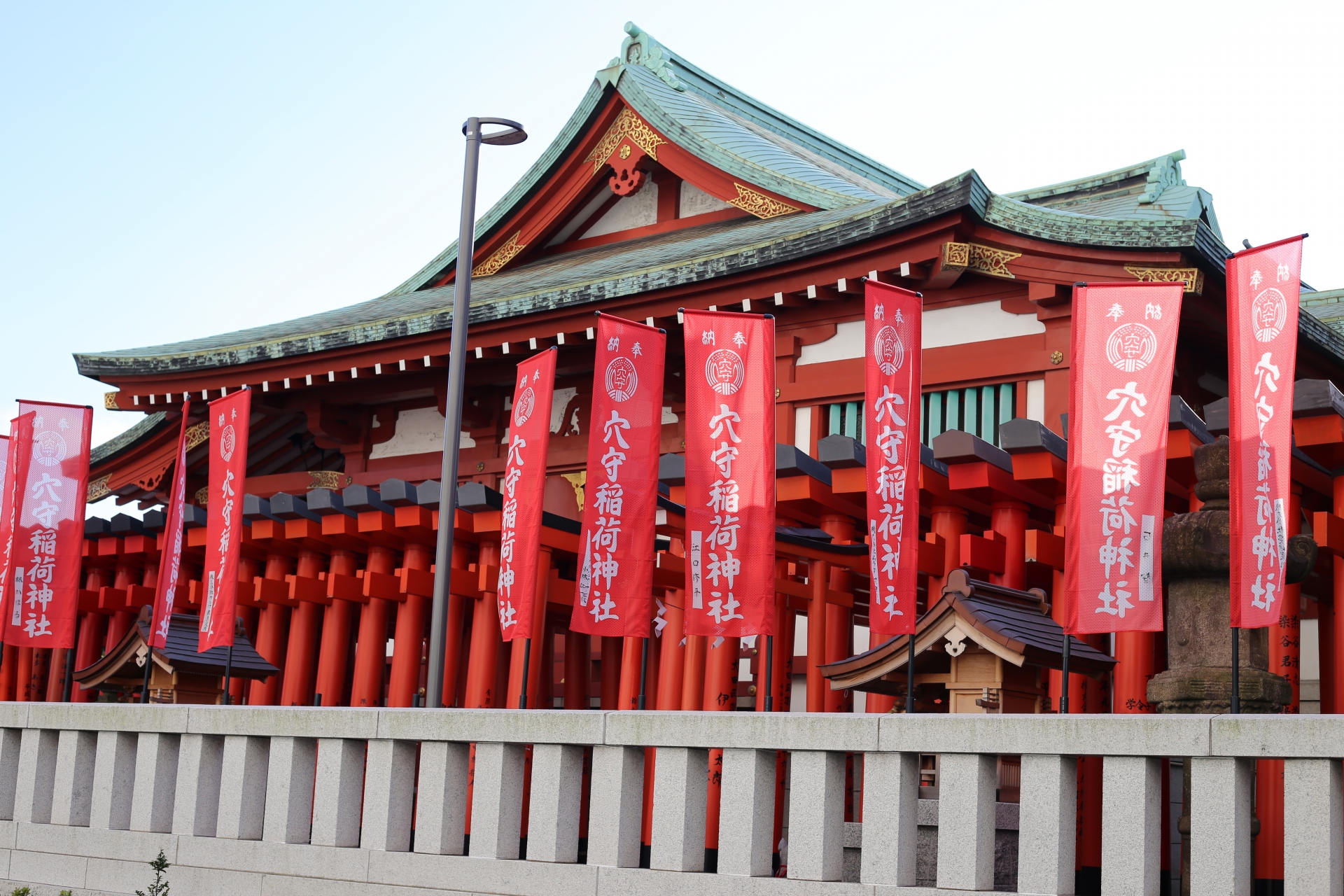
The torii gate tunnel at Anamori Inari Shrine

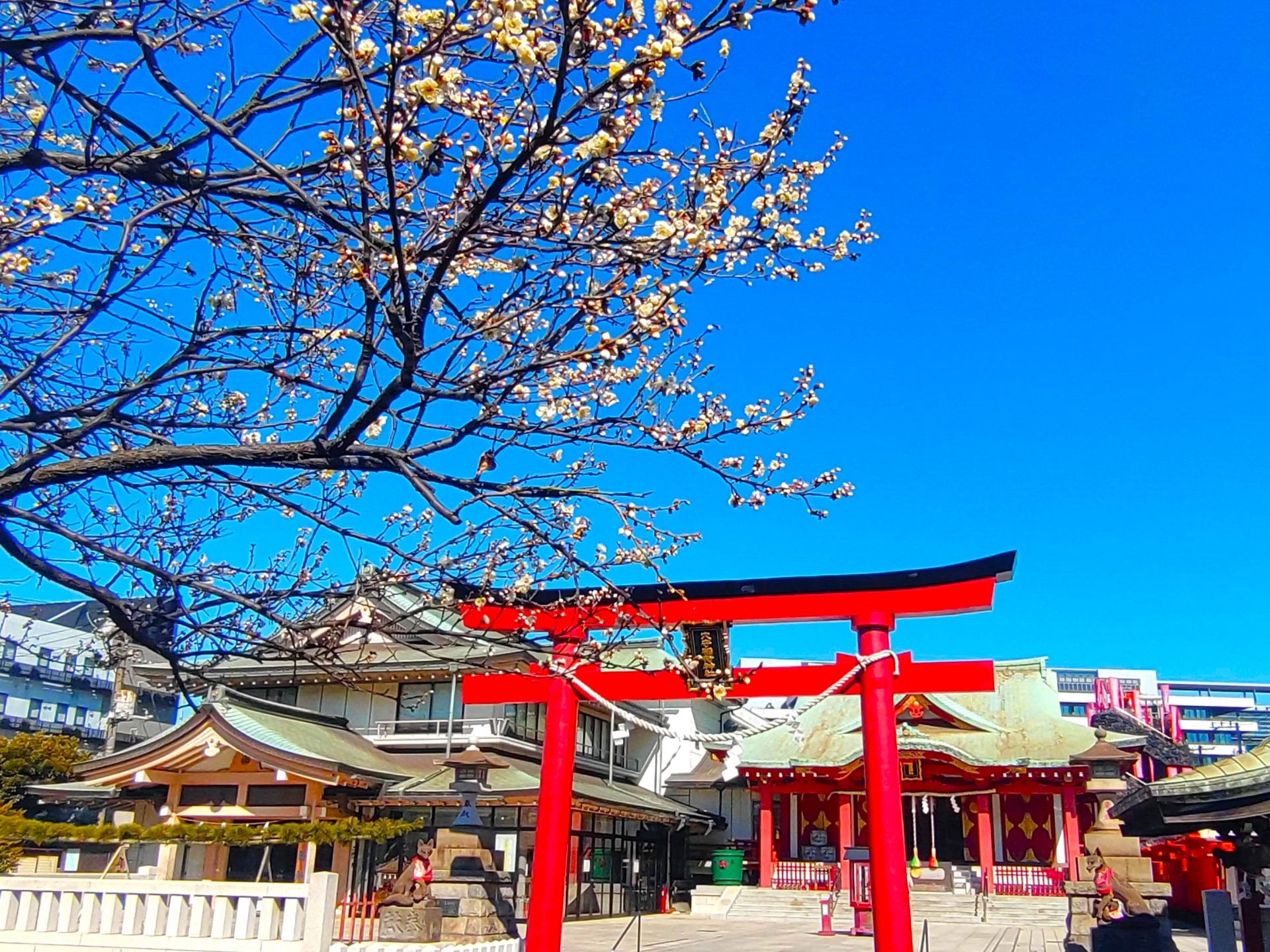
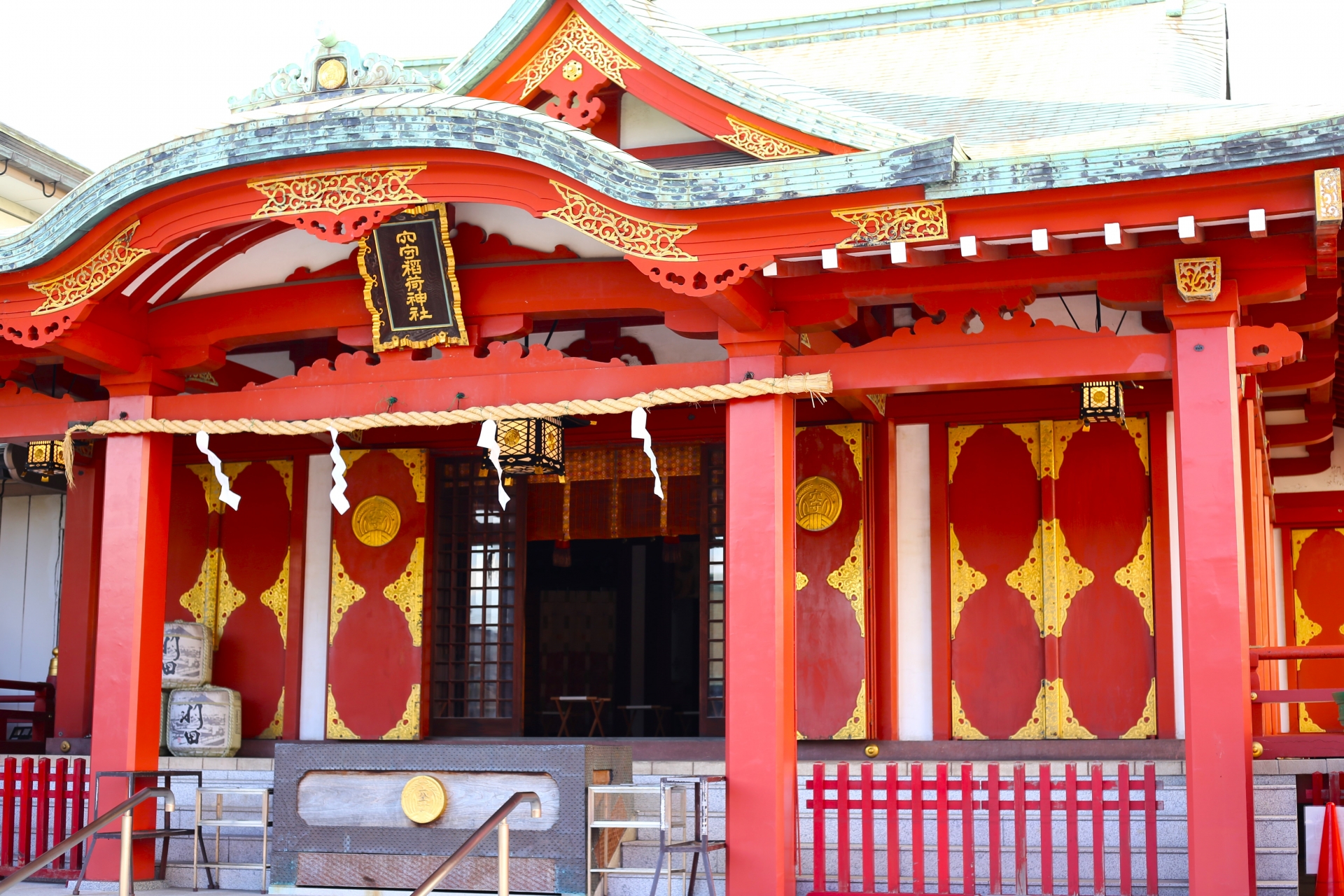
Just one stop from Haneda Airport on the Keikyu Line, Anamori Inari Shrine sits quietly in a corner of a residential neighborhood. Known as the "guardian deity of the skies," it's an easy place to stop by before or after a flight. Step into the grounds and you're greeted by a tunnel of connected vermilion torii gates, with fox statues scattered throughout keeping watch over travelers. Its specialties are the votive plaques (ema) for praying for aviation safety and the small "Osunamamori" sacred-sand charm that fits right in your wallet. Because the area was reclaimed from the sea, the shrine is also known for blessings of business prosperity. Worship is possible from 6:00 a.m., so you can even stop by before an early-morning flight. A traditional Japanese sweets shop along the approach sells inari-zushi and fox-shaped monaka wafers — perfect souvenirs to carry on board. Between sightseeing at Haneda, you can take in the beautiful contrast of vermilion and green while wishing for a safe journey.

Address5-2-7 Haneda, Ota-ku, Tokyo 144-0043
Access3-minute walk from Anamori-Inari Station on the Keikyu Airport Line
Official Websitehttps://anamori.jp/

Basic Information

A view of Anamori Inari Shrine grounds

Let's start with the basic details of Anamori Inari Shrine.

ItemDetails
NameAnamori Inari Shrine (Anamori Inari Jinja)
Address5-2-7 Haneda, Ota-ku, Tokyo
Opening HoursWorship at the main hall and outside the inner shrine: 24 hours. Worship inside the inner shrine: approx. 6:00–16:30. Hall worship and prayer rituals: 9:00–16:00. Charms and shrine stamps: 8:30–17:00.
AccessAbout a 3-minute walk from Anamori-Inari Station on the Keikyu Airport Line
Official Websitehttps://anamori.jp/
Enshrined DeityToyouke-hime-no-mikoto

Anamori Inari Shrine is open year-round, and entry to the grounds is free. It's a popular spot with many foreign visitors, but as a Japanese shrine it retains a solemn atmosphere, so please worship quietly during your visit.

History and Origins

Historical view related to Anamori Inari Shrine

The Founding

Anamori Inari Shrine dates back to 1804, in the late Edo period. At the time, a land-reclamation project known as Suzuki Shinden was underway in this area — the site of what is now Haneda Airport. The coastal embankments were frequently destroyed by high waves, leaving large holes ("ana") that damaged the farmland. Local people therefore founded the shrine to enshrine an Inari deity that would "protect" ("mori") the fields from the holes in the embankment. This origin gave the shrine its name, "Anamori Inari."

In 1886, the name "Anamori Inari Shrine" was officially recognized. Together with the opening of the Keihin Electric Railway's Anamori Line (today's Airport Line), hot-spring drilling, bathing beaches, and a horse-racing track, the area flourished as a thriving tourist destination. At its peak, as many as 46,797 torii gates were said to have been dedicated within the grounds — truly a "tunnel of torii gates."

A Deep Connection to Haneda Airport

The relationship between Anamori Inari Shrine and Haneda Airport runs very deep. In 1917, the "Japan Flight School" and "Japan Aircraft Manufacturing Works" opened near the shrine grounds. According to one anecdote, the flight school's students would pray for safety at the shrine on the eve of their first solo flights. This marked the beginning of the shrine's ties to the aviation industry.

In 1931, "Tokyo Airfield" — the predecessor of today's Haneda Airport — was established on the north side of the shrine, and the area developed into an aviation hub. However, in the turbulent period after World War II, the shrine was forced to relocate by the Allied forces, and its main hall, stone lanterns, and fox statues were buried as foundation stones for the runway.

In 1947, thanks to the efforts of local devotees, about 2,300 square meters of new shrine land was donated at the current site, and a temporary hall was rebuilt. Since then, with the support of worshippers, the main hall, kagura hall, and shrine office have all been reconstructed, and the festivals that had been lost gradually revived. After the Heisei era, the inner shrine and Inari Hill were rebuilt in the spring of 2020 (Reiwa 2), steadily restoring the shrine to its former appearance.

Highlights

Senbon Torii (Thousand Torii Gates)

The Senbon Torii tunnel of red gates

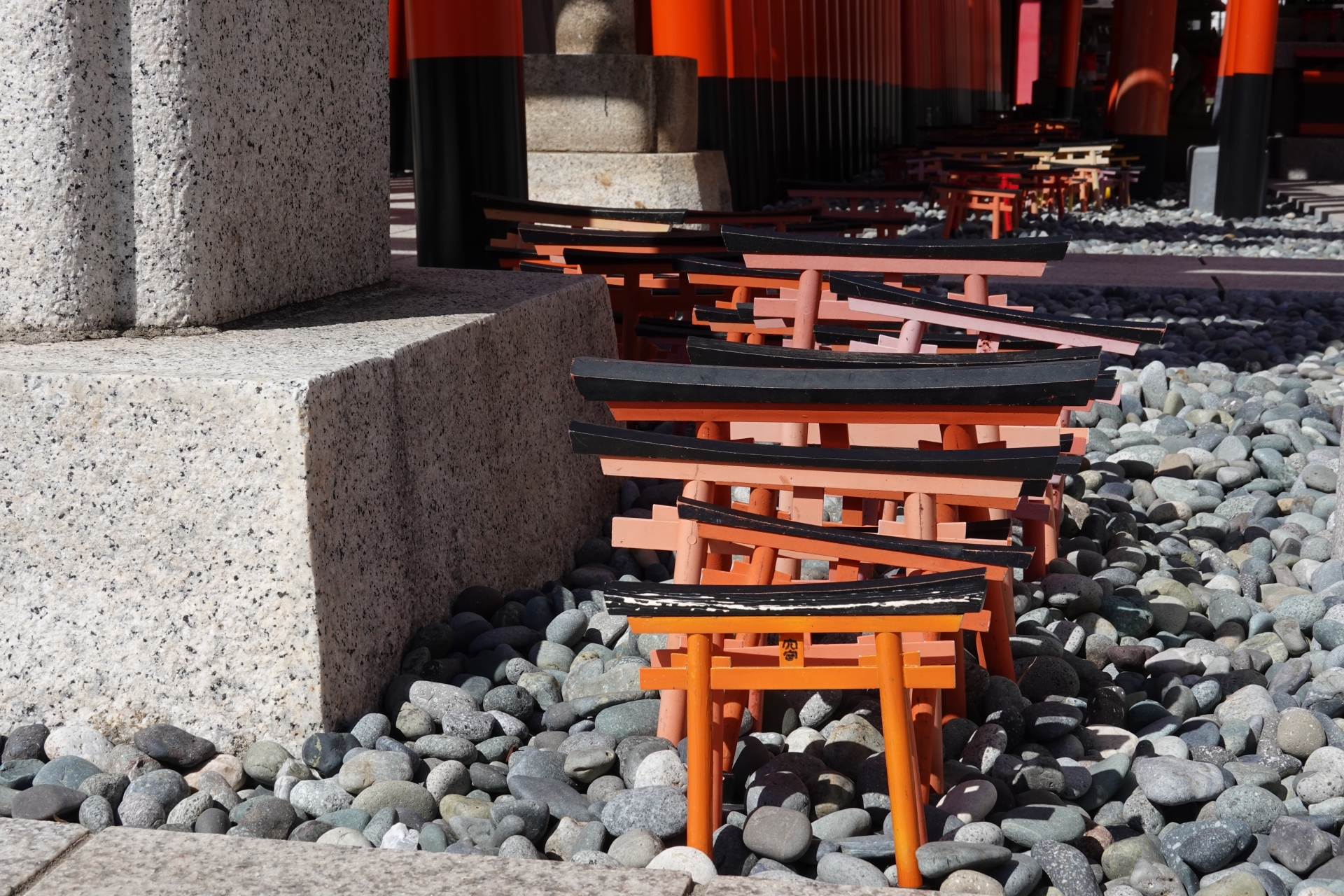
When it comes to Anamori Inari Shrine, the "Senbon Torii" (Thousand Torii) is without question the biggest highlight. The tunnel of connected red torii gates within the grounds draws visitors into a magical world. It's said there were once more than 40,000 gates, but the postwar relocation reduced their number to what remains today. Even so, the row of vivid vermilion gates is a stunning sight.

The Senbon Torii is also popular as a photogenic spot, and you'll see many posts on social media. The times of day when morning or evening light streams through are especially beautiful, with light filtering between the gates — making it an ideal photo location.

The Inner Shrine and Sacred Sand

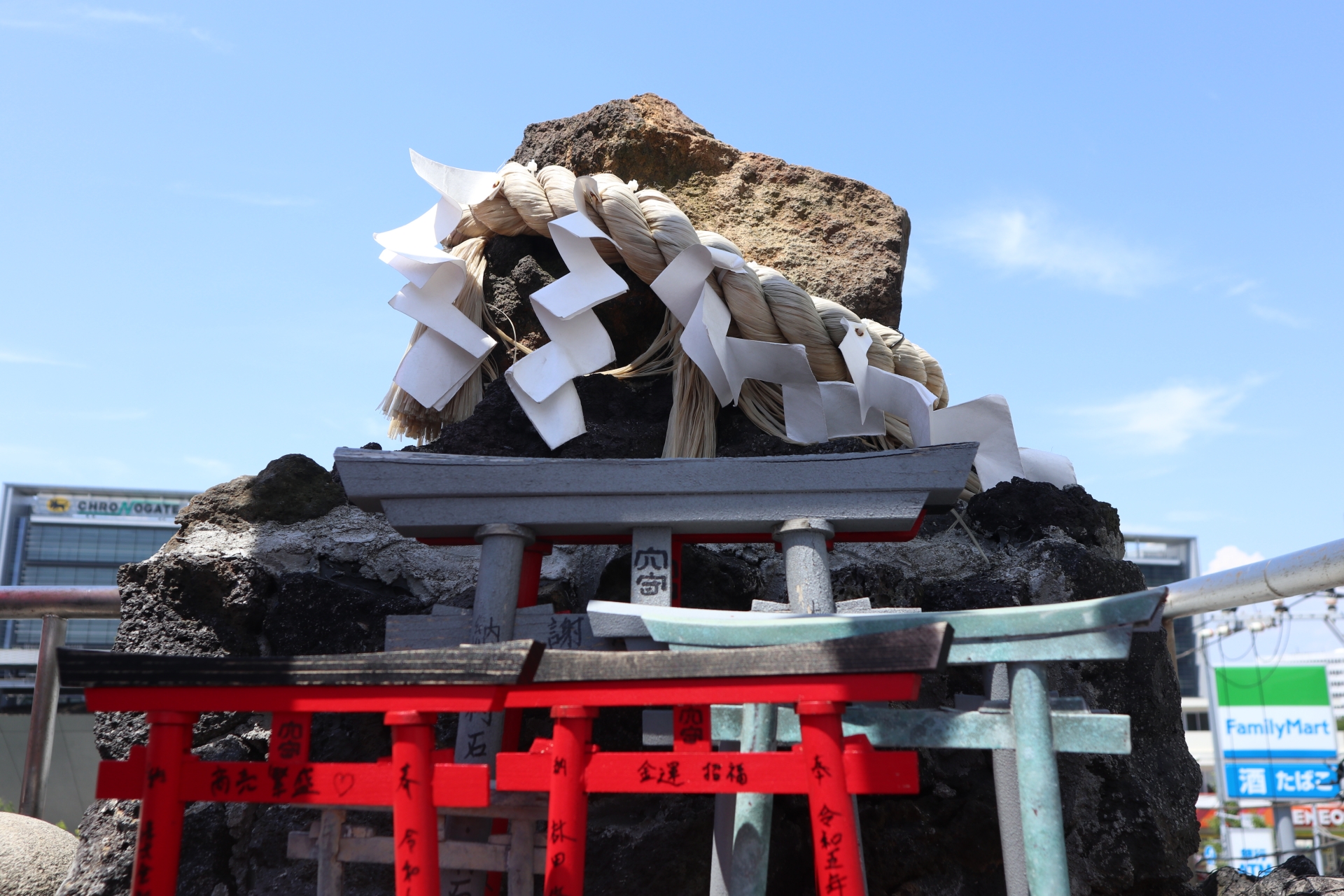
The inner shrine (Okunomiya) is known as an especially sacred place within Anamori Inari Shrine. Here you'll find sacred sand called "goshinsa(sacred sand)." Taking it home and scattering it in an appropriate place is believed to bring good fortune and business prosperity.

There's a fascinating legend behind the sacred sand. Long ago, an old man living in the area returned from fishing and looked into his fish basket, only to find no fish — just wet sand. The same thing happened the next day, and when the puzzled villagers investigated, they discovered it was the work of a fox. When they forgave the fox and set it free, the basket thereafter filled with plenty of fish and just a little wet sand. When they scattered this sand in their garden, crowds of customers suddenly began to visit. This is said to be the origin of Anamori Inari's sacred sand.

There are set rules for how to scatter the sacred sand:

  • For blessings in business, industry, farming, fishing, or household safety: scatter it at your entrance.
  • To pray for recovery from illness: scatter it under the bed.
  • For warding off misfortune or evil: scatter it in that direction.
  • When building a new home or an extension: scatter it at the center of the site.
  • For any other case: consult the priest.

Inari Hill

Inari Hill within the shrine grounds

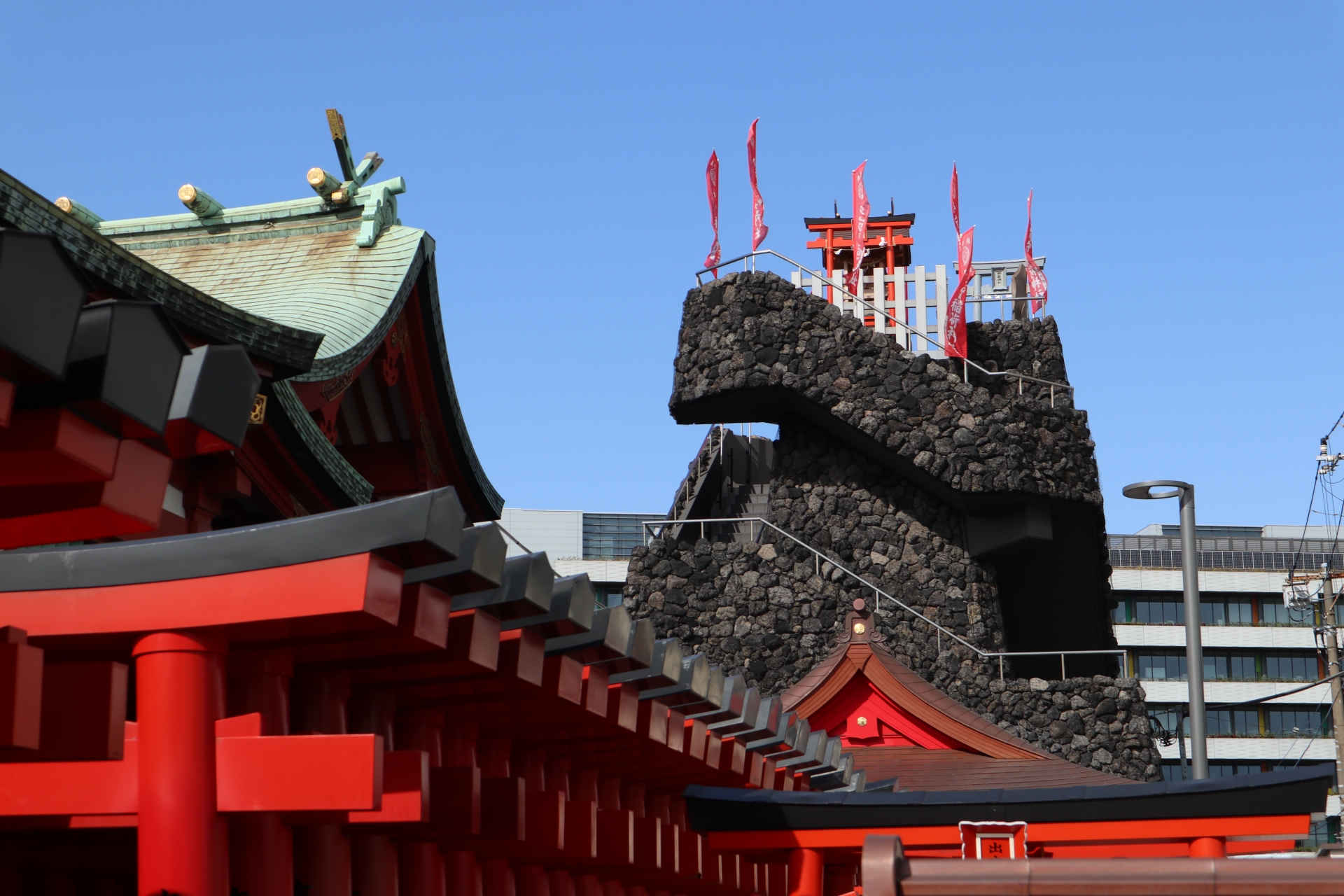
Inari Hill, located within the grounds, is another important highlight of Anamori Inari Shrine. It's a small hill, but from the observation point at the top you can see planes taking off and landing at Haneda Airport up close. It's a fitting view for a shrine that prays for the safety of the skies.

The Many Fox Statues

Fox statues placed throughout the shrine grounds

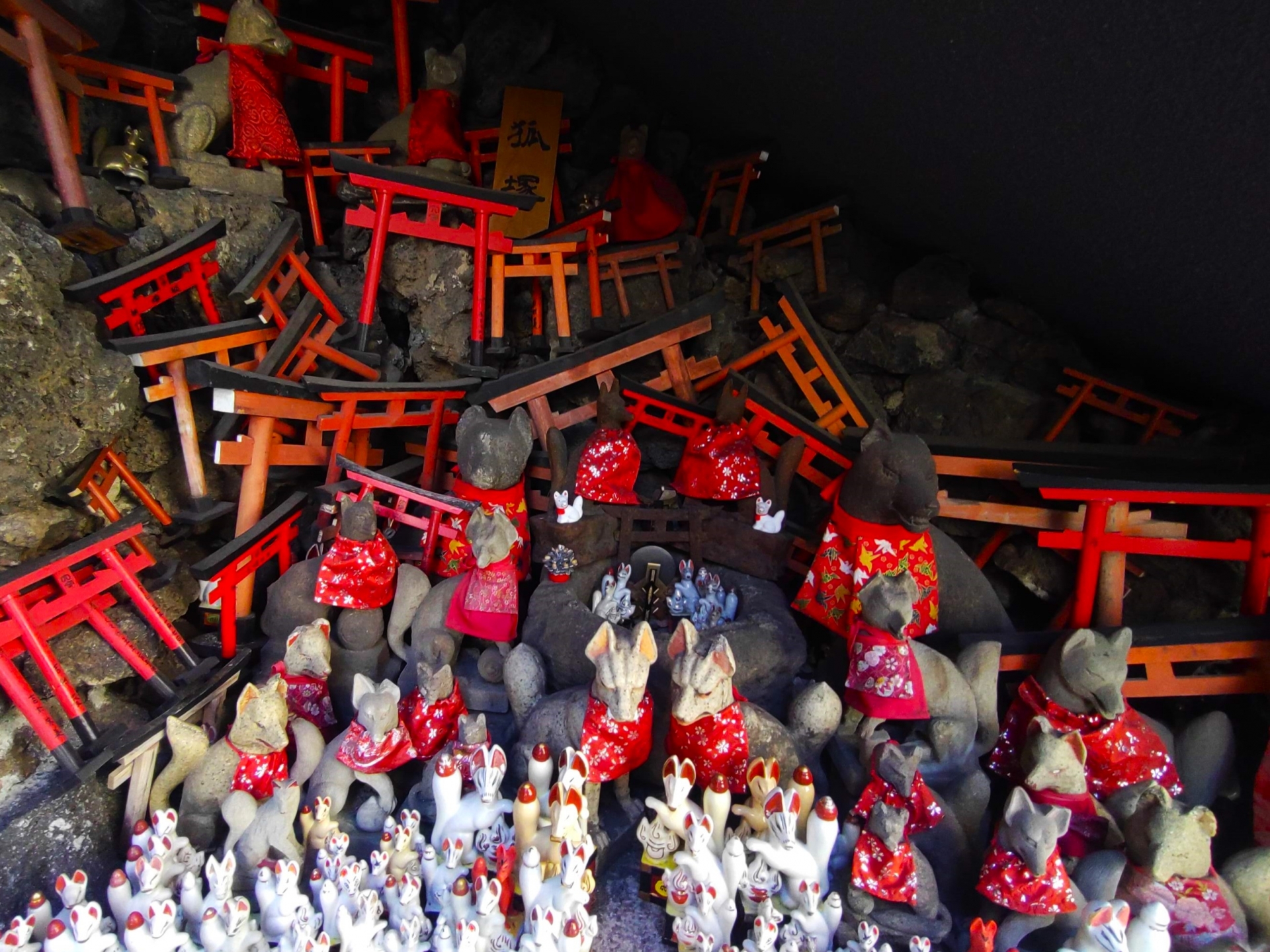
Fox statues are placed all over the grounds of Anamori Inari Shrine. These foxes are regarded as messengers of the Inari deity, believed to carry worshippers' wishes to the gods. Searching for the many fox statues with their various expressions and poses is one of the pleasures of visiting.

Sacred Water (Goshinsui)

In April 2021 (Reiwa 3), a well was dug within the grounds by devotees, reviving the "sacred water" (goshinsui) for the first time in 80 years. This area was once known for its hot springs, and in 1894, when local people dug a well in search of good water, water saltier than seawater sprang out. Component analysis revealed it to be a mineral spring effective against various ailments.

Today the sacred water is poured into a Japanese garden feature called a "suikinkutsu,"(a buried water-chime installation) whose soothing sound purifies the hearts of worshippers.

Blessings and Benefits

A place to pray for blessings at the shrine

Worshipping at Anamori Inari Shrine is said to bring the following blessings:

Aviation safety and travel safety: The shrine is especially known for blessings related to the safe operation of aircraft. Being close to Haneda Airport, many people visit before a trip or after returning home.

Business prosperity and household safety: As with Inari shrines in general, blessings include success in business and safety for the home.

Fulfillment of wishes: You can also hope for your wishes to come true. The monthly "Day of the Horse" (the day of the zodiac sign "Horse") is considered especially auspicious.

Good fortune and abundant customers: In particular, the sacred sand of the inner shrine is said to bring good luck and draw in many customers.

How to Worship

Worshippers at the shrine

Here's the proper way to worship at Anamori Inari Shrine. At Japanese shrines, worship generally follows these steps:

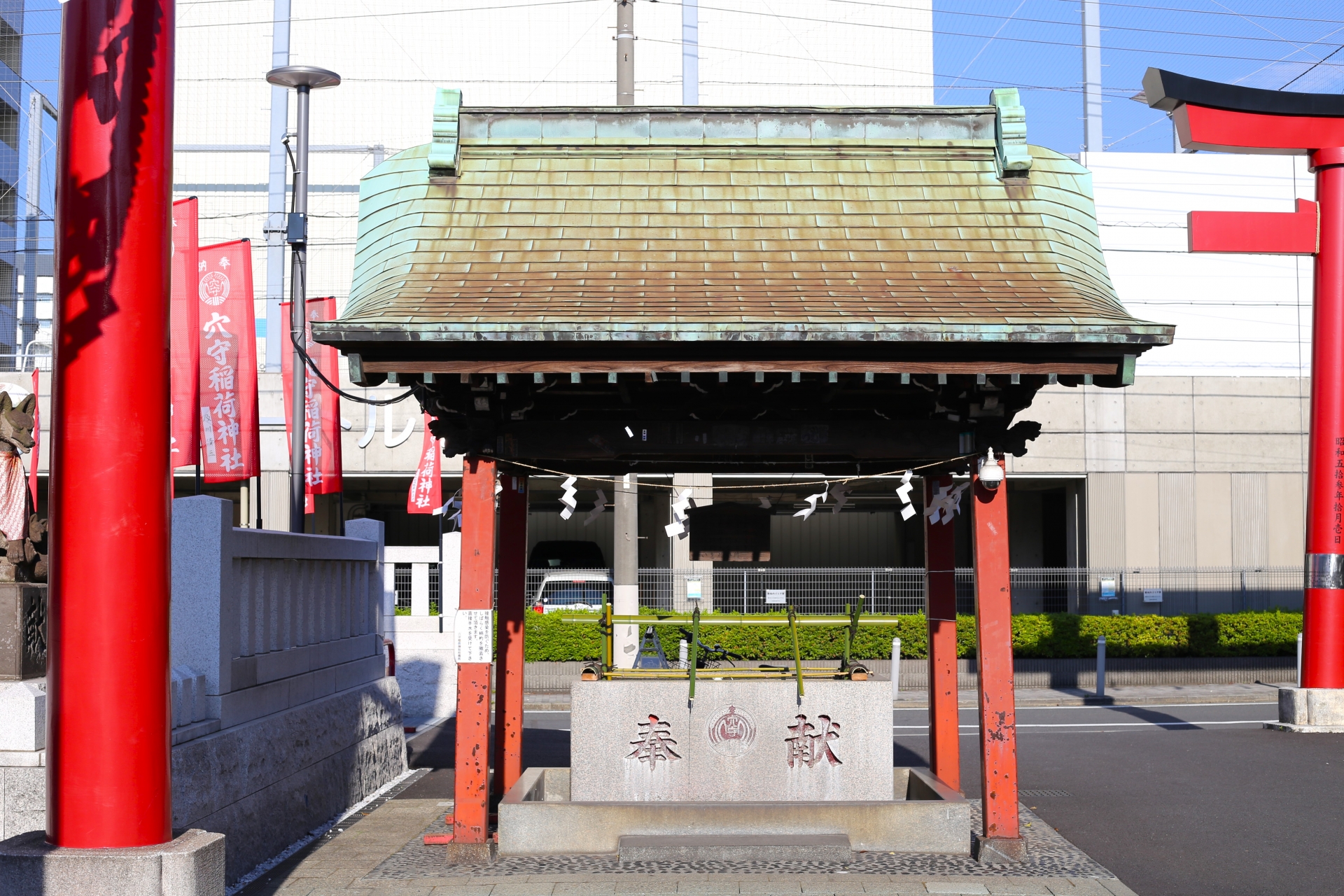
Purify your hands and mouth at the water pavilion (temizuya): First, purify your hands and mouth at the temizuya near the entrance to the grounds. Hold the ladle in your right hand and rinse your left hand, then rinse your right hand. Next, pour water into your left hand and rinse your mouth (drinking directly from the ladle is considered bad manners), and finally stand the ladle upright to rinse the handle.

Worship at the main hall: Stand before the main hall and, if there's a bell, ring it. Next, place a coin in the offering box (the 5-yen coin is popular because "go-en" also means "good connection"). Then bow twice, clap your hands twice, and make one deep bow. This is called "two bows, two claps, one bow" (ni-hai ni-hakushu ippai).

Worship at the inner shrine: After worshipping at the main hall, pass through the Senbon Torii to the inner shrine and worship in the same way. If you wish to receive the sacred sand, do so after worshipping here.

Worship at Inari Hill: If you have time, visit Inari Hill as well. From the summit you can enjoy the view of Haneda Airport.

Goshuin (Shrine Stamp) Information

The "goshuin" shrine stamp is a popular memento of a shrine visit. At Anamori Inari Shrine, you can receive the following three types of goshuin:

  • Main Shrine: the standard goshuin of Anamori Inari Shrine
  • Inner Shrine: a goshuin commemorating your visit to the inner shrine
  • Inari Hill Ascent: a goshuin commemorating your climb of Inari Hill

In addition, an "Aviation Inari" goshuin is granted only on the 17th of each month and during the "Sky Ten Days" (September 20–30).

The offering fee for goshuin is ¥500 for one, ¥800 for two, and ¥1,000 for all three. You can have them written directly in your goshuin book, and if you don't have one, you can purchase an original goshuin book at the shrine (¥3,500, including one goshuin).

Goshuin are available from 8:30 to 17:00. We recommend allowing plenty of time, especially during busy hours and on festival days.

Getting There

Access route to the shrine

Here's how to get to Anamori Inari Shrine.

By Train

The most convenient option is to use Anamori-Inari Station on the Keikyu Airport Line. The shrine is about a 3-minute walk from the station.

Departure PointHow to Get ThereTimeNotes
Haneda Airport Terminals 1 & 2Get off at Anamori-Inari Station (Keikyu Airport Line)About 4 min2 stops
Haneda Airport Terminal 3Get off at Anamori-Inari Station (Keikyu Airport Line)About 2 min1 stop
Shinagawa StationGet off at Anamori-Inari Station (Keikyu Main Line / Airport Line)About 15 minDirect service available
Yokohama StationGet off at Anamori-Inari Station (Keikyu Main Line / Airport Line)About 20 minTransfer to the Airport Line at Keikyu Kamata Station
Within central TokyoTake the Tokyu Bus bound for "Omori Station" or "Heiwajima Station" and get off at "Anamori-bashi"Varies by areaAbout a 5-minute walk from the bus stop

By Bus

Take the Tokyu Bus bound for "Omori Station" or "Heiwajima Station" and get off at the "Anamori-bashi" bus stop. From there, walk about 200 m along Otorii-dori, then turn right at the traffic light (Haneda 1-chome) toward the five-way intersection (Inari-dori is just before it on the right).

By Car

The shrine has no parking lot, so we recommend using public transportation. There are coin-operated parking lots nearby, but they can get crowded, especially on weekends and holidays.

Information for Foreign Visitors

Anamori Inari Shrine is a popular spot with foreign visitors, so here's some information to make your visit go smoothly.

Language Support

The shrine's official website has an English page where you can check basic information such as the shrine's history and how to worship. That said, the signs within the grounds are often in Japanese only, so it's reassuring to check the information in advance.

Cultural Etiquette

Japanese shrines are religious sites, and quiet worship is expected. In particular, keep the following in mind:

  • Don't talk loudly.
  • Refrain from eating and drinking in sacred areas.
  • Be considerate when taking photos so you don't disturb other worshippers.
  • Keep photo sessions inside the Senbon Torii brief and don't block other worshippers' path.

Recommended Times to Visit

You can worship at Anamori Inari Shrine at any time of day, but the following times are recommended:

  • Early morning (right after opening): There are fewer people, so you can worship quietly. The Senbon Torii lit by the morning sun is also a beautiful sight.
  • Weekday mornings: It's often relatively uncrowded, so you can take your time.
  • Evening (after 4:00 p.m.): This is when worshippers on their way home from work increase, but the Senbon Torii bathed in the evening sun is beautiful.

If you want to avoid crowds, we recommend steering clear of weekends and holidays and the "Day of the Horse" (a particularly busy day).

Annual Events and Special Festivals

Anamori Inari Shrine holds various festivals and events throughout the year. The following are especially worth seeing:

Monthly Rites

  • 1st and 15th of each month: Tsukinami-sai (monthly rite)
  • 6th, 18th, and 30th of each month: Uma-no-hi-sai (Day of the Horse rite)
  • 17th of each month: Aviation Safety Prayer Rite

Major Annual Festivals

  • January 1–3: Saitan-sai (New Year rite) and hatsumode (first shrine visit of the year)
  • First Day of the Horse in February: Hatsuuma-sai
  • Mid-June: Taue-sai (rice-planting festival)
  • June 30: Oharae (great purification)
  • First Day of the Horse in November: Niiname-sai (harvest festival)

Note that hatsumode (January 1–3) and the days around it are extremely crowded. The monthly "Day of the Horse" is also considered especially auspicious in Inari worship and draws many worshippers.

Trivia About Anamori Inari Shrine

A detail of Anamori Inari Shrine

The Meaning of "Inari"

The word "Inari" is said to derive from "ine ga naru" ("the rice ripens"), and the deity has long been worshipped as a god who governs abundant harvests. The word "naru" ("to become") also carries the meaning of "things coming to fruition," which is why Inari is believed to bring blessings of business prosperity and the fulfillment of wishes.

The Connection to Foxes

At Inari shrines, foxes are enshrined as messengers of the deity. This comes from the legend that when the deity descended upon Inari Mountain in ancient times, it rode a white fox. Numerous fox statues stand within the grounds of Anamori Inari Shrine, each with its own meaning.

The Faith in Aviation Safety

The shrine's faith in aviation safety began when students of the Japan Flight School worshipped there on the eve of their first flights during the Taisho era. Even today, airline employees and crew members, as well as travelers, visit to pray for safe flights. The "Aviation Safety Prayer Rite" held on the 17th of each month is an important event symbolizing this faith.

Charms Unique to Anamori Inari Shrine

In addition to the usual shrine charms, Anamori Inari Shrine grants its own charms for praying for aviation and travel safety. The "Aviation Inari charm" in particular is popular with those about to travel by plane.

Recommended Spots Nearby

When you visit Anamori Inari Shrine, we recommend enjoying the nearby sightseeing spots as well:

Haneda Airport International Terminal

Haneda Airport International Terminal Station, one stop from Anamori-Inari Station on the Keikyu Airport Line, has plenty of facilities for shopping and dining. Many shops carry traditional Japanese crafts and the latest technology products, making it a great place to choose souvenirs.

Haneda Innovation City

A new mixed-use complex located across the water from Haneda Airport Terminal 1. With hands-on facilities for the latest technology, restaurants, and shopping, you can enjoy its futuristic atmosphere.

The Great Torii Gate (Otorii)

The great torii gate that once stood at the former Anamori Inari Shrine is still preserved today within the grounds of Haneda Airport (in a parking area). It's a precious relic that was left in place rather than removed during the postwar relocation of the shrine.

Summary

Located just minutes from Haneda Airport, Anamori Inari Shrine is a valuable spot where you can feel Japan's traditional culture and history. By passing through the tunnel of the Senbon Torii and touring the various highlights within the grounds, you can experience the depth of Japan's shrine culture.

With its excellent transportation access, historical background, and abundance of sights and experiences, Anamori Inari Shrine is one of the shrines that foreign visitors to Tokyo should be sure to visit. Take your time to worship slowly and savor Japan's traditional culture along with the shrine's own unique charm.

Frequently Asked Questions

Finally, here are some frequently asked questions about Anamori Inari Shrine, along with their answers:

Q: What time does Anamori Inari Shrine open?
A: The grounds are open 24 hours, but worship inside the inner shrine is from about 6:00 to 16:30, hall worship and prayer rituals are from 9:00 to 16:00, and charms and shrine stamps are available from 8:30 to 17:00.

Q: How much do the goshuin cost at Anamori Inari Shrine?
A: Goshuin are ¥500 for one, ¥800 for two, and ¥1,000 for all three. A goshuin book is ¥3,500 (including one goshuin).

Q: Is there parking at Anamori Inari Shrine?
A: There is no dedicated shrine parking lot. We recommend using public transportation. There are coin-operated parking lots in the surrounding area.

Q: Is there foreign-language support?
A: The official website has an English page, but the signs within the grounds are basically in Japanese only. We recommend gathering information in advance.

Q: Can I take photos?
A: Photography within the grounds is generally allowed, but please be considerate so you don't disturb other worshippers. As this is a sacred place, please shoot with restraint.

Q: Can I visit in a wheelchair?
A: The main areas of the grounds are barrier-free, but there are steps on the way to the Senbon Torii and Inari Hill. We recommend visiting with a companion to assist you.

Q: When is the busiest time of year at Anamori Inari Shrine?
A: The hatsumode during the first three days of the New Year (January 1–3) is the busiest. The monthly "Day of the Horse" is also relatively crowded.

About the Information in This Article (Please Note)
* Fees generally vary depending on the season and plan.

In particular, amid recent economic conditions and the recovery of inbound demand, pricing may be under review as the environment surrounding tourism changes.

Please treat the fees introduced in this article as a rough guide only, and be sure to check the latest information on each facility's official website when making a reservation.

関連記事

おすすめ記事