Gas Usage Guidelines and Safety Precautions | Proper Gas Usage and Safety Measures - GTN MAGAZINE
日本語
日本語
English

Gas Usage Guidelines and Safety Precautions | Proper Gas Usage and Safety Measures

Gas utility is one of the essential lifelines when starting life in Japan. For foreigners who are considering visiting Japan or those already living in Japan, understanding proper gas usage and safety measures is extremely important for maintaining a comfortable and safe lifestyle.

This article provides detailed information about all aspects of gas usage, from the basics of the Japanese gas system to contract procedures, safe usage methods, and emergency procedures.

Types and Features of Gas in Japan

Gas usage in Japan

Basic Differences Between City Gas and Propane Gas (LP Gas)

There are mainly two types of gas used in Japanese households: "city gas" and "propane gas (LP gas)." The type of gas you use depends on the property where you live.

ItemCity GasPropane Gas (LP Gas)
Raw MaterialNatural gas (mainly methane)Liquefied petroleum gas (mainly propane and butane)
Supply MethodSupplied through underground gas pipelinesDelivered to each household via gas cylinders
WeightLighter than airHeavier than air
Heating ValueApproximately 11,000 kcal/m³Approximately 24,000 kcal/m³
Price RangeAround ¥3,000/month (single person)Around ¥5,000/month (single person)

Regional Distribution

While city gas has high penetration rates in major metropolitan areas like Tokyo, Osaka, and Nagoya, propane gas is commonly used in rural and suburban areas.

Important Considerations When Purchasing Gas Appliances

When purchasing gas appliances, you must choose products compatible with the type of gas you use. City gas and propane gas appliances are not interchangeable, so purchasing the wrong appliance will render it unusable.

Gas Contract Procedures and Process

Gas contract process

Pre-contract Preparation

To start using gas in Japan, you need the following information and documents:

  • Address where gas will be used
  • Contractor's name and contact phone number
  • Move-in date and desired service start date
  • Available dates and times for attendance
  • Types and number of existing gas appliances

Recommended Gas Companies for Foreigners

Tokyo Gas (Kanto Region)

Tokyo Gas has introduced a three-way calling system and can provide support in English, Chinese, Korean, Spanish, and Portuguese. This makes it a user-friendly gas company for foreign residents.

Osaka Gas (Kansai Region)

Osaka Gas provides an English online application form, allowing for relatively smooth contract procedures.

Other Regions

In rural areas, you'll use local major gas companies or propane gas suppliers like Shin Nihon Gas.

Specific Contract Procedure Steps

  1. Contact the Gas Company: Apply by phone or online form
  2. Provide Required Information: Communicate address, name, contact details, and service start date
  3. Schedule Attendance: Determine the date and time for gas meter opening
  4. Gas Opening Attendance: Safety inspection and gas opening by gas company personnel
  5. Service Start: Begin gas usage after ignition confirmation

Details of Gas Opening Attendance

The presence of the contractor or their representative is mandatory for gas opening work. The work includes:

  • Gas meter opening operation
  • Safety inspection of gas appliances
  • Ignition confirmation test
  • Explanation of usage methods

Attendance Time Slots (Tokyo Gas example):

  • 9:00–12:00
  • 13:00–15:00
  • 15:00–17:00
  • 17:00–19:00 (Monday to Saturday only)

Gas Billing System and Payment Methods

Gas billing system

Billing Calculation System

Gas bills in Japan are generally calculated using the following formula:

Gas Bill = Basic Charge + (Unit Rate × Usage Amount)

Detailed Rate Structure

Gas TypeBasic Charge GuideUnit Rate GuideMonthly Average (Single Person)
City Gas¥700–1,000¥140–160/m³Around ¥3,000
Propane Gas¥1,500–2,000¥300–500/m³Around ¥5,000

Payment Method Options

Payment Slip (Convenience Store Payment)

A common payment method where you take the monthly payment slip sent to your home to a convenience store for payment.

Bank Account Transfer

An automatic deduction method from your bank account. This requires a Japanese bank account and a personal seal (hanko).

Credit Card Payment

Payment using various credit cards is available and supported by most gas companies.

Gas Bill Contents

Gas bills include the following information:

  • Billing amount
  • Usage period
  • Usage volume (m³)
  • Breakdown of basic and unit charges
  • Payment deadline
  • Comparison with the same month of the previous year

Safe Usage of Gas Appliances

Safe gas usage

Basic Usage Methods

Proper Gas Valve Operation

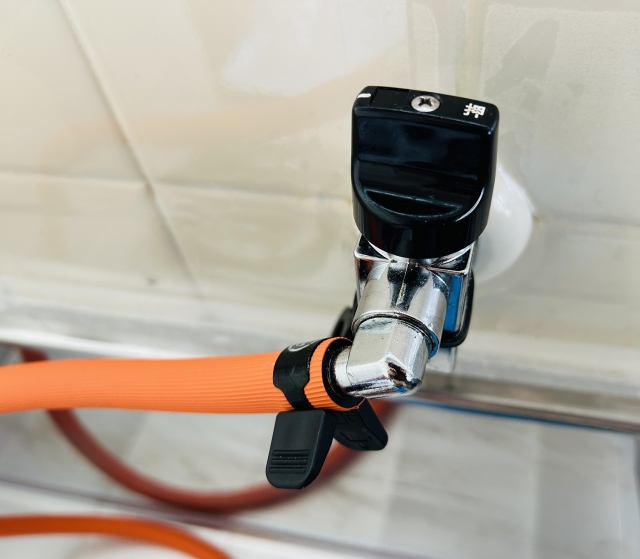
  • Turn gas valves completely to the "open" position
  • Avoid using valves in half-open positions as this is dangerous
  • Turn valves completely to the "closed" position after use
  • Close all gas valves when away for extended periods

Safe Gas Hose Management

  • Use dedicated rubber gas hoses (vinyl hoses prohibited)
  • Check the manufacturing date of hoses and replace old ones
  • Regularly inspect for cracks or hardening
  • Maintain appropriate length and avoid excessively long hoses

Gas Appliances with Safety Features

Si Sensor Stoves

Gas stoves with safety features, mandatory since October 2009, include the following functions:

  1. Cooking Oil Overheating Prevention Device: Automatically extinguishes when pot bottom temperature becomes abnormally high
  2. Flame Failure Safety Device: Automatically shuts off gas when flame goes out due to boiling over or wind
  3. Automatic Shut-off Function: Automatically extinguishes after continuous use for a certain period

Gas Alarms

Devices that detect gas leaks and alert with alarms. Installation is particularly recommended in:

  • Kitchen areas (for city gas: near ceiling; for propane gas: near floor)
  • Gas appliance installation areas
  • Bedrooms and living rooms

Implementing Ventilation

Always ventilate when using gas appliances:

  • Ventilate 1-2 times per hour for 1-2 minutes
  • Open windows or use ventilation fans
  • Prevent carbon monoxide poisoning from incomplete combustion

Seasonal Usage Precautions

Seasonal gas usage

Winter Heating Equipment Usage

  • Regular air exchange when using gas fan heaters
  • Moderate ventilation as a condensation countermeasure
  • Don't overlook signs of combustion problems

Summer Gas Stove Usage

  • Pay attention to kitchen temperature rise
  • Balance heat stroke prevention with ventilation
  • Precautions when using with air conditioning

Emergency Gas Response Methods

Gas emergency response

Actions When Gas Leak is Detected

Immediate Actions to Take

  1. Avoid Fire Sources: Do not touch matches, lighters, or electrical switches
  2. Open Windows for Ventilation: Release gas outdoors
  3. Close Gas Valves: Only if you can approach safely
  4. Contact Gas Company: Immediately report to emergency contact

Actions to Avoid

  • Operating electrical switches (turning on or off)
  • Using phones (contact after going outdoors)
  • Using ventilation fans (dangerous due to electrical components)
  • Using cigarettes or lighters

Gas Response During Earthquakes

Actions During Earthquake Occurrence

  1. First ensure personal safety
  2. Close gas valves after shaking stops
  3. Stop using gas appliances
  4. Check microcomputer meter

Microcomputer Meter Recovery Method

Japanese gas meters have built-in safety devices that automatically shut off gas in the following cases:

  • Earthquakes of magnitude 5 or higher
  • Extended continuous use
  • Abnormally large usage
  • Gas alarm activation
  • Gas pressure abnormalities

Emergency Contact List

Major Gas Company Emergency Contacts

Gas CompanyEmergency ContactResponse Hours
Tokyo Gas0570-00229924 hours, 365 days
Osaka Gas0120-0-1942424 hours, 365 days
Toho Gas052-872-923824 hours, 365 days

Other Emergency Contacts

  • Fire Department: 119
  • Police: 110
  • Gas Accident Reporting Center: 0570-002-299

Carbon Monoxide Poisoning Prevention and Response

Symptom Recognition

Initial symptoms of carbon monoxide poisoning:

  • Headache
  • Dizziness
  • Nausea
  • Fatigue

Prevention Measures

  • Regular ventilation
  • Regular gas appliance inspections
  • Installation of carbon monoxide alarms

Support for Foreigners Using Gas

Foreign support for gas usage

Services by Gas Company

Tokyo Gas Multilingual Support

  • Languages supported: English, Chinese, Korean, Spanish, Portuguese
  • Three-way calling service available
  • Online English support pages provided

Osaka Gas Services for Foreigners

  • English contract procedure pages
  • Multilingual safety explanation materials
  • Multilingual emergency response

Japan Gas Association Materials for Foreigners

The Japan Gas Association provides leaflets for foreigners including:

  • Gas meter function explanations
  • Emergency response methods
  • Visual usage guides
  • Two types available: for English-speaking and Asian regions

Tips for Gas Contracts Using Language Support

Contract Preparation

  1. Translation App Preparation: Voice translation features like Google Translate
  2. Japanese Supporter Attendance: Request Japanese speaker to accompany if possible
  3. Pre-check Important Terms: Learn basic gas-related vocabulary

Commonly Used Gas-Related Terms

JapaneseEnglishDescription
都市ガスCity GasGas supplied through underground pipelines
プロパンガスLP Gas/Propane GasGas supplied via cylinders
ガス栓Gas Tap/ValveGas opening/closing valve
開栓Gas OpeningGas supply start work
閉栓Gas ClosingGas supply stop work
立会いAttendanceAttendance for opening/closing work

Troubleshooting Gas Usage Issues

Common Problems and Solutions

When Gas Won't Ignite

  1. Check Gas Valve: Confirm it's completely open
  2. Check Gas Meter: Verify safety device hasn't activated
  3. Check Gas Appliance: Check for dead batteries or malfunctions
  4. Contact Gas Company: When problems aren't resolved

When You Smell Gas

  1. Immediate safety measures
  2. Implement ventilation
  3. Stop using fire sources
  4. Emergency contact to gas company

Meter Recovery Work

Steps to recover when microcomputer meter stops due to safety device:

  1. Stop all gas appliances
  2. Press the recovery button
  3. Wait for gas leak inspection completion (about 3 minutes)
  4. Resume use after safety confirmation

Response to Gas Appliance Malfunctions

Response Within Warranty Period

  • Check warranty certificate from purchase
  • Contact manufacturer or retailer
  • Confirm possibility of free repair

Response Outside Warranty Period

  • Obtain repair cost estimates
  • Compare costs with new purchase
  • Make decisions prioritizing safety

Gas Procedures When Moving

Moving gas procedures

Moving Procedures

  1. Gas Closing at Current Address: Report service stop date
  2. Gas Opening at New Address: Reserve service start date
  3. Schedule Attendance: Coordinate attendance dates
  4. Confirm Gas Appliance Types: Verify compatibility

Precautions for Gas Closing

  • Confirm settlement method
  • Security deposit return procedures
  • Confirm final usage amount

Gas Usage Conservation Tips and Efficient Usage Methods

Gas conservation

Effective Conservation Methods

Cooking Conservation Techniques

  • Match pot bottom size with gas stove size
  • Use lids to improve thermal efficiency
  • Properly adjust flame intensity
  • Utilize residual heat cooking

Water Heater Conservation Usage

  • Optimize temperature settings (usually 40-42°C)
  • Reduce shower time
  • Decrease reheating frequency
  • Utilize heat retention functions

Seasonal Efficient Usage

Winter Heating Efficiency Improvement

  • Improve room insulation performance
  • Appropriate room temperature setting (20-22°C)
  • Use with circulators
  • Use only when people are present

Summer Gas Usage Optimization

  • Adjust hot water temperature
  • Reduce cooking time
  • Use in conjunction with ventilation

For Safe and Comfortable Gas Living

Gas usage in Japan becomes the foundation for safe and comfortable living by acquiring proper knowledge and appropriate usage methods. Important points for foreigners can be summarized as follows:

Review of Gas Usage in Japan

  1. Confirm Gas Type: Always verify whether it's city gas or propane gas, and use compatible appliances
  2. Safety-First Usage: Always ventilate and immediately stop usage if you notice anything abnormal
  3. Emergency Response: Know contact information and remember appropriate response methods
  4. Utilize Multilingual Support: Take advantage of foreign services from Tokyo Gas, Osaka Gas, and others
  5. Regular Maintenance: Conduct gas appliance inspections and proper management

Gas usage in Japan has significantly reduced accident rates due to the widespread adoption of safety-equipped appliances. By following regular inspections and proper usage methods, you can enjoy comfortable life in Japan. When in trouble, try using the multilingual support services of gas companies.

関連記事